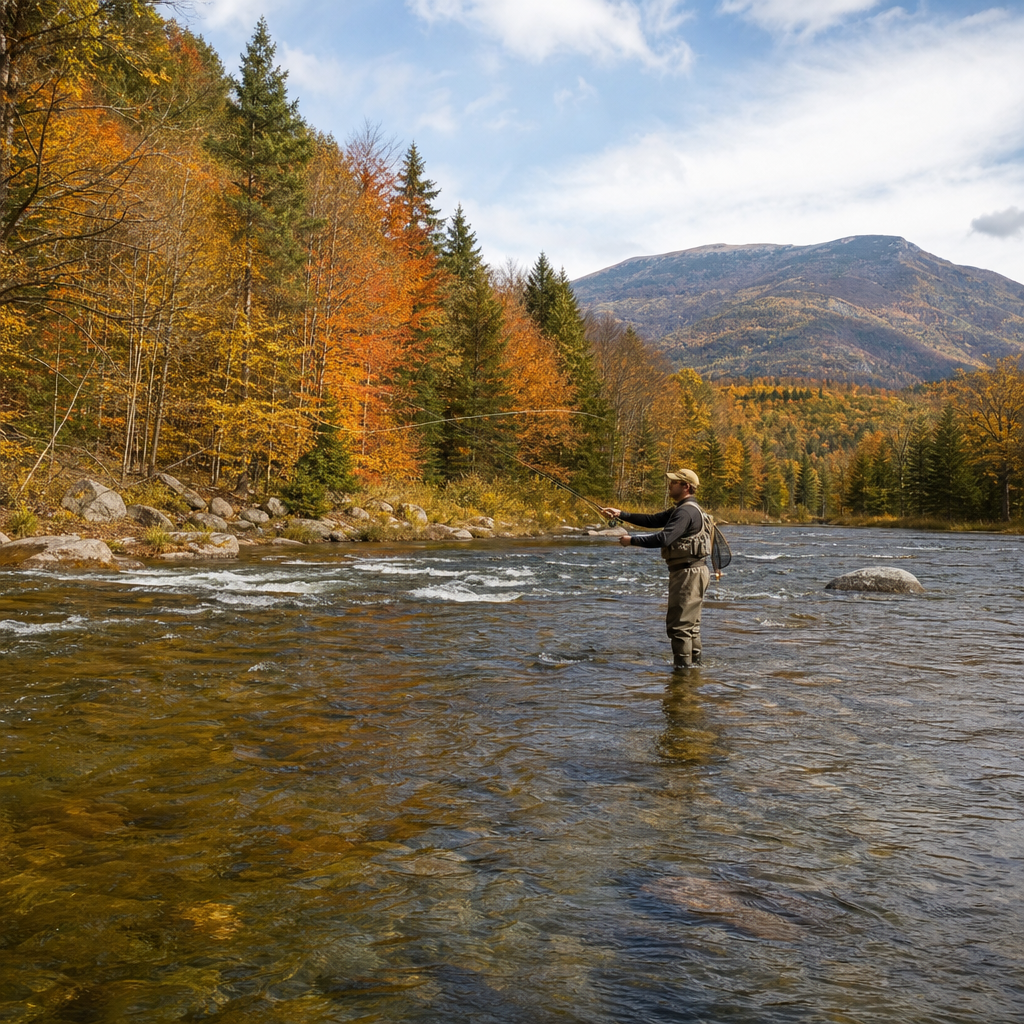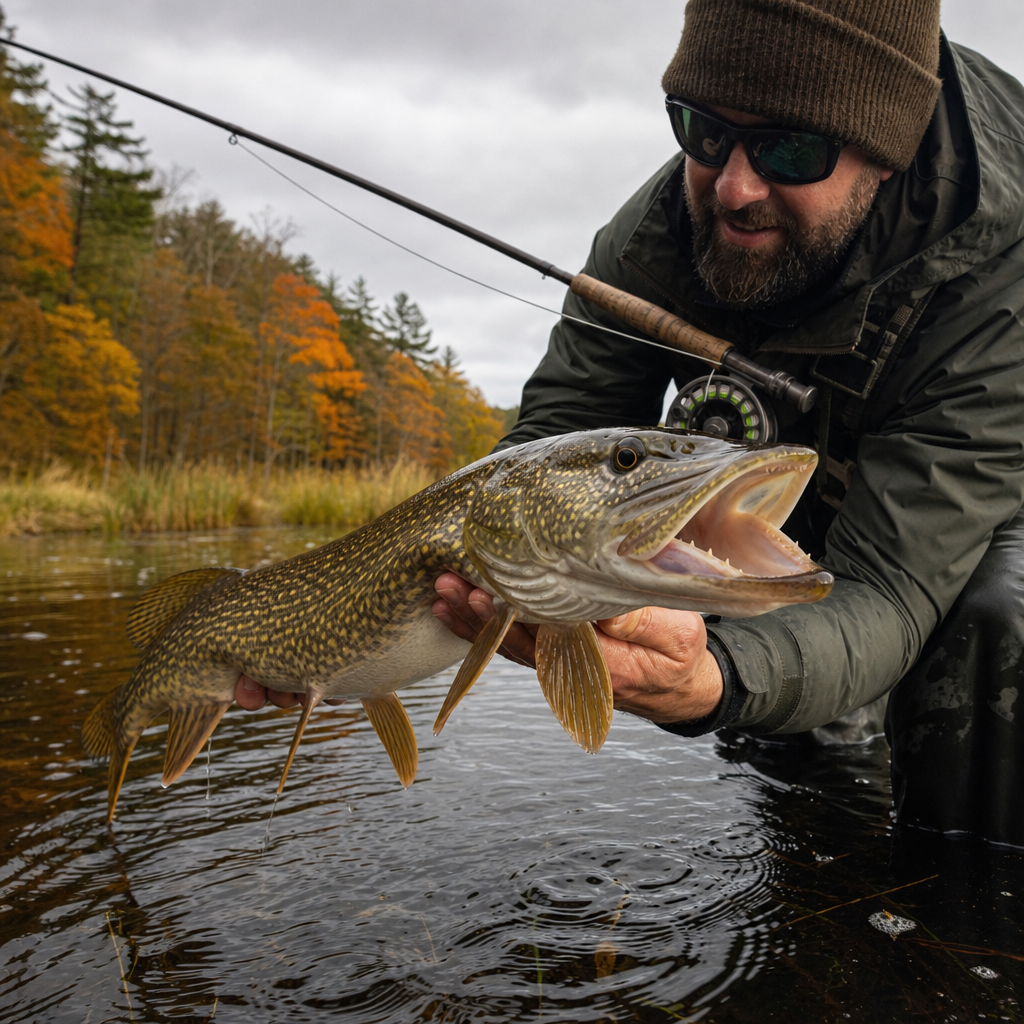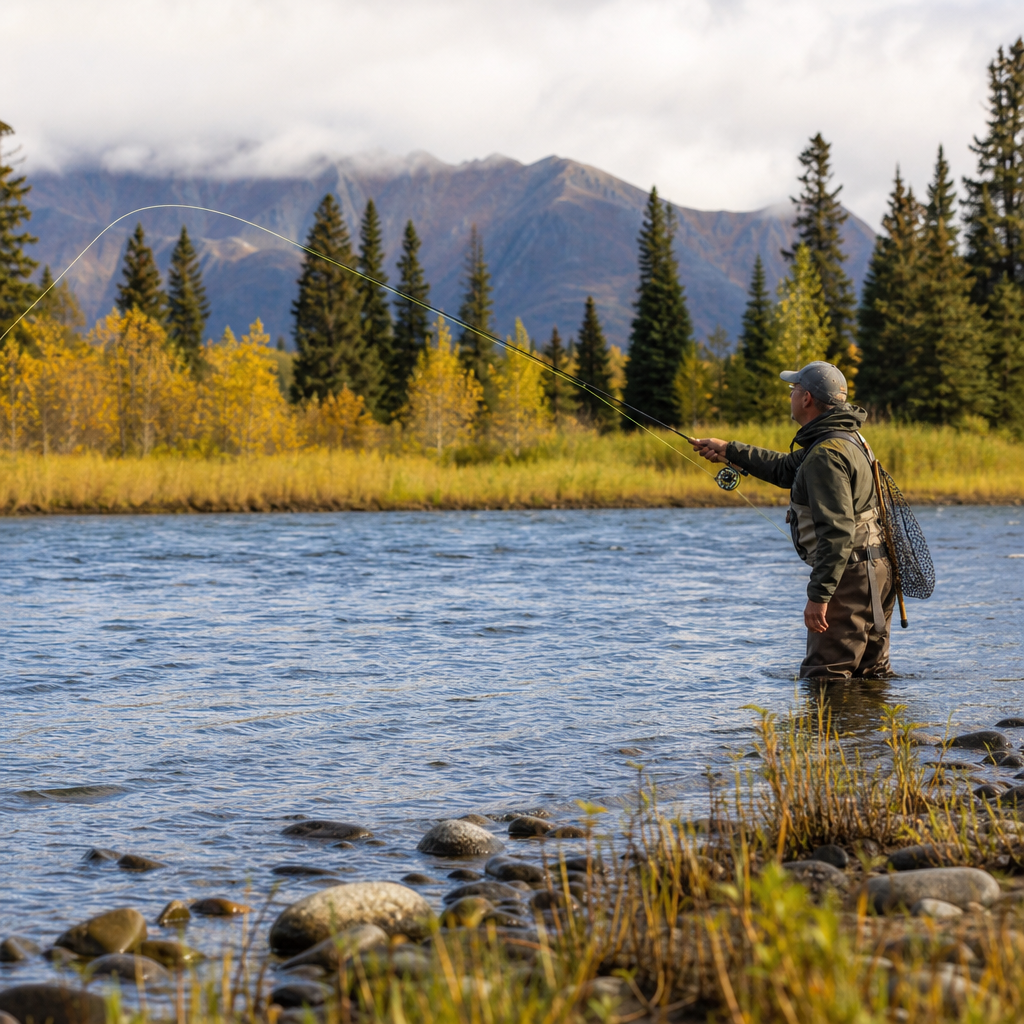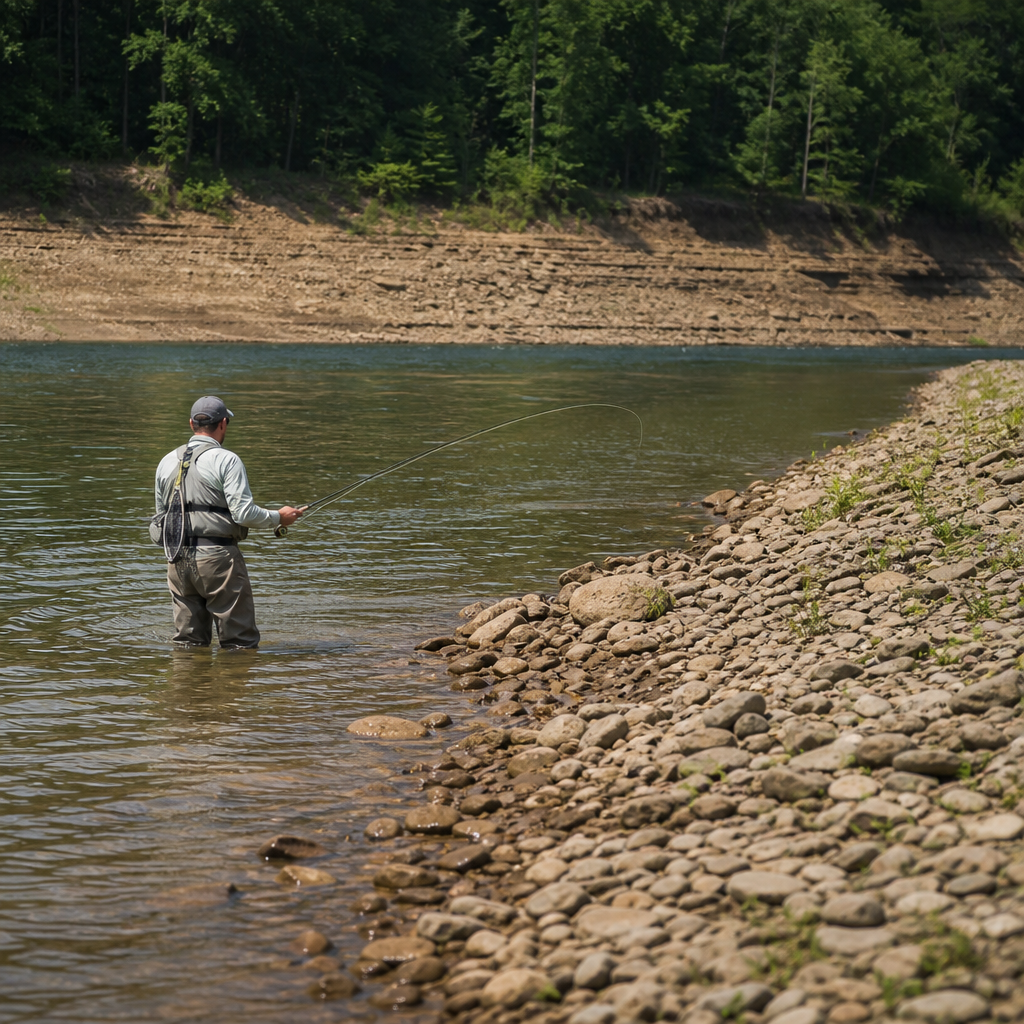
Fly fishing in falling water levels demands sharper observation, cleaner presentations, and smarter gear choices than almost any other weather-related condition. As rivers drop after runoff, tailwaters recede between generation pulses, and streams shrink during dry spells, trout behavior changes quickly. Falling water levels means the river is losing volume and often clarity, depth, current speed, and bank cover at the same time. For anglers, that affects where fish hold, how they feed, and how close you can approach without being detected. I have fished these conditions on freestones, spring creeks, and western tailwaters, and the pattern is consistent: fish become more concentrated, but also more selective and easier to spook.
This matters because low, dropping water is common from mid to late summer, during drought periods, after brief storms, and whenever irrigation withdrawals or dam schedules reduce flow. It is also one of the most misunderstood parts of weather conditions for fly anglers. Many people think low water simply means smaller flies and longer leaders. That is partly true, but it misses the larger system. Water temperature rises faster in shallow runs. Dissolved oxygen can decline. Aquatic insects emerge differently when riffles thin out. Terrestrials become more important along grassy banks. Predators, including birds, gain visual advantage, which pushes trout under cutbanks, timber, depth transitions, and broken current.
As a hub page for weather conditions, this article explains not only techniques and gear for falling water levels, but also the environmental signals that connect low water to heat, light, dissolved oxygen, barometric shifts, and storm timing. If you understand those links, you can make better choices on when to fish, where to start, what rig to tie on, and when to stop for the sake of the fishery. The best anglers in these conditions do three things well: they read micro-habitat, reduce their profile, and match presentation speed to reduced current. Everything else, from fly selection to tippet diameter, supports those fundamentals.
How Falling Water Levels Change Trout Behavior
When water drops, trout rarely abandon a river section entirely, but they do compress into the best available habitat. The highest percentage lies become obvious once you know what to look for: knee-to-waist-deep slots, the heads of pools where oxygen remains high, shaded undercut banks, plunge pockets, spring inflows, and seams near woody cover. In broad flats, fish often slide from the center toward structure or subtle depressions. In pocket water, they shift from exposed cushions behind rocks into deeper, darker pockets with adjacent escape routes.
The central reason is energy economics. Trout want calories, oxygen, and security with minimal effort. As current speed softens in dropping flows, some feeding lanes disappear, while other lanes become more defined. A riffle that held scattered fish at normal flow may become too thin and warm by afternoon, pushing those fish into the nearest run or pool. On many western freestones, I have seen morning risers in ankle-deep riffles vanish by noon, only to reappear at the tailout edge after evening shade reaches the water.
Low water also increases visibility in both directions. Fish see leaders, fly lines, and wading anglers more easily, while anglers can often spot holding fish, bottom contours, and feeding rhythm. That is an advantage if you slow down. Polarized glasses become a tactical tool, not an accessory. Instead of covering water quickly, pick apart one feature at a time: a bubble seam entering a pool, a cutbank shadow, a submerged boulder with a soft cushion behind it. In falling water, ten deliberate casts usually outfish fifty hurried ones.
Reading Weather Conditions Alongside Water Level
Water level alone never tells the full story. The productive window depends on how low water interacts with weather conditions across the day. Bright sun generally tightens holding lies and shortens surface feeding windows, especially in clear rivers. Cloud cover extends activity into shallower water. A cool night can reset morning temperatures and create a strong dawn bite, while a hot night often means the river starts warm and reaches stress levels earlier than expected. On trout water, that distinction can determine whether you fish until lunch or quit by 9 a.m.
Wind is another overlooked factor. A light upstream or crosswind can help by breaking the surface, masking your approach, and knocking terrestrials into the current. In low summer water, some of my best afternoons have come on breezy meadow streams where hoppers, ants, and beetles replaced delicate mayfly presentations. By contrast, dead-calm conditions on a spring creek can make trout inspect every drift. In those moments, slack-line accuracy matters more than pattern variety.
Storm timing matters too. A brief rain event does not always improve fishing immediately. If the river is still dropping overall, a small bump may color edges just enough to relax fish, but a sudden localized storm can also spike temperature, wash fine sediment, or create unstable flows. Check hydrographs from USGS gauges, dam release schedules where relevant, and local water temperature reports. A river at 250 cubic feet per second falling steadily fishes very differently from the same river at 250 after a rapid two-day drop. The trend often matters as much as the number.
Best Times and Best Water to Fish
In falling water levels, timing is frequently the difference between difficult fishing and excellent fishing. Early morning is often best during warm periods because water is coolest and trout can feed shallow before direct sun reaches the river. Evening can be equally strong, especially where canyon shade or valley walls reduce light. Midday is not always poor, but it usually shifts the game toward nymphs in depth, terrestrials along cover, or technical dry-fly fishing in spring-fed systems.
Start by eliminating unproductive water. Skip broad, featureless shallows unless you see active fish. Focus instead on what guides call “protective feeding lies,” places where a trout can eat while staying concealed. Examples include the first three feet below a riffle lip, the darker lane along a rock garden, the inside edge of a cutbank, and the oxygenated slot beside a logjam. If the river is very low, look for transitions rather than classic textbook runs. A depression of even six inches can hold multiple trout if food funnels through it.
Mobility is useful, but random movement is not. Cover short sections thoroughly and observe before you cast. Watch for white flashes, subtle head tilts, bubbles stalling over a soft seam, or the shadow of a fish adjusting in place. On tailwaters, monitor release schedules and fish the drop with caution; trout often feed during moderate decreases but become unsettled by abrupt changes. On spring creeks, target weed edges and current tongues where food concentrates without exposing fish.
| Condition | Most Productive Water | Primary Technique | Key Adjustment |
|---|---|---|---|
| Bright, hot afternoon | Shade lines, cutbanks, deeper riffle heads | Tight-line nymphing or short dry-dropper | Short drifts close to cover |
| Cool morning after cold night | Shallow riffles, tailouts, foam seams | Dry fly or light nymph rig | Approach from downstream |
| Breezy meadow stream | Grassy banks, undercuts, pocket edges | Terrestrial dry patterns | Use wind to mask leader splash |
| Steady low tailwater | Defined seams, shelf drops, weed lanes | Small nymphs under an indicator | Lengthen leader and reduce indicator size |
Presentation Techniques That Work in Low, Dropping Water
The core rule is simple: present the fly slower, cleaner, and from farther away. In normal flows, current complexity can hide small errors. In falling water, fish have more time to inspect a drift, and less current means your line or indicator can influence the fly sooner. The first priority is angle. Whenever possible, approach from downstream and cast upstream or up-and-across so the fish sees the fly before the leader and line. On flat glides, a reach cast or parachute cast buys critical drag-free distance.
Dry-fly fishing calls for precision. Use the first cast as your best cast because repeated false casting over shallow fish ruins the lie. Land the fly with minimal disturbance and target feeding lanes no wider than a dinner plate if needed. For nymphing, shorten the amount of line on the water and control speed carefully. Tight-line methods excel in pocket water and narrow lanes because they keep nearly all fly line off the surface. Indicator rigs still work, especially on spring creeks and tailwaters, but oversized bobbers and heavy split shot often cost fish in clear low conditions.
Dry-dropper setups can be ideal hub tactics across changing weather conditions because they cover surface and subsurface feeding at once. A buoyant attractor or terrestrial with a lightly weighted nymph beneath is efficient around banks, riffle heads, and broken seams. Streamers are less consistent in very low, clear water, yet they still produce around undercut banks, depth shelves, and woody cover if downsized. I prefer sparse size 8 to 12 patterns in olive, tan, or black, stripped with pauses rather than hard jerks.
Fly Selection and Gear Choices
Gear for falling water levels should help you stay inconspicuous and in control. A 4- or 5-weight rod handles most trout situations, though a 3-weight shines on small creeks and a 6-weight helps with larger terrestrials or streamers in wind. Long leaders matter because they separate fly line from fish. For dry flies and light nymphs, 10.5- to 12-foot leaders are standard. Add fluorocarbon tippet for subsurface rigs when abrasion resistance and sink rate matter, but use nylon for most dries because it floats better and lands softer.
Tippet diameter depends on fly size, current speed, and fish wariness. In low, clear water, 5X and 6X are common for technical dry-fly fishing; 4X may still be fine for terrestrials near banks or bigger attractors in broken surface water. Go as heavy as conditions allow, not as light as pride suggests. Too-fine tippet twists, knots poorly, and prolongs fights in warm water. A fish played too long in summer low flows is at higher risk because oxygen demand is elevated.
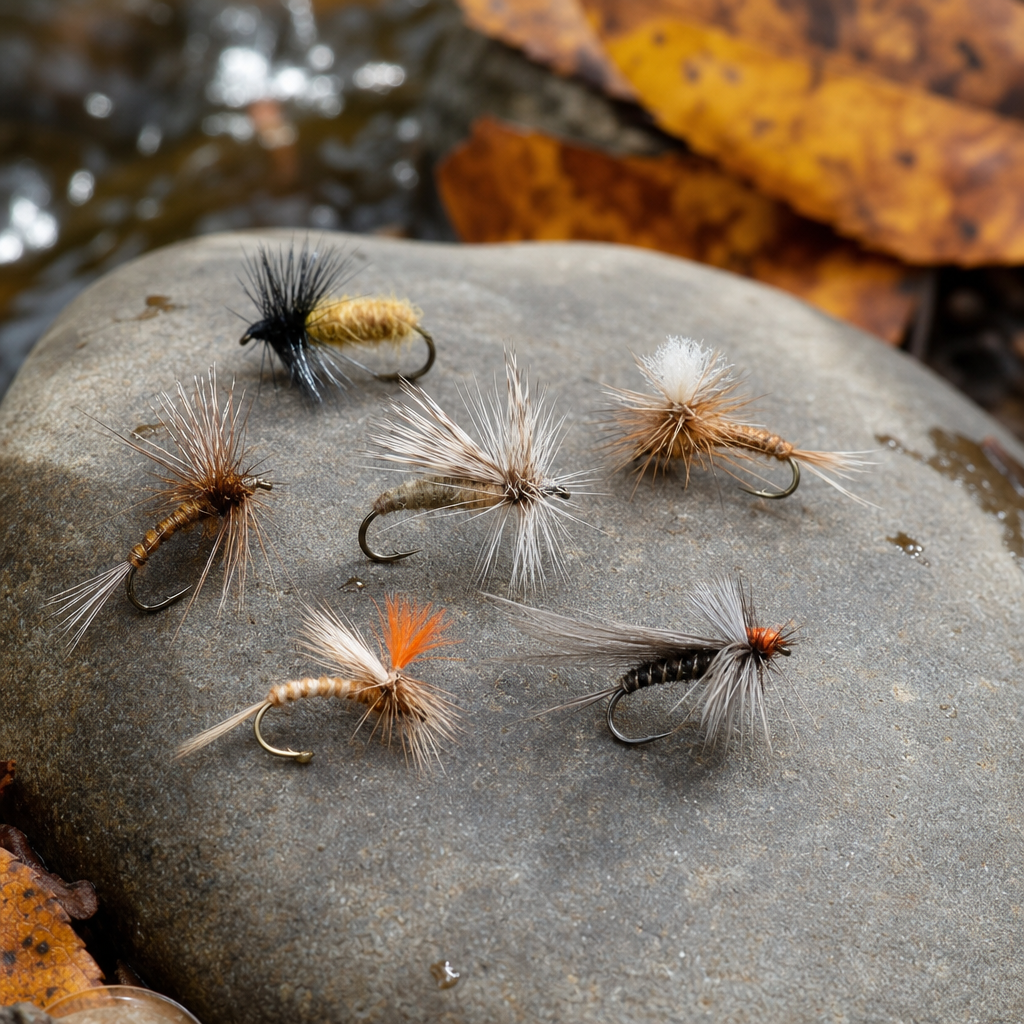
Fly selection should reflect available food and visibility. Start with three categories: small mayflies and midges for selective fish, caddis and attractor nymphs for broken water, and terrestrials for bankside opportunism. Reliable patterns include Parachute Adams, CDC Comparaduns, beetles, cinnamon ants, hopper imitations, Pheasant Tails, Zebra Midges, RS2s, perdigons, and small caddis pupae. Carry split shot in fine increments, micro indicators, desiccant, floatant, and a thermometer. That last tool is nonnegotiable during prolonged summer drops; many anglers guess at safe temperatures and guess wrong.
Fish Care, Ethics, and When Not to Fish
Low, dropping water can create excellent fishing, but it also creates the greatest need for restraint. As water warms, trout experience cumulative stress from reduced oxygen, higher metabolic demand, and longer recovery times after being played and handled. Regulations increasingly reflect this reality. Many states and provinces use hoot-owl restrictions, seasonal closures, gear restrictions, or voluntary afternoon stop times when temperatures climb. Even where rules do not require it, responsible anglers should monitor conditions closely.
A practical benchmark used by many coldwater anglers is to become cautious as temperatures approach the upper 60s Fahrenheit and to stop targeting trout once water reaches about 68 to 70 degrees, depending on species, acclimation, and local guidance. Brown trout may tolerate slightly warmer water than cutthroat in some systems, but tolerance does not equal low stress. The ethical standard is not whether a fish swims away immediately; it is whether the fish can recover fully under present conditions.
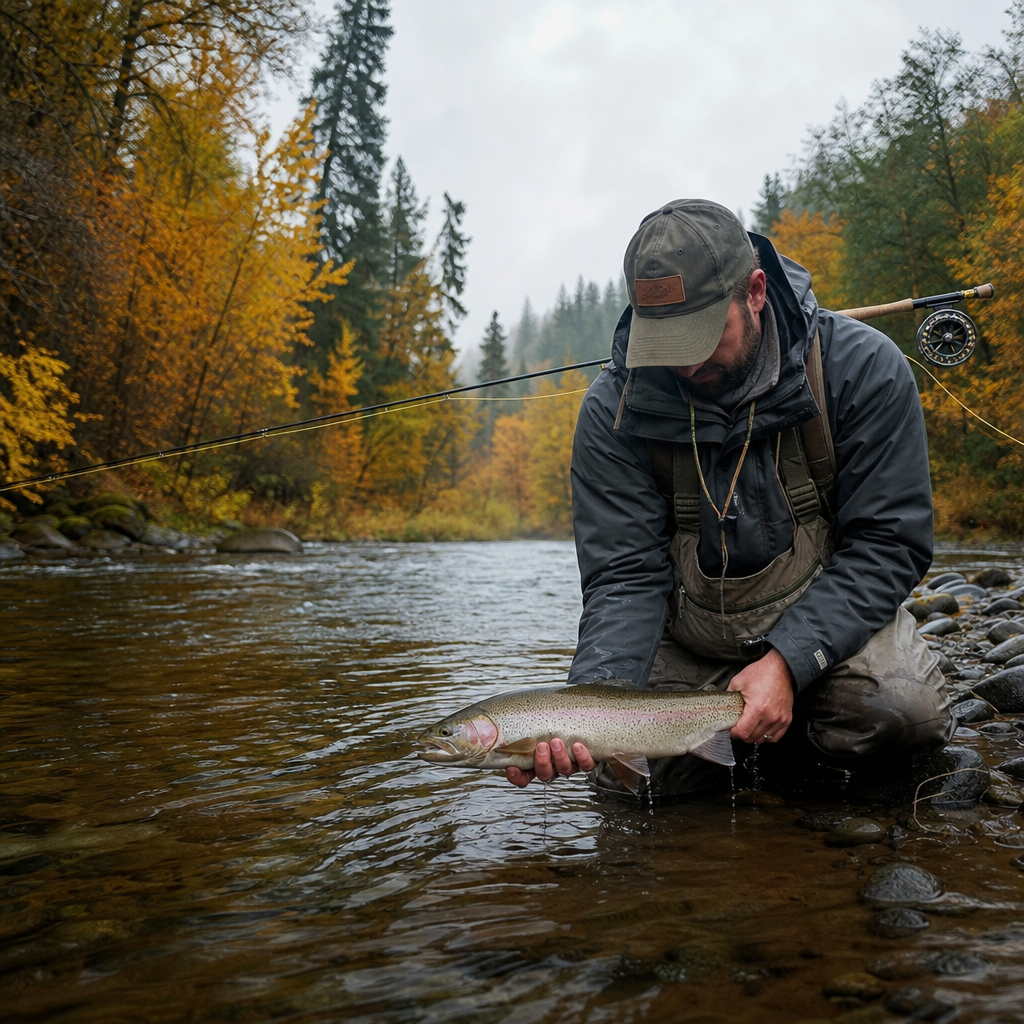
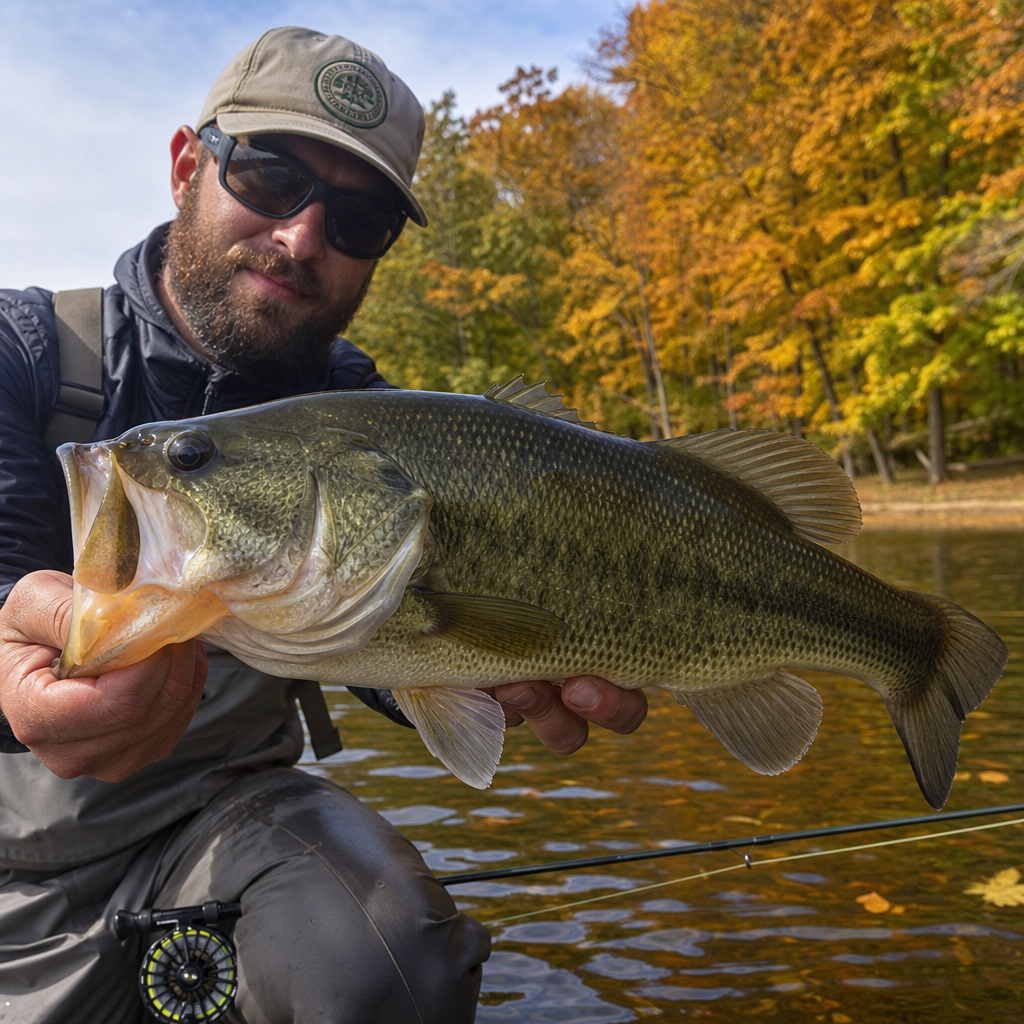
Use barbless hooks, keep fish in the water, and shorten fights by applying side pressure with appropriately strong tippet. Avoid fishing spawning refuges, isolated plunge pools full of concentrated trout, or spring seeps where fish are sheltering from heat. If you see multiple fish gasping near the surface, or if streamside rocks feel hot before dawn, shift to warmwater species or stillwater. The best benefit of understanding weather conditions is not simply catching more fish. It is knowing when low water can still be fished well, when a careful tactical adjustment will help, and when the right decision is to walk away. Check flows, check temperature, plan for stealth, and fish the best window.
Frequently Asked Questions
What changes in trout behavior when water levels are falling?
As water levels drop, trout usually become more selective, more exposed, and more energy-conscious. In higher water, fish can spread into soft edges, flooded seams, and near-bank cover because they have depth and current protection. When the river starts to lose volume, many of those temporary holding areas disappear. Trout slide toward places that still provide security and efficiency: deeper runs, cut banks, troughs, undercut structure, shaded lies, heads of pools, and current seams that bring food without forcing the fish to burn too much energy. In practical terms, that means fish are often concentrated in fewer high-percentage locations, but they are also easier to spook.
Falling water can also change feeding behavior quickly. If the river is dropping after runoff or a release pulse, trout may feed actively during the transition, then become cautious once flows stabilize at a lower level and the water clears. Reduced current speed often means insects drift more slowly and naturally, so fish get a longer look at flies. That is why drag-free presentations become much more important in low, declining water. The lower the river gets, the more important stealth, fly size, leader length, and first-cast accuracy become. Instead of covering lots of water quickly, successful anglers usually slow down, observe more, and fish likely holding lies with deliberate, clean drifts.
Where should you look for trout first when rivers and streams are dropping?
Start by identifying water that still offers the three things trout need most in low conditions: depth, oxygen, and concealment. Even a modest drop in water level can remove soft holding water along the bank and leave fish vulnerable in shallow flats. The best first targets are often the deeper edges of riffles, the insides of bends with a defined trough, the tailout transitions just above true skinny water, plunge pools, slot water between rocks, and the darker seams where current funnels food but depth still provides cover. In freestone streams, isolated boulders, root wads, log cover, and undercut banks become even more valuable because they offer both shelter and a feeding lane.
On tailwaters, fish often reposition as generation drops, moving out of broad walking-speed runs and into depressions, channels, shelves, and slots that maintain consistent depth between release periods. In small streams during dry spells, trout may cluster near springs, shaded banks, woody debris, and any pocket with overhead protection. A useful rule is to work from the obvious refuge water outward rather than blindly fishing every inch of the river. Also pay close attention to light conditions. Early morning, late evening, cloud cover, and shaded banks can expand where trout are willing to hold and feed. Bright overhead sun usually pushes them tighter to structure, deeper lanes, or broken surface water where they feel less exposed.
What fly fishing techniques work best in falling water levels?
The most reliable techniques in falling water are usually the ones that prioritize precision, natural drift, and low disturbance. For dry flies, that means longer leaders, careful approach angles, and presentations that land softly with as little line on the water as possible. Reach casts, parachute casts, and controlled slack can help extend a drag-free drift when fish are holding in slower, clearer currents. Dry-dropper rigs can still be effective, especially in pocket water or broken seams, but the setup should be scaled down to match the reduced flow. Large foam indicators and heavily weighted subsurface rigs that work in high water can become too splashy or unnatural once levels fall.
Nymphing remains highly effective, but it usually requires refinement. Use less weight, smaller indicators if you use one at all, and flies that match the thinner, more natural drift in reduced current. High-sticking short drifts through pockets, tight-line presentations in narrow lanes, and small two-fly rigs can all excel if you maintain direct contact without overpowering the drift. Streamer fishing often shifts from aggressive stripping to more subtle tactics. In lower water, smaller streamers, sparse patterns, and slower retrieves tend to outperform large, pushy flies. Across all methods, the first cast matters more because trout in low water often spook or refuse after one poor presentation. Good anglers treat each fishy lie as a high-value opportunity rather than something to pound repeatedly.
What gear adjustments help the most when fishing low, dropping water?
The best gear changes are usually about reducing visibility and increasing control. Lighter rods in the 3- to 5-weight range are often ideal because they protect finer tippets and make delicate presentations easier. Longer leaders, typically 9 to 12 feet or even more in flat, clear water, help separate the fly from the fly line and reduce lining wary trout. Tippet size often needs to come down as well, especially when fish are inspecting small dries or lightly weighted nymphs in slow current. Fluorocarbon is commonly preferred for subsurface work because it sinks a bit faster and is less visible underwater, while nylon remains a great choice for dry flies due to its buoyancy and forgiving turnover.
Fly selection should also become more restrained. Smaller, slimmer, more natural-looking patterns generally outperform oversized attractors once the river drops and clears. Carry unweighted or lightly weighted nymphs, sparse soft hackles, small mayfly and midge imitations, and modestly sized streamers in natural colors. Polarized glasses are essential in these conditions because they help you read depth, spot structure, avoid wading into fish, and sometimes even sight-fish individual trout. Wading gear matters too: felt or modern high-traction soles, a wading staff in slick channels, and a cautious pace help you move safely without sending pressure waves through shallow holding water. Finally, keep accessories quiet and minimal. In low water, every unnecessary false cast, clanking tool, and careless step can cost you fish.
How should you approach and wade a river safely and effectively when water levels are falling?
Approach becomes a major part of success in falling water because trout often hold in less water than anglers expect. The biggest mistake is walking through the exact soft seams, tailouts, and inside lanes where fish have relocated as the river recedes. Whenever possible, observe first from the bank or from a downstream position. Look for subtle depressions, current tongues, shade lines, bubble lanes, and structure that still offers cover. Plan your route before entering the water, and fish the nearest likely lies before stepping deeper. In low, clear conditions, staying out of the river entirely can be the best presentation advantage you have.
From a safety standpoint, falling water can be deceptive. A river may be getting lower, but slick rocks, collapsing banks, and uneven channels still create hazards. On tailwaters especially, anglers need to understand the release schedule because “falling water” can reverse quickly if generation begins again. Watch for stranded side channels, mud shelves, and algae-covered rocks exposed by dropping flows. Move slowly, keep your profile low when close to the water, and avoid unnecessary crossing if the fishable water is in front of you. Effective low-water wading is really a combination of stealth and restraint: fewer steps, smarter positioning, and a constant awareness that the fish can see and feel much more than they could in higher flows.