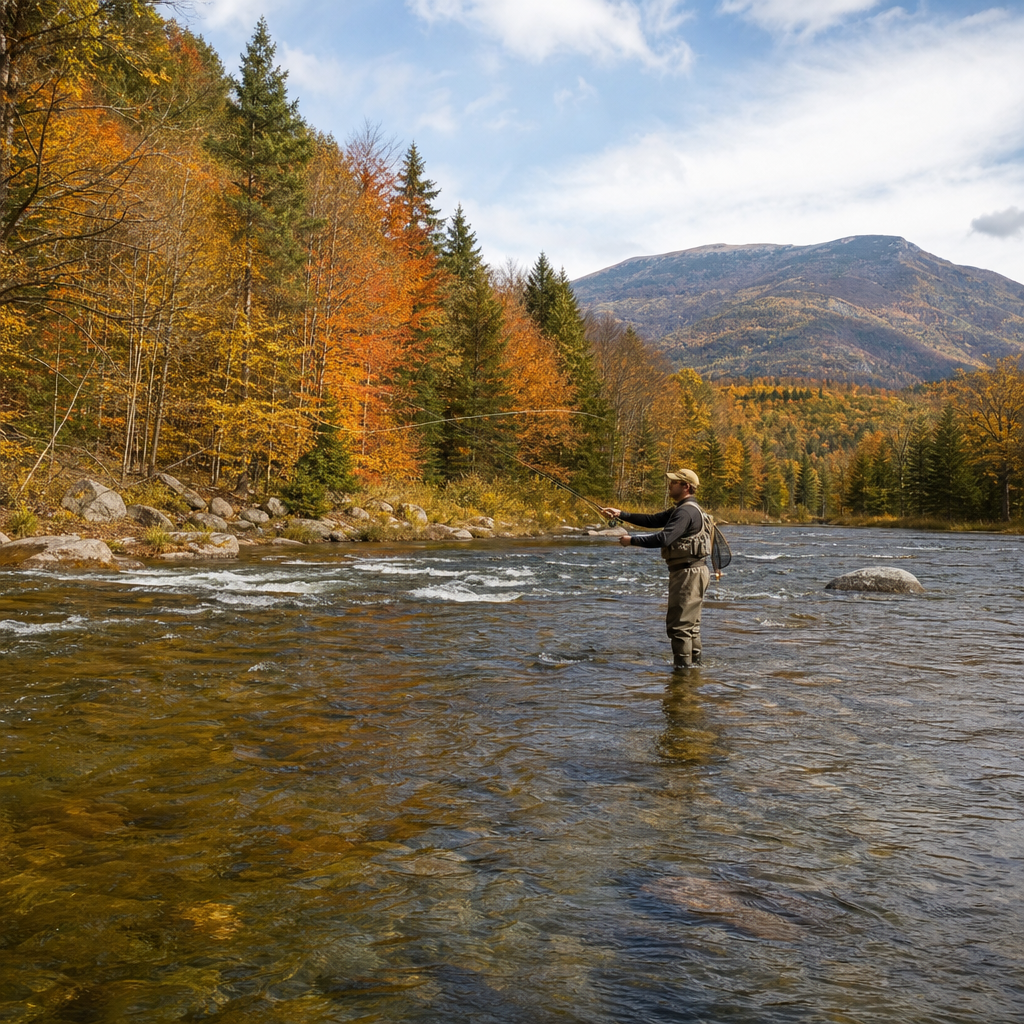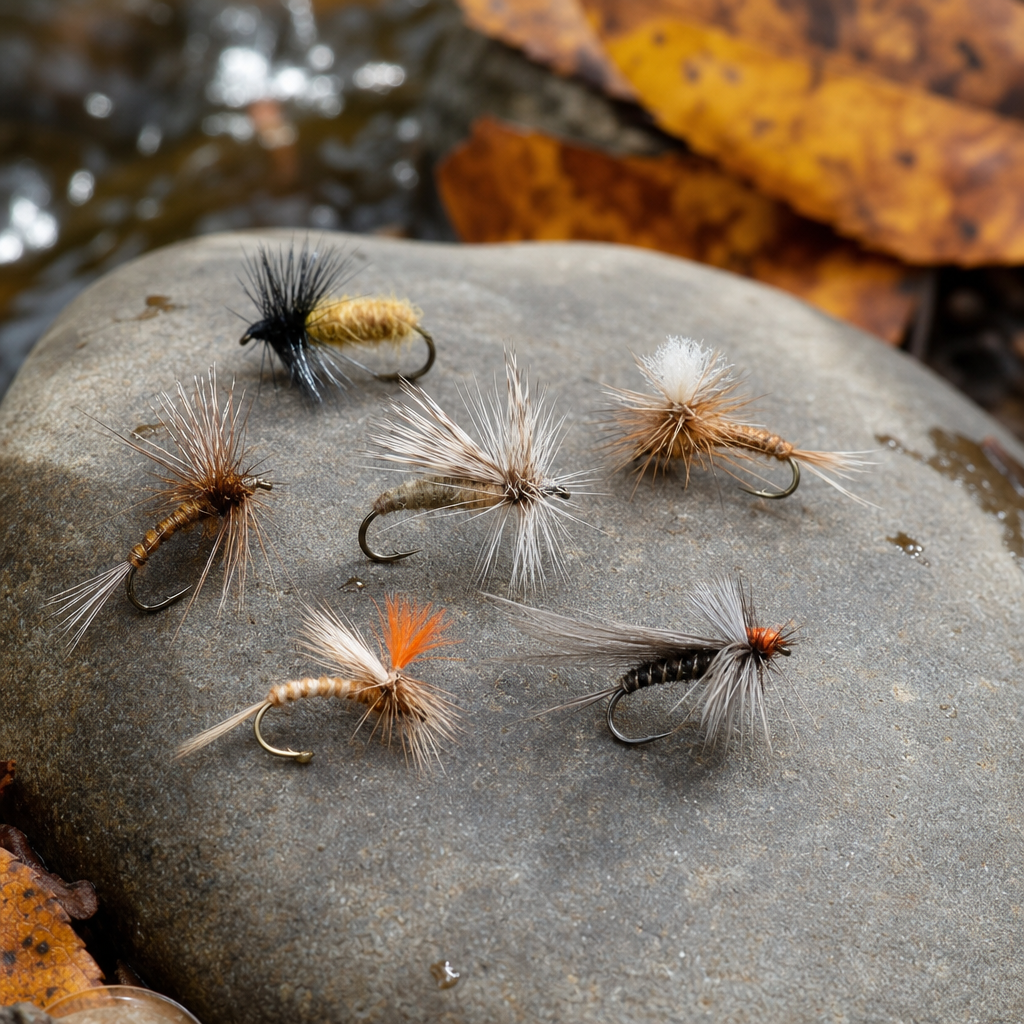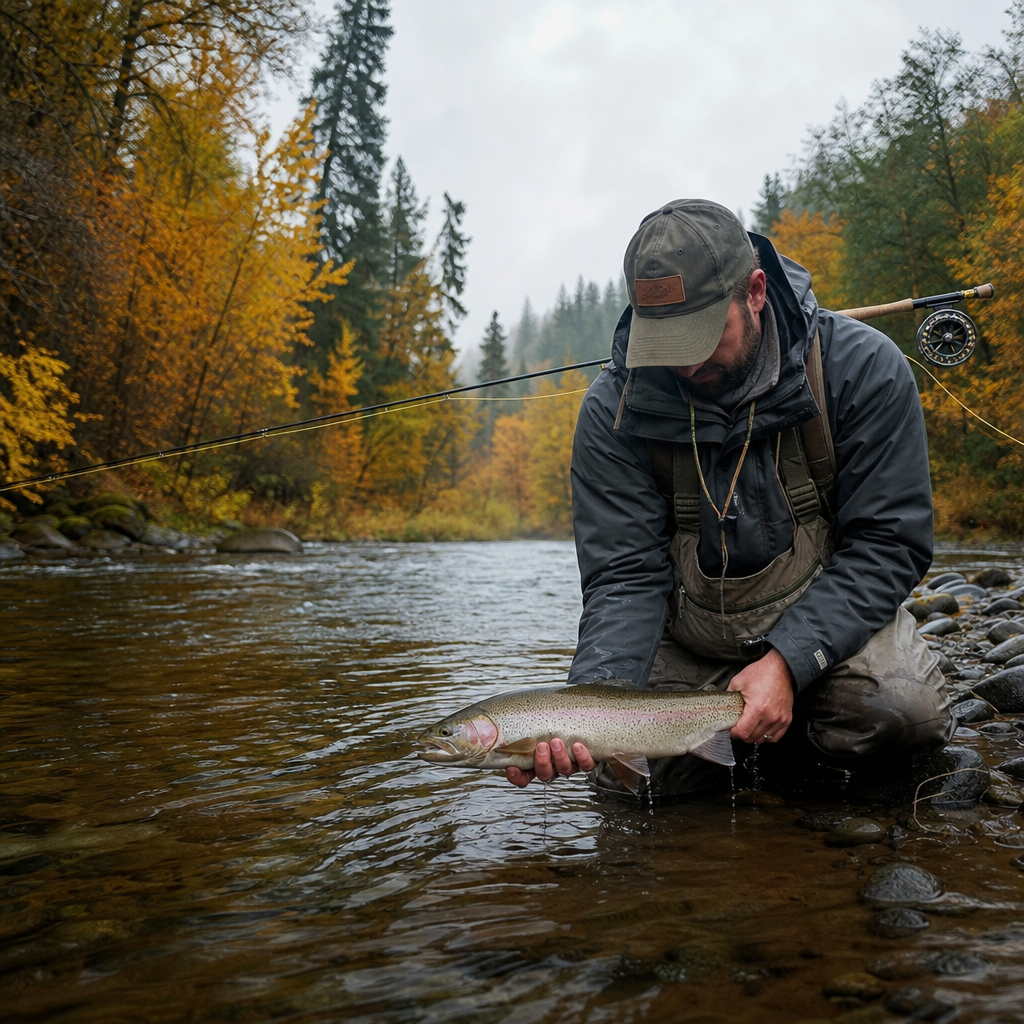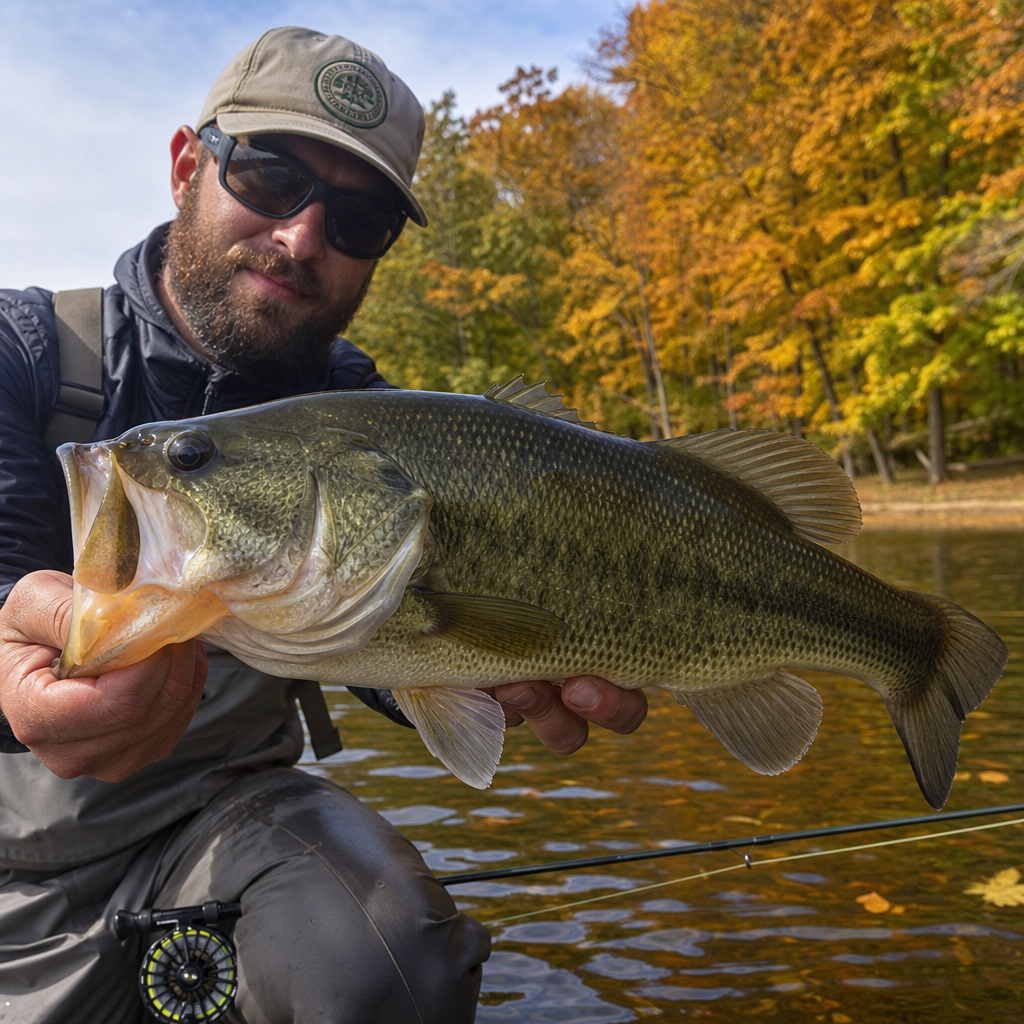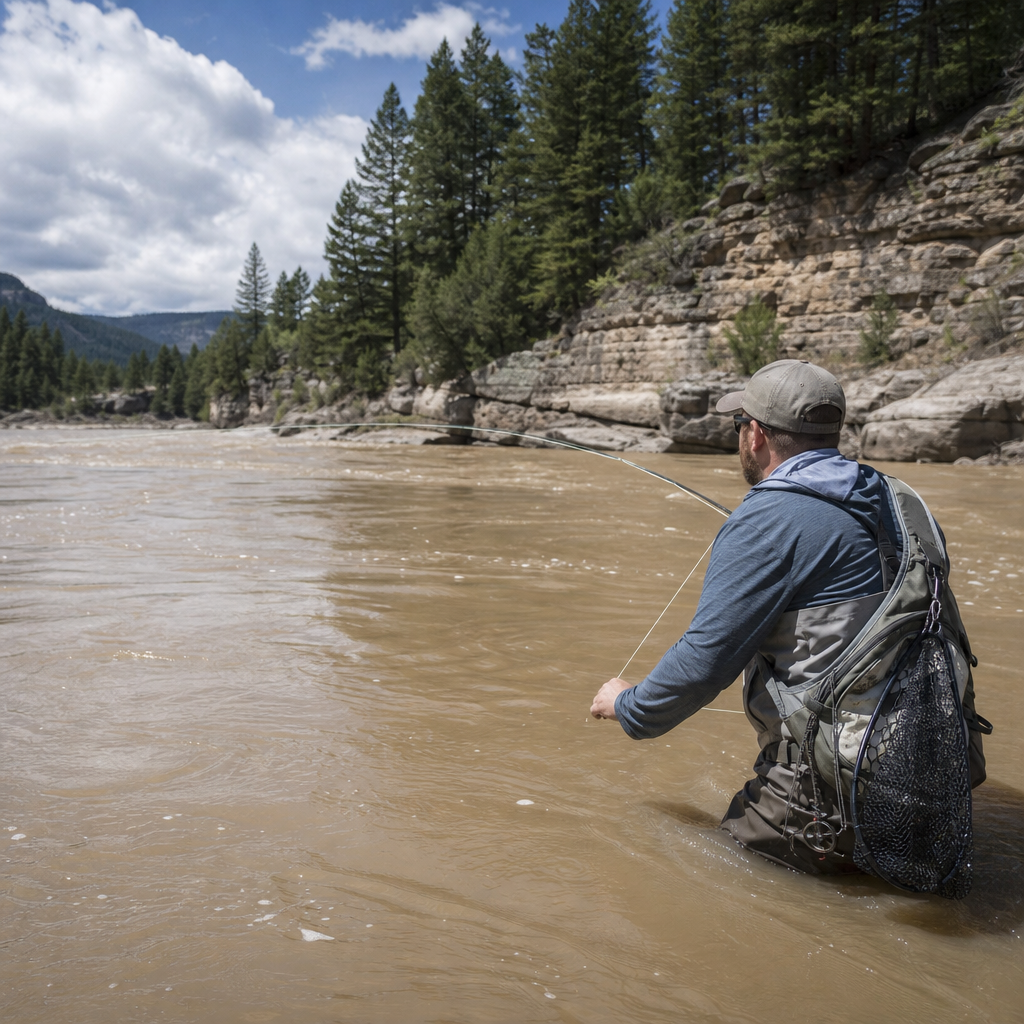
Fly fishing in muddy water demands a different playbook than fishing clear runs, yet it can produce outstanding catches when anglers understand how weather conditions change fish behavior. Muddy water usually means suspended sediment has reduced visibility, often after rain, snowmelt, bank erosion, reservoir releases, or strong wind that stirs shallow margins. In practical terms, fish cannot rely on sight the same way they do in clear conditions, so they shift toward holding water that conserves energy and feeding cues they can still detect. For trout, bass, and many warmwater species, that means edges, softer seams, current breaks, and areas where slightly cleaner water enters the system. For anglers, success depends on reading weather conditions correctly, adjusting location, choosing higher-visibility flies, and presenting them close enough for fish to find.
I have spent many days guiding and scouting streams after overnight storms, and the pattern is consistent: anglers who insist on their normal clear-water tactics struggle, while those who shorten casting distance, target structure precisely, and fish flies with vibration or contrast often do well. Muddy water matters because it changes almost every variable at once: where fish hold, how far they move to eat, how aggressively they strike, and how long a good window lasts. This article serves as a hub for weather conditions within the broader seasons and conditions category, so it covers the core decisions that help in stained rivers, blown-out creeks, muddy tailwaters, and wind-churned lakes. If you can judge fishable clarity, match tactics to current conditions, and know when to wait for improving water, muddy days stop being lost days and become strategic opportunities.
How Weather Conditions Create Muddy Water and What That Means
Weather conditions are the starting point for understanding muddy water. Heavy rainfall adds runoff carrying clay, silt, organic debris, and colder surface water into rivers and creeks. Fast snowmelt can do the same over a wider area, especially when frozen ground prevents infiltration and channels water directly into drainages. Wind is a major factor on lakes, ponds, and shallow reservoirs because it suspends bottom sediment and pushes dirty water into coves or onto banks. On large rivers, dam releases after storms can maintain turbidity even after local rain has ended. The source of the stain matters. A river colored by fine clay may stay muddy for days because tiny particles settle slowly, while a freestone stream carrying sand and debris may drop into fishable shape within hours once flows stabilize.
Fish respond differently depending on severity. Slight stain can improve fishing because it gives fish security and reduces leader visibility. Moderate stain often concentrates fish near banks, eddies, tributary mouths, grass edges, and transition lanes where visibility is marginally better. Extreme mud, where you cannot see your fly an inch below the surface, usually shrinks the feeding window and can push fish to stop chasing altogether. In my experience, the best muddy-water days are not always during peak runoff but on the front or back edge of an event: the first few hours when water is rising but not chocolate, or the period when levels begin dropping and fish reestablish feeding positions. That is why checking stream gauges, radar, release schedules, and local weather conditions before leaving home is as important as fly selection.
Is the Water Still Fishable? Clarity, Flow, and Temperature Benchmarks
The first question most anglers ask is simple: can fish still find a fly? A useful field benchmark is visibility. If you can see a dark boot, fly, or submerged rock roughly 6 to 12 inches down, the water is often fishable with the right presentation. At 12 to 24 inches of visibility, many rivers fish very well, especially for larger trout willing to move short distances. Below about 6 inches, success becomes more situational and usually depends on hitting fish almost on the nose with large, high-contrast, noisy patterns. Visibility should never be judged alone, though. Flow level, speed, and temperature complete the picture.
High flow can either help or hurt. Rising water often pushes fish out of the main current and into refuges where they become easier to locate. But if flow is violent enough to dislodge fish or fill every soft seam with debris, the river may simply be unfishable. Water temperature also changes feeding intensity. In cold rain events, trout may remain catchable if oxygen is high and current breaks are available, but warmwater species in sharply cooled shallows can slow noticeably. Conversely, summer storms that drop muddy but cooler water into overheated rivers can briefly improve conditions. Use USGS stream gauges, local hydrographs, and water temperature data whenever possible. A river at 1,200 cubic feet per second with 18 inches of visibility may fish far better than the same river at 2,500 cfs with branch debris and six inches of visibility. Numbers do not replace on-water judgment, but they help you predict whether weather conditions are creating opportunity or risk.
Where Fish Hold in Muddy Water
In muddy water, fish almost always seek a balance between safety, energy efficiency, and access to food. That leads them to highly predictable holding zones. Start with the banks. Trout often slide within a rod length of shore during runoff because the current is softer there and terrestrial food gets washed in. Undercut banks, root wads, laydowns, and overhanging grass become especially valuable because they create shade, current relief, and an ambush lane. On larger rivers, fish commonly stack along inside bends where slower current deposits softer water. On lakes and ponds, bass and panfish often move to wind-protected banks or hold where dirty water meets clearer water.
Confluences are another major target. When a tributary adds slightly cleaner water to a muddy main stem, fish frequently gather at the mixing seam. The same principle applies below springs, side channels, culverts, and feeder creeks. Eddies behind boulders, islands, bridge pilings, and logjams can also become high-percentage zones because food funnels past while fish remain out of the heaviest current. I have seen days on storm-colored freestones when the center of the river looked lifeless, yet every hooked trout came from water less than three feet deep along the edge. Muddy-water fishing rewards anglers who stop covering empty water and start dissecting compact targets where a fish can hold comfortably and intercept a meal without moving far.
Fly Selection: Visibility, Profile, and Vibration
The best flies for muddy water do three things: they create a strong silhouette, move enough water to be detected, and stay in the strike zone long enough for a fish to find them. Dark colors usually produce the clearest outline underwater, which is why black, purple, and dark olive are reliable choices. In some rivers, chartreuse, pink, orange, or white can outperform dark flies when fish key on contrast against a tan or green stain. For trout, productive patterns often include Woolly Buggers, Sculpzillas, Zonkers, leeches, egg patterns, San Juan Worms, squirmy worm variations where legal, and large stonefly nymphs. For bass and warmwater species, bulky streamers, crayfish flies, and deer-hair or foam topwater patterns can excel when fish can track vibration.
Weight matters as much as color. Beadheads, coneheads, dumbbell eyes, split shot, and sink-tip lines help keep flies near bottom structure where fish shelter. Scent is not part of traditional fly fishing, so your substitutes are motion and hydrodynamics. Marabou breathes at slow speed, rabbit strips pulse naturally, rubber legs add feel, and articulated patterns displace more water. Size should usually increase as clarity decreases, but not blindly. A size 4 Bugger may outfish a giant streamer if fish are pinned to the edge and unwilling to chase. The key is detectability, not just bulk. In truly dirty water, I often begin with one confidence fly that has a proven silhouette and profile rather than changing every few minutes. Consistency lets you focus on presentation, which is usually the bigger factor.
Presentation Adjustments That Trigger Strikes
Presentation in muddy water is about precision and proximity. Fish cannot track a fly from several feet away, so long casts across broad current are usually inefficient. Shorten the game. Approach quietly, stay low, and make controlled casts that land close to structure or along current seams. Drift or swing the fly so it passes within inches, not yards, of the holding lie. On rivers, this often means high-sticking nymphs tight to the bank, lobbing streamers into pocket water, or quartering short casts through inside seams. On stillwater, use slow strips, pauses, and repeated casts to the same lane so fish have multiple chances to locate the fly.
Strike detection changes too. In muddy water, takes are often heavy, soft, or simply feel like weight. Tight-line nymphing can be excellent because direct contact helps detect subtle eats in broken flows. Indicator rigs work when set deep enough to keep the fly near bottom, but oversized indicators can reduce precision in tight bank water. Streamer anglers should vary speed deliberately. A common mistake is stripping too fast because visibility is low. In reality, many fish in muddy water need time to home in. I have had the best results with short strips followed by a pause, or with a broadside swing that lets a streamer pulse in place beside cover. If fish are active along flooded edges, dead-drifting a worm or egg under tension can be even better than stripping. The rule is simple: give fish a close target and enough time to decide.
Tackle, Safety, and a Practical Decision Framework
Muddy conditions justify pragmatic tackle choices. Heavier tippet than usual is often smart because fish are less leader-shy, and abrasion from debris, rocks, or wood is more likely. A 3X or 4X trout setup can be more efficient than 5X or 6X when throwing weighted streamers, eggs, or worms in fast, dirty current. Rod choice depends on fly size and water type. A 6-weight covers many trout runoff scenarios, while a 7- or 8-weight helps on bigger rivers or for warmwater fish in windy, muddy lakes. Sink-tip lines, short stout leaders, forceps, and split shot become workhorse tools. Polarized glasses still matter, not because they make mud clear, but because they reveal edges, current texture, and submerged hazards.
Safety should override optimism. Muddy water hides rocks, drop-offs, root tangles, and sudden depth changes. Wading staffs, felt alternatives with studs where legal, and conservative crossing decisions reduce risk. If debris is moving at speed or banks are sloughing off, stay out. The simplest decision framework is this:
| Condition | What it suggests | Best response |
|---|---|---|
| 6 to 24 inches visibility | Fish can locate flies | Target banks, seams, and structure with dark or bright weighted flies |
| Rising but stable flow | Fish repositioning to softer water | Fish edges early before water turns fully opaque |
| Dropping flow after storm | Often peak opportunity | Cover tributary mouths, inside bends, and current breaks methodically |
| Heavy debris and near-zero visibility | Low feeding efficiency, higher danger | Wait, switch waters, or target clearer inflows |
This framework keeps decisions objective when weather conditions are changing fast. It also supports smart internal planning for future trips: log gauge height, visibility estimate, air temperature, rainfall amount, and productive patterns after every session. Over time, those notes become more valuable than generic advice because they show how your home water behaves under specific weather conditions.
Building a Weather Conditions Strategy Across the Season
As a hub page for weather conditions, muddy-water fly fishing should be understood as one part of a broader system that includes rain, wind, cold fronts, heat, barometric swings, and seasonal runoff. Spring often brings the most dramatic turbidity, but it also creates some of the best streamer and worm fishing of the year because natural food gets displaced. Summer thunderstorms produce short-lived mud pulses that can light up banks, creek mouths, and warmwater flats, especially during low-light periods. In autumn, leaf fall and rain can stain small streams while larger tailwaters remain comparatively stable, making water selection more important than changing tactics. Winter muddy water is less common in many trout regions, yet reservoir drawdowns, midwinter rain, and thaw events can still dirty systems enough to alter holding lies and slow metabolism.
The strongest anglers treat weather conditions as a planning framework, not an excuse. They maintain a short list of alternative waters, know which tributaries clear first, and understand whether their target species feed best on the rise, at crest, or on the drop. They also know when not to force it. Some rivers with heavy clay simply do not fish well until visibility returns; others are remarkably productive with 10 inches of color. The difference is learned through observation, gauge history, and repeated time on the water. If you want better results, build your own condition map for local streams, lakes, and tailwaters, then connect each pattern to fly choice, presentation, and holding water. Start with one storm, one river, and one notebook entry at a time. Muddy water will stop feeling random, and your decisions will become sharper, safer, and far more productive.
Frequently Asked Questions
What makes fly fishing in muddy water so different from fishing in clear water?
Fly fishing in muddy water is different because fish experience the river in a completely different way when visibility drops. In clear water, trout and other game fish can inspect a fly from several feet away, track it visually, and often reject anything that looks unnatural. In muddy water, suspended sediment shortens that visual window dramatically, so fish rely more on close-range cues such as vibration, contrast, profile, and current position. That changes both where fish hold and how they feed. Instead of drifting broadly through open runs, they often slide into softer seams, protected eddies, current breaks, inside bends, and slower pockets where they can conserve energy while waiting for food to pass close enough to detect.
Muddy conditions are also commonly tied to weather events like rain, snowmelt, wind, bank erosion, or reservoir releases, and those events affect fish behavior beyond visibility alone. Rising water may push food into the drift, cool or warm the river, increase current speed, and reposition fish. The key takeaway is that muddy water does not automatically mean poor fishing. It means anglers need to fish more deliberately, present flies closer to the fish, and focus on holding water that gives fish security and easy access to food. When you understand that muddy water reduces a fish’s strike window rather than completely shutting down feeding, your strategy becomes much more precise and often much more productive.
Where should I look for fish when the water is muddy?
In muddy water, the best places to look are usually areas where fish can avoid fighting heavy current while still intercepting food. Productive spots often include seams where fast and slow water meet, the soft edges along banks, inside bends, tailouts with gentle current, pockets behind large rocks, submerged timber, bridge pilings, and eddies below current breaks. These areas matter because fish in stained or muddy flows want two things at once: reduced energy expenditure and a realistic chance of detecting food before it sweeps past. If the main channel is fast, noisy, and opaque, fish frequently abandon the most turbulent sections and slide into adjacent softer water that still delivers drifting insects, worms, baitfish, or dislodged aquatic life.
Another smart adjustment is to target transition zones rather than featureless stretches. Slightly cleaner tributary mouths, edges where muddy and clearer water mix, flooded grass lines, and shallow margins that warm or calm quickly can all become feeding lanes. Fish often hold surprisingly close to shore in dirty water because the bank provides cover and softer current. Do not overlook structure you might pass by in normal flows. A single rock, cutbank, root wad, or depression can concentrate fish when visibility is poor. Cover water methodically, but fish each likely lie thoroughly because muddy-water fish may not move far to take a fly. Success often comes from putting the fly almost on their nose rather than searching for fish willing to chase.
What fly patterns and colors work best in muddy water?
In muddy water, effective flies usually share three traits: they create a strong silhouette, they push some water or offer movement, and they are easy for fish to find at short range. Larger streamers, bulky nymphs, worm patterns, leeches, stoneflies, and attractor flies are often excellent choices because they present a bigger target than small, subtle imitations. Dark colors such as black, brown, and purple can work extremely well because they create a clear outline against cloudy water. At the same time, bright colors like chartreuse, orange, pink, and white can be valuable when you need maximum visibility. The best color often depends on just how muddy the water is, how much light is available, and whether fish are responding better to contrast or brightness on a given day.
Weight and profile matter just as much as color. Fish in muddy water often hold deeper and tighter to structure or softer lanes, so heavily weighted flies or rigs that get down quickly are important. A black Woolly Bugger, a conehead leech, a large stonefly nymph, a San Juan Worm, or a flashy baitfish imitation can all be high-confidence patterns. If the water is merely stained rather than fully blown out, you may do well by keeping the same basic food categories fish already expect, just sizing up and increasing contrast. Many anglers make the mistake of going too small or too natural in dirty water. A better approach is to give fish something they can locate easily and commit to without long inspection. In these conditions, “noticeable” often beats “perfectly matched.”
How should I change my presentation and retrieve in muddy water?
Your presentation in muddy water should become slower, tighter, and more controlled. Since fish cannot see far, long drifts far from likely holding water are usually inefficient. Instead, concentrate on short, accurate casts that keep the fly near structure, seams, banks, and soft current edges. The goal is to deliver the fly close enough that a fish can detect it with minimal movement. Dead-drifting nymphs under an indicator can be very effective if you adjust depth carefully and make repeated drifts through the same lane. If you are streamer fishing, a slower retrieve with purposeful strips, pauses, and swings often works better than fast, erratic movement because fish need time to locate and track the fly.
Line control becomes even more important in these conditions. Mend early, keep contact with the fly, and avoid excessive slack so you can detect subtle takes. In muddy water, strikes are often softer than anglers expect because fish may simply inhale the fly at close range rather than chase it aggressively. Fishing from multiple angles can also help. If a lie looks good, run your fly through it several times from slightly different positions before moving on. Depth is another critical adjustment. If your flies are traveling above the fish, color and pattern will not matter much. Add split shot, use weighted flies, or shorten your drift to keep the offering in the feeding zone. In dirty water, precision and repetition usually outperform broad coverage and speed.
Can you still have a productive day when the river is very muddy, and how do you know when it is worth fishing?
Yes, you can absolutely have a productive day in muddy water, but the answer depends on degree, stability, and safety. There is a big difference between lightly stained water, which is often excellent, and chocolate-brown floodwater carrying debris, which may be difficult or dangerous. Many of the best muddy-water days happen when the river has color but is beginning to stabilize or slowly drop after a weather event. During that period, food is still moving, fish are often positioned in predictable soft water, and reduced visibility can make them less selective. If the flow is rising rapidly, packed with floating debris, or impossible to read safely, the better choice may be to wait, move to a tributary, or find a section with improved clarity.
A useful rule is to think in terms of fishable visibility rather than perfect clarity. If you can see your boots in shallow water, distinguish your fly or leader tip at short distance, and identify softer holding water near structure, the river may still be very fishable. Also look for edges of cleaner water, side channels, spring creeks, tailwaters, or tributaries that clear more quickly than the main stem. Even when conditions are tough, narrowing your focus to protected water close to the bank can salvage the day. Above all, balance optimism with judgment. Muddy water can produce surprisingly strong fishing when approached correctly, but no catch is worth wading unstable banks, crossing powerful current, or fishing blind in unsafe flow. The best anglers treat muddy water as a tactical challenge, not a reason to give up, while still respecting the river’s limits.