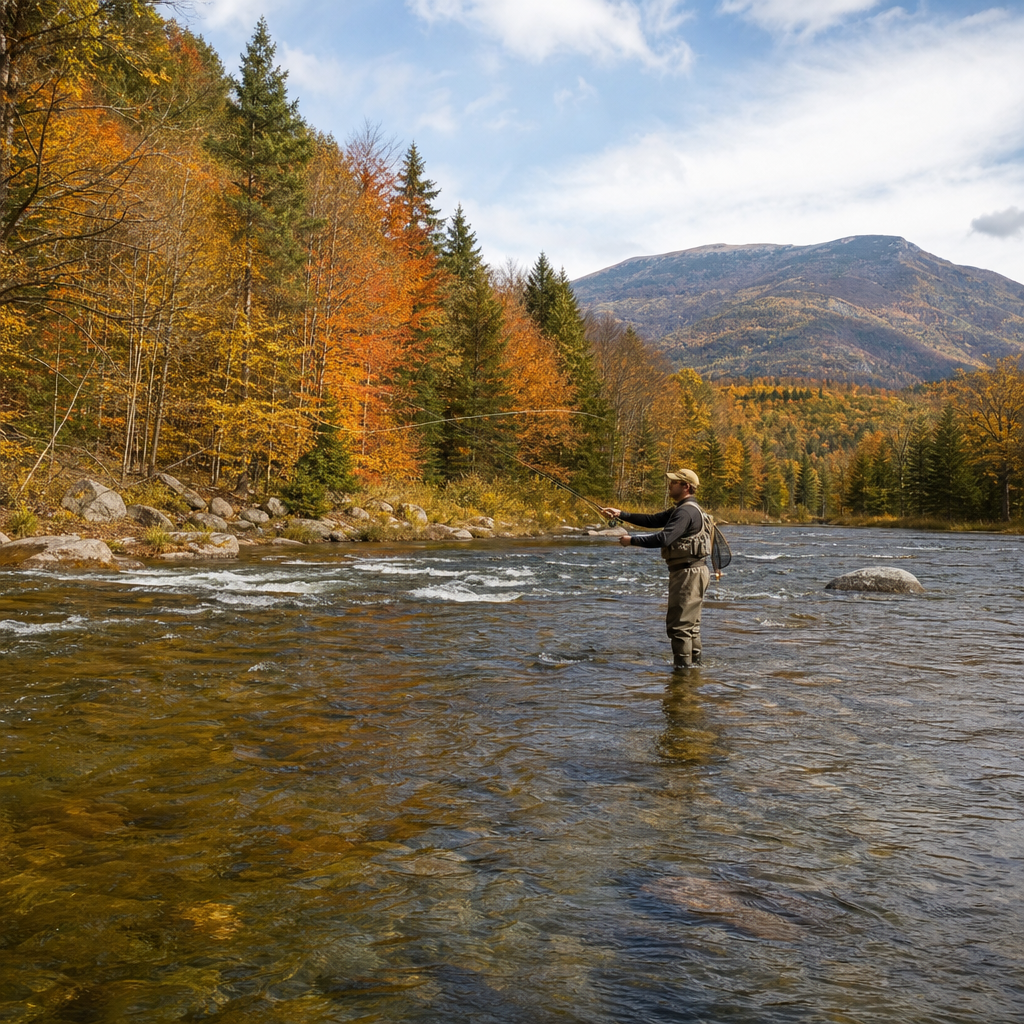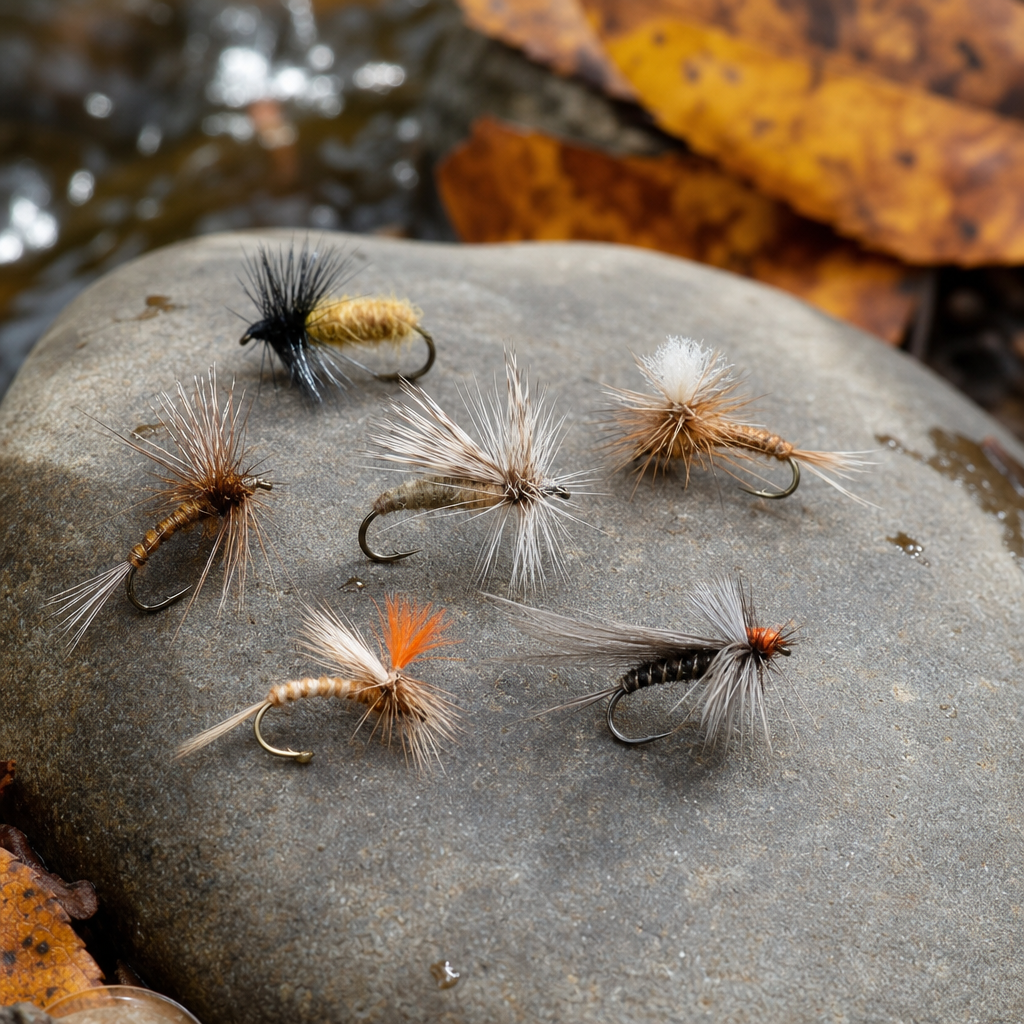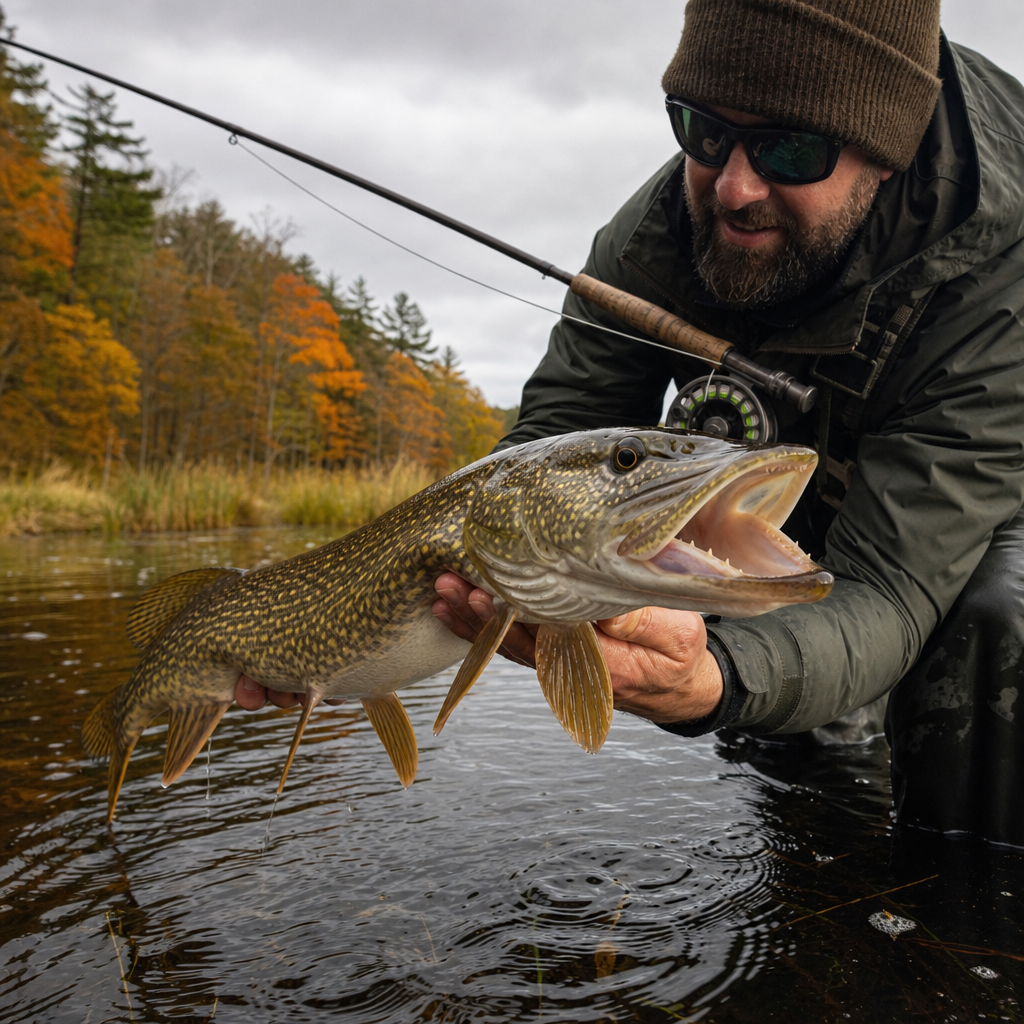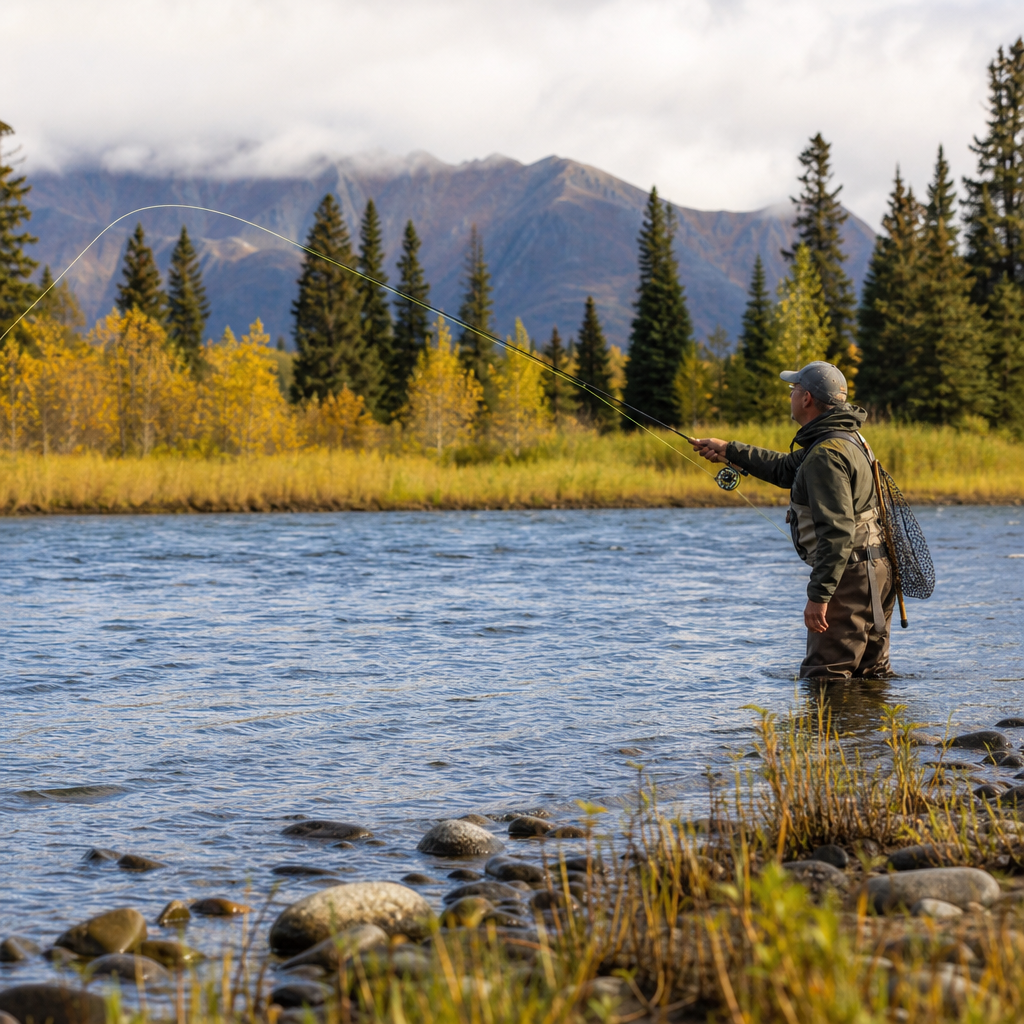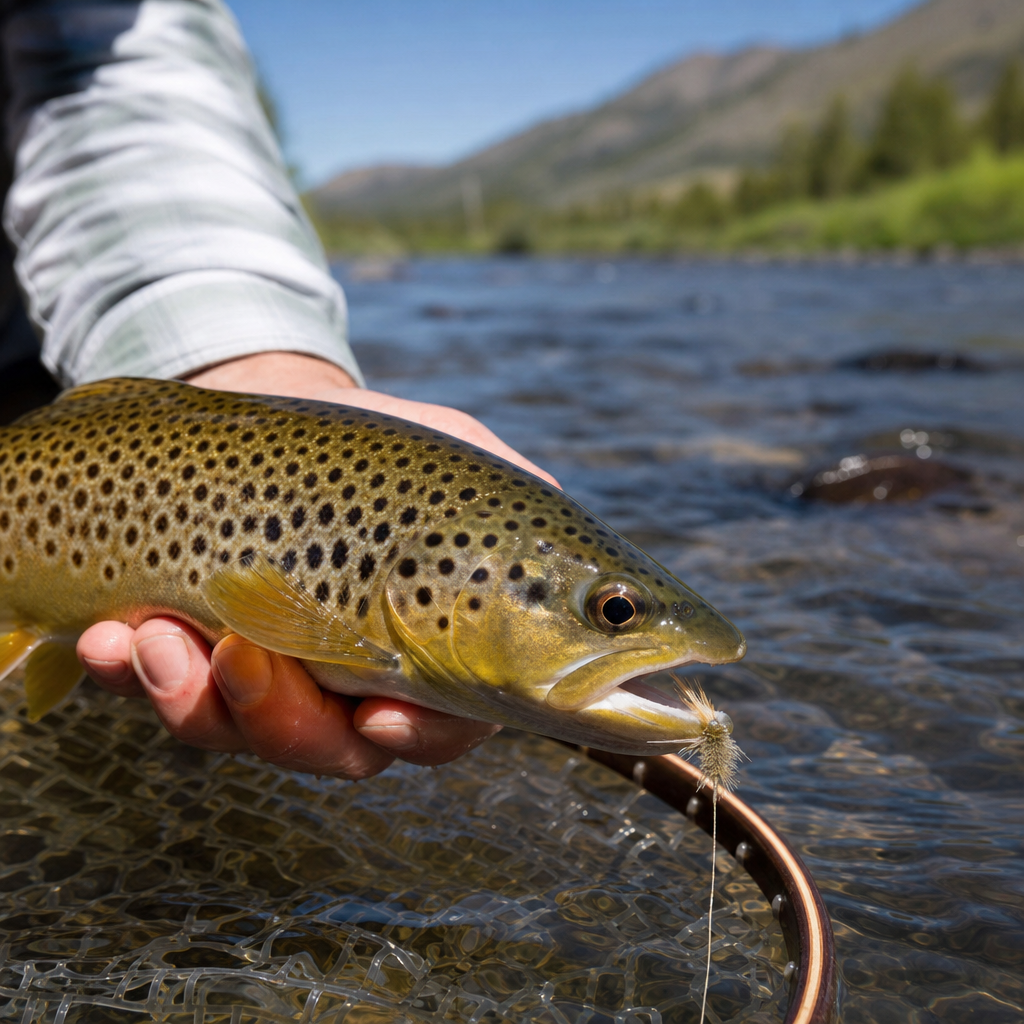
Summer fly fishing for trout is a game of timing, food sources, water temperature, and fly selection, and the best summer fly patterns for trout are the ones that match how fish actually feed during long, bright, low-water days. In my experience guiding and fishing freestone rivers, tailwaters, meadow creeks, and high-country streams through July and August, summer rewards anglers who stop thinking in broad seasonal terms and start reading specific conditions: morning may call for a size 20 midge, midday may demand a hopper, and dusk can suddenly belong to caddis or Tricos. A fly pattern is simply an artificial imitation or trigger design tied to represent insects, baitfish, crustaceans, or terrestrials. Summer fly fishing matters because trout behavior becomes more selective as flows drop, insect life becomes concentrated, and heat stress can shorten the daily feeding window. This article serves as a hub for summer fly fishing by explaining which patterns matter most, when to fish them, how to rig them, and why certain flies consistently outperform others across common trout water types.
How Summer Changes Trout Feeding Behavior
Summer narrows the margin for error. As snowmelt fades, rivers often clear, aquatic weeds grow, and trout gain more time to inspect a fly. Water temperature becomes the first variable to watch. Trout remain most comfortable roughly between 50 and 65 degrees Fahrenheit, and once temperatures push into the upper 60s, especially in low-oxygen water, feeding often shifts to early morning, shaded banks, riffles, spring seeps, and the last hour before dark. That is why the best summer fly patterns for trout are not a single list used all day; they are a rotating menu matched to light, temperature, and available food.
On many rivers, summer starts with leftover runoff color and larger food items, then transitions into finer tippets and smaller imitations as flows stabilize. Pocketwater streams can still support attractor dries and buoyant nymphs because broken current hides imperfections. Flat pools and spring creeks demand exact silhouettes and drag-free presentations. Tailwaters add another layer because dam releases maintain insect-rich habitat, making patterns like Zebra Midges, RS2s, and tiny Baetis nymphs productive even in the heat. Across all these systems, trout conserve energy and feed where calories are easy: seams, undercut banks, oxygenated riffles, under overhanging grass, and foam lines where terrestrials collect.
If you want a reliable rule, begin with observation before tying anything on. Look for rise forms, seine the drift, inspect streamside rocks for nymph shucks, and watch banks for hoppers, beetles, and ants. I have seen anglers force mayfly patterns through obvious caddis activity and struggle for hours, while a simple switch to an Elk Hair Caddis immediately changed the day. Summer fly fishing is less about owning hundreds of patterns than understanding the few categories trout expect to see.
Dry Flies That Consistently Produce in Summer
Dry-fly fishing defines summer for many trout anglers because surface feeding becomes visible and often predictable. The core summer dry categories are caddis, mayflies, terrestrials, and attractor patterns. For caddis, the Elk Hair Caddis remains essential because it floats well in rough water, skates slightly without looking unnatural, and matches a broad range of tan, olive, and gray adults. In sizes 14 to 18, it covers much of evening caddis activity on Western freestones and many Eastern riffle streams. For lower, smoother water, a CDC Caddis or X-Caddis often outfishes high-floating hackled flies because it sits lower in the film and better imitates an emerging adult.
Mayflies dominate certain summer windows, especially with PMDs, Pale Evening Duns, Tricos, and smaller blue-winged olive species on tailwaters and spring creeks. A Parachute Adams in sizes 14 to 20 is still one of the best summer fly patterns for trout because it can suggest multiple mayfly species and remains visible to the angler. For selective fish, carry dedicated PMD Comparaduns, Sparkle Duns, and Trico spinners. Trico fishing, in particular, can be technical: trout line up below spinner falls in slow water and reject flies drifting even slightly off angle. In those situations, profile and presentation matter more than exact color.
Terrestrials become critical once banks dry and grasshoppers, beetles, and ants start falling in. A foam hopper in sizes 8 to 12 is not just an attractor; on many meadow streams and cutbanks it is the main event from late morning through afternoon. Beetles in sizes 12 to 18 are deadly around overhanging brush, while flying ants can create brief but intense feeding frenzies after warm, humid weather. Ant patterns are especially useful because trout trust them in otherwise quiet surface conditions. When nothing obvious is hatching, I often prospect a small black ant along grassy edges before trying more complex options.
Nymph Patterns for Midday and Tough Conditions
Even in peak dry-fly season, nymphs catch the majority of trout during bright summer afternoons. Trout feed subsurface most of the time because nymphs drift steadily and require less effort to intercept than winged adults. The best summer fly patterns for trout therefore include compact, realistic nymphs that sink quickly and match common insect groups. Pheasant Tail nymphs imitate a wide range of mayfly nymphs, especially PMDs and smaller clingers. Hare’s Ear nymphs represent caddis larvae, mayfly nymphs, and general buggy drift. Prince Nymphs remain excellent searching patterns in riffles because their contrast and white biots help fish locate them in broken water.
For caddis-heavy rivers, a green caddis larva, cased caddis imitation, or simple Czech-style pupa can be the difference-maker. During active emergence, soft hackles and caddis pupae often outperform standard beadhead nymphs because they imitate insects ascending toward the surface. On technical tailwaters, small patterns like Zebra Midges, RS2s, WD-40s, and Mercury Midges are indispensable. These are not glamorous flies, but they produce when trout key on tiny food in clear, stable flows. Sizes 18 to 24 are common, and split shot placement matters as much as fly choice because trout usually sit in narrow feeding lanes.
Stonefly nymphs deserve space in every summer box, especially on freestones where golden stones, little yellow stones, and salmonfly leftovers remain part of the drift. Pat’s Rubber Legs, 20 Incher-style patterns, and slimmer golden stone nymphs work well under a dry-dropper or indicator. In fast pocketwater, a heavy stonefly paired with a smaller mayfly or midge dropper is one of the most efficient summer rigs. The stone gets the flies down and offers trout a substantial meal, while the dropper covers the smaller naturals fish may actually be selecting.
Terrestrials, Attractors, and the Dry-Dropper Advantage
Summer terrestrial fishing deserves its own section because it is the most forgiving and versatile approach of the season. Hoppers, beetles, ants, and inchworms do not hatch from the river in the way mayflies or caddis do; they blow or fall into the water from bankside vegetation. That randomness makes trout less exacting. A hopper pattern does not need entomological perfection to succeed. It needs a believable size, a leggy or foam silhouette, and a clean drift tight to structure. Fish hoppers along grassy undercuts, meadow banks, shallow shelves beside deep runs, and seams below overhanging willows.
The dry-dropper rig is often the best system for summer fly fishing because it covers two feeding levels at once. A buoyant Chubby Chernobyl, Morrish Hopper, or large Stimulator supports a nymph underneath while still functioning as a legitimate terrestrial or attractor. The top fly brings attention; the dropper handles the fish feeding subsurface. This is especially effective on rivers where trout opportunistically eat hoppers but still take most calories from nymphs. I routinely fish a size 10 Chubby with a size 16 Pheasant Tail or size 18 Perdigon beneath it through riffle-to-run transitions, changing only depth and weight until fish respond.
Attractor dries still matter in summer, particularly in pocketwater, small mountain streams, and places where trout have little time to inspect a pattern. Royal Wulffs, Yellow Sallies, Stimulators, and small foam attractors produce because they are easy to see and suggest enough life to trigger a take. These are not always hatch matches, but they fit fast water where visibility and floatation outweigh exact imitation. For anglers building a summer fly box, attractors are practical insurance when insect activity is scattered or hard to identify.
Streamers for Aggressive Summer Trout
Streamers are often overlooked in summer because surface fishing gets the attention, yet they can move larger trout when light drops or when rivers carry a touch of color after a storm. A streamer imitates baitfish, sculpins, leeches, or other larger prey, and it targets predatory behavior rather than selective feeding. Early morning, late evening, shaded banks, and undercut structure are prime windows. Woolly Buggers remain reliable because they suggest many food forms, sink at useful rates, and can be dead-drifted, swung, or stripped. In olive, black, and brown, they belong in every summer trout system.
More specialized patterns like Sculpzillas, Zoo Cougars, Mini Dungeons, and conehead sculpins shine where larger brown trout ambush prey near structure. Summer streamer fishing is usually more effective with shorter, precise casts than broad random coverage. Target depth transitions, submerged wood, boulders, cutbanks, and the shadow lines beneath riffles. Retrieve speed should match water temperature and trout mood. In warmer water, trout may respond to quick strips that force a reaction, but in clear, pressured flows, a slow swing or twitch often looks more natural.
There are tradeoffs. Streamers can stress trout if fished during dangerously warm water because the takes often come from larger fish and the fights last longer. If temperatures climb beyond safe levels, switch to cooler tributaries, higher elevation water, or fish only at first light. Summer fly fishing should always include fish care, not just pattern selection.
A Practical Summer Fly Box and Pattern Guide
Most anglers do better with a disciplined summer fly box than an oversized collection. Carry proven patterns in a range of sizes and a few color variations. The list below covers the most reliable summer categories for trout across freestones, tailwaters, spring creeks, and small streams.
| Pattern | Type | Best Sizes | When to Fish It | Where It Excels |
|---|---|---|---|---|
| Elk Hair Caddis | Dry | 14-18 | Evening caddis flights, riffles | Freestones, broken water |
| Parachute Adams | Dry | 14-20 | General mayfly activity | All trout water |
| Foam Hopper | Terrestrial | 8-12 | Late morning to afternoon | Grassy banks, meadows |
| Black Ant | Terrestrial | 14-18 | Calm surface feeding, ant falls | Banks, cut edges, flats |
| Pheasant Tail | Nymph | 14-20 | Midday subsurface feeding | Runs, riffles, tailwaters |
| Zebra Midge | Nymph | 18-24 | Clear water, technical trout | Tailwaters, spring creeks |
| Pat’s Rubber Legs | Nymph | 6-12 | Fast water, dry-dropper rigs | Freestones, pocketwater |
| Woolly Bugger | Streamer | 4-10 | Low light, post-storm color | Undercuts, deep banks |
Rigging matters as much as pattern choice. For dries, lengthen leaders in flat water and shorten them in rough current. For nymphs, adjust weight before changing flies repeatedly. For terrestrials, fish closer to the bank than feels comfortable; many takes come inches from grass. For streamers, vary swing angle and retrieve cadence before swapping colors. These small decisions consistently separate average summer days from excellent ones.
How to Match Patterns to Water Type and Daily Timing
Different trout water demands different summer pattern priorities. On freestone rivers, expect caddis, stoneflies, attractor dries, terrestrials, and heavier nymphs to do most of the work. On tailwaters, prepare for tiny midges, PMDs, Tricos, sowbugs where applicable, and highly specific emerger patterns. On spring creeks, subtle presentation, long leaders, and precise imitations usually beat bushy attractors. On alpine and small mountain streams, buoyant dries like Stimulators, beetles, and small hoppers often produce all day because trout have short feeding windows and limited opportunities.
Timing is the other half of summer fly fishing. Dawn often favors nymphs, small dries during spinner falls, or streamers for bigger fish. Late morning into afternoon is prime terrestrial time, especially when sun and wind push insects from bankside grass. Midday can still be excellent subsurface in oxygenated riffles, deep slots, and tailouts. Evening belongs to caddis, mayflies, and emergers, with fish sliding into softer water as light fades. If you are unsure where to begin, start with this progression: nymph at first light, switch to a hopper-dropper by late morning, watch for hatch clues in the evening, and carry a streamer for the final low-light hour.
The main benefit of understanding the best summer fly patterns for trout is confidence. Instead of guessing, you can narrow choices by food type, water type, and time of day, then fish each pattern with purpose. Build your box around caddis dries, mayfly dries, terrestrials, versatile nymphs, and one or two proven streamers. Pay attention to water temperature, approach fish during cool and oxygen-rich periods, and let observation drive your changes. Summer fly fishing becomes far more productive when your patterns reflect what trout are already expecting to eat. Use this guide as your hub, refine it on your local waters, and head into your next summer trout day with a simpler plan and better flies.
Frequently Asked Questions
What are the best summer fly patterns for trout overall?
The best summer fly patterns for trout are usually the ones that match the dominant food source at a very specific moment, not just the season in general. During summer, trout often feed on smaller insects, become more selective in clear and low water, and shift their behavior throughout the day as light and water temperature change. That means a strong summer fly box should cover several categories: small dry flies, terrestrials, nymphs, and a few streamers for low-light periods or aggressive fish. If I had to narrow it down to the most consistently effective summer patterns, I would include Parachute Adams in smaller sizes, elk hair caddis, PMD dries, tricos, midge adults and emergers, ant patterns, beetles, hoppers, zebra midges, pheasant tails, perdigons, small soft hackles, and a couple of compact baitfish or leech streamers.
On many rivers, summer starts with solid morning and evening hatches and transitions into midday terrestrial fishing. A size 20 midge or trico may matter early, while a hopper-dropper setup becomes the better option once the sun is high. On meadow creeks and spring-influenced systems, tiny technical patterns can dominate all day. On freestones and high-country streams, attractor dries, ants, beetles, and smaller hoppers can be deadly because trout are opportunistic. Tailwaters often demand precision with slender nymphs, emergers, and sparse dries. The common thread is that summer success usually comes from carrying a range of sizes and silhouettes rather than relying on one “magic” fly.
How should I choose a summer fly pattern based on time of day and conditions?
Summer trout fishing becomes much easier when you divide the day into feeding windows and choose flies accordingly. Early morning often favors midges, small mayflies, caddis emergers, or even light nymphing before surface activity begins. At that time, trout are comfortable in cooler water and lower light, so they may feed steadily in softer seams, riffles, and tailouts. If you see subtle dimples or sips, think small dries and emergers first. If there is no obvious surface activity, a pair of small nymphs such as a zebra midge and pheasant tail under a light indicator can be a very reliable starting point.
By late morning into early afternoon, especially on sunny days, many hatches fade and terrestrials become more important. This is when ant patterns, beetles, and hoppers start earning their place. Banks, undercut edges, grassy margins, and foam lines become prime zones because that is where wind-blown insects collect. On freestone rivers, a hopper-dropper rig is often one of the most efficient summer tactics because it covers both surface opportunists and trout feeding below on nymphs. On low, clear water, however, scaling down matters. Smaller terrestrials and lighter tippet often outperform oversized foam patterns that look great to anglers but feel unnatural to pressured fish.
Evening can bring another major shift. Water cools, light softens, and trout often slide back into feeding lanes to intercept caddis, mayflies, and emergers. If fish are rising but refusing a high-floating dry, switching to an emerger, spent pattern, or soft hackle frequently solves the problem. Summer also demands attention to water temperature. When rivers warm significantly in the afternoon, trout may become less willing to chase and more concentrated in faster, oxygen-rich water. In those conditions, fishing early and late with seasonally appropriate small flies is usually more effective and better for the fish than forcing a slow afternoon bite.
Are hopper, ant, and beetle patterns really that important in summer?
Yes, terrestrials are extremely important in summer, and on many trout waters they are not just a backup plan but a primary food source. As grass grows tall, banks dry out, and insects become more active on land, trout begin looking upward and toward the edges for easy, high-calorie meals. Hopper patterns get the most attention, but ants and beetles are often just as important and sometimes even more reliable, especially on heavily fished water. Hoppers are visible, fun to fish, and excellent for covering water, but fish can become wary of oversized or noisy patterns if every angler is throwing the same thing.
Ants are one of the most consistently effective summer flies because they are common, vulnerable, and believable. A simple black or cinnamon ant in modest sizes can save the day when trout ignore larger dries. Beetles are another underrated pattern, especially on small streams, meadow creeks, and under overhanging vegetation. They land with a subtle plop, ride low, and look exactly like something trout expect to see in summer. In many cases, beetles and ants outperform hoppers during bright, calm conditions when trout want a smaller, more natural profile.
The key with terrestrials is presentation and location as much as pattern choice. Fish them tight to grassy banks, logjams, under shrubs, cutbanks, and along seams where drifting land insects naturally collect. A dead drift matters, but a little twitch can also trigger a response when it imitates a struggling bug. Pairing a terrestrial with a small dropper nymph is often the best of both worlds. It gives trout the option of taking a realistic meal on top or a subsurface insect below, which is especially useful during summer when fish may feed in multiple zones at once.
Should I fish dry flies, nymphs, or streamers for trout in summer?
The honest answer is all three, but the best choice depends on water type, trout behavior, and how specific the feeding activity is. Dry flies are often the most exciting and can be incredibly productive in summer, especially during morning and evening hatches or when terrestrials are active. If trout are clearly rising, start on top. Summer surface feeding can be technical, but when you match the size and profile correctly, dry-fly fishing is often the most efficient option because you are targeting fish that are already looking up.
Nymphs remain essential all summer long because trout continue feeding below the surface even when anglers are focused on dries. In fact, many of the most consistent summer trout are caught on small nymphs and emergers drifted through riffles, slots, and deeper runs. Pheasant tails, perdigons, zebra midges, caddis pupae, split-case PMDs, and soft hackles all deserve space in a summer box. On tailwaters and pressured rivers, slim and sparse patterns usually outperform bulky nymphs. In clear water, natural drifts and precise depth control matter more than ever. A dry-dropper setup is often the most practical compromise because it allows you to prospect with a visible surface fly while still covering subsurface feeders.
Streamers can absolutely work in summer, but they are usually most effective during low-light periods, on overcast days, after weather changes, or in water with enough depth and structure to hold larger fish. Summer trout do not always want to chase big articulated patterns through warm, bright, shallow water. However, smaller streamers, leeches, and baitfish imitations can be excellent early and late in the day, particularly for browns in undercut banks, woody structure, and deeper slots. So while dry flies get the attention and nymphs often provide the consistency, streamers still have a place when conditions support a more aggressive response.
What fly sizes and colors work best for trout during the summer months?
Summer usually pushes anglers toward smaller flies and more refined choices, especially on clear, low water where trout get a long look at everything. In many fisheries, size matters more than color. Midges, tricos, and small mayflies often call for sizes 18 through 24. Caddis are commonly fished in the 14 through 18 range. Ants and beetles often shine in sizes 14 through 18, while hoppers are commonly effective from about 8 to 14 depending on the stream and the natural insects present. For nymphs, think slender and compact rather than oversized. Small pheasant tails, zebra midges, perdigons, RS2-style emergers, and caddis pupae are standard summer producers.
Color still matters, but usually within a natural range. Black, olive, tan, brown, cream, and gray cover an enormous amount of summer trout fishing. For mayflies, pale yellow and light olive can be important during PMD and similar hatches. For caddis, tan and olive are staple colors. Terrestrials often do best in realistic tones: black ants, brown or peacock beetles, tan to golden hoppers, and muted foam bodies rather than overly bright novelty colors. In glacial water, stained flows, or high-country streams where fish are opportunistic, slightly bolder colors can work well, but on technical summer water I generally trust natural, low-key patterns first.
The most useful approach is to carry confidence patterns in a spread of sizes before worrying about tiny color differences. If trout are refusing your fly, first adjust size, profile, and drift. Then fine-tune color. A properly presented size 20 fly in the right lane often beats a perfectly colored fly that is too large or drifting unnaturally.