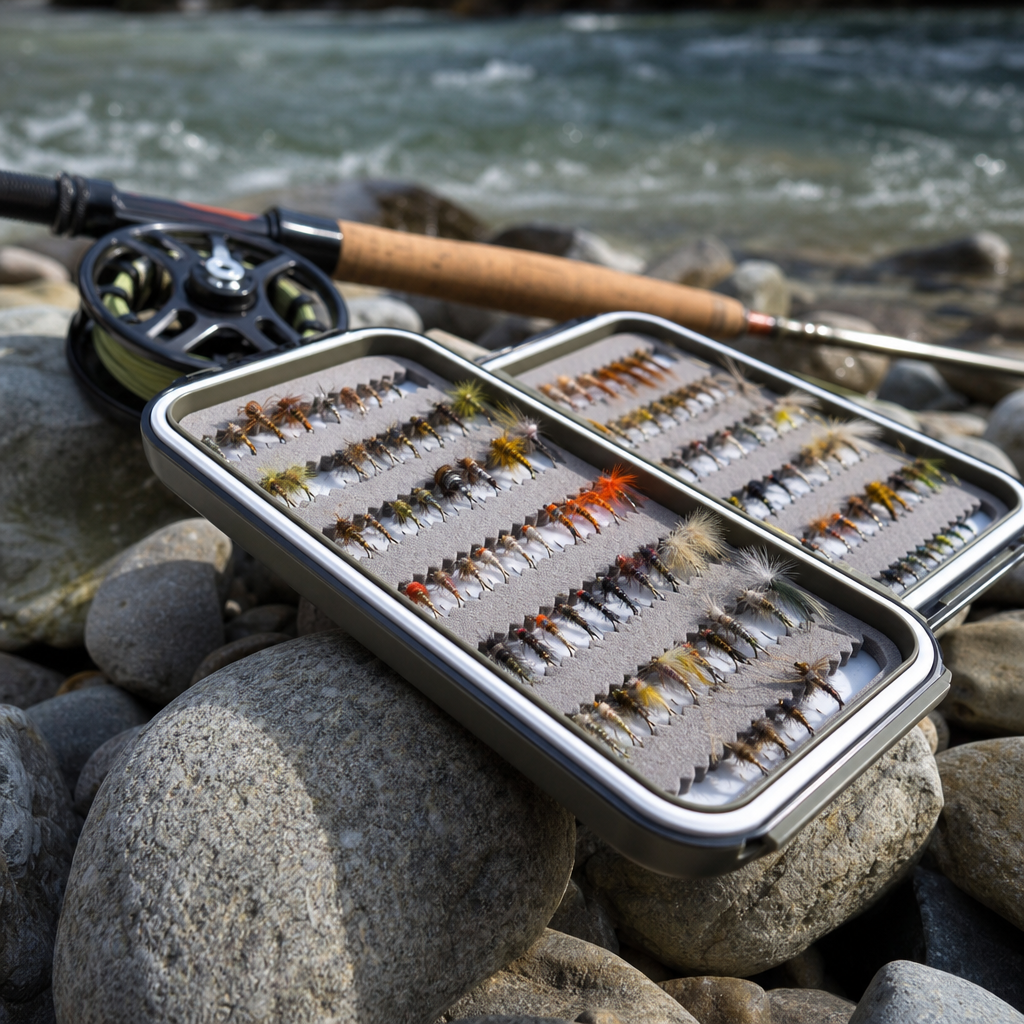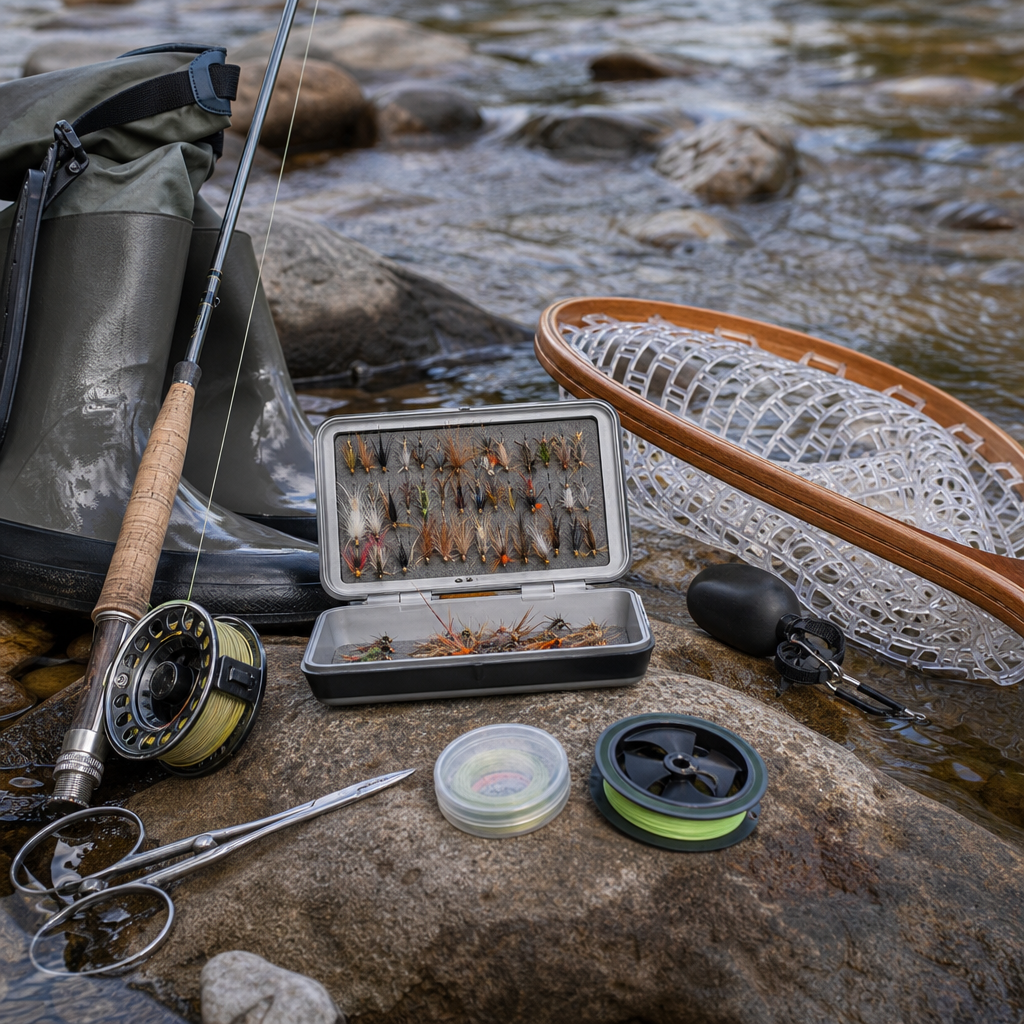
Clear water changes everything in fly fishing. Fish see farther, inspect longer, and refuse more often, which means the best fly patterns for clear water are not simply popular flies, but designs that match local food, sink or drift naturally, and avoid triggering suspicion. In practical terms, clear water usually means visibility of four feet or more, though many trout anglers reserve the term for streams and lakes where you can see bottom details at six to ten feet. In those conditions, fly selection becomes a game of precision. Size, profile, translucency, flash level, hook weight, and even thread bulk matter more than they do in stained flows.
I learned this the hard way on spring creeks and tailwaters where fish slid sideways to inspect my fly, then turned off at the last inch. The pattern was often “right” in category but wrong in refinement: a mayfly nymph too dark, an elk hair caddis too buoyant, a streamer with too much flash. Clear water punishes approximation. It rewards realistic silhouettes, sparse tying, and confidence in smaller flies presented on fine tippet. That is why a serious discussion of fly reviews for clear water needs to go beyond brand hype and list building. Anglers need a hub that explains what each pattern does, when it works, and where its limits show up.
This article serves that purpose. It covers the fly categories that consistently produce in clear water, from technical nymphs and emergers to restrained streamers and low-riding terrestrials. It also functions as a hub for fly reviews within product reviews and recommendations, because evaluating flies properly means assessing hook quality, durability, material behavior, consistency from one batch to the next, and fish response under specific conditions. A review that says a fly “catches fish” is not enough. The useful question is which fish, in what water type, during what food event, with what leader system, and at what cost in missed takes or short fly life.
For most trout scenarios, the best clear-water patterns share four traits: natural coloration, modest flash, slim proportions, and movement that comes from material choice rather than exaggerated bulk. Those principles apply whether you are fishing a size 22 midge pupa on a spring creek, a Pheasant Tail in pocket water, a CDC emerger in a flat, or a lightly dressed baitfish streamer on a reservoir edge. Understanding those patterns gives you a reliable starting point and a framework for choosing among commercial options. That framework matters if you want better buying decisions, tighter boxes, and more fish in difficult, highly visible water.
Nymphs That Hold Up Under Inspection
If I had to recommend one starting category for clear water, it would be slim nymphs tied in natural tones. Fish feeding subsurface in clear conditions usually get a long look, so thick-bodied, heavily dubbed flies tend to underperform unless runoff or depth reduces visibility. The most dependable standards are the Pheasant Tail, Hare’s Ear in sparse versions, Zebra Midge, RS2 nymph form, Baetis nymphs, and Perdigons tied without oversized hot spots. These patterns imitate broad food groups while preserving the narrow abdomen and subdued finish common in real insects.
The Pheasant Tail remains one of the best fly patterns for clear water because it matches mayfly nymph shape with very little visual noise. In sizes 14 to 20, it covers blue-winged olive, pale morning dun, and general mayfly situations. A beadless or small tungsten version is especially effective in shallow riffles and flats where splashy weight scares fish. Zebra Midges excel in tailwaters and spring creeks, particularly in black, red, olive, and gray. Their thread bodies and fine wire rib create the clean segmentation fish expect when midges dominate. When commercial fly reviews praise Zebra Midges, the important details are hook gap, wire durability, and whether the body remains slender after repeated fish.
Perdigons deserve a more nuanced review. They sink quickly, resist damage, and fish well in fast seams, but many shop versions are too glossy or feature oversized fluorescent collars that can look unnatural in very clear, slow water. The best clear-water Perdigons are simple: dark olive, brown, or black backs, slim UV resin bodies, and restrained tags. On pressured rivers such as the South Platte, Delaware, or Fryingpan, I have seen fish favor these cleaner ties over flashy competition-style variants. The lesson is not that Perdigons fail in clear water. It is that restraint makes them better.
Hook quality matters heavily in nymph reviews because small flies lose value fast if they bend, open, or dull early. Trusted hooks from Hanak, Fulling Mill, Tiemco, Ahrex, and Firehole generally justify higher price points when the water is clear enough that every chance counts. A cheap fly that rolls fish on a size 18 hook is not a bargain.
Emergers and Dry Flies for Technical Surface Feeding
When fish feed high in the column in clear water, exact stage often matters more than exact species. That is why emergers routinely outfish fully formed duns. Trout key on insects that are trapped, vulnerable, and drifting naturally in the film. The best patterns here include the RS2, CDC Comparadun, Sparkle Dun, F-Fly, Klinkhåmer Special, soft hackle emergers, and tiny Griffith’s Gnats for midge clusters. Reviews of these flies should focus on profile from below, float characteristics, and whether the materials stay effective after several fish and false casts.
The RS2 is one of the most reliable technical flies ever created for clear water. In gray, olive, black, and cream, it covers midge and mayfly emergers without excessive detail. Its sparse tail, slim body, and CDC or synthetic wing suggest life without overbuilding the pattern. On spring creeks, I usually carry it in sizes 18 to 24. A good commercial RS2 should be tied exceptionally sparse; many poor versions are too full in the thorax and sit incorrectly. Similarly, a CDC Comparadun should present a low, flush silhouette. If the wing is overpacked, the fly becomes hard to see but not more convincing to fish.
For caddis activity, the F-Fly and low-riding CDC caddis patterns are outstanding in slicks and edges. They imitate the tent-like wing shape of adults while avoiding the foam-heavy look of some high-floating attractors. Elk Hair Caddis still catches fish in clear water, especially in broken current, but on flat glides I prefer reduced-hackle versions or a CDC & Elk tied sparse. During spinner falls, spent-wing patterns become critical because clear-water trout often refuse upright dries while confidently taking flush adults.
One buying mistake I see often is choosing dries based on angler visibility rather than fish realism. Hi-vis posts and thick hackle help people track a fly, but they can reduce eats in calm, clear water. A practical compromise is a small sight tag in a color fish are unlikely to notice from below, or fishing a more visible indicator dry two feet ahead of the actual imitation.
Streamers That Suggest Rather Than Shout
Clear water streamer fishing is not dead streamer fishing. It simply rewards patterns with controlled action and believable baitfish shape. In dirty water, heavy flash and large silhouettes help fish locate the fly. In clear water, those same elements can look wrong. The strongest choices are sparse baitfish streamers, small woolly buggers, sculpin patterns with trimmed heads, muddler variants, and natural-tone leeches. White, olive, tan, gray, and black remain the core colors, often with just a strand or two of flash.
Among commercial streamer reviews, I pay attention to three things: how the fly swims at slow speed, whether it sheds water for easier casting, and whether the materials foul around the hook bend. A clear-water streamer should move with minimal rod input. Patterns tied with marabou, rabbit, craft fur, Finn raccoon, and sparse bucktail all have roles, but over-dressing ruins many of them. A small sculpin with a compact spun head and barred rubber legs can be deadly along undercut banks, yet if that head is too bulky, the fly plows rather than glides.
The following table shows how I match clear-water streamer styles to common conditions.
| Condition | Best Pattern Type | Recommended Colors | Why It Works |
|---|---|---|---|
| Sunny, shallow banks | Sparse baitfish streamer | White, tan, olive | Looks natural without overpowering wary fish |
| Deep runs with current | Small sculpin or jig streamer | Olive, brown, black | Gets down while keeping a compact profile |
| Reservoir edges at dawn | Unweighted leech | Black, burgundy, olive | Slow movement matches cruising fish behavior |
| Overcast afternoons | Mini bugger | Black, olive, gray | Pulsing materials create life without excess flash |
For trout in highly pressured rivers, articulated streamers can still work, but smaller models generally outperform giant patterns. Think two to three inches, not six. Clear water lets predators inspect joints, eyes, and flash. Simpler often looks more edible. If you review or buy streamers for these conditions, prioritize proportion, sink rate, and movement before color trends.
Terrestrials, Wet Flies, and Seasonal Specialists
Not every clear-water day is a mayfly day. In summer, terrestrials become central, especially on meadow streams, alpine creeks, and banks lined with grass or willows. The best fly patterns for clear water in this category are often smaller and more natural than the foam-heavy attractors sold for rough water. Ants, beetles, and hoppers all matter, but realism again wins. A size 16 black ant with a narrow waist can outperform a bushy attractor by a wide margin when trout are cruising under overhanging vegetation.
Beetles are especially consistent because they land helplessly and sit low. I like thin-foam or deer-hair-backed beetles in black, peacock, and dark green, usually sizes 12 to 18. For hoppers, clear-water fish often prefer tan, pink, or olive flies tied slimmer than classic western foam models. The key is not avoiding foam altogether; it is avoiding a blocky silhouette. Patterns like the Morrish Hopper and simple parachute hoppers remain excellent if dressed moderately. During windy afternoons, a hopper-dropper rig can still work in clear streams, but the dropper should usually be subtle, such as a small Pheasant Tail or midge larva.
Soft hackles and classic wet flies also deserve more attention in modern fly reviews. In clear water, they bridge the gap between nymphs and dries by suggesting emerging insects with lifelike motion. A Partridge and Orange, Snipe and Purple, or soft-hackle pheasant tail can be deadly swung below rising fish that ignore standard dries. The movement of partridge fibers is natural and restrained, exactly what clear-water trout respond to during emergences. These patterns are also durable and inexpensive compared with heavily specialized technical flies.
Seasonal specialists round out the hub. In winter, midge larvae and tiny scuds dominate many tailwaters. In spring, blue-winged olive nymphs and emergers become central. During summer evenings, caddis pupae and spent adults matter. In fall, small streamers, eggs where legal and appropriate, and larger attractor nymphs can still work, though water clarity means gaudy versions often lose to muted tones.
How to Review and Choose Clear-Water Flies
As a hub for fly reviews, this topic needs a practical method for comparing patterns across brands and styles. I use five criteria. First is fidelity: does the fly match the size, silhouette, and behavior of the food it claims to imitate? Second is construction: are the thread wraps clean, proportions consistent, and materials secured well enough to survive multiple fish? Third is hardware: is the hook chemically sharpened, appropriately sized, and strong for the intended tippet and species? Fourth is fishability: does the fly sink, float, or suspend as expected without constant adjustment? Fifth is value: does performance justify the price compared with tying your own or buying alternatives?
This framework prevents common buying mistakes. One is overvaluing cosmetic detail that fish never see while ignoring drift or sink rate. Another is buying large assortments without matching local entomology. If your home water is a limestone spring creek rich in midges and Baetis, a dozen gaudy stonefly attractors will not help much. Instead, invest in multiple sizes of proven technical patterns and replenish the ones that work. Keep notes on refusals, not just takes. In clear water, refusals teach more than random successes.
The best recommendation is simple: build your box around sparse nymphs, realistic emergers, low-riding dries, restrained streamers, and natural terrestrials. Then test commercial flies with a reviewer’s eye. Look at profile in your palm, sink them in a glass, and compare them to insects from your stream. That discipline leads to better purchases and better fishing. If you want stronger results in clear water, start by refining your fly selection today.
Frequently Asked Questions
What makes a fly pattern effective in clear water?
An effective clear-water fly pattern looks natural, behaves naturally, and avoids giving fish a reason to reject it. In clear conditions, trout and other gamefish can inspect a fly from farther away and for a longer time, so anything overly bright, bulky, stiff, or unnatural tends to stand out in the wrong way. The best patterns usually have clean profiles, realistic proportions, subtle coloration, and materials that move like the real insect, baitfish, or nymph in the water. This is why slim mayfly nymphs, sparse emergers, lightly dressed dry flies, and small streamers often outperform heavier, flashier versions when visibility is high.
Presentation is just as important as the pattern itself. A perfect imitation can still fail if it drags, lands hard, or rides at the wrong depth. In clear water, fish often key in on tiny details, so matching the local food source matters more than relying on a generic confidence fly. Size is especially critical. Anglers often make the mistake of choosing a pattern that is close in color but too large. In clear water, going one size smaller is often safer than going one size bigger. In short, the most effective clear-water flies are not necessarily the most famous patterns, but the ones that best match local forage, drift or swim convincingly, and maintain a low-suspicion appearance.
Which fly patterns are usually best for trout in clear water?
For trout, the best clear-water patterns are usually realistic, sparse, and appropriately sized to match what fish are already feeding on. Among dry flies, parachute-style mayfly imitations, Comparaduns, CDC dries, and small elk hair caddis patterns are dependable because they sit naturally and avoid excessive bulk. For nymphing, pheasant tails, hare’s ears tied slim, zebra midges, RS2s, perdigons in natural shades, and small baetis nymphs are consistently effective. These patterns cover a wide range of common food sources without looking exaggerated. On technical tailwaters and spring creeks, tiny midges and emergers often become especially important because fish have plenty of time to study food in the current.
When fish are feeding subsurface but acting selective, emergers and soft hackles can be outstanding because they imitate vulnerable insects in transition. In many clear rivers, trout key more on drifting nymphs rising toward the surface than anglers realize. If streamer fishing is productive, smaller baitfish patterns in olive, tan, gray, or white usually outperform oversized, high-flash streamers. Patterns such as sparse woolly buggers, sculpin imitations, and lightly weighted minnows can be very effective if presented carefully. The key is to think less about attracting fish from a distance and more about convincing fish that the fly is genuine once they get a close look.
Should I use smaller flies in clear water?
In many cases, yes. Smaller flies are often a major advantage in clear water because they appear more natural and are less likely to trigger refusal. Fish in high-visibility conditions can compare your imitation to the real insects around them, and oversized flies often look wrong immediately. If you are unsure between two sizes, the smaller choice is frequently the better starting point, especially for nymphs, emergers, and dry flies. This is particularly true during midge and baetis activity, when trout may focus on tiny insects and ignore anything noticeably larger.
That said, smaller does not always mean better in every situation. If fish are feeding on large drakes, stoneflies, hoppers, or bigger baitfish, matching that size matters more than automatically downsizing. The real principle is accurate proportion, not simply going tiny for its own sake. You also have to balance realism with fishability. If a fly becomes so small that you cannot control depth, maintain a clean drift, or detect strikes, you may lose effectiveness. A good rule is to start with the natural size of the forage and only reduce if fish are following, inspecting, or refusing the fly. Clear water rewards precision, but precision means matching what fish expect to see, not just fishing the smallest pattern in the box.
Are natural colors better than bright colors in clear water?
Most of the time, yes. Natural colors tend to perform better in clear water because fish can see them clearly and compare them against actual prey. Shades like olive, brown, tan, gray, black, cream, and muted amber usually blend into the environment in a convincing way while still remaining visible enough for fish to track. This applies across categories: nymphs tied in pheasant tail or hare’s ear tones, dry flies with subtle dubbing and CDC, and streamers in olive, white, or sculpin-like browns are often more effective than patterns loaded with flash or fluorescent accents. In clear water, too much shine can make a fly look artificial very quickly.
However, bright colors are not always wrong. There are situations where a small hotspot, a touch of pink, orange, or chartreuse, or a bit of flash can trigger interest without ruining realism. Slightly stained glacial water, overcast conditions, deeper runs, and aggressive fish can all make brighter features useful. The difference is restraint. In clear water, subtle attractor elements usually work better than dominant bright ones. Think of color as supporting the imitation, not overpowering it. If fish are wary, start with muted, natural tones and add small visual triggers only if needed. That approach keeps the fly believable while still giving it enough visibility and appeal to stand out among drifting naturals.
How should I present flies differently in clear water?
Clear water demands a more careful presentation because fish can see not only the fly, but often the leader, the drift, and even your movement. Long leaders, finer tippet, and accurate casts become more important because they help the fly land softly and behave naturally. A drag-free drift is critical with dry flies and nymphs. Even an excellent pattern will be refused if it skates, twitches unnaturally, or moves at a different speed than the current around it. Approach matters too. Staying low, avoiding sudden motion, and casting from farther away can make a noticeable difference when fish have excellent visibility.
Depth control is equally important. In clear water, fish often sit in specific feeding lanes and inspect food carefully, so your nymph needs to drift at the right level rather than merely somewhere nearby. With streamers, slower and more controlled retrieves usually outperform fast, erratic strips unless fish are actively chasing bait. You are trying to create confidence, not just reaction. It also helps to fish the simplest likely pattern first before rotating through more experimental options. If fish are refusing, adjust one variable at a time: size, depth, color, or drift angle. In clear water, success usually comes from refinement rather than dramatic changes. The angler who presents a believable fly quietly and naturally will almost always outfish the angler who relies on visibility or aggression alone.