Choosing the best fly fishing storage solutions is not just about keeping gear tidy; it directly affects how fast you rig, how well you protect expensive equipment, and how confidently you move from truck to trail to river. In fly fishing, storage means the systems used to organize, carry, dry, and protect tackle, flies, rods, reels, waders, boots, and accessories. After years of testing packs in drift boats, waterproof duffels in sudden storms, and fly boxes during long walk-in sessions, I have learned that the right storage setup solves three persistent problems: wasted time, damaged gear, and forgotten essentials. This matters because modern fly anglers often carry more specialized equipment than they realize. A single day can involve multiple fly boxes, several tippet sizes, floatant, indicators, nippers, forceps, leaders, spare spools, rain layers, a net, and sometimes a camera or lunch. Poor organization turns all of that into clutter. Good storage creates a repeatable system, reduces frustration on the water, and extends the life of gear that is expensive to replace. This guide reviews the main categories of fly fishing storage solutions, explains what each one does best, and helps you choose practical equipment reviews and recommendations for your own fishing style.
Why storage design matters on the water
The best fly fishing storage solutions balance capacity, access, protection, weight, and comfort. In practice, those factors compete with each other. A large waterproof backpack protects contents and carries extra layers, but it can be slower to access than a chest pack. A slim sling pack is excellent for quick fly changes, yet it may feel unbalanced when fully loaded. Hard fly boxes keep patterns from being crushed, but they take more space than soft wallets. When I review equipment reviews in this category, I look first at the fishing scenario rather than the product claims. A trout angler wading small rivers has a different storage problem than a guide rowing a drift boat or a saltwater angler managing big flies, pliers, stripping baskets, and extra leaders. The most useful systems are modular. They let you separate mission-critical items, such as flies and tippet, from support items, such as lunch or spare gloves. That modularity also helps with drying gear at home, because wet and dry equipment can be isolated before mildew or corrosion become problems.
Fly boxes: the core of tackle organization
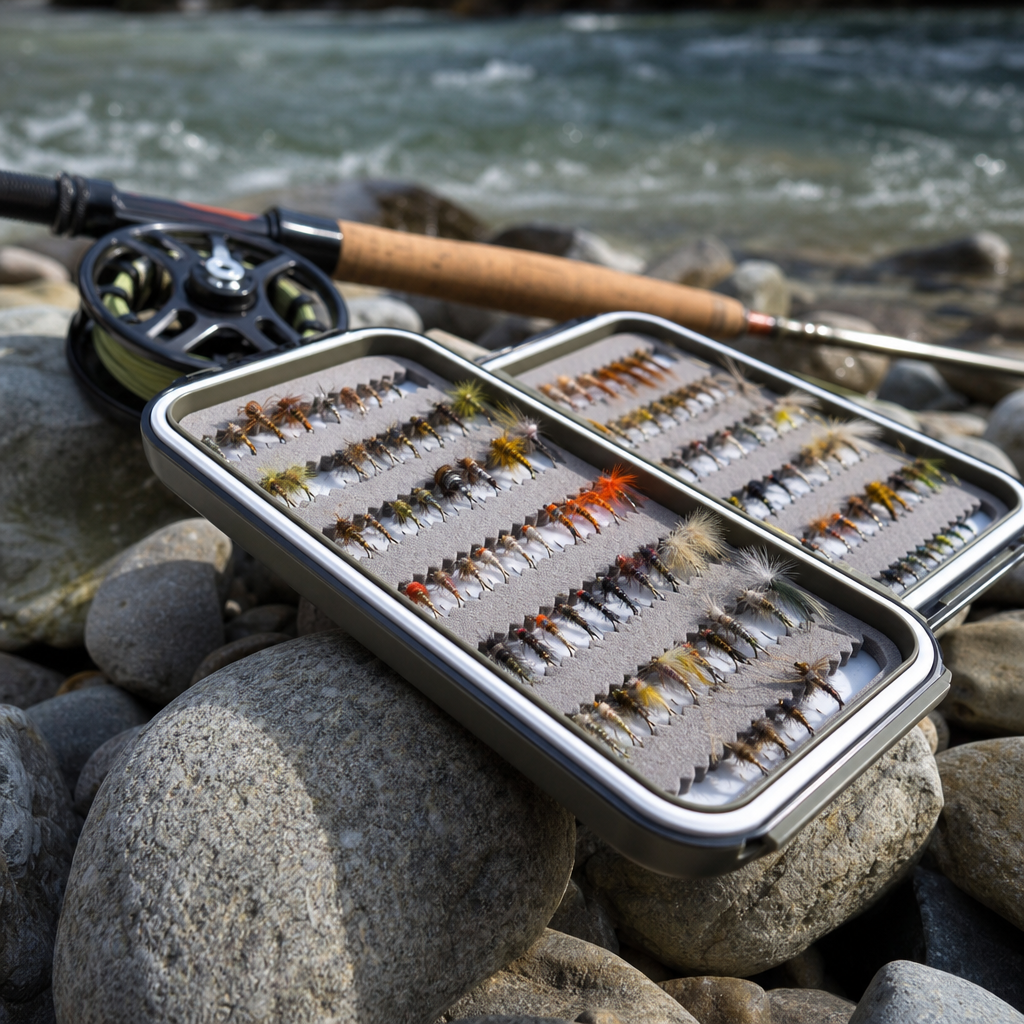
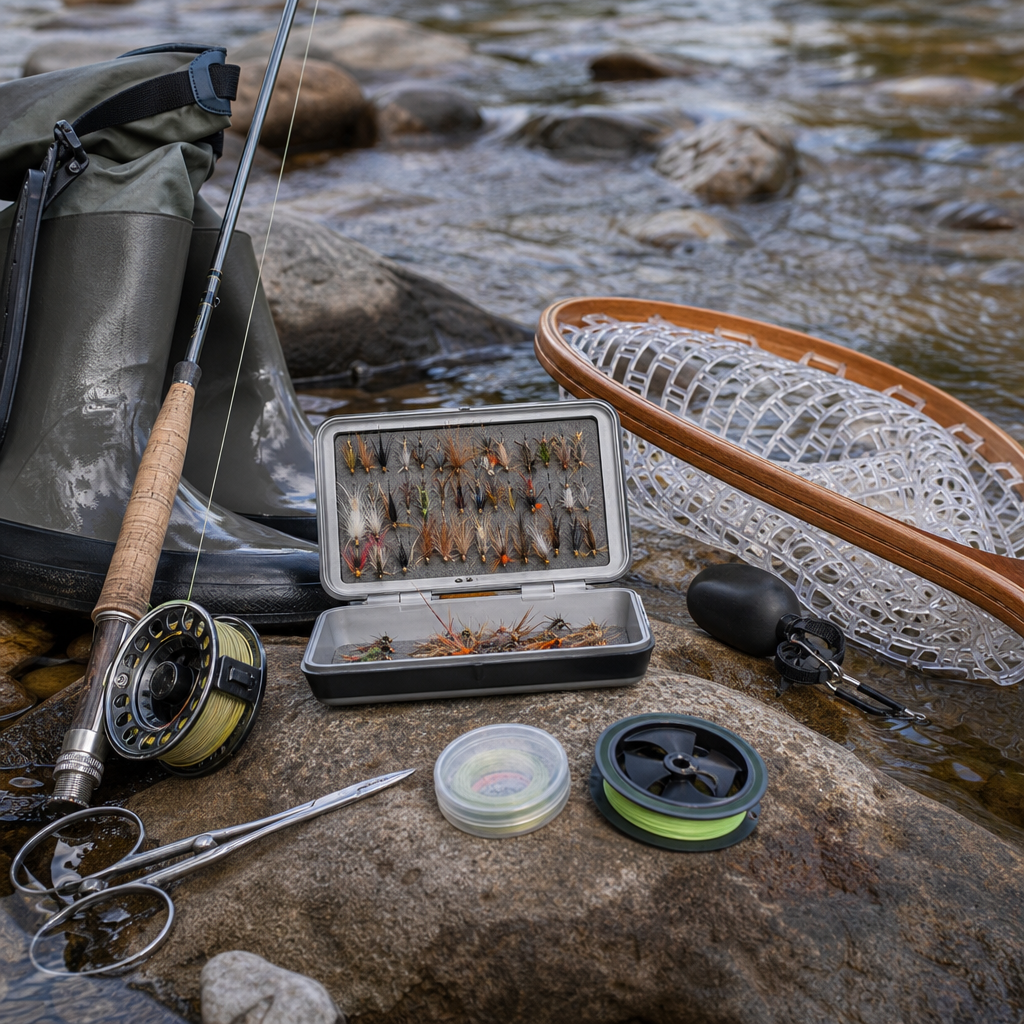
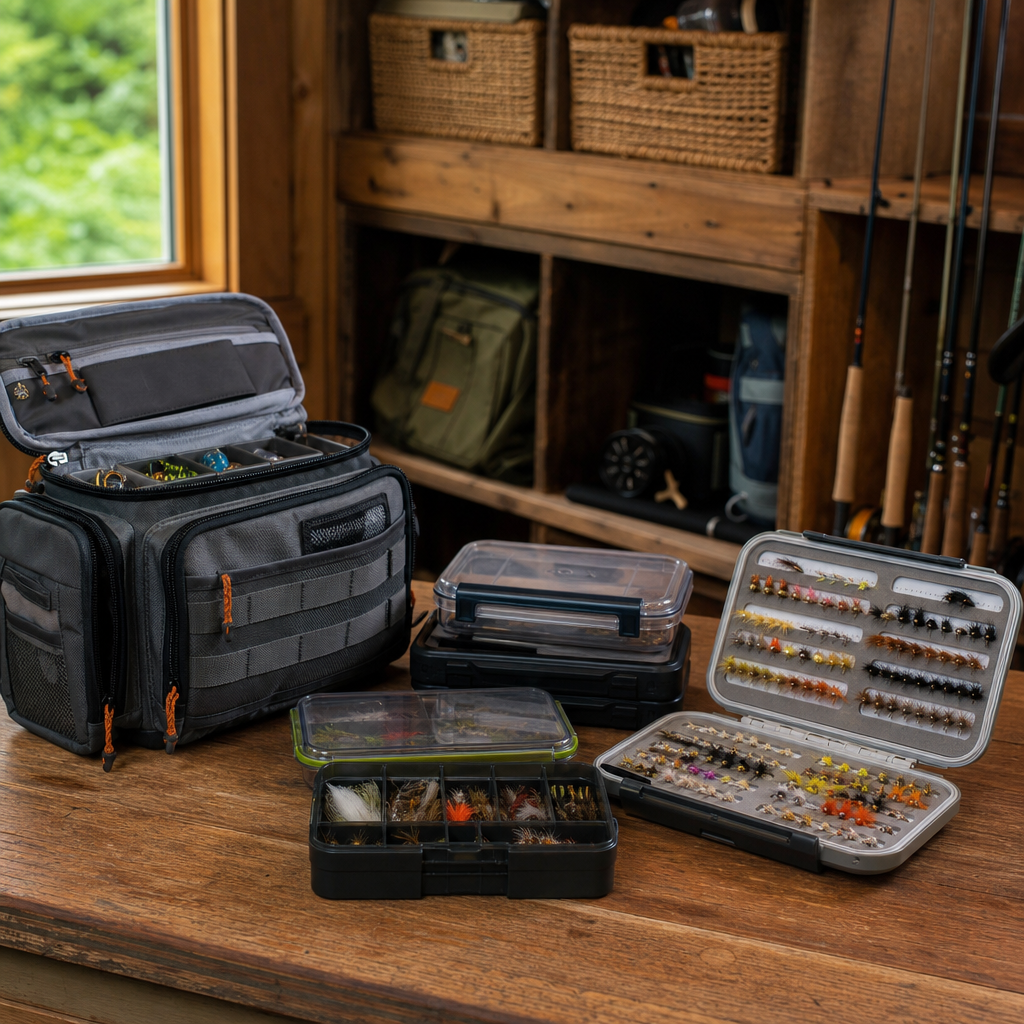
Fly boxes are the foundation of nearly every storage setup, and the best choice depends on fly type more than brand loyalty. For dry flies, I prefer slit-foam boxes with enough depth to avoid crushing hackle. For nymphs and small emergers, thin low-profile foam boxes save space and fit into chest pockets cleanly. For streamers, articulated patterns, and saltwater flies, compartment boxes or extra-deep foam boxes work better because large hooks and bulky materials can tangle in shallow designs. Good boxes close securely with a gasket or strong latch, though fully waterproof models can trap moisture if you store wet flies after a rainy session. In those cases, vented or easy-open boxes dry faster at home. Reliable names include Fishpond, Umpqua, Tacky, and C&F Design, each offering different foam densities and closure styles. In real use, hook retention matters more than marketing language. If barbless hooks slide out after a few outings, the box fails its purpose. The best fly fishing storage solutions start with boxes grouped by hatch, technique, or species, not by random accumulation.
Packs, vests, and carry systems for different fishing styles
The main carry systems in fly fishing are vests, chest packs, sling packs, lumbar packs, and backpacks. Each serves a distinct purpose, and none is universally best. Vests remain effective for anglers who want even weight distribution and many small-access pockets. They excel on technical trout water where constant fly changes demand immediate access. Chest packs concentrate tools and flies in front of the body, making them efficient for short sessions and minimalist setups, though they can feel crowded when layered over rain gear. Sling packs have become popular because they rotate forward for access and keep the back clear for casting and net handling. Their weakness is asymmetrical load, which becomes noticeable during long hikes. Lumbar packs ride comfortably and keep the chest clear, especially when paired with suspenders, but they are less ideal in deep wading. Backpacks carry the most and shine on remote walk-ins, boat fishing, and days when extra clothing or camera gear matters. Simms, Patagonia, Fishpond, Orvis, and Vedavoo all make strong options, but fit and pocket layout decide long-term satisfaction more than logo recognition.
| Storage type | Best use | Main advantage | Main limitation |
|---|---|---|---|
| Vest | Frequent fly changes on rivers | Excellent pocket access and balanced weight | Can feel hot and bulky in summer |
| Chest pack | Short sessions and minimalist kits | Fast front access | Limited capacity |
| Sling pack | Mobile wading and bank fishing | Quick rotation to the front | Uneven shoulder load |
| Lumbar pack | Comfort-focused wading | Open chest area and stable carry | Awkward in deep water |
| Backpack | Long hikes, travel, extra layers | Highest capacity and weather protection | Slower access while fishing |
Boat bags, duffels, and vehicle storage for larger kits
Many anglers focus on what they wear while fishing and ignore where most gear lives before and after the session. That is a mistake. Boat bags, gear totes, and waterproof duffels are among the best fly fishing storage solutions because they create order at the launch, in the truck bed, or in a drift boat. A structured boat bag should have a water-resistant base, corrosion-resistant zippers, and enough internal organization to separate fly boxes, leaders, sunscreen, and electronics. For raft or skiff use, true submersible construction with welded seams is worth paying for. Simms Dry Creek, Fishpond Thunderhead, and YETI Panga models are proven examples. For vehicle organization, rigid bins help keep reels from rolling under seats and stop muddy boots from soaking clothing. I recommend one tote for clean items and one for wet or dirty items. That simple separation reduces odor and protects lines, jackets, and fly boxes. If you fish often, your vehicle becomes part of your storage system. Treat it that way, and your home gear room stays cleaner and your rigging routine becomes much faster.
Rod, reel, and line storage that prevents expensive damage
Rods and reels deserve dedicated protection because damage usually happens in transit or storage, not while fighting fish. Rod tubes remain the standard because they prevent tip breakage and blank compression. The better versions use rigid materials, secure caps, and enough internal room for a rod sock without forcing sections together. For assembled storage in boats or trucks, magnetic or clamp-style rod racks can save time, but they should never pinch guides or leave rods exposed to highway debris. Reels should be stored dry, with drags backed off if the manufacturer recommends it, and ideally inside padded cases. Saltwater anglers need even more discipline because residual salt can corrode frames, bearings, and screws. Fly lines last longer when cleaned and dried before long-term storage. Avoid leaving reels and lines in extreme heat, especially inside summer vehicles, because heat accelerates coating breakdown and can warp some plastics. Fishpond, Simms, and Orvis all offer travel-ready rod and reel systems, but the principle is universal: separate, padded, dry storage is cheaper than replacing a premium rod or large-arbor reel.
Wader, boot, and apparel storage after the trip
Some of the most overlooked equipment reviews in fly fishing involve storage for waders, boots, and wet clothing. Yet these items create the biggest mess and often degrade fastest when stored badly. Waders should be dried completely, inside and out when possible, before being folded or hung. A broad hanger supports the upper material better than a narrow hook, which can stress seams over time. Boots need airflow, not confinement in a sealed plastic bin. Rubber and synthetic materials can tolerate moisture better than leather, but trapped water still promotes odor and weakens adhesives. Mesh gear bags are useful for transport because they vent moisture, while waterproof bags are better only when you need to isolate wet items temporarily. For home storage, I prefer a two-stage approach: wet gear rides home in a ventilated bin or washable tote, then moves to a drying rack or boot dryer. PEET dryers, wall hooks, and open shelving are simple tools that make a real difference. Dry storage is not glamorous, but it is one of the best ways to extend the service life of expensive waders and boots.
How to choose the right system for your style and budget
The right fly fishing storage solution starts with an honest inventory of how you actually fish. If most of your days are two-hour wade sessions on local trout streams, a light chest pack or sling with two fly boxes and a small waterproof pouch may outperform a full backpack. If you guide, fish from boats, or target multiple species in changing weather, layered storage works better: a primary carry pack for immediate access, plus a larger boat bag or duffel for backup gear. Budget matters, but construction quality matters more over time. Durable fabrics such as high-denier recycled nylon, TPU-laminated materials, and reinforced mesh tend to outlast cheaper alternatives. Look closely at zipper quality, seam finishing, drainage, and how attachment points are bar-tacked. YKK zippers and Hypalon lash tabs are good signs. Also consider repairability. Brands like Patagonia and Simms have established repair programs, which improves long-term value. In my experience, anglers overspend on capacity and underspend on organization. Buying one well-designed pack, two dependable fly boxes, and a drying system usually delivers more benefit than buying the largest bag on the shelf. Choose for access pattern, water conditions, and maintenance needs first.
Best practices for building a complete storage setup
A complete system has three zones: on-body access, transport storage, and home drying or staging. On body, carry only what supports the technique and water you are fishing that day. That usually means selected fly boxes, tippet, leaders, floatant, indicators, tools, and one weather layer. In transport, keep duplicates and contingencies: extra reels, spare line, additional flies, food, first aid, and seasonal clothing. At home, create a reset station where wet gear dries and consumables are replenished before the next trip. This is the approach I use because it prevents the common cycle of unpacking halfway, losing leaders in jacket pockets, and discovering empty fly patches at the river. Labeling also helps. Small pouches for euro nymphing, streamer fishing, bass bugs, or saltwater leaders reduce decision fatigue. If you travel by air, use TSA-friendly organization and keep reels, fly boxes, and lithium battery accessories in carry-on luggage when possible. The best fly fishing storage solutions are not isolated products; they are systems that support preparation, speed, and gear longevity across every stage of a fishing day.
Reviewing the best fly fishing storage solutions comes down to matching products to conditions, then building a system that stays consistent trip after trip. Fly boxes organize patterns by use, packs control access while fishing, duffels and boat bags manage the larger kit, and drying setups protect waders, boots, rods, reels, and lines between outings. The central benefit is simple: better storage saves time, prevents damage, and makes every day on the water smoother. It also supports smarter purchasing across equipment reviews, because you stop buying gear in isolation and start judging how each piece fits into a working setup. For most anglers, the best starting point is a quality pack sized to their fishing style, dependable fly boxes matched to their flies, and a deliberate plan for wet gear at the end of the day. Build from there, refine what you carry, and keep only what earns its place. If you want a more efficient fly fishing routine, audit your current storage system and upgrade the weak link first.
Frequently Asked Questions
What should I look for when choosing the best fly fishing storage solution?
The best fly fishing storage solution should match how and where you actually fish. Start by thinking about your typical day on the water. If you spend most of your time wading small rivers or hiking into remote streams, a lightweight sling pack, lumbar pack, or compact chest pack may be more useful than a large backpack. If you fish from a drift boat, raft, or truck-accessible bank, larger waterproof duffels, boat bags, and multi-box systems often make more sense because capacity and quick access matter more than minimal weight.
Protection is the next priority. Fly gear is expensive and often delicate, so storage should shield rods, reels, fly boxes, leaders, tippet, electronics, and extra clothing from impact, moisture, dirt, and crushing. Look for durable fabrics, quality stitching, corrosion-resistant zippers, reinforced bottoms, and smart internal organization. Waterproof or highly water-resistant construction is especially important for items such as spare reels, cameras, phones, and dry layers. For flies and terminal tackle, choose systems that prevent rust, reduce box bulk, and keep patterns sorted so you are not digging around while fish are rising.
Comfort and efficiency matter just as much as toughness. A storage system should help you rig faster, not slow you down. Good layouts include dedicated tool docks, quick-access pockets, fly patch areas, hydration compatibility, and enough separation to keep wet gear away from dry essentials. Fit also matters. A pack that shifts while wading, bounces during a hike, or digs into your shoulder will become frustrating quickly. In practical terms, the best option is the one that keeps your essential gear protected, accessible, and easy to carry from vehicle to water without forcing you to overpack.
Are waterproof bags and packs really necessary for fly fishing?
In many cases, yes, but not always in the same way. Not every fly angler needs a fully submersible pack for every trip, but nearly everyone benefits from some level of water protection. Fly fishing involves constant exposure to spray, rain, wet rocks, muddy banks, river crossings, and the occasional accidental dunking. Even on calm days, moisture has a way of getting into ordinary packs through seams, zippers, or soaked outer fabric. That can lead to rusted hooks, damp fly boxes, waterlogged clothing, damaged electronics, and reels exposed to grit and moisture.
The right level of waterproofing depends on your fishing style. If you are mostly fishing close to the vehicle in fair weather, a water-resistant pack combined with waterproof internal pouches may be enough. If you regularly fish in boats, through storms, or in deep wading conditions, a true waterproof backpack, roll-top duffel, or sealed boat bag is worth the investment. These options provide a much higher level of confidence when conditions turn bad fast. They are also valuable for carrying dry clothing, lunch, cameras, licenses, and first-aid supplies that you cannot afford to get wet.
That said, waterproof does not automatically mean better for every piece of gear. Wet waders and boots, for example, often need ventilation after the trip, not a sealed environment for long-term storage. The smartest setup is usually a combination: waterproof storage for valuables and spare layers, ventilated storage for damp gear, and compact waterproof cases or pouches for small essentials. In other words, waterproof storage is less about buying the most rugged bag possible and more about protecting the gear that matters most from the kind of water exposure you actually face.
How should I store flies, leaders, tippet, and small accessories so they stay organized and easy to access?
Small-item organization is one of the biggest differences between a smooth day on the water and a frustrating one. Flies, leaders, tippet spools, floatant, indicators, split shot, strike putty, nippers, forceps, and other tiny items can quickly become a mess if they do not have dedicated places. The best approach is to divide gear by function and frequency of use. Keep your most-used flies in one or two primary boxes that are easy to reach while fishing. Store specialty patterns, backups, and seasonal extras in secondary boxes that ride deeper in the pack or stay in the vehicle until needed.
Fly boxes should be selected based on the types of flies you carry. Thin slit-foam boxes are excellent for dry flies and nymphs when low bulk matters. Deeper boxes work better for bushy dries, streamers, and larger patterns. Waterproof fly boxes help reduce moisture intrusion, but they still need to be dried out after use if flies go in wet. Rust prevention starts with routine habits: let boxes air out, do not trap soaked flies for days, and replace damaged foam or corroded hooks before they contaminate the rest of your collection.
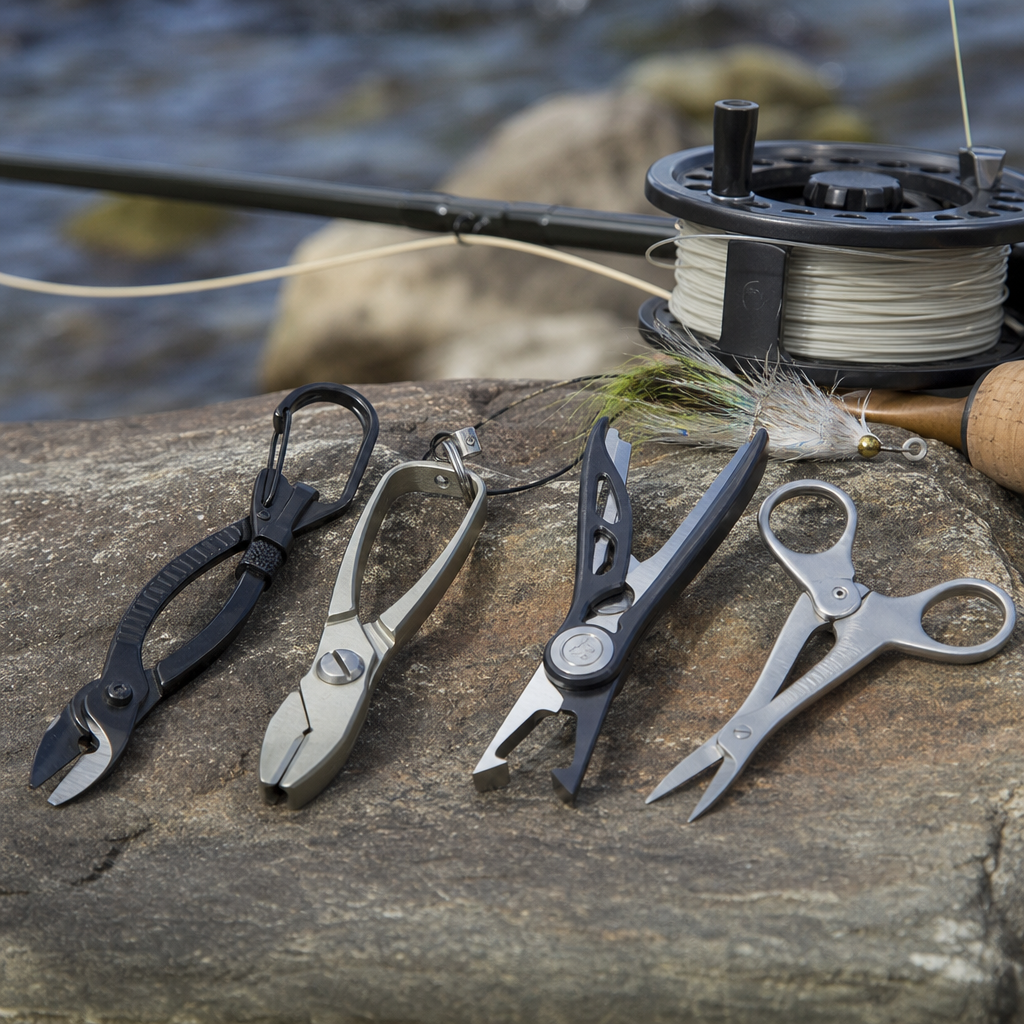
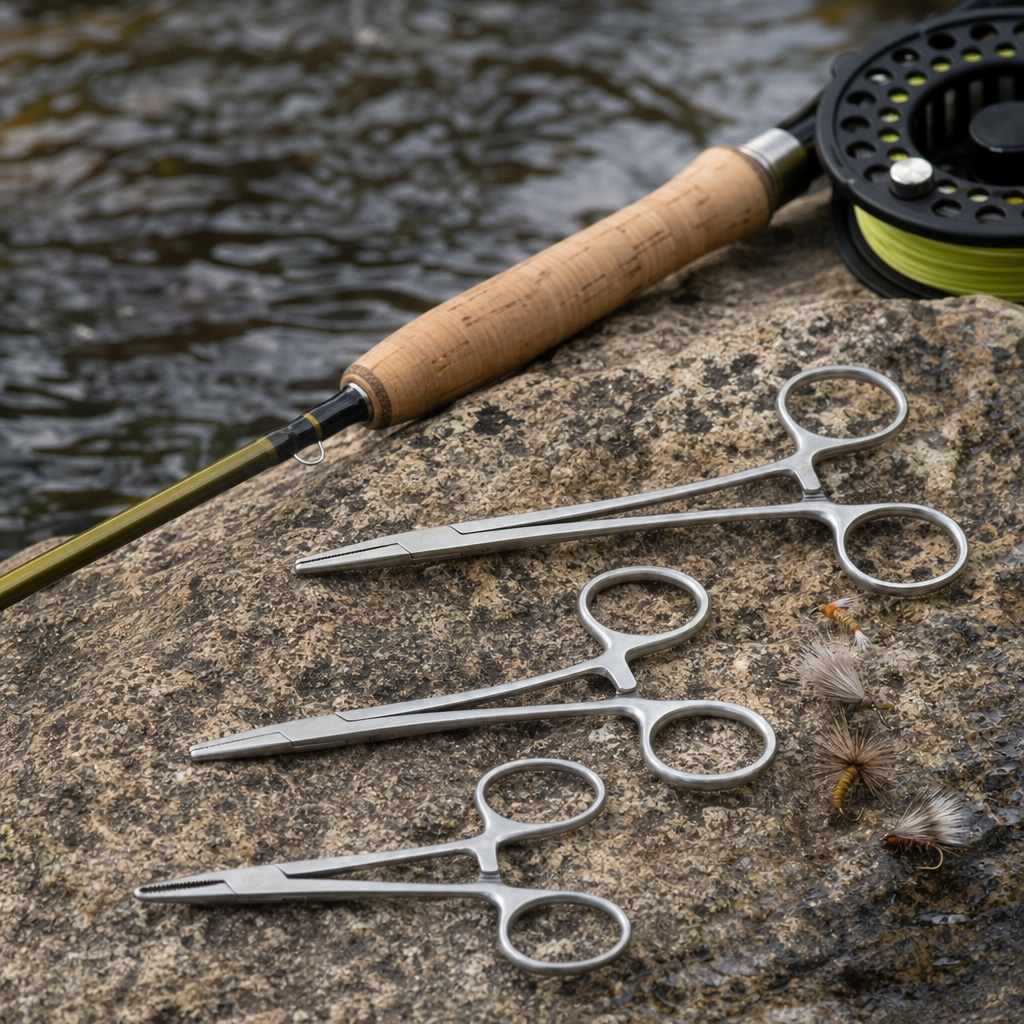
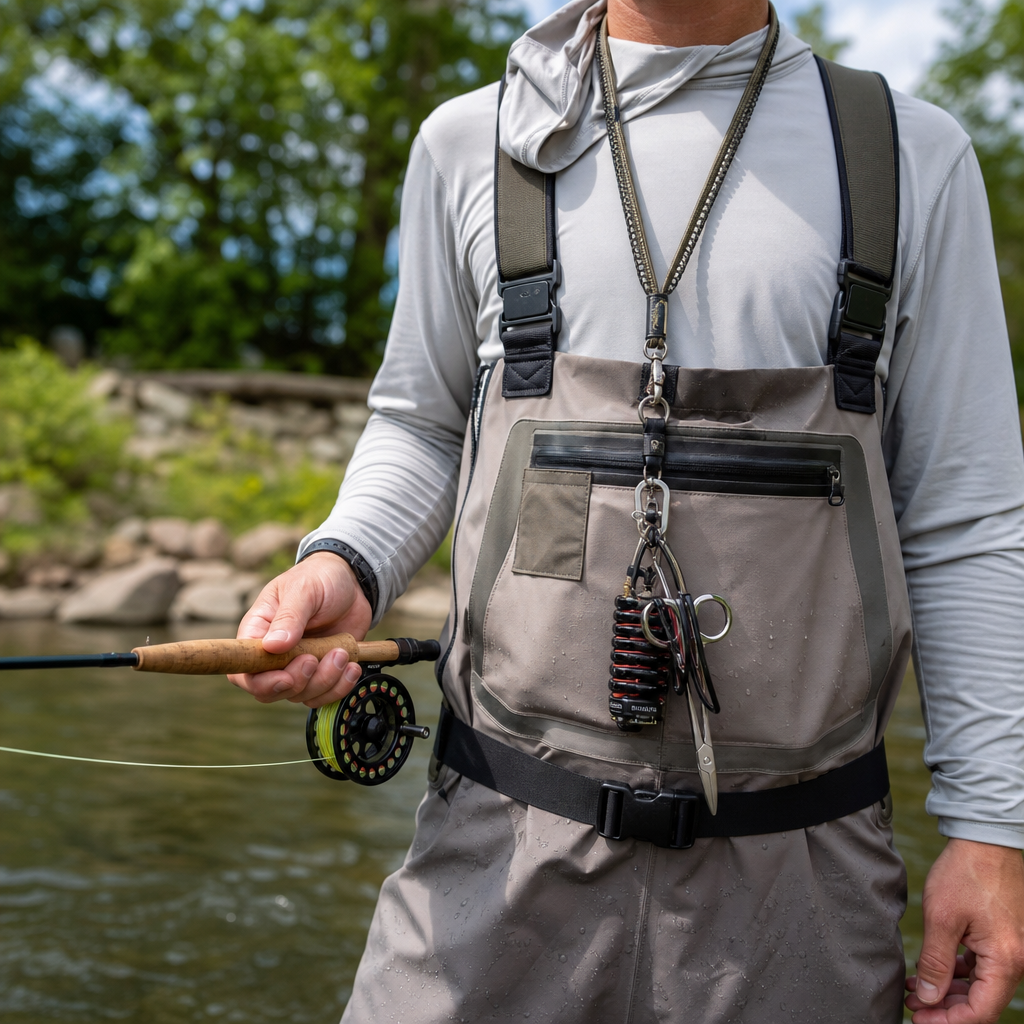
For leaders and tippet, simplicity wins. Keep tippet on a spool holder or carabiner where you can grab it quickly without opening multiple pockets. Store spare leaders in a flat zip pocket or labeled pouch by size and application. Small accessories are easiest to manage in mini organizers, zip pouches, or internal mesh compartments rather than loose in the bottom of a pack. A good system allows you to reach for exactly what you need by feel and habit. That speed matters when light changes, a hatch turns on, or you need to retie in current with cold hands.
What is the best way to store rods, reels, waders, and boots between trips?
Long-term storage is about protection, drying, and avoiding unnecessary stress on materials. Fly rods should ideally be broken down, dried, and stored in protective rod tubes or sleeves in a cool, dry place. Leaving rods assembled in a hot vehicle, leaning in a corner without support, or stacked under heavy gear increases the chance of damage. Reels should be rinsed when appropriate, especially after exposure to dirty water or saltwater, dried thoroughly, and stored somewhere that avoids prolonged moisture buildup. Backing, drag systems, and reel seats all benefit from basic post-trip care.
Waders and boots need special attention because they are often put away damp, and that is where odors, mildew, and premature wear begin. Waders should be hung to dry fully, ideally inside and out if possible, before long-term storage. Do not cram them wet into a sealed tote or leave them balled up in a truck bed. Boots also need airflow. Remove insoles if needed, loosen laces, and let them dry completely before storing. A ventilated bin, drying rack, or open shelving system works far better than an airtight container for these items.
For overall gear management, many anglers benefit from a two-stage setup: active storage for gear in use and home storage for protection between trips. A waterproof duffel may be perfect for transport, but once you get home, damp gear should move into a drying and organization area. Shelves, labeled bins, rod racks, and breathable equipment storage can extend the life of expensive gear and make packing much faster next time. The key principle is simple: transport gear securely, then store it clean, dry, and supported.
How can a good storage system improve efficiency on the water and not just keep gear tidy?
A well-designed fly fishing storage system does much more than organize equipment. It directly improves how quickly you respond to changing conditions, how comfortably you move, and how confidently you fish. When your tippet, nippers, floatant, flies, and leaders are always in the same place, you waste less time searching and spend more time reading water, adjusting rigs, and casting. That efficiency adds up over the course of a day, especially during short feeding windows or when weather and light are changing fast.
Good storage also reduces mental clutter. Fly fishing already demands attention to current seams, insect activity, drift angle, line control, and fish behavior. If your pack is disorganized, you are constantly interrupting that focus to dig for gear. A smart layout creates rhythm. Essential tools sit where your hands expect them. Fly boxes are grouped logically. Wet and dry items stay separated. Spare layers are protected. That kind of system makes transitions smoother, whether you are shifting from nymphing to dry flies, climbing into a boat, or hiking to a second stretch of river.
There is also a safety and durability component that many anglers overlook. Secure storage prevents dropped tools, crushed sunglasses, water-damaged phones, and broken rod tips. It helps distribute weight better during long walks and reduces the temptation to carry unnecessary gear. Ultimately, the best storage solution helps you fish with fewer interruptions and fewer equipment problems. It creates speed, protects investment, and supports better decision-making on the water, which is exactly why storage should be treated as part of performance rather than an afterthought.