The best fly fishing belts for support and comfort do more than hold up waders or pants; they stabilize your core, reduce fatigue, keep tools accessible, and add a critical margin of safety in moving water. In fly fishing, a belt usually refers to a wading belt worn over chest waders or technical outerwear, though many anglers also use waist packs with integrated lumbar belts. Support means how well the belt distributes load across the lower back and hips, while comfort comes from fit, padding, buckle design, stretch, and how the belt performs through a full day of walking, casting, kneeling, and climbing banks. This topic matters because discomfort is cumulative. I have spent long river days with a belt that pinched under a pack hipbelt, rode up when stripping line, or loosened after repeated casts, and each small annoyance became a real distraction by noon. A well-designed fly fishing belt solves those problems while improving organization and, in the case of waders, helping limit water ingress if you slip. For anglers researching clothing reviews, this hub article explains what separates a good belt from a great one, how to match designs to conditions, and which features consistently justify the price.
Most anglers start looking for the best fly fishing belts after a problem appears: lower-back soreness after carrying a net and water bottle, pressure points from a narrow webbing strap, or a clumsy buckle that is hard to release with cold fingers. The market now includes minimalist wading belts, padded lumbar models, modular belts with attachment points, and integrated systems paired with packs from Simms, Fishpond, Patagonia, Orvis, and Vedavoo. That variety is useful, but it also makes buying harder because the right choice depends on where and how you fish. Small-stream anglers who travel light need something different from boat anglers or steelhead fishers walking miles of uneven shoreline. Clothing reviews often focus on jackets and waders, yet belts deserve equal attention because they sit at the center of your movement. This guide covers core materials, sizing, support profiles, buckle systems, fit with packs and waders, and maintenance, then highlights the leading types of products worth considering as you build a dependable fishing clothing system.
What a Fly Fishing Belt Should Do
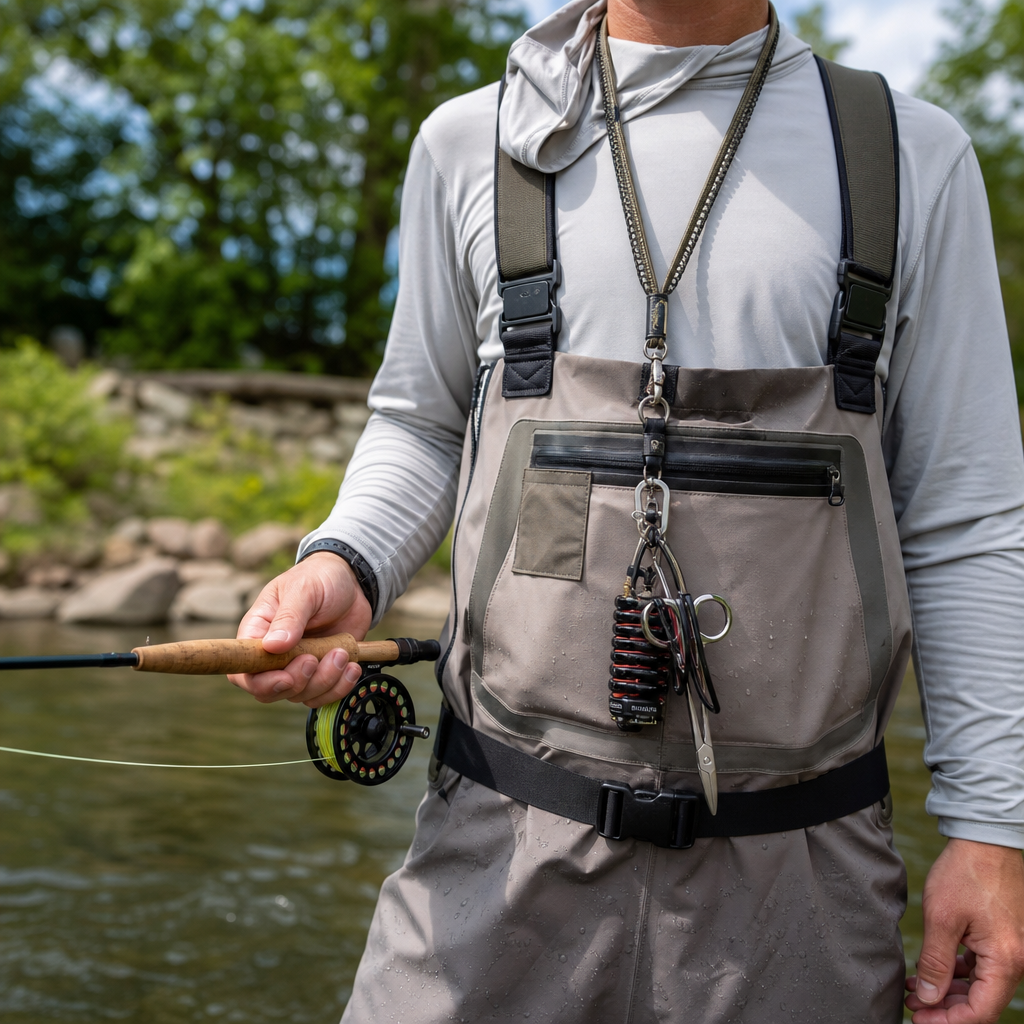
A fly fishing belt has four jobs. First, it secures clothing or waders close to the body without restricting breathing or rotation. Second, it supports the lower back by spreading the load from attached tools, small packs, and repetitive casting movement. Third, it improves efficiency by creating stable carry points for pliers, tippet spools, floatant, bear spray, or a net holster. Fourth, when worn snugly over chest waders, it helps reduce the volume of water that can rush into the lower half if you fall. No belt replaces proper wading technique or a personal flotation device where appropriate, but guides and experienced anglers treat a wading belt as standard equipment for a reason.
The best models balance rigidity and flex. Too soft, and the belt folds under load, allowing accessories to sag and creating hot spots. Too stiff, and it fights body movement, especially when scrambling up banks or sitting in a drift boat. In practical use, moderate structure with targeted padding performs best. A 1.5-inch to 2-inch webbing base is common for minimalist belts, while comfort-oriented designs add breathable foam panels across the lumbar area. Good belts also use hardware that resists corrosion and accidental release. Side-squeeze buckles are common, but many premium belts now use ladder-lock, cam, or low-profile aluminum buckles that adjust precisely and stay put when wet.
Key Features That Determine Support and Comfort
Support starts with width. Narrow belts concentrate pressure; wider belts distribute it. For anglers carrying only forceps and nippers, a simple 1.5-inch nylon webbing belt can be enough. Once you add a net, water bottle, or submersible hip pack, a belt with a shaped lumbar panel becomes more comfortable because it transfers weight across the iliac crest rather than into a single line around the waist. Padding matters, but dense closed-cell foam usually outperforms soft bulky foam because it retains shape after repeated soaking and drying. Mesh overlays improve airflow and reduce the slick feeling common with neoprene-backed belts in warm weather.
Material quality is equally important. Nylon webbing remains the standard because it is abrasion resistant, dries reasonably fast, and holds stitching well. Polyester absorbs less water and can feel more stable when wet, though it is slightly less common in premium fishing belts. Elastic inserts are useful in belts designed for active movement because they allow expansion during casting and when layering under rain shells. The downside is that too much stretch allows gear bounce. Buckles should be one-hand operable with gloves. On the water, I prefer low-profile buckles centered slightly off the abdomen if I am wearing a pack, because they interfere less when leaning forward or stripping line into a basket.
| Belt type | Best for | Main advantage | Main tradeoff |
|---|---|---|---|
| Minimal webbing wading belt | Light gear, warm weather, small streams | Low bulk and fast drying | Limited lumbar support |
| Padded lumbar belt | Long walks, attached tools, hip-pack use | Better load distribution | More heat and bulk |
| Modular utility belt | Anglers carrying accessories on the belt | High organization and customization | Can become heavy and cluttered |
| Integrated pack belt | Waist packs and submersible pack systems | Most stable carry when matched to pack | Less flexible as a standalone belt |
Top Belt Styles and When to Choose Each One
The simplest option is the classic adjustable wading belt that ships with many chest waders. Basic versions from established brands are functional, and for occasional use they may be enough. However, factory belts are often generic 1.5-inch webbing with standard plastic buckles and minimal contouring. They secure waders effectively, but they are not optimized for support if you clip on tools or fish all day. Anglers who mostly fish short sessions from easy access points can stay in this category and spend money elsewhere.
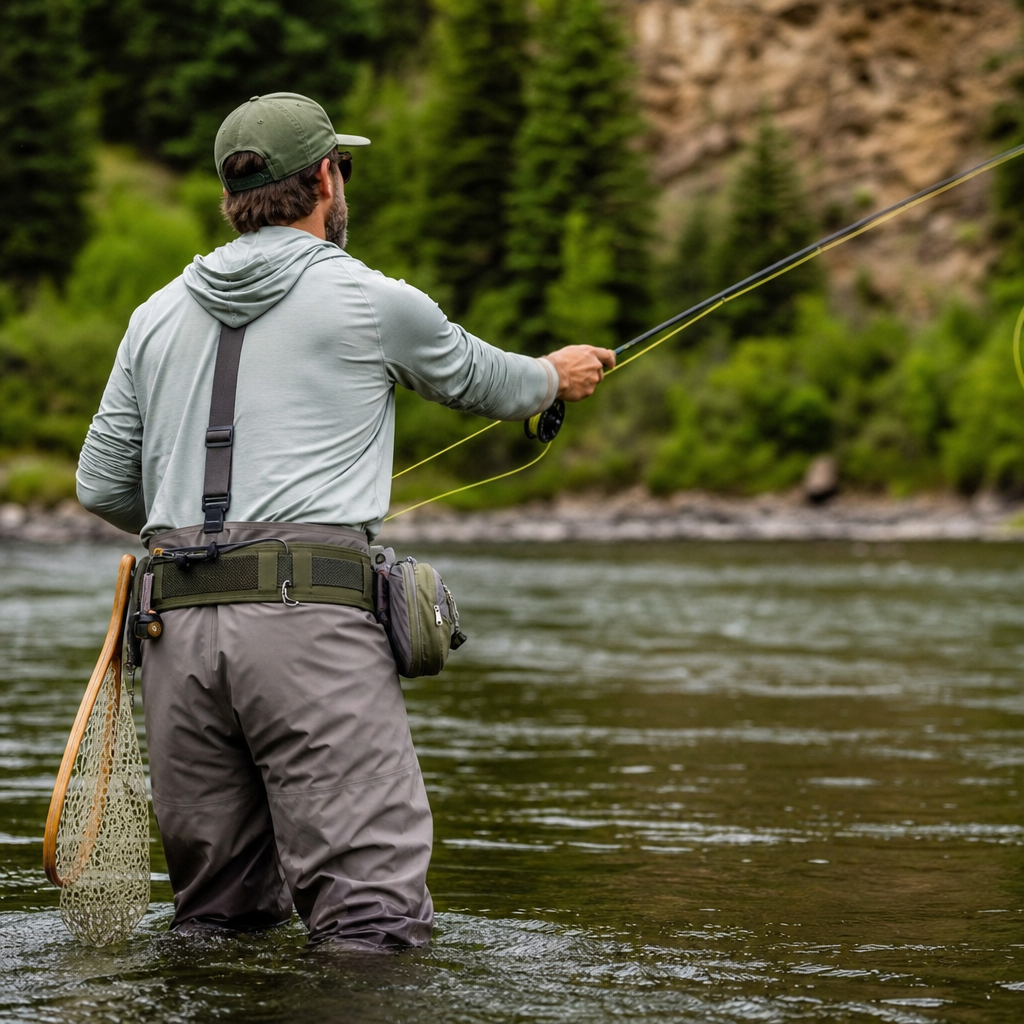
The next step up is the padded support belt. Simms, Orvis, Fishpond, and several specialty makers offer belts with wider rear panels, structured foam, and multiple lash points. This style suits trout anglers who hike to reach water, spend hours standing in current, or carry a net on the back. The difference becomes obvious after several miles. The belt reduces lower-back strain because it keeps the load from swinging independently of the body. Many of these belts also work well as a platform for a small lumbar or switchback-style pack, especially when paired with shoulder straps for heavier loads.
For anglers who want modular organization, utility belts and pack-compatible systems are the best fly fishing belts for support and comfort because they turn the waist into a controlled carry zone. Fishpond’s Switchback architecture, for example, lets anglers rotate a pack from back to front for access without removing it. Vedavoo’s heavily built waist systems appeal to anglers who prioritize durability and custom attachments. Patagonia and submersible-pack brands focus more on weather resistance and clean profile. These systems cost more, but they can replace a vest for anglers who prefer mobility and less chest bulk.
Best Brands, Notable Models, and Real-World Fit
Simms remains a benchmark in fishing clothing reviews because its belts and integrated pack systems are designed around actual wader use, not generic outdoor carry. Their wading belts typically use durable webbing, reinforced stitching, and buckles that hold tension well after repeated soaking. Simms belts fit especially well with the brand’s wader belt loops and pack accessories, which matters if you want a clean, no-twist setup. Orvis belts tend to emphasize comfort and ease of use, often with slightly softer feel and polished finishing. They are a strong choice for anglers who want reliable performance without overcomplicated modularity.
Fishpond stands out when organization is a top priority. Its waist and lumbar systems are popular because they combine support with smart access to fly boxes, tippet, and tools. On the water, that translates into less stopping, less twisting, and fewer dropped items. Patagonia takes a more minimalist approach, usually favoring streamlined construction, recycled materials, and compatibility with technical shells and waders. Their products appeal to anglers who dislike excess straps and attachment points. Vedavoo occupies a different niche: rugged, USA-made utility systems with thick materials and a workshop-built feel. They are not the lightest, but they are exceptionally durable.
Fit is where many reviews miss the mark. A belt can be well made and still perform poorly if it conflicts with your body shape or other gear. Anglers with shorter torsos often prefer lower-profile belts because tall lumbar pads can bump into ribcages or pack frames. Broad-hipped anglers usually benefit from slightly curved rear panels that stay centered better during side casting. If you wear a waterproof waist pack, check whether the belt buckle stacks directly beneath the pack buckle; two buckles in one spot often create pressure. In testing gear over full days, I have found that modest width, firm padding, and minimal front bulk outperform heavily padded designs that feel impressive in a shop but become sweaty and intrusive on the river.
How to Match a Belt to Your Fishing Style
If you fish small streams with a short rod, a compact net, and only a handful of accessories, choose a low-profile wading belt. Look for tough webbing, a secure buckle, and just enough stiffness to prevent rolling. You do not need a big lumbar platform if you are moving constantly and carrying very little. If your fishing involves all-day walk-and-wade sessions on larger rivers, prioritize lumbar support, breathable padding, and rear attachment points for a net. This is the category where spending more usually pays off in reduced fatigue.
Stillwater anglers and boat anglers can be more flexible, but comfort remains important because seated positions expose poor buckle placement quickly. A flatter front buckle and softer edge finishing help when leaning forward or rowing. Saltwater wade anglers should focus on corrosion resistance, quick drying materials, and clean designs that do not trap sand. In cold weather, oversized pull tabs and glove-friendly buckles become important. Steelhead and salmon anglers, who often carry larger tools and walk long distances in layered clothing, generally benefit from the most supportive options, especially belts that integrate neatly with rain jackets and heavy waders.
Travel also matters. If you pack light for destination trips, a belt that doubles as a travel waist pack support system has real value. Some anglers prefer to bring one modular belt and swap pouches depending on the day. That approach works well if your airline luggage is tight and you want fewer single-purpose items. For beginners, the safest path is simple: buy a quality belt from a major fishing brand that matches your waders, then upgrade to a more specialized system only after you know how much gear you actually carry.
Comfort, Safety, and Long-Term Value
Comfort over time depends as much on adjustment as on construction. Wear the belt snugly above the hips, not loose around the stomach. Over chest waders, tighten enough to create a seal and keep the waders close, but not so tight that your breathing feels restricted when climbing or casting. Recheck tension after the first fifteen minutes because wet fabric and movement often change the fit. If you are using a hip pack, keep heavy items centered and balanced. A water bottle on one side and a large fly box on the other usually carries better than stacking all weight on one panel.
Maintenance is straightforward and extends performance. Rinse belts after muddy or saltwater use, especially around buckles and stitched attachment points. Let them dry fully before storage to prevent odor and foam breakdown. Inspect webbing edges for abrasion, particularly where tools clip on repeatedly. If a buckle begins slipping under tension, replace it or retire the belt; unreliable retention is not worth tolerating in current. Over years of use, the best belts justify their cost because they stay comfortable, protect your mobility, and work as part of a broader clothing system rather than as an afterthought.
The best fly fishing belts for support and comfort are the ones that disappear once you start fishing. They hold securely, spread weight intelligently, and work with your waders, pack, and casting motion instead of against them. For most anglers, that means choosing a durable belt with moderate structure, a dependable low-profile buckle, and enough padding to support real use without excess bulk. Minimal webbing belts are ideal for light, fast fishing, while padded and modular systems are better for long walk-and-wade days or heavier carry. Brands such as Simms, Fishpond, Orvis, Patagonia, and Vedavoo all offer credible options, but fit and intended use matter more than logo. As the central guide within clothing reviews, this page should help you narrow the field and choose with confidence. Start by assessing how much gear you carry, how far you walk, and whether you need a standalone wading belt or a pack-integrated system. Then buy the simplest model that fully supports your fishing day, and build the rest of your clothing kit around that foundation.
Frequently Asked Questions
What makes a fly fishing belt supportive and comfortable for long days on the water?
A supportive and comfortable fly fishing belt does much more than simply cinch your waders at the waist. The best models help stabilize your core, distribute pressure evenly across the hips and lower back, and reduce the strain that builds up during hours of walking, casting, climbing banks, or standing in current. True support usually comes from a wider belt profile, durable webbing that does not roll or twist, and enough structure to keep the belt in place without feeling stiff or restrictive. Comfort, on the other hand, depends heavily on fit, padding, flexibility, and how well the belt moves with your body as you bend, cast, and wade.
Material design matters a lot. A narrow, basic strap may work fine for occasional use, but many anglers notice better comfort from belts with broader lumbar contact, breathable padding, or contoured shapes that follow the body more naturally. If you carry accessories such as forceps, tippet, a net holster, or a waist pack, the belt also needs to manage that added load without sagging. In practical terms, the best fly fishing belts balance firmness and mobility: tight enough to feel secure, but not so tight that they dig into your stomach, limit breathing, or create pressure points. When a belt disappears from your awareness after a few hours of fishing, that is usually a sign it is doing its job well.
Why is a wading belt considered an important safety feature in fly fishing?
A wading belt is widely considered an essential safety item because it can help limit the amount of water that rushes into chest waders if an angler slips, stumbles, or falls in moving water. While it is not a substitute for proper wading technique, a personal flotation device, or good judgment, it does create a tighter seal around the waist area that can reduce how quickly water fills the lower and upper sections of the waders. That extra margin of time can make a meaningful difference in regaining footing, getting to shallower water, or receiving assistance.
Beyond the water-entry issue, a good belt also improves stability while wading. By securing the waders close to the body, it reduces excess material shifting around your midsection and helps you move more efficiently through current. That can improve balance, especially when stepping over uneven riverbeds, navigating slick rocks, or hiking in and out of access points. Many experienced anglers think of the wading belt as standard gear rather than an optional accessory. In that sense, the best fly fishing belts contribute to both comfort and safety: they support the body physically during long outings and add a practical level of protection in challenging conditions.
How tight should a fly fishing belt be when worn over waders?
A fly fishing belt should be snug enough to stay in place and hold the waders close to your body, but not so tight that it causes discomfort, restricts breathing, or creates fatigue around the abdomen and lower back. A good rule is that the belt should feel secure when you bend, twist, and take a few walking steps, yet still allow natural movement and comfortable breathing. If the belt rides up, shifts constantly, or feels loose after attaching tools or a waist pack, it is probably not tight enough. If it pinches, folds your waders awkwardly, or leaves pressure points after a short period, it is likely too tight.
Fit can vary depending on clothing layers, body shape, and the type of belt you are using. A simple webbing wading belt may need slightly more tension to stay stable, while a padded lumbar-style belt can often feel secure with less aggressive tightening because the wider surface spreads pressure more evenly. It is also smart to adjust the belt based on conditions. Cold-weather layering, deep wading, and longer hikes may all change how the belt should sit. Ideally, you want the belt positioned around the natural waist area over your waders, with enough contact to stay planted but enough comfort to wear all day without constantly noticing it.
Are waist packs with integrated lumbar belts better than standard wading belts?
They are not automatically better, but they can be an excellent option for anglers who want both storage and improved support in one system. A standard wading belt is simple, lightweight, and effective for securing waders and attaching a few essentials. It is often the best choice for minimalist anglers or anyone who prefers a clean setup with minimal bulk. Waist packs with integrated lumbar belts, however, can offer additional structure and comfort, especially when carrying more gear. Because they spread weight across a wider section of the hips and lower back, they often reduce fatigue better than a thin strap belt alone.
The trade-off is that integrated systems can feel bulkier, warmer, and more restrictive if overpacked. Their comfort depends heavily on how well the pack is designed and how disciplined the angler is about load management. A high-quality lumbar belt on a waist pack can make a noticeable difference on long days, but if the pack bounces, sags, or carries too much weight behind the body, it may actually create strain rather than reduce it. For anglers who carry fly boxes, tippet spools, leaders, small tools, and maybe a water bottle, a good integrated belt system can be very efficient. For those who travel light and prioritize mobility in technical water, a traditional fly fishing belt may still be the better choice.
What features should I look for when choosing the best fly fishing belt for support and comfort?
Start with width, structure, and adjustability. A belt that is too narrow may dig in under load, while one with adequate width tends to spread pressure more evenly across the waist and lower back. Look for a secure buckle that is easy to fasten and adjust, even with cold hands. Strong webbing, durable stitching, and materials that resist water absorption are also important because fly fishing belts are exposed to moisture, grit, and repeated tension. If support is a top priority, consider belts with padded or contoured lumbar sections that offer more contact with the lower back without becoming overly stiff.
You should also think carefully about gear compatibility. Many anglers want attachment points for tools, net holders, accessories, or pack systems. A belt may feel comfortable when empty but perform very differently once loaded with hemostats, nippers, bear spray, or a small pack. If possible, evaluate how the belt handles real fishing weight. Breathability is another overlooked factor, especially in warmer weather or on long walks to the river. A belt that traps heat and moisture can become irritating over time. The best fly fishing belt is ultimately one that matches your style of fishing: secure enough for wading safety, supportive enough to reduce lower-back strain, comfortable enough for all-day wear, and practical enough to keep essential tools accessible without creating unnecessary bulk.