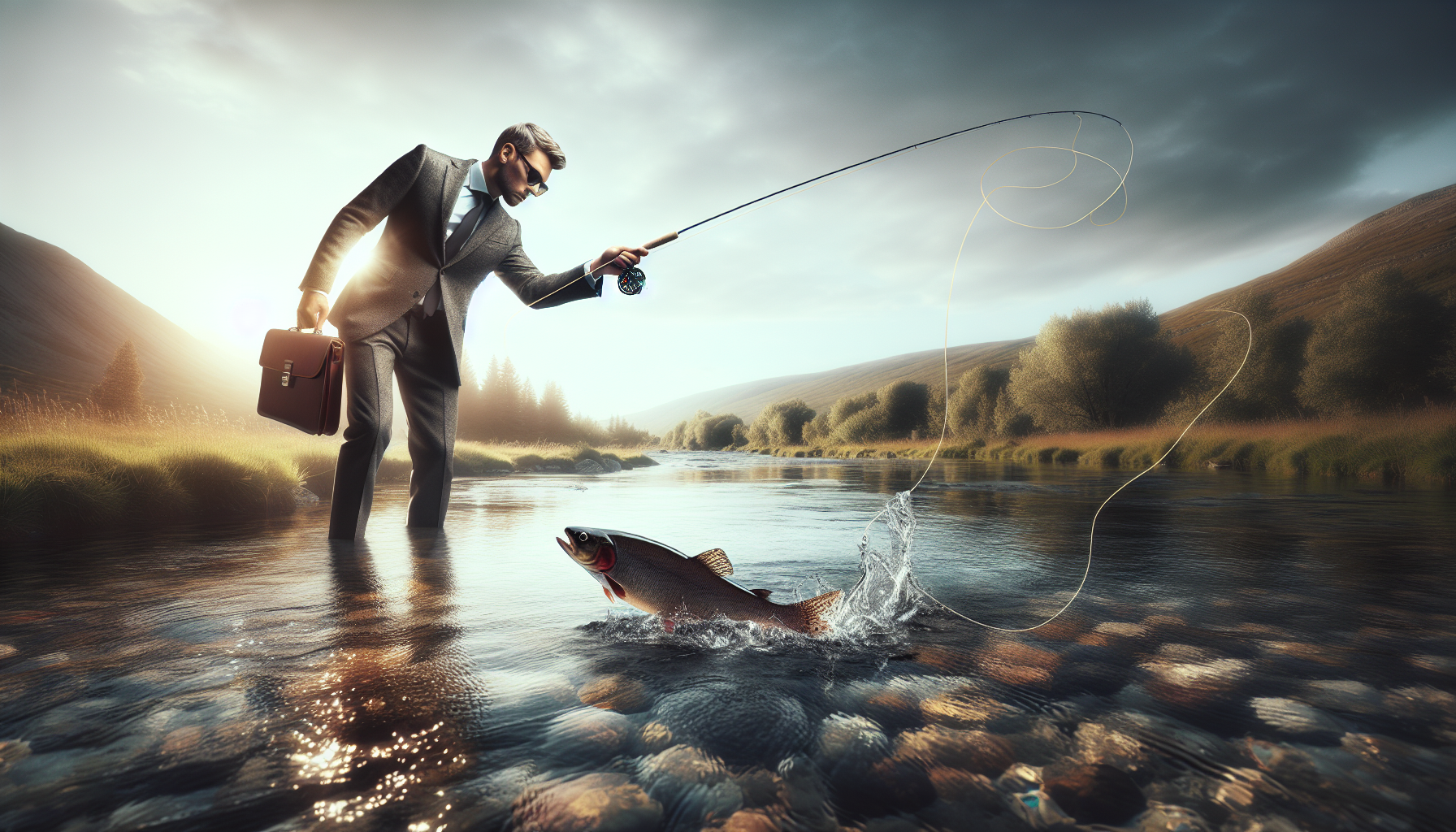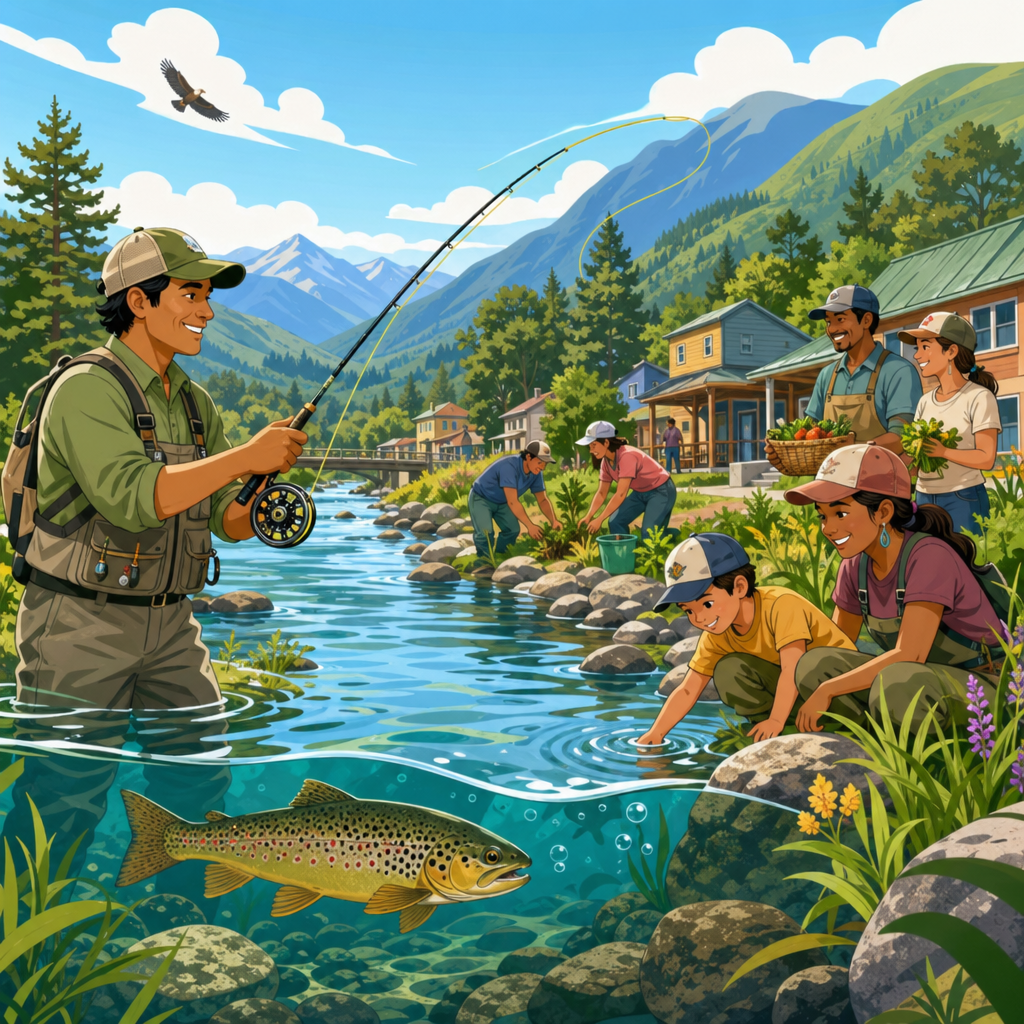
Sustainable fly fishing creates economic opportunity, protects rivers, and strengthens community identity when anglers, guides, outfitters, and local leaders manage fisheries for long-term health instead of short-term harvest. In practical terms, sustainable practices in fly fishing include catch-and-release where appropriate, careful fish handling, habitat restoration, seasonal closures, barbless hook use, invasive species prevention, ethical access, and local spending that supports conservation. I have worked with guides, watershed groups, and rural tourism operators, and the pattern is consistent: communities benefit most when fishing pressure is balanced with science-based stewardship. This matters because many river towns depend on healthy trout, salmon, grayling, and warmwater fisheries not only for recreation, but for jobs, small business revenue, cultural continuity, and resilience against environmental change.
For readers exploring conservation and ethics, this hub on sustainable practices connects the core ideas that shape responsible fly fishing. A sustainable fishery is one that maintains fish populations, water quality, habitat complexity, and public access over time while still providing recreation and income. That definition sounds broad, but on the ground it becomes specific: protecting spawning beds from trampling, limiting angling during heat stress, supporting riparian planting, respecting Indigenous knowledge, and choosing outfitters who follow best practices. Local communities feel the results directly. Stable fisheries extend tourist seasons, reduce boom-and-bust economics, improve public support for conservation funding, and keep local expertise alive. When anglers understand that every cast exists inside a wider social and ecological system, sustainable fly fishing stops being a personal ethic alone and becomes a community development strategy.
How sustainable fly fishing supports local economies
The most immediate community benefit is economic circulation. Visiting anglers spend money on guide services, lodging, food, shuttle transport, licenses, flies, waders, and fly shop advice. In well-managed destinations, that spending reaches a broad local network instead of concentrating in one business. A guide hires local rowers, a lodge buys produce from nearby farms, a fly shop sponsors river cleanups, and a conservation group contracts local crews for fencing or bank stabilization. I have seen towns with modest populations build reliable shoulder-season income around spring and fall hatches because anglers travel specifically for quality fishing and are willing to pay for local knowledge. That is the central economic argument for sustainable fly fishing: healthy fisheries produce repeat visitation, while degraded fisheries drive visitors away.
Repeat visitation matters more than one-time spikes. A river that gains social media attention can become crowded quickly, but if fish mortality rises, banks erode, and access conflicts increase, the destination weakens. Communities that benefit over decades usually pair promotion with management. They use permit systems on sensitive waters, educate anglers about fish handling, and invest in infrastructure such as boat ramps, parking, toilets, and trail hardening. These measures reduce environmental damage and improve visitor experience. Studies from trout regions in the Rocky Mountain West, Atlantic salmon rivers in Scandinavia, and chalk streams in the United Kingdom show that anglers often value quality, exclusivity, and habitat integrity enough to support higher license fees or conservation stamps when the revenue is visibly reinvested. That creates a durable local funding loop.
Why healthy rivers create durable community value
Fish populations depend on more than catch regulations. Sustainable fly fishing encourages protection of the full watershed, including cold-water inputs, floodplains, riparian vegetation, macroinvertebrate habitat, and spawning gravels. When these systems are healthy, communities gain benefits beyond angling. Intact riparian zones reduce erosion, filter runoff, moderate water temperature through shade, and improve resilience to floods and drought. In many places, restoration funded partly through angling organizations has improved public trails, reconnected side channels, and stabilized streambanks near roads and farms. Those are civic benefits, not niche sporting perks.
Trout are a useful indicator because they require cold, oxygen-rich water and relatively intact habitat. If a river sustains wild trout through summer, that often signals broader ecosystem quality. The reverse is also true. Declining insect hatches, elevated water temperatures above roughly 68 degrees Fahrenheit for many trout fisheries, excess fine sediment, and disconnected floodplains usually foreshadow weaker fishing and weaker tourism. Communities that embrace sustainable practices respond early. They support stream temperature monitoring, voluntary afternoon fishing closures during heat waves, and habitat projects that restore woody structure and pool depth. These actions protect fish, but they also preserve the natural asset on which local businesses depend.
| Sustainable practice | How it helps fish and habitat | Community benefit |
|---|---|---|
| Barbless hooks | Reduce handling time and tissue damage | Higher post-release survival supports repeat tourism |
| Seasonal closures | Protect spawning fish and stressed summer populations | Preserves long-term fish quality and angler satisfaction |
| Riparian restoration | Improves shade, bank stability, and insect habitat | Creates local restoration jobs and lowers erosion costs |
| Boot and boat cleaning | Limits spread of invasives such as didymo and zebra mussels | Avoids expensive ecological damage and management costs |
| Catch-and-release education | Improves survival through better fish handling | Maintains destination reputation for strong fisheries |
Jobs, skills, and small business growth around fisheries
Sustainable fly fishing supports a specialized local labor market. Guides, casting instructors, fly tiers, shuttle drivers, hospitality staff, rod builders, photographers, conservation technicians, and seasonal retail workers all benefit when fisheries remain productive. Importantly, these are not interchangeable jobs. A respected guide develops river reading, entomology knowledge, boating skill, first aid competence, and client management ability over years. A fly shop employee who understands local hatches and regulations becomes a trusted information source and often an informal conservation educator. When a fishery declines, communities do not just lose tourist dollars; they lose place-based expertise that is hard to rebuild.
Small business growth is strongest where communities emphasize authenticity and stewardship rather than volume. Local outfitters can differentiate themselves by offering walk-and-wade instruction, native fish trips, women’s clinics, youth programs, and citizen science days tied to habitat work. That diversification matters because it reduces dependence on peak-season traffic alone. I have seen shops increase offseason revenue through fly tying nights, river etiquette workshops, and partnerships with schools and watershed councils. These programs create social value while strengthening customer loyalty. They also help local residents see fly fishing as part of community life rather than an activity reserved for visitors with disposable income.
Community stewardship and stronger conservation funding
One of the most overlooked benefits of sustainable fly fishing is its ability to finance conservation at the local level. License sales, access permits, guide fees, lodging taxes, nonprofit memberships, and private donations often contribute directly or indirectly to habitat improvement. In the United States, state fish and wildlife agencies rely heavily on license revenue and federal excise taxes under the Sport Fish Restoration framework. In other countries, beat fees, club memberships, and river trusts play a similar role. The key point is that ethical angling can create a constituency willing to pay for monitoring, enforcement, education, and restoration.
Money alone is not enough, so governance matters. Communities see the best results when funding is transparent and tied to measurable outcomes such as miles of stream restored, culverts replaced, invasive plants removed, or juvenile fish survival improved. Named tools and standards help. Agencies use electrofishing surveys, redd counts, macroinvertebrate indices, PIT tagging, and temperature loggers to assess conditions. Restoration groups increasingly apply watershed-scale planning, not isolated bank work, because fish need connected habitat. When anglers understand these metrics, they become better advocates. They are more likely to support closures, access rules, and infrastructure upgrades if they can see the biological rationale and local return on investment.
Social benefits: identity, education, and intergenerational connection
Rivers shape how communities see themselves. In many fishing towns, local identity is tied to seasonal runs, famous hatches, or stretches of water known across regions. Sustainable fly fishing reinforces that identity in constructive ways. Instead of defining local pride through extraction alone, it connects pride to guardianship, knowledge, and craft. Festivals, tying demonstrations, river cleanups, and youth fishing days give residents a shared purpose that includes both recreation and care for place. That social cohesion is valuable, especially in rural areas looking for durable, nonextractive economic development.
Education is another major benefit. Fly fishing naturally teaches hydrology, insect life cycles, fish behavior, weather interpretation, and low-impact outdoor ethics. When schools, camps, and nonprofits use local rivers as classrooms, students gain applied science experience close to home. I have watched teenagers who were initially interested only in casting become invested in stream temperature data, native species recovery, and restoration careers. That pathway matters for local communities because it builds future guides, biologists, land managers, and informed voters. Intergenerational learning is equally important. Older anglers pass down river knowledge, knot skills, and ethics; younger anglers often bring new awareness of climate risk, inclusion, and digital communication. Sustainable practices give both groups common ground.
What sustainable practices look like on the water
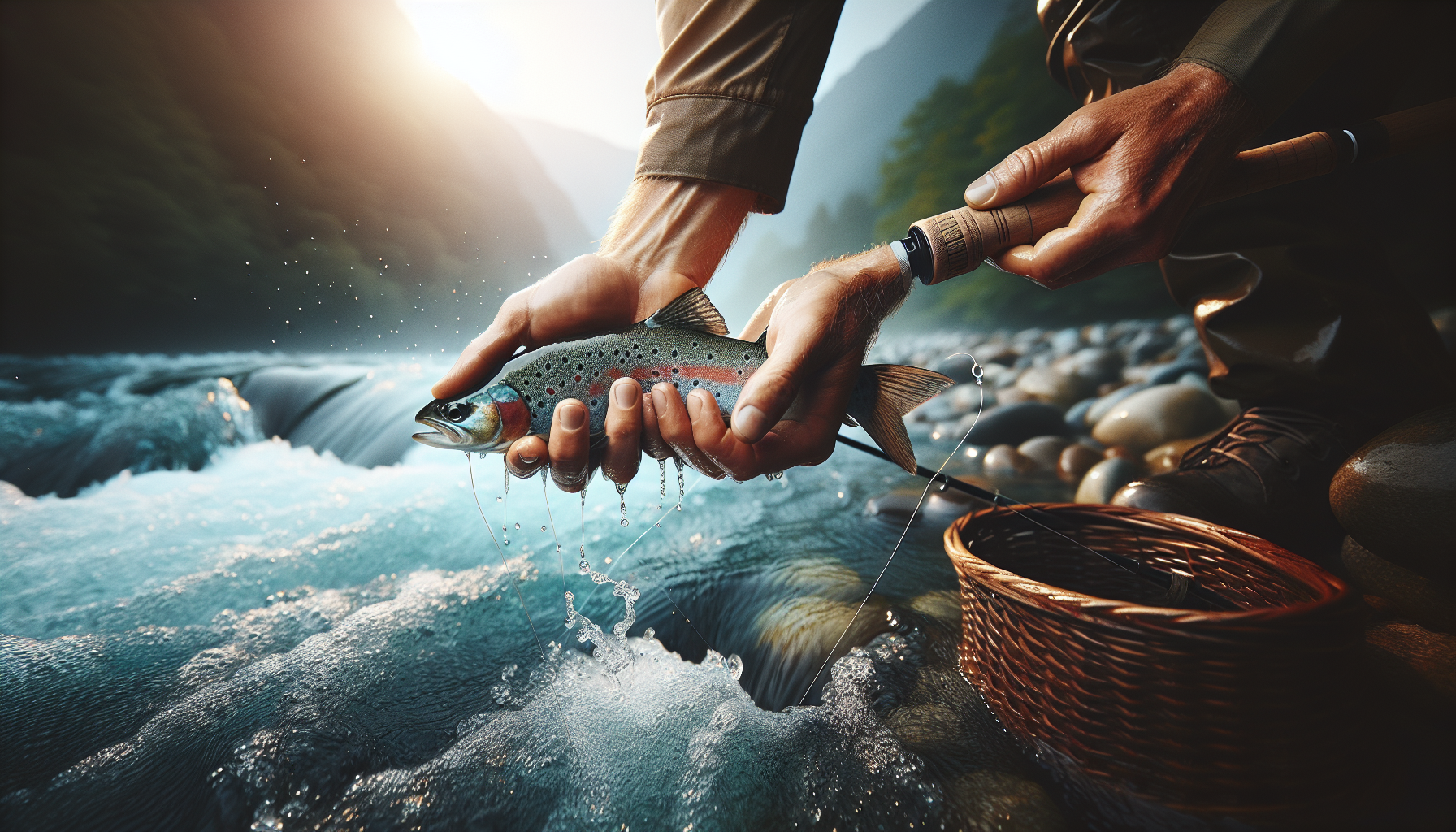
Readers often ask what counts as sustainable fly fishing in daily use. The answer is concrete. Use tackle heavy enough to land fish quickly, keep fish wet, avoid squeezing the gills, and release fish without extended photo sessions. Fish barbless hooks when regulations allow or require them. Stop targeting trout during extreme heat and low flows. Clean boots, nets, and boats between watersheds with approved decontamination methods to prevent invasive spread. Respect private property boundaries and established access points. Do not wade through redds, anchor on spawning beds, or crowd other anglers into unsafe or hostile interactions. Support guides and lodges that follow these norms and teach them to clients.
Some practices involve tradeoffs. Catch-and-release is not a moral absolute if fish are handled poorly or water temperatures are dangerously high. In certain fisheries, selective harvest within regulations may be compatible with management goals, especially where agencies use harvest to balance populations or where stocked fish are present. Sustainable practice always depends on species, season, water temperature, and local rules. That is why community education is essential. Good ethics are specific, not abstract. The best local programs explain why a rule exists, what biological problem it addresses, and how anglers can adjust behavior before enforcement becomes necessary.
Challenges communities must manage carefully
Sustainable fly fishing is beneficial, but it is not automatically benign. Popular rivers can experience overcrowding, rising housing costs linked to tourism demand, access disputes, guide congestion, and social exclusion if local voices are ignored. Climate change intensifies these pressures by shrinking cold-water habitat, altering runoff timing, and increasing wildfire sedimentation and drought stress. Communities therefore need management, not just marketing. Reservation systems, commercial use caps, staggered launch times, voluntary rest days, and data-driven closures can protect both fish and resident quality of life.
Equity also matters. A fishery cannot truly strengthen a community if benefits flow mostly to outside investors while residents face higher prices and reduced access. Successful river towns usually maintain public access, support local ownership, and include tribes, landowners, guides, agencies, and conservation groups in planning. They also communicate clearly that conservation rules are there to preserve opportunity, not restrict it arbitrarily. When local people can fish, work, teach, and make decisions on their home waters, sustainable fly fishing becomes a shared asset rather than a source of resentment.
Sustainable fly fishing benefits local communities because it links ecological health with economic stability, education, and civic pride. Healthy rivers bring repeat visitors, support skilled jobs, and justify continued investment in habitat, monitoring, and public access. Ethical on-water behavior reduces fish mortality, while broader watershed stewardship improves water quality, flood resilience, and biodiversity. Communities that treat fishing as a renewable asset rather than a one-season commodity consistently outperform places that chase volume without protection. The lesson is straightforward: better conservation creates better fishing, and better fishing supports stronger local economies and social ties.
As a hub within conservation and ethics, sustainable practices should guide every related decision, from gear choice and fish handling to access policy and restoration funding. If you are an angler, start locally: follow regulations, hire responsible guides, spend money with businesses that support habitat work, and learn the seasonal limits of your home water. If you are a community leader or business owner, invest in science-based management and public education before problems become expensive. Sustainable fly fishing works best when everyone who benefits also helps protect the resource. Make that commitment now, and your river can keep sustaining fish, livelihoods, and local culture for generations.
Frequently Asked Questions
How does sustainable fly fishing benefit local communities economically?
Sustainable fly fishing supports local economies by creating a dependable, long-term source of tourism and outdoor recreation revenue. When rivers are kept healthy and fish populations are managed responsibly, communities can attract visiting anglers year after year instead of seeing a short-lived boom followed by ecological decline. That stability matters for guides, fly shops, lodges, campgrounds, restaurants, shuttle services, and other small businesses that rely on seasonal visitors. In many fishing destinations, the economic impact extends well beyond the riverbank, helping sustain jobs and encouraging new business development tied to outdoor travel.
Another major advantage is that sustainable fly fishing encourages local spending patterns that keep money circulating in the community. Anglers who hire local guides, buy flies from regional outfitters, stay in locally owned accommodations, and pay access or permit fees often contribute directly to conservation and community services. This creates a stronger connection between environmental stewardship and economic well-being. Rather than treating fish and waterways as resources to be used up quickly, sustainable fly fishing helps communities build a lasting identity around healthy rivers, quality experiences, and responsible tourism.
What sustainable fly fishing practices help protect rivers and fish populations?
Sustainable fly fishing depends on a collection of practical habits that reduce stress on fish and limit damage to aquatic ecosystems. Catch-and-release is one of the most widely recognized approaches, especially in waters where wild fish populations need extra protection. However, successful release practices go beyond simply putting a fish back in the water. Careful fish handling, keeping fish wet, minimizing air exposure, and landing fish quickly all improve survival rates. Many anglers also use barbless hooks because they make release easier and reduce injury to fish.
Seasonal closures and species-specific regulations are also essential tools. During spawning periods, low-water conditions, or extreme summer temperatures, fish can become especially vulnerable. Temporary closures or time-of-day restrictions help reduce pressure when ecosystems are under stress. In addition, habitat restoration projects such as streambank stabilization, riparian planting, culvert replacement, and in-stream structure improvements can strengthen fish habitat over the long term. Sustainable fly fishing also includes invasive species prevention, such as cleaning boots, waders, nets, and boats before moving between waters. Together, these practices protect water quality, maintain biodiversity, and help fisheries remain productive for future generations.
Why is sustainable fly fishing important for preserving community identity and local culture?
In many regions, rivers are more than recreational spaces. They are woven into local history, traditions, livelihoods, and a community’s sense of place. Sustainable fly fishing helps preserve that relationship by promoting a model of use that respects both ecological limits and local values. When residents, guides, outfitters, landowners, and conservation groups work together to protect fisheries, they reinforce the idea that healthy rivers are part of the community’s shared heritage. That can strengthen civic pride and create a more unified local vision around stewardship, outdoor education, and responsible tourism.
Sustainable fly fishing also encourages communities to tell a different story about what makes them unique. Instead of focusing only on extraction or short-term visitor volume, towns can become known for clean water, wild fish, ethical angling, and strong conservation ethics. This identity often attracts visitors who value authenticity and are more likely to respect local customs, businesses, and access rules. Over time, that can lead to deeper community engagement, more youth interest in river stewardship, and a stronger cultural connection between residents and the landscapes that define their home.
How do ethical access and angler behavior affect local relationships around fly fishing?
Ethical access is a critical part of sustainable fly fishing because community support can weaken quickly if anglers disrespect property boundaries, overcrowd popular waters, litter, or ignore local regulations. Positive angler behavior helps maintain trust between visitors and residents, especially in places where river access depends on cooperation among private landowners, public agencies, and local businesses. Respecting posted signs, asking permission when needed, packing out waste, and following local etiquette all help reduce conflict and protect future access opportunities.
Good behavior on the water also improves the broader reputation of the fishery and the community. When visiting anglers act responsibly, they are more likely to be welcomed back, recommended to local guides, and seen as contributors rather than burdens. This matters because sustainable fly fishing depends on social as well as ecological health. Communities are more likely to support conservation regulations, habitat projects, and tourism infrastructure when they see that anglers are invested in the area’s long-term well-being. In that sense, ethical access is not just about courtesy; it is a practical foundation for conservation, local cooperation, and lasting economic value.
Can sustainable fly fishing really improve conservation outcomes at the local level?
Yes, sustainable fly fishing can produce meaningful local conservation results when it is backed by sound management, community involvement, and consistent education. One of its biggest strengths is that it aligns recreational value with ecosystem health. Healthy rivers and abundant wild fish create better angling experiences, which gives anglers, guides, outfitters, and local leaders a direct reason to support habitat restoration, water quality protections, and science-based regulations. In many communities, revenue linked to fly fishing helps fund conservation work through licenses, permits, donations, guide participation, nonprofit partnerships, and volunteer restoration efforts.
Just as important, sustainable fly fishing builds a local constituency for river protection. People who depend on fisheries for business, recreation, or community identity are often among the strongest advocates for maintaining streamflows, reducing pollution, restoring riparian areas, and controlling invasive species. That advocacy can influence policy decisions and encourage broader public support for watershed stewardship. While no single activity can solve every environmental challenge, sustainable fly fishing creates a practical model in which conservation is not treated as separate from community prosperity. Instead, it becomes a shared investment in clean water, resilient habitat, and a stronger future for local people and the rivers they rely on.