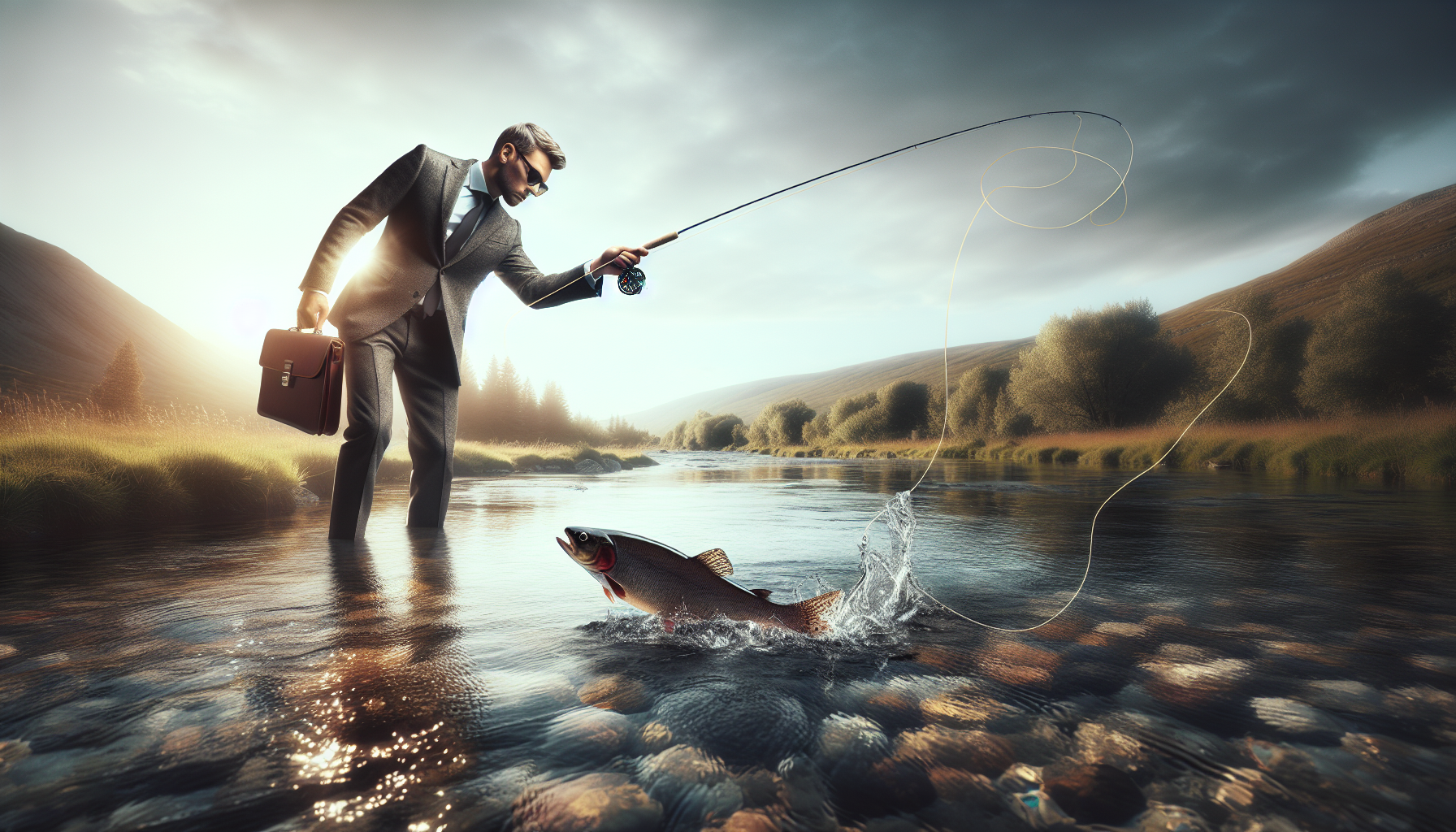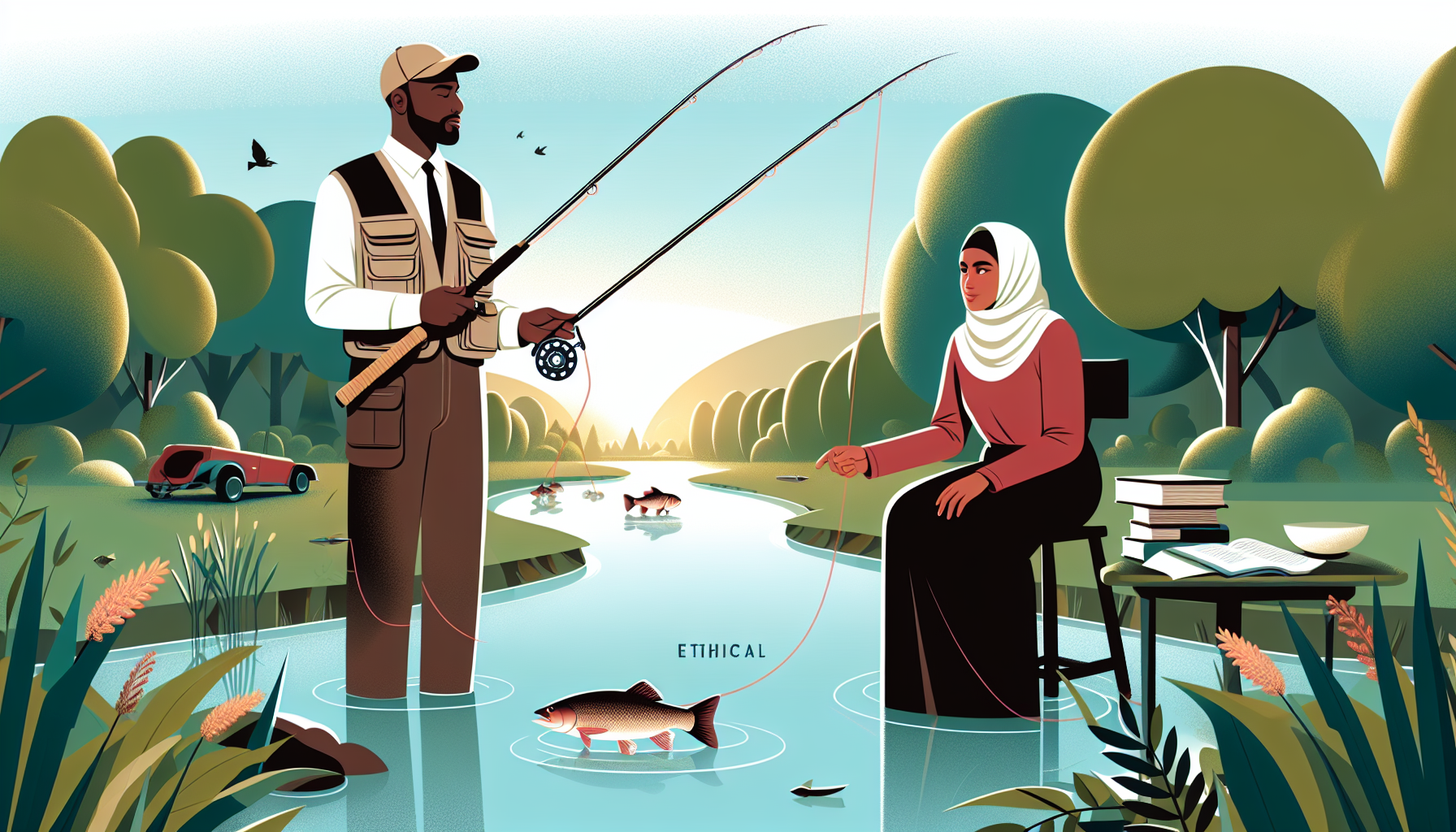
Ethical considerations for fly fishing guides shape every decision on the water, from where a boat is anchored to how a trout is handled and released. Ethical fishing practices are the standards that help guides protect fish populations, respect habitat, serve clients honestly, and support the long-term health of rivers, lakes, flats, and surrounding communities. As someone who has spent seasons around guide operations, access disputes, and conservation projects, I can say the best guides are not simply skilled casters or fish finders. They are risk managers, naturalists, teachers, and stewards. This matters because guides influence more angler behavior in a season than many agencies influence in a year. A client may forget the exact fly pattern that worked, but they remember whether the guide pinched barbs, avoided redds, kept fish wet, or declined to pressure stressed water. In practical terms, ethics in guiding means making choices that reduce avoidable harm while preserving fair access, legal compliance, and trust. It includes catch-and-release protocols, fish fighting time, species-specific handling, boating etiquette, private property respect, truthful marketing, and clear communication about conservation rules. It also means understanding when not to fish. During heat waves, low flows, spawning periods, or harmful algal blooms, the ethical answer can be cancellation, relocation, or a different target species. For a hub page on conservation and ethics, this topic deserves a comprehensive view because every specialized article under ethical fishing practices ultimately points back to one central question: how should a professional guide balance client success with the welfare of fish, habitat, and the broader fishery?
Fish welfare starts before the first cast
Ethical fly fishing begins long before a fish is hooked. The guide’s first responsibility is to assess whether conditions support responsible angling. Water temperature is the clearest example. Many trout fisheries see increased post-release mortality as temperatures climb, and veteran guides monitor this closely with stream thermometers rather than guesswork. On many tailwaters and freestones, a practical red line for trout trips is around 68 degrees Fahrenheit, with some guides becoming more conservative for larger fish or low dissolved oxygen conditions. For warmwater species, the threshold differs, but the principle does not. If environmental stress is high, adding angling pressure can turn a successful day into delayed mortality.
Responsible guides also tailor tackle to minimize harm. Rod weight, leader strength, and hook choice are ethical tools, not just performance preferences. Using tackle that is too light prolongs fight times and increases exhaustion, especially for large migratory fish such as steelhead, salmon, or bonefish. Barbless hooks are widely adopted because they shorten release time and reduce tissue damage. Rubber or knotless landing nets protect slime layers better than abrasive mesh. I have watched the difference firsthand: fish landed in soft rubber nets remain calmer, can be unhooked faster, and leave with fewer scale injuries.
Presentation decisions matter too. Fishing to visibly spawning fish, casting over redds, or repeatedly targeting bedding bass may be legal in some places and still ethically questionable. A competent guide knows species life cycles and explains why certain water is off limits. Ethics here is not about appearing virtuous. It is about reducing predictable damage to recruitment and population resilience.
Handling, release, and mortality reduction
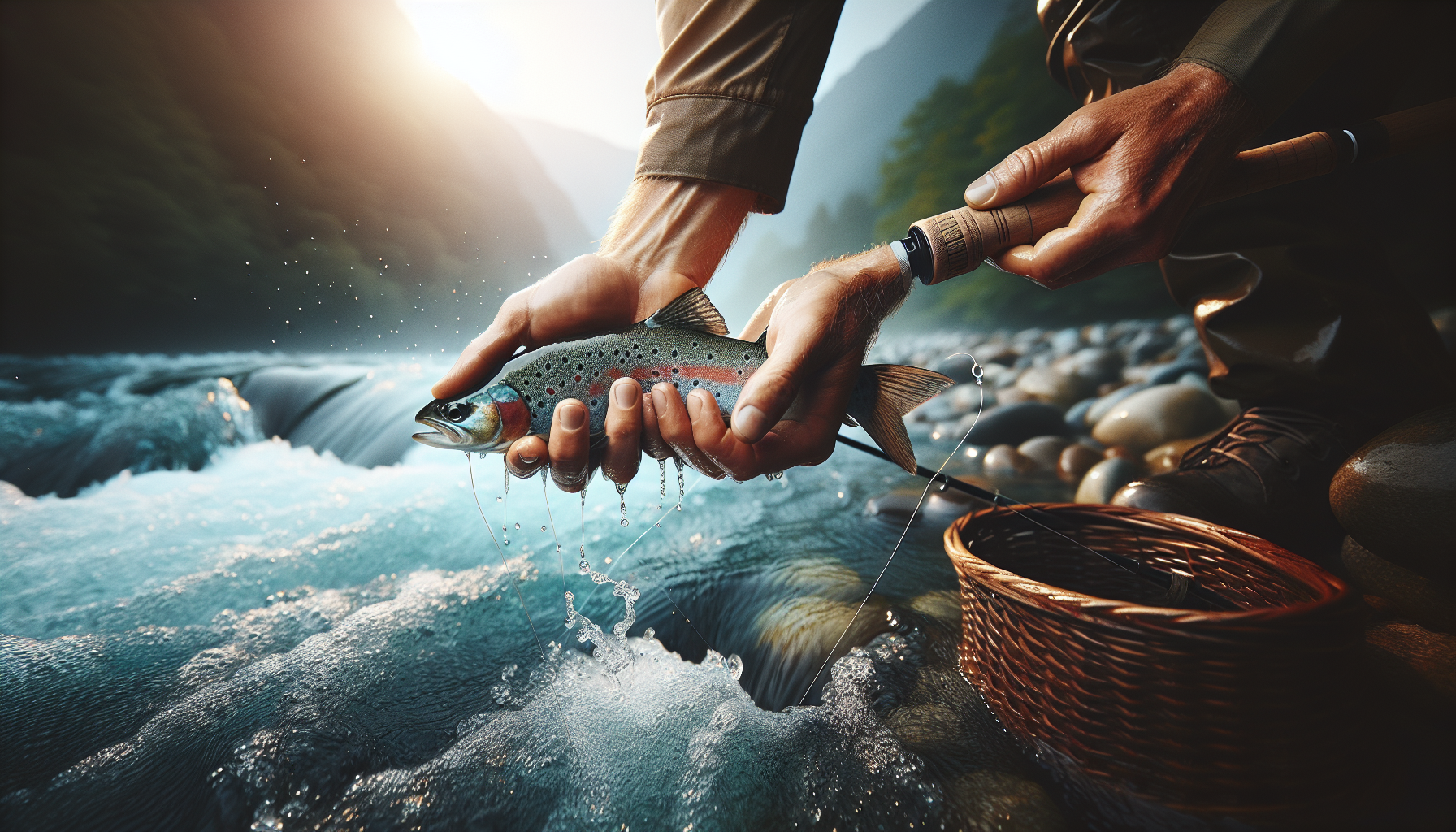
The most visible part of ethical fishing practices is fish handling. Clients often judge a guide’s professionalism by how fish are landed, photographed, and released. The standard is simple: keep fish wet, support them properly, minimize air exposure, and release them quickly in suitable current. In many fisheries, a fish should be unhooked without ever leaving the water unless a brief photo is clearly safe. Research from trout and salmonid systems consistently shows that air exposure compounds stress, particularly after long fights or in warm water. Even a few extra seconds for repeated photos can make a measurable difference.
Guides should coach clients before the action starts. That means explaining where to place hands, why not to squeeze the abdomen or gills, and how to let the fish recover facing into moderate current without pumping it back and forth aggressively. For species like tarpon, large pike, musky, and trophy trout, body support is essential because jaw-hanging can injure connective tissue and vertebrae. For bonefish and permit on tropical flats, dry hands and prolonged air exposure can damage protective slime and increase vulnerability to infection or predation.
Ethical release also includes deciding when a fish is too spent to target at all. If repeated deep runs, high temperature, or shark presence on the flats make safe release unlikely, a guide should change tactics or leave. This is where experience matters more than slogans. A guide who notices delayed recovery, floating posture, excess lactic stress, or heavy predator pressure is seeing warning signs in real time and must adjust immediately.
| Ethical practice | Why it matters | Guide application |
|---|---|---|
| Use barbless hooks | Reduces tissue damage and release time | Pinch barbs before clients rig up |
| Match tackle to species | Shortens fight time and lowers exhaustion | Choose stronger tippet for big fish and current |
| Keep fish wet | Limits stress and gill damage | Unhook fish in net or shallow current |
| Avoid hot-water trout fishing | Prevents elevated post-release mortality | Cancel, start earlier, or switch species |
| Stay off redds and spawning zones | Protects reproduction and eggs | Identify seasonal closures and visible nests |
| Limit hero shots | Reduces air exposure and handling errors | One quick photo, then immediate release |
Habitat protection, access ethics, and river etiquette
Guides do not just interact with fish. They interact with riverbanks, boat ramps, gravel bars, riparian vegetation, private landowners, and other anglers. Ethical conduct on shared water is central to conservation because habitat damage and access conflict can close fisheries faster than poor fishing reports. Wading through spawning gravel, trampling banks, dragging boats through shallow riffles, or repeatedly beaching skiffs on fragile flats all create cumulative impact. The best guides teach low-impact movement: entering at durable access points, anchoring carefully, avoiding prop scars, and rotating pressure across reaches instead of hammering one run all week.
Respect for space is equally important. Crowding another boat, low-holing a run, running ahead at the takeout, or sliding onto a flat already being stalked undermines both etiquette and safety. On famous trout rivers and saltwater destinations, clients may not know local norms, so the guide sets the tone. A clear explanation that “we do not cut in front of anglers already working this bank” does more than avoid arguments. It preserves the social license that keeps guide communities functioning.
Access ethics also extend to landowner relations. Crossing private property without permission, misrepresenting easements, or leaving gates open harms everyone who uses the fishery. I have seen long-standing access disappear because a few operators acted as if commercial use entitled them to every bank. It does not. A professional guide knows the legal boundaries, honors them precisely, and treats local residents as stakeholders, not obstacles.
Client education, honesty, and informed consent
One overlooked area of ethical fly fishing guiding is honesty with clients. Marketing should not promise unrealistic catch rates, hidden private access, or easy trophy fish when conditions suggest otherwise. Ethical fishing practices include setting accurate expectations about weather, skill level, physical demands, and likely outcomes. This is not bad for business. In the long run, truthful operators build stronger repeat clientele because anglers trust the recommendation, even when the answer is to postpone.
Education is part of the guide’s duty. Clients often arrive with habits learned elsewhere, such as beaching fish on dry rocks, overplaying light tippet for sport, or demanding extended photo sessions. A responsible guide explains the fishery-specific standard before problems occur. On sensitive native trout water, that may mean no fish removed from the water at all. On a steelhead river, it may mean shorter fights, shallower wading, and a strict rule against stepping on visible redds. On tarpon trips, it may mean breaking off fish when a shark follows rather than feeding predators for a social media clip.
Informed consent matters in another sense too: clients should know why certain choices limit opportunity. If a guide refuses to fish afternoon trout water during heat stress, the explanation should be direct and evidence-based. Most anglers accept restrictions when they understand the biological reason. The guide’s role is to connect behavior to consequence, turning a day on the water into practical conservation education.
Commercial pressure, tipping culture, and decision integrity
Guides work in a business environment, and that creates ethical pressure. Clients pay significant day rates, travel costs, and gratuities, so the temptation to prioritize action over judgment is real. The hardest decisions are often the least visible: ending a productive bite because release mortality risk has increased, declining to target spawning fish that others are actively catching, or refusing a client request that would generate dramatic photos but stress the fishery. Those choices can feel expensive in the moment. They are still the correct choices.
Tipping culture complicates this. Some clients reward numbers, size, and nonstop effort, while quiet restraint can be mistaken for lack of hustle. Strong guides address this by framing ethics as part of the service. They explain why they are rowing past a stressed stretch, why they switched to heavier tippet, or why they are limiting fish handling. When conservation standards are built into the trip from the first conversation, clients see judgment as professionalism rather than reluctance.
Decision integrity also includes reporting violations, following permit conditions, and respecting outfitter rules. On public lands, many guide operations depend on special use permits, insurance requirements, and local regulations. Cutting corners on licensing, safety gear, or trip reporting is not an administrative issue alone. It is an ethical breach that shifts risk to clients, agencies, and compliant businesses. Professional standards exist because fisheries are shared public resources, not private inventory.
Building a culture of stewardship beyond the boat
The strongest fly fishing guides extend ethical fishing practices beyond individual trips. They participate in stream cleanups, habitat restoration, citizen science, and policy discussions that protect flows and water quality. Many collaborate with groups such as Trout Unlimited, Bonefish and Tarpon Trust, Backcountry Hunters & Anglers, local watershed councils, or state wildlife agencies. These partnerships matter because on-the-water observations from guides often reveal problems early, including fish disease, illegal harvest, sediment pulses, poaching activity, or blocked passage.
Stewardship also means mentoring newer guides and seasonal staff. Ethics become durable only when they are standardized, discussed, and modeled under pressure. Shops and outfitters should have explicit protocols for fish handling, temperature closures, access conduct, photo practices, and species-specific restrictions. Written standards reduce inconsistency and help junior guides make the right call when a client pushes for more. In operations I have seen run well, these rules are reviewed before the season and reinforced after difficult days, not invented on the riverbank.
Technology can support this culture when used carefully. River temperature apps, flow gauges from the USGS, satellite weather, dissolved oxygen meters, and shared trip logs help guides make defensible decisions. Social media, however, cuts both ways. Publicly geotagging fragile fisheries, glorifying overcrowded bites, or celebrating irresponsible handling teaches the wrong lesson at scale. Ethical guides treat visibility as responsibility. They share the story of the fishery without exposing it to unnecessary pressure.
Ethical considerations for fly fishing guides come down to one principle: a successful trip should never cost more than the fishery can afford. Professional guiding is not measured only by catch totals. It is measured by judgment under changing conditions, respect for fish and habitat, honesty with clients, and consistency when commercial pressure pushes the other way. The core practices are clear. Monitor conditions before fishing, especially temperature and seasonal stress. Use tackle and techniques that shorten fights and reduce injury. Handle fish with wet hands, minimal air exposure, and species-specific care. Protect habitat by avoiding redds, fragile banks, shallow prop scars, and overcrowding. Respect property boundaries, local etiquette, permits, and shared access. Teach clients why these standards matter so ethical fishing practices continue after the trip ends.
As the hub page for this subtopic, this article points to the larger truth behind every conservation and ethics discussion in fly fishing: guides are force multipliers. One careful guide can improve hundreds of angler decisions each season, while one careless guide can normalize damage just as quickly. That is why ethical standards must be practical, visible, and nonnegotiable. If you guide, audit your own protocols now. If you hire guides, ask direct questions about fish handling, water temperature limits, access rules, and conservation policies before booking. Better questions create better trips, and better trips protect the waters we all depend on.
Frequently Asked Questions
What are the most important ethical responsibilities of a fly fishing guide?
The core ethical responsibilities of a fly fishing guide go far beyond finding fish and helping clients cast more accurately. A guide has a duty to protect the fishery, respect wildlife and habitat, treat clients honestly, and operate in a way that supports the long-term health of the places where they work. That means making careful choices about boat positioning, wading routes, fish handling, anchoring, spacing around other anglers, and even whether a stretch of water should be rested instead of pressured. Ethical guides understand that every small decision on the water can either reduce impact or add to it.
Client care is also part of guiding ethics. A guide should represent trip conditions truthfully, set realistic expectations, disclose safety considerations, and avoid making promises that depend on factors no one can control, such as weather, flows, or fish behavior. They should be transparent about pricing, licensing requirements, cancellation policies, and what is included in a trip. Ethical service also means matching the trip to the client’s skill level, comfort, and physical ability rather than pushing an agenda that serves the guide’s ego or convenience.
Just as important, ethical guides act as stewards and educators. They model catch-and-release best practices when appropriate, explain local regulations, encourage respect for private property and public access rules, and help clients understand why certain methods may be limited or avoided in sensitive conditions. In the strongest guide operations, ethics are not treated as marketing language. They are built into daily habits, professional standards, and the understanding that a successful guide should leave a fishery, and a client’s trust, in better shape than they found it.
How should a fly fishing guide handle fish ethically during guided trips?
Ethical fish handling starts with reducing stress before the fish is ever landed. Guides should use tackle that allows fish to be brought in efficiently, avoid unnecessarily long fights, and choose flies and hook styles that support quick, clean releases whenever regulations and fishery goals call for that approach. They should also coach clients in advance on how to land fish properly, because many handling mistakes happen in the excitement of the moment. A guide who prepares clients ahead of time can prevent avoidable harm.
Once a fish is close, the priorities are simple: keep it in the water as much as possible, minimize contact, and release it quickly. Wet hands before touching the fish, avoid squeezing the body, never put fingers in the gills, and support the fish gently if it must be lifted. If a photo is taken, it should be fast, organized, and secondary to the fish’s condition. Ethical guides do not turn a release into a prolonged photo session, especially during warm water periods, low flows, or on heavily pressured fisheries where cumulative stress matters. They also recognize when not to remove a fish from the water at all.
Ethical handling includes knowing when conditions make catch-and-release less effective. High water temperatures, low dissolved oxygen, spawning activity, and repeated pressure can all increase mortality risk even when fish swim away. Responsible guides are willing to change tactics, move to more resilient species, shorten the trip, fish only during safe temperature windows, or cancel altogether if the fishery is under too much stress. That decision can cost money in the short term, but it reflects the kind of professional judgment that protects fish populations over time. In ethical guiding, the release is not successful just because the fish disappears. It is successful when the fish has a strong chance to survive and recover.
Why is honesty with clients considered such a major ethical issue for fly fishing guides?
Honesty is central to ethical guiding because clients are relying on a guide’s expertise, judgment, and representation of the experience they are buying. Many clients may not know the local fishery, seasonal conditions, access constraints, water clarity, weather risks, or current regulations. That creates an obvious imbalance of information. Ethical guides do not exploit that gap. They communicate clearly about what the trip is likely to involve, what the fishing has realistically been like, and what factors could affect success. They avoid exaggerated reports, misleading social media claims, and sales language that turns uncertainty into false confidence.
Transparency matters before, during, and after the trip. Before the trip, ethical guides explain costs, gratuity customs if relevant, equipment needs, licenses, transportation details, and cancellation terms. During the trip, they adapt honestly to conditions rather than pretending a bad day is something else. If the water is blown out, too warm, overcrowded, or simply not fishing well, a trustworthy guide says so and discusses options. That might mean changing locations, adjusting expectations, working on skills, or even recommending against fishing a stressed resource. Clients usually respect candor far more than spin.
Honesty is also tied to professional integrity within the broader community. Guides who overstate results, poach locations, crowd others after hearing secondhand reports, or use client photos to create a false picture of constant success can damage trust across an entire fishery. In contrast, ethical guides build long-term relationships by being straightforward, dependable, and accurate. Clients remember when a guide put their safety first, refused to overpromise, or told the truth about difficult conditions. In a profession built on reputation, honesty is not just morally right. It is one of the most practical foundations of lasting success.
How do ethical fly fishing guides respect habitat, access, and other anglers?
Respect for habitat begins with understanding that fisheries are not just water with fish in them. They are living systems shaped by banks, spawning gravel, side channels, vegetation, insect life, water temperature, and seasonal flows. Ethical guides work in ways that minimize disturbance. They avoid trampling redds, dragging boats through shallow spawning areas, crushing bank vegetation, or repeatedly hammering fragile holding water simply because it is productive. They are thoughtful about where they beach a boat, where clients enter and exit the water, and how often a piece of water can absorb pressure before fish behavior and habitat quality begin to suffer.
Access ethics are equally important. A professional guide should know where public rights begin and end, where private property must be respected, and what local customs or legal limitations govern walk-in, wade, or boat access. Ethical guides do not cut fences, encourage trespass, block ramps, monopolize launches, or treat local residents and landowners as obstacles. They recognize that one careless encounter can strain relationships that affect an entire guiding community. Respecting access also means educating clients so they understand why certain areas are off-limits and why permission, law, and courtesy all matter.
Courtesy toward other anglers is one of the clearest signs of guide ethics in practice. That includes giving adequate space, not dropping in on active water, communicating calmly at launches and access points, and avoiding the mentality that paying clients justify aggressive behavior. Good guides know they are ambassadors for the sport. They do not “race” others to spots, crowd wade anglers from a boat, or treat public water as a private commercial asset. Instead, they read the room, rotate water when appropriate, and model patience and professionalism. Rivers and flats are shared spaces, and ethical guides understand that preserving civility is part of preserving the fishery itself.
When should a fly fishing guide decide not to fish, change plans, or end a trip for ethical reasons?
One of the clearest tests of a guide’s ethics is whether they are willing to protect the resource, the client, and the broader community even when that means giving up a day of fishing. There are times when the right call is to change the plan, shorten the outing, or not fish at all. Common examples include dangerously warm water, low oxygen conditions, active spawning periods, extreme crowding, unsafe weather, poor river flows, muddy runoff, wildfire impacts, or any situation where continued pressure would cause unnecessary harm. Ethical guides do not treat every day as fishable just because a client has booked and money is involved.
This kind of decision requires both knowledge and courage. A guide needs to understand the biology of the fishery, local regulations, current conditions, and how stress accumulates in fish populations. But knowledge alone is not enough. They also need the professionalism to make an unpopular call and explain it clearly. Clients may be disappointed in the moment, especially if they have traveled a long way, but most appreciate a guide who acts with conviction and explains the reasoning. Often, a good guide can still salvage value from the day by switching species, focusing on casting instruction, exploring more resilient water, or rescheduling when conditions improve.
Ending or altering a trip for ethical reasons should not be seen as failure. In many cases, it is evidence of high standards. The best guides understand that they are not merely selling fish-catching opportunities; they are making decisions that affect wild fish, access relationships, public perception of guided angling, and the future quality of the fishery. Saying “we’re not going to do this today” can be one of the most responsible choices a guide ever makes. That willingness to put stewardship ahead of short-term gain is what separates truly ethical guiding from simple service work.