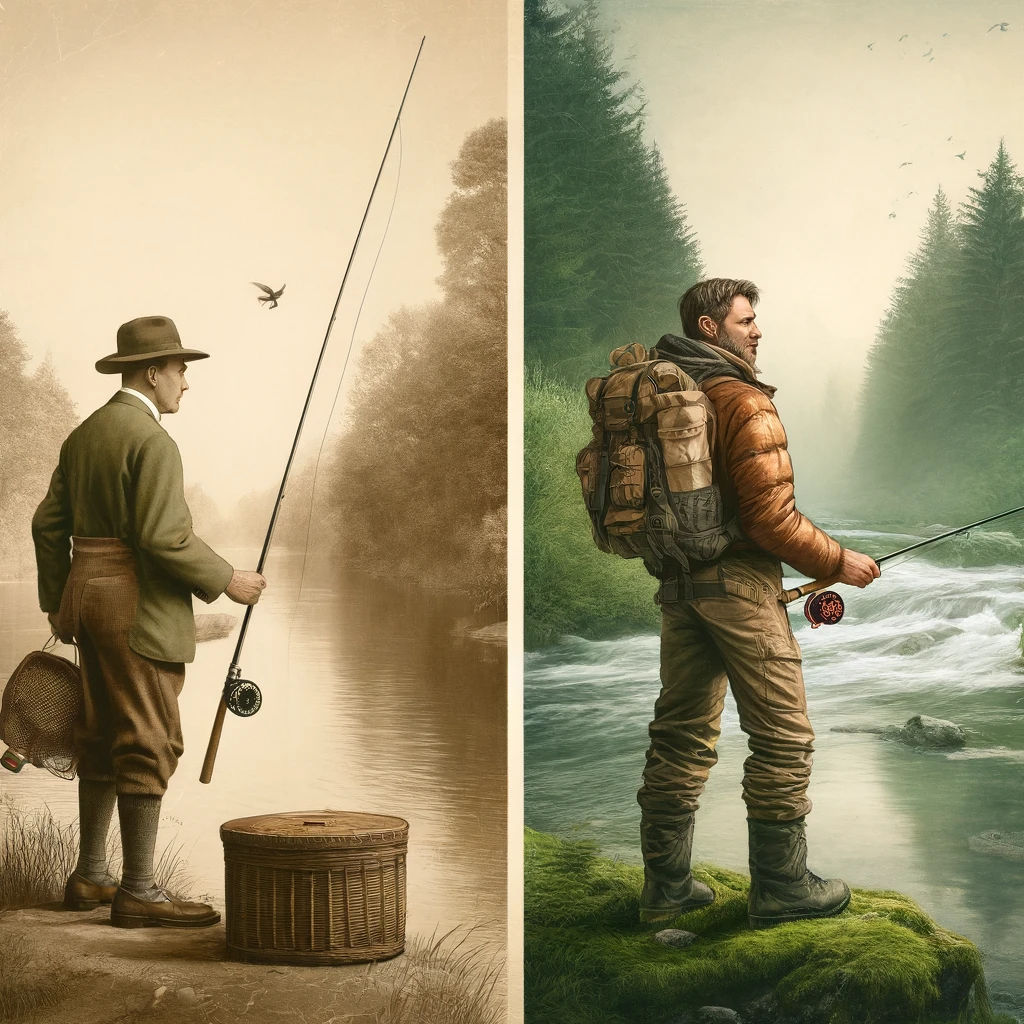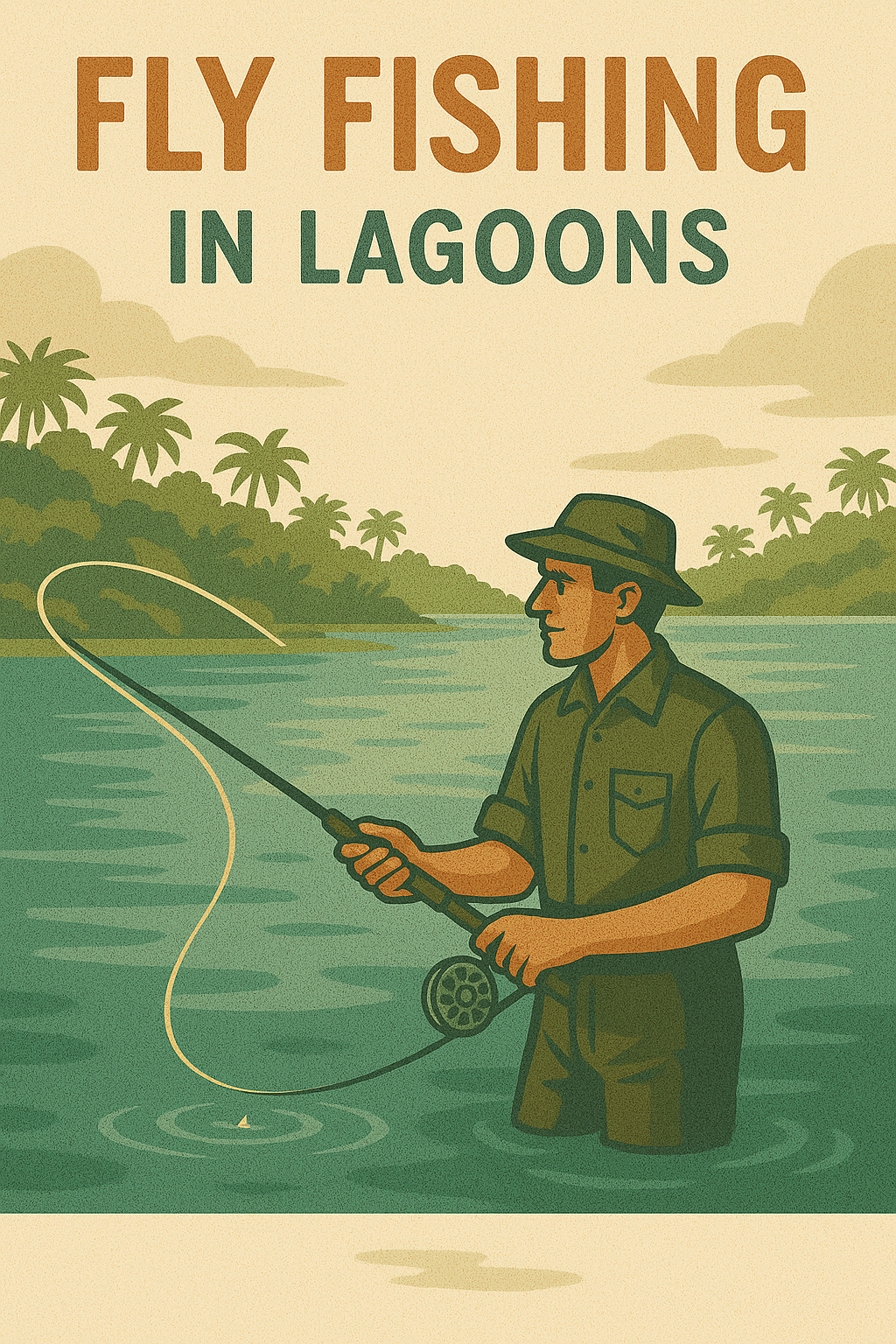
Fly fishing holds a special place in the world of angling, offering an engaging and often meditative experience. While fly fishing is commonly associated with rivers and streams, lagoons present an equally fascinating environment. Lagoons, which are shallow bodies often separated from larger bodies of water, host an array of fish species. Fly fishing in lagoons requires specific techniques and gear adaptations that differ substantially from those used in traditional river settings. These environments are dynamic, marked by unique challenges and opportunities that make them an attractive yet difficult setting for fishing enthusiasts.
Understanding and mastering these strategies can lead to rewarding experiences for anglers. Fly fishing in lagoons is not just an opportunity to catch fish; it’s also a chance to connect with nature in a distinct ecosystem that behaves differently from other water bodies. As lagoons can vary widely in size, water salinity, and species diversity, adapting your techniques becomes crucial. Knowing what to expect and how to adjust your strategies can enhance your enjoyment and success in this unique angling adventure.
Understanding Lagoon Ecosystems
Lagoons are unique ecosystems, acting as transitional zones between freshwater and marine environments. They are often rich in biodiversity due to the mixing of different types of water, which supports a wide variety of fish species. For instance, the Indian River Lagoon in Florida is recognized for its diversely populated waters, housing over 700 species of fish. Understanding the behavioral patterns of fish in lagoons is crucial for successful fly fishing.
Fish in lagoons are affected by tides, salinity changes, and seasonal shifts. They adapt their feeding patterns and habitat use accordingly. Unlike river systems, where the current might dictate a fish’s location, in lagoons, factors like water depth, underwater vegetation, and temperature gradients play more significant roles. Fly fishing enthusiasts must account for these variables to locate fish effectively.
Selecting the Right Equipment
Equipment choice is vital for fly fishing in lagoons. Traditional river gear might not be as effective due to different environmental pressures. In lower, still bodies of water like lagoons, subtlety and precision are preferred. Utilizing lightweight rods and lines designed for distance casting can enhance your reach without sacrificing accuracy.
When targeting specific species, such as redfish or snook common in brackish lagoon waters, custom fly patterns that mimic local prey can be particularly effective. Lightweight leader lines can help maintain a natural presentation, and reels equipped with reliable drag systems will aid in handling larger fish.
- Rod: 9-foot rods are popular, offering a balance of reach and control.
- Line: Floating lines are generally preferred for surface presentation.
- Reel: Reels should be saltwater resistant with a smooth drag.
- Fly Patterns: Use locally inspired flies, such as Clouser Minnows for their versatility.
Techniques for Lagoon Fly Fishing
When it comes to techniques, fly fishing in lagoons often involves sight fishing, requiring keen observation skills. Shallow waters offer greater visibility, permitting anglers to spot fish and present flies directly. This calls for slow and careful movements to avoid spooking the fish, as they are usually more sensitive to disturbances in calm lagoon waters.
The use of longer leaders can also assist in minimizing water disturbance. Moreover, casting should be deliberate and controlled, focusing on landing the fly softly on the water surface. For example, in the Mosquito Lagoon in Florida, stealth and subtle casting are essential due to the clear, shallow waters that make fish easily alerted.
Patterns of Fish Behavior
Fish behavior in lagoons can vary widely depending on time of day, weather conditions, and tidal flows. Understanding these patterns allows for strategic planning. Many fish species in lagoons are more active during the early morning and late afternoon when temperatures moderate. Those hours offer optimal conditions for aggressive feeding.
For example, in the Keratophyton Lagoon, tides heavily influence fish activity, with high tides bringing an influx of small prey species that predators follow. Understanding these patterns requires observation and practice but rewards the angler with increased success rates by being at the right place at the right time.
| Fish Species | Peak Activity | Preferred Fly |
|---|---|---|
| Redfish | Early Morning | Shrimp Imitations |
| Snook | Late Afternoon | Casting Poppers |
| Striped Bass | Midday | Clouser Minnow |
Sustainability and Conservation
Fishing in lagoons necessitates a conscientious approach to conservation. Many lagoon ecosystems face ecological pressures like pollution and climate change, affecting fish populations and biodiversity. It is crucial for fly fishing enthusiasts to practice sustainable fishing, such as adopting catch-and-release methods and minimizing ecological disruption.
Joining local conservation efforts and staying informed about environmental issues can assist in preserving these valuable ecosystems. For example, conservation programs around the Ria Formosa Lagoon in Portugal focus on monitoring and protecting its marine biodiversity, serving as a model for sustainable practices worldwide.
Local Culture and Access
Understanding local culture and access rights is imperative when fly fishing in lagoons. Lagoons can sometimes border private properties or indigenous lands, where permission may be necessary for access. Engaging with local communities provides not only goodwill but also valuable insights and local knowledge.
For instance, in some areas near the Great Barrier Reef Lagoon, local Aboriginal groups hold significant cultural ties to the land and water. Collaborating with these communities can enhance the fishing experience through shared stories and techniques that have evolved over generations.
Summary and Conclusion
The practice of fly fishing in lagoons offers a distinctive and rewarding experience due to the unique challenges and environments that lagoons present. By understanding lagoon ecosystems, selecting appropriate equipment, and mastering specific techniques, anglers can maximize their success and enjoyment on the water. Each element, from observing fish behavior to ensuring sustainable practices, contributes to a deeper connection with these delicate ecosystems.
By championing conservation efforts and respecting local cultures, anglers not only preserve these vital habitats but also strengthen community bonds. Overall, lagoons provide an unparalleled fishing landscape that encourages both novice and seasoned anglers to refine their skills. As you plan your next fly fishing adventure, consider venturing into lagoons to explore the strategies and patterns discussed. Equip yourself with new knowledge, and experience the diverse possibilities lagoons offer to enrich your passion for fly fishing.
Are you ready to take the plunge? Plan a trip to your nearest lagoon, or perhaps explore a new one, bringing with you not only your gear but a commitment to sustainability and respect for these magnificent ecosystems. Happy fishing!
Frequently Asked Questions
1. What makes fly fishing in lagoons different from fly fishing in rivers?
Fly fishing in lagoons offers a unique set of challenges and experiences compared to traditional river fishing. Lagoons are shallow, often tranquil bodies of water that are separated from larger bodies by a barrier like a reef or sandbank. Unlike rivers, where water flow and currents can dictate your approach, lagoons are more about understanding the tidal movements and the resident fish species’ behavior in that enclosed space. Here, the water is often still or gently moving, which means fish can be more easily spooked. You need to cast with a lighter touch and sometimes over longer distances to reach areas where fish might be congregating.
Additionally, the types of fish you encounter in lagoons can differ significantly. You may find species that are unique to these environments, so understanding their habits and preferred food sources is crucial. The gear you use needs to be adapted for precision and subtlety. Choosing the right fly to mimic local prey, adjusting your leader and tippet for clarity and strength, and mastering the art of casting in open, sometimes windy, settings are key elements when fly fishing in lagoons.
2. What types of fish can be caught in lagoons, and what patterns are effective?
Lagoons host a variety of fish species often not found in fast-moving rivers. Common lagoon inhabitants include snook, tarpon, bonefish, and redfish, depending on geographic location. Each species has its preferred prey and behaviors, which guides the choice of fly patterns.
Effective fly patterns often mimic small baitfish, shrimp, and crabs—the staple food for many lagoon-dwelling fish. Clouser Minnows, Crazy Charlies, and Gotchas are popular patterns among fly anglers targeting lagoon fish. Because the water in lagoons can be clear and still, subtle, realistic patterns that avoid startling the fish are essential. Observing what the fish in the lagoon are actively feeding on and matching that as closely as possible will greatly improve your chances.
3. What strategies should I use when fly fishing in a lagoon?
Successful fly fishing in a lagoon requires a strategic approach that includes understanding the lagoon’s tides and bottom structure. First, consider the impact of tides—fish will often follow the tides as they move in and out of the lagoon, so timing your fishing excursions with the tides can yield better results. When the tide is coming in, fish may enter the lagoon for feeding, providing prime opportunities for catching them.
Pay attention to the lagoon’s bottom structure as well. Fish often congregate near underwater formations such as rocks, drop-offs, or seagrass beds. These areas provide both food and protection, making them hot spots for fishing. A stealthy approach is necessary because the stillness of lagoon waters means fish can be easily spooked. Move carefully and minimize noise from your boat or kayak. Lastly, plan your casting to target areas where fish are likely to be found, and adjust based on the fish’s movement and feeding pattern.
4. How should I adapt my fly fishing gear for lagoon conditions?
When fly fishing in lagoons, adapting your gear to the specific conditions is crucial for success. Start with selecting the right rod and line. A medium to fast-action rod between 7 to 9 weight is versatile enough to handle most lagoon fish, yet light enough for precise casting required in clear and open waters.
Your fly line should be selected based on water conditions and target fish species. A weight-forward floating line is ideal for the shallow waters of a lagoon. Leaders and tippets should be longer and thinner to cope with the clear water conditions that can make fish more cautious. A 9 to 12-foot leader with an appropriate strength tippet based on your target species can help avoid spooking fish.
Additionally, choose flies that match local forage in size, shape, and color. Having a variety of flies that mimic the local bait will help in switching strategies if one pattern isn’t working.
5. Are there best practices for ensuring a successful fly fishing experience in lagoons?
Yes, several best practices can significantly improve your fly fishing experience in lagoons. First and foremost, do your homework. Understanding the lagoon’s ecosystem, tidal patterns, and the species’ habits you’re targeting can give you a significant advantage. Knowledge about how fish might behave under different weather and tide conditions is invaluable.
Environmental awareness is also crucial. Since lagoons are delicate ecosystems, practice catch and release to maintain fish populations and be mindful of the lagoon environment to avoid damaging habitats. Make sure to clean your equipment to prevent the spread of invasive species between different bodies of water.
Finally, prepare to adapt. Conditions in a lagoon can change with the tides and weather, so being flexible with your strategy, such as changing fly patterns or adjusting your casting technique, can lead to better results. Observing the behavior of the fish and responding accordingly can be the difference between success and a fruitless session.