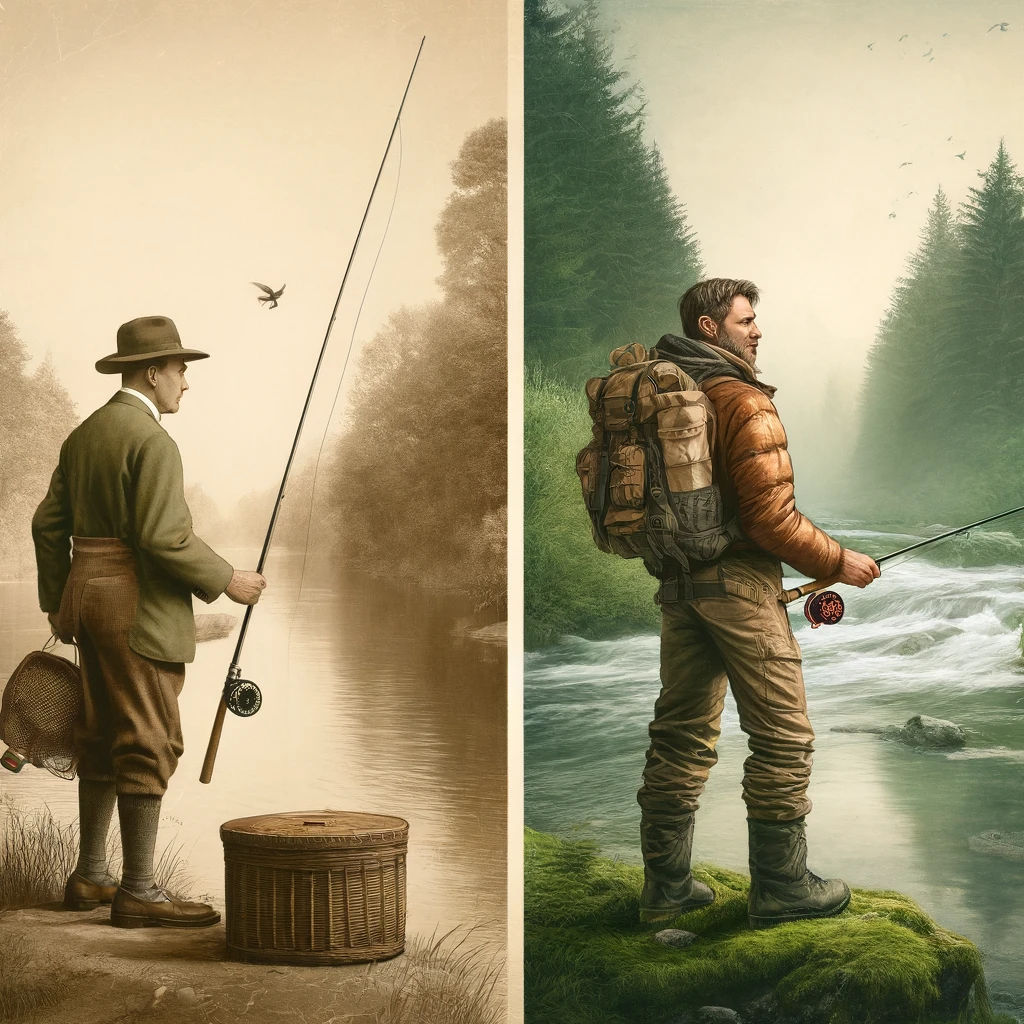
Fly fishing in fjords is a unique and exhilarating experience that promises breathtaking scenery and an unparalleled fishing adventure. Fjords are long, narrow inlets with steep sides or cliffs, created by glaciers. They provide a stunning backdrop for anglers, with crystal-clear waters teeming with fish. Understanding and mastering fly fishing in such environments is crucial for success and enjoyment. This article will guide you through the specifics of fly fishing in fjords, outlining essential techniques and offering actionable tips to elevate your fishing game.
Fjord fly fishing is essentially the art of catching fish using artificial lures, known as flies, made from materials like feathers and hair. These flies mimic the natural food sources of fish, making them irresistible to potential catches. The thrill of fly fishing in fjords lies in the combination of a challenging environment and the chance to catch a diverse range of species, including trout and salmon. This style of fishing involves finesse, skill, and patience, making it both a meditative and rewarding endeavor.
Embarking on a fly fishing journey in fjords is not just about catching fish but connecting with nature in an awe-inspiring setting. Understanding the techniques and tips specific to this environment can significantly impact your success rate. With this knowledge, you can turn a simple fishing trip into an unforgettable adventure filled with picturesque landscapes and thrilling catches.
Understanding Fjords and Their Unique Ecosystem
Fjords are unique geological formations that offer specific opportunities and challenges for fly fishers. Carved by glaciers during the last Ice Age, fjords usually have deep, cold, and nutrient-rich waters, which support a robust aquatic ecosystem. This abundance of life makes fjords ideal fishing grounds for a variety of species.
One popular destination for fjord fly fishing is the stunning coast of Norway, home to some of the world’s most famous fjords. Anglers here often target Atlantic salmon and sea trout, as these species thrive in the fjord’s brackish waters. The nutrient-rich environment supports a healthy population, making it a prime location for seasoned fly fishers and novices alike.
When fishing in fjords, understanding the tidal movements is critical. The tides significantly influence fish behavior, as they affect the distribution of baitfish and other prey. Fish tend to congregate during specific tidal phases, providing anglers with excellent opportunities for successful catches. By paying attention to the tide schedules, you can time your fishing trips to coincide with periods of high fish activity.
Essential Fly Fishing Techniques for Fjords
Fly fishing in fjords requires a particular set of techniques tailored to the unique environment. One crucial technique is mastering the roll cast, as the steep cliffs and dense vegetation surrounding fjords often limit backcasting space. The roll cast allows you to effectively present your fly without needing a wide-open area behind you.
Another key technique is nymphing, which is particularly effective when targeting fish in deep fjord waters. Nymphing involves using weighted flies that sink to the bottom, mimicking aquatic insects. This technique can be highly productive, especially when fish are not actively feeding at the surface.
An example of where these techniques come into play is the fjords of British Columbia, where anglers often target the elusive steelhead. These strong fish are known for their powerful runs, and using techniques like the roll cast and nymphing can significantly improve your chances of hooking one of these prized catches.
Selecting the Right Gear for Fjord Fly Fishing
Choosing the appropriate gear is vital for fly fishing in fjords. Due to the challenging environment, your equipment needs to be robust and reliable. A sturdy fly rod with a strong backbone is essential for handling the larger fish typically found in fjords, such as salmon and sea trout.
A reel with a good drag system is also crucial, as fish in fjords are known for their strong and sudden runs. Investing in a high-quality reel can make all the difference in successfully landing a catch. Additionally, use intermediate to fast-sinking lines to reach deeper water levels where fish are often located.
An example of the importance of gear selection is evident in the fjords of southern Chile. Anglers here target a variety of fish species in challenging weather conditions. Using high-quality gear ensures not only comfort and safety but also significantly increases the likelihood of a successful fishing trip.
Choosing the Right Flies for Fjord Fishing
Selecting the right flies is fundamental when fishing in fjords. The flies you use should mimic the local fish’s natural diet, which varies depending on the season and location. Understanding the specific prey available in a fjord is key to choosing effective flies.
For instance, in the fjords of New Zealand, anglers often use streamer patterns that imitate small fish, as these are a favorite meal for trout and salmon. At the same time, using flies that resemble shrimps and crustaceans can be highly effective in attracting saltwater species.
To compile a successful fly box, include a mix of dry flies, nymphs, and streamers tailored to the location’s specific conditions. Researching the local ecosystem or consulting with local fly shops before your trip can help you select the most effective patterns for your fishing expedition.
- Streamers: Imitate small fishes, commonly used for salmon and trout.
- Nymphs: Mimic underwater insects, excellent for deep water fishing.
- Dry Flies: Used for surface feeding fish, suitable for calm waters.
- Shrimp Patterns: Effective for saltwater species found in fjords.
Navigating Fjord Waters Successfully
Navigating the waters of a fjord while fly fishing can be challenging due to the rugged terrain and changing weather conditions. Kayaks and small boats are popular choices for anglers, providing access to deeper waters and less accessible fishing spots.
Safety is paramount when navigating fjord waters. Always check weather forecasts before venturing out, as fjords are notorious for unpredictable weather. Additionally, wear appropriate clothing and life jackets to ensure comfort and safety during your fishing excursion.
Real-world examples of navigating fjord waters include the fjords of Alaska, where anglers often use kayaks to explore remote fishing areas. This method allows for a more intimate connection with nature and increases the opportunity for discovering untouched fishing spots.
Respecting the Environment and Local Regulations
Respecting the environment and adhering to local regulations is crucial when fly fishing in fjords. Many fjords are located in protected areas or national parks, which means there are specific rules to follow to preserve these unique ecosystems.
Practicing catch and release is a fundamental part of conserving fish populations. By handling fish carefully and minimizing their time out of the water, you can contribute to maintaining healthy fish stocks for future generations. Additionally, familiarize yourself with local fishing regulations, such as licensing requirements and seasonal restrictions, to ensure a responsible and legal fishing experience.
For example, in Norway, strict regulations govern fishing in fjords to protect the native salmon populations. Anglers are required to obtain a fishing license and adhere to specific catch limits, ensuring sustainable fishing practices.
Conclusion and Next Steps
Fly fishing in fjords offers a one-of-a-kind experience that combines the thrill of angling with the beauty of nature. By understanding the unique characteristics of fjords and mastering the specific techniques required, you can enhance your fishing skills and increase your chances of a successful trip.
The key takeaways from this guide include the importance of selecting the right gear and flies, understanding fjord ecosystems, and respecting local regulations. By incorporating these tips and techniques, you can transform your fjord fishing adventure into a memorable and rewarding experience.
To get started, consider researching fjord destinations and planning a trip that aligns with the peak fishing season for your target species. Whether you’re seeking the adrenaline rush of catching a trophy fish or simply looking to immerse yourself in the serene beauty of a fjord, fly fishing in these awe-inspiring settings offers endless possibilities for adventure and connection with the natural world.
Frequently Asked Questions
1. What makes fly fishing in fjords different from other types of fly fishing?
Fly fishing in fjords is distinct due to the unique geological and environmental features these locations offer. Fjords are formed by glacial activity over thousands of years, resulting in long, narrow inlets flanked by steep cliffs and majestic landscapes. This setting provides a dramatic backdrop for fishing, quite unlike other angling environments. The waters are typically deep and crystal-clear, allowing for incredible visibility and a diverse ecosystem. The types of fish found in fjords can differ significantly from those in rivers, lakes, or open seas, with species like cod, salmon, and trout often populating these areas. Additionally, the tidal influences and variable weather patterns of fjords require anglers to be adaptable and knowledgeable about local conditions. Understanding the intricate interplay between the environmental factors and fish behavior in fjords is key to successful fly fishing.
2. What are the most effective techniques for fly fishing in fjords?
When fly fishing in fjords, adopting specific techniques can greatly enhance your success. Since fjords have deep, clear waters, using sinking or sink-tip lines is often beneficial to reach the fishes lurking in deeper zones. Streamlining your casting technique to adapt to limited space, owing to the steep cliffs or narrow ledges, can also be crucial. Moreover, mastering the art of the cast-and-wait method is insightful, giving the fly enough time to sink and mimic natural prey movements. Also, paying attention to the tides is essential; much like ocean fishing, the ebb and flow of the tides can influence fish feeding patterns. Observing these natural rhythms can help position you at the right place when fish are most active. Additionally, since visibility is high, using flies that blend naturally with the local aquafauna can trick even the most discerning fish.
3. What equipment do I need specifically for fly fishing in fjords?
To prepare for fly fishing in fjords, the right equipment is crucial for handling both the environmental challenges and the types of fish you will encounter. A versatile setup including a sturdy rod capable of handling large fish and long casts is a must. An 8-10 weight fly rod is typically recommended, depending on the species targetted. Reels with good drag systems are important for handling the strength and speed of fish like salmon or sea trout. As the waters in fjords can be colder, waders with waterproof and thermal capabilities ensure comfort and mobility. Sinking lines are preferred to reach different water depths effectively. Having a selection of large streamer flies or baitfish imitations at hand can be beneficial for luring larger sea-run fish. Moreover, polarized sunglasses are indispensable for reducing water glare, thus improving sight fishing and protecting your eyes from harmful UV rays.
4. When is the best time of year to fly fish in fjords, and how does the season affect fishing?
The best time of year to fly fish in fjords typically aligns with the migration patterns of target fish species, which often occurs in late spring to early autumn. During this span, fish like salmon are returning from their oceanic sojourns to their spawning grounds. Additionally, the summer months can provide ample daylight hours and reasonable weather, making the fishing experience more enjoyable. However, each season introduces its own set of challenges and opportunities. Spring brings fresh run-off and higher water levels, prompting increased fish activity and experimenting with different flies. Summer provides calmer waters and more stable weather, increasing catch potential. By contrast, fall presents opportunities due to the spawning activities of fish, although the weather becomes more unpredictable. It’s important to research and understand the specific behaviors and peaks for fish in the fjord you plan to visit, as these may vary by region.
5. What tips can you give to beginner anglers to improve their fly fishing experience in fjords?
For beginners eager to fly fish in fjords, preparation and practice are key. Start by familiarizing yourself with the local fish species and ecosystem. Monitor tide schedules and weather patterns, as fjord fishing heavily depends on these factors. Practicing your casting technique in variable wind conditions is beneficial, given that fjords often experience unpredictable breezes. Bring a diverse array of flies and tackle, as conditions can change rapidly, and adaptability increases your chances of success. Consider hiring a guide for a day or two, as their local knowledge on fish movement and fjord navigation can be invaluable, offering accelerated learning and insider tips. Finally, respect the environment and local regulations, ensuring you leave the fjord as pristine as you found it, preserving this unique habitat for future fishing adventures.