As the snow melts and the first signs of spring emergence appear, the world of fly fishing undergoes a remarkable transformation. Spring fly fishing is one of the most dynamic and rewarding times to cast a line, offering anglers the opportunity to test their skills against rejuvenated waters and thriving aquatic life. Fly fishing involves using a specialized weighted line to catch fish by crafting artificial flies as bait, which mimic insects fish eat. This recreation isn’t just about catching fish; it’s about the art of reading water, understanding fish behavior, and crafting the perfect presentation. Understanding the seasonal intricacies of spring fly fishing is crucial for enthusiasts eager to maximize their success on the water.
Spring fly fishing matters because it overlaps with emergent hatches—when bugs like caddisflies, mayflies, and stoneflies hatch from larvae, providing a feast for fish. The increased activity of both insects and fish makes it possible to catch more fish and larger varieties. Additionally, spring fishing is important for sustainable fishing practices. As some fish species spawn during this time, understanding their habits helps anglers avoid disrupting reproductive patterns and ensure healthy fish populations. By mastering the springtime techniques and strategies, anglers can enjoy increased catches while playing a part in conservation efforts.
Understanding Spring Hatches and Fish Behavior
One of the key components to successful spring fly fishing is understanding the dynamics of hatches and the behavior of fish during this time. A hatch is a period when a large number of insects are born and become active on the water’s surface. During spring, hatches are frequent and intense, lasting anywhere from a few hours to several days, as insect populations come to life after winter dormancy. Knowing when and where these hatches occur is crucial.
For example, consider the prolific mayfly hatch. The mayflies emerge, triggering a feeding frenzy among fish such as trout and bass. By understanding the timing of these hatches, anglers can be prepared with the right flies to match the real thing, ensuring a higher chance of hooking a fish. It’s important to research local hatches as the timing can vary based on geographic location and weather conditions.
In addition to hatches, the behavior of fish during spring is influenced by environmental changes. Fish are keenly sensitive to variations in water temperature and oxygen content, making it important for anglers to monitor these conditions. As water temperatures rise, fish become more active and aggressive feeders. Anglers can use temperature monitors to find warmer pockets of water where fish might congregate. For instance, shallow waters that warm faster than deeper sections can become hotspots of fish activity during spring.
Tools and Gear for Spring Fly Fishing
Having the right tools and gear is another critical component of successful spring fly fishing. The choice of rod, reel, and fly can significantly affect an angler’s ability to present bait effectively and catch fish. Spring offers a variety of conditions, from slow-moving waters to rapid streams, necessitating versatile gear that can adapt to these environments.
In terms of rods, a medium-action rod is often ideal for spring conditions, providing a good balance between casting distance and precision. Reels should be paired to match the rod and line weight, ensuring smooth operation during retrieves and fighting fish. Using a floating line can be beneficial in spring, as it allows anglers to easily imitate emerging insects just beneath the water’s surface.
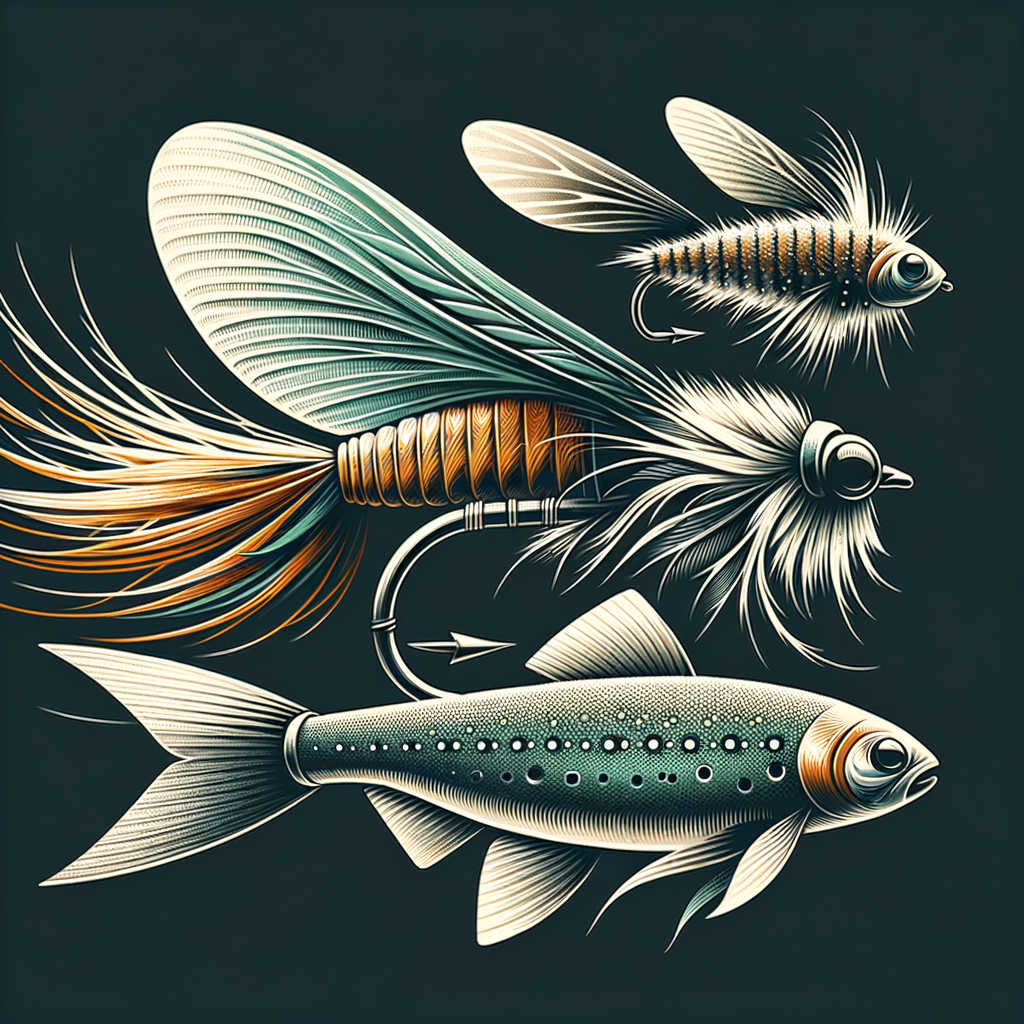
Choosing the right fly is paramount. Flies that mimic prevalent spring insects like stoneflies, caddisflies, and mayflies should be part of any angler’s fly box. Here is a helpful list of flies well-suited for spring:
- Adams – Versatile for various mayfly hatches.
- Elk Hair Caddis – Perfect for caddisfly hatches.
- Hare’s Ear Nymph – Effective for nymphing techniques.
- Woolly Bugger – Excellent for imitating larger insects and streamers.
Equipping oneself with these flies ensures preparedness for a range of hatches and fish behaviors in springtime, enhancing the chances of success.
Navigating Spring Weather and Water Conditions
Spring’s varying weather patterns can pose unique challenges and opportunities for anglers. From fluctuating temperatures to increased precipitation, these conditions can drastically affect water levels and clarity, impacting where and how one fishes.
Rain, while often seen as a deterrent, can actually benefit fly fishing. Its significance lies in how it can raise water levels, making it easier for fish to move around and access food sources. For instance, a mild spring rain might increase water cloudiness, offering better cover for fish to hunt under less direct sunlight. At this time, anglers can use dark, bold flies that contrast against the murky water, or darting streamers that mimic small fish.
Conversely, sunny spring days can warm the water’s surface, increasing fish metabolism and making them more likely to feed aggressively. Anglers can take advantage of this by timing their outings during peak sunlight hours. Presentation is key—utilize flies that are buoyant and active on the water’s surface as they will mimic the natural movements of insects skittering across the top.
Moreover, understanding the terrain of the fishing environment becomes essential. A combination of mental mapping and tools like a GPS on a smartphone can help pinpoint areas where fish are more likely to congregate, such as bends in the river or eddies, where food is trapped by the current. These valuable pockets can become gold mines for astute anglers.
Practical Techniques and Tips for Spring
Successful spring fly fishing hinges on applying practical techniques tailored to the season’s specific conditions. For starters, mastering the art of “nymphing” can provide excellent results. This technique involves using weighted nymph flies to mimic insects in their underwater larval stages. This allows anglers to penetrate deeper pockets and riffles where fish actively hunt nymphs during spring.
Another valuable technique is sight fishing. As spring increases water clarity in many regions, anglers have the opportunity to visually locate fish and adjust their casting accordingly. This tactic enhances precision and presentation, increasing the chances of enticing a hit. Employ polarized sunglasses to reduce glare and aid in spotting fish below the surface.
Streamers also play a crucial role during this time. Stripped methodically through the water, they mimic small fish, leeches, or emerging insects and can trigger aggressive strikes from predatory fish like larger trout or bass. Adjusting the retrieve speed according to the water temperature is crucial; in colder waters, a slower retrieve might be more productive, while warmer conditions allow for faster movements.
Finally, productive fly fishing requires flexibility. Fish behavior changes often in spring, influenced by water temperature, food availability, and light conditions. Anglers who adapt their techniques based on real-time observations will see significantly more success. Here’s a simple yet effective example of a spring strategy:
| Condition | Suggested Fly | Technique |
|---|---|---|
| Cloudy and overcast | Woolly Bugger | Slow retrieval, deeper water |
| Sunlit, warm day | Elk Hair Caddis | Surface skitter, active water |
| During mayfly hatch | Adams | Drift presentation, near the edge |
Spring Fly Fishing: A Seasonal Adventure
As we conclude this exploration of spring fly fishing, it is clear that understanding and adapting to the unique opportunities presented by this season can dramatically enhance an angler’s experience. The emergence of insect hatches and increased fish activity creates a central focus for fishing success during this time of year. Armed with the knowledge of aquatic behavior, the right flies, and suitable gear, anglers can capitalize on the abundance of spring.
Spring fly fishing isn’t just about the number of fish caught but encompasses a larger adventure through changing landscapes and dynamic ecosystems. It offers a chance to practice conservation by understanding fish behavior during critical spawning times. The techniques outlined here are designed to provide anglers with the tools they need to enjoy the season’s bounty responsibly and sustainably.
For those eager to embark on this seasonal journey, the next step is simple: gather your gear, study the local hatches, and head out to your favorite body of water. Take to heart the strategies and tips shared here to amplify the thrill of your spring fly fishing experiences. Whether you’re a seasoned angler or a newcomer to fly fishing, the promise of spring offers endless potential for excitement and growth in this cherished pastime.
Frequently Asked Questions
What makes spring fly fishing unique compared to other seasons?
Spring fly fishing stands out from other seasons due to the dynamic changes in nature and aquatic ecosystems that occur as winter thaws. As the ice melts and temperatures rise, rivers, streams, and lakes awaken, offering fresh opportunities for anglers. During spring, you’ll experience higher water levels due to snowmelt and rain, which can lead to faster currents and unpredictable conditions. This presents both challenges and rewards as fish become more active, feeding voraciously to recover from the winter months.
One unique aspect of spring is the emergence of various aquatic insects, which play a crucial role in the diet of many fish species. This is a time when hatches of specific insects, like mayflies and caddisflies, can occur, providing fantastic moments to test your fly patterns and mimic these insects realistically. Additionally, spring fishing often means casting in vibrant and lush environments, with blooming flowers and budding trees adding a beautiful backdrop to your fishing adventures.
What techniques should I use for successful fly fishing in spring?
To maximize your success when fly fishing in the spring, it’s essential to adapt to the distinct challenges and opportunities the season presents. Start by understanding the types of insects that hatch during spring and selecting fly patterns that accurately resemble them. Nymph fishing can be particularly productive in spring. Focus on presenting your nymphs at the right depth, often near the riverbed where fish tend to feed during this time.
Another effective technique is dry fly fishing, where you cast directly onto the surface. This method can be thrilling when align with times of major insect hatches. Pay close attention to the water currents and fish behavior. Often, fish will gather in slower-moving waters or eddies to conserve energy while still accessing food. Casting strategically in these areas can increase your chances of success. Lastly, keep in mind that spring weather can be unpredictable. Be prepared for quick changes in conditions, from sunny and warm to rainy and chilly, and adjust your tactics and attire accordingly.
How should I prepare for varying water conditions during spring fly fishing?
Spring fly fishing requires being prepared and adaptable when it comes to changing water conditions, as this can fluctuate dramatically due to snowmelt, rain, and the resulting increase in water volume and currents. Before heading out, research the specific water bodies you plan to fish. Local fishing reports or online resources can provide insights into current conditions and expected flows. Having this knowledge beforehand allows you to select the right equipment, such as appropriate wading gear and safety devices like a wading staff for stability in strong currents.
Packing a variety of fly patterns to cater to varying insect activity and water conditions is essential. Consider having both heavier flies for deeper, faster currents and lighter flies for calmer waters. Be ready to make on-the-spot decisions as you observe surface activity and adjust your fly selections accordingly. Lastly, always prioritize safety by being aware of your surroundings, understanding water levels, and never underestimating the power of the current. The goal is to have an enjoyable and safe fishing adventure throughout the changes of spring.
What factors should I consider when selecting fly patterns for spring fishing?
When selecting fly patterns for spring fishing, consider the lifecycle stages and hatch opportunities of various aquatic insects. Key factors to focus on include the local insect population, water temperature, and habitat characteristics of where you are fishing. Start by researching the prevalent types of insects, such as mayflies, caddisflies, and stoneflies in the area. Knowledge of their life stages (nymph, emerger, adult) and when they hatch can increase the effectiveness of your mimicked flies.
Water temperature is also a critical factor, as it influences the timing and duration of insect hatches. Cooler water can delay hatches, while warm spells may trigger a hatch sooner. To adapt, carry a range of fly types and sizes to match the natural insects present, preparing for changes as you observe the insect activity around you. Don’t forget to analyze fish behavior—observing rises or surface activity can guide you in determining which fly patterns are working and when to change your approach. Keep experimenting with colors, sizes, and techniques for maximum catch success.
What gear and equipment are essential for spring fly fishing?
For successful spring fly fishing, ensuring you have the right gear and equipment is essential to cater to the unpredictable nature and conditions of the season. A reliable, lightweight fly rod, typically in the 3-6 weight range, is versatile enough for handling various fish sizes and types—ideal for the rebirth of spring environments. An assortment of fly lines is important, including floating and sinking lines, to adapt to the changes in water depth and flow you may encounter.
Waders are crucial for keeping dry, particularly when dealing with deeper or faster-moving waters due to snowmelt and rain. Breathable waders paired with sturdy, non-slip boots enhance both safety and comfort. A rain jacket should also be part of your gear, given spring’s capricious weather. Carrying a waterproof fly box, filled with a diverse selection of flies, ensures you’re ready for whatever the fish are feeding on. A vest or pack for organizing your other essentials—like tippet spools, leaders, and nippers—keeps your tools accessible as you navigate the vibrant waters of spring fly fishing.