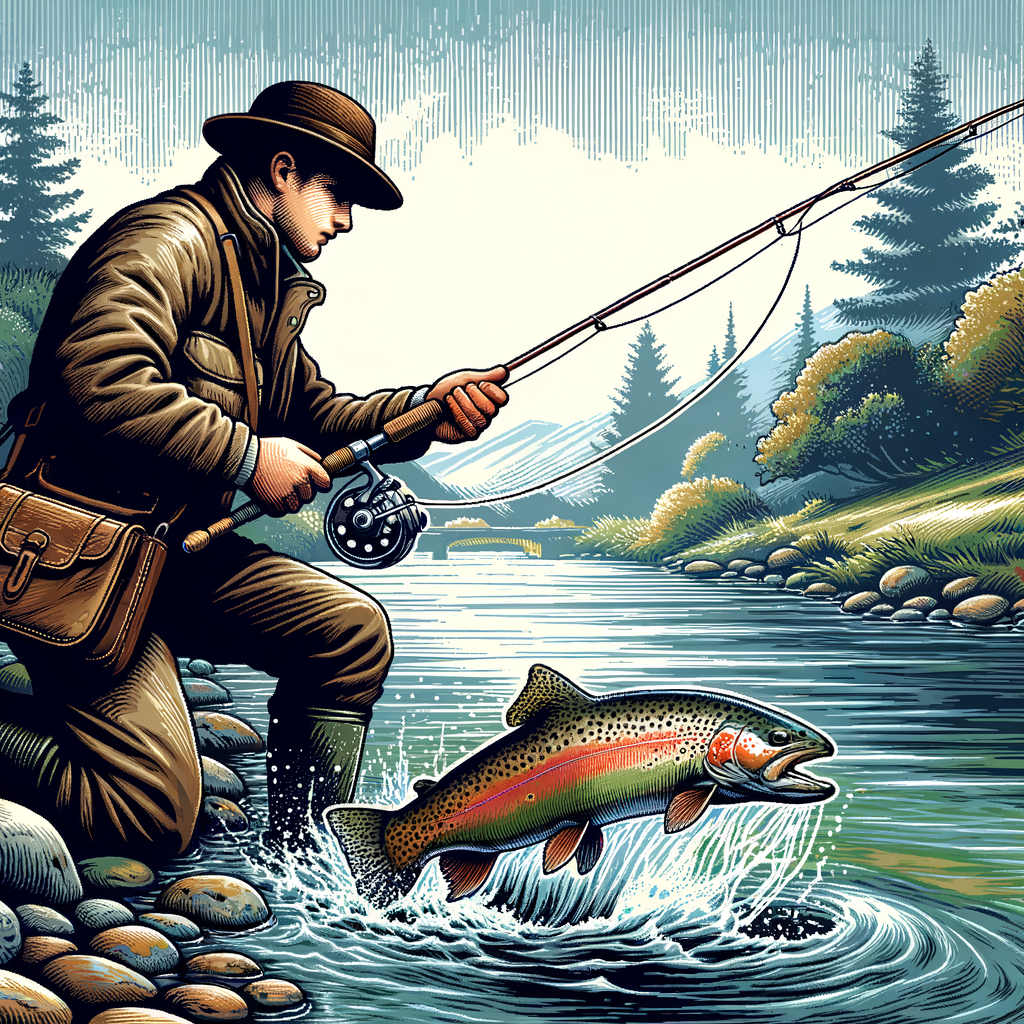
Fall fly fishing can be a refreshing and rewarding experience for anglers. As the leaves change color and temperatures cool, fish become more active, preparing for the winter months ahead. Fly fishing, a method that uses a lightweight lure—an artificial fly—mimics the natural movement of insects on or near the water’s surface. This technique requires skill, finesse, and understanding of fish behavior. Emphasizing knowledge and patience makes fly fishing distinct from other types of fishing. Fall is a particularly good time for fly fishing because of the reduced pressure on fisheries, as many anglers switch to hunting. The changing environment prompts fish to become more aggressive feeders, providing unique opportunities for successful catches. Understanding fall fly fishing and its distinctive techniques will not only enhance your fishing experience but also deepen your connection to nature.
Understanding Fish Behavior in Fall
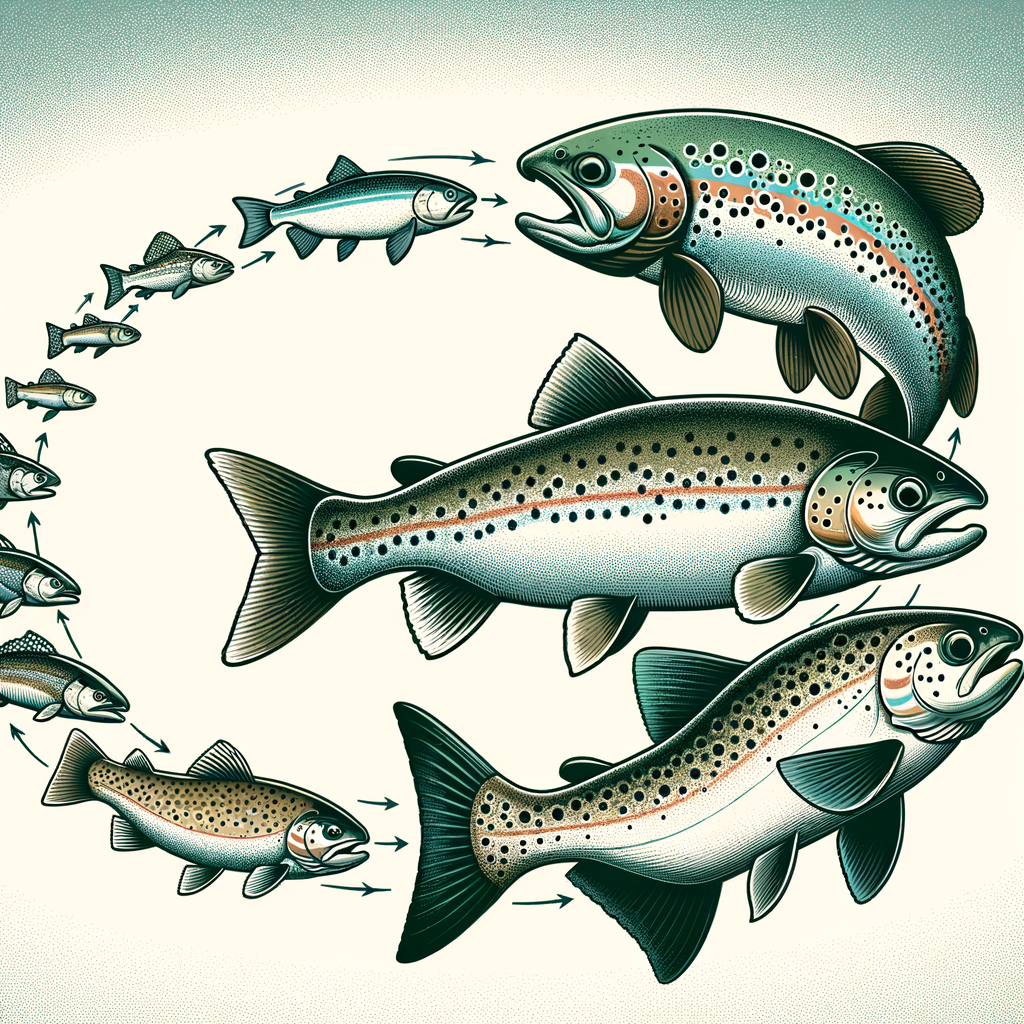
During fall, fish behavior changes due to fluctuating temperatures and daylight hours. These changes influence feeding patterns, making it crucial for anglers to adapt their tactics. Fish, such as trout and bass, become opportunistic feeders, stocking up on nutrition for the leaner winter months. In addition to cooler water temperatures, the lower light intensity of fall encourages fish to stay active throughout the day, which means that prime fishing times are extended. For example, trout will often move to shallower waters where insects are plentiful.
A crucial component of fall fly fishing is understanding these behavioral changes. For instance, trout may become territorial and more aggressive, responding better to streamers and nymphs that mimic small baitfish or aquatic insects. By observing changes in the environment—like water flow and insect hatches—anglers can tailor their approach to match the natural habits of fish, increasing the likelihood of success.
Essential Gear for Fall Fly Fishing
The right gear is essential for a productive fall fly fishing experience. As temperatures drop, dressing appropriately becomes vital. Layering is key; start with a moisture-wicking base layer, followed by an insulating mid-layer, and finish with a water-resistant outer layer to protect against rain and wind. Warm clothing helps extend your fishing days comfortably.
Fly selection is another important aspect. During fall, fish feed on larger prey to gain sufficient energy reserves. Use streamers that mimic baitfish or large nymphs to attract hungry fish. Additionally, having a variety of flies resembling terrestrial insects like beetles and ants can be beneficial, especially in streams with limited aquatic insect activity.
Here’s a basic checklist for essential fall fly fishing gear:
- Layers of clothing suitable for cooler temperatures
- Streamers and large nymph patterns
- Fishing net for safe catch-and-release
- Sunglasses with polarized lenses
- Hat and gloves for added warmth
- Waterproof boots for wading
Possessing the right equipment not only keeps you comfortable but significantly enhances your ability to read and react to the water conditions effectively.
Choosing the Right Fly Patterns
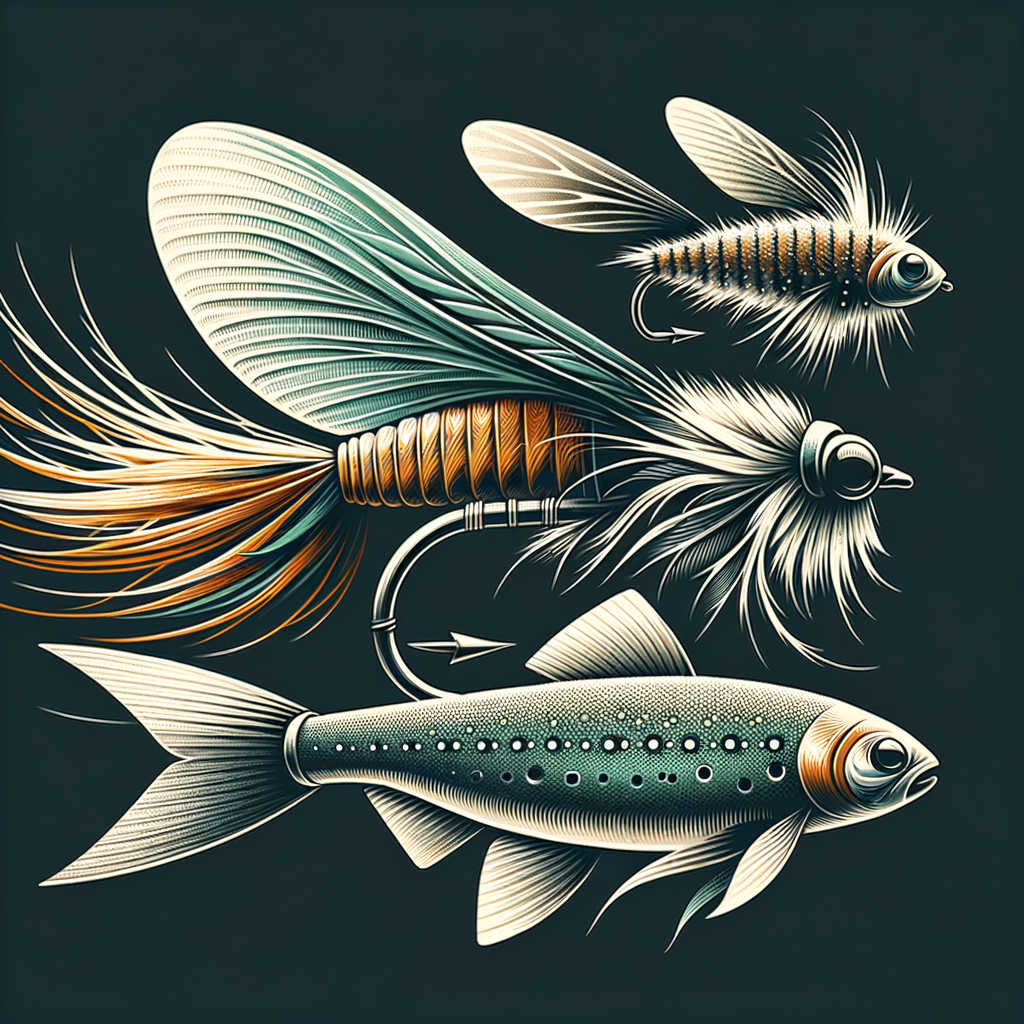
Fly selection is a pivotal aspect of fly fishing success, especially in the diverse conditions autumn presents. During the fall, the insect activity on streams and rivers varies significantly, necessitating a diverse selection of fly patterns. Streamers, such as the Woolly Bugger or Muddler Minnow, are excellent choices in the fall, particularly in waters where larger fish are hunting baitfish. Nymphs, like the Pheasant Tail or the Hare’s Ear, also remain effective throughout fall, as they imitate aquatic insects at various life stages.
Dry flies, though less common in cooler months, should not be discounted entirely. Flies designed to mimic terrestrial insects like hoppers or beetles can be very effective, especially on sunny days when fish are likely to rise to the surface. Anglers should observe the natural environment keenly and carry a variety of fly patterns to adapt to changing food sources and fish preferences.
| Fly Type | Example Flies | Best Used For |
|---|---|---|
| Streamers | Woolly Bugger, Muddler Minnow | Imitating baitfish |
| Nymphs | Pheasant Tail, Hare’s Ear | Imitating aquatic insects |
| Dry Flies | Parachute Hopper, Beetle patterns | Imitating terrestrial insects |
Success in fall fly fishing often depends on the angler’s ability to adapt fly choices to match the prevalent conditions and fish dietary patterns.
Tactics for Overcoming Fall Challenges
Fall fly fishing presents unique challenges that require specific strategies for success. Cooler waters can affect fish metabolism, making them more selective in their feeding. As water levels may fluctuate due to seasonal rains, fishing tactics need to be adjusted accordingly. One effective approach is focusing on areas where fish congregate, such as the base of rapids or pools where oxygenation is higher and food is carried by the current.
Additionally, using stealth and patience is critical during this season. Fish become wary with changing light conditions, so reducing your shadow and noise is essential. Approach quietly and allow your flies to drift naturally with the current, minimizing disturbances to the water. Utilizing longer leaders can improve presentation and prevent startling sensitive fish.
Consider these tactical adjustments:
- Focus on deeper pools and runs
- Use longer, lighter leaders for subtle presentations
- Perform mends and drifts with minimal water displacement
- Take advantage of overcast days for better bite activity
By adopting these tactics, anglers increase their adaptability and chances of capitalizing on the favorable conditions that fall fishing offers.
Conservation and Ethical Fishing Practices
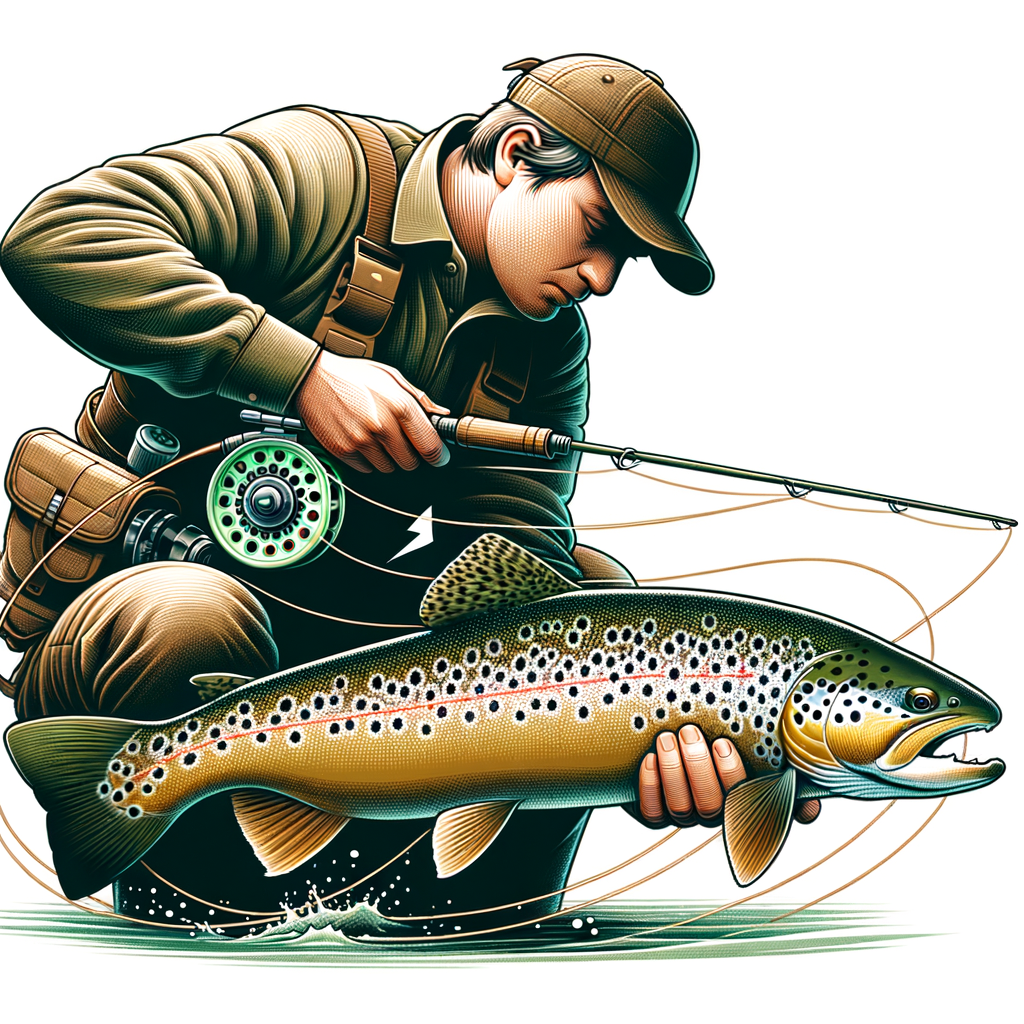
Beyond mastering techniques for success, fall fly fishing is also an opportunity to practice conservation and ethical fishing. Many fish species are preparing for spawning during fall, making ethical considerations crucial in maintaining healthy fish populations. Practicing catch-and-release allows fish to recover and proceed with their natural lifecycle unharmed.
When practicing catch-and-release, use barbless hooks to reduce injury and minimize handling time. Keep fish wet by ensuring they remain in the water while unhooking, and handle them with wet hands rather than dry, which can damage their protective slime layer. Additionally, selecting fishing locations with sustainable ecosystems and respecting local regulations ensures longer-term benefits for both anglers and aquatic environments.
Ethical and environmentally-conscious fishing practices help preserve fish populations for future generations, ensuring the longevity and sustainability of the sport.
Summary and Next Steps
Fall fly fishing is a unique and fulfilling pursuit, requiring a blend of knowledge, technique, and respect for nature. By understanding fish behavior, choosing the right gear, and adapting to seasonal changes, anglers can enjoy fruitful fishing experiences. The cooler autumn months offer active feeding patterns, challenging techniques, and stunning natural backdrops for fly fishing enthusiasts. Moreover, considering ethical fishing practices contributes to wildlife conservation and sustainable fisheries, promoting responsible recreation.
To make the most of fall fly fishing, start by assessing your gear and fly selection. Equip yourself with knowledge about local fish behavior and conditions. Embrace environmental conservation by practicing catch-and-release and respecting access rules. By doing so, you enhance not only your fishing skills but also contribute to preserving the beauty and abundance of aquatic ecosystems.
So grab your rod, prepare your gear, and venture out this fall—there’s no better time to refine your fly fishing prowess and connect with nature’s splendid seasonal rhythms.
Frequently Asked Questions
1. Why is fall considered a great time for fly fishing?
Fall fly fishing is often heralded as one of the best times of the year for anglers, and for good reason. As summer fades and the crispness of autumn sets in, fish become more active. They are keenly feeding in preparation for the leaner winter months. The combination of cooler water temperatures and increased fish appetite means a greater likelihood of successful catches.
Moreover, the fall season brings about a change in insect activity, notably with aquatic insects like mayflies and caddis. These insects are a significant part of a fish’s diet at this time, and mimicking them with your fly can attract active feeders. The stunning landscape, adorned with vibrant fall foliage, adds to the overall serene and visually rewarding experience of fly fishing in fall.
2. What flies should I use for successful fall fly fishing?
Selecting the right fly is crucial for success in fall fly fishing. Since fish are more active and feeding heavily, the flies you choose should closely resemble the aquatic insects prevalent at this time. Common choices include mayfly and caddis nymphs as well as streamers that imitate small baitfish.
Mayfly patterns, like the Blue Wing Olive, are particularly effective during the fall hatch. Caddis patterns, such as the Elk Hair Caddis, can mimic the natural fluttering of caddisflies over the water surface. Streamers, like the Woolly Bugger, prove useful for targeting larger fish feasting on smaller baitfish. Prioritize flies that match the size, shape, and color of local insects for maximizing success.
3. What techniques work best for fall fly fishing?
In the fall, employing the right techniques is just as important as choosing the right flies. One effective approach is to use nymph fishing, which involves submerging your fly below the water surface. Fish often feed near the riverbed in the fall, making this technique particularly successful. Utilize a strike indicator to detect subtle bites.
Streamer fishing is another prominent technique, capitalizing on the aggressiveness of fish during fall. This method involves casting and stripping large flies to imitate baitfish swimming through the water, effectively triggering a predatory response from larger fish. Lastly, dry fly fishing can be thrilling when surface activity is observed, enticing fish with lifelike presentations as they rise to eat emerging insects.
4. How can I improve my casting technique for better results?
Perfecting your casting technique is vital for effective fly fishing, particularly during fall when precision can determine success. Start by focusing on your grip and stance, ensuring a relaxed but firm hold on the fly rod. Using your thumb atop the rod will provide better control and accuracy.
Practice the back-and-forth motion of casting with deliberate pauses to allow the rod to load completely, facilitating a smooth and powerful forward cast. Minimize false casting, as it can spook wary fish. Instead, aim to place your flies gently onto the water’s surface. Practicing different casting styles, such as the roll cast or the reach cast, can enhance your versatility and ability to adapt to various fishing scenarios during the fall season.
5. What gear should I prepare for fall fly fishing?
Equipping yourself with the right gear for fall fly fishing ensures comfort and effectiveness on the water. Start by dressing in layers, as autumn weather can be unpredictable with chilly mornings and warmer afternoons. Waterproof waders and boots are essential for staying dry while wading into streams and rivers.
Your fly rod choice will depend on the type of fish you’re targeting and the size of the water. A versatile 5 or 6-weight rod is typically suitable for most fall fly fishing scenarios. An assortment of flies that mimic the current hatch and a reliable fly box are necessary components.
Include a landing net for safely handling fish, polarized sunglasses for reducing water glare, and a hat for sun protection. Don’t forget essentials like tippet and leader lines, nippers, and a fly floatant. Preparedness with the right gear will not only enhance your fall fishing experience but also contribute to your overall success.