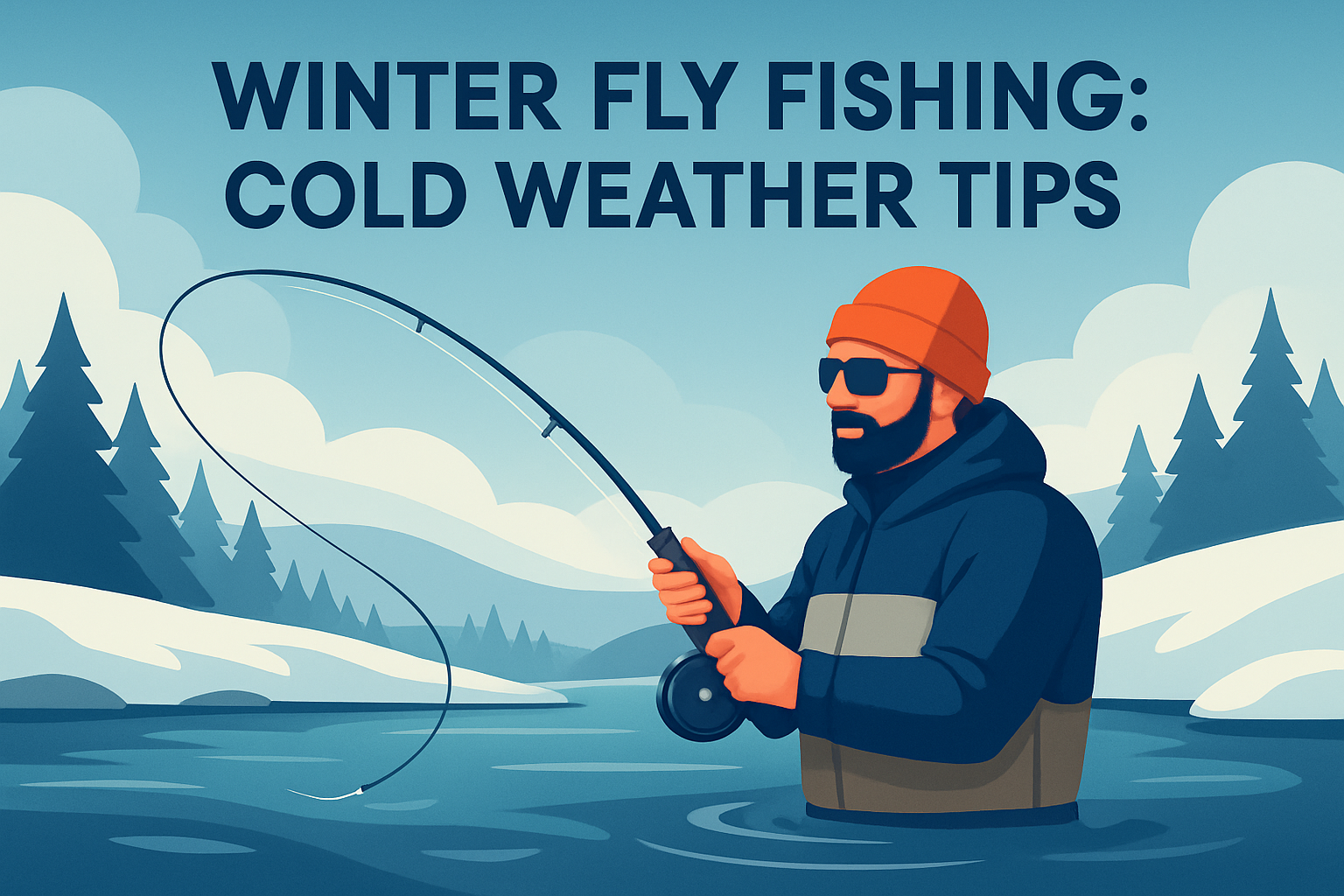
As the frigid air sets in and frost covers the landscape, many anglers find themselves contemplating putting away their fishing gear until spring. However, winter fly fishing presents a unique opportunity for anglers willing to brave the elements. This type of fishing involves casting a lightweight lure, or fly, to catch fish during the cold months. While it might seem daunting to venture into the cold waters during this chilly time of year, with the right preparation and knowledge, winter fly fishing can be incredibly rewarding. Understanding the specifics of winter conditions is crucial, as fish behavior changes, and stream conditions are quite different from those of the warmer months.
In essence, fly fishing during winter isn’t just about battling the cold; it is about embracing it to experience a different side of nature. Knowing what gear to use, which techniques to employ, and how to read the waters can lead to successful catches when others are homebound. More than simply a hobby, it’s an adventure that challenges the body and soothes the soul, offering solitude and serenity in picturesque snowy landscapes.
This article aims to provide enthusiasts of all experience levels with invaluable tips and advice that can enhance their winter fly fishing endeavors. From selecting appropriate clothing and gear to understanding fish movement, we’ll cover everything you need to make the most of this invigorating pursuit. Let’s delve deeper into the key components and considerations of winter fly fishing.
Appropriate Gear for Cold Conditions
When it comes to winter fly fishing, having the right gear is essential. Comfort and functionality should go hand in hand, ensuring that you stay warm while remaining nimble enough to cast effectively. Layering is the most efficient way to stay warm in freezing temperatures. Start with moisture-wicking base layers made from wool or synthetic materials to prevent sweat from cooling you down. Follow up with insulating mid-layers such as fleece or down. Finally, use a waterproof and windproof outer shell to protect yourself from the elements.
Consider investing in high-quality waders and boots specifically insulated for winter wear. Given the cold water temperatures, neoprene waders can offer additional warmth. Likewise, wading boots with a solid grip are recommended to prevent slips on icy surfaces while offering support through thick snow. One experienced angler, James, reported an unforgettable winter fishing trip to the Big Thompson River, where subpar gear left him wet and shivering within hours. Learning from that experience, James upgraded his equipment and found that the right layers made his subsequent trips far more enjoyable and productive.
Understanding Fish Behavior in Winter
Fish behavior reflects the ambient temperature and food availability. Knowing how fish react to changing environmental conditions can make the difference between a successful day and returning empty-handed. During winter, many fish become lethargic due to the lower water temperatures, meaning they reduce their movement and feed less frequently. Focus on fishing during warmer parts of the day, as sunlight can slightly elevate water temperatures and stimulate fish activity.
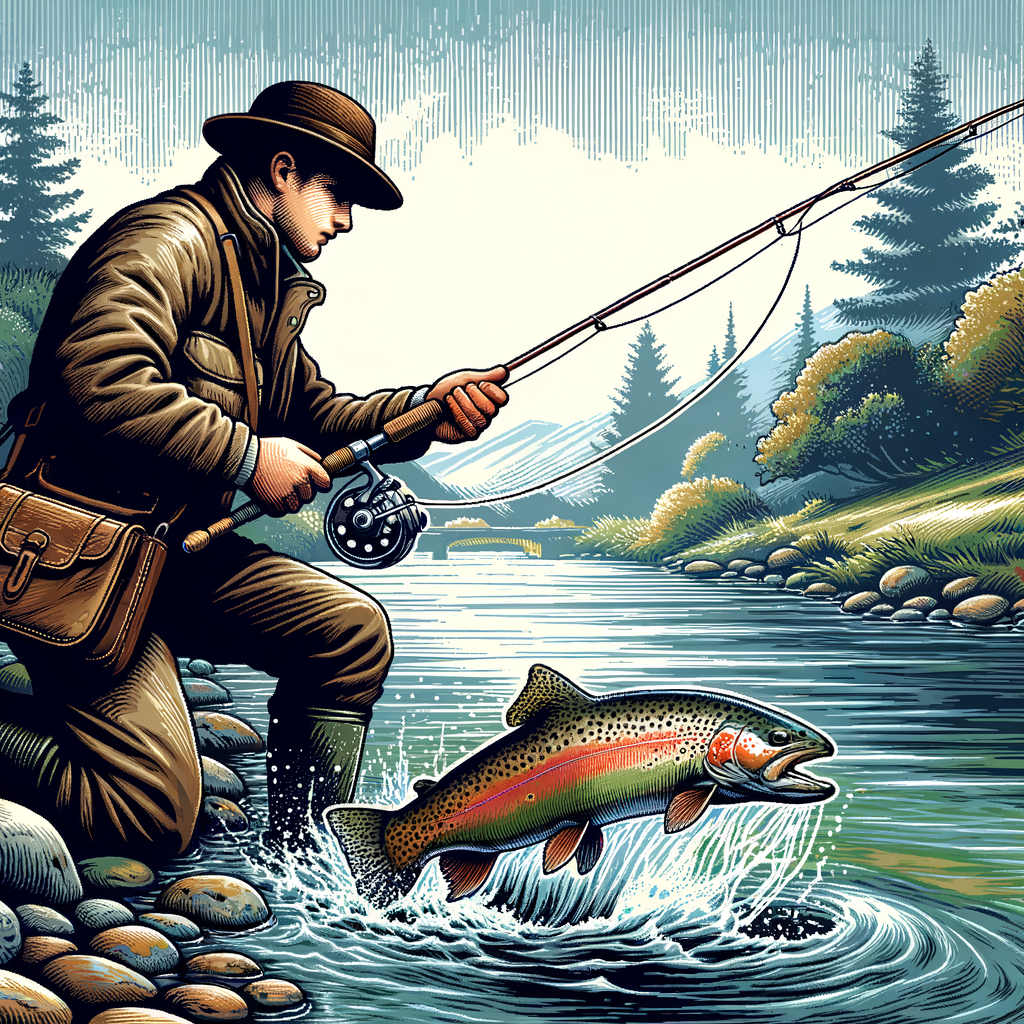
In particular, trout tend to gather in deeper, slower-moving waters where the temperature remains more stable. Their metabolism slows, and they conserve energy, meaning they’ll often strike at an easily accessible meal. Ice anglers like Susan found success on days when the sun broke through, catching several rainbow trout by targeting the downstream of a deep pool where the fish had congregated. Understanding these patterns helps not only in finding fish but also in selecting the right flies and presentation techniques.
Choosing the Right Flies
The selection of flies is one of the most critical decisions in fly fishing. In winter, the availability of food for fish is drastically reduced; therefore, fish are more opportunistic feeders. The key is simplicity: smaller, natural-looking patterns tend to be more effective due to the clearer waters often experienced during winter. Midges, scuds, and small nymph patterns generally yield positive results as they mimic the few natural food sources available.
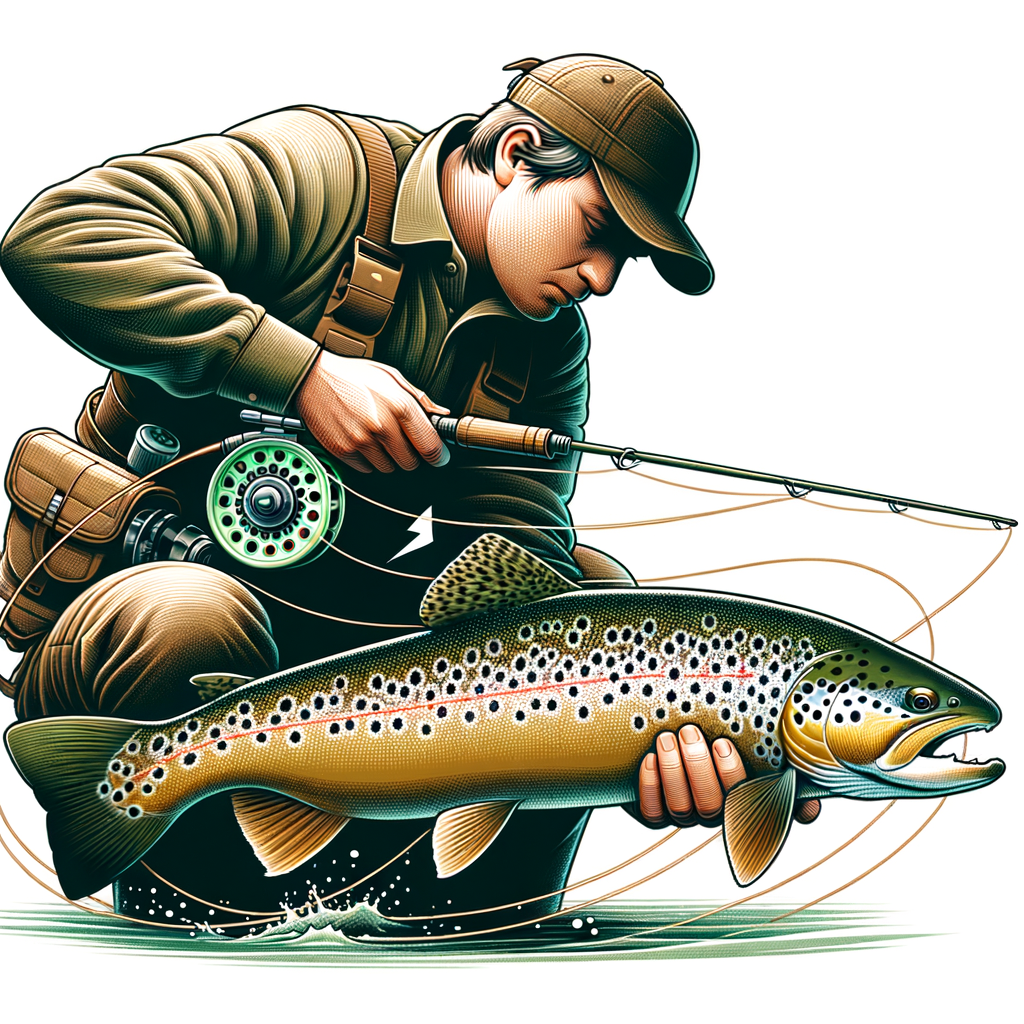
Kelly, a veteran fly fisher from Montana, suggests using beadhead nymph patterns in sizes 18 to 22 for winter fishing in her local rivers. She recounts a day spent at the Madison River when switching to a simple black midge pattern turned a quiet day into a rewarding experience with several brown trout catches. The lesson here is to match your flies to what might naturally be present and pay attention to the behavior of successful anglers around you.
- Midges
- Scuds
- Small Nymphs
- Egg Patterns
Reading the Water
The ability to read water effectively is crucial in any season but becomes even more significant in winter. With cold temperatures leading to diminished fish movement, recognizing where fish might be resting or seeking warmth can guide where to cast your line. Look for slower-moving sections of water such as deep pools, bends, and areas with structure like submerged trees or rocks that provide cover and break the current.
A practical technique employed by many experienced anglers is to assess the water flow visually before entering. This avoids unnecessary disturbances that may spook fish. For instance, Kevin, an enthusiast from Colorado, emphasizes the importance of stealth and approach. He methodically scans the areas where foam and angling debris settle, indicating slower-moving, deeper waters perfect for winter fishing. By taking his time to notice these subtle cues, Kevin consistently enjoys success during the colder months.
Safety Considerations
Safety should never be overlooked, particularly in the challenging conditions that winter presents. Hypothermia is a serious risk when six inches of daylight are clouded over by snow-filled skies and temperatures drop below freezing. By dressing appropriately and keeping dry, anglers can significantly reduce their risk. Ensure all gear is properly maintained and fits well, especially boots and waders that can prevent accidents on slippery surfaces.
Buddy fishing is highly recommended to increase safety. Fishing with a partner allows for immediate assistance in case of a fall or other emergencies. Dianne, a seasoned angler who frequently fishes the ice-locked rivers of New York, always ensures a companion accompanies her. She concurs that having a friend present not only enhances safety but also makes each outing more enjoyable due to the shared experience and camaraderie.
Final Thoughts and Next Steps
Embracing the winter season for fly fishing allows enthusiasts to unlock new experiences and expand their skills in the world of angling. From understanding the subtle adjustments required in gear and techniques to recognizing how fish behavior changes, winter fly fishing offers a rich tapestry of challenges and rewards. By preparing adequately, anglers can enjoy the tranquility and beauty of a snowy natural world while benefiting from the plentiful opportunities that come with thoughtful, patient fishing.
In summary, winter fly fishing demands respect for the climate and a willingness to adapt. Prioritize remaining warm and safe, tailor your flies and techniques to the environment, and methodically read the water to optimize your chances of success. Now that you’re armed with these tips, it’s time to gather your winter gear, recruit a fishing buddy, and explore the unique adventure of casting a line beneath snow-laden trees and into ice-cold streams. Start planning your next winter fishing trip today and experience the tranquility and satisfaction that winter fly fishing so uniquely offers.
Frequently Asked Questions
1. What makes winter fly fishing different from fishing in warmer months?
Winter fly fishing stands out for its unique set of challenges and rewards that differ significantly from fishing in the warmer months. The cold temperatures result in water bodies sinking to lower temperatures, making fish more lethargic and changing their feeding patterns. This means that the approach to fly fishing needs to be adjusted substantially. Anglers will find fish more likely to be located in deeper, slower-moving sections of a river or stream and often more concentrated together. The metabolism of the fish slows down, so they don’t feed as aggressively, necessitating a more subtle and strategic presentation of the fly. Braving the cold also means opportunities to enjoy solitude, as there are typically fewer fishermen on the water, allowing for a peaceful, contemplative experience amidst stunning, wintry scenery.
2. What essential gear is needed for winter fly fishing?
When engaging in winter fly fishing, equipping oneself with the appropriate gear is crucial for both comfort and efficiency. Layered clothing is pivotal to staying warm—consider investing in thermal base layers, fleece, and a quality waterproof, insulated coat. Don’t forget a hat and gloves, as extremities are most vulnerable to the cold. Waders constructed from breathable materials with insulated boots can significantly enhance comfort in chilly waters. On the tackle side, frosty air often necessitates a smaller fly and lighter tippet compared to what’s used in other seasons, owing to the fish’s reduced activity levels. Additionally, a reel with a smoother drag system and a five or six-weight rod can help in the fight against big, winter-hardy fish. Lastly, hand warmers and a thermos of a hot beverage can be handy companions to fend off the bitter chill.
3. How do I find fish during winter fly fishing?
Locating fish in winter requires understanding their behavior during colder months. As water temperatures drop, fish migrate to areas with slightly warmer conditions, typically deeper pools or near structures like fallen trees or rocky outcrops that provide some form of thermal refuge. Additionally, sunny days can become your ally—fish tend to move to shallows or sunlit spots where the water is fractionally warmer. It’s also worth noting that fish expend as little energy as possible, which means they will most likely be in slower-moving waters where the energy cost of swimming against the current is reduced. Observing indicators like rising fish or diving birds can also offer valuable clues about the presence of fish in a particular area.
4. What are the best flies to use for winter fly fishing?
Choosing the right fly during the winter months can be crucial for success, as fish are less active and selective about their food intake. Midges are an absolute staple for winter fishing; these tiny insects proliferate in colder conditions and are a primary food source. Patterns like the Zebra Midge, Disco Midge, and small Hare’s Ear Nymphs are revered for their effectiveness. Additionally, certain streamers can be advantageous as they mimic the movement of small baitfish or leeches, appealing to larger, predatory fish. Tailor your flies to match the hatch when possible, observing what local fish naturally feed on, and always consider carrying a range of sizes given the variability of conditions and fish appetite.
5. What safety precautions should I take for winter fly fishing?
Safety is paramount when venturing into cold environments for winter fly fishing. Hypothermia is a significant risk, so it’s crucial to stay dry, layering clothing to maintain body heat, and equipping yourself with waterproof gear. Inform someone of your fishing itinerary and expected return time to ensure someone is aware of your whereabouts. When venturing out on icy terrains, being extra cautious of slippery banks and icy patches can prevent falls and injuries. Using a wading staff can provide additional stability in fast-moving waters. Moreover, keep a spare set of dry clothes in your vehicle in case of unexpected submersion in cold water. Lastly, stay hydrated and consume high-energy snacks to sustain your energy levels throughout the day, as the cold can deplete energy reserves faster than one might anticipate.