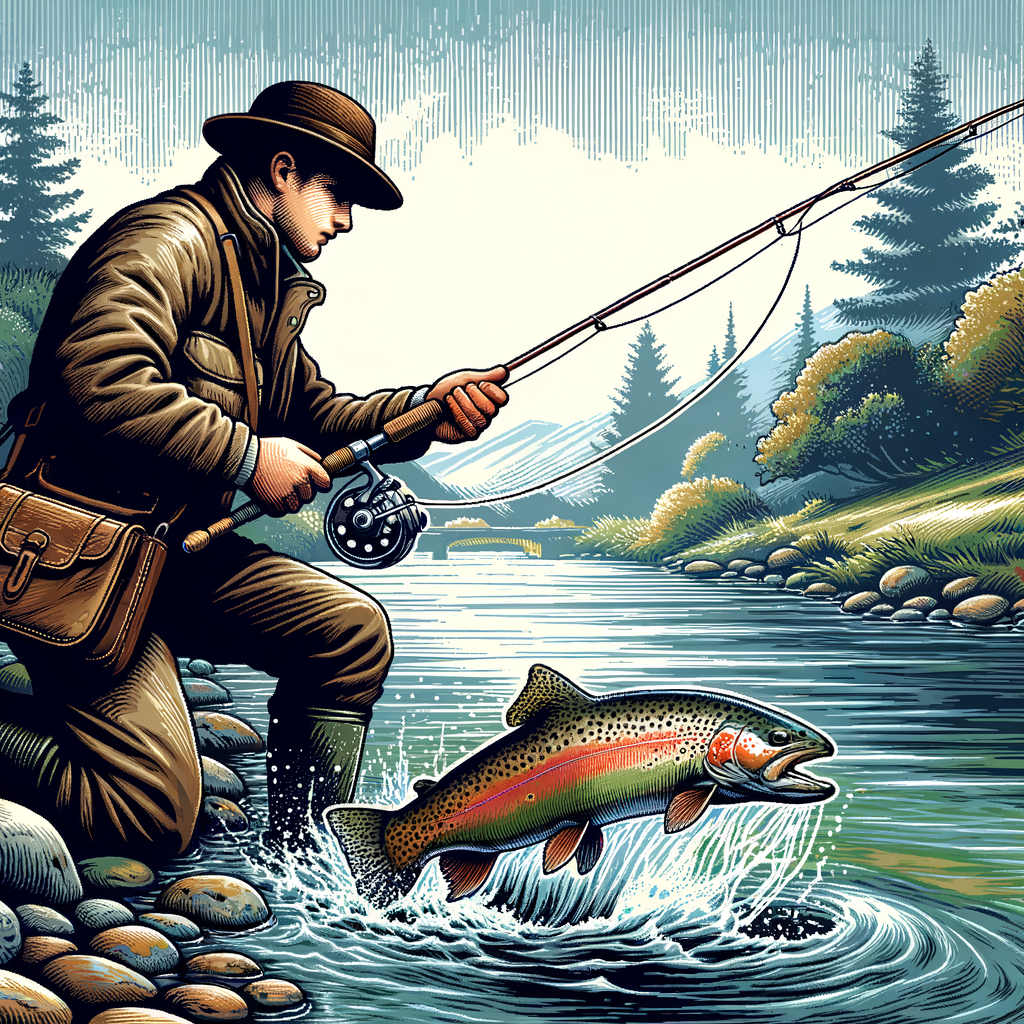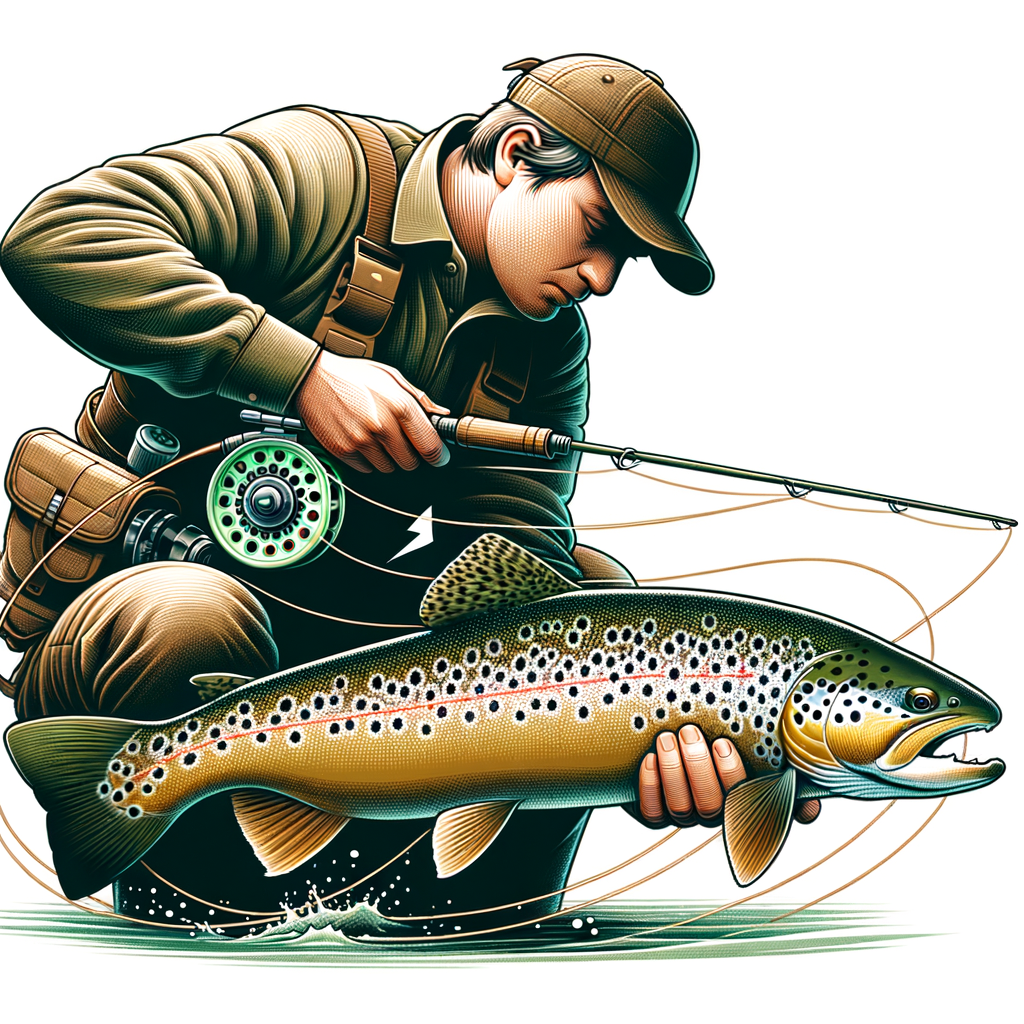
Fly fishing is a revered pastime that marries the serenity of nature with the thrill of the catch. It’s an art form mastered over centuries, adapting to various conditions and locations. One particular challenge that anglers often face is high water situations. When rivers swell from rain or snowmelt, fishing conditions change dramatically. These high waters can alter currents, make fish less predictable, and leave many anglers feeling unprepared. However, learning to adapt your fly fishing techniques to deal with high water can turn potential obstacles into rewarding opportunities. Understanding high water’s impact on the environment, and fish behavior is crucial. In this article, we’ll explore how you can effectively adjust your strategy to improve your chances of landing a catch during these challenging conditions. Whether you’re a seasoned angler looking to refine your skills or a beginner hoping to expand your knowledge, this guide will help you navigate the trials of fly fishing in high water.
Understanding High Water Conditions
High water fishing often means dealing with faster currents, murkier water, and fish that may not behave as they typically do. The water rises due to increased rainfall or seasonal snowmelt, causing riverbeds to swell. This change affects both the habitat and the behavior of fish, such as trout and bass. For instance, the increased water volume can obscure underwater features and create new pathways for fish to explore. This shift often forces fish out of their usual comfort zones, and they may seek refuge in places where the current is slower or where they can feed with less energy expenditure.
A real-world example occurred on the Madison River, where fly anglers found trout congregating around submerged boulders during an unusually wet spring season. Normally dispersed over several locations, in high waters, fish tend to seek areas of respite where they can comfortably avoid the strong currents and still access food. Understanding these changes is crucial to refining your fly fishing strategy to make the most out of high water conditions.
Reassessing Your Equipment
Anglers often overlook their equipment’s role in adapting to high water. In challenging conditions, modifying your gear can dramatically improve your success rate. First and foremost, consider using heavier lines and larger flies. The increased weight helps your cast penetrate deeper into fast-moving water, and larger flies stand out more in the murky environment.
For example, some anglers swear by using streamers and weighted nymphs during high water fishing. A fisherman on the Big Thompson River famously improved his catch rate by switching from his standard dry flies to larger streamers, which imitate small fish and are easier for the trout to spot in turbulent waters.
- Heavier Lines: Helps with penetration and control in strong currents.
- Larger Flies: Enhances visibility in murky water.
- Weighted Nymphs: Sink faster and maintain position better.
Investing in a reliable wading staff is another practical measure. The staff provides stability and confidence as you navigate slippery rocks and stronger currents, ensuring safety while you focus on casting.
Strategic Casting Techniques
Casting techniques can make or break your success in high water. To adapt, consider changing your casting angle and time your casts more carefully. Approaching the river from downstream rather than from the sides or upstream allows you to present your fly more naturally. This downstream approach means that your fly will move with the current, which is more appealing to fish.
Time is also an essential factor. Fish tend to feed more during specific parts of the day, such as early morning or late in the afternoon. In high water, this becomes even more pronounced since fish may be less active during midday when light conditions are too intense. A savvy fly fisher on the Gallatin River adopted this technique, arriving at sunrise to cast from downstream, which led to a successful morning of catching as the fish fed in a high-water bank eddy.
Reading the Water
Successfully fishing in high water involves an acute skill: reading the water conditions. Water clarity, speed, and depth can change daily or even hourly, depending on the weather conditions. When water levels rise, familiar fishing spots may disappear, while new ones appear, often where two currents converge, creating a zone where nutrients gather. These spots become prime foraging grounds for fish.
For instance, during a high water surge on the Yellowstone River, anglers found success by targeting seams and eddys created by submerged rocks and downed trees. These areas provided fish with respite from fast-moving currents and concentrated food sources, offering anglers an opportunity to effectively present their flies.
| High Water Features | Fishing Strategy |
|---|---|
| Seams | Focus casts to capitalize on food concentration |
| Eddys | Present flies in slow-moving spots for easy feeding |
| Current Breaks | Cast into diverging currents for better opportunities |
These methods necessitate patience and adjustment. Spend time observing the water before making your first cast. Look for disruptions in the water’s surface indicating deeper structures that offer fish shelter and food.
Adapting to Fish Behavior
Understanding fish behavior in high water can significantly improve your fishing experience. Fish tend to be more opportunistic during these times, focusing on easy meals that don’t require expending much energy. To exploit this behavior, select flies that mimic aquatic insects washed downstream from higher elevations where they are typically scarce.
A noted angler on the Arkansas River adjusted by using woolly buggers and san juan worms, flies that require little movement yet are highly attractive to trout. This strategy capitalized on the trout’s heightened opportunistic instincts, yielding a fruitful day of fishing even when water levels were at their peak.
Locating Fish Hotspots
Finding fish hotspots involves identifying areas where conditions favor feeding and resting. As waters rise, fish may also migrate to new locations, including shallow flooded areas temporarily rich in food. Backwaters, flooded banks, and areas with reduced current often become ideal feeding grounds.
For example, a fishing guide on the Missouri River recommends targeting flooded grass banks, which often teem with insects and smaller fish. These spots, he posits, become impromptu buffet lines for hungry fish avoiding the main current’s exhausting flow.
Prioritizing Safety
Safety can’t be overstated when fly fishing in high water. The alluring prospect of a catch can sometimes overshadow the inherent dangers of swollen rivers and fast currents. Ensure safety by always wearing appropriate gear such as life jackets and non-slip boots, and never fish alone when conditions are challenging.
A personal anecdote from a seasoned guide on the Rogue River tells of an angler who was swept away while attempting to cross a swollen tributary. Only the guide’s swift actions prevented a potential tragedy. Such stories underscore the importance of prioritizing safety, especially when tempted to reach promising fishing spots under less-than-ideal conditions.
Learning from Experience
High water situations offer an invaluable learning experience for fly fishers aiming to refine their skills. Engaging with local fishing communities provides knowledge-sharing opportunities that highlight effective strategies. Each fishing trip becomes a chance to evaluate and modify your approach based on the challenges encountered, fostering growth and mastery over the craft.
Consider recording observations and successes in a fishing journal, creating a comprehensive resource that tracks water conditions, equipment choices, casting techniques, and safety measures. Such records can help in making informed decisions for future high water fishing outings.
Empowering Yourself with Adaptation
Fly fishing in high water isn’t simply a lesson in perseverance; it’s an empowering opportunity to adapt and excel under unpredictable conditions. By engaging in observational learning and consistently experimenting with varying techniques and equipment, you learn to embrace the complexities of nature. This article’s insights into tackling high water fly fishing should give you the confidence to refine your approach further.
Take these key points to heart: understand high water dynamics, equip yourself appropriately, master strategic casting techniques, and prioritize safety every step of the way. Embrace the art of reading water, and understand fish behavior to clinch advantageous spots with ease. Your next step should be to plan an outing armed with your newfound knowledge, ready to adapt as conditions demand.
The thrill of fly fishing in high waters awaits you, promising not only challenges but also rewarding experiences. So, pick up your rod, choose your flies wisely, and let the journey on high waters begin with newfound enthusiasm and informed adaptability.
Frequently Asked Questions
1. Why is it challenging to fly fish in high water?
High water poses a challenge for fly fishing because it alters the usual conditions of the river. When a river swells due to rain or snowmelt, the water levels rise, currents change, and clarity can be affected. These factors make fish behavior less predictable. Fluctuating conditions can mean that your favorite spots are either submerged or the current is too strong to fish effectively. Additionally, high water can bring debris into the river, creating hazards for casting. The variables introduced by high water require anglers to be adaptable and thoughtful about their approach, gear, and technique.
2. What techniques can improve fly fishing success in high water conditions?
To improve your fly fishing success during high water conditions, you may need to adjust both your strategy and technique. First, consider the placement of your cast. Fish tend to move towards the banks or behind structures like rocks and fallen trees where currents are not as strong. Targeting these areas can be more productive. Second, switch to larger and brighter flies; they are more visible in murky or turbulent water. Another tactic is to use weighted flies or add weight to your leader, helping your fly get deeper into the water where fish might be hiding. Also, consider adjusting your approach to slower retrieves or dead drifts to give the fish more time to react. Finally, safety is crucial in high water, so make sure to assess the river’s edge for stability before wading in and always wear a flotation device if needed.
3. What are the best types of flies to use in high water?
During high water, opt for flies that are larger, more colorful, or more heavily weighted than your usual choices. Streamers are particularly effective in these conditions, as they mimic larger prey and can easily be seen in murky water. Brightly colored flies like pinks, chartreuse, or whites can stand out against the sediment-laden water, attracting the fish’s attention from a distance. Nymphs and beadhead patterns can also work well, especially if you add extra weight to ensure they sink quickly and reach deeper water efficiently. These types of flies help simulate the food sources dislodged in the higher currents that fish are likely feeding on.
4. How can I select the right gear when fly fishing in high water?
Choosing the right gear for high water fly fishing can greatly enhance your experience and success rate. Start with your rod; a slightly heavier rod can help cast larger flies into the windier conditions high water can bring. Line choice is critical; consider a floating line with a sinking tip or an entirely sinking line, depending on your target water depth. Waders should always be secure and waterproof, with boots providing excellent traction to counter the slippery boulders and swift currents. Balance is key, so trekking poles or a wading staff can provide an extra layer of stability when maneuvering through fast, unpredictable water conditions. Don’t forget to adjust your leader length, adding tippet as needed to reach the desired depth and to avoid the turbulent current’s impact on your presentation.
5. How do stream and river conditions affect fish location and behavior during high water?
High water significantly affects fish location and behavior, making them more challenging to predict. In high water, fish often seek refuge in areas that provide relief from strong currents. Edges of the river, behind large boulders, submerged logs, or deeper pools that border faster currents create calm micro-habitats. Fish may also move closer to the riverbanks. Due to the increased flow, fish are less prone to staying in open, fast-moving water where energy expenditure is high without the immediate potential for food. Consequently, they tend to imperceptibly adjust their feeding behavior, often looking to opportunistically feed on items washed into the river by the rising waters, so understanding and targeting these zones can significantly increase your chances of a successful catch.