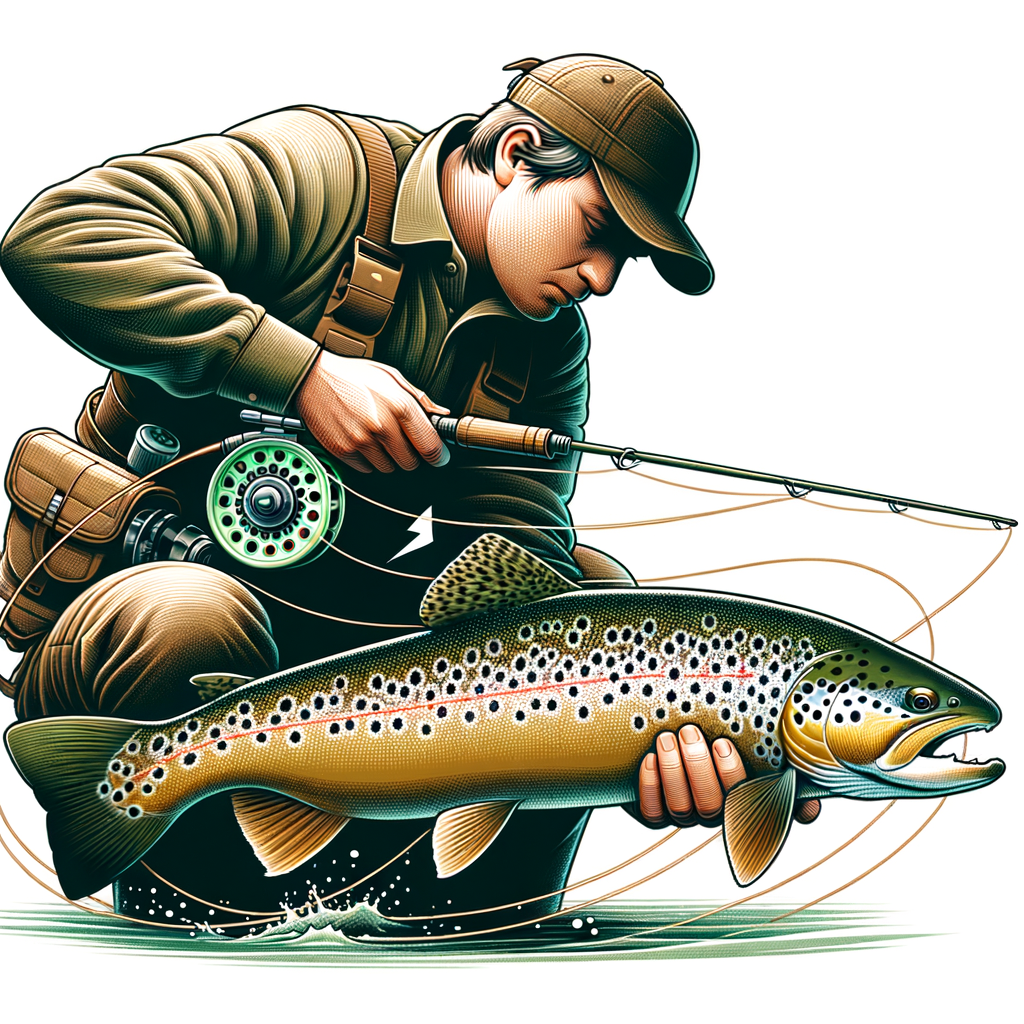
Fly fishing is a beloved pastime for many outdoor enthusiasts, offering a serene escape complemented by the thrill of the catch. However, when it comes to fly fishing during the spawn, there are specific considerations that can significantly enhance your experience while ensuring the sustainability of fish populations. Understanding the dynamics of fish spawning, the best practices during this period, and the ecological impact of our actions are crucial. This is not just about boosting your fishing success but also about contributing to the conservation of our waterways.
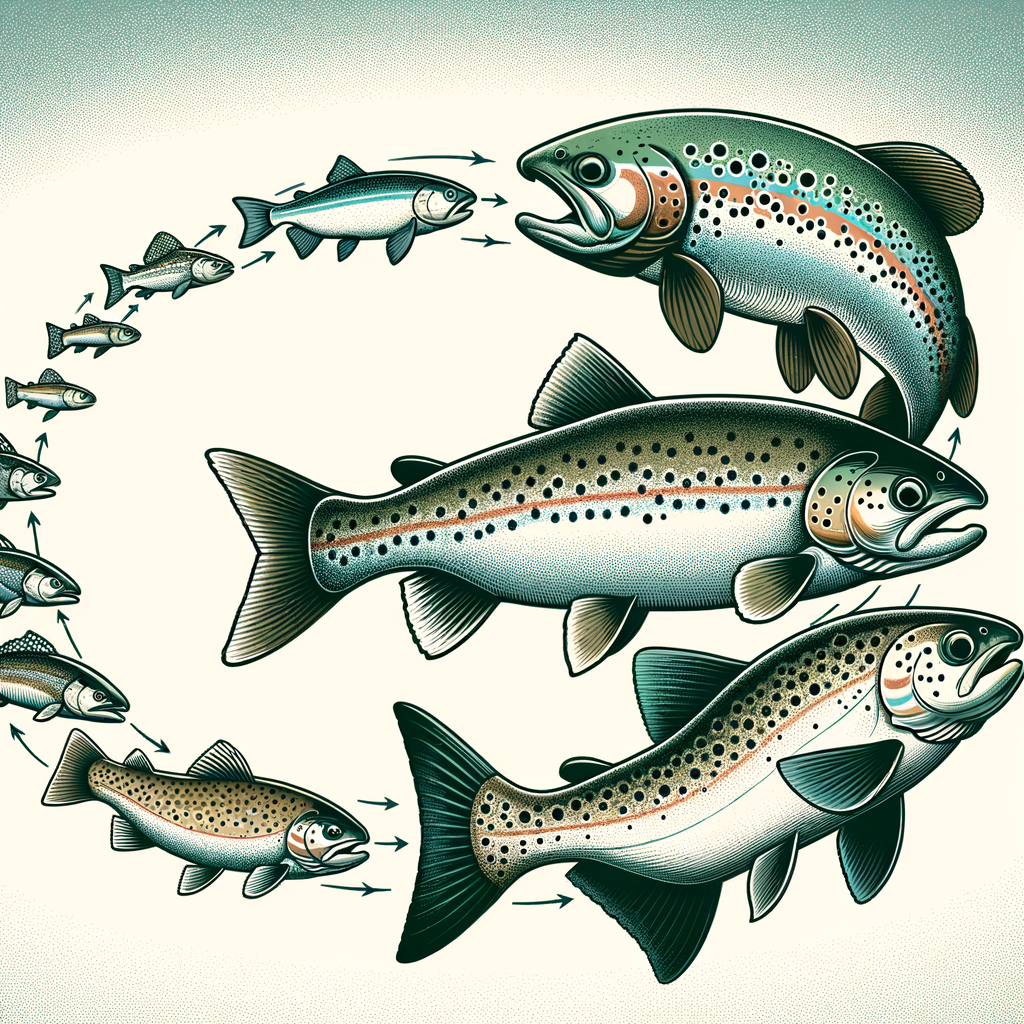
Spawning is the process where fish reproduce, usually involving the laying, fertilizing, and nurturing of eggs. This time of the year is critical for the survival and growth of fish populations and thus holds ecological significance. Fly fishing during this period can be both rewarding and challenging. Understanding the biological behaviors of fish during spawning can help anglers target the fish more effectively while practicing ethical fishing. Knowing the when, where, and how of fishing during spawn can improve your catches and preserve the ecosystem for future anglers.
Understanding Fish Behavior During Spawning
Understanding fish behavior is the first step to successful fly fishing during the spawning season. Fish, during this period, exhibit distinct patterns that can either offer anglers an advantage or pose challenges depending on the approach.
Typically, fish will move to shallow waters with gravel beds or vegetation where they can lay their eggs. Species like trout, salmon, and bass, to name a few, prefer such environments for spawning. Fishing in these regions during spawn can lead to a higher chance of encounters with these fish.
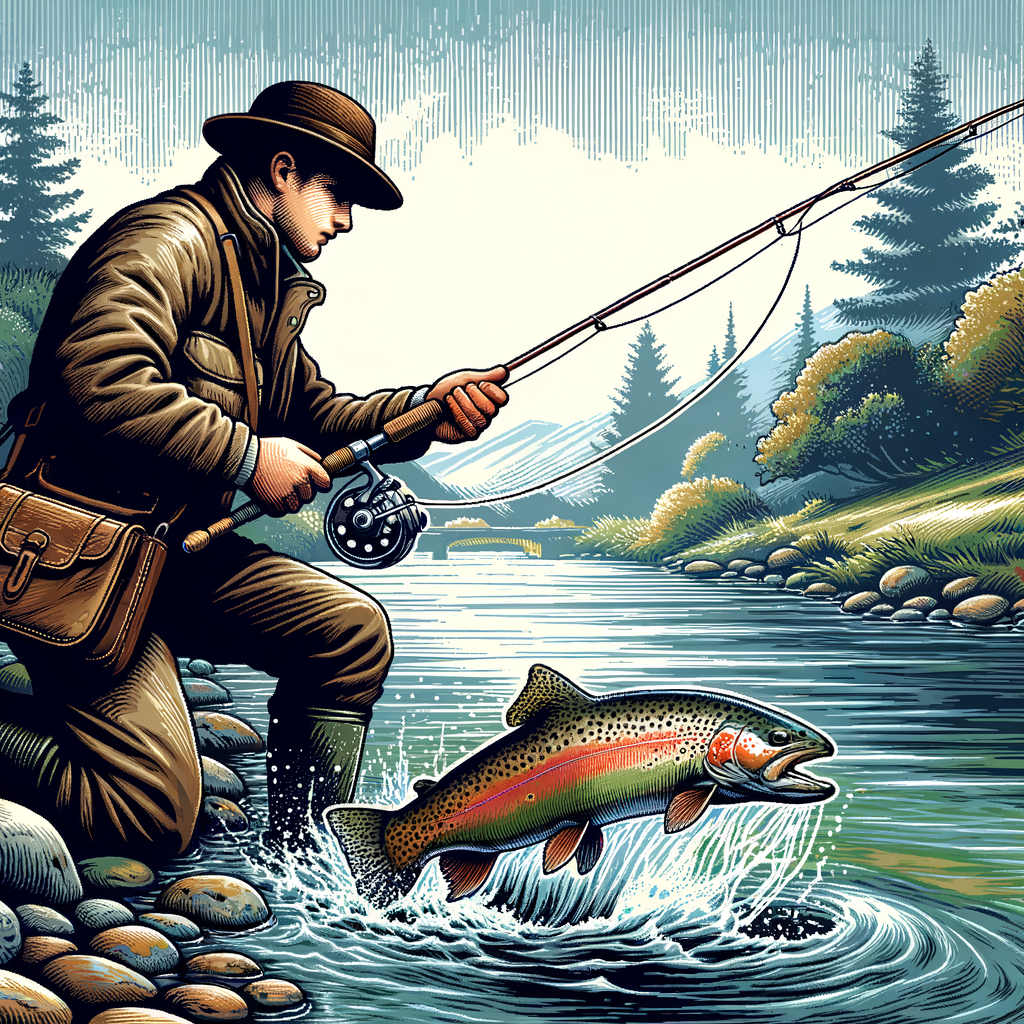
For instance, consider trout, a popular species among fly fishers. During their spawning season, usually in spring or fall depending on the type of trout, they are often more aggressive and territorial, thus more likely to take the fly. However, because they focus more on reproduction than feeding, anglers should use enticing flies that trigger territorial aggression rather than feeding instincts.
- Choosing the right fly that mimics potential threats or competitors can increase your catch rate during the spawn.
- Focus on areas with gravel bottoms or shallow water where spawning activities are active.
| Species | Spawning Season | Preferred Environment |
|---|---|---|
| Trout | Spring or Fall | Shallow, gravel beds |
| Salmon | Fall | Gravel streams |
| Bass | Spring | Vegetated shallows |
Equipment and Techniques for Successful Fly Fishing During Spawn
When it comes to equipment and techniques, adjustments can make a substantial difference when fly fishing during the spawn. Using the right gear tailored to the spawning conditions can greatly enhance your results.
Firstly, having lightweight gear with fine tippet lines is beneficial. Fish during spawn can be more line shy due to the clear, shallow waters. A fine line is less noticeable and can increase your chances of a successful catch.
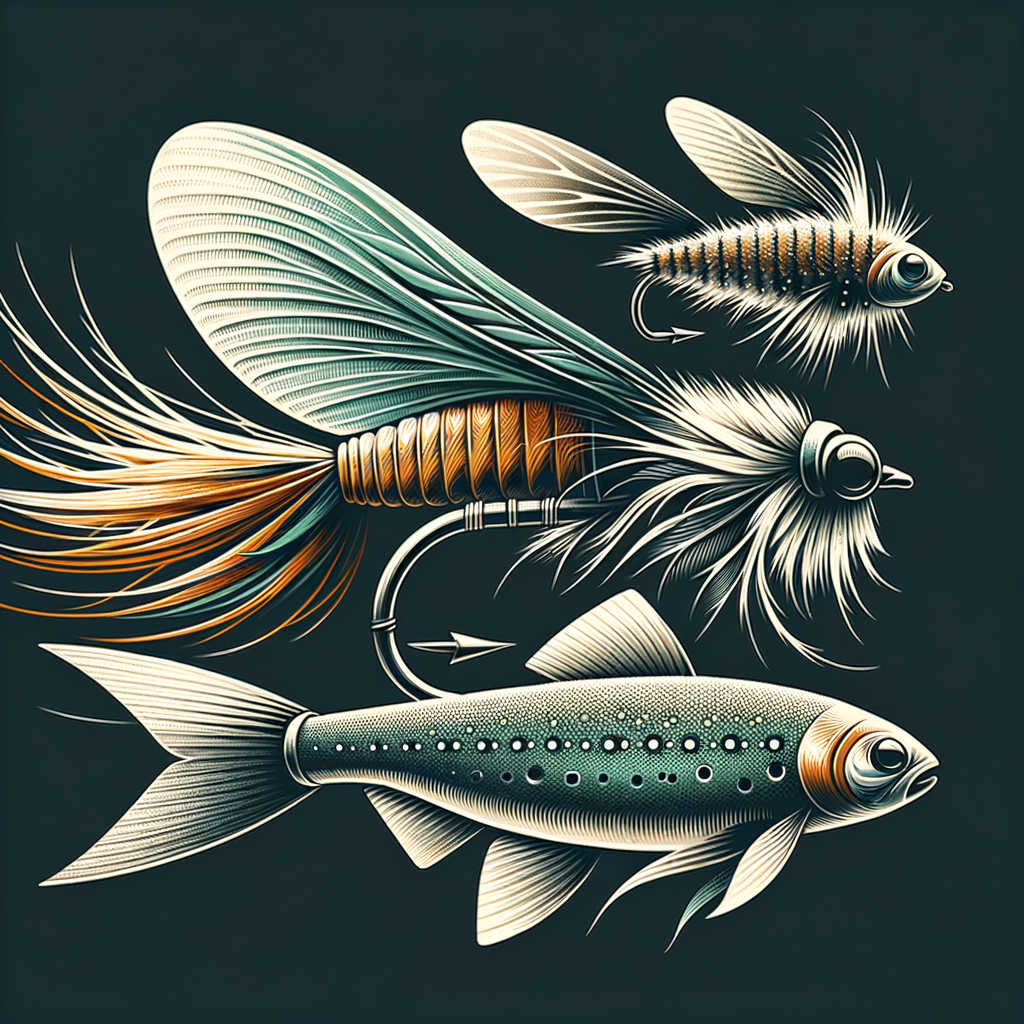
Furthermore, using flies that resemble natural food sources or territorial threats can provoke responses from fish. For instance, weighted nymphs and egg patterns are particularly effective choices during the spawn. Anglers should focus on realistic presentation to make the fly appear lifelike.
Consider a scenario where you’re targeting bass during their spring spawn. Using a bright, gaudy egg pattern fly can help trigger a defensive reaction from the bass. Additionally, due to the shallow waters, casting techniques such as roll casts can be vital in avoiding spooking fish.
Moreover, pay attention to your fishing technique. Be patient and allow the fly to drift naturally, which mimics natural movement and can entice spawning fish to strike. Positioning yourself slightly upstream from the targeted area allows for a more natural presentation.
Navigating Ethical and Environmental Considerations
Fly fishing during the spawn doesn’t only require skills and the right equipment; it also demands responsibility. Ethical considerations during this time are pivotal to preserving fish populations and their habitats.
Catching fish during spawn can stress fish and affect population dynamics. Practicing catch and release is strongly advised. When you catch a fish, handle it as little as possible and return it immediately to its habitat. This process reduces unnecessary stress and increases their survival rates post-release.
For example, in some regions, regulations mandate catch and release during specific spawning periods to protect vulnerable species. Staying informed about local regulations can guide you in respecting these guidelines.
Additionally, never disturb spawning beds, as this can destroy eggs and harm future populations. If you find yourself accidentally near a spawning bed, refrain from wading through or disturbing it in any way.
These ethical practices help in maintaining a balance in the ecosystem and ensure that fish populations continue to thrive for future generations of anglers to enjoy.
Best Practices and Tips for Fly Fishing Success During Spawning Season
The spawn requires special tactics and considerations, which extend beyond the physical act of fishing. Experienced anglers often follow a set of best practices to enhance their fishing success while maintaining ecological balance.
One critical aspect is timing your fishing trips. Pay attention to water temperatures and seasonal cues that signal the start of the spawning activity. Fish are more likely to be active and responsive during these optimal conditions.
Moreover, always prepare before you embark on your trip. Research the specific water body and fish species you plan to target. Understanding the local environment and fish habits can significantly boost your chances of success.
For instance, an angler planning to fly fish for salmon during the fall should research stream conditions, current fish behaviors, and recent weather patterns which could influence spawning activities. Armed with this information, they can tailor their approach accordingly.
In addition to preparation, adopting a respectful attitude towards nature and fellow anglers ensures a harmonious and responsible fishing excursion. Avoid overcrowding popular fishing spots, which can disrupt both the fish and other anglers.
Lastly, always have a plan for varying conditions. The spawn can be unpredictable, and having alternative strategies ensures that you maximize your fishing experience regardless of unexpected changes in weather or fish behavior.
How to Make the Most of Your Fly Fishing Experience During Spawn
Embracing the joys of fly fishing during the spawn is about more than just catching fish. It’s about connecting with nature, understanding the ecosystems, and enjoying the serenity of the outdoors. The following steps will help you make the most of your experience:
Firstly, set realistic expectations. While the lure of catching big fish during the spawn is appealing, maintaining a realistic perspective ensures satisfaction regardless of the day’s yield.
Take time to enjoy the scenery and environment around you. Fly fishing is as much about the experience of nature as it is about the catch.
Moreover, use the spawning season as an opportunity to learn and grow as an angler. Pay close attention to the behaviors of fish, observe changes in the water conditions, and adjust your techniques. This learning mindset can significantly improve your skills over time.
Lastly, engage with the community of fly fishers. Sharing experiences, tips, and stories with fellow anglers can enrich your understanding and appreciation of the sport. It also helps you stay informed about conservation efforts and community-driven projects aimed at preserving fish habitats.
By approaching fly fishing during spawn with curiosity, respect, and readiness, you can enhance both your personal enjoyment and contribution to environmental stewardship.
Conclusion: Embrace Responsible Fly Fishing During Spawn
In summary, fly fishing during spawn offers a unique opportunity for anglers to engage with fish in some of their most natural and instinctual behavior. By understanding fish behavior, using the right equipment and techniques, and adhering to ethical and environmental guidelines, you can enjoy a fruitful and responsible fishing experience. The key takeaway is simple yet crucial: successful fly fishing during the spawn requires a balance of skill, respect for nature, and a commitment to conservation.
We encourage you to take the knowledge gained here and apply it on your next fishing trip. Not only will you increase your chances of a successful catch, but you’ll also be doing your part in preserving aquatic ecosystems for future generations. Whether you’re an experienced angler or a new enthusiast, fly fishing during the spawn is a rewarding adventure that awaits your respectful pursuit.
So, plan your next fishing trip, study your target species, prepare your gear, and set out with a conscientious approach. The fish will thank you, and so will the planet.
Happy fishing!
Frequently Asked Questions
1. What exactly is fish spawning, and why is it important for fly fishing enthusiasts to understand it?
Fish spawning is the reproductive process where fish lay eggs and fertilize them to produce the next generation of their species. For fly fishing enthusiasts, understanding spawning is critical because it’s a time when fish behavior changes dramatically. During this period, many species become highly protective of their nests, known as redds, and may not feed as vigorously as they do at other times. By having a grasp of these behavioral shifts, anglers can adjust their tactics and timing accordingly. Moreover, understanding spawning helps anglers contribute to the sustainability of fish populations. Disturbing fish during this sensitive time can negatively impact their ability to reproduce, which in turn affects the overall fish population in the ecosystem. Practicing ethical fishing during the spawn is essential for preserving this cherished pastime for future generations.
2. What are the ethical concerns and best practices for fly fishing during the spawn?
Ethical concerns during the spawn largely revolve around the potential stress and harm fishing can cause to spawning fish and their habitats. The best practices include avoiding areas where fish are visibly spawning, such as shallow gravel beds and stream sections where you can see redds. If possible, consider fishing in locations where the spawn is not occurring or target species that aren’t spawning at that time. Use barbless hooks to minimize injury if you do catch a fish, and handle any fish you do catch with care to prevent unnecessary stress. Catch-and-release techniques should be executed quickly and efficiently, ensuring the fish are handled as little as possible and returned to the water promptly. Remember, respecting the spawning period and adjusting your fishing practices not only aids conservation efforts but also supports the health of fish populations.
3. How can I identify fish redds and why is it important to avoid them?
Fish redds are the spawning nests that fish create on the riverbed. They are typically identified as clean, oval-shaped patches of gravel, often lighter in color than the surrounding area because fish remove debris and sediment as they create them. It’s crucial to avoid these areas because stepping on them can crush eggs, disrupt the spawning process, and harm the fish embryos. Fish use significant energy to create these redds, and disrupting them can have severe repercussions on future fish populations. By steering clear of these sensitive areas, anglers can help ensure the successful reproduction of fish, promoting a more environmentally friendly and sustainable approach to fly fishing.
4. Are there specific times when fly fishing during the spawn is more acceptable?
Yes, timing plays a big role in fly fishing during the spawn. Peak spawning times can vary greatly by species and geographical location, so it’s important to do your research before heading out. Generally, fish tend to spawn in the spring and fall when water temperatures reach optimal levels. However, some fish, like trout, have more defined spawning seasons, often during the fall. The more you know about the fish you’re targeting, the better equipped you’ll be. If you can time your trips to avoid peak spawning periods, you’ll likely have a more ethical and rewarding fishing experience. Off-peak times also increase your chances of catching fish that are more interested in feeding, rather than spawning, making for a more fruitful outing.
5. How can fly fishing during the spawn affect fish populations and the overall ecosystem?
Fly fishing during the spawn can significantly impact fish populations and the broader ecosystem if not done thoughtfully. Overfishing during spawning periods can lead to diminished fish populations over time since fewer fish successfully reproduce. Additionally, disturbing spawning fish can lead to abandoned redds, unprotected eggs, and increased mortality rates for both adults and juveniles. These changes can ripple through the entire ecosystem, affecting species diversity and the health of aquatic habitats. On the other hand, responsible fishing practices help maintain balanced ecosystems by supporting healthy fish populations that serve as both predators and prey in their environments. By fishing mindfully, anglers can enjoy their hobby without compromising the health of fish populations and the natural world they inhabit.