Introduction to Fly Fishing in Low Water Conditions
Fly fishing is an ancient angling method, dating back to Roman times but gaining modern popularity for its graceful blend of art and sport. Most anglers relish the rhythmic casting and the challenge of enticing fish with hand-tied flies. However, for those who deeply invest in this sport, understanding the environmental conditions can make a significant difference in their success rate. One of these conditions is the water level in rivers and streams, which can considerably influence the fly fishing experience.
Low water conditions, characterized by reduced water flow and decreased depth, are a prevalent challenge for fly fishers. Such conditions often arise during warmer months, typically due to scant rainfall or increased water extraction. The primary distinction between normal and low water fishing lies in the nuances of fish behavior and habitat changes. As the water level decreases, fish, especially trout, become more visible and consequently more cautious, making them harder to catch.
Understanding how low water conditions affect fish behavior and adapting fly fishing techniques to these conditions are crucial for an enjoyable and successful fishing experience. Fly fishing in low water isn’t just about patience but strategy, skill, and innovation. This topic is vital because it addresses common challenges faced by anglers and provides insights into sustainable fishing practices. Emphasizing the ecological impact and adapting methods to suit the changing environment can lead to more sustainable enjoyment of this beloved pastime.
Adapting Fly Fishing Techniques for Low Water Conditions
To succeed in fly fishing during low water conditions, anglers need to adapt their techniques both in terms of casting and selecting the right gear. Key adaptations include stealthy approaches, precise casting, and choosing the appropriate fly patterns that mimic the existing insect life in these conditions.
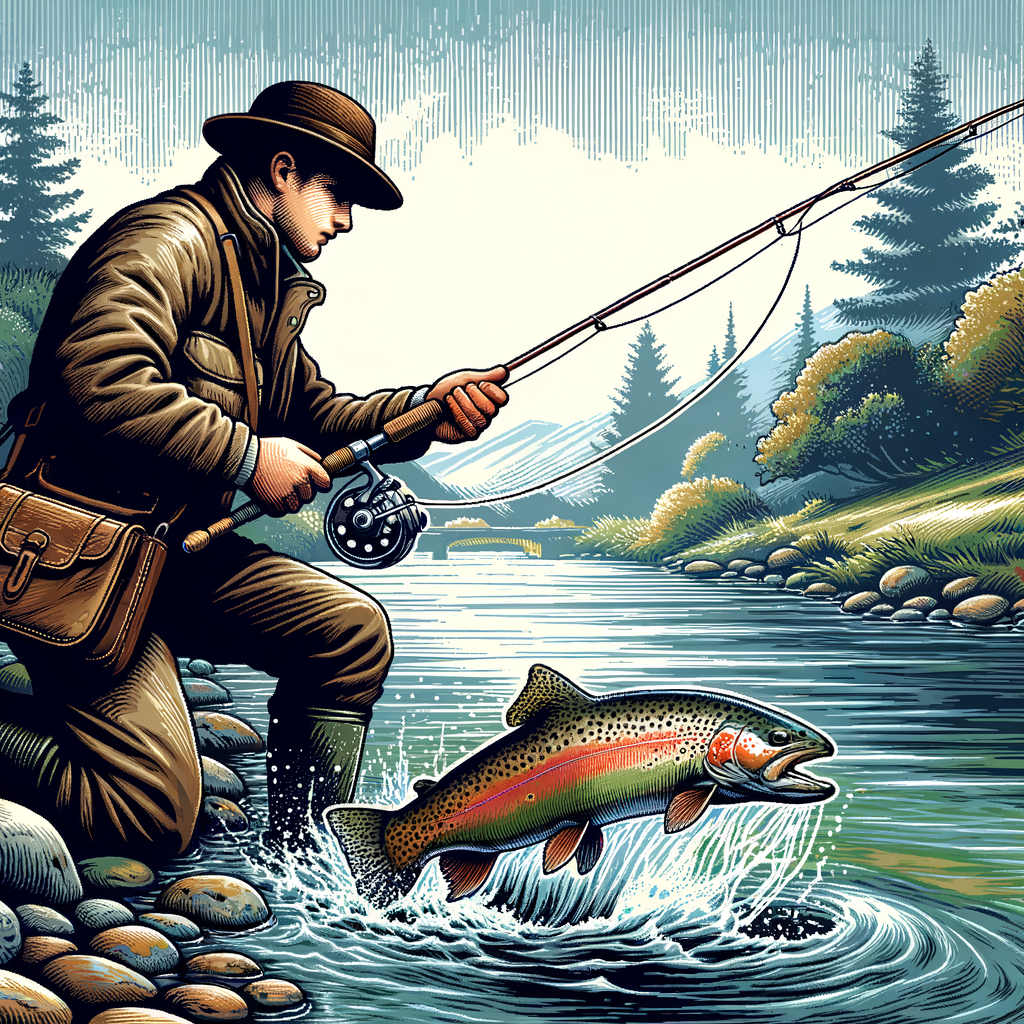
Stealth is essential. With lower water levels, fish are more exposed and alert. Anglers must exercise caution to avoid being seen or felt by the fish, often staying low and using natural obstacles for concealment. Real-world example: On the Little River in Tennessee, anglers often crouch behind rocks or bushes to stay out of sight.
Precision casting becomes more significant as well. Fish confined to smaller pools or narrow runs in low water conditions often require an accurate presentation to entice a strike. An angler may find success in low water by mastering short, targeted casts, ensuring the fly lands softly as not to spook the fish.
In terms of fly selection, anglers should opt for smaller flies and lighter lines. In the Frying Pan River, Colorado, anglers have noted greater success using size 18-22 flies that mimic the prevailing natural diet of the fish, such as small midges and emergers. Using lighter lines enhances both stealth and presentation, reducing disturbances that might typically startle a fish.
Identifying and Understanding Fish Habitats
Low water conditions drastically alter the typical habitats fish occupy. Understanding these changes is instrumental for anglers aiming to locate fish more efficiently. Habitat changes often include less movement and more reliance on cover, such as rocks, submerged logs, or deeper holes.
Fish in low water conditions tend to seek shelter where they can avoid predators and excessive sunlight. Consider the real-world scenario on the Madison River in Montana, where fish often congregate around shade-casting banks or submerged roots. Such areas provide both protection and cooler water temperatures, which are crucial for fish survival in shallow, warmer waters.
Effectively targeting these new habitats demands that anglers spend time observing the water before casting. This observational patience pays off by identifying subtle surface disturbances or shadows that betray fish presence. Additionally, understanding the flow of current in these habitats can lead to more successful drifts of the fly along the natural feeding lanes.
Impact of Low Water Conditions on Trout and Other Species
Low water conditions primarily impact trout, a favorite among fly fishers, but the effects extend to a multitude of river species. These conditions often prompt changes in behavior, diet, and general well-being. Lower water levels result in increased temperatures, which can stress cold-water species like trout.
Trout might become more lethargic, reduce their feeding frequency, and favor specific times of the day such as early morning or late evening, which coincide with cooler temperatures. Real-world example: On the San Juan River in New Mexico, anglers have noted success during the cooler hours when trout are more actively feeding.
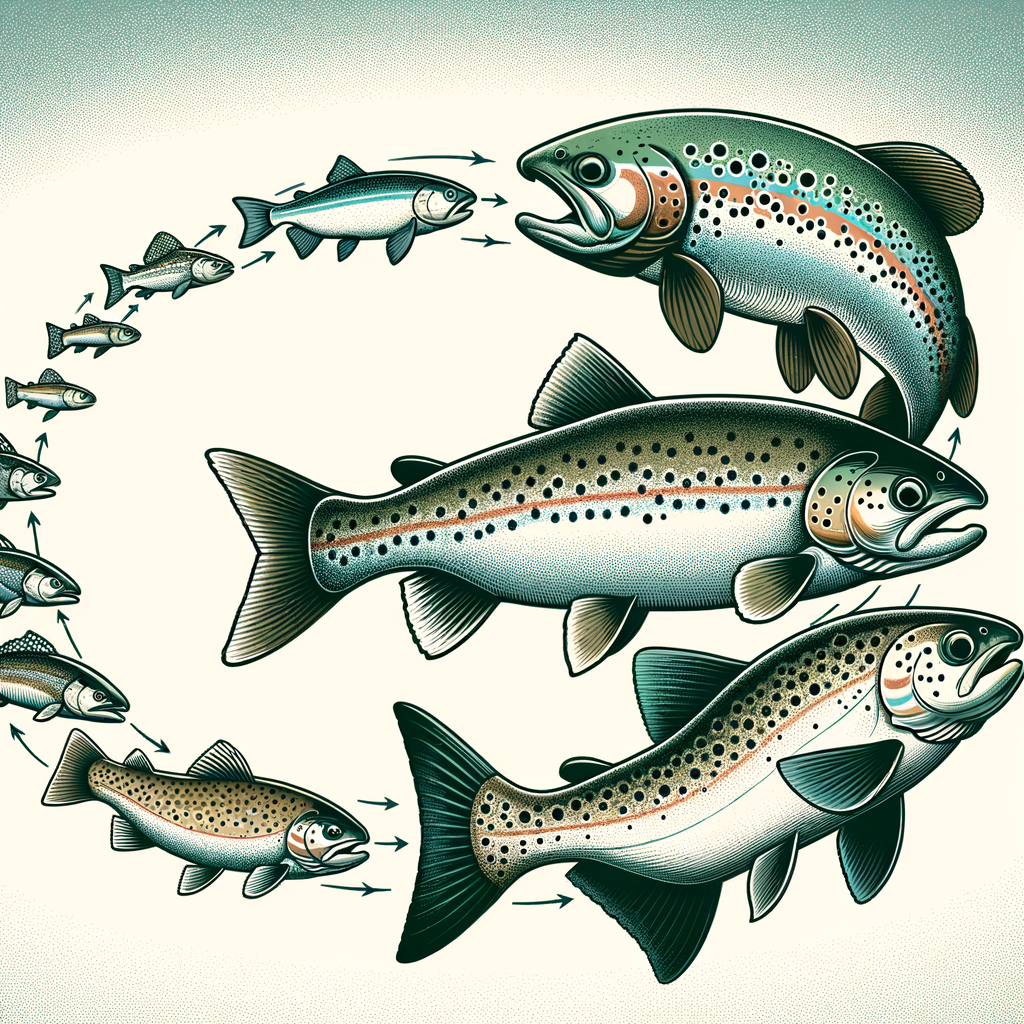
Moreover, low water conditions can lead to competition for food resources and alter predator-prey dynamics. Smaller areas with limited food supply might result in delayed growth or increased juvenile mortality. Understanding these dynamics is critical for anglers, not only for successful fishing but for sustainable practices that ensure the river ecosystem’s health.
Here’s a breakdown of the impact on different species typically targeted by fly fishermen:
| Species | Impact | Adaptation for Anglers |
|---|---|---|
| Trout | Increased sensitivity to temperature and reduced cover | Fish in cooler times and mimic available food sources |
| Brook trout | More susceptible to habitat changes due to smaller size | Seek out shaded pools and undercuts |
| Smallmouth bass | May thrive in warmer shallow waters | Use topwater patterns to mimic prey |
Conservation Considerations During Low Water Conditions
Fly fishing is not only a sport but also a call to stewardship of natural resources. During low water conditions, anglers must consider the conservation impact of their activities. Fewer flows not only affect fish but the entire ecosystem, including aquatic plants and other wildlife.
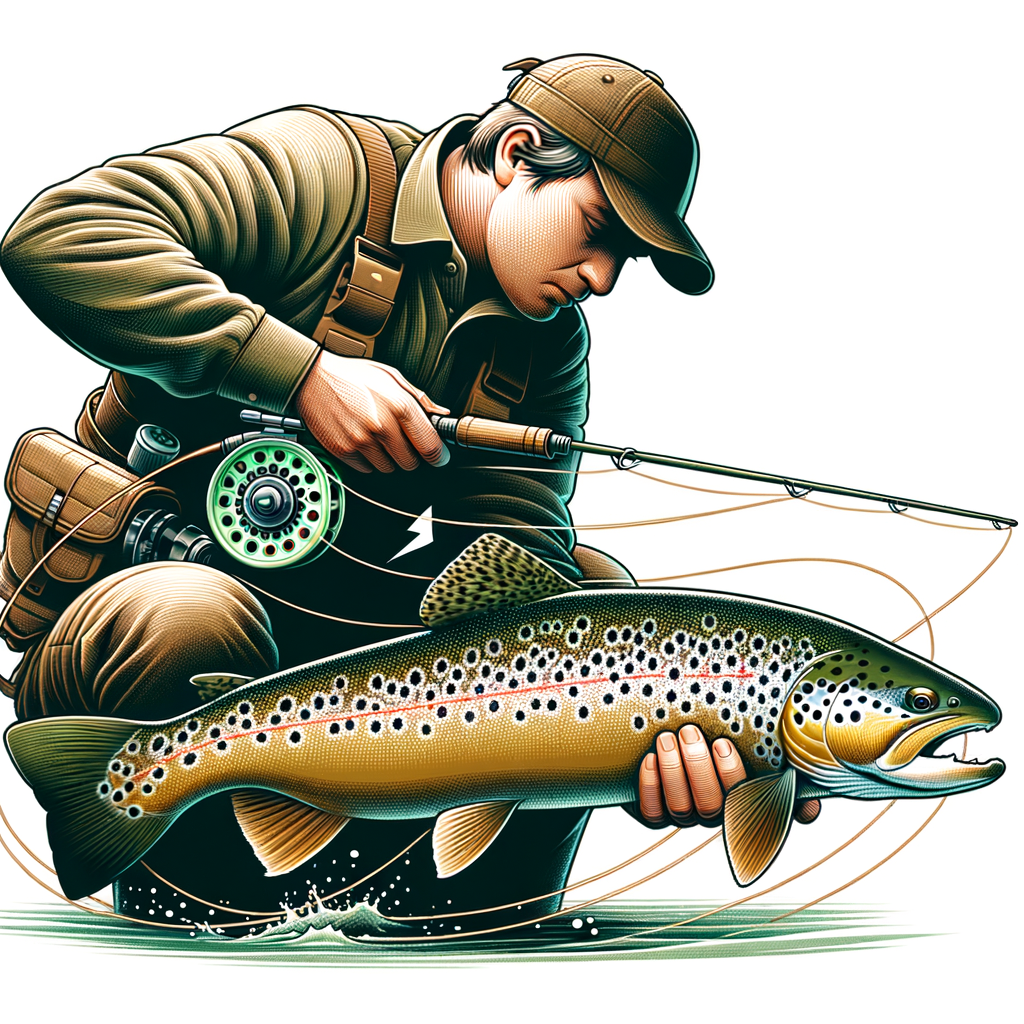
Practicing catch and release becomes even more vital in low water conditions. Real-world example: In California’s Smith River, local fishing clubs advocate for handling fish minimally to prevent undue stress or injury caused by warm water temperatures. Using barbless hooks and keeping fish in water during the release process reduces harm.
Furthermore, anglers are encouraged to educate others about the importance of preserving habitats and ensuring that personal actions do not exacerbate already fragile conditions. This includes carrying out waste, avoiding the trampling of banks, and respecting restricted fishing areas designed to protect fish populations.
By recognizing the ecological significance of their actions, anglers contribute to the longevity and health of their fishing environments. This perspective ensures that fly fishing traditions can be sustained and passed on to future generations.
Summary and Next Steps for Low Water Fly Fishing
In summary, fly fishing in low water conditions requires a sophisticated understanding of both fish behavior and ecological impacts. Through the adoption of adaptive techniques, such as stealthy approaches, accurate fly presentation, and mindful conservation practices, anglers can overcome the challenges posed by these conditions. The dedicated observation of habitats and the willingness to adjust strategies based on real-world insights are key takeaways for any angler eager to maintain both the thrill of the catch and ecological stewardship.
Fly fishing in low water can initially appear daunting, but it offers an opportunity for anglers to hone their skills and embrace the subtleties that make the sport both challenging and rewarding. The main benefit to the reader is the empowerment gained from knowledge, enabling more successful fishing excursions while remaining conscientious of the environmental context.
As you plan your next fly fishing adventure, consider the conditions of your chosen water body and how you may need to adjust your techniques accordingly. Take the time to observe, adapt, and always prioritize sustainable practices. With both mindset and method aligned, you will not only achieve fishing success but also contribute to the preservation of these cherished ecosystems.
Frequently Asked Questions
1. What are low water conditions in fly fishing?
Low water conditions occur when water levels in rivers and streams fall below their usual levels. These conditions can result from a variety of factors, such as prolonged dry weather, upstream water management, or seasonal changes. For fly fishers, low water levels present unique challenges and opportunities. Fish might be more visible and concentrated in specific areas, but they can also be more easily spooked due to the reduced depth and clearer water. Additionally, the reduced water flow can change the types of insects available, which might require adjustments in your choice of flies. In essence, when fishing in low water conditions, an angler needs to be more strategic in their approach, considering everything from stealth to fly selection.
2. How do low water conditions affect fish behavior?
Fish behavior changes significantly during low water conditions. Since the water levels are diminished, fish seek deeper, cooler pools where they can feel more secure from predators and less affected by fluctuations in temperature. These pools also have more oxygen, which is essential as the reduced flow can lower oxygen levels in shallower areas. Fish become more cautious, as they are more exposed to predators, human and otherwise. They can become more sensitive to vibrations and movement, meaning that anglers need to be more stealthy when approaching. Understanding these behavioral shifts is essential when targeting specific species in low water, as you’ll need to locate these deeper refuges and present your fly with utmost precision and delicacy.
3. What techniques can improve success when fly fishing in low water conditions?
Several techniques can enhance your chances of success when fly fishing in low water conditions. Stealth is paramount, as the fish are easily spooked in shallow, clear water. Move slowly and quietly along the bank to avoid casting shadows and vibrations. Use longer leaders and finer tippets to present your fly more naturally and reduce the chances of a fish detecting your line. Dry flies and nymphs can be effective in these conditions, especially small, naturally colored patterns that match the insects available. Pay attention to insect hatches specific to the waterway and time of day. Additionally, focus your efforts on early morning or late afternoon when the lower light can make fish less wary, and temperatures are more favorable.
4. What are the best gear adjustments for low water fly fishing?
Adjustments to your gear can make a notable difference when fly fishing in low water. Opt for a lighter rod, as this will allow more finesse in your casts and presentations, which is crucial in the delicate conditions of low water. Consider using a longer, tapered leader to increase your fly’s distance from the line and improve your stealth. Finer tippets, like 5X or 6X, can reduce the visibility of your connection. Fly selection is also critical; choose patterns that closely mimic the available food sources and are sized appropriately for the fish’s current behavior. Waders might not be necessary, but if used, be mindful of the noise they can produce when entering the water.
5. How can I identify the best fishing spots in low water conditions?
Identifying prime fishing spots in low water conditions requires keen observation and understanding of the river’s dynamics. Look for deeper pools, where fish are likely to congregate due to increased depth and oxygen levels. Structures such as rocks, fallen logs, and submerged debris can create hiding spots and areas of reduced current flow. These serve as natural ambush points where fish can rest while waiting for food to drift by. Additionally, focus on the edges of faster-running channels or the tailouts of pools, as they can provide feeding opportunities while still offering some cover. Observing insect activity, such as hatch times and species present, will also give you clues about where fish might be feeding. Each waterway is unique, so spending time to study its specific characteristics in various conditions will greatly enhance your skills in locating the best spots during low water periods.