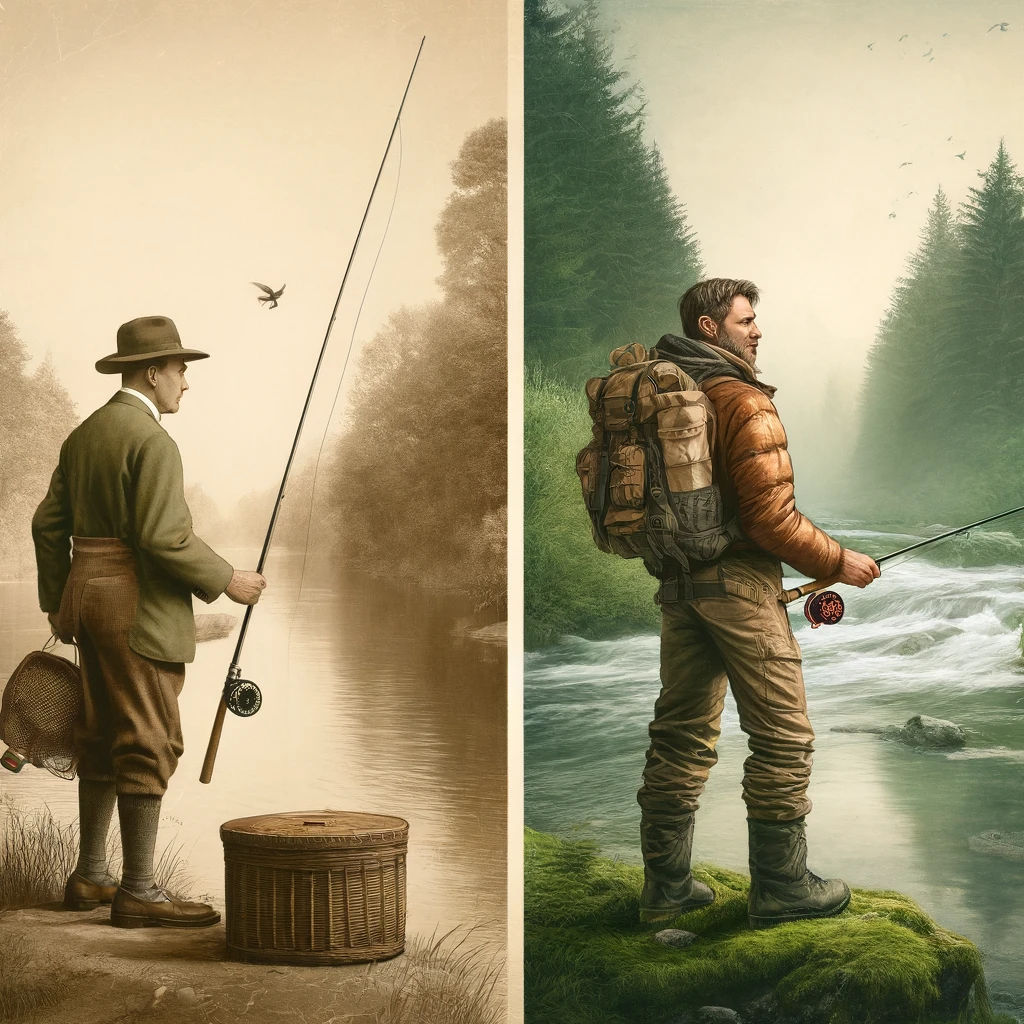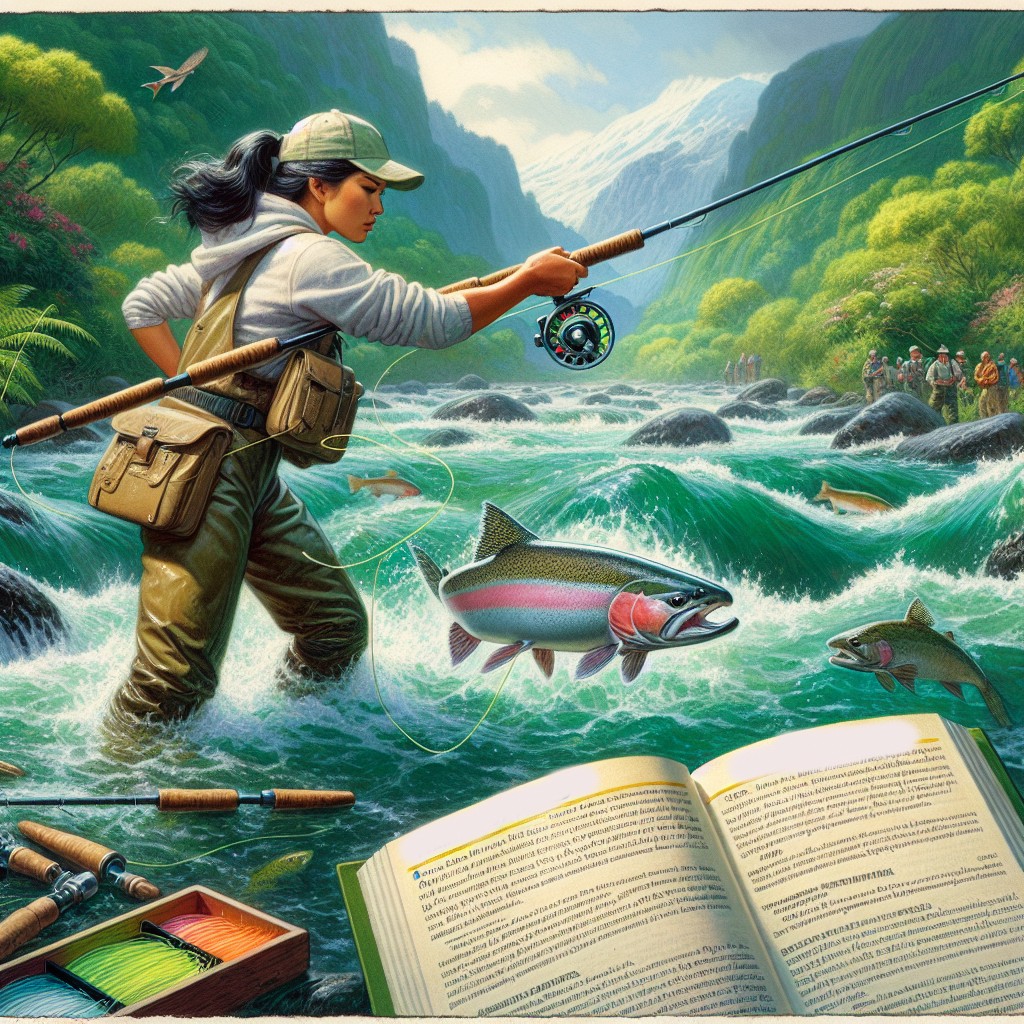
If you’re reading this, you’re likely fascinated by the lure of fly fishing, particularly targeting the prized steelhead. Renowned for their strength and acrobatic fights, steelheads provide a thrilling challenge for anglers of all skill levels. Steelhead are anadromous fish, meaning they migrate from the ocean into freshwater rivers to spawn, making them a unique and sought-after quarry. Learning the intricacies of their habits and habitats can be the decisive factor in your fly fishing success.
This guide aims to offer you comprehensive tips and practical advice for fly fishing for steelhead, whether you’re a novice or a seasoned angler. Knowing where to find steelhead, understanding their behavior, choosing the right gear, and mastering the best techniques will elevate your fly fishing experience. Let’s dive into the essentials you need for a rewarding steelhead catch.
Where to Find Steelhead
Locating steelhead can be a daunting task, but understanding their migrations and preferred habitats will put you ahead in the game. Steelheads usually inhabit cool, clear rivers with gravel beds where they can spawn. Key regions in the Pacific Northwest, such as the Columbia River Basin and coastal rivers in Oregon and Alaska, are prime locations for steelhead fishing.
Timing is also critical. The best periods are during the steelhead runs, typically in the late fall, winter, and early spring. During these times, steelhead move upstream in search of spawning grounds. When selecting your fishing spot, key areas to target include:
- Deep pools: Steelheads often rest in deep, slow-moving pools after navigating rapids.
- Riffles: These shallow sections with faster water provide oxygen-rich environments that attract steelheads.
- Tailouts: The transitional zone between pools and runs can be prime for steelheads.
- Structure: Look for submerged logs, boulders, or undercut banks that offer cover to these fish.
Understanding these habitats will significantly improve your chances of a successful catch, as you’ll be fishing in the steelhead’s preferred environments.
Essential Gear for Steelhead Fly Fishing
Having the right equipment can make or break your steelhead fishing adventure. Steelheads are powerful fish that require sturdy gear designed to withstand their vigorous antics. Here’s a rundown of the essential gear you need:
- Rod: A 7 to 9 weight fly rod, usually around 10 to 12 feet long, is ideal for steelhead. The rod should be robust yet flexible enough to absorb the fish’s dynamic movements.
- Reel: Match your rod with a quality reel that has a strong drag system capable of handling long runs and sudden bursts from steelhead.
- Line: Use a floating line with a sinking tip or a full sinking line for varying water depths. Spool your reel with a 20 to 30 lb backing for those extended fights.
- Leaders and tippets: Opt for tapered leaders ranging from 9 to 15 feet in length, coupled with a 12 to 20 lb test tippet.
- Flies: Popular fly patterns include the Egg Sucking Leech, Intruder, and Spey flies. Stock a variety of sizes and colors to adapt to changing water conditions and steelhead preferences.
Equipping yourself with high-quality gear enhances your fishing experience by making it more efficient and enjoyable. Remember, while having the best gear doesn’t guarantee a catch, it undoubtedly increases your odds and comfort.

Mastering Techniques for Steelhead Fly Fishing
Even with perfect gear, your success greatly depends on effective fishing techniques. Steelhead fly fishing techniques vary based on seasonal behavior, water conditions, and personal preference. Here are some vital strategies to employ:
- Dead drifting: This technique involves allowing your fly to drift naturally in the current, imitating natural food sources. Keep slack to a minimum and use mend to provide a drag-free drift.
- Swinging: Cast across the river and let your fly swing downstream in an arc. This method is especially effective in attracting aggressive steelhead.
- Nymphing: Use weighted nymphs or add split shots to your line to fish deeper in the water column. Focus on riffles and runs where steelhead are likely to feed.
- Skating: This involves creating surface disturbances with a dry fly or waking fly. This technique can be thrilling and productive, particularly in the early morning or late evening.
Adaptability is crucial. Sometimes a subtle change, such as switching flies or adjusting your presentation, can trigger a strike. By mastering these techniques and being willing to experiment, you’ll increase your chances of landing that prized steelhead.
Understanding Steelhead Behavior and Seasonal Patterns
Steelhead behavior can be puzzling, but understanding their patterns and preferences can be the key to success. These fish are known for their erratic and unpredictable movements, influenced by several factors:
- Water temperature: Steelheads are more active in cooler water temperatures, typically ranging between 45 to 55 degrees Fahrenheit. During warmer months, focus on deeper pools and shaded areas.
- Water flow: High water flow can spur upstream movement, while low flows may make steelheads more lethargic, requiring more patience and strategic fishing.
- Spawning season: During spawning runs, steelheads become territorial and more inclined to strike out of aggression, making them more accessible to anglers.
Observing these behavioral cues and adjusting your tactics accordingly can dramatically improve your steelhead fly fishing success. This knowledge allows you to find and catch steelhead more effectively.
Conservation Tips for Responsible Steelhead Fishing
As passionate anglers, it’s crucial to practice responsible fishing to ensure that steelhead populations thrive for future generations. Here are some conservation tips to keep in mind:
- Catch and release: Many rivers have strict catch-and-release regulations. Ensure minimal harm by using barbless hooks and handling fish as little as possible.
- Limit your impact: Avoid fishing during peak spawning times and refrain from wading through spawning beds, known as redds, to prevent disturbing the eggs.
- Use proper gear: Match your gear to the size of the fish to ensure you can land and release them quickly, minimizing stress and injuries.
By following these principles, we contribute to the sustainable management of steelhead populations and preserve the aquatic ecosystems that support them.
Conclusion: The Thrill and Reward of Steelhead Fly Fishing
Fly fishing for steelhead is a rewarding endeavor that challenges your skills, patience, and knowledge. From selecting the perfect fishing spots to mastering advanced techniques and understanding steelhead behavior, each aspect plays a pivotal role in your success. Remember that fly fishing is as much about the journey as it is about the catch. Every trip provides an opportunity to learn, grow, and connect with nature in a unique and fulfilling way.
As you hone your skills and gain experience, the thrill of hooking a steelhead and the satisfaction of a well-fought battle will stay with you, making each fishing trip a memorable adventure. Happy fishing, and may your next outing be full of tight lines and triumphant catches!