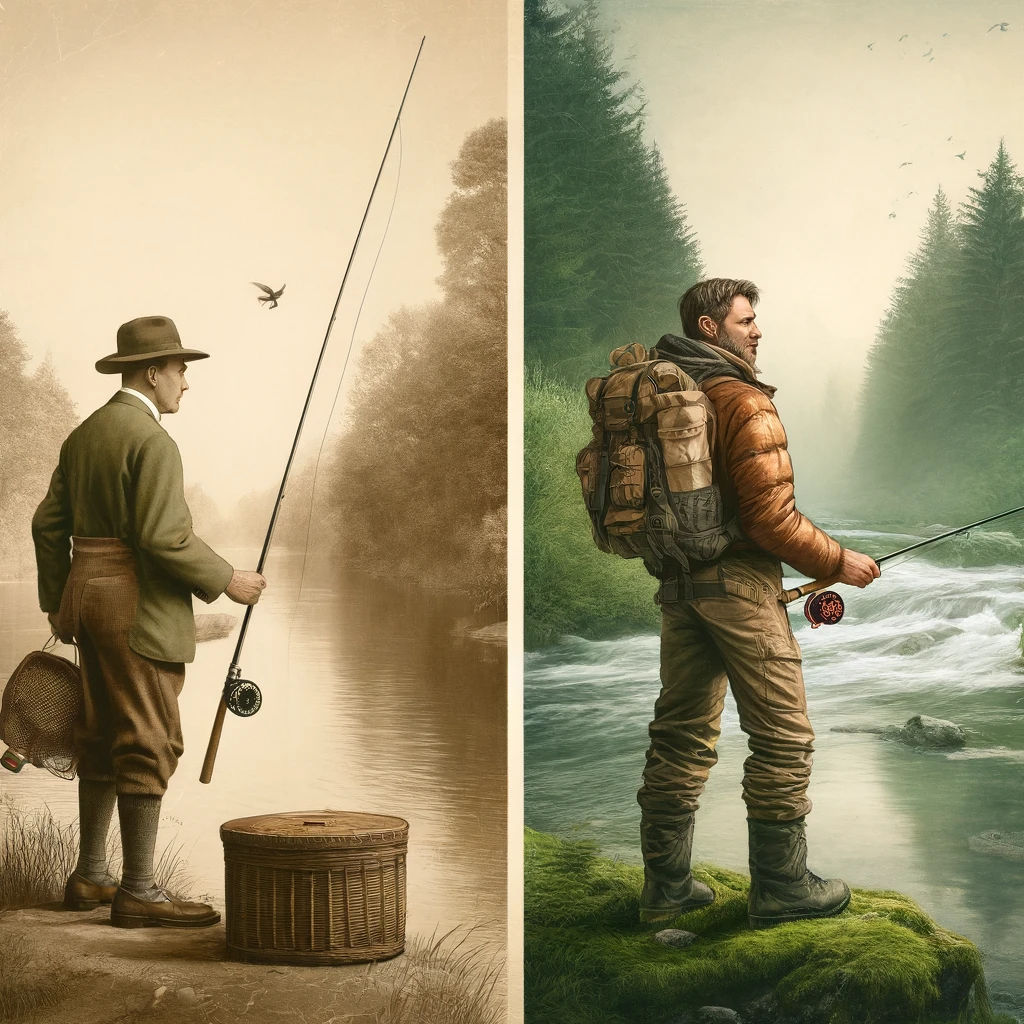
Fly fishing is often seen as a tranquil, almost meditative outdoor activity. It comes with a rich history, a plethora of gear options, and a deep dive into the techniques that can help an angler successfully catch fish. One of the most crucial, yet often overlooked, elements of fly fishing is stealth. In this article, we will dig into the importance of stealth in fly fishing and various techniques and strategies to master it, ensuring you cast with confidence and bring home a good catch.
Introduction
Fly fishing is an art form that combines patience, skill, and knowledge of natural behaviors. This method of fishing, using artificial flies to catch fish, dates back centuries and remains a beloved hobby for many. The charm of fly fishing lies in its ability to merge the angler with their surroundings, promoting an intimate understanding of the aquatic ecosystems they are a part of. Whether you’re wading through a stream or casting from the banks of a river, one of the most vital skills to hone is stealth.
The importance of stealth in fly fishing cannot be overstated. Fish are often highly sensitive to their surroundings, capable of detecting changes in light, sound, and even vibrations in the water. In many cases, the slightest disturbance can cause fish to scatter, significantly reducing your chances of a successful catch. Achieving stealth involves mastering a series of techniques, from how you approach the water to how you handle your gear and cast your line. Each of these elements plays a critical role in improving your overall success and experience as an angler.
The Approach: Getting to the Water
Before you even get your line in the water, how you approach your fishing spot can make all the difference. Stealth begins well before casting. Imagine you are a predator; any sudden movements or loud noises can send ripples through the water alerting your prey. Approach your spot slowly and quietly. Watch your steps, especially in shallow waters where the crunch of gravel or the splash of a misstep can be quite noisy.
To maintain stealth, wear muted colors that blend into your surroundings. Bright colors or whites stand out against natural backgrounds and alert fish to your presence. Camouflage not only helps you remain concealed but also makes you feel like a part of the environment, enhancing the overall experience.
Gear and Attire: More Than Just a Fashion Statement
Your choice of gear and attire can significantly impact your level of stealth. Every component, from your rod to your clothing, should be selected with care. Clothing-wise, muted earth tones are best. Waders should fit well and be quiet as you move.
When it comes to gear, consider the sound it makes. Opt for rods that don’t rattle and ensure that your reel operates smoothly and quietly. Keep your accessories and tackle in soft cases to minimize noise. Remember, the sound isn’t just about avoiding splashes; the clinking of tools or the rustling of your fly box can be enough to spook fish.

Cast and Presentation: Making Every Move Count
The way you cast and present your fly can greatly influence your success. The goal is to make your fly appear as natural as possible, imitating the movements of real insects. A delicate and accurate cast ensures that the fly lands softly on the water, minimizing splashes.
Practice makes perfect when it comes to casting. Guided by a smooth, fluid motion, aim to let the line unfurl in a controlled manner. Avoid slapping the water with your fly or the line. Additionally, utilize the ‘staggered degrees of casting’ by gradually increasing the distance of your cast to avoid startling fish further away.
Not only should the cast be delicate, but also the retrieval should mimic the real-life action of insects. Stripping the line too fast or in a jittery manner can appear unnatural and spook fish. Observation is key; watch how insects move on the water and try to replicate their actions.
Staying Out of Sight: Positioning and Shadows
Good positioning is a fundamental aspect of stealth in fly fishing. Avoid standing directly in the fish’s line of sight. Instead, position yourself slightly downstream or to the side. Fish typically face upstream, feeding on insects that drift with the current, so you want to approach them from behind or sideways to stay out of their direct view.
Another consideration is the shadow you cast. Shadows can be just as alarming to fish as noise or sudden movements. Be mindful of where your shadow falls; if possible, position yourself in a manner where your shadow doesn’t fall onto the water you are fishing. This can be particularly challenging on bright, sunny days, but careful positioning and timing of your fishing trips during lower light conditions such as early morning or late afternoon can help mitigate this issue.
Mental Preparation: Patience and Keen Observation
Mental preparedness is often the most underestimated aspect of fly fishing. Those who master mental discipline generally excel in maintaining stealth. Patience is critical; the rush and eagerness to catch fish can lead to hasty, noisy maneuvers that defeat stealth.
Train yourself to stay calm and patient. Spend time simply observing before you start fishing. Watch how fish behave in their environment, how they react to natural movements, and where they are most likely to congregate. This will inform your tactics and enhance your ability to stay stealthy.
Mental preparation also involves being adaptable. Conditions can change quickly; water levels can rise, and weather conditions can vary. Having the mental resilience to adjust your strategies while maintaining your focus and stealth is key to successful fly fishing.
Conclusion
Stealth is arguably one of the most essential aspects of fly fishing. From your initial approach to the water, the gear and attire you choose, your casting technique, to your ability to remain unseen and undetected, each element contributes to creating a harmonious fishing experience.
Successfully integrating stealth into your fly fishing practice not only increases your chances of a rewarding catch but also deepens your connection to the natural world. Remember, the goal is to become a part of the environment, moving with it rather than against it. By mastering stealth, you will not only catch more fish but also experience a greater sense of satisfaction and achievement in your fly fishing endeavors. So next time you’re out on the water, take a moment to slow down, be patient, and embrace the art of stealth.