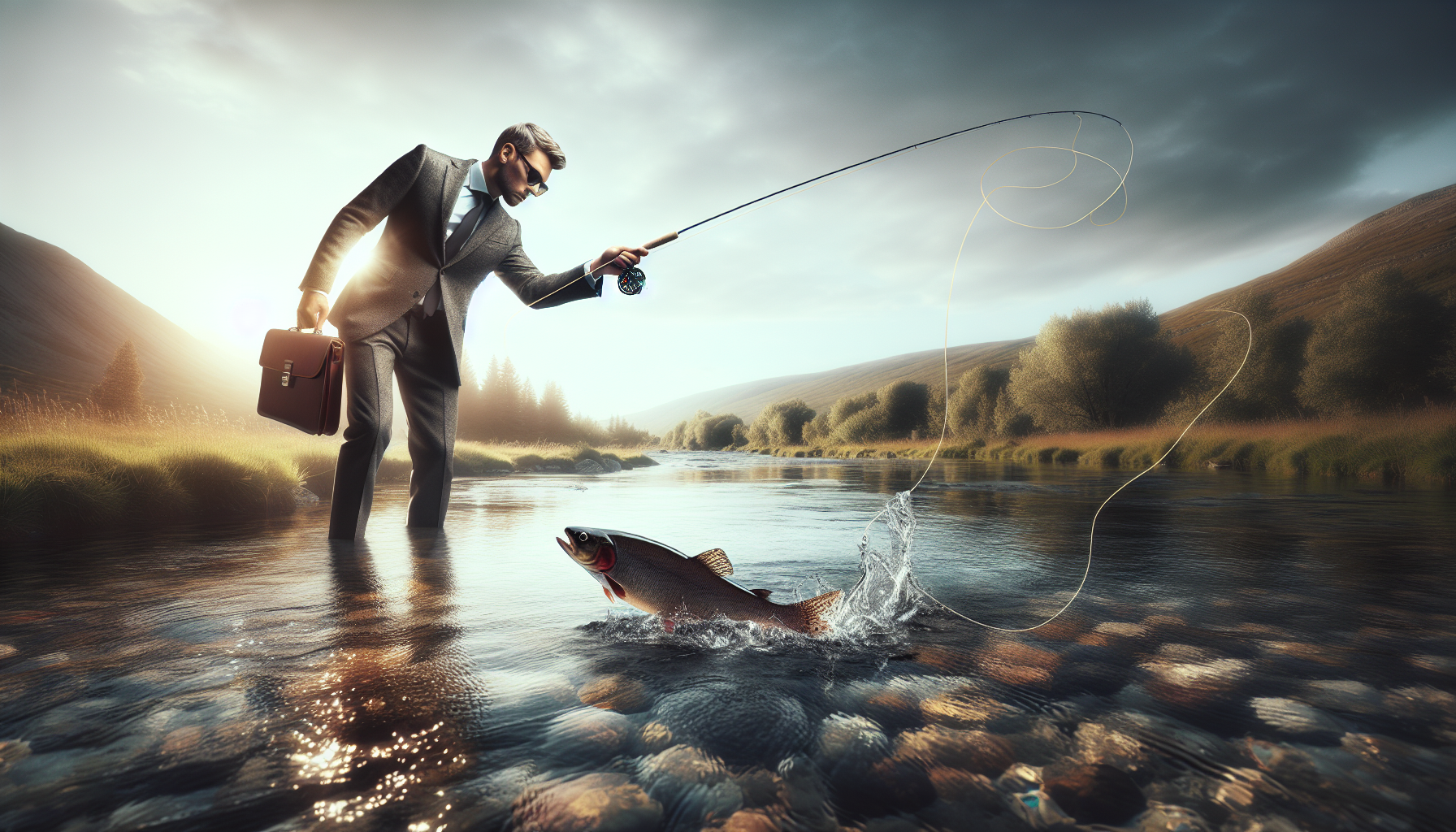
Using social media for fly fishing conservation advocacy means applying digital platforms to protect rivers, fisheries, access, and angling culture through organized education, storytelling, and action. In practical terms, it is the bridge between what happens on the water and what influences policy, habitat restoration, public opinion, and local stewardship. For fly anglers, conservation advocacy is not abstract. It includes defending coldwater habitat, improving stream access, supporting native fish recovery, reducing pollution, promoting ethical catch-and-release, and helping communities understand why healthy waters matter. Social media has become one of the fastest ways to move those goals from small conversations at the boat ramp to coordinated campaigns that reach guides, clubs, biologists, nonprofits, and lawmakers.
I have worked on campaigns where a single photo of a dewatered tributary, paired with a clear explanation and a link to a public comment form, drove more useful engagement in two days than a month of generic posting. That experience is common across conservation communications. People respond when advocacy is concrete, local, and tied to shared values. Fly fishing is especially well suited to this format because anglers already document water conditions, fish populations, hatches, crowding, and access changes. When that information is presented responsibly, social platforms become both a listening tool and an organizing system.
This matters because conservation outcomes increasingly depend on public visibility. Agencies still rely on scientific assessments, environmental review, and formal rulemaking, but digital attention can influence which issues get noticed, funded, and acted on. A culvert replacement, a dam removal proposal, a low-flow emergency, or a proposed mine upstream of a trout watershed all compete for limited public attention. Social media helps conservation groups explain urgency in plain language, show evidence, answer common questions, and direct supporters toward useful next steps. For a hub page focused on community and advocacy, the central lesson is simple: effective fly fishing advocacy online is not about posting more content. It is about building trust, amplifying credible information, and converting attention into measurable stewardship.
Key terms define the work. Community means the network of anglers, guides, shops, clubs, scientists, landowners, and local residents connected to a watershed. Advocacy means public support for a cause, often through education, campaigning, testimony, fundraising, volunteer recruitment, or policy engagement. Conservation, in this context, is the long-term protection and restoration of aquatic ecosystems and fish populations. When those three elements align on social media, they can strengthen local relationships while also creating regional or national momentum. That combination makes this topic the hub of community and advocacy within conservation and ethics.
Why social media matters for fly fishing conservation advocacy
Social media matters because it compresses the distance between observation, explanation, and action. An angler who sees elevated water temperatures, algae blooms, bank erosion, or fish handling abuse can document the issue and, if done carefully, connect that evidence to broader education. Platforms such as Instagram, Facebook, YouTube, LinkedIn, and increasingly short-form video channels each serve different functions. Instagram is effective for visual storytelling and issue awareness. Facebook remains strong for local groups, event coordination, and longer discussions. YouTube works well for deeper explanations, such as habitat restoration walkthroughs or interviews with fisheries biologists. LinkedIn can help connect nonprofit leaders, outfitters, watershed professionals, and funding partners.
The strongest campaigns answer practical questions quickly. What happened? Why does it matter to trout, salmon, steelhead, or warmwater species? Who is affected? What can supporters do today? If a post cannot answer those basics, it usually does not move people beyond passive approval. In my own campaign work, the most successful advocacy posts avoided insider language. Instead of saying a watershed faced “thermal impairment concerns,” we explained that afternoon temperatures were rising above what trout could tolerate and that anglers should stop fishing during peak heat while supporting flow protections. Clear communication consistently outperforms jargon.
Social platforms also provide social proof. When respected guides, local fly shops, chapter leaders, and fisheries scientists share the same message, audiences understand that the issue has legitimacy. That credibility is vital in conservation because opposition groups often frame protections as unnecessary, anti-business, or driven by outsiders. A visible coalition of local voices can counter that narrative. The goal is not outrage for its own sake. The goal is informed consensus, backed by evidence and directed toward solutions.
Building a credible advocacy strategy around community
Effective advocacy starts with a community map. Identify who influences anglers and who affects conservation outcomes. That usually includes guides, clubs, outfitters, watershed councils, state fish and wildlife agencies, indigenous organizations, riverkeepers, local businesses, land trusts, and elected officials. Once those groups are visible, define the role each one can play. A fly shop may host a cleanup or distribute signage about fish handling. A guide may provide field observations and trusted local context. A biologist may explain why spawning closures matter. A nonprofit may coordinate petitions, comment letters, or donations. Social media works best when these roles are aligned before a campaign launches.
Credibility depends on documentation. Use primary sources whenever possible: agency reports, water temperature logs, environmental impact statements, peer-reviewed fisheries science, restoration plans, and direct statements from affected communities. Tagging a dramatic image with a vague accusation can create attention, but attention without proof often damages trust. A stronger post includes the claim, the evidence, the source, and the action. For example, if a proposed development threatens stream flows, link to the permit application, summarize the hydrology concern, quote the relevant rule or review timeline, and direct people to a comment portal before the deadline.
Consistency matters as much as urgency. Audiences notice whether an account only appears during controversy or regularly contributes useful information. The best conservation advocates post year-round about habitat work, ethics, fish biology, access stewardship, youth programs, invasive species prevention, and seasonal concerns such as hoot owl restrictions. That steady record makes campaign messages more persuasive because followers already associate the account with practical value rather than performative activism.
What content works best: education, proof, and action
Not every social post should ask for something. The strongest mix usually combines educational content, field reporting, community recognition, and calls to action. Education explains concepts that supporters need in order to advocate well. That might include how stream temperature affects dissolved oxygen, why riparian shade matters, how sediment smothers redds, or why native fish need passage around barriers. Field reporting brings those concepts into the real world through photos, short videos, before-and-after restoration images, and interviews from the riverbank. Community recognition highlights volunteers, local partners, and businesses that support stewardship. Calls to action then convert that attention into comments, donations, attendance, or behavior change.
One practical way to structure content is to pair every advocacy ask with evidence and every evidence post with a human story. If a watershed council is raising money for large wood placement, show the stream reach, explain how cover and flow complexity improve juvenile survival, and include a guide or landowner describing what changed after earlier projects. If anglers are being asked to stop targeting trout during extreme heat, explain the science of post-release stress, show current temperature readings, and offer alternatives such as targeting bass at cooler times or volunteering for habitat work. Specificity increases compliance because people understand the reasoning.
| Content type | Best use in advocacy | Example for fly fishing conservation |
|---|---|---|
| Short video | Quick issue explanation and emotional reach | Guide explains why low summer flows require angler restraint |
| Photo carousel | Show evidence, sequence, or before-and-after change | Habitat restoration project from eroded bank to replanted corridor |
| Infographic | Clarify regulations, deadlines, or science | Temperature thresholds and safe fish handling practices |
| Live stream | Real-time Q&A and community building | Biologist answers questions about dam removal impacts |
| Email-linked post | Drive measurable action off-platform | Public comment submission for a threatened trout stream |
Choosing platforms and matching the message
Different platforms reward different behaviors, so conservation advocates should match format to objective. Instagram works when visuals can carry the issue: streamside degradation, volunteer turnout, fish passage barriers, macroinvertebrate sampling, or restoration progress. Captions should still do real work by adding context, location relevance, and a next step. Facebook excels when the goal is discussion, event coordination, or mobilizing existing local networks. Posts there can include longer explanations, maps, meeting details, and comments from partners. YouTube is ideal for evergreen educational assets that remain useful over time, such as “how to submit a fisheries management comment” or “what thermal stress means for trout.”
Short-form video platforms can be powerful but require discipline. Their speed encourages simplification, and environmental issues often lose nuance when reduced to a dramatic clip. If you use them, anchor every claim in something verifiable and include a path to deeper information. LinkedIn is underused in fly fishing advocacy, yet it can help connect grant makers, restoration contractors, tourism boards, researchers, and business owners who influence watershed outcomes. For regional campaigns, an integrated approach works best: short awareness on one platform, fuller explanation on another, and a landing page or newsletter signup that keeps supporters connected beyond algorithm changes.
As a hub within community and advocacy, this page connects naturally to related subtopics such as organizing local cleanups, writing public comments, ethical fish handling, supporting indigenous stewardship, and partnering with fly shops for conservation events. Social media should reinforce those internal pathways. When someone discovers a post about catch-and-release ethics, they should quickly find connected guidance on volunteering, donations, access etiquette, and policy engagement. That continuity turns interest into a sustained conservation habit.
Responsible storytelling, ethics, and risk management
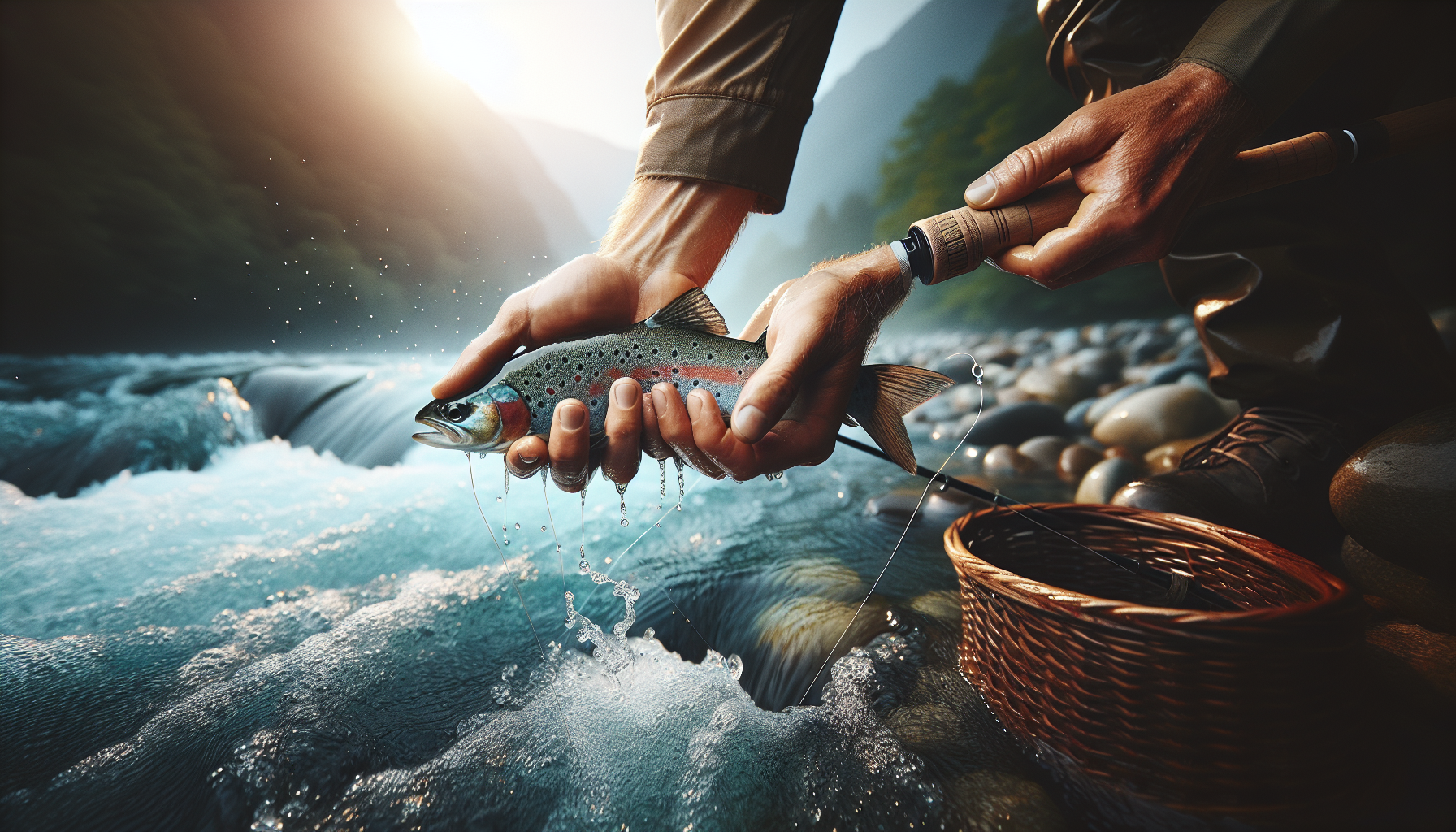
Advocacy in fly fishing carries ethical responsibilities. Not every location should be publicized, and not every fish image helps conservation. Sensitive spawning areas, fragile native fisheries, and small waters can be harmed by geotagging or sudden attention. Responsible advocates remove precise location data when necessary, prioritize habitat over hero shots, and avoid imagery that normalizes poor fish handling. If the message is conservation, the visuals should model conservation. Keep fish wet, avoid prolonged air exposure, and do not build campaigns around grip-and-grin photos that undermine the point.
There are also legal and reputational risks. Public accusations against a landowner, business, or agency should be supported by documented facts. If a pollution event appears to be occurring, contact the appropriate reporting authority, gather evidence safely, and distinguish clearly between confirmed information and what is still being investigated. Misinformation spreads quickly, especially during emotionally charged local disputes. A correction posted later rarely reaches everyone who saw the original claim. That is why good advocacy accounts use verification protocols before publishing. In my own work, that has meant waiting an extra hour to confirm discharge data or permit language rather than posting immediately and risking a credibility loss that would hurt the larger campaign.
Ethics also includes tone. People can care deeply without becoming contemptuous. Public shaming may generate engagement, but it often narrows coalitions and hardens resistance. Constructive pressure is usually more effective: name the issue, explain the impact, present evidence, and state the needed remedy. Reserve escalation for moments when softer approaches have clearly failed and the facts justify it.
Measuring impact and turning attention into real conservation results
The biggest mistake in social media advocacy is confusing visibility with impact. Likes do not restore habitat. Shares do not change regulations unless they lead to comments, meetings, funding, volunteer hours, or behavior shifts. Good measurement starts with defined outcomes. If the goal is policy engagement, track comment submissions, hearing attendance, legislator contacts, or signups to an action list. If the goal is stewardship, track cleanup registrations, tree plantings, invasive species reporting, or thermometer loan participation. If the goal is fundraising, measure conversion rate, average gift size, and donor retention after the campaign.
Use platform analytics, but connect them to off-platform data. UTM parameters, email signup forms, event software, and donation tracking can show which content actually moves supporters. In one river campaign I observed closely, the post with the highest reach was not the top converter. A simpler post featuring a local guide and a direct deadline produced far more public comments because it made the action clear and urgent. That pattern repeats often. Practical relevance beats polished generality.
Long-term success comes from building a repeatable system. Create a content calendar around seasons, policy windows, and restoration milestones. Maintain a library of approved facts, maps, photos, and partner quotes. Establish response templates for common questions about access, fish stress, volunteer opportunities, and regulations. Most importantly, keep the community loop active after the campaign ends. Report back on outcomes. Tell followers what changed, what failed, and what still needs support. That accountability is how social media stops being noise and becomes a reliable tool for fly fishing conservation advocacy.
Using social media for fly fishing conservation advocacy works when it connects authentic community voices with credible information and clear action. The most effective advocates do three things consistently: they educate people in plain language, they document issues with evidence, and they direct attention toward measurable outcomes. That approach helps protect watersheds, support ethical angling, strengthen local relationships, and influence decisions that affect fish and habitat for years to come.
As the hub for community and advocacy within conservation and ethics, this topic ties together the practical parts of modern stewardship. It connects online storytelling to river cleanups, public comment campaigns, restoration fundraising, youth education, access defense, indigenous partnership, and everyday on-the-water responsibility. Social media is not a substitute for field work, science, or policy process. It is the amplifier that helps those efforts reach the people who can strengthen them.
If you want better outcomes, start small and stay disciplined. Choose one local issue, gather solid sources, explain it clearly, partner with trusted voices, and give supporters one useful next step. Then measure what happened and improve the next campaign. Done well, social media can help the fly fishing community protect the waters and fish that make the sport possible.
Frequently Asked Questions
How can social media actually help fly fishing conservation advocacy?
Social media helps turn individual concern into visible, organized public advocacy. For fly anglers, that matters because many of the most important conservation issues, such as coldwater habitat protection, native fish recovery, stream access, water quality, and watershed restoration, are influenced by public awareness as much as by science and policy. A well-used social platform allows anglers, guides, conservation groups, outfitters, and local communities to share field observations, explain why a river or fishery matters, and connect those stories to specific actions people can take.
In practical terms, social media can amplify educational content, mobilize supporters for public comment periods, direct volunteers toward cleanup and restoration projects, and help people understand how local issues fit into larger conservation challenges. A short video about low summer flows, for example, can introduce followers to the effects of drought, warming water, and land use. A photo essay from a restoration site can show what habitat work looks like beyond slogans. A post linking to a fisheries commission meeting or access hearing can move people from passive support to direct civic participation.
It also gives conservation advocacy a human voice. People are more likely to care when they see real anglers, guides, biologists, and river communities speaking clearly about what is at stake. When used responsibly, social media becomes a bridge between time on the water and meaningful action off the water. It can shape public opinion, support fundraising, strengthen local stewardship, and keep conservation issues in front of decision-makers in a way that is timely, relatable, and hard to ignore.
What types of content work best for promoting fly fishing conservation on social media?
The most effective content usually combines education, storytelling, and clear calls to action. Audiences respond well when they understand not only what the issue is, but why it matters and what they can do next. For fly fishing conservation advocacy, that often means sharing content that connects a specific place, species, or problem to a broader conservation message. Strong examples include before-and-after habitat restoration images, river condition updates, explanatory graphics about stream temperatures or spawning closures, interviews with biologists or guides, and firsthand stories from anglers who care deeply about a fishery.
Short-form video can be especially powerful because it makes complex issues easier to understand. A 30-second riverbank clip explaining sediment runoff, warming water, invasive species, or dam impacts can perform better than a long written statement if it is clear and visual. That said, written captions still matter. Good captions provide context, identify the conservation issue accurately, and direct people toward a useful next step such as signing up for updates, attending a meeting, donating, or submitting comments.
Content tends to be stronger when it is specific rather than generic. Instead of saying “protect our rivers,” explain which river, what threat it faces, who is affected, and what action is needed. It also helps to vary your mix. Educational posts build understanding, action posts drive participation, and storytelling posts build emotional connection. The goal is not just engagement for its own sake. The goal is to build an informed community that sees conservation as part of responsible angling culture, not as a separate topic.
How do you advocate effectively on social media without spreading misinformation or oversimplifying conservation issues?
Effective advocacy starts with accuracy. Conservation topics in fly fishing often involve biology, hydrology, land management, public process, and local economics, so it is important to verify facts before posting. That means relying on reputable sources such as state and federal fisheries agencies, watershed groups, conservation nonprofits, university research, and recognized field experts. If you are sharing a developing issue, be transparent about what is confirmed, what is still uncertain, and where people can learn more.
Oversimplification is a common problem online because platforms reward speed and emotional reactions. The best way to avoid that is to keep your message clear without making it careless. You do not need to explain every technical detail in a single post, but you should avoid dramatic claims that are not supported by evidence. If a fishery is under stress, say why. If a policy proposal could affect access or habitat, explain how. If there are tradeoffs or competing viewpoints, acknowledge them honestly. Credibility is one of the most valuable assets any advocate has, and it is built through consistency, humility, and factual discipline.
It also helps to distinguish observation from expertise. An angler can responsibly say, “I noticed low flows and unusually warm water on this stretch,” but should be cautious about declaring the exact ecological cause without support. A strong practice is to pair firsthand observations with expert insight. Quote biologists, link to studies, and cite local conservation groups doing the work. That approach makes your advocacy more trustworthy and more persuasive. In the long run, social media accounts that prioritize clarity, evidence, and respect tend to have more influence than accounts built on outrage alone.
What are the biggest mistakes fly anglers make when using social media for conservation advocacy?
One of the biggest mistakes is treating conservation advocacy as branding rather than service. If the focus stays on personal image, trophy content, or self-promotion, the message can lose credibility quickly. Audiences usually recognize the difference between someone using a cause to build attention and someone genuinely trying to educate, organize, or protect a resource. Conservation messaging works best when the river, fishery, community, or issue remains at the center.
Another common mistake is posting emotionally charged content without a clear purpose. Anger can draw attention, but if a post does not tell people what happened, why it matters, and what to do next, it often creates noise rather than progress. Similarly, vague statements such as “they are ruining everything” do little to build understanding. Effective advocacy needs specifics, useful links, and practical next steps. It should move people toward informed action, not just reaction.
Fly anglers also sometimes overlook ethics and local sensitivity. Sharing exact locations of vulnerable fisheries, posting fish handling content that contradicts conservation values, or speaking over local stakeholders can undermine the advocacy message. If you are highlighting a small native trout stream, a recovering run, or a pressured access area, think carefully about what should remain general rather than highly specific. Conservation advocacy should protect resources, not expose them to additional pressure.
Finally, inconsistency is a major weakness. Many people post about conservation only when a crisis appears, then disappear once attention fades. Real advocacy requires follow-through. That means updating followers after meetings, reporting outcomes, thanking volunteers, supporting long-term projects, and continuing to educate even when the issue is no longer trending. Sustainable influence comes from showing that conservation is part of everyday angling responsibility, not just a temporary online campaign.
How can someone turn social media support into real-world conservation action for fly fishing?
The key is to design content that leads naturally from awareness to participation. Social media is excellent at helping people discover an issue, but real conservation impact comes when online attention becomes offline effort. That can include attending public meetings, submitting comments on regulations or permits, volunteering for stream restoration days, supporting native fish programs, donating to watershed organizations, contacting elected officials, or helping local groups with access and stewardship initiatives.
To make that transition easier, every major advocacy post should answer a basic question: what should supporters do now? Sometimes the next step is simple, such as clicking a link to read a proposal or sign up for an email list. Other times it involves a specific deadline, event, or community action. The more concrete the ask, the more likely people are to follow through. “Help protect this watershed” is broad. “Submit a public comment before Friday using this link” is actionable.
It also helps to build a sense of continuity. People are more likely to stay involved when they can see results. Share updates on policy decisions, restoration milestones, volunteer turnout, or fundraising progress. Highlight the people behind the work, including biologists, local advocates, guides, and community members. That reinforces the idea that conservation is not just a message but a process, and that individual participation matters.
For fly fishing communities, the strongest advocacy often grows from local relevance. If your audience fishes a specific watershed or cares about a certain species, connect your social content to those places and concerns. Social media is most powerful when it reminds people that conservation is not abstract. It affects the water they fish, the fish they value, the access they depend on, and the future of angling culture itself. When that connection is made clearly and consistently, online support becomes real stewardship.