Introduction to Fly Tying with Craft Store Materials
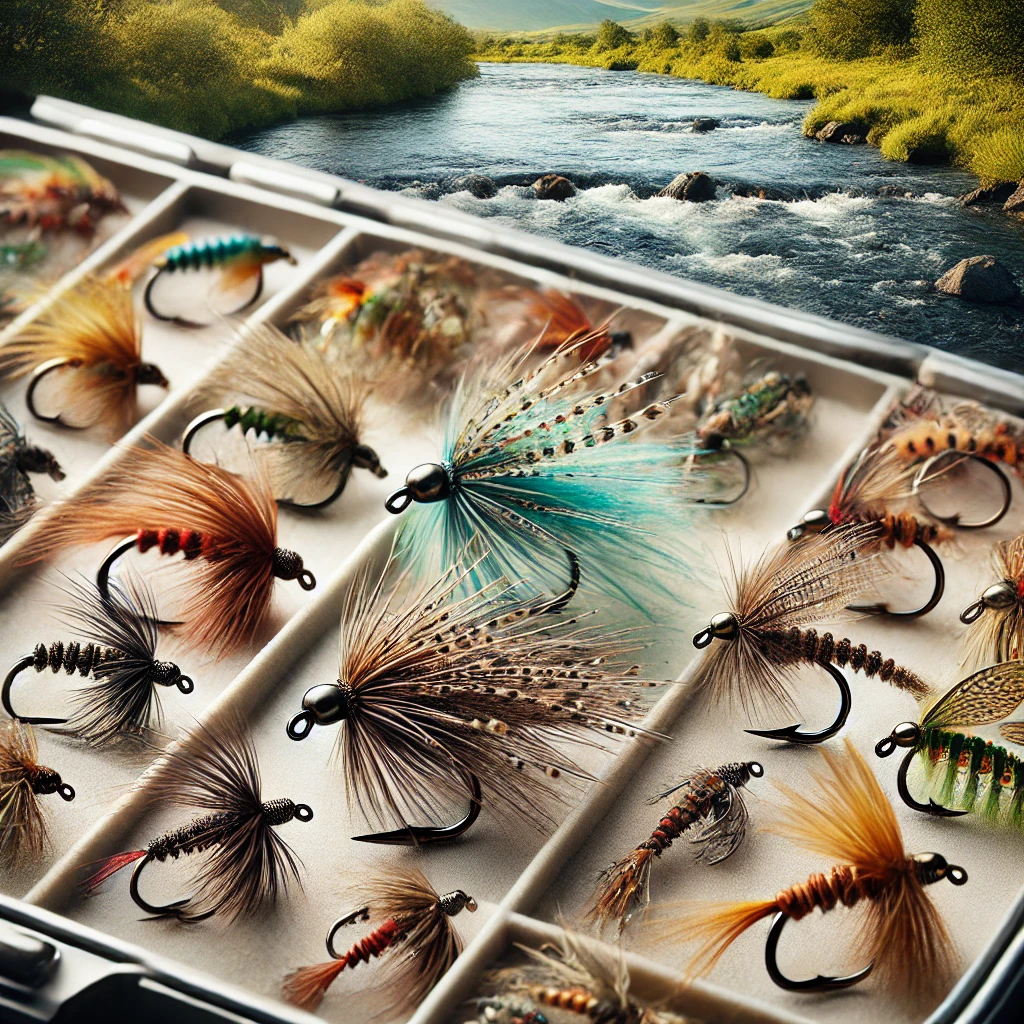
Fly tying is a creative and rewarding aspect of the art of fly fishing. It involves creating artificial flies that mimic natural insects, attracting fish to the hook. Traditionally, materials for fly tying are sourced from specialty stores. However, an increasing trend among fly tyers is utilizing craft store materials, making the hobby more accessible and affordable. Craft stores offer an array of materials that fly fishers can incorporate, from vibrant feathers to glimmering threads. Understanding this approach is crucial for both seasoned tyers seeking innovation and beginners looking to minimize costs.
The significance of using craft store materials in fly tying lies in its accessibility and affordability. These stores offer a plethora of items, often at lower prices than traditional fly tying supplies. As a result, more people can engage in this craft without the burden of high costs. Moreover, using materials from craft stores can inspire creativity through the diverse options available. By exploring these new materials, tyers can develop unique and highly effective flies that might not be possible with conventional supplies.
The Benefits of Using Craft Store Materials
Using craft store materials can significantly benefit fly tyers. One primary advantage is cost reduction. Specialty fly tying materials can be expensive, whereas craft stores offer bulk items at lower prices. Consider the case of crafting a basic woolly bugger fly. Typically, this requires marabou, chenille, and hackle, which can collectively cost upwards of $15 to $20 from a fly shop. In contrast, you can find similar items at a craft store and spend less than $10, acquiring larger quantities for future projects.
Another benefit is the vast selection of colors and textures available at craft stores. This diversity can lead to the creation of unique flies that stand out in waters where fish experience high fishing pressure. For example, instead of a traditional black woolly bugger, a fly tyer might use fluoro pink chenille found in a craft store to create a vivid variant, potentially leading to higher catch rates in clear water.
Main Craft Store Materials Ideal for Fly Tying
Several craft store materials can be substituted for traditional fly tying products effectively. The first category is feathers, which are staple materials in fly tying. Craft stores often sell inexpensive packs of feathers in various colors. While these are typically marketed for crafts or costumes, they can be used for fly tying by selecting those with proper length and fibers.
- Feathers: Look for pheasant and turkey feathers for nymph patterns.
- Chenille: Available in various textures, excellent for body work on flies.
- Beads: Used for weighting flies, craft store beads can be used in beadhead patterns.
- Yarns and Threads: Serve as cost-effective options for dubbing and body material.
Understanding Craft Store Feathers and Their Use in Fly Tying
Craft store feathers provide an array of uses for fly tying. For instance, if you’re tying a deceiver pattern typically made with hackle, the availability of craft feathers can offer similar aesthetic and movement in water. When using craft store feathers, it’s essential to select those with the right stiffness and length suitable for the pattern you are creating. A little experimentation can yield surprising results.
Consider the example of tying a classic dry fly. Suppose the original pattern specifies natural hackle from a fly shop. In this case, you can use craft feathers as they can provide the buoyancy needed for dry flies when treated correctly with floatant. Despite any initial skepticism, many experienced tyers have expressed amazement at the effectiveness of flies made entirely from craft store feathers.
Exploring Non-traditional Materials for Fly Tying
Craft stores are treasure troves of unconventional materials that can innovate fly designs. Glitter, foam sheets, and sequins offer potential creativity that many fly tyers are yet to explore. Sequins and beads can add a flash of attraction to your flies, mimicking the sheen of fish scales. A foam sheet can be cut and glued to form floating patterns and bodies for a wide array of flies, from ants to hoppers.
A case study observed a tyer using iridescent sequins on zonker patterns, effectively mimicking the scales of baitfish. The result was a new fly that performed exceptionally well in both fresh and saltwater, achieving results comparable to or even better than traditional flies.
Leveraging Yarn and Threads for Fly Body and Dubbing
Yarns and threads from craft stores can add excellent textures and colors to your flies. Available in extensive color ranges and varying textures, like metallic or woolly, they can provide essential elements for nymphs, streamers, and dry flies. Craft store yarns can be shredded and used as dubbing for dry fly bodies, offering an exceptional floatation when coupled with the right treatment.
Imagine tying a simple nymph pattern typically requiring costly specialty dubbing. By using an acrylic yarn from a craft store, you achieve a similar result at a fraction of the cost. Additionally, craft flosses make for excellent ribbing material on nymphs and can be more durable than fine wire without the risk of cutting the materials or the fish.
Utilizing Craft Store Beads in Fly Tying
Beads play a crucial role in fly tying, primarily for adding weight to get the fly to the necessary depth. Craft stores offer these beads in a vast variety of sizes and colors, suitable for any fly. Whether tying a beadhead nymph or a flashy streamer, these beads provide functionality teamed with aesthetic appeal. By experimenting with different colors, tyers can create flies that mimic a wide range of aquatic life.
For instance, tying a beadhead prince nymph usually means acquiring expensive brass or tungsten beads. However, utilizing inexpensive glass or metal beads from a craft store can achieve similar outcomes without breaking the bank. Moreover, using unconventional colors for beads can convey visual stimuli beyond what fish typically encounter, elevating the effectiveness of the fly.
Ensuring Quality and Durability of Craft Store Materials
While using craft store materials for fly tying can be advantageous, it’s important to prioritize quality to ensure that the tied flies withstand the rigors of fly fishing. When choosing materials, inspecting their strength and suitability for tying and water application is crucial. Not all craft store materials will be as durable as those created specifically for fly tying, particularly when exposed to water over long periods.
Critical advice includes testing materials for colorfastness and resistance to wear. A fly tyer experimenting with craft store materials found that some feathers shed color upon getting wet. To prevent such occurrences, it’s prudent to soak a piece of the material and observe its retention properties before committing to it for fly production.
Key Takeaways from Using Craft Store Materials
The utilization of craft store materials opens new realms of creativity in fly tying. The cost-effectiveness and accessibility are unparalleled, allowing seasoned tyers and novices alike to experiment without the high expense traditionally associated with this hobby. By considering materials such as feathers, yarns, sequins, and beads from craft stores, tyers can pave the way for novel designs that standard fly shops’ materials might not offer.
Fly tying is not just a utilitarian practice but an art form where creativity knows no bounds. By leveraging craft store materials, you can create unique flies that appeal to fish’s instincts and curiosity, ultimately enhancing your fishing success. The primary benefit is producing economically viable flies, allowing for continued experimentation and evolution of fly patterns.
As a call to action, approach your local craft store with a new perspective. Explore aisles you previously overlooked and focus on merging innovation with traditional techniques. The next time you head to the waters, have confidence that your creative ingenuity, paired with accessible materials, might just land you that prize catch. Start your journey today and watch your fly tying creativity unfold.
Frequently Asked Questions
1. What are the benefits of using craft store materials in fly tying?
Using craft store materials in fly tying offers fly tyers a wide range of benefits that enhances both their creativity and overall fly fishing experience. Firstly, craft stores provide access to a diverse selection of materials that might not be available at traditional fly tying shops. This variety allows tyers to experiment with different textures, colors, and thicknesses, offering them more avenues for creativity and innovation. Moreover, materials found in craft stores are often more cost-effective. These stores tend to carry bulk options, enabling you to get more material for your money than you might with specialized fly tying materials. Craft store products such as yarns, beads, glitters, and feathers can be easily adapted for fly tying, which can significantly reduce the cost of this hobby for both beginners and seasoned tyers. Additionally, craft store materials can be used to create unique patterns that may not be possible using traditional fly tying materials, allowing for personalization of flies to match specific fishing scenarios or personal preferences.
2. What kind of craft store materials can be used for fly tying?
A variety of craft store materials are perfectly suitable for fly tying, opening a world of creative possibilities. Popular items include chenille, often used for bodies; yarn for dubbing; and feathers for wings or hackle. You can also use different types of glitter, sequins, and synthetic fibers for creating eye-catching fly patterns that can attract more fish. Craft stores often offer vast selections of beads and wires ideal for adding weight or creating the head or eyes of a fly. Foam sheets, which come in an array of colors, make excellent materials for buoyant fly bodies, particularly for dry flies. Beyond these specific items, many other textiles and decorative products can serve multiple purposes in fly tying, such as using craft fur to create realistic tails or bodies, or rayon and acrylic fibers for constructing durable and dynamic flies.
3. Are there any tips for selecting the best craft store materials for fly tying?
Selecting the best craft store materials for fly tying comes down to a few key considerations that ensure you get the most suitable items for your projects. First, always consider the durability of the material. Since your flies will be used in water, potentially against currents and strong conditions, opt for materials that can withstand moisture and won’t easily disintegrate. Next, think about color fastness; make sure the materials won’t fade or bleed in water. It’s wise to test small samples in water before making bulk purchases. Pay attention to the texture and density of materials as well; certain textures can affect movement in water and, consequently, how attractive your fly is to fish. Transparency is another aspect worth considering – translucent materials can add an element of realism to your flies. Keep a keen eye out for items that provide flexibility in application, enabling you to create several different patterns from a single purchase.
4. How do craft store materials compare with traditional fly tying materials?
While craft store materials can offer a wider variety and be more budget-friendly, there are some fundamental differences when compared to traditional fly tying materials. Traditional materials are specifically engineered for fly fishing, often resulting in higher durability and consistent performance. They’re usually sourced from natural game animals or high-quality synthetic fibers and are made to have precise kilters and buoyancy characteristics suited for specific fishing needs. On the other hand, craft store materials might lack some of these niche qualities, but the trade-offs can include higher accessibility and creative freedom. Though they may not perform exactly like specialized materials under certain fishing conditions, craft store items can still be adapted for an effective fly fishing experience and can offer a personal touch to your flies that could stand out in other ways.
5. Can beginners effectively use craft store materials for learning fly tying?
Absolutely, beginners can effectively use craft store materials to learn fly tying, making it an ideal starting point due to cost and availability. Craft store materials enable newcomers to experiment without the intimidation of working with expensive, technical materials. For instance, synthetic yarns and foam allow beginners to practice building fly bodies without the fear of waste. Because craft store items often come in larger quantities and diverse styles, they provide ample opportunities to try out different patterns and techniques. Craft stores are also more prevalent than specialty fly shops, offering beginners easy access to build their skills at a comfortable pace. The experience gained using these versatile and forgiving materials can be immensely beneficial in understanding the basics of fly design, dubbing, and hackling before moving on to more specialized, traditional fly tying materials.