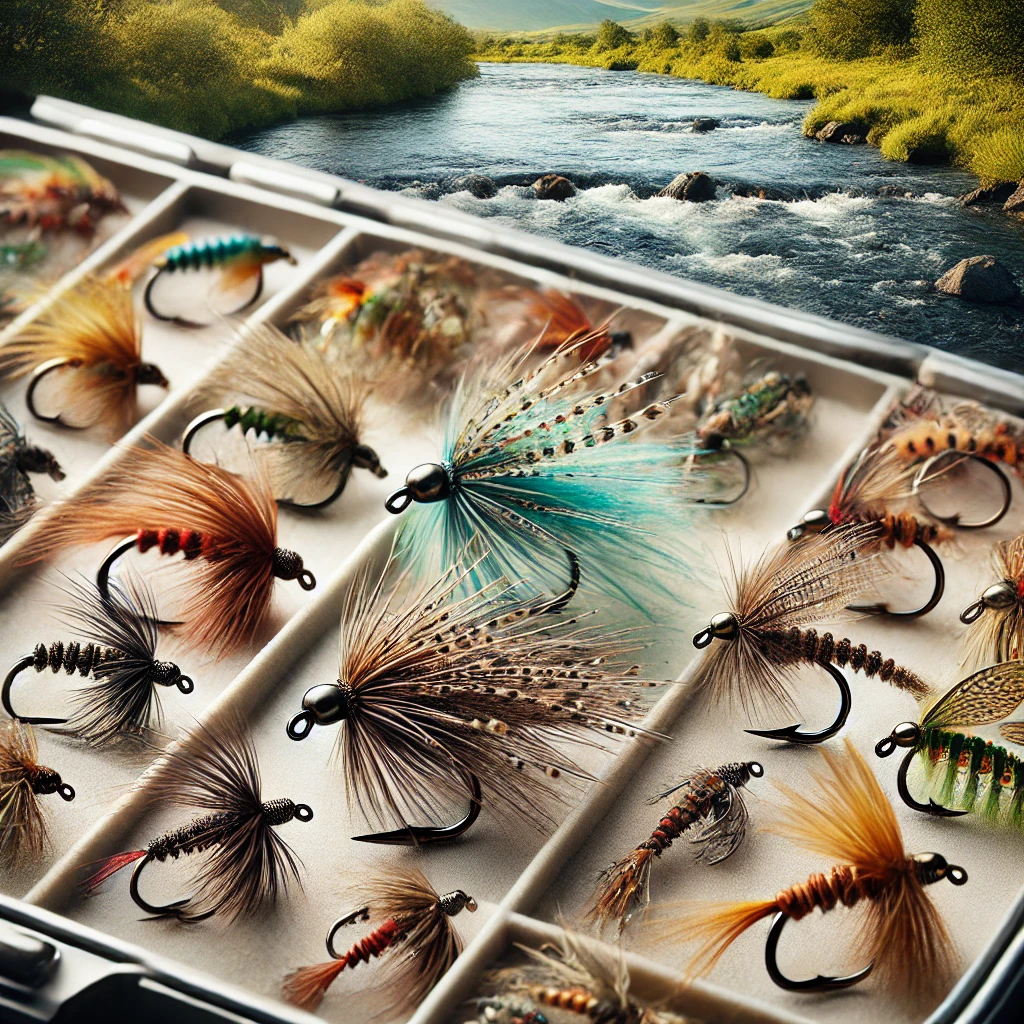
Fly tying is both an art and science, aimed at creating artificial flies used for angling. These intricate patterns mimic the appearance and behavior of fish prey, such as insects and crustaceans. A bodkin is an essential fly tying tool that can significantly enhance the quality of your fly and the efficiency of your tying process. Not just a simple tool, a bodkin plays a pivotal role in perfecting the finer details of your fly and ensuring that every component is properly positioned and secured.
A bodkin is essentially a needle-like instrument, usually with a handle, designed for detailed tasks in fly tying. It is used extensively for various tasks like clearing hook eyes, applying adhesives, picking out body dubbing or completing final touches on the fly. While many fly tiers may overlook the importance of having a quality bodkin, a well-executed fly tie can often hinge on this humble tool.
Understanding the importance of a bodkin requires more than just knowing what a bodkin is. It involves recognizing its versatility and broad range of applications, enabling you to enhance your fly tying experience. With a proper understanding of the bodkin’s role, a fly tier can make more accurate, neat, and effective flies, thus increasing their success in catching the desired fish.
Multipurpose Use and Capability
The bodkin is far more than a single-purpose tool; it is an instrument of versatility in the arsenal of the fly tier. At first glance, its straightforward design may seem limited, but upon closer inspection, you’ll find various uses that can simplify and elevate your fly tying. By carefully employing a bodkin, you can manipulate the minute features of your fly tying materials to ensure a realistic appearance and effective performance in the water.
To illustrate the bodkin’s utility, consider the example of creating the thorax of a nymph fly. Here, the bodkin plays a critical role in evenly applying and manipulating dubbing material. The meticulous control it offers allows you to tease the dubbing, creating realistic legs and other features, which would be nearly impossible to accomplish to the same degree of accuracy with fingers alone.
Another notable application is the use of a bodkin to clear hook eyes of any residual adhesives or fibers. This may seem tedious, but these small details can ensure your fly functions correctly during a cast. Without a clean eye, threading the line through the fly could become unnecessarily cumbersome.
The Importance of Quality in Bodkins
While many snugly fit in the belief that any needle will do, investing in a high-quality bodkin can actually transform your fly tying practice. High-quality bodkins are crafted with durable materials, including stainless steel tips and ergonomic handles, designed for long-lasting performance and comfort.
A dear friend of mine, a veteran fly fisherman and tier, once shared his story of transitioning to a premium bodkin. Once experiencing the ease of control, reduced fatigue, and superior results, there was no turning back for him. His flies became more intricate and lifelike, directly contributing to his success and satisfaction on subsequent fishing trips.
When selecting a bodkin, look for one with a sharp, fine point for detail work and a handle with a comfortable grip. These considerations might seem minor but can contribute substantially to your efforts in crafting high-quality flies. Superior tools often enable a tier not just to succeed, but to excel above others using average equipment.
Adhesive Application: Mastering Precision
Applying adhesive might sound relatively straightforward, but anyone who has suffered from an unruly spill understands its potential to destroy hours of work. The bodkin is indispensable for situations like these. With precision delivery, a bodkin can efficiently apply the right amount of adhesive exactly where needed without any overflow.
- Secure dubbing material
- Sealing knots
- Affix various fly tying materials
In one notable competition, a fellow participant managed to finish his intricate collection of dry flies without any hasty adhesive mistakes, all thanks to his deft use of a bodkin. These precisely applied adhesives bolstered the durability of his flies and significantly contributed to his eventual winning entry.
The convenience and confidence that comes with knowing you can precisely apply adhesives make the bodkin a worthy investment for any serious fly tier.
Final Touches and Finishing Details
When it comes to the final touches, the bodkin is unparalleled in ensuring each pattern is precise. The level of scrutiny you can achieve with a bodkin dictates whether the end result is a rough prototype or a finely tuned angling masterpiece. Ensuring materials are splayed and arranged perfectly requires precision; only a tool as effective as a bodkin can deliver that in a consistent manner.
There’s a particular river fly known as “The Perfect Catch” that’s exceptionally demanding on its creator. The symmetry and balance of the feathers are critical to its success, allowing it to dart and dive realistically in a mountain stream. The bodkin assists in arranging each feather with meticulous care, ensuring no detail is overlooked, and the fly performs flawlessly in natural settings.
Whether it’s aligning wings or ensuring the balance of legs and body, the bodkin’s role in these nuanced tasks cannot be overstated. Mastering this ensures a fly’s consistent performance, fishing trip after fishing trip.
Practice and Experimentation
Like many tools, the best way to understand and take full advantage of the potential of a bodkin is through practice and experimentation. Fly tying, at its core, encourages creativity and innovation. Using a bodkin can lead to creating unique patterns, textures, and finishes — all of which can offer new life to traditional fly patterns.
Consider a budding fly tier who, through diligent practice with the bodkin, discovered a technique to incorporate new, synthetic materials as hackle. Her novel approach was so effective that it gained a following in angling circles, demonstrating the bodkin’s role in enabling innovation. This new technique not only made fishing more enjoyable and productive but also expanded the fly tying hobby into other segments of the angling community.
As you become more familiar with using a bodkin, don’t be afraid to try new approaches and styles. By experimenting with your tool, you may unlock new realms of potential and creativity in your fly tying endeavors.
Conclusion
In the nuanced art of fly tying, a bodkin proves to be more than just a supplemental tool—it is indispensable for achieving precision and excellence. Utilizing a bodkin elevates not only the quality of your fly but also the efficiency of your tying process. Its utility spans across various stages of crafting a fly, from applying dubbing and adhesives to perfecting the fine details with meticulous care.
Remember the core advantages: a bodkin aids in precision task execution, enhances the durability and function of flies, and enriches the creative process through experimentation. With these capabilities, any fly tier can experience substantial improvement in their tie quality and angling results. Whatever your current skill level, integrating a high-quality bodkin into your repertoire transforms your practice.
Your next step is simple: invest in a good bodkin and begin practicing its diverse applications. This straightforward action could be your gateway to more successful crafts and enjoyable, productive fishing trips. Don’t just settle for competent fly tying—use a bodkin to achieve the exceptional.
Frequently Asked Questions
1. What is a bodkin and why is it important in fly tying?
A bodkin is a simple, yet indispensable tool in the fly tying world. Essentially, it is a needle with a handle, but its role in crafting flies is anything but basic. The bodkin is used for a variety of purposes that enhance the quality and detail of your flies. For starters, it is incredibly effective for applying head cement or glue to secure materials and threads. By using a bodkin, you can precisely control the amount of adhesive applied, ensuring a clean and neat finish. It also plays a crucial role in manipulating and positioning materials; you can use it to tease out dubbing material for a lifelike appearance or to adjust feathers and hairs to mimic the movement and look of natural prey such as insects and crustaceans. The attention to detail a bodkin allows you to achieve can significantly improve the realism and effectiveness of your fly, making it irresistible to fish.
2. How do I use a bodkin for applying head cement in fly tying?
Using a bodkin to apply head cement is all about precision and control, crucial for the meticulous art of fly tying. First, after you have finished tying the fly, dip the needle end of the bodkin into the head cement. The bodkin will pick up a small amount of the substance, allowing for accurate application. Next, carefully touch the bodkin’s point to the head of the fly, paying attention to apply the cement only where it’s needed. Using a bodkin ensures that you do not over-apply cement, which can often lead to the material soaking into crucial fibers and ruining the intended structure and look of the fly. By using the bodkin to dab precise spots, you ensure that the cement stays exactly where it’s needed, maintaining the integrity and appearance of the finished fly. This precision not only keeps the fly secure but also prolongs its life and ensures better performance when fishing.
3. How can a bodkin help in creating lifelike fly patterns?
A bodkin is truly your best friend when it comes to crafting lifelike fly patterns. When you are trying to mimic the intricate details of an insect or other prey, every bit of realism matters. With a bodkin, you can tease out dubbing, allowing you to replicate the delicate legs and body parts of an insect. By carefully pulling fibers apart, you can give the fly an airy, lifelike quality that mimics the subtle movements of a live insect in the water. Furthermore, when working with materials like feathers and hair, a bodkin helps separate and redistributes these elements gently, ensuring that everything lies exactly where it should. This attention to detail is not just cosmetic; it impacts the action and silhouette of the fly underwater, making it more effective in attracting fish. Achieving such precision and detail would be a monumental task without the aid of a bodkin.
4. Can a bodkin be used for any other tasks in fly tying?
Absolutely, the bodkin is quite a versatile tool. Besides applying glue and perfecting finer details, it can be used for tasks such as clearing out adhesive from hook eyes. Glue often inadvertently clogs the hook eye during the tying process, which is crucial for attaching the line later. By inserting the bodkin into the hook eye, you can effortlessly clear it of any obstructing materials. Additionally, bodkins are effective for puncturing, shaping, or even untangling knots that might have formed in delicate materials. When a particular material won’t lie flat or stay in place, the bodkin’s pointed end comes in handy to reposition the component precisely. Some fly tiers even modify their bodkins with slight bends or adjustments to suit specific personal techniques or preferences, further increasing its usability. Essentially, a bodkin is not confined to a single purpose, and its flexibility can adapt to numerous challenges you might face in the fly tying process.
5. What should I consider when selecting a bodkin for fly tying?
Choosing the right bodkin is like finding the right brush for a painter; it’s a very personal decision that can impact the ease and outcome of your projects. When selecting a bodkin, consider the needle’s length and sharpness. A longer needle can offer more reach and control, while a sharp tip is essential for detailed and precise work. Look at the handle’s grip as well because a comfortable grip can prevent fatigue during extended periods of tying. The weight and balance of the bodkin should also match your personal preference; some anglers prefer a lightweight tool for finesse, while others opt for a slightly heavier bodkin for stability. Additionally, you may encounter bodkins with additional features, such as a built-in half-hitch tool at the handle, which can provide extra functionality. Ultimately, the best bodkin for you will provide comfort, efficiency, and enhance your ability to produce high-quality flies.