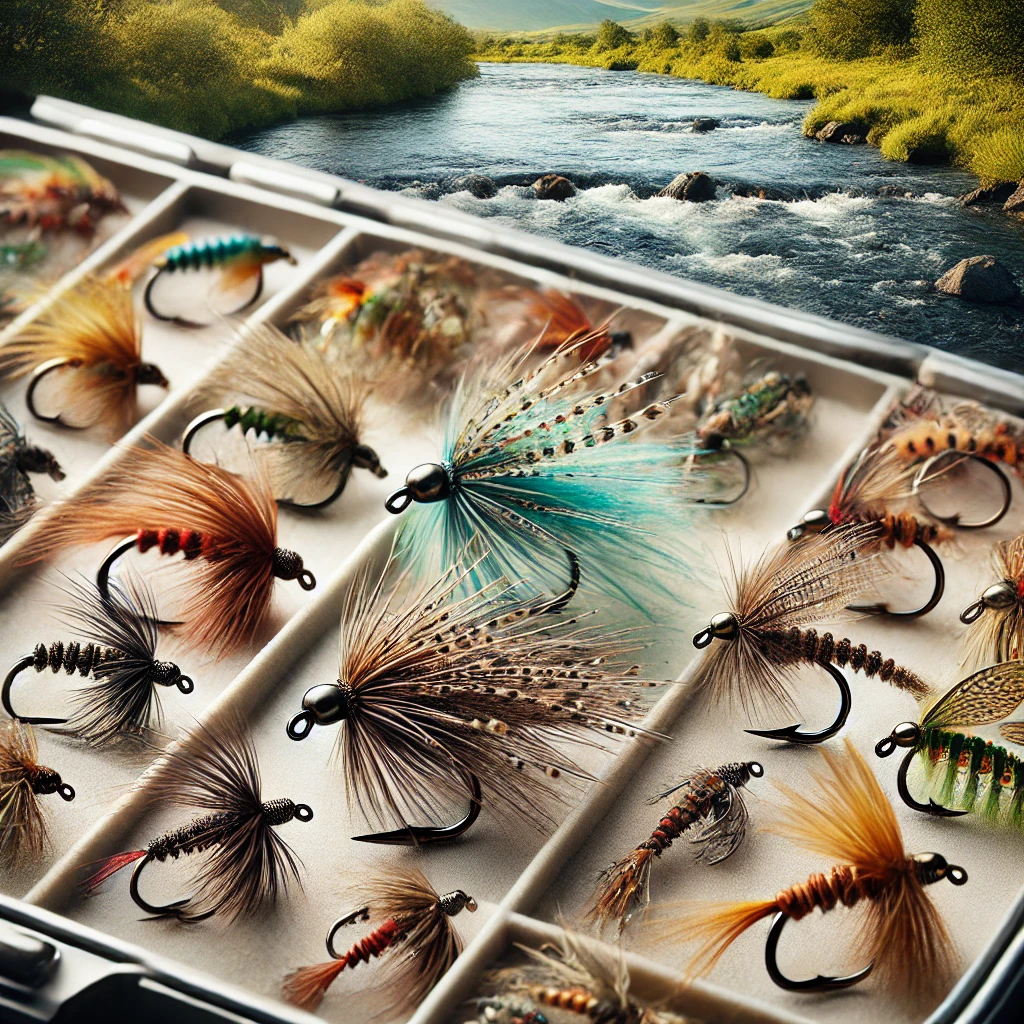
Fly fishing is a time-honored tradition that combines skill, patience, and a deep connection with nature. For centuries, fly anglers have relied on natural materials like feathers and fur to craft their flies – the artificial lures designed to mimic the prey of fish. However, as technology advanced, a new player entered the angler’s arsenal: synthetic materials. These man-made resources opened a world of possibilities, reshaping how we approach fly tying. Synthetic materials offer durability, versatility, and innovative design opportunities, empowering anglers to create flies that perform well in various fishing conditions. But when should you use synthetic materials, and how can you maximize their benefits?
In this article, we’ll delve into the realm of synthetic materials in fly fishing, exploring their distinct characteristics and unmatched potential. We’ll define key terms and discuss their significance within the sport. By understanding how and when to use synthetic materials, anglers can improve their fly tying expertise and perhaps even enhance their catch rates. Whether you’re a seasoned angler or just beginning your fly tying journey, this guide will equip you with essential knowledge to make informed decisions. The right choice of materials can make all the difference in the presentation and durability of your flies, allowing you to adjust to varying environmental factors and target fish species more effectively. Now, let’s explore the exciting world of synthetic materials in fly fishing.
Understanding Synthetic Materials in Fly Tying
Synthetic materials in fly fishing refer to any artificial substances used to construct flies, such as acrylic fibers, foam, tinsel, and rubber. While natural materials like fur and feathers have their unique appeal, synthetic options offer several benefits, including enhanced durability, predictability in water, and the ability to mimic textures and appearances that may be difficult to achieve with natural resources. Imagine fishing in a fast-moving river where current and snags can quickly damage a fly constructed solely from natural materials. Here is where the durability of synthetics proves invaluable, maintaining the integrity of the fly under harsh conditions.
One popular synthetic material is the synthetic fiber, often employed for its versatility and colorfastness—particularly in dry flies and streamers. These fibers can maintain their shape and color even after repeated casts, providing a consistent presentation to fish. Artificial fibers can also be designed to reflect light differently, giving flies a lifelike translucence or shimmer that mimics real baitfish scales.
The Advantages of Synthetic Materials
Synthetics offer numerous advantages in fly fishing, especially when targeting specific species or conditions. Besides increased durability, synthetic materials are easier to manipulate and shape than many natural materials, allowing for intricate designs and more delicate presentations. Let’s consider a scenario in saltwater fly fishing. The harsh marine environment demands flies that are both resilient and buoyant. Here, synthetic materials can provide both the strength and necessary floatation through components like closed-cell foam.
Selecting the appropriate materials for your fly depends on understanding both the fishing environment and the targeted fish. In saltwater, for example, you might craft flies that resemble crustaceans or baitfish, utilizing bright, water-resistant synthetic fibers. These flies need to withstand salt and strong fish bites without disintegrating—a feat sometimes challenging with only natural components.
Real-World Applications: Freshwater and Saltwater
When fishing freshwater species like trout, the ability to match the hatch—imitating local insects and prey—is critical for success. The use of synthetic dubbings, which replicate the appearance and texture of insects’ bodies, can be key to crafting successful nymphs or emergers. Unlike the fragile nature of actual insect parts, synthetic fibers designed to mimic them can better endure the fish’s bite and the water’s action without quickly unraveling.
In comparison, saltwater flies need certain features that may be more challenging to achieve with natural materials alone. For instance, many saltwater anglers focus on pattern recognition, where bright and reflective materials catch a fish’s eye even in murky water. Incorporating synthetic materials like flashabou or krystal flash can make flies more visible and appealing, increasing catch rates during low-light conditions or in turbulent surf. Simultaneously, synthetics are used in creating popper flies for predatory fish, where buoyancy and action on the water surface are crucial. Here, closed-cell foams and epoxy often come into play.
Integrating Synthetic Materials With Natural Components
While synthetics provide numerous benefits, entirely replacing natural materials is not always the answer. The beauty of fly tying lies in balancing both elements to create effective, enchanting flies. Consider a scenario where you’re aiming to attract fish with a fly resembling a specific insect. A combination of synthetic dubbing for the body, along with natural feather wings, can result in a presentation that aligns closely with real-world prey.
Furthermore, natural materials sometimes provide motion that surpasses that of synthetics. The soft, undulating movement of a hackle feather or rabbit fur in the water can be more lifelike than any manufactured material. It’s about choosing materials that complement each other for the fly’s intended action and form.
| Material | Application | Benefits |
|---|---|---|
| Synthetic Fibers | Streamers, Dry Flies | Durable, UV Reflective, Colorfast |
| Closed-Cell Foam | Poppers, Floating Flies | Buoyant, Resilient |
| Dubbing | Nymphs, Emergers | Textural Variety, Lightness |
| Flashabou | Streamers, Saltwater Flies | Attractive, Reflective |
Challenges and Considerations
While synthetic materials bring many advantages to the table, they also come with specific challenges or considerations. For example, certain synthetic materials can be less eco-friendly than their natural counterparts. It’s crucial for fly fishers to be conscious of their environmental impact, opting for sustainable products whenever possible. Some manufacturers now offer biodegradable synthetics, striking a balance between functionality and ecological responsibility.
Moreover, synthetics can sometimes fail to achieve the same natural movement in water as natural materials. This requires a deeper understanding of fish behavior and preferences. Fly tyers might need to experiment repeatedly with combinations to find the perfect balance that appeals to fish.
Conclusion and Call to Action
Synthetic materials have revolutionized the world of fly tying, providing durability and versatility that were previously unattainable with natural materials alone. Whether targeting freshwater or saltwater species, synthetic fibers, dubbing, foam, and other materials continue to offer innovative options for modern fly fishers. By understanding when and how to use these materials, anglers can create flies that attract a wide range of species, withstand environmental challenges, and ultimately enhance their fishing experience.
At the same time, it’s essential to appreciate the complementary relationship between synthetic and natural materials. Harnessing the strengths of both can create the most effective, appealing, and environmentally conscious flies. In your next fly tying session, challenge yourself to innovate by integrating synthetics thoughtfully, remaining attuned to ecological concerns, and continually refining your skills.
Your adventure in synthetic fly tying awaits. Dive into the world of materials, explore their potential, and discover how these modern advancements can elevate your fly fishing pursuits. Implement what you’ve learned, adapt to future needs, and feel free to experiment—because in the art of fly fishing, innovation is as boundless as the waters you explore.
Frequently Asked Questions
1. What are synthetic materials, and how do they differ from natural materials in fly tying?
Synthetic materials are man-made substances designed to mimic or improve upon the properties of natural materials like feathers and fur traditionally used in fly tying. Unlike natural materials, which come from animals and plants, synthetic materials are often derived from plastics, polymers, and other chemical compounds. This means they can be engineered to have specific properties such as increased durability, buoyancy, or fluorescence. Additionally, synthetics often have a uniformity that natural materials lack, allowing anglers to create flies with consistent results. While both synthetic and natural materials can mimic the appearance of fish prey, synthetics often provide enhanced functionality, such as better water resistance and longer lifespan, making them valuable for certain conditions and species.
2. When should I choose synthetic materials over natural ones for fly tying?
Choosing between synthetic and natural materials largely depends on the fishing conditions and the specific needs of the fly you’re tying. Opt for synthetic materials when you require durability or are fishing in environments where natural materials might break down quickly, such as in saltwater or areas with abrasive conditions. Synthetics also excel in creating flies that need to stand out, as they can incorporate vibrant colors and UV reflects that aren’t available with natural materials. Moreover, if you’re targeting species known for their aggressive strikes, synthetic materials can withstand more abuse and mantain their structure better over time. Conversely, if you’re aiming for subtlety and intricate lifelike imitation, particularly in freshwater streams where fish are known to be selective, natural materials may offer a more delicate touch.
3. How have synthetic materials revolutionized modern fly tying?
The introduction of synthetic materials has significantly revolutionized fly tying by expanding the creative possibilities available to fly fishers. Synthetics allow for a level of versatility and innovation that wasn’t as easily achieved with natural materials alone. For instance, synthetics can be fashioned into strips, cords, and fibers that replicate precise movements or mimic the shimmering scales of fish. This has made it possible to create a diverse array of fly patterns that were previously difficult, if not impossible, to realize. Additionally, synthetic materials often lead to more durable flies, which are beneficial for anglers who are looking to maximize their time on the water rather than retieing flies frequently. This development not only enhances functionality but also enables better conservation practices as fewer discarded flies are introduced to the environment.
4. Are there any ethical considerations when using synthetic materials in fly tying?
Yes, there are several ethical considerations to keep in mind when selecting materials for fly tying, whether they are synthetic or natural. With synthetic materials, anglers should be conscious of their impact on the environment, specifically how these materials are manufactured and their potential to contribute to persistent pollution if disposed of improperly. Many synthetics are derived from petroleum-based products, which can contribute to environmental degradation. Conversely, ethical considerations for natural materials often revolve around the sourcing of feathers and fur and ensuring they come from sustainable and humane practices. Fly fishers committed to ethical practice should seek out companies and products that prioritize eco-friendly materials and sustainable production processes. Recycling or reusing old flies and synthetic materials can also mitigate their environmental impact.
5. Can synthetic materials completely replace natural materials in fly tying?
While synthetic materials have many advantages, they cannot completely replace natural materials in fly tying due to the unique qualities that naturals can bring to a fly. Natural materials continue to enjoy popularity for their unmatched ability to mimic the subtle nuances of live prey, such as movement, texture, and appearance in water. Furthermore, many anglers find using natural materials deeply satisfying as it connects them to the traditional roots of fly fishing. The two types of materials often complement one another; for instance, combining the durability of synthetics with the lifelike motion of naturals can produce highly effective flies. The choice between synthetics and naturals is not binary; rather, the best results generally arise from using them in tandem, each contributing its inherent properties to the ultimate goal of successful angling.