Introduction: Importance and Definitions
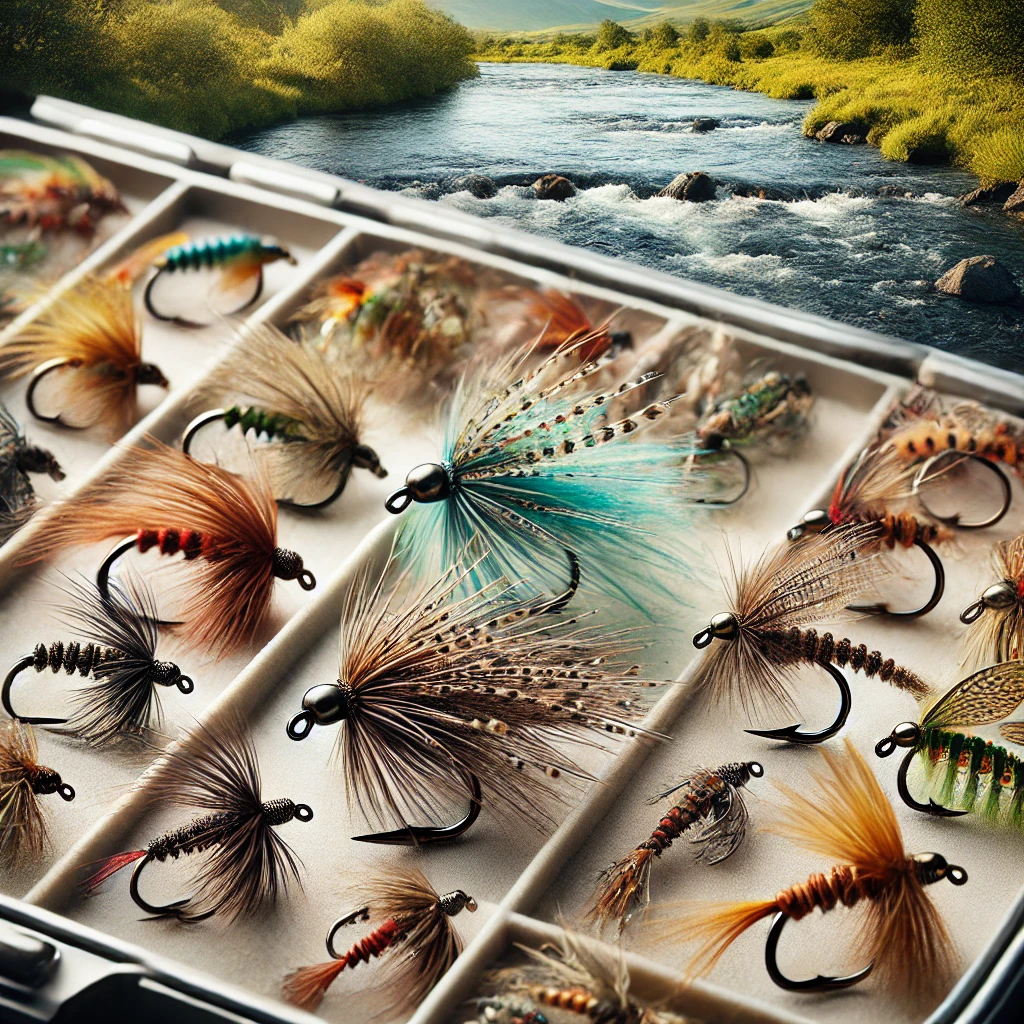
Fly tying is a cherished pastime for many fishing enthusiasts. It involves the intricate craft of making artificial flies using various materials. These flies emulate the appearance of natural insects, making them useful lures for catching fish. However, as any seasoned fly tier will tell you, the success of crafting these lures not only lies in the skill of tying but also in how well you store and organize your fly tying materials. Proper organization is crucial because it ensures you not only have quick access to required materials but also prolongs their life, saves money, and enhances your overall fly tying experience.
While the activity might seem straightforward—requiring hooks, threads, feathers, furs, and beads—the array of materials can quickly lead to chaos without an efficient organization system. Understanding the essentials of storing and organizing these materials can be transformative. This article will delve into the strategies and importance of maintaining order in your fly tying workspace, thereby maximizing your creativity and productivity.
Workspace Organization and Optimization
A well-organized workspace is the foundation of effective fly tying. It is essential to designate a set area where your fly tying activities take place. This could be a nook in your home, a desk, or even a corner of your living room. The space should be well-lit and comfortable, ensuring that you can spend extended periods tying flies without fatigue.
One real-world example of effective workspace organization comes from Anna, an avid fly tier. She transformed an unused corner of her garage into a dedicated fly tying studio. By installing shelves that house clear, labeled containers, she managed to maintain an orderly system where everything had its place. Adding a pegboard gave her the flexibility to hang tools and frequently used materials within arm’s reach.
The key takeaway from optimizing your workspace is to create an environment that facilitates uninterrupted creativity. You should be able to locate any material without breaking the flow of your work. Consider investing in furniture that supports organization, such as desks with built-in compartments or drawer units, and always prioritize cleanliness and declutter regularly.
Categorizing Materials for Efficiency
Proper categorization of fly tying materials is essential to maximizing efficiency. Instead of rummaging through all your materials, categorize them by type, color, or size. Materials such as hooks, beads, and feathers should all have designated storage areas.
John, another fly tying enthusiast, sorted his materials using a color-coded system where each color had its dedicated storage bin. Inside these bins, smaller compartments held corresponding materials like feathers, threads, and dubbing of similar colors. This system drastically reduced the time it took him to find matching materials, contributing to more time spent on the actual fly tying.
To implement such a system, start by conducting a thorough inventory of all your materials. Once categorized, consider using stackable bins, tackle boxes, or drawer dividers. Label each container clearly. This approach not only fosters better organization but also reduces the chances of overlooking materials you already own, thereby avoiding unnecessary duplications.
Utilizing Storage Solutions
Storage solutions specifically tailored for fly tying can revolutionize your material management. There are numerous products available that cater to the specific needs of fly tiers.
Consider the use of a spool rack for organizing threads or a hackle stacker for feathers. These solutions are not only space savers but also ensure that delicate materials are kept in pristine condition. Specialized tool caddies for fly tying tools and UV-resistant containers for long-term storage of sensitive materials can ensure longevity and quality.
| Solution | Best For |
|---|---|
| Spool Rack | Threads, Wires |
| Hackle Stacker | Feathers |
| Tool Caddy | Fly Tying Tools |
| UV Containers | Light-sensitive Materials |
Rachel, a professional fly tier, swears by modular storage units that allow each compartment to be removed or rearranged depending on her current projects. This method offers flexibility and adaptability to changing needs, significantly enhancing her workflow.
Maintaining Material Quality
Preserving the quality of fly tying materials is essential for creating effective flies. Poor storage can lead materials to degrade, lose color, or become unusable over time. To prevent this, always ensure that materials are kept in a dry, cool environment away from direct sunlight.
Consider Jane, who noticed her feathers and dubbing were becoming dull due to humidity. She invested in some moisture-absorbing silica packets that she placed in each container. This simple solution maintained the vibrancy and texture of her materials, illustrating that a small change can make a significant difference.
For metals like hooks and beads, avoid rust by using anti-corrosion storage options or regularly checking and rotating your stock. Incorporating environmental controls in your storage, such as dehumidifiers, can also significantly impact the longevity of your materials.
Routine Organization and Inventory Checks
Even the most organized fly tying setups require periodic maintenance. Set aside time regularly to go through your materials, conduct inventory, and re-apply organization systems as needed. This routine ensures that your workspace remains conducive to productivity and creativity.
Tom, an efficient fly tier, makes it a practice every quarter to audit his materials and clean his workshop. During these checks, he identifies what materials need replenishing and disposes of any deteriorated items. This habit not only keeps Tom’s collection organized but also allows him to plan ahead for projects and purchases.
Implement these routines by scheduling them on your calendar or using reminders. Regular maintenance prevents clutter, reduces waste, and keeps your focus on what truly matters: crafting remarkable flies.
Conclusion: Call to Action
In summary, storing and organizing fly tying materials is not just about tidiness. It is an essential practice that enhances your efficiency, prolongs the life of your materials, and maximizes your fly tying creativity. By setting up an optimized workspace, categorizing materials efficiently, utilizing the right storage solutions, maintaining material quality, and performing routine checks, you can ensure that you are fully equipped and ready for whatever fly tying project you wish to embark on.
Start implementing these tips today. Reassess your current storage system and identify areas for improvement. Whether you are a casual hobbyist or a professional fly tier, a well-organized and maintained setup can transform your fly tying experience. Take the first step towards creating an effective and inviting workspace, ensuring that the art of fly tying continues to be a rewarding endeavor.
Frequently Asked Questions
1. Why is it important to properly store and organize fly tying materials?
Proper storage and organization of fly tying materials are crucial for several reasons. Firstly, they ensure that you easily locate materials when you need them, saving time and reducing frustration during your crafting sessions. This efficient process is especially important when you’re experimenting with new patterns or under tight time constraints. Additionally, organized materials are less likely to become damaged, lost, or contaminated, extending their lifespan and preserving their quality. Over time, disorganized materials can lead to tangled threads, crushed feather barbules, or muddled dubbing, all of which can impair the tying process and the effectiveness of your flies. Moreover, a well-organized workstation promotes creativity and encourages you to try new techniques and patterns, knowing you have a clear view and easy access to your inventory. It’s also mentally satisfying to work in a clean, ordered space, which can enhance the overall enjoyment of your fly tying hobby.
2. What are some effective methods to organize different types of fly tying materials?
Organizing fly tying materials can be an art in itself. Different methods can be employed depending on the type of materials you have. For feathers, consider using transparent accordian-style folders or sectionalized plastic containers, keeping them sorted by type and size while avoiding crushing. Hooks, on the other hand, can be stored in small compartment organizers with labels identifying sizes and styles. For threads, spool racks are excellent as they allow you to keep the threads visible and easily accessible, preventing unwinding and tangling. Dubbing and chenilles can be placed in clear, sealable bags or jars to prevent loss of fibers and keep colors separate. You can even use old prescription bottles or snack containers for other small parts. Drawers or trays with sections can be dedicated to beads, eyes, and other fine components. Ultimately, maintaining a clear labeling system is key; it helps you quickly identify and retrieve what you need.
3. How can I maximize limited space in my fly tying area?
Maximizing a small fly tying area requires creative solutions to ensure you maintain an organized setup. Begin by utilizing vertical space—installing shelves or pegboards to house storage containers and tools off the desk surface. On shelves, you can stack transparent bins to keep materials visible without compromising accessibility. For the desktop, use a lazy Susan to hold jars and other frequently used items that you can easily spin towards you. Magnetic strips are useful for securing metal objects like scissors, pliers, or hooks within easy reach while saving countertop real estate. For compact storage, consider using drawer dividers to compartmentalize small materials within larger storage units. Collapsible organizers or storage carts on wheels offer flexibility and ease if you need to move your station or work in shared spaces. Lastly, always aim to declutter regularly by keeping only essential and frequently used materials on hand, rotating less frequently used items to longer-term storage solutions.
4. What should I do if my fly tying materials get wet or contaminated?
If your materials get wet or contaminated, immediate action is vital to prevent damage. Start by assessing the type and severity of contamination. For water exposure, spread materials, like feathers and dubbing, on a dry towel or mesh rack in a well-ventilated, warm area for air drying—avoid direct sunlight which can cause fading and warping. With hooks or metallic parts, dry them thoroughly to prevent rust, applying a light coat of oil if required for preservation. In cases of contamination by chemicals or dirt, gently shake or pat the affected item to remove excess debris and use a soft, damp cloth to wipe any remaining blemish. For threads and absorbent materials, spot clean with a mild detergent solution and rinse accordingly, again drying in a suitable environment. Lastly, store recovered materials back in their proper, clean containers only after ensuring they are completely dry and free from any residual contaminant, as lingering moisture or chemicals can lead to further issues.
5. How often should I re-evaluate and reorganize my fly tying materials?
Re-evaluating and reorganizing your fly tying materials should be a regular, ongoing process. Ideally, consider doing a thorough check every three to six months or whenever you find yourself struggling to maintain a tidy workspace. Regular reorganization helps you stay informed of your inventory, reminding you of what materials you have on hand and what may need restocking. During this process, inspect each item for wear, dust accumulation, or signs of age that might affect its performance. Make it a practice to remove or replace damaged or expired items; donating items you no longer use is also an excellent way to maintain space and help fellow tiers. This routine not only nourishes your workspace environment but also keeps your creative energies engaged with a refreshed understanding of the tools and materials at your disposal. By routinely tending to your supplies, you maintain a seamless workflow and contribute to the enduring enjoyment of your fly tying passion.