Sustainable fly fishing protects fish populations, river habitats, and the long-term future of the sport while still delivering the skill, patience, and satisfaction that make anglers return to the water season after season. In practical terms, it means choosing techniques and gear that reduce injury to fish, limit damage to ecosystems, and lower the environmental footprint of every trip. I have spent enough days on trout streams, tailwaters, and warmwater rivers to know that small decisions matter: the hook you tie on, the soles on your boots, how long you fight a fish, and even how you dispose of tippet can change the outcome for the water you love.
Fly fishing is often described as a conservation-minded sport, but that reputation is only deserved when anglers act intentionally. Sustainable fly fishing combines catch-and-release best practices, habitat awareness, responsible gear selection, and ethical travel habits. It also requires understanding key terms. Catch and release means returning fish to the water in a condition that allows survival and recovery. Barbless hooks are hooks with crushed or removed barbs, designed for easier release and less tissue damage. Non-toxic tackle refers to alternatives to lead and materials that reduce contamination risk. Invasive species prevention includes cleaning and drying equipment so organisms such as didymo, zebra mussels, or New Zealand mud snails are not transported between waters.
This topic matters because fisheries are under pressure from warming water temperatures, drought, flood damage, shoreline development, pollution, and increased angling effort. According to the U.S. Environmental Protection Agency, habitat alteration and sediment remain major causes of stream impairment, while many state agencies now issue seasonal guidance on handling fish in warm water because post-release mortality rises as temperatures increase. For anglers, sustainability is not abstract policy. It is the difference between healthy wild trout with strong year classes and a river that steadily loses resilience. A truly modern angler thinks beyond the cast. Sustainable fly fishing is about preserving access, biodiversity, and fishable water for the next decade, not just the next hatch.
Done well, sustainable practice also improves angling efficiency. Fish landed quickly on appropriate tackle recover better. Organized gear reduces time with fish out of water. Knowing when not to fish can protect a stressed stream and save you from unproductive hours. These are not restrictions that diminish the sport; they are the habits that define skilled, credible fly fishers. The sections below explain the most effective sustainable techniques and the gear choices that make them possible, with clear examples you can apply on your next outing.
Fish handling techniques that minimize harm
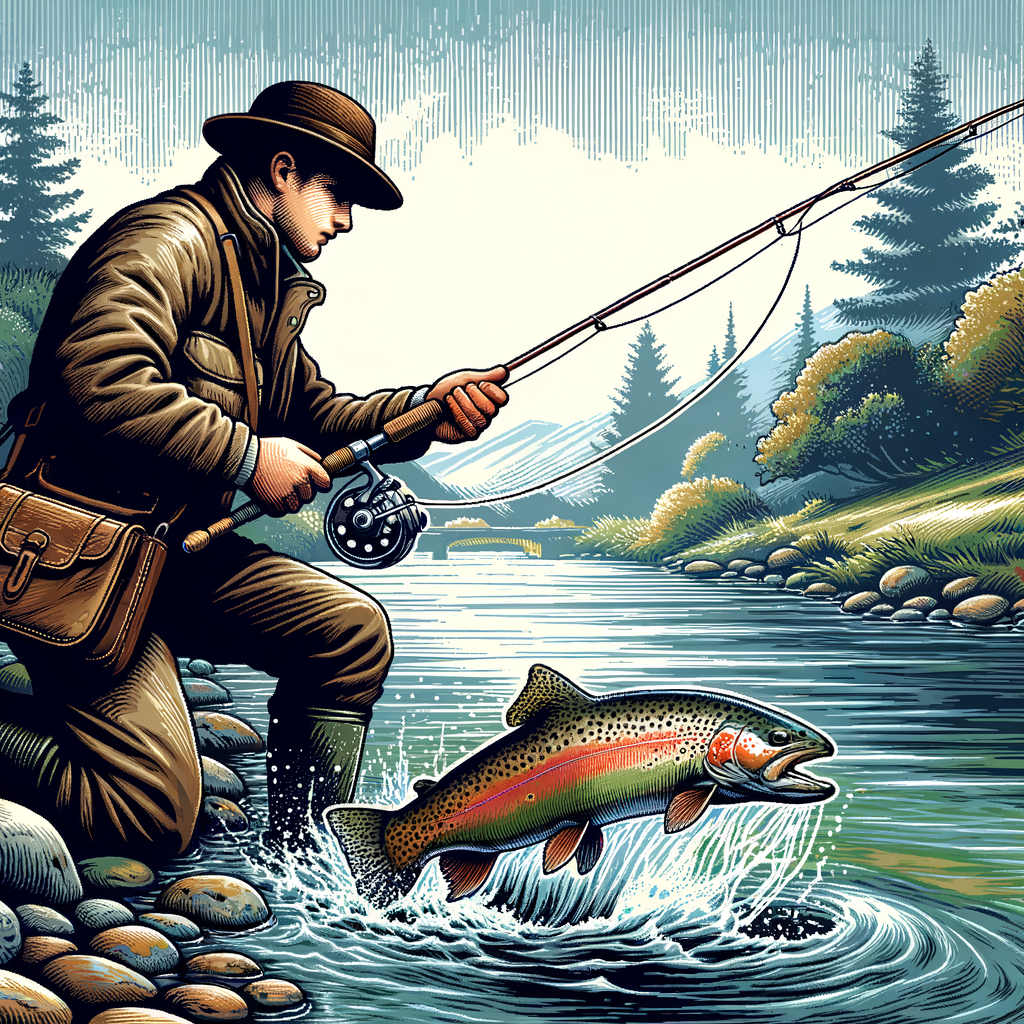
The most important sustainable fly fishing technique is proper fish handling, because the release phase determines whether a fish survives after the photo and the handshake. The standard I follow is simple: fight fish hard but efficiently, keep them in the water as much as possible, and release them only when they can swim away under their own power. That approach aligns with guidance from Trout Unlimited, Keep Fish Wet, and state fisheries biologists across North America. It starts before the hook-up. Use tackle matched to target species and current speed. A 3-weight on small brook trout may be appropriate, but using ultralight tackle on large summer trout in heavy current prolongs exhaustion and increases lactic acid buildup.
Hook choice matters more than many anglers realize. Barbless hooks or hooks with pinched barbs penetrate cleanly and come out faster, especially when fish are netted and controlled in current. Circle hooks are uncommon in classic fly fishing, but short-shank, wide-gap barbless patterns on stillwater or warmwater species can reduce deep hooking when compared with longer traditional hooks. Equally important is avoiding bait-like presentations in waters where deep ingestion is likely. If fish are repeatedly taking nymphs deep, adjust depth, hook size, or strike timing. Sustainable technique is not only about what happens after the fish is landed; it includes fishing in a way that reduces severe hooking in the first place.
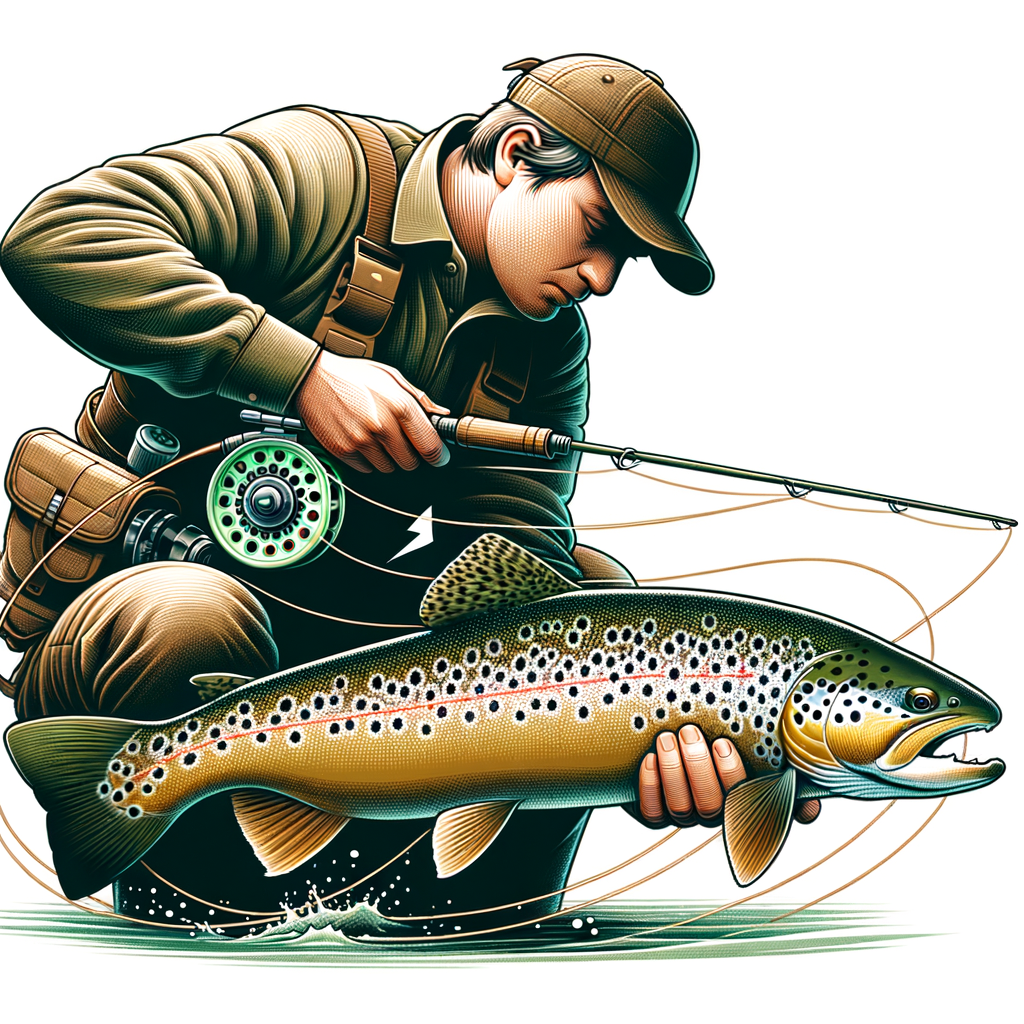
Landing nets are another high-impact decision. Rubber or silicone mesh nets are far better than old knotted nylon nets because they reduce fin fraying, scale loss, and tangling. I switched years ago after seeing how quickly a fine rubber bag allows a trout to remain supported in current while I remove the fly. If a photo is necessary, prepare first: wet your hands, keep the fish over the water, lift for only a second or two, and avoid squeezing the belly or gill plate. “Keep fish wet” is more than a slogan. Research on post-release mortality consistently shows air exposure is one of the clearest avoidable stressors. A practical rule is one short lift, then immediate release.
Water temperature should guide whether you fish at all. Trout, salmon, and char become increasingly stressed as temperatures climb, with many anglers using 68 degrees Fahrenheit as a caution threshold and 70 degrees as a stop-fishing line for coldwater species, though exact limits vary by species and local management advice. Carrying a stream thermometer is one of the most underrated sustainable tools in fly fishing. On several summer tailwater trips, I have started before sunrise, checked temperatures hourly, and quit by late morning once the margin for safe release narrowed. That is not inconvenience; it is stewardship backed by physiology.
Choosing sustainable fly fishing gear
Sustainable fly fishing gear balances performance, durability, repairability, and ecological impact. The most sustainable product is often the one you buy once and use for years, not the one marketed with the greenest packaging. Rods, reels, waders, boots, packs, and accessories all have environmental costs in extraction, manufacturing, shipping, and disposal. As a buyer, I look first for dependable construction, replaceable parts, and warranty support that favors repair over replacement. Brands that offer boot resoling, wader patch kits, or reel servicing reduce waste in ways that matter more than cosmetic claims.
Waders and boots are a good example. Breathable waders built with robust seam construction and field-repair patches typically outlast cheaper alternatives that fail at stress points after a season or two. A repaired pair is almost always better environmentally than a discarded pair. Boot soles raise a separate sustainability question. Felt soles provide excellent traction on slick rocks but can retain moisture and organisms, which is why many jurisdictions restrict or ban felt due to invasive species concerns. Modern rubber soles combined with tungsten carbide studs have become the preferred option for many river anglers because they reduce biological transfer risk while maintaining secure footing on mixed terrain.
Lines, leaders, and tippet also deserve scrutiny. Conventional fly lines rely on polymers, and discarded monofilament persists in the environment, entangling birds and aquatic wildlife. That makes line management essential. I always carry a small monofilament recycling container in my pack and cut away waste into manageable lengths. Some manufacturers now offer lower-impact packaging, line recycling initiatives, or fluorocarbon alternatives for specific applications, but there is no perfect material. The best practice is to use only what you need, store it properly to extend life, and never leave clipped tippet bankside. Sustainable gear use often matters as much as sustainable gear design.
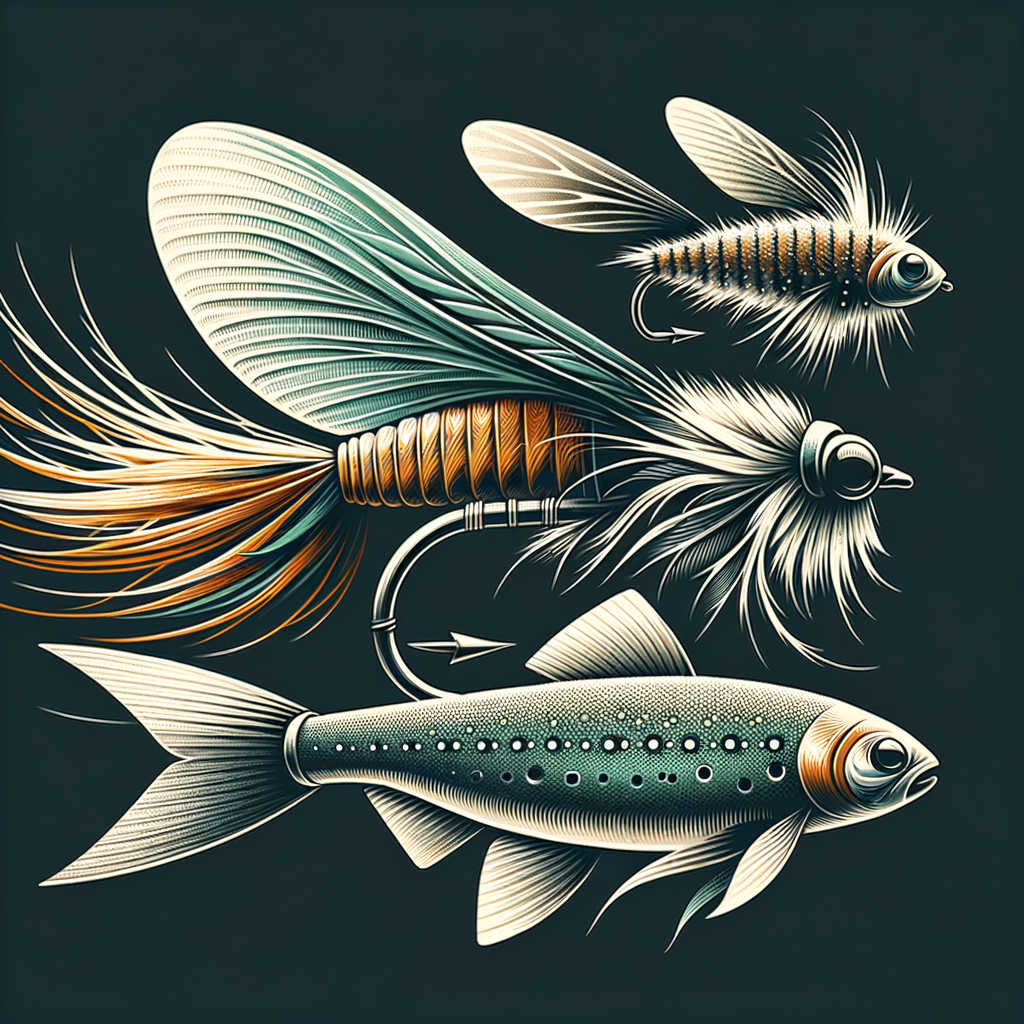
Flies and terminal components can be improved as well. Weighted flies tied with tungsten beads are generally preferable to lead-based wraps because tungsten is denser and avoids lead contamination concerns. Split shot should also be non-lead wherever possible; many fisheries agencies and bird conservation groups have long warned about lead ingestion risks to loons, swans, and other wildlife. If you tie your own flies, this is one area where sustainability is immediate and practical. Select non-toxic weights, durable thread, and hooks that will not need frequent replacement due to corrosion or poor temper. Better tying materials reduce waste at the vise and on the water.
| Gear choice | Preferred sustainable option | Why it matters |
|---|---|---|
| Landing net | Rubber or silicone mesh | Reduces scale loss, fin damage, and hook tangling |
| Boot soles | Rubber soles with studs | Lowers invasive species transfer risk compared with felt in many settings |
| Hooks | Barbless or pinched-barb hooks | Speeds release and reduces tissue injury |
| Fly weight | Tungsten beads, non-lead weight | Avoids lead contamination and improves sink efficiency |
| Tippet disposal | Dedicated recycling container | Prevents wildlife entanglement and streamside litter |
Protecting habitat while wading, boating, and traveling
Many anglers focus on fish handling but overlook habitat disturbance, which can be just as significant. Streambeds contain insect life, incubating eggs, juvenile fish, and fragile vegetation. Wading through a spawning redd can crush eggs and reduce recruitment long after the season ends. Redds often appear as lighter, cleaned patches of gravel in shallow tailouts and riffle margins, especially during trout and salmon spawning periods. If you are unsure, ask local shops or biologists what species are spawning and where to avoid stepping. On rivers I fish regularly, I route my wading path before entering, moving around likely spawning habitat instead of blindly crossing every gravel seam.
Bank protection matters too. Repeated entry at soft edges accelerates erosion, collapses undercut roots, and adds sediment to the channel. Use established access points whenever possible. If you fish from a drift boat, raft, or kayak, anchor carefully and avoid dragging hulls across vegetated shallows. On stillwaters, maintain distance from nesting birds and sensitive reeds. Sustainable movement is about noticing the entire system, not just the lie where a fish may be holding. Aquatic insects, riparian plants, amphibians, and birds all benefit when anglers spread use responsibly and treat access corridors as part of the fishery.
Invasive species prevention is now a non-negotiable part of sustainable fly fishing. Didymo, whirling disease spores, zebra mussels, and mud snails can move in damp gear, bilge water, boot tread, and net bags. The accepted protocol is Clean, Drain, Dry, and in some regions Decontaminate. Remove visible mud and plant matter, drain boats and containers completely, and dry gear thoroughly between waters. Some agencies recommend hot-water disinfection or specific cleaning solutions for high-risk equipment. I keep a stiff brush and spray bottle in the truck and never assume a “quick move” between rivers is harmless. One contaminated boot tread can do damage far beyond a single trip.
Travel choices also affect sustainability. Driving long distances for every outing increases emissions, while frequent flights to destination fisheries create a much larger carbon footprint than local trips. That does not mean anglers should never travel; it means being realistic about tradeoffs. Fish closer to home more often, combine trips efficiently, support outfitters with documented conservation practices, and offset impact by contributing time or money to local restoration. If you stay at a lodge, ask about waste management, river access limits, and whether they coordinate with watershed groups. Sustainable tourism in fly fishing is strongest when businesses can show actual stewardship, not just scenic marketing.
Ethics, regulations, and conservation-minded decision making
Sustainable fly fishing depends on ethics as much as equipment. Regulations set the legal floor, but good angling often requires going beyond the minimum. Slot limits, seasonal closures, fly-only zones, and catch-and-release rules exist because fisheries managers are balancing harvest, natural reproduction, stocking, and angler pressure. Reading the regulation booklet is basic competence, yet many sustainability problems start with anglers who know only the hatch chart and not the local rules. Before I fish unfamiliar water, I check state agency updates, emergency closures, and temperature advisories. Conditions change quickly, and outdated assumptions can put vulnerable fisheries at risk.
Harvest is one area where nuance matters. Sustainable fly fishing is not automatically no-kill fishing in every context. In some put-and-take fisheries or invasive species management programs, selective harvest may align with management goals. In wild trout systems with low productivity, catch and release may be essential. The point is to match your behavior to the fishery, not to perform a rigid identity. Agency biologists use creel surveys, electrofishing data, redd counts, and population models to set objectives. Anglers should respect that framework. Ethical confidence comes from understanding why a rule exists and how your choices interact with recruitment, age structure, and habitat capacity.
Social behavior on the water is part of sustainability too. Crowding productive runs, low-holing another angler, or posting exact locations of fragile fisheries on social media can increase pressure in ways that degrade the experience and the resource. I have watched small spring creeks change dramatically after online exposure concentrated visiting anglers into a few easy-access reaches. A conservation-minded approach shares knowledge carefully: teach tactics, discuss species, recommend public resources, but avoid geotagging sensitive waters. Good etiquette spreads use, lowers conflict, and helps small fisheries absorb attention without being overwhelmed.
Supporting conservation organizations turns personal ethics into measurable impact. Groups such as Trout Unlimited, Bonefish & Tarpon Trust, Backcountry Hunters & Anglers, and local watershed associations fund culvert replacement, dam removal advocacy, riparian planting, water quality monitoring, and policy work. Even one volunteer day pulling trash, planting willows, or helping with streambank stabilization gives anglers direct experience with what it takes to maintain fishable water. That experience changes behavior. After working on habitat projects, you notice erosion, temperature stress, and flow alteration more quickly on everyday trips. Sustainable fly fishing is strongest when anglers see themselves not only as users of a resource, but as active participants in its care.
Building a practical sustainable fly fishing system
The easiest way to fish sustainably is to turn good intentions into repeatable habits. Build a checklist and use it every trip. Mine includes a thermometer, hemostats, a rubber net, barbless flies, a tippet recycling holder, a small trash bag, and a boot-cleaning brush. I also note local restrictions in my phone and set a personal stop-fishing temperature for trout water. This system removes guesswork. When you standardize sustainable practices, you make better decisions under pressure, whether you are excited about a hatch or trying to land the best fish of the season. Consistency matters more than occasional grand gestures.
For beginners, the priority order is straightforward: learn fish handling first, then buy durable essential gear, then improve your environmental habits around access and travel. For experienced anglers, the challenge is usually refinement. Replace old nylon nets, retire lead weights, patch waders instead of replacing them immediately, and reconsider whether every trip needs a hero shot. Guides and outfitters have an even larger role because clients copy what they see. A guide who pinches barbs, keeps fish wet, and ends a trip when temperatures spike teaches conservation through action. That example scales far faster than lectures.
Technology can help if used well. Mapping apps can direct anglers to legal access and reduce trespass conflict. Water temperature loggers, USGS flow gauges, and weather alerts can inform better trip timing. Many state agencies and nonprofits publish real-time data that makes sustainable decisions easier than ever. The key is not to let convenience override judgment. If stream temperatures, wildfire ash, low flows, or spawning activity indicate a river needs a break, the sustainable answer is to fish somewhere else or stay home. Responsible restraint is still one of the most effective tools in the sport.
Sustainable fly fishing is ultimately a mindset expressed through technique and gear. Use barbless hooks, rubber nets, non-lead weight, and durable equipment you can repair. Handle fish quickly, keep them wet, and stop fishing when water temperatures become unsafe. Protect habitat by avoiding redds, limiting bank damage, and preventing invasive species transfer with thorough cleaning and drying. Follow regulations closely, practice strong etiquette, and support organizations that improve watersheds at the source. These choices preserve fish, improve river health, and strengthen the credibility of anglers who claim to care about conservation.
The main benefit is simple: you can enjoy fly fishing today without borrowing quality from tomorrow’s water. Sustainable methods do not make the sport less rewarding; they make your success more meaningful because it does not come at the resource’s expense. Review your current setup, change one harmful habit this week, and make your next trip an example of how skilled anglers protect the places that make fly fishing possible.
Frequently Asked Questions
What does sustainable fly fishing actually mean in practice?
Sustainable fly fishing means making choices on the water that protect fish, preserve habitat, and reduce unnecessary waste without taking away the enjoyment and challenge of the sport. In practice, that starts with how you approach fish. It includes using tackle that lets you land fish efficiently, handling them as little as possible, keeping them wet, and releasing them quickly when regulations or personal ethics call for catch and release. It also means paying attention to seasonal conditions such as high water temperatures, low flows, and spawning periods, because even legal fishing can become harmful when fish are already under heavy environmental stress.
It also extends to where and how you move through a river system. Wading carefully to avoid trampling spawning beds, entering and exiting streams at durable access points, packing out every piece of tippet and trash, and respecting private property and sensitive riparian zones are all part of the picture. Many anglers think sustainability is only about fish mortality, but riverbanks, insect life, aquatic vegetation, and water quality all affect the long-term health of a fishery. The best sustainable anglers understand that every small action compounds over time, especially on heavily pressured waters.
Finally, sustainable fly fishing includes the gear and products you buy. Durable equipment that lasts for years is almost always a better environmental choice than cheap gear that fails quickly and gets replaced often. Choosing non-toxic materials when possible, avoiding single-use habits, maintaining your gear, and supporting brands and guides that prioritize conservation can all reduce your footprint. At its core, sustainable fly fishing is not about perfection. It is about building habits that help ensure healthy fish populations and fishable rivers for the next season and the next generation.
What fly fishing gear choices are best for reducing harm to fish?
The most important gear choice for fish welfare is using tackle matched to the size and strength of the fish you are targeting. Rods, reels, and tippet that are too light may seem sporting, but they often prolong the fight and exhaust the fish far more than necessary. A fish that takes too long to land builds up stress and may struggle to recover after release, especially in warm water. Sustainable anglers usually choose gear stout enough to control fish efficiently while still preserving the feel and finesse that make fly fishing rewarding.
Hooks matter as well. Barbless hooks, or hooks with the barbs pinched down, are one of the simplest and most effective ways to reduce injury and speed up release. They penetrate well, come out cleanly, and minimize tissue damage to the mouth and jaw. Pair that with a rubber or silicone landing net instead of an old-style knotted nylon net, and you further reduce abrasion to the fish’s slime coat and fins. The slime coating is a key part of a fish’s natural defense system, so preserving it is more important than many anglers realize.
Leader and tippet materials also deserve attention. Strong enough tippet helps you land fish faster and lowers the odds of break-offs that leave flies in fish or contribute litter to the water. If you frequently fish subsurface, adding weight thoughtfully rather than excessively can also reduce snagging and bottom disturbance. Beyond terminal tackle, the most sustainable gear setup is often the one that performs reliably, lasts a long time, and allows quick, confident fish handling. Good gear does not guarantee ethical angling, but the right choices make sustainable behavior much easier to practice consistently.
How can I practice catch and release in a truly sustainable way?
Effective catch and release begins before the fish is even hooked. You should fish in conditions that give the fish a reasonable chance of survival after release. If water temperatures are dangerously high, dissolved oxygen is low, or fish are concentrated in stressed conditions, the most responsible decision may be to stop fishing altogether or target a different species in a more resilient system. Sustainable anglers know that catch and release is not automatically harmless. Its success depends heavily on timing, technique, and restraint.
Once you hook a fish, the goal is to land it quickly and calmly. Avoid playing fish to complete exhaustion, and keep steady pressure rather than forcing chaotic runs when you can help it. When the fish is ready, use a soft rubber net if possible and keep the fish in the water while you remove the fly. Wet your hands before touching it, avoid squeezing the body, and never hold a fish by the gills. If you want a photo, have the camera ready first, lift the fish only briefly, and return it to the water immediately. Long, repeated photo sessions are one of the most common ways well-meaning anglers increase release mortality.
Reviving the fish should also be done thoughtfully. In many cases, holding the fish upright in gentle current and allowing it to regain strength on its own is enough. Do not push the fish aggressively back and forth, which can interfere with normal gill function. Wait until it can maintain balance and swim away under its own power. Over time, sustainable catch and release becomes a rhythm: choose appropriate conditions, use fish-friendly gear, minimize air exposure, and release with care. Those steps dramatically improve the odds that the fish will survive and continue contributing to the fishery.
Are there eco-friendly fly fishing materials and products that actually make a difference?
Yes, but it helps to think about eco-friendly gear in terms of overall impact rather than marketing claims alone. Materials and products can make a real difference when they reduce toxic exposure, cut down on disposable waste, and last longer in actual use. For example, using non-lead split shot or alternatives to traditional toxic weighting materials helps reduce contamination risk in aquatic environments. Choosing durable waders, boots, packs, and outerwear that can be repaired instead of discarded also matters, because replacement cycles create a surprisingly large environmental footprint over time.
Fly-tying materials are another area worth examining. Natural and synthetic materials both have tradeoffs, so the better question is often whether a material is sourced responsibly, used efficiently, and likely to hold up well enough to avoid constant replacement. Many tiers are also becoming more conscious about limiting waste at the vise, organizing materials to avoid overbuying, and using hooks and components that match the target species rather than tying patterns that are unnecessarily consumptive. Even small habits, such as saving usable scraps and avoiding excessive packaging, can add up for anglers who tie often.
That said, the most sustainable product is usually the one you already own and maintain well. Cleaning reels, drying lines properly, patching waders, replacing boot laces instead of boots, and storing gear correctly often do more for sustainability than chasing every new “green” product release. If you are buying new equipment, look for brands with transparent repair policies, durable construction, and credible conservation commitments. Eco-friendly fly fishing gear does make a difference, but only when it performs well enough to stay in service and supports more responsible habits on and off the water.
What streamside habits help protect river habitats while fly fishing?
Protecting habitat starts with moving through the landscape carefully. Stay on established trails whenever possible, avoid crushing streamside vegetation, and use existing access points instead of creating new paths down the bank. Riparian plants stabilize soil, shade the water, filter runoff, and provide habitat for insects and wildlife, so damaging them has consequences that go well beyond appearances. The same principle applies in the river itself. Wading should be deliberate, not careless. Shuffling through gravel bars or stepping through shallow spawning areas can destroy eggs and disturb the substrate fish depend on for reproduction.
Another major habit is preventing pollution and litter, including the kinds anglers often overlook. Monofilament, fluorocarbon clippings, fly packaging, snack wrappers, cigarette butts, and lost indicators all have no place in a river corridor. Carry a small trash pouch and pack out not only your own waste but any line or debris you can safely remove. Clean your boots, nets, and wading gear between waters to reduce the risk of transporting invasive species, algae, or aquatic pathogens. This is especially important if you fish multiple rivers, lakes, or states in a single season. Habitat protection is often less about grand gestures and more about discipline in these routine details.
Respect for other anglers and local regulations is part of habitat stewardship too. Crowding, shortcutting restoration areas, ignoring seasonal closures, or fishing redds may not always result in immediate visible damage, but they undermine the health and management of the fishery. Sustainable fly fishing works best when anglers see themselves as participants in a living system rather than just visitors collecting experiences. If you slow down, observe conditions, and make careful choices with your feet, your gear, and your waste, you do a great deal to protect the river long after the cast is over.