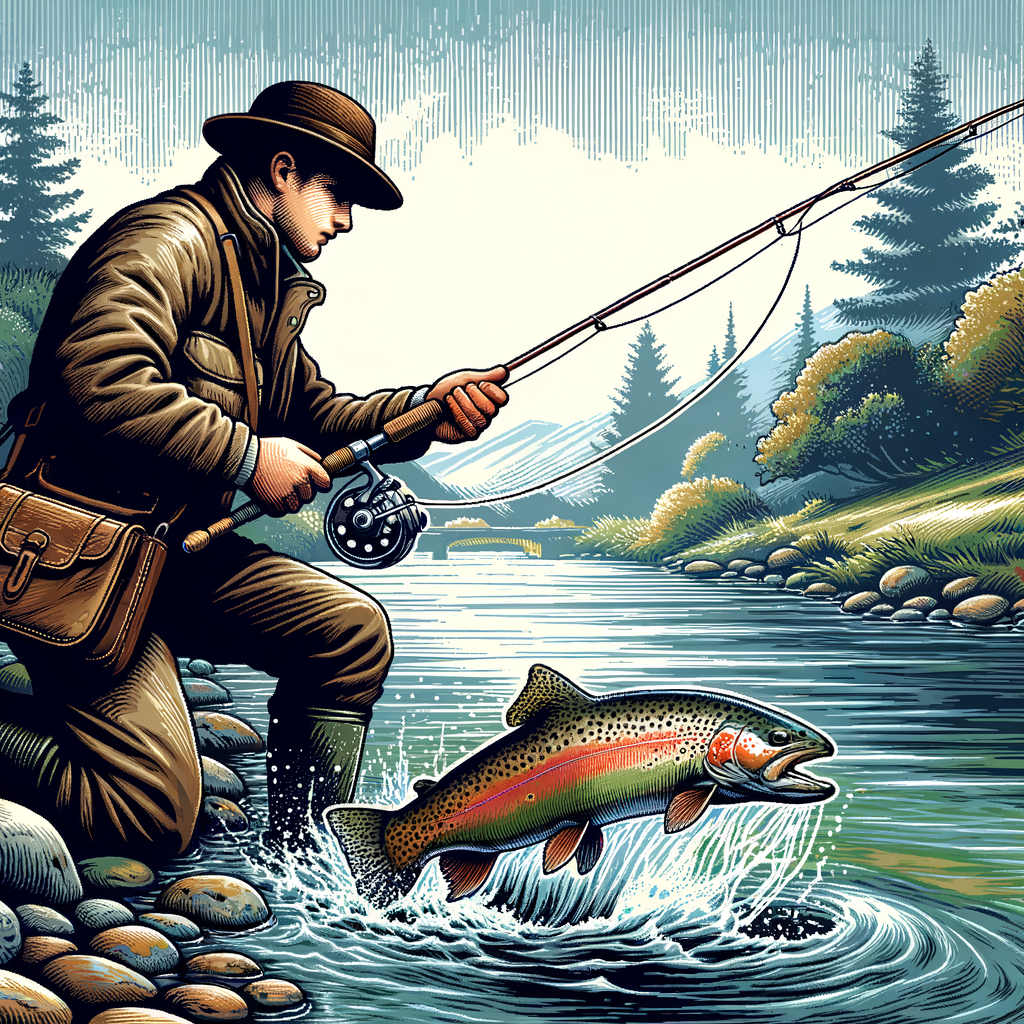
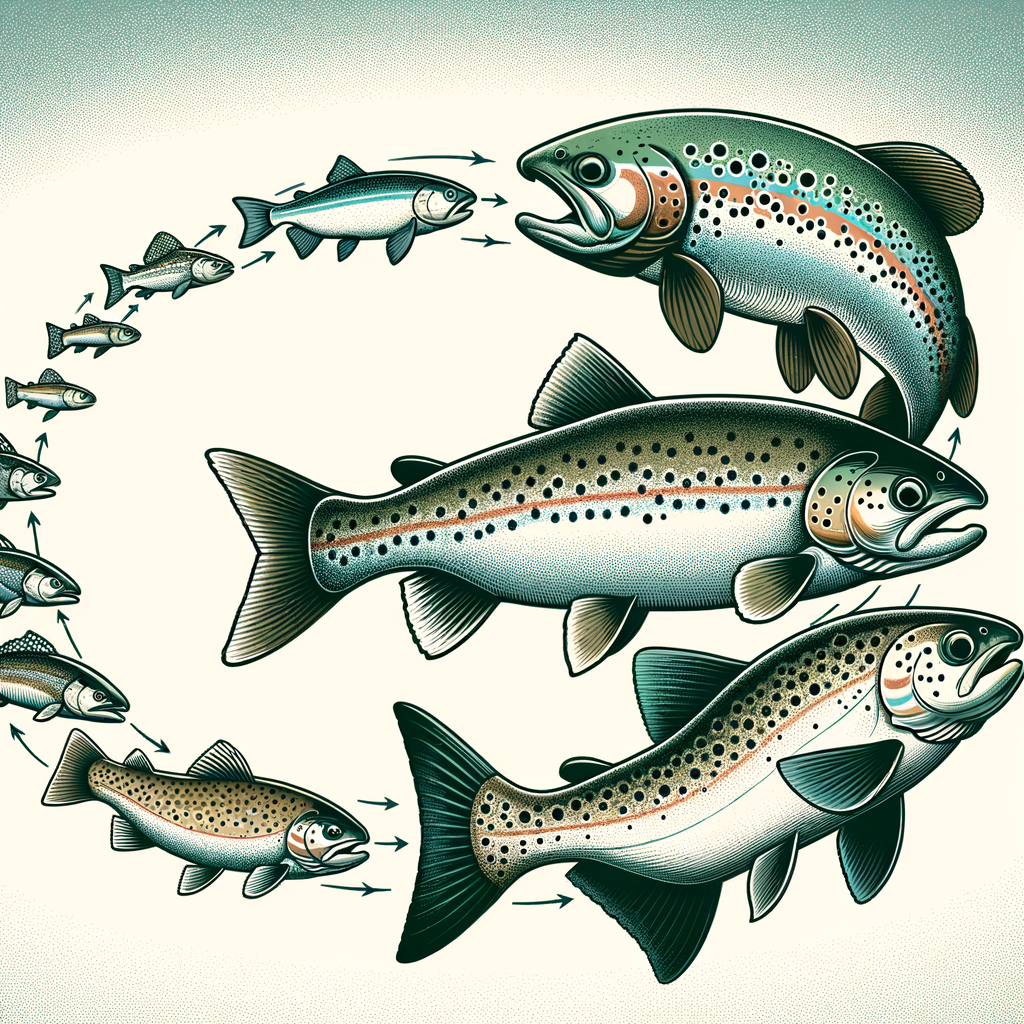
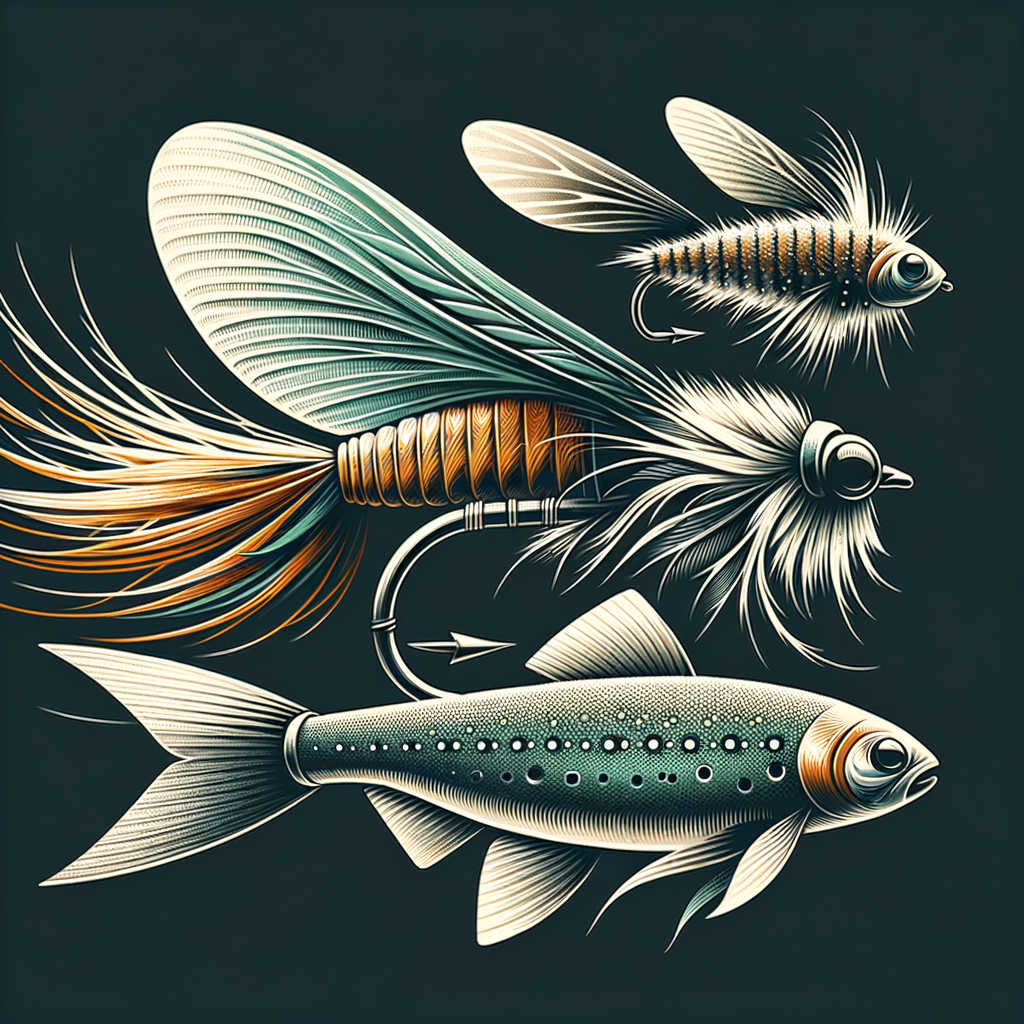
Fly fishing in national parks offers a rare mix of technical angling, protected landscapes, and tightly managed regulations that shape every cast. In practical terms, fly fishing means presenting lightweight artificial flies with a weighted line, while national parks are federally protected areas managed to conserve scenery, wildlife, and cultural resources. Put those together and you get a fishing experience unlike a private trout stream or state-managed river. You may be casting to native cutthroat in Yellowstone, brook trout in Great Smoky Mountains, or wild rainbows below a glacier-fed lake in Rocky Mountain National Park, but the setting always comes with rules designed to protect fragile ecosystems. That is why understanding regulations matters as much as choosing the right fly pattern.
I have learned this firsthand on park waters where a legal mistake can be as simple as using the wrong hook style or stepping into a seasonal closure. Many anglers assume a valid state fishing license is the only requirement. In reality, national park fishing rules often layer federal resource protections over state regulations, creating special limits on gear, access, bait, and fish handling. Some parks require catch-and-release for native species, some prohibit felt-soled boots because of invasive organisms, and some close tributaries during spawning. These are not minor details. They affect conservation outcomes, visitor safety, and whether future anglers will still find healthy fisheries.
For searchers asking the most common questions, the short answer is this: yes, you can fly fish in many U.S. national parks, but you must follow the specific park’s regulations, carry the proper license, and know species protections before you fish. The best results come from matching your methods to local water conditions and park rules. This article explains how to prepare, which regulations matter most, and how to fish responsibly in protected waters.
Know the legal framework before you fish
The first rule of fly fishing in national parks is simple: check the park’s official fishing page before your trip. Most parks publish current regulations through the National Park Service, and those rules may differ from nearby non-park waters. In many parks, anglers need a state fishing license because states generally manage fish populations, but the National Park Service can impose stricter rules on methods, areas, and seasons. Yellowstone National Park is the clearest example. It has its own detailed fishing regulations, including species-specific retention rules intended to protect native Yellowstone cutthroat trout and suppress invasive lake trout or brook trout in certain waters.
A direct answer to a common question is whether park rules override state rules. In practice, yes, park-specific restrictions govern within park boundaries when they are more protective. I have seen anglers arrive with standard gear setups they use elsewhere in the state, only to discover that live bait is banned, lead tackle is restricted, or streams are closed during spawning periods. Great Smoky Mountains National Park, for instance, follows Tennessee and North Carolina license requirements depending on where you fish, but the park also sets its own regulations on possession and methods. Rocky Mountain National Park requires adherence to Colorado licensing, yet anglers still need to know local closures, aquatic nuisance species precautions, and where fishing is permitted.
Another issue is fish transport and cleaning. In many national parks, you cannot move live fish, use fish parts as bait, or clean fish away from designated areas because of wildlife attractants and disease concerns. These restrictions support broader resource management goals under National Park Service policy. Always verify the season dates, daily limits, allowed gear, and native species protections for the exact water you plan to fish.
Choose gear that fits park waters and conservation rules
The best fly fishing gear for national parks is usually simple, portable, and adaptable. A 4- or 5-weight rod handles most trout streams in parks such as Shenandoah, Great Smoky Mountains, and Rocky Mountain. For larger western rivers or windy lakes, a 6-weight often performs better. I typically pack a floating line, a selection of tapered leaders from 9 to 12 feet, and tippet ranging from 3X to 6X. This covers dry-fly fishing, nymphing, and small streamers without overcomplicating the setup.
What matters more than owning expensive equipment is matching it to regulations and stream conditions. Barbless hooks are required or strongly recommended in many protected waters because they reduce injury and speed release. Even where barbs are not legally prohibited, pinching them down is a smart standard. Rubber landing nets, hemostats, and compact fly boxes reduce handling time and make catch-and-release more effective. If a park has invasive species precautions, clean wading boots and gear before arrival. Several western parks and gateway communities promote “Clean, Drain, Dry” protocols to limit the spread of whirling disease, didymo, and other aquatic threats.
Wading gear deserves special attention. Felt soles, once popular for traction, are banned or discouraged in some jurisdictions because they can harbor invasive organisms. Rubber-soled boots with studs often meet both traction and biosecurity needs. If your route includes steep trails, backcountry travel, or stream crossings, keep weight low. In national parks, your fishing gear competes with water, food, rain protection, navigation, and emergency supplies. A compact setup is not just convenient. It is often safer.
| Need | Recommended choice | Why it works in national parks |
|---|---|---|
| Rod | 4- or 5-weight, 8.5 to 9 feet | Versatile for trout streams, light enough for hiking |
| Line | Weight-forward floating line | Handles dries, nymphs, and small indicators in most park waters |
| Hooks | Barbless or de-barbed | Improves fish survival and complies with many special rules |
| Net | Rubber mesh landing net | Reduces scale and fin damage during release |
| Boots | Rubber soles with optional studs | Better for invasive species control than felt |
| Accessories | Forceps, nippers, thermometer, map | Supports safe handling and better on-water decisions |
Understand species, seasons, and where to fish
National park fisheries vary dramatically, so location knowledge matters. Yellowstone is famous for native cutthroat trout, Arctic grayling in select waters, and aggressive management of invasives. Great Smoky Mountains National Park has thousands of miles of fishable streams, including brook, rainbow, and brown trout, with wild fish thriving in freestone systems. Rocky Mountain National Park offers alpine lakes, meadow streams, and restoration areas for the greenback cutthroat trout, Colorado’s state fish. In each case, regulations reflect conservation priorities, not just recreation.
The easiest way to identify productive water is to start with official park maps, then narrow down by elevation, access, and species. Lower, warmer streams may fish better in spring and fall, while high-country lakes and headwaters often peak after snowmelt drops and insect activity increases. In the Smokies, small dry flies such as Parachute Adams, Elk Hair Caddis, and Yellow Stimulators produce consistently through much of the season. In Yellowstone, hatches can be highly specific, and wind on open rivers may favor larger attractors, terrestrials, or hopper-dropper setups. In Rocky Mountain National Park, I have often found that mid-summer alpine lake fishing improves when trout cruise shorelines during calm morning windows.
Seasonal closures are common near spawning areas and sensitive habitats. These rules protect fish during vulnerable periods and preserve recruitment. Water temperature also matters. Once trout streams push beyond roughly 68 degrees Fahrenheit, catch-and-release mortality rises, especially with prolonged fights. Ethical anglers stop fishing warm water even if regulations technically allow it. National parks exist to conserve resources first, and that principle should guide your decisions when conditions deteriorate.
Use tactics that work without harming fish or habitat
The best tactic in national parks is efficient, low-impact fly fishing. In clear, heavily visited waters, stealth matters more than distance. Approach from downstream when possible, keep a low profile, and make the first cast count. Trout in park streams often see hikers, shadows, and sudden movement, so sloppy wading can ruin a pool before the fly lands. For small creeks, high-stick nymphing with a single beadhead or tight-line setup can be deadly. On open rivers, indicator nymphing covers depth changes well. During insect activity, dry flies are often the most enjoyable and the least harmful because fish are usually hooked in the mouth rather than deep.
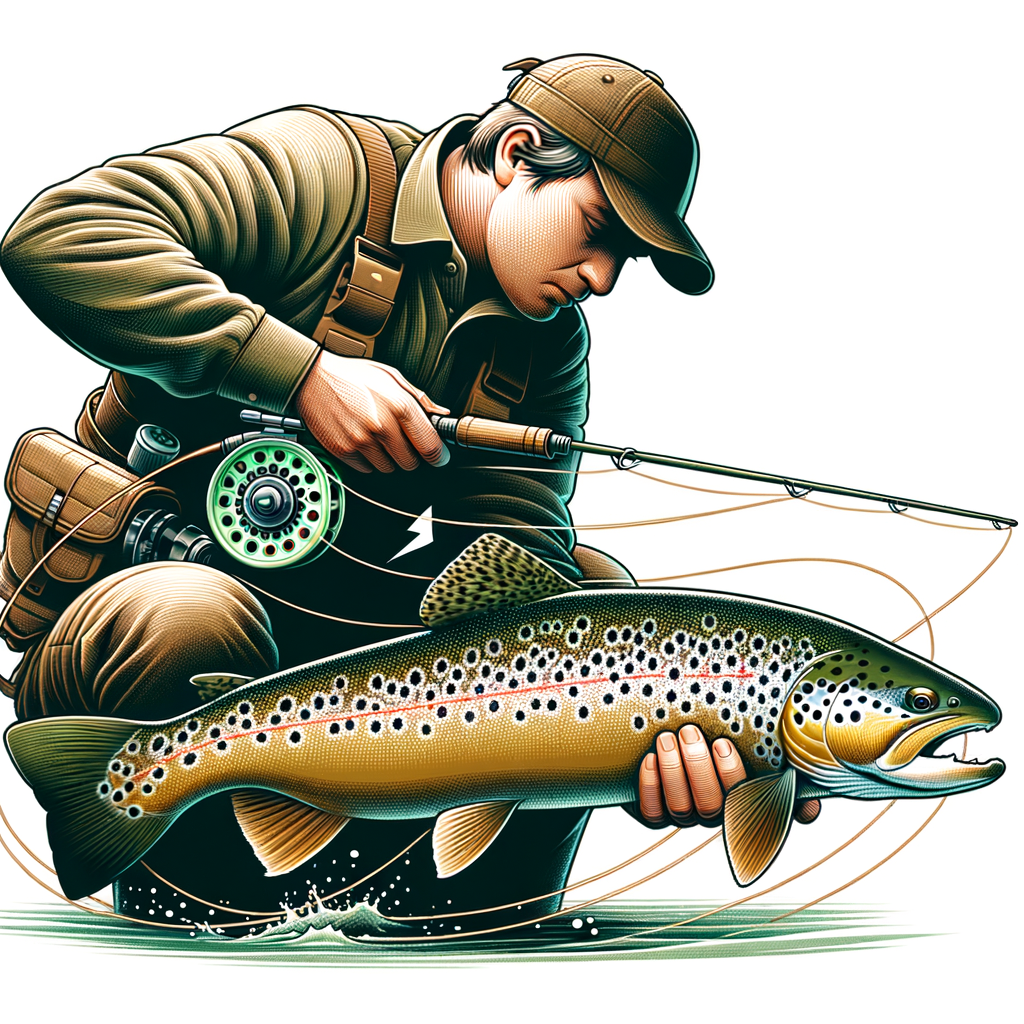
Fish handling is where regulations and ethics intersect most clearly. Land fish quickly on appropriately strong tippet, keep them in the water as much as possible, wet your hands before touching them, and skip hero shots that require extended air exposure. Research commonly cited by fisheries agencies shows that air exposure and warm water significantly increase post-release stress. If a fish is deeply hooked, cutting the tippet may be better than forcing removal. Native trout deserve especially careful treatment because many park populations exist under pressure from habitat change, drought, wildfire effects, and nonnative competition.
Habitat protection also includes where you walk and how you access streams. Avoid trampling redds, which are trout spawning nests that appear as clean gravel depressions. Stay on established trails where possible, and be cautious around undercut banks and riparian vegetation. In backcountry settings, your impact accumulates quickly. Good anglers leave no clipped line, no food waste, and no evidence they were there except footprints that weather away.
Plan for safety, weather, and backcountry realities
Fly fishing in national parks can shift from relaxing to hazardous faster than many visitors expect. Mountain weather changes quickly, runoff can turn easy crossings into dangerous ones, and altitude affects stamina and hydration. I plan park fishing days with the same seriousness I use for a backcountry hike: route notes, turnaround times, extra layers, water treatment, first aid, and offline maps. Cell coverage is unreliable in many parks, so do not depend on your phone for navigation or emergency communication.
Wildlife safety is equally important. In Yellowstone and Glacier region ecosystems, bear awareness is nonnegotiable. Carry bear spray where recommended, make noise in brushy areas, and secure fish and food properly. In parks with elk, bison, or moose, the risk is not theoretical; anglers often focus so hard on water that they forget large animals may be nearby. Thunderstorms also create serious exposure on open meadows, lakeshores, and ridgelines. If you hear thunder, get away from water and high ground immediately.
One often overlooked issue is stream crossing judgment. Trekking poles help, but the real skill is knowing when not to cross. Snowmelt, dam releases below park boundaries, and afternoon storms can raise flows unexpectedly. A productive run is never worth a fall, a soaked pack, or hypothermia. Check USGS streamflow data when available, ask park staff about current conditions, and build conservative margins into your day.
Practice park-specific ethics that support long-term fisheries
Responsible fly fishing in national parks goes beyond legal compliance. It means aligning your behavior with conservation goals. If a park encourages removal of certain invasive fish, follow that guidance carefully and humanely. If native fish restoration is underway, avoid fishing in closed areas even when enforcement seems unlikely. Restoration efforts for species like the greenback cutthroat trout and Yellowstone cutthroat trout depend on strict protection, habitat work, and public cooperation over many years.
It also helps to use official educational resources. National Park Service pages, state wildlife agencies, Orvis learning materials, Trout Unlimited conservation reports, and local fly shops near gateway towns are all useful. A good local shop often knows current hatches, access issues, bear activity, and temporary closures better than any generic travel guide. That kind of current intelligence improves success while reducing mistakes.
Finally, remember that national parks are shared spaces. Give other anglers room, yield narrow trails, and avoid monopolizing small pools. Many park visitors are not anglers, and your conduct shapes how fishing is perceived in protected areas. When done well, fly fishing supports appreciation for wild waters, native fish, and careful stewardship. When done poorly, it creates avoidable conflicts and ecological damage.
Fly fishing in national parks rewards preparation, restraint, and respect more than any secret fly pattern. The core takeaways are straightforward: verify the exact regulations for the park and water you plan to fish, carry the right license, use simple gear suited to local conditions, and handle fish in ways that protect native populations. Success in these waters comes from understanding legal details, matching tactics to season and habitat, and treating conservation rules as part of the experience rather than an obstacle.
The biggest benefit of fishing inside a national park is access to landscapes and fisheries managed with long-term protection in mind. That creates memorable angling, but it also places a higher duty on every visitor. If you check official park resources, prepare for weather and wildlife, and fish with low-impact methods, you can enjoy remarkable water while helping keep it healthy. Before your next trip, review the park’s current fishing page, confirm local conditions, and build your plan around the regulations. That one step will make you a more effective angler and a better steward of public waters.
Frequently Asked Questions
Do I need a special fishing license to fly fish in a national park?
In most cases, yes—you will need to follow the fishing license rules that apply to the specific national park and the state where the park is located. National parks do not all operate under one universal fishing permit system, so requirements can vary widely. Some parks require anglers to carry a valid state fishing license, while others may have park-specific permits, seasonal endorsements, or additional rules for certain waters. This is especially important in parks that span multiple states or contain federally protected waters with separate management standards.
Before you fish, check the park’s official National Park Service page and the current state wildlife regulations for the exact waters you plan to visit. Pay close attention to age exemptions, daily limits, species restrictions, and whether catch-and-release rules apply. In many national parks, regulations are designed to protect native fish populations and fragile aquatic ecosystems, so even experienced anglers should not assume the rules mirror those of nearby public rivers. Carry your license on you, keep a copy of the current regulations, and verify whether barbless hooks, artificial flies only, or other tackle restrictions are required in that specific drainage.
What fly fishing regulations are most important to know before fishing in a national park?
The most important regulations usually involve where you can fish, what gear you can use, what species you can target, and whether fish must be released or may be kept. Many national parks have highly specific rules meant to protect native trout, spawning habitat, and sensitive riparian areas. That can include artificial flies and lures only, mandatory catch-and-release in designated waters, single-hook restrictions, seasonal closures during spawning periods, and bans on fishing in restoration zones. In some parks, certain non-native species may be encouraged for harvest, while native species are strictly protected.
It is also critical to understand access rules. Some streams may pass through archaeological sites, wildlife closures, or habitat restoration areas where angling is prohibited even if the water looks fishable. Wading restrictions can also apply in order to protect spawning redds or reduce erosion. Beyond fish-specific rules, parks may regulate parking, backcountry camping, food storage, campfire use, and bear safety—issues that directly affect fly anglers traveling to remote water. The safest approach is to treat every national park as a unique fishery with its own management plan. Read the current superintendent’s compendium, review posted signs at trailheads and access points, and ask a ranger if anything is unclear before making your first cast.
What gear should I bring for fly fishing in a national park?
A versatile, lightweight setup is usually best because national park fishing often involves hiking, changing water conditions, and a mix of small streams, alpine lakes, and meadow rivers. For many trout-focused situations, a 4- to 6-weight fly rod is a practical all-around choice. Pair it with a balanced reel, floating line, tapered leaders, and a selection of tippet sizes suitable for the species and water clarity. Your fly box should cover key categories rather than just one hatch: dry flies, nymphs, small streamers, attractor patterns, and local insect imitations. Because regulations may restrict tackle, it is smart to pack barbless flies or forceps for flattening barbs.
Just as important as the rod and flies is your field gear. Wading boots with good traction, weather layers, polarized sunglasses, sunscreen, insect protection, and a compact net all make a big difference. If you are entering bear country or remote backcountry terrain, bring the safety equipment recommended by the park, such as bear spray, navigation tools, extra food, and water treatment supplies. National parks can present rapid weather changes and long distances between access points, so anglers should be prepared for more than a short roadside outing. Keep your kit efficient, durable, and compliant with local rules, and prioritize fish handling tools that help you release trout quickly and safely.
How can I protect fish and habitat while fly fishing in a national park?
Low-impact angling is essential in national parks because these waters are often managed not just for recreation, but for long-term ecological integrity. Start with careful fish handling. Use barbless hooks when possible, land fish quickly, keep them in the water during release, and wet your hands before touching them. Avoid squeezing fish, dragging them onto dry rocks, or prolonging photo sessions. These small choices reduce stress and improve survival, especially for native trout and fish in cold, nutrient-sensitive systems.
Habitat protection matters just as much. Stay on established trails when approaching the water, avoid trampling streambanks and vegetation, and be cautious when wading through shallow gravel areas that may contain spawning redds. Pack out every bit of trash, including tippet clippings and leader material, which can harm birds and wildlife. Clean and dry your gear between fisheries to help prevent the spread of aquatic invasive species. In areas with high wildlife activity, secure food properly and respect animal distances rather than pushing into prime water at the expense of safety or habitat. In a national park setting, good fly fishing etiquette is really conservation in practice: fish carefully, move lightly, and leave the resource in better shape for the next angler and for the ecosystem itself.
What are the best tips for successful fly fishing in national parks?
Success usually comes from preparation, adaptability, and realistic expectations. Start by researching the specific park’s waters ahead of time. Learn which streams hold native fish, which lakes are stocked or naturally reproducing, when runoff peaks, and whether summer temperatures or seasonal closures affect fishing quality. In many national parks, the difference between a frustrating day and a memorable one comes down to timing. Early mornings, shoulder seasons, and post-runoff windows often provide better conditions than peak midday hours in busy summer months.
On the water, simplify your approach. Observe before casting. Look for feeding lanes, undercut banks, pocket water, seams, and rising fish rather than covering water blindly. Carry a fly selection that matches local insects but also includes confidence patterns that work across multiple park environments. Be willing to fish small flies, long leaders, and delicate presentations, especially in clear, lightly pressured water where native trout can be selective. At the same time, stay flexible—wind, elevation, snowmelt, and sudden storms can force quick changes in strategy.
Finally, remember that fly fishing in a national park is not only about numbers. These are protected landscapes where scenery, wildlife, solitude, and conservation are part of the experience. A productive trip often means balancing angling goals with park realities: hiking farther for less-pressured water, stopping short when closures protect spawning fish, and adjusting tactics to meet strict regulations. The anglers who do best are usually the ones who respect the resource first, fish thoughtfully second, and treat every park as a distinct and carefully managed place rather than just another spot on the map.