Stream fly fishing is an immersive outdoor activity that captivates both beginners and seasoned anglers. The combination of strategy, patience, and the serene setting of flowing waters creates an incredible experience for fishing enthusiasts. The allure of stream fly fishing lies not only in the art of casting and the thrill of the catch, but also in the connection it fosters with nature. This fishing style involves using artificial flies to lure fish, typically in moving water like rivers or streams. By understanding the behavior and habitat of fish, as well as mastering the techniques to catch them, anyone can enhance their fly fishing experience.
Understanding Stream Ecosystems and Fish Habitats
A crucial aspect of stream fly fishing is understanding the ecosystem and learning where fish are most likely to be found. Stream ecosystems are dynamic environments where various species interact, and they vary greatly based on geographical locations and seasons. Streams are categorized by their flow conditions, and key indicators of fish presence include water temperature, depth, and flow rate. Fish prefer areas where they can easily access oxygen, shelter, and food. Riffles, runs, pools, and eddies are different parts of a stream where fish commonly reside. These microhabitats offer different conditions that impact fish behavior.
For instance, riffles (shallow areas with fast-moving water) often attract insects that fish feed on, making them perfect feeding grounds. Runs, which are deeper and slower-moving sections, allow fish to conserve energy while still accessing food carried along by the current. Understanding these environmental features helps anglers determine where they might successfully find fish. By learning how water levels and seasonal changes affect stream habitats, fly fishers can adapt to different environments for more productive angling.
Choosing the Right Equipment and Flies
The selection of appropriate gear is paramount for a successful fly fishing trip. Stream fly fishing demands specific equipment, each chosen based on varying conditions and personal preferences. Key pieces include the fly rod, reel, line, and flies. The rod and reel are primarily chosen based on the angler’s skill level and the type of fish targeted. A versatile 9-foot, 5-weight rod is usually suitable for most stream fly fishers. The fly line should match the rod’s weight and is often a floating line to facilitate delicate presentation.
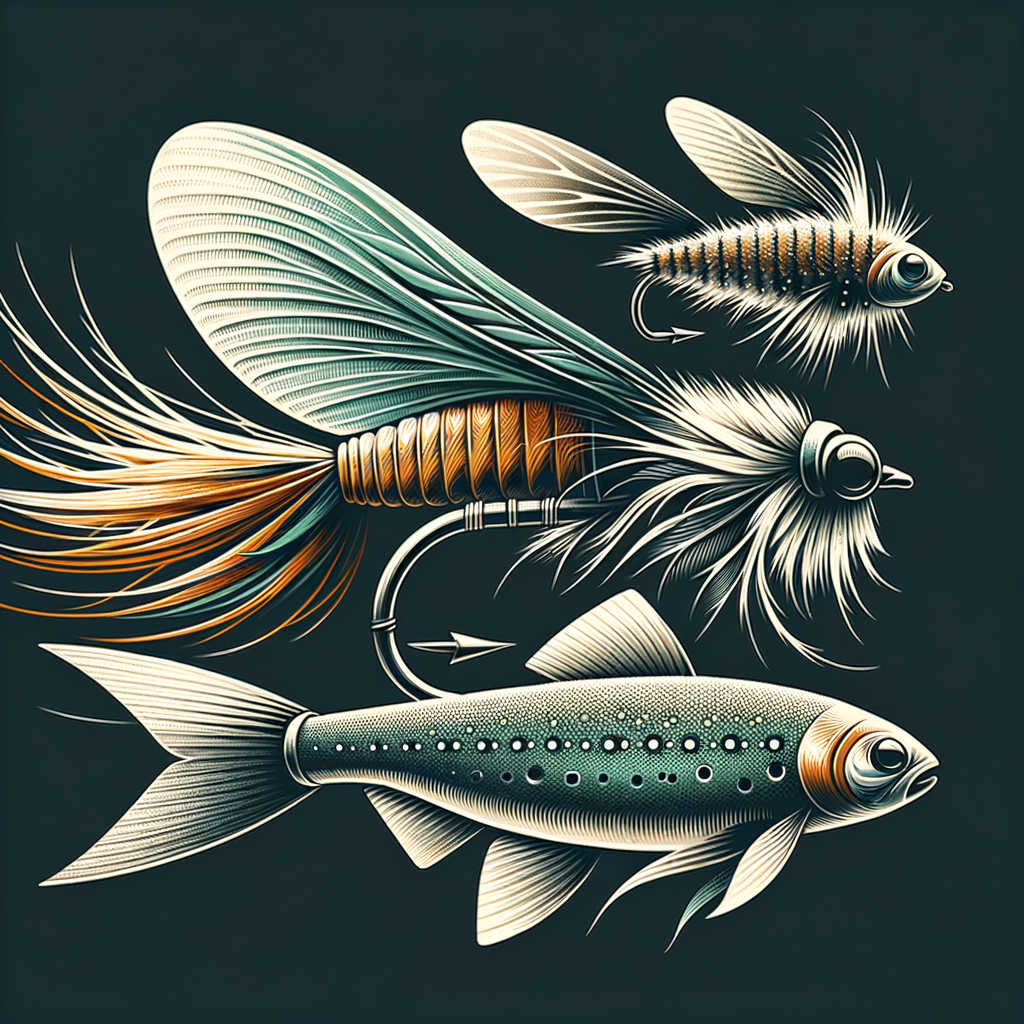
Flies are perhaps the most critical component in enticing fish to bite and should mimic the natural prey available in the stream. They are generally classified into dry flies, nymphs, and streamers. Dry flies float on the water’s surface, imitating adult insects. Nymphs, mimicking immature insects, drift just below the surface. Streamers resemble small fish or other aquatic creatures. Successfully choosing and using a fly involves knowledge and observation of natural insect activity and fish feeding behaviors. Anglers need to be observant and adaptive, sometimes experimenting with different patterns to discover what works best in the current environment.
Mastering Casting Techniques
In stream fly fishing, mastering various casting techniques is essential for effectively presenting flies to fish without startling them. Classic casting techniques include the overhead cast, roll cast, and sidearm cast. The overhead cast, often the first technique learned by anglers, is essential for long-distance casts. The roll cast is useful when trees or other obstacles are directly behind the angler, and it allows for easier placement of the fly on the water. The sidearm cast can be valuable in windy conditions, helping to keep the line low to the water and less affected by gusts.
Each cast requires precision and practice to ensure that the fly lands softly on the water, mimicking the natural fall of an insect. Furthermore, understanding how to manage the line through mend techniques, such as the reach mend or stack mend, can help control the drift of the fly, making it appear more realistic to the fish. Properly executed casts and mends significantly increase the likelihood of a successful strike.
- Practice the Overhead Cast: Begin with a solid grasp of the overhead cast for versatile fly presentation.
- Learn the Roll Cast: Employ the roll cast technique when backcasting room is restricted.
- Incorporate Mend Techniques: Use reach mend and stack mend to manipulate fly drift naturally.
- Adapt to Conditions: Adjust casting techniques based on environmental factors for optimal success.
Fish Behavior and the Importance of Timing
Understanding fish behavior is crucial for effective stream fly fishing, as it allows anglers to enter the mind of their quarry. Fish are influenced by various factors, including water temperature, time of day, weather conditions, and the availability of food. They tend to be more active and closer to the surface during early morning and late evening, coinciding with cooler temperatures and increased insect activity. Cloud cover and rainy conditions may also trigger heightened fish activity as it can bring more aquatic food sources to the surface.
Additionally, fish have distinct patterns and routines that can be anticipated by careful observation. By recognizing the signs of feeding fish, such as surface rings from rising fish and bubbles indicating feeding below the surface, anglers can position themselves more effectively. Timing also plays a vital role, with the peak fishing seasons in streams typically occurring in spring and fall when water temperatures moderate and fish become more active in feeding.
Reading the Water: Spotting Fish and Feeding Lies
Being able to read the water is a skill that distinguishes successful anglers from the rest. Reading the water involves identifying potential spots where fish are likely to be found, known as “feeding lies.” These are locations that provide fish with food, protection, and ease of access to oxygenated water. Observing surface disruptions, insect hatches, and the presence of certain structures like rocks or fallen trees can offer valuable clues.
Specific sections of streams, referred to earlier as riffles, runs, pools, and eddies, each present unique characteristics conducive to finding fish. In riffling waters, fish may hold beneath the fast-moving currents, awaiting food washed downstream. Runs provide shelter from strong currents while still allowing fish easy access to prey. Pools are slower-moving sections where fish often rest and recuperate, making them ideal targets. Eddies collect debris and insects, offering an easily accessible buffet that draws feeding fish.
| Stream Section | Characteristics | Fish Behavior |
|---|---|---|
| Riffles | Shallow, fast-moving water | Feeding near the surface |
| Runs | Deeper, fast-moving water | Conserving energy while feeding |
| Pools | Deep, slow-moving water | Resting and occasionally feeding |
| Eddies | Circular currents with debris | Active feeding on collected insects |
Conservation Practices and Ethical Fishing
Stream fly fishing is not only about catching fish but also about preserving the natural environment and ensuring sustainable fishing practices. Conservation begins with following local fishing regulations, which often include catch-and-release rules or limits on the number of fish that can be kept. Using barbless hooks is a common practice to minimize harm to fish, allowing for easier and quicker releases.
Anglers should also observe the “Leave No Trace” principles, which advocate for the preservation of natural beauty by minimizing human impact. This includes disposing of litter responsibly and avoiding unnecessary disturbance of wildlife habitats. Understanding the significance of conservation measures ensures the longevity of stream environments and promises future generations the chance to enjoy stream fly fishing amid thriving ecosystems.
Conclusion: Embrace the Rewarding Experience of Stream Fly Fishing
Stream fly fishing offers a truly rewarding experience for those who venture into the world of angling. By mastering the knowledge of stream ecosystems, selecting the right equipment, and honing casting techniques, one can significantly enhance their chances of success. Understanding fish behavior, reading the water, and prioritizing conservation further enriches the fishing experience and fortifies the connection with nature. Ultimately, stream fly fishing is about more than just catching fish; it is about enjoying an engaging outdoor adventure and cherishing the natural world.
To those eager to try their hand at stream fly fishing, the next step is simple: get out there. Take the time to observe your environment, practice fly casting, and respect the waters you fish. The journey is as enriching as the destination, and each outing offers new insights and adventures. Remember that patience and respect for nature are key; the more you fish, the more you’ll learn to appreciate the subtle, intricate art of stream fly fishing.
Frequently Asked Questions
1. What is stream fly fishing and how does it differ from other types of fishing?
Stream fly fishing is a traditional angling method that primarily focuses on using artificial flies to catch fish in flowing waters such as rivers and streams. Unlike conventional fishing, which might use live bait or heavy lures, fly fishing relies on lightweight, specially crafted flies that mimic the appearance and movement of various insects found in water habitats. The technique requires the angler to cast these flies using specialized gear, like a fly rod and reel, and engage in strategic presentation and drift methods to allure the fish.
The method of casting in fly fishing is an art in itself, often seen as the most distinctive aspect compared to other fishing styles. The angler uses the weight of the line, rather than the lure or bait, to propel the fly to the target spot. This allows for a graceful, delicate presentation that can coax fish into biting even in the most selective and cautious of environments. Additionally, fly fishing is particularly immersive, as it demands a deep understanding of the aquatic ecosystem, including knowledge of insect hatch cycles and fish feeding patterns, to successfully catch fish.
2. How can I find the best spots for stream fly fishing?
Finding the right spot for stream fly fishing is crucial and requires a bit of research and exploration. Start by focusing on streams and rivers known for their healthy fish populations, which might require speaking to local anglers or visiting nearby fishing shops for advice. Pay particular attention to bodies of water that have stable temperatures and oxygen levels, as these conditions are ideal for supporting thriving fish communities.
Once at the location, look for diverse in-stream structures where fish are likely to hide and feed. Fish are often found in areas with runs, pools, and riffles. Runs are deeper stretches with moderate flow, pools are deeper zones with slower flow, and riffles are shallow, fast-moving sections. Additionally, identify natural cover such as rocks, logs, and overhanging vegetation, which offer protection to fish. The edges of these structures create seams in the water flow, attracting fish due to the oxygen-rich currents and diverse food supply carried by the moving water.
3. What type of equipment do I need for stream fly fishing?
The essentials for stream fly fishing include a good-quality fly rod and reel, fly line, leader, tippet, and a selection of flies. The fly rod, typically between 7 to 9 feet in length, should be chosen based on the size of the stream and the type of fish you anticipate catching. A lightweight rod, such as a 3 or 4 weight, is often preferable for smaller streams and delicate presentations often required in these environments.
The fly reel’s primary function in stream fly fishing is to store line, so it doesn’t need to be elaborate. Still, ensure it’s balanced with your fly rod. Fly lines come in various weights and tapers, so choose one that matches your rod and target species. Leaders and tippets, made of nylon or fluorocarbon, should be selected to taper from the thicker fly line down to a thin diameter for presenting the fly delicately. Lastly, flies should be tailored to match the natural insects found in your chosen fishing spot, so have a varied selection to match different hatch patterns and water conditions.
4. How do artificial flies work to attract fish in stream fly fishing?
Artificial flies are crafted to mimic the appearance and movement of different aquatic insects and other prey that fish naturally feed on. By using materials such as feathers, fur, and synthetic fibers, flies are designed to resemble these creatures in detail. This realism can trick fish into biting when they see the fly drift naturally through the water, thinking it’s actual food.
There are various types of flies, including dry flies, nymphs, streamers, and wet flies, each serving a specific function. Dry flies float on the water’s surface, mimicking adult insects that have just emerged from their aquatic development stages, while nymphs and wet flies are designed to be fished below the surface to imitate larvae and pupae stages of aquatic insects. Streamers resemble small fish or crayfish and are used to target larger predatory fish. The effectiveness of each fly is enhanced by its accurate presentation and the angler’s ability to read the water and understand fish behavior.
5. What are some tips for improving my success in catching fish while stream fly fishing?
Improving your success in stream fly fishing involves attention to technique, observation, and adapting to the environment. Firstly, work on improving your casting skills. Precision and delicacy are key, so practice your casting to ensure you can present the fly quietly and naturally. Spend time observing the water before starting, looking for signs of fish activity like rising fish or darting shadows beneath the water’s surface.
Adapt your strategy based on the behavior of the fish and the conditions of the stream. Pay attention to the insect life around you to decide on the type of fly to use. Be willing to change your flies regularly if the fish aren’t responding. Presentation should mimic the natural drift of insects, so experiment with different retrieves and drifts to find what works best. Maintain stealth and approach stream banks quietly to avoid spooking fish, who are sensitive to vibrations and movements. Lastly, patience and persistence are key components, as the natural rhythms of the ecosystem determine the best times to catch fish, requiring you to often wait for the perfect moment.