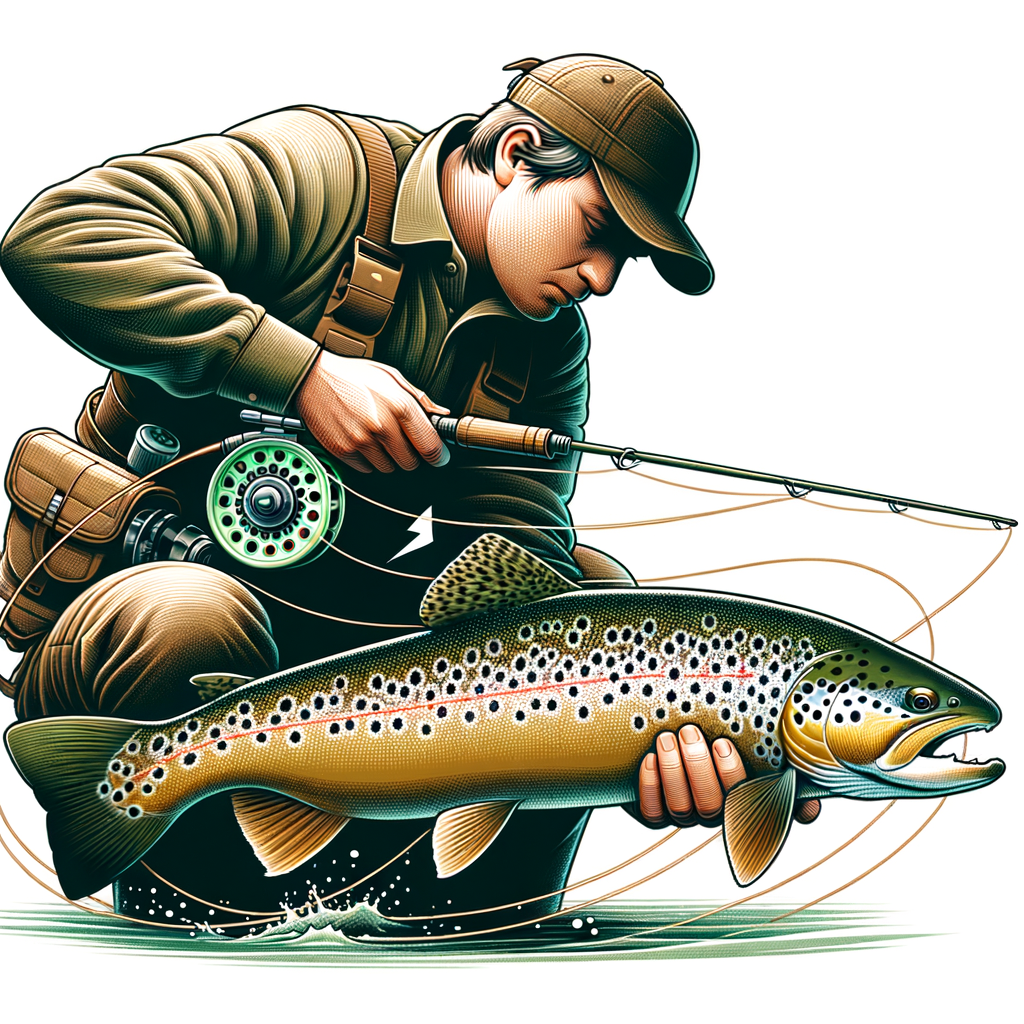
Lake fly fishing is an art that combines patience, skill, and a deep understanding of the aquatic environment. Unlike river fishing, where the current naturally moves the fly, lake fly fishing requires the angler to mimic the movement of aquatic insects or small fish by carefully manipulating the fly line. This captivating activity allows anglers to engage with nature, sharpen their skills, and experience the thrill of landing a catch in still waters. Understanding the key techniques and tips is crucial for any angler looking to delve into this rewarding pursuit.
Fly fishing in lakes is distinct from other forms of fishing due to the unique challenges it presents. It involves casting a fly—a lightweight lure that mimics the appearance and behavior of a fish’s natural prey—into the water, using specialized equipment like a fly rod and a unique casting technique. The fly line, heavier than a typical fishing line, is what propels the fly forward, as opposed to relying on the lure’s weight. This methodology helps anglers achieve the natural drift necessary to attract fish. In lakes, the lack of flowing water means that anglers must employ various retrieves and presentation techniques to make their offerings appealing.
Lake fly fishing matters not only for the recreational opportunities it provides but also for its role in fostering a deeper appreciation for freshwater ecosystems. These natural habitats are home to diverse animal and plant species, and by engaging in fly fishing, anglers gain insight into ecological balance, respect for conservation efforts, and the joy of an outdoor lifestyle. Finally, the skills and techniques acquired through lake fly fishing can be applied to other fishing environments, enhancing an angler’s versatility and expertise.
Choosing the Right Equipment
Selecting the appropriate equipment is the first step in becoming proficient in lake fly fishing. The fly rod, reel, and line are the primary components. Anglers must choose a rod based on the species targeted and the conditions of the lake. For example, a medium-action rod with a weight rating between 5 to 7 is often suitable for most lake environments. This range provides the flexibility to handle various fish sizes and weights.
The reel should complement the rod, providing smooth drag and the ability to quickly retrieve line when reeling in a catch. Fly lines also come in different configurations—floating, sinking, and intermediate—which offer versatility depending on the depth at which fish are feeding. For instance, floating lines are suitable for surface fishing, while sinking lines help reach deeper waters where the fish might hover during warmer parts of the day.
Consider the advice of experts like Jane Doe, an experienced angler with over 20 years of lake fly fishing experience. She notes that “investing in quality gear can enhance your fishing experience and lead to more successful outings.”
Mastering Casting Techniques
Proper casting is essential in lake fly fishing, as it allows anglers to place their fly accurately in the target area. The overhead cast is one of the most fundamental techniques to practice. It involves lifting the rod smoothly, accelerating the line until it is tight, and then delivering the fly by accelerating forward in a precise motion. Beginners often miss catching fish because their line lands too heavily on the water, spooking the fish.
Another technique to practice is the roll cast, especially useful when obstacles like trees and shrubs are obstructing a full back cast. This method involves using the water’s surface tension to load the rod and flicking the line forward without a significant back cast.
- Overhead Cast: Ideal for open areas, it allows for maximum distance.
- Roll Cast: Useful for casting in tight spots or when you have limited room for a back cast.
- Double Haul: Helps increase line speed and cast distance in windy conditions.
Practice is vital, and spending time honing these techniques in a variety of conditions will build confidence and proficiency.
Understanding Fish Behavior
Observation and knowledge of fish behavior are crucial in lake fly fishing. Fish are typically elusive, but understanding their dietary preferences, seasonal patterns, and the best feeding times can significantly enhance your chances of success. Fish such as trout, bass, and panfish often dwell in specific lake areas depending on the time of day and water temperature.
For example, during warm summer months, fish tend to linger in deeper, cooler waters during the day and move to shallow areas during early mornings and evenings. In contrast, spring and fall offer cooler temperatures, which means fish are more uniformly distributed throughout the lake.
Field experts recommend conducting reconnaissance by observing surface ripples, where insects may be present, and identifying structures like submerged logs and vegetation where fish may hide. By aligning your strategies with these habits, you’ll effectively increase your catch rate.
Adapting Fly Selection
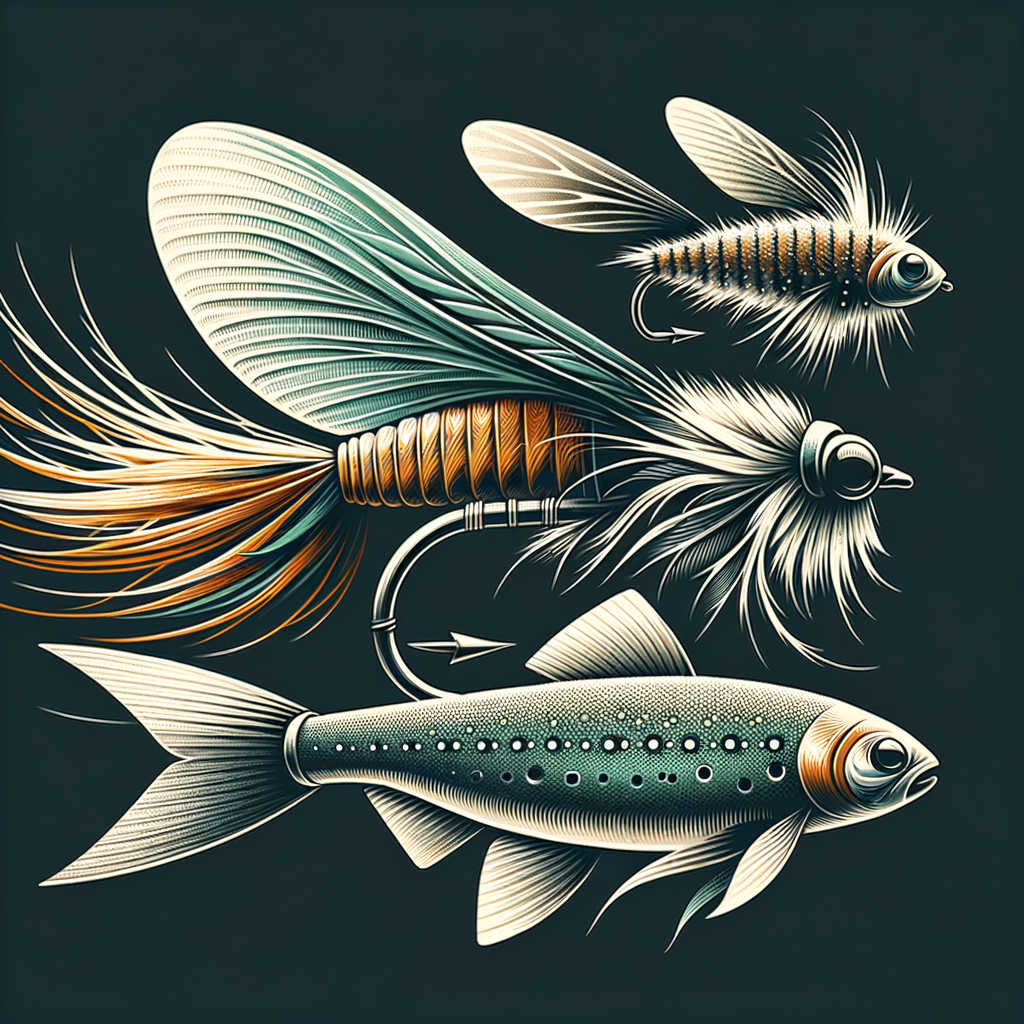
The choice of fly can make or break a fishing trip. Flies come in a plethora of designs, each mimicking different types of insects or small fish that are part of a fish’s diet. The selection often depends on the time of day, weather conditions, and seasonal factors.
During the spring months, when aquatic insect life is abundant, dry flies that float on the water’s surface are especially effective. In contrast, when fish are seeking insects beneath the waves, nymph flies or streamers that sink are recommended for their realistic movement in the water.
For an interactive approach, consider the table below that highlights seasonal patterns of fly types:
| Season | Fly Type | Example |
|---|---|---|
| Spring | Dry Flies, Nymphs | March Brown, Blue Wing Olive |
| Summer | Terrestrials, Streamers | Grasshoppers, Woolly Bugger |
| Fall | Nymphs, Wet Flies | Pheasant Tail, Soft Hackle |
Experiment with different flies until you find the one that best matches the current ecosystem, and keep a varied fly collection to adapt to changing conditions.
Utilizing Effective Retrieval Techniques
Once the fly has hit the water, how it is retrieved can greatly influence its effectiveness at attracting fish. Unlike river fishing, where the current can aid in imparting action to the fly, lake fly fishing requires the angler to manually simulate movement. The four most common retrieval techniques include the slow strip, fast strip, pause-and-go, and erratic retrieval.
For example, the slow strip involves gently pulling the line toward you in slow increments, which can mimic the movement of an injured or unsuspecting fish. This method is particularly effective with certain prey item replicas during tranquil, shallow water conditions.
An experienced angler will vary retrieval speed and rhythm based on fish reaction and weather conditions. Practice observing how these changes can impact your success rate.
Conclusion: Enhance Your Lake Fly Fishing Experience
Lake fly fishing combines skill, strategy, and adaptability to present the angler with a rewarding experience. By arming yourself with the right equipment, mastering casting techniques, understanding fish behavior, and developing an intuitive fly selection and retrieval strategy, you enhance your potential for success on your next fishing outing. These techniques, coupled with an appreciation for the natural world and a willingness to adapt to conditions, will not only increase your catch rate but also deepen your connection with the environment.
The call to action for any budding or seasoned angler is simple: immerse yourself in the preparation and execution necessary to maximize your experience. Study lake environments, experiment with new techniques, and respect the balance of nature. Tailor your approach continuously, and allow the serenity of lake fly fishing to enrich your passion for angling.
Frequently Asked Questions
1. What are some essential tips for successfully lake fly fishing?
Lake fly fishing can be an incredibly rewarding experience, but it requires a distinct approach compared to river fishing. Here are some key tips to increase your chances of success:
Choose the Right Gear: The gear you select is paramount. A 9-foot, 5 or 6-weight rod is typically ideal for lake fishing due to its versatility and ability to handle various fly types. Ensure you have a balanced reel and line suited for the rod to enable smooth casting.
Understand the Water: Before casting, take time to observe the lake’s surface and surrounding environment. Look for surface activity like rising fish, insect hatches, or ripples which suggest feeding spots. Knowing where fish tend to congregate, such as near vegetation or drop-offs, will help you position yourself better.
Master Your Casting: Since there’s no current in a lake, you rely on your casting technique to mimic the natural movement of flies or baitfish. Practice various casting styles, particularly the roll cast and double haul, to increase your casting distance and precision.
Presentation is Key: Mimicking the movement of aquatic insects or small fish is crucial. Experiment with different retrieval techniques such as a slow strip, fast strip, or stop-and-go pattern to closely imitate natural motion and trigger a fish’s predatory instincts.
Be Patient and Observant: Patience is your greatest ally. Often, lake fly fishing requires a lot of trial and error. Keep a keen eye on changes in the water, weather conditions, or fish behavior, and adjust your techniques accordingly. Each outing is an opportunity to learn and refine your approach.
2. What’s the best way to choose flies for lake fly fishing?
Selecting the right fly can be the difference between a successful trip and a quiet day on the water. Here’s how to choose wisely:
Match the Hatch: One golden rule is to “match the hatch”—use flies that resemble the insects currently emerging or present in the lake. Observe the water surface or use a net to scoop insects to determine which flies the fish are feeding on.
Consider the Fish Species: Different fish species prefer different flies. For instance, trout often go for flies that mimic mayflies, while bass may be more attracted to streamers that resemble minnows. Knowing the species you’re targeting will guide your choice.
Know Your Insect Life Cycles: Aquatic insects have different life stages: larva, pupa, nymph, and adult. Fish may favor one stage over another depending on the season or time of day. Stock your fly box with a range of flies to cover various life cycles.
Weather Conditions: Overcast days might require flies with more visible profiles, whereas sunny days might necessitate more natural, subdued tones. Adjust your selections based on brightness and water clarity to ensure your flies are visible and attractive to fish.
3. What are the main challenges of lake fly fishing and how can I overcome them?
Lake fly fishing presents unique challenges compared to river fishing, but with preparation and adaptability, you can overcome them:
Lack of Current: In still waters, the absence of current means you need to impart motion yourself to make your fly lifelike. Investing in learning various retrieval techniques will help your fly appear natural and enticing to fish.
Finding Fish: Lakes can be vast, making it difficult to locate fish. Equip yourself with a fish finder or pay attention to environmental cues such as wind direction, water temperature, and visible structures like weed beds. Understanding fish behavior and lake topography will aid in determining productive spots.
Weather Variability: Weather impacts fish feeding patterns. Be adaptable; switch your strategies according to changes in wind, light, and temperature. For instance, windy conditions may push insects to certain lake areas, prompting fish to follow suit.
Patience and Perseverance: Unlike in flowing waters, it might take longer to attract a fish’s attention in a lake. Stay patient, try different flies and retrieval speeds, and don’t shy from experimenting with unconventional techniques or spots.
4. How important is stealth when lake fly fishing? What are some best practices?
Stealth is crucial in lake fly fishing as fish are sensitive to disturbances and can be easily spooked. Here’s how to maintain a stealthy presence:
Approach Quietly: Minimize noise by walking softly and talking quietly, especially when relocating along the bank or in a boat. Sudden movements or loud sounds can easily alert fish to your presence.
Wear Natural Colors: Dress in colors that blend with your surroundings. Earth tones or light blue clothing match with the sky and surrounding landscape, making you less noticeable to fish.
Limit Surface Disturbance: Cast smoothly and softly to reduce water splashes. When using a boat, move it slowly and avoid making waves. Positioning yourself properly before casting can limit unnecessary movements that disturb the water.
Casting Distance: Maintaining a good distance from likely fish holding areas is key. Do not cast over fish or allow your shadow to cross them. Long casts with minimal false casting prevent alarm.
5. What are some effective techniques for retrieving the fly in lake fly fishing?
Retrieving the fly effectively is essential to mimic the natural movement in the water and entice fish. Here’s how:
Slow and Steady: A slow, steady retrieve often imitates the natural motion of emerging insects or shellfish and works well especially in colder conditions when fish are less active.
Fast Stripping: Use quick, sharp pulls to make your fly appear like a fleeing baitfish. This can trigger a ‘reaction bite’ from predatory fish. It’s particularly effective with streamers.
Erratic Movements: An irregular strip-and-pause technique can imitate an injured or struggling prey, giving fish a sense of opportunity. Vary your retrieval motions to continually garnish interest.
Short and Choppy: For imitating midges or small aquatic life, use short and choppy retrieves. These mimic the quick, darting movements typical of small aquatic insects.
Surface Retrieves: If your fly is designed to sit on or just below the surface, allow it to sit for moments before sharply retrieving it to create a small wake or ‘v-shape’ on the water surface, simulating a skittering insect.