Pond fly fishing is an engaging and rewarding outdoor activity that combines technique, patience, and a connection to nature. Many anglers find pond fishing appealing due to its accessibility and the unique challenges it presents compared to river or ocean fishing. One of the key aspects of pond fly fishing is understanding the environment in which you’re fishing. Ponds are generally smaller than lakes and rivers, making them perfect for leisurely fishing and perfecting your technique. This form of fishing is not only about catching fish but also about immersing yourself in a serene, natural environment. Knowing how to approach pond environments can vastly improve your fishing experience and success rate. While this guide is focused primarily on ponds, the strategies can often be adapted and applied to larger bodies of water.
In this comprehensive guide, we will explore the essentials of pond fly fishing, discuss effective strategies, and highlight the necessary skills that can elevate your fishing expertise. Whether you’re a seasoned angler or new to the world of fly fishing, understanding these strategies will provide significant advantages when you’re out on the water. By the end of this article, you’ll be equipped with the knowledge to successfully target fish in ponds and improve your overall fishing experience.
Understanding Pond Ecosystems
Pond ecosystems are complex and vary greatly with each location, making it crucial to understand the specific pond you’re fishing. Unlike rivers, where the flow of water is constant, ponds are relatively stagnant. This affects how nutrients distribute, which in turn influences fish behavior and habitat. For example, vegetation tends to be more localized, often forming dense mats that can attract certain fish species, such as bass or bluegill.
To gain an edge, examine the structure and elements of the pond. Are there areas with submerged logs or plenty of weeds? Fish use these structures for shelter and hunting grounds. In many ponds, you’ll find fish residing close to the shore, where insects are plentiful. Observing and learning the patterns of the pond enhances your understanding of where to cast your line.
For instance, in a successful fishing trip I experienced, targeting the edge of a lily pad colony in the early morning resulted in hooking several large bass. These fish were foraging among the pads where small baitfish and bugs were prevalent. Thus, understanding the characteristics and behavior of a specific pond ecosystem is essential for effective pond fly fishing.
Selecting the Right Equipment
Having the right equipment is crucial for a successful pond fly fishing experience. The choice of rod, reel, and line should match the size and type of fish you’re targeting. For ponds, a lighter setup is often preferred since it provides better control and precision. A 5 to 6-weight rod around 8 to 9 feet long is typically recommended for pond fishing, as it handles well both small and medium-sized fish effectively.
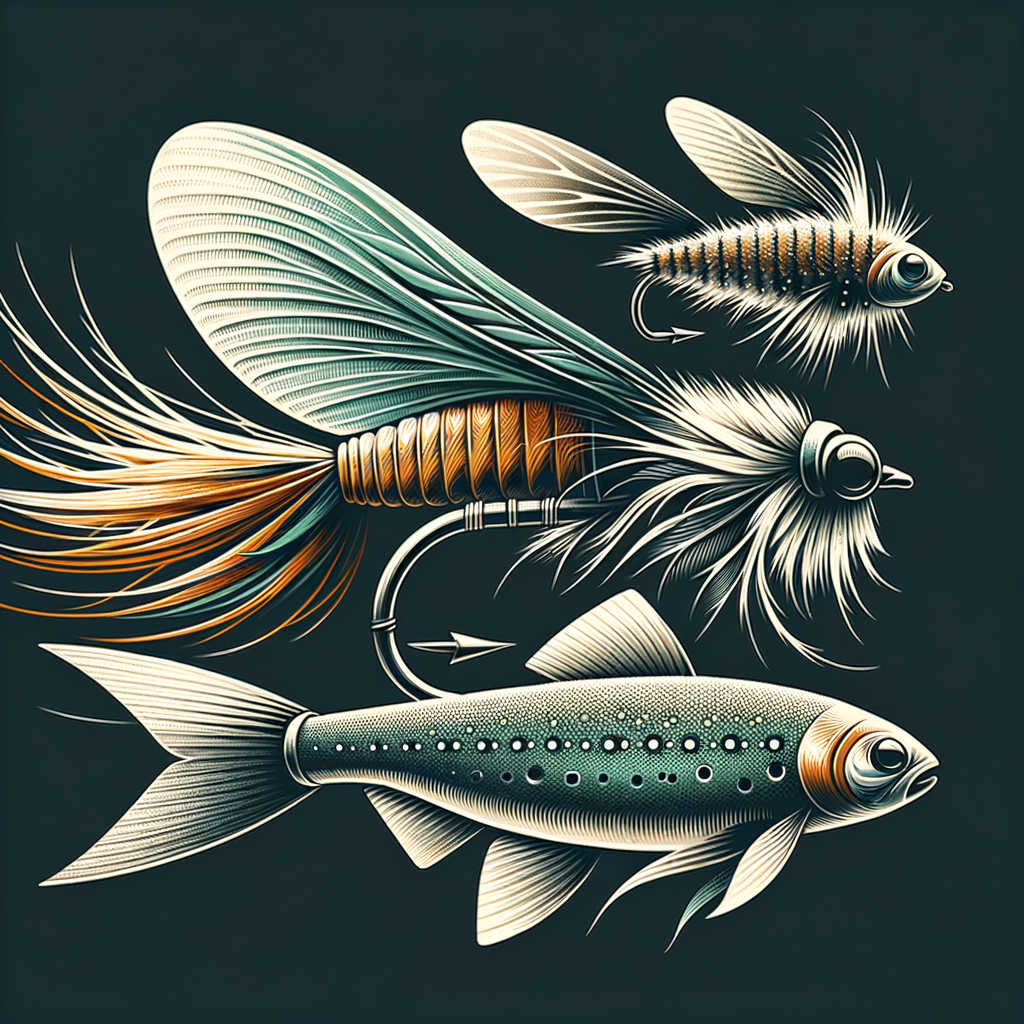
Choosing the right fly is another pivotal component. The type of flies you use should mimic the natural prey found in the pond you’re fishing in. Dry flies, like poppers and small frogs, are excellent for targeting fish near the surface, especially during the warmer months. Wet flies and nymph patterns are useful when fishing below the surface.
A real-world example comes from a fishing excursion I undertook in a shallow pond teeming with bluegill. Using a 5-weight rod and small dry flies imitating ants, I was able to cast with precision close to overhanging branches where bluegill gathered. The setup was perfect for the pond’s conditions, and several successful catches followed.
Effective Casting Techniques
Pond fly fishing requires specific casting techniques tailored to the unique environment of a pond. Understanding how to cast efficiently is crucial because of the variety of obstacles you may encounter, such as overhanging trees, weeds, and other anglers. The nature of ponds also means you have to be adept at both short and long-distance casts.
The roll cast is particularly useful in ponds with dense vegetation or limited space behind you. This technique allows anglers to cast without needing to extend the fly line back, perfect for when you’re fishing from a narrow bank or within heavy tree cover. Additionally, practicing the accuracy of your casts is vital since pond fish often reside in specific, tight spots, such as near vegetation or structures.
During a fishing event I participated in at a local nature reserve pond, mastering the roll cast was pivotal. With limited casting room due to trees, utilizing the roll cast enabled careful placement of flies into small openings, immensely increasing the odds of catching fish lurking beneath overhanging branches.
Timing and Weather Considerations
Timing and weather are significant factors influencing fish behavior in ponds. Fish are often more active during certain times of the day and under specific weather conditions. Generally, fishing early in the morning or late in the evening can yield better results since fish tend to feed actively during cooler parts of the day when insects are more prominent.
Weather plays a big role, too; overcast days can be particularly fruitful for fishing in ponds. The lack of direct sunlight makes fish less wary and more willing to venture out of their covers. In contrast, during bright sunny days, fish may be more inclined to stay under shaded areas, requiring different strategies.
| Time of Day | Fish Activity Level | Recommended Technique |
|---|---|---|
| Early Morning | High | Surface fly fishing with dry flies |
| Midday | Low | Target deeper waters with nymphs |
| Late Evening | High | Use poppers or baitfish patterns |
One time, during an overcast morning, I used a small foam hopper fly, mimicking the local grasshoppers, and the results were remarkable. The subdued lighting encouraged fish like sunfish and bass to strike more aggressively than they would have during a sunny day.
Reading the Water
Reading the water is a skill that can significantly impact your pond fly fishing success. Observing water movement, surface activity, and understanding the habits of local fish species are all part of this skill. Since ponds are not only influenced by wind but also by biological factors, being attentive to subtle changes is important.
For example, ripples and water disturbances can signal fish actively feeding on insects or smaller fish beneath. Meanwhile, observing floating vegetation or insect hatches on the water’s surface can indicate where fish are likely to congregate. Keeping an eye on bird activity can also provide clues since birds often target the same prey as fish.
In a particular instance, spotting several small boils on the water’s surface led me to a productive fishing spot. Throwing a wet fly into the area resulted in hooking multiple crappies that were actively feeding on a hatch of emerging insects. Thus, the importance of reading water conditions and the environment cannot be stressed enough for successful pond fly fishing.
Appropriate Handling and Release
Proper fish handling and release are crucial aspects of pond fly fishing, especially when practicing catch-and-release techniques. It’s important to minimize harm to the fish to ensure their survival after release, contributing to the sustainability of the pond ecosystem.
Always wet your hands before handling a fish to prevent removing their protective slime coat. Use barbless hooks for easier removal, reducing the time fish are out of the water. Limit air exposure to a minimum by handling fish gently and keeping them in the water as much as possible. Release them slowly, ensuring they have regained enough strength to swim away on their own.
During a trip to a small privately-owned pond, using barbless hooks and practicing gentle handling methods ensured that the majority of the fish caught were released unharmed and able to thrive. Observing this practice not only preserves fish populations but also maintains a balanced ecosystem for future anglers to enjoy.
Conclusion
Pond fly fishing offers a unique and fulfilling experience for anglers of all skill levels. By understanding pond ecosystems, selecting the right gear, mastering casting techniques, and considering timing and weather, you can significantly increase your success while fishing in ponds. Reading water conditions and practicing ethical handling and release further enhance the sustainability of this enjoyable activity.
The main takeaway for readers should be the importance of adapting to the specific conditions of each pond. By integrating the strategies discussed, you’ll not only catch more fish but also engage more deeply with the environment and enjoy the tranquility that pond fly fishing offers. Whether you’re an experienced angler or just starting out, these techniques will provide a valuable framework for success.
Now that you’ve been equipped with these detailed strategies for pond fly fishing, it’s time to put them into practice. Head to your local pond, take note of the techniques discussed, and relish the peace and rewards that come from successfully fishing in these serene environments.
Frequently Asked Questions
1. What are the key factors to consider when selecting a pond for fly fishing?
When choosing a pond for fly fishing, there are several critical elements to keep in mind to ensure a successful outing. First and foremost, consider the pond’s accessibility and location. A conveniently located pond will allow more time for fishing and less for traveling, especially if you plan to make frequent visits. Additionally, examine the species of fish inhabiting the pond. Some ponds host a variety of fish such as bass, bluegill, and trout. Understanding the species available will guide your choice of flies and gear.
Water quality is another significant factor. Clear, clean water often translates to healthier fish and better fly fishing conditions. Ponds free from pollutants and invasive plant species often offer better habitat for fish. Moreover, observe the pond’s structure and features, including the depth, vegetation, and presence of cover like rocks, logs, or overhanging trees. Fish tend to congregate in areas offering shelter and food sources, so these features can significantly affect your strategy and success rate.
2. What equipment is essential for pond fly fishing?
Equipping yourself adequately for pond fly fishing is vital to enjoy a successful and seamless experience. The core piece of equipment is your fly rod and reel. For pond fishing, a 6-8 weight rod is generally versatile enough for most freshwater species you might encounter. Pair this with a medium-action rod that allows for more flexible casting in sometimes tight pondside spaces.
Next, you’ll need an assortment of flies tailored to your target species and their seasonal feeding habits. Basic fly patterns, including dry flies, nymphs, and streamers, are effective for various fish species found in ponds. Don’t forget a durable fly box to organize and protect these flies.
Apart from rods and flies, having a sturdy tackle bag or backpack is useful for storing essentials like extra lines, tippets, and leader material. A good pair of polarized sunglasses is indispensable, providing protection from harmful sun rays and enhancing your vision beneath the pond’s surface, which makes spotting fish easier. Lastly, wear comfortable, weather-appropriate clothing and waders if you plan to wade into the pond.
3. How do seasonal changes affect fly fishing in ponds?
Seasonal changes have a profound impact on fly fishing in ponds, affecting everything from water temperature and fish behavior to insect activity. Understanding these changes can significantly boost your success rate. In spring, as the weather warms up, fish become more active after the winter slump, and insects start emerging. This is an excellent time for dry fly fishing, as fish rise to feed on newly hatched insects.
During summer, water temperatures can rise, often leading fish to seek deeper, cooler parts of the pond or stay close to shaded areas. The abundance of insects can make fish more selective, so matching the hatch—selecting a fly that resembles the prevalent insects—is critical for success.
As fall arrives, cooling water temperatures invigorate fish activity, making it another productive time for fly fishing. Fish often feed aggressively, bulking up for the winter. Finally, in winter, colder waters slow fish metabolism, making them less active and more inclined to stay in deeper waters. Adjusting to slower presentations and using nymphs can sometimes provoke bites in these colder months.
4. What strategies can improve fly presentation in a pond setting?
Effective fly presentation is crucial in pond fly fishing, as the still water conditions can make fish more alert to unnatural presentations. To improve your fly presentation, focus on casting and retrieving techniques suited for the pond environment. Start with a stealthy approach to the water. Fish in ponds are easily spooked, so cautious movement and entry can make a big difference.
Your casting technique should be clean and precise. Since ponds are typically smaller than lakes and lack the current of a river, a gentle landing of the fly on the water is necessary to avoid startling fish. Practice roll casting or side casting if space is constrained by vegetation or trees along the shoreline.
In terms of retrieval, adapt to the behavior of your target species. Experiment with varying your retrieve speed and techniques, such as twitching or pausing between strips, to mimic natural aquatic insect movements. Pay attention to any fish reactions and adjust your strategy accordingly. Additionally, always keep track of your fly’s position and behavior on the water to make quick adjustments if needed.
5. How can I identify the best times of day to go pond fly fishing?
Timing your fly fishing in a pond can enhance your chances of landing fish. Dawn and dusk are generally regarded as prime times for fly fishing. During these hours, water temperatures are cooler, making fish more active. Additionally, low light conditions encourage more aggressive feeding behaviors as fish feel more secure from predators.
Monitor local weather patterns, as overcast days can also result in more active feeding throughout the day due to the subdued sunlight and cooler water temperatures. On bright, sunny days, fish may retreat to deeper waters or shaded areas, prolonging bites into the later evening hours.
In summer, early mornings and late afternoons tend to be the most productive times to fish as temperatures are lower than during the midday heat, which can slow fish activity. Conversely, during spring and fall, fish may feed more consistently throughout the day due to milder temperatures. Always stay flexible and observe local fish behavior, as this can differ between ponds and affect your fly fishing strategy.