Introduction to Fly Tying and the Significance of Eyes
Fly tying is a captivating art form and essential skill for any dedicated angler. It involves crafting artificial flies used in fishing to mimic the natural prey of fish and thus entice them to strike. As much as precise techniques and optimal materials are essential, so is the inclusion of the fly’s eyes, a feature that can dramatically influence the effectiveness and realism of a lure. Eyes in fly tying not only add to the aesthetic appeal of the fly but also play an important role in how a fish perceives it underwater.
In the world of fly tying, terms like nymphs, streamers, and dry flies are common. Each refers to different styles of artificial flies designed to attract various fish species. The eyes specifically contribute to these flies by improving the dimension and creating a more lifelike representation. But why are eyes so significant? Fish, like many predators, rely heavily on their vision to hunt. A fly that closely resembles a fish’s natural prey is more likely to be successful. Consequently, incorporating realistic eyes into your fly patterns can potentially increase your catch rates significantly.
Understanding why eyes matter in fly tying allows anglers to create more effective fishing lures. This focus on realistic fly presentation can mean the difference between a successful fishing trip and going home empty-handed. For both novice and experienced fly tiers, knowing how to effectively use eyes can enhance their craftsmanship and creativity while also maximizing the utility of each fly. In the following sections, we will explore practical insights on choosing, mounting, and optimizing eyes in fly tying to transform your fly-fishing experience.
Types of Eyes Used in Fly Tying
Choosing the right type of eyes for your flies can significantly impact their realism and effectiveness. The options available range from simple painted eyes to more sophisticated 3D eyes. Each type has specific applications and suits different fly patterns.
A common choice is the painted eye, often used for simpler fly patterns. Painted eyes are typically easy to apply and cost-effective yet provide a level of enhancement over no eyes at all. They work best for smaller flies where subtle detail is more appropriate. An example in practice can be observed in the construction of a standard Woolly Bugger, where painted eyes add just enough detail without overwhelming the design.
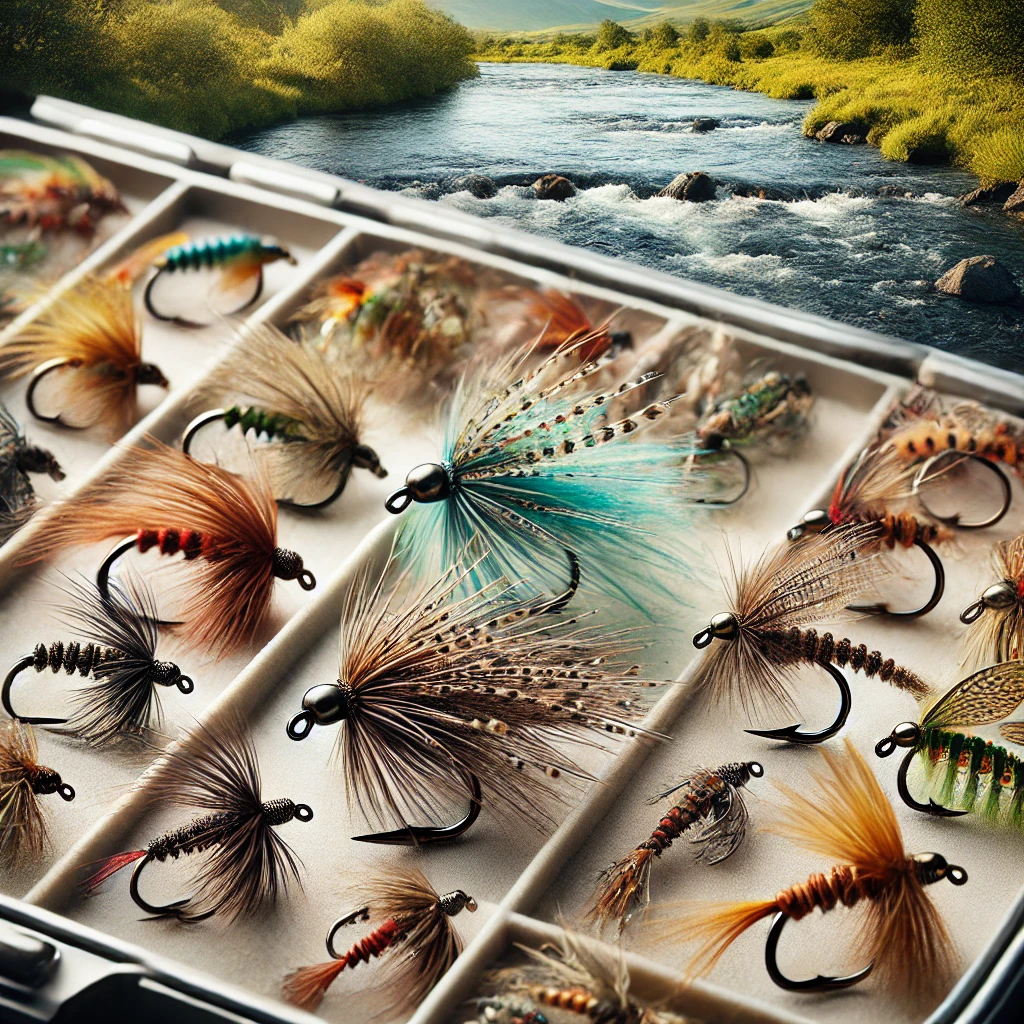
For added realism, 3D eyes are an excellent option. These eyes come in various sizes and are often used on larger flies such as streamers that imitate small fish. The realistic shine and dimensionality of 3D eyes can be incredibly effective in attracting predatory fish. Anglers crafting a Clouser Minnow, for example, might opt for 3D eyes to achieve mimicked natural prey movement, which helps trigger aggressive strikes from fish like bass or pike.
- Painted Eyes: Great for smaller, less complex flies.
- 3D Eyes: Best suited for larger, more prominent fly patterns.
- Holographic Eyes: Highly reflective, ideal for attracting attention in varying light conditions.
By understanding the different types of eyes available, anglers can better tailor their fly designs to their specific fishing environments and target species.
Mounting Techniques: Securing Eyes Effectively
Once you’ve selected the appropriate eyes for your fly pattern, the next step is proper mounting. Securing the eyes correctly is crucial to ensuring they remain effective and durable throughout multiple fishing trips. There are several techniques and adhesives used that enhance the lifespan of the eyes on your flies.
An effective mounting method often involves using epoxy or UV resin, which securely binds the eyes to the fly while also providing added structural integrity. This is particularly useful when tying larger flies, where additional weight and stress might otherwise dislodge the eyes. For reference, a popular technique called the epoxy method is used when tying streamer patterns like the Deceiver. The eyes are glued using epoxy to ensure they remain firmly attached during casting or retrieval.
For smaller flies or those where weight consideration is crucial, a more subtle adhesive like super glue is preferred. This method is perfect for use with small nymphs where minimal additional weight is beneficial. It allows the fly to maintain its buoyancy or sink rate depending on the intended design.
| Adhesive | Uses | Advantages |
|---|---|---|
| Epoxy | Streamers, Large Flies | Strong, Durable |
| UV Resin | Versatile, Medium Flies | Quick Set, Transparent |
| Super Glue | Nymphs, Small Flies | Lightweight, Precise |
By aligning your choice of adhesive with the various mounting techniques, you ensure that the flies you tie can withstand the harshest of fishing conditions while maintaining their lifelike appearance.
Optimizing Realism: Making Eyes Stand Out
Once mounted, making the eyes of the fly stand out effectively involves strategic placing and color coordination. Realism depends greatly on how naturally the eyes integrate into the overall appearance of the fly.
Color plays a vital role in this process. Mimicking prey species requires careful selection of the color of the eyes to best match the environment and light conditions. During sunny days, brighter eye colors might catch more light and become highly visible, whereas, in overcast conditions, more muted tones could replicate realism more effectively. For example, when tying a Baitfish pattern intended for clear water conditions, which closely resembles a shiny shad, using silver or white 3D eyes can mimic the reflective scales of the actual prey species.
Additionally, angling the eyes correctly will provide a more dynamic and lifelike appearance. A slight downwards or sideward angle offers a kinetic suggestion of movement required to trick wary fish. When crafting a fly like the Muddler Minnow meant for swift water currents, considering the angle of the eyes can make it appear as though the fly is actively swimming against the current. Such optical illusions are vital when presenting the fly to a fish.
Through strategic color choices and eye placement, anglers are empowered to create uniquely effective flies that significantly impact their fishing adventures.
Summary and Next Steps
In crafting flies, the thoughtful integration of eyes can dramatically enhance the appeal and effectiveness of a lure. By understanding the functions and types of eyes available—from painted, 3D, to holographic—fly tiers can elevate their creations to new heights. Techniques for mounting and stabilizing these eyes, whether through advanced epoxies or simple adhesives, ensure your flies endure challenging conditions and remain in prime shape.
The importance of realism cannot be understated. Elements like the angle of the eyes, along with appropriate color schemes, are just as critical in this pursuit, introducing a tactile depth to the allure of the fly. Implementing these elements carefully can help ensure successful encounters in various fishing environments.
For passionate fishers eager to enhance their fly-tying skills or anglers seeking to optimize their next catch, the detailed attention given to the eyes of the fly presents a unique opportunity. Master these eye-tying techniques and discover the difference in effectiveness and experience for yourself. Take the first step today by reviewing your current fly arsenal and experimenting with different eye applications on new patterns!
Frequently Asked Questions
1. Why is it important to use eyes in fly tying?
Including eyes in fly tying significantly enhances the realism and effectiveness of your flies. Fish often key in on the eyes of their prey, so an artificial fly with well-crafted eyes can provide a more convincing imitation of the natural prey fish are accustomed to hunting. Eyes can signal both the presence and orientation of potential prey, making them an essential feature when aiming to entice fish into striking. Moreover, eyes add a finishing touch to your fly, amplifying its visual appeal and helping it stand out among other food items in the water.
2. What types of eyes are commonly used in fly tying?
There are several types of eyes that are popular among fly tiers. The choice often depends on the type of fly being tied and the aquatic environment being mimicked. Common options include: – **Bead Eyes**: Made from metallic or plastic beads, providing a simple yet effective choice that also adds weight to the fly. – **Stick-On or Adhesive Eyes**: Lightweight and available in a variety of colors and sizes. They’re easy to use but may require an extra coating of epoxy or head cement for durability. – **3D Holographic Eyes**: These eyes offer a realistic look and are often used in streamers and baitfish patterns. Their shine and depth make them highly attractive to fish. – **Painted Eyes**: Often used in traditional and classic patterns where simplicity and historical accuracy are desired. These can be painted onto the head of the fly or gleaned from materials like jungle cock nails.
3. How do you attach eyes to a fly?
The method to attach eyes to your fly can vary depending on the type of eyes you are using. For bead eyes, these are generally tied directly into the pattern, secured with thread at strategic positions such as on the shank of the hook. Stick-on or adhesive eyes require a clean surface to adhere to and might benefit from a small layer of glue to ensure they stay put; afterward, a protective coating may be applied to enhance durability. 3D holographic eyes also require a flat surface and are often glued into place followed by a clear coat to prevent detachment. Painted eyes typically involve using a fine brush to apply paint directly to the head of the fly, ensuring a steady hand for precision.
4. Does the size of the eye matter in fly tying?
Yes, the size of the eye is an important consideration in fly tying. The size should reflect the prey the fly is designed to imitate; for instance, a small insect imitation would have proportionately smaller eyes, whereas a baitfish pattern might have larger, more prominent eyes. The size of the eyes not only influences the fly’s realism but also its effectiveness. Oversized eyes can suggest vulnerability or indicate struggling prey, both of which can trigger predatory responses in fish. It’s crucial to balance eye size with the overall proportions of the fly to maintain a realistic profile.
5. Are there specific fly patterns where the use of eyes is critical?
While eyes enhance the appearance and effectiveness across many fly patterns, certain types greatly benefit from their use. Baitfish imitations like streamers and saltwater flies require eyes to accurately mimic the fish they replicate. Predator species often focus on the eyes of their prey, making accurate detailing critical in these patterns. Poppers and divers, used for surface fishing, also benefit from eye placement as these features can mimic disturbed or injured prey. Finally, crab and shrimp patterns frequently employ eyes to provide a lifelike appearance, which is essential when targeting species like bonefish or permit that rely heavily on visual cues.