Top fly fishing road trips combine destination review, gear strategy, seasonal planning, and on-the-water decision making into one of the most rewarding ways to travel. A strong fly fishing road trip is not simply a long drive between famous rivers. It is a route built around hatch timing, public access, campground logistics, backup water, weather patterns, and realistic daily mileage. After planning and fishing these kinds of trips for years, I have learned that the best itineraries balance iconic stretches with lesser-known stops that fish well when conditions change. For readers exploring travel and destination reviews within product reviews and recommendations, this hub matters because it connects places, tactics, and trip design in a way that helps you choose where to go next and what equipment actually earns space in the truck.
In practical terms, a fly fishing road trip is a multi-stop journey organized around river systems, lakes, or coastal fisheries where anglers move by car and fish according to regional opportunities. Unlike a single lodge booking or a one-river vacation, road trips require flexible planning. Water temperatures can rise, snowmelt can blow out a drainage, wind can ruin a lake day, and wildfire smoke can push you west overnight. The upside is freedom. If one tailwater is crowded or one freestone is unfishable, you can pivot. That flexibility is why road trips remain the best format for anglers who want both adventure and consistent fishing rather than a single expensive gamble.
This hub reviews the top fly fishing road trips in North America through a destination-first lens. It focuses on what makes each route worth driving, when to go, what species you can expect, and which trip styles suit beginners versus experienced anglers. It also highlights the practical gear choices that matter most, from drift boat rentals and wader repair kits to roof storage, coolers, and quick-dry layering. If you are deciding between the Rocky Mountain West, the Northeast, the Southeast, Alaska, or saltwater detours, this guide will help you compare options quickly and build a route that fits your budget, skills, and season.
What Makes a Great Fly Fishing Road Trip
A great fly fishing road trip has five traits: reliable fishing windows, multiple nearby waters, clear public access, manageable driving days, and useful nearby services. Reliability matters more than reputation. Some famous rivers fish brilliantly for two weeks and poorly for the rest of the summer. Others, especially tailwaters below dams, provide steadier conditions because flows and temperatures stay more stable. Multiple waters matter because every drainage has bad days. A route that includes a tailwater, a freestone, and stillwater options gives you insurance. Public access determines whether a destination works for independent anglers or only for those booking private water and guides.
Driving structure matters too. I generally plan no more than four to six hours between major fishing bases unless the transfer itself is part of the scenic appeal. Long hauls burn daylight and reduce flexibility. Services are the final layer. Good fly shops are not just retail stops; they are your best local intelligence network for hatch timing, stream closures, and boat ramps. Towns with campgrounds, laundromats, basic mechanics, and dependable grocery stores make a trip smoother and usually cheaper. When comparing destinations, ask a simple question: if the primary river fails tomorrow, are there two fishable alternatives within ninety minutes? The best road trips always answer yes.
Rocky Mountain West: The Classic Trout Circuit
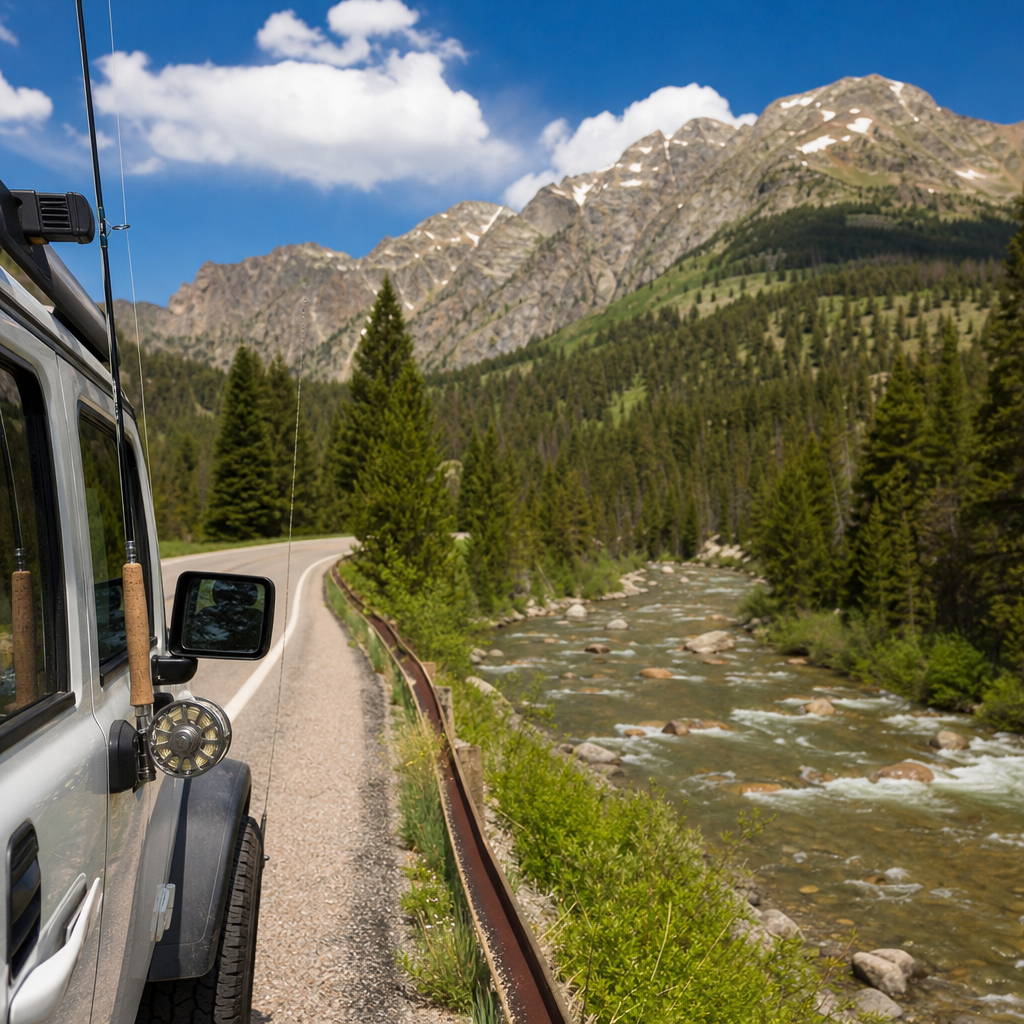
If you want the most complete freshwater fly fishing road trip in the lower forty-eight, start with the Rocky Mountain West. A practical route links western Wyoming, eastern Idaho, southwest Montana, and Yellowstone-adjacent waters. This region offers wild cutthroat, rainbow, brown, and brook trout across freestones, tailwaters, spring creeks, and lakes. Core stops often include the South Fork Snake, Henrys Fork, Madison, Yellowstone, Gallatin, and Missouri. Each river fishes differently, which is exactly why the route works. You can throw big foam dry flies to bank feeders one day, fish technical flat water the next, and finish with streamers on a windy canyon float.
The prime window usually runs from late June through September, though exact timing depends on runoff and snowpack. In heavy snow years, freestones can stay high into early July. Tailwaters such as the Missouri become even more important then. This circuit suits anglers who want variety and infrastructure. The number of fly shops, guides, public launches, and campgrounds is exceptional. Towns like Island Park, West Yellowstone, Ennis, and Craig are built around the angling economy. Expect crowds on famous reaches, especially during salmonfly or hopper season, but also expect enough surrounding water to escape pressure if you are willing to start early or drive thirty extra miles.
Pacific Northwest: Steelhead, Sea-Run Dreams, and Trout Options
The Pacific Northwest offers a very different road trip profile. Instead of chasing only summer trout, many anglers build routes around steelhead windows, salmon migrations, and selective trout on rivers with strong insect life. Depending on regulations and current run strength, a route may include Oregon’s Deschutes, Washington trout waters east of the Cascades, Idaho’s Clearwater system, and selected coastal or inland tributaries. The Deschutes is the anchor for many anglers because it combines stunning canyon scenery, summer trout, and a historic steelhead identity. Eastside lakes and rivers add backup options when wind or closures complicate plans.
This route demands close attention to regulations because seasonal rules, hatchery distinctions, and emergency closures can change rapidly. Steelhead fishing is also less numbers-driven than many trout anglers expect. You might swing classic runs for two days for one pull, and that can still be a successful trip. For anglers who enjoy two-handed rods, long gravel roads, and destination camping, that tradeoff is part of the appeal. For beginners, it often makes sense to combine a Northwest trip with dependable trout water so every day does not hinge on migratory fish. When conditions align, however, few road trips feel more atmospheric or more tied to place than this one.
Northeast Loop: Historic Rivers and Dense Variety
The Northeast is underrated for fly fishing road trips because states sit close together and species diversity is surprisingly high. A strong loop can include the Catskills in New York, the Battenkill corridor in Vermont, New Hampshire’s larger rivers, western Maine, and portions of Pennsylvania if you want to extend south. The Catskills remain foundational because of their fly fishing history, technical dry-fly culture, and rivers such as the Delaware system, Beaverkill, and Willowemoc. Vermont and New Hampshire add smaller streams and mountain scenery, while Maine contributes brook trout water, landlocked salmon opportunities, and remote ponds.
This is a smart route for anglers who prefer shorter drives and multiple lodging choices over vast western distances. You can fish famous hatches like sulfurs, Hendricksons, caddis, and Isonychia, then pivot to small-stream brook trout if larger rivers rise. Summer can bring warm water concerns in lower flows, so spring and fall are often the best overall road trip windows. Fall also adds foliage and better streamer conditions. The Northeast works especially well for anglers who value history, walk-and-wade access, and mixed travel companions, because towns often provide museums, breweries, hiking, and classic inns alongside serious fishing.
Southeast and Southern Appalachians: Year-Round Accessibility
For many anglers east of the Mississippi, the Southern Appalachians deliver the most practical fly fishing road trip. Western North Carolina, eastern Tennessee, north Georgia, and parts of Virginia offer a dense network of public trout water, delayed-harvest streams, wild mountain creeks, and tailwaters that fish through much of the year. Routes frequently center on the Watauga, South Holston, Clinch, Tuckasegee, Davidson, and Great Smoky Mountains tributaries. The combination of stocked and wild fisheries makes the region welcoming for beginners without becoming boring for advanced anglers.
One reason this route works so well is accessibility. Drive times between productive waters are short, weather windows are broader than in the mountain West, and costs can be lower. Tailwaters provide midge, scud, and sulfur fishing, while small freestone streams offer pocket water, high-gradient terrain, and brook trout in headwaters. Summer heat can limit some lower elevation fishing, but dam-controlled rivers remain dependable. This region is also ideal for anglers testing products and travel systems because the stakes are lower. You can evaluate a new wading pack, fly line, or vehicle storage setup on a four-day loop before committing to a two-week western expedition.
Alaska Road System: Big Water, Big Fish, and Logistics
Alaska is the dream road trip for many fly anglers, but it only works if you treat logistics as seriously as fishing. The road-accessible option typically links Anchorage, the Kenai Peninsula, the Mat-Su Valley, and sometimes the Denali corridor or Valdez direction depending on species timing. You might target rainbow trout, Dolly Varden, Arctic grayling, salmon, and char within one trip. Timing is everything. Sockeye runs differ from silver runs, and trout fishing behind spawning salmon can be phenomenal in the right weeks. Regulations, bear safety, fish handling rules, and weather planning are not optional details here.
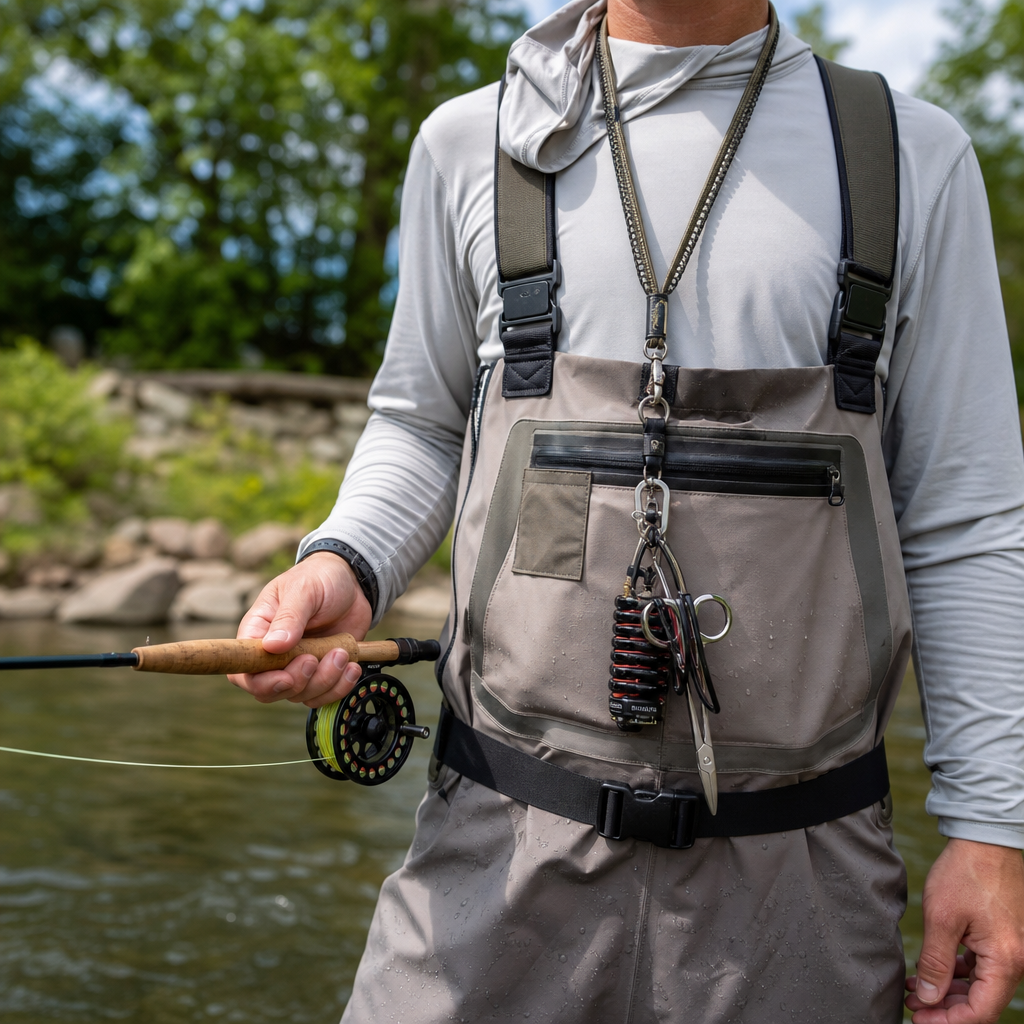
What Alaska offers that few other road trips can match is scale. Rivers feel larger, fish are often stronger, and a single trip can mix roadside access with fly-outs if budget allows. Yet the road system is not limitless. Campgrounds fill, rental vehicles book early, and wading can be more difficult than anglers assume. Breathable chest waders, aggressive boots, dry bags, and a strict gear organization system become essential. If you are creating a travel and destination review shortlist, Alaska belongs near the top for sheer experience, but not as a first major self-guided trip unless you are comfortable adapting fast and spending more.
How to Compare Road Trip Options
When readers ask me which fly fishing road trip is best, the answer depends less on prestige than on goals, timing, and travel tolerance. This comparison table captures the tradeoffs that matter most when choosing a route.
| Region | Best For | Prime Season | Main Species | Key Challenge |
|---|---|---|---|---|
| Rocky Mountain West | Variety and classic trout water | Late June to September | Rainbow, brown, cutthroat | Crowds and runoff timing |
| Pacific Northwest | Steelhead-focused travel | Varies by run and river | Steelhead, trout, salmon | Closures and low catch rates |
| Northeast | Historic rivers and short drives | Spring and fall | Brown, rainbow, brook trout | Warm summer water |
| Southern Appalachians | Accessible year-round options | Fall through spring | Trout in tailwaters and creeks | Heat on lower streams |
| Alaska Road System | Bucket-list scale and diversity | July to September | Salmon, rainbow, Dolly Varden | Cost, weather, and logistics |
Use the table as a filter. If you need the highest odds of daily action, pick routes with tailwater backup. If scenery and iconic status matter most, the Rocky Mountain West and Alaska stand out. If you only have five days, the Northeast and Southern Appalachians usually deliver the best fishing-to-driving ratio. Matching destination style to available time is more important than chasing the most famous river name.
Gear, Vehicle Setup, and Budget Reality
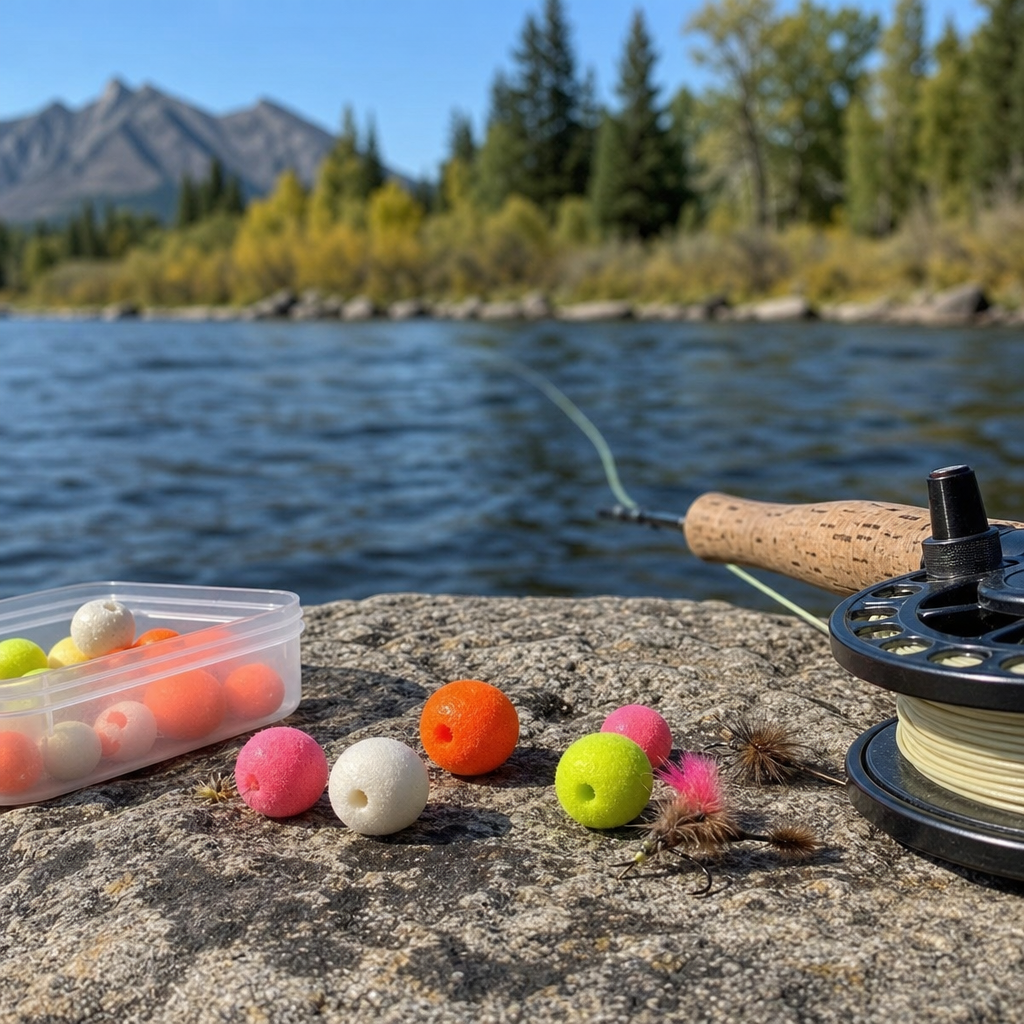
The best road trip gear is not always the most expensive gear. Reliability, packability, and ease of drying matter more. I recommend carrying two rod setups minimum: one all-purpose trout rod, usually a 9-foot 5-weight, and a second outfit for streamers, nymph rigs, or local specialty use such as a 6-weight or switch rod. Spare fly lines, leader material from 2X to 6X, a boot dryer if you have power access, and a compact repair kit save trips. So do a tire inflator, battery jump starter, and waterproof seat covers. On long routes, wet gear management is a major quality-of-life issue, not a minor annoyance.
Budget planning should include more than gas and lodging. Count nonresident licenses, shuttle fees, drift boat rentals, campground reservations, ice, laundry, food storage, and emergency fly shop purchases. In the West, a guided day can cost several hundred dollars per angler before tips, but one strategic guided day early in the trip often improves the rest of the week. You learn access points, productive flies, and seasonal patterns faster. For product reviews and recommendations, that is the larger lesson: buy and pack for the trip style you actually take. A compact, durable setup used on six road trips is more valuable than specialized gear that only shines once.
Planning Around Conditions, Ethics, and Local Knowledge
Conditions determine success more than casting skill on most road trips. Before departure, track snowpack, streamflow graphs from the U.S. Geological Survey, dam release schedules where available, state agency fishing reports, and local shop updates. During summer, watch water temperature closely. Many trout fisheries become unsafe above roughly 68 degrees Fahrenheit, and some states implement hoot owl restrictions that prohibit afternoon angling. Responsible road tripping means adapting rather than forcing a plan. Fish early, move higher in elevation, switch to tailwaters, or target warmwater species when trout need a break.
Local knowledge also includes etiquette. On crowded rivers, do not anchor or wade into active runs below another angler, and never assume every access point is obvious or legal. Respect tribal lands, private property boundaries, and invasive species cleaning rules. Felt sole restrictions, boat inspections, and whirling disease protocols are not bureaucratic trivia; they protect fisheries that make these destinations worth visiting. The best destination reviews tell you not only where to fish, but how to show up well once you arrive.
The top fly fishing road trips are the ones that fit your season, skills, and appetite for uncertainty. The Rocky Mountain West remains the most complete classic trout circuit, the Pacific Northwest offers unmatched atmosphere for anglers drawn to steelhead and salmon, the Northeast delivers dense history and efficient travel, the Southern Appalachians provide accessible year-round variety, and Alaska stands alone for scale and spectacle. Each route rewards preparation more than impulse, and each becomes better when you pair destination research with realistic gear, budget, and backup-water planning.
As a hub for travel and destination reviews, this guide should help you narrow choices instead of chasing every famous river at once. Pick one region, map primary and backup waters, confirm seasonal conditions, and build a packing list around the fishing you will actually do. Then use that plan to compare rods, waders, packs, coolers, racks, and travel accessories with a clear standard in mind. A well-designed fly fishing road trip does more than produce fish; it makes every future gear decision smarter. Start with the route that matches your calendar, and the rest of the system becomes easier to build.
Frequently Asked Questions
What makes a great fly fishing road trip itinerary instead of just a list of famous rivers?
A great fly fishing road trip is built around timing, flexibility, and fishable options, not just big-name destinations. The strongest itineraries start with hatch windows, expected river flows, and seasonal weather patterns, then layer in practical details like public access points, campground availability, shuttle options, backup water, and reasonable daily drive times. That matters because even legendary fisheries can fish poorly if you arrive at the wrong stage of runoff, miss the prime hatch by a week, or show up during a heat wave when afternoon water temperatures limit ethical fishing opportunities.
The best routes also recognize that road-tripping anglers need margin for changing conditions. A smart plan includes a primary river, a nearby secondary option, and at least one stillwater or small-stream alternative in case flows spike, winds get severe, or crowds stack up. It also helps to group destinations that fish well in the same seasonal window rather than forcing long jumps between regions with very different conditions. In practice, that often means shorter geographic loops with better fishing efficiency instead of ambitious cross-country mileage. A well-designed trip feels balanced: enough variety to keep it exciting, but enough realism to let you fish hard without spending half the trip driving, repacking, and recovering.
How far in advance should I plan a fly fishing road trip, and what should I research first?
For most quality fly fishing road trips, planning three to six months ahead is a solid minimum, while high-demand regions during peak season may require even more lead time. The first research priority should be seasonal timing. Before you book campsites or map driving legs, confirm when runoff typically drops, when key hatches occur, when water temperatures are safest for trout, and whether any rivers are prone to closures, wildfire smoke, or summer crowding. That seasonal framework is what determines whether the route makes sense at all.
Once timing is set, research access and logistics. Look at public fishing easements, boat ramps, wade access maps, fly shop reports, campground reservations, backup lodging, and local regulations for each stop. Pay close attention to special restrictions such as barbless hook rules, hoot owl closures, permit requirements, invasive species inspections, and boundaries between public and private land. After that, build a driving plan that reflects fishing reality rather than travel optimism. Many anglers underestimate how tiring it is to fish dawn and dusk and still relocate every day. In most cases, two or three nights per area is far more productive than one-night hops. Finally, call local fly shops a week or two before departure. Up-to-date local knowledge on flows, bugs, and current access issues can improve your trip more than any amount of old internet research.
What gear should I bring on a fly fishing road trip to stay prepared without overpacking?
The most efficient road trip gear setup is versatile, compact, and matched to the range of water you actually expect to fish. For many trout-focused road trips, a 9-foot 5-weight is the workhorse rod, and adding a 6-weight or a short 3-weight can cover bigger water, wind, or smaller technical streams depending on the route. A spare rod is highly recommended because road trips put gear through long drives, rough trailheads, and unpredictable weather. In terms of lines, a floating line handles the majority of situations, but a sink-tip or intermediate setup can be valuable if lakes, streamers, or deep runs are part of the plan.
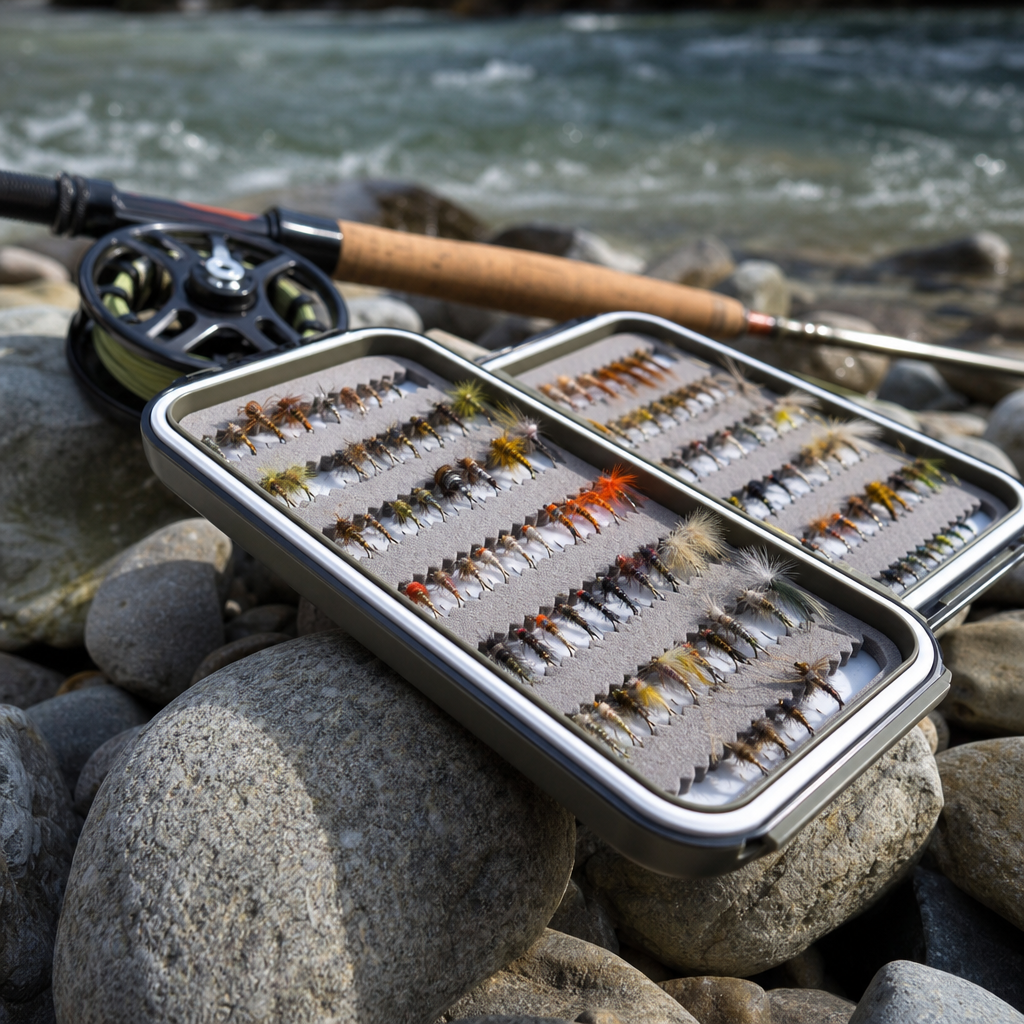
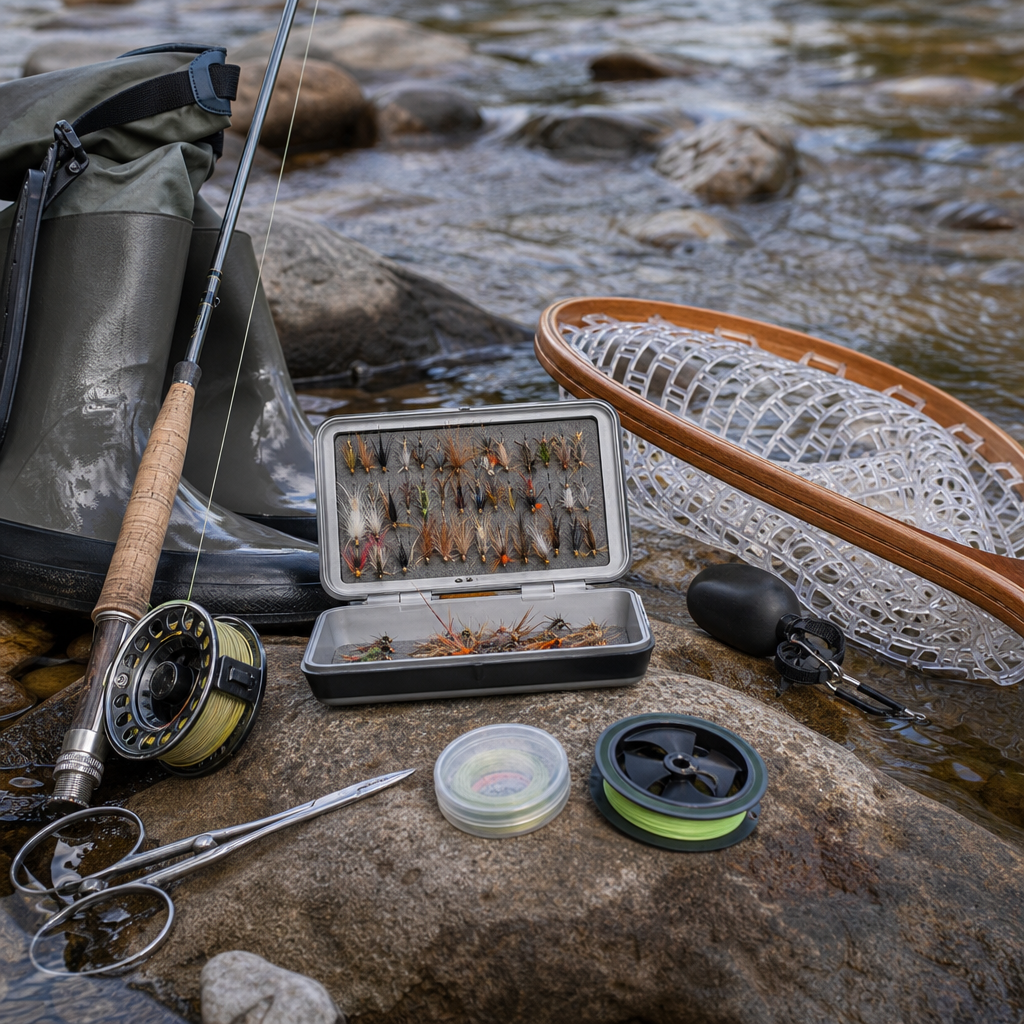
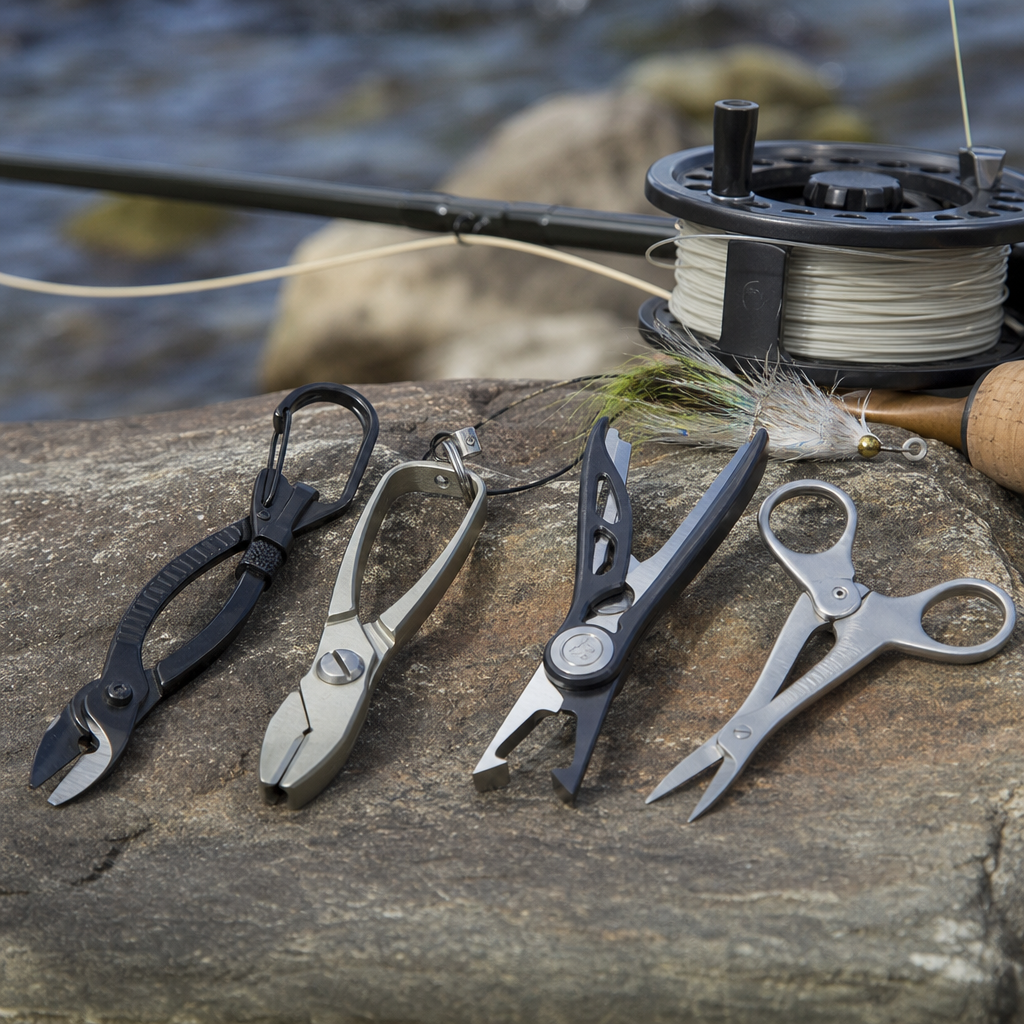
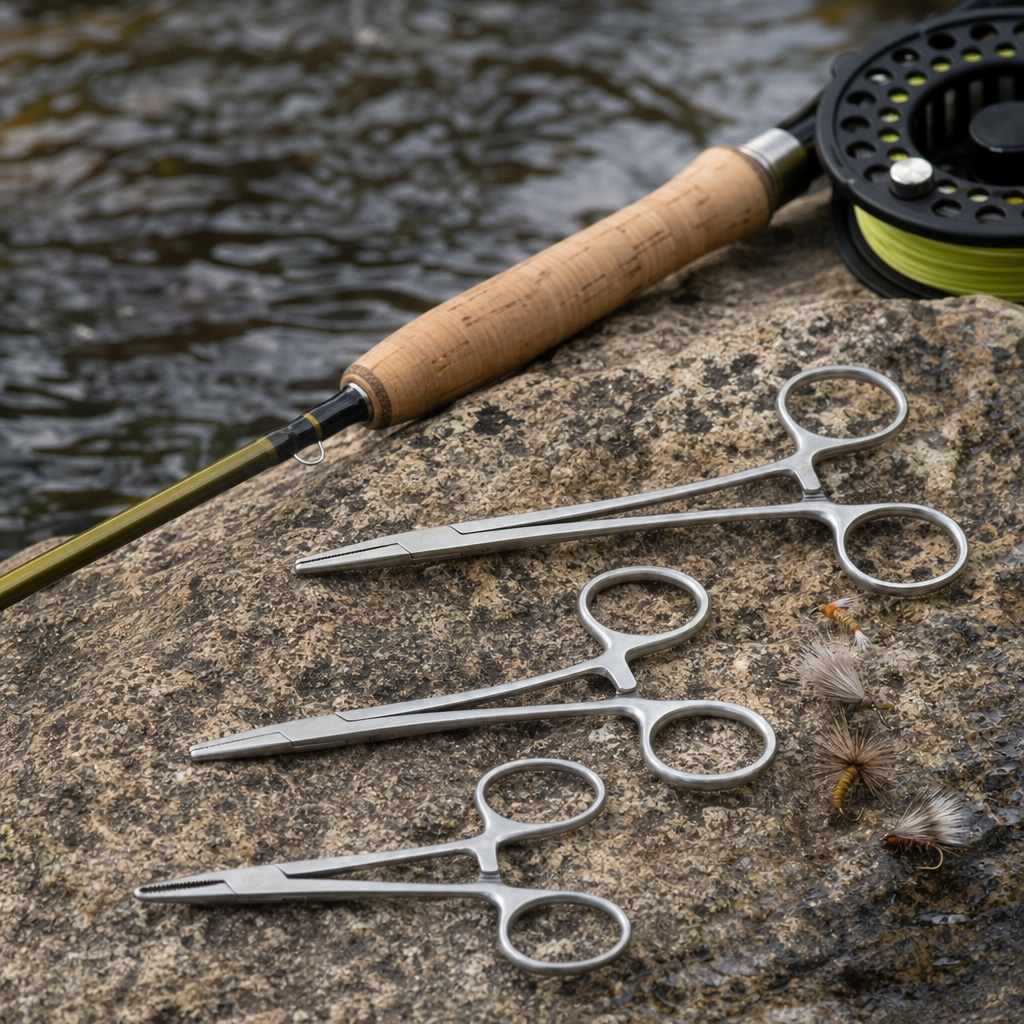
Your fly selection should reflect confidence patterns and regional staples rather than giant, random boxes. Bring dependable dry flies, nymphs, attractors, and a manageable streamer selection, then adjust locally once you arrive. Leaders and tippet should cover multiple conditions, and it is wise to pack extra indicators, split shot, floatant, strike putty, forceps, nippers, and a reliable net. Wading gear should match the trip style: sturdy boots, quality rain layers, layering for cold mornings, sun protection for long afternoons, and enough organization that you can transition quickly between stops. If you are camping, keep your fishing system separated from camp clutter so early starts are easy. The goal is not to prepare for every possible scenario in the West or East, but to build a streamlined kit that handles the most likely conditions well and can be supplemented by local fly shops when needed.
How do you handle changing river conditions, weather, and tough fishing during a road trip?
Adaptability is what separates a frustrating trip from a successful one. Even the best-planned fly fishing road trip will run into surprises: blown-out tributaries, low warm water, high winds, cold fronts, wildfire smoke, crowded access points, or hatches that arrive early or late. The key is to make decisions based on current conditions rather than forcing the original itinerary. Check streamflows, weather forecasts, and water temperatures every day, and be willing to change both destination and tactic. If a freestone river is high and off-color, that may be the moment to move to a tailwater, spring creek, lake, or smaller tributary with better clarity and more stable flows.
On the water, adjust systematically. If fish are not rising, switch from hatch-matching dry fly expectations to nymphing likely holding water, covering banks with streamers, or focusing on lower-light periods. If midday slows down, use that time for scouting access, driving to the next reach, checking in at a fly shop, or resting for the evening window. Ethical decision-making matters too. During hot summer stretches, quit early if water temperatures become stressful for trout and shift to higher-elevation options. A productive road trip is rarely about stubbornly grinding one famous river all day. It is about reading conditions honestly, preserving energy, and moving efficiently to the water that gives you the best chance to fish well.
Are guided days worth adding to a fly fishing road trip, or should I keep the whole trip DIY?
For many anglers, a mixed approach works best. A fully DIY road trip can be incredibly rewarding, especially if you enjoy exploration, self-reliance, and learning water on your own. But adding one or two guided days at strategic points can dramatically improve the rest of the trip. A good guide can accelerate your understanding of local hatches, productive water types, seasonal fish behavior, access etiquette, and effective rigging. That information often pays off for several days after the guided trip ends, especially if you plan the guide day early in a new region.
Guides are particularly valuable when you are entering complex water for the first time, floating a river that is difficult to wade effectively, dealing with technical fisheries, or visiting during a narrow seasonal window where you want to maximize opportunity. They can also help identify what sections are worth revisiting on your own and which areas are better skipped. That said, not every stop needs a guide. If your route includes straightforward public water, familiar trout tactics, and enough time to explore, DIY fishing may be the better use of your budget. Think of guided days as high-value learning investments rather than a replacement for the road trip experience. Used selectively, they make the entire itinerary smarter, more efficient, and more productive.