Fly fishing gloves sit at the intersection of warmth, dexterity, line control, and fish handling, which is why choosing the right pair can improve comfort and catch rates more than many anglers expect. In practical terms, the best fly fishing gloves protect hands from cold water, wind, UV exposure, abrasion, and stripped line while still allowing knot tying, fly changes, and precise rod grip. That balance is hard to achieve because glove materials that insulate well often reduce tactile feedback, and ultralight options that feel almost invisible may do little once temperatures drop or hands stay wet for hours. I have tested gloves across tailwaters, spring creeks, salt flats, drift boats, and winter wading days, and the pattern is consistent: there is no single best glove for every angler, only the best design for a specific climate, species, and fishing style.
For a clothing reviews hub, fly fishing gloves deserve special attention because they connect to every other layer you wear. Jacket cuffs, base layers, hand warmer pockets, rain shells, and stripping guards all influence glove performance. Cold hands can shorten sessions, reduce reaction time, and make simple tasks frustrating. Sunburned hands are equally common on summer trout rivers and saltwater skiffs. Good gloves solve these problems without interfering with casting mechanics. This guide reviews the top fly fishing gloves by category, explains what features matter, and helps you decide whether you need fingerless sun gloves, insulated waterproof gloves, convertible mitts, or minimalist stripping gloves. If you are building out a complete clothing system, this article also serves as a central reference point for broader clothing reviews and recommendations within your fly fishing kit.
What Makes a Great Fly Fishing Glove
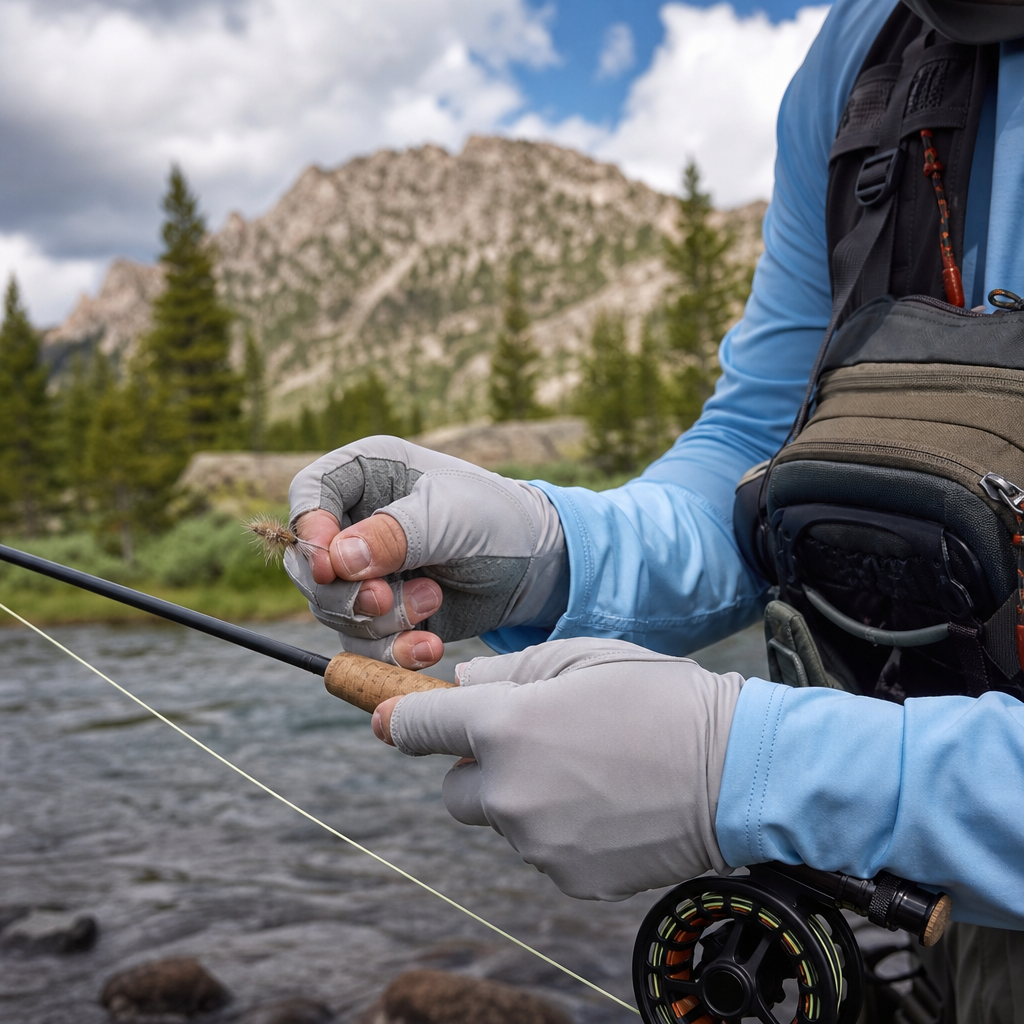
A great fly fishing glove does four jobs at once: maintain usable warmth, preserve dexterity, manage moisture, and stand up to repeated friction from line, cork, oars, and fish slime. The most important design decision is coverage. Full-finger gloves protect better in winter and boating conditions, while fingerless gloves dominate trout and flats fishing because they preserve sensitivity for knots and hook removal. Convertible mitts split the difference, but they introduce bulk and can snag if poorly designed. Material choice matters just as much. Fleece insulates when damp and feels comfortable, neoprene blocks wind and sheds splashes, softshell fabrics balance mobility and weather resistance, and synthetic sun fabrics prioritize breathability and UPF protection.
Fit is the overlooked factor that separates gloves you wear all day from gloves left in the pack. A glove that is too tight restricts circulation and can make hands colder despite thicker fabric. A glove that is too loose creates dead space, reduces grip security, and allows line to catch at the fingertips. The best models articulate around the casting hand, use low-bulk seams, and pair cleanly with jacket cuffs. Reinforced palms and stripping fingers extend life, especially for anglers who fish integrated shooting heads or textured lines. Touchscreen compatibility sounds useful, but in my experience it is secondary to wet-grip security and cuff design. If a glove wets out, bunches, or slips on the rod during a reach cast, no extra feature compensates for that failure.
Best Fly Fishing Gloves by Use Case
The right recommendation depends on when and where you fish. Simms, Patagonia, Orvis, Glacier Glove, Fish Monkey, and Grundens consistently appear in serious anglers’ rotation because each brand solves a different problem well. Simms SolarFlex SunGlove is a strong warm-weather choice for trout and flats anglers who want UPF coverage with minimal bulk. It dries quickly, protects the back of the hand, and leaves enough dexterity for leader work. Patagonia Sun Gloves target the same category with a similarly light feel and dependable stitching. For anglers who strip hard all day for bonefish, false albacore, or bass, these lightweight gloves reduce line cuts and sun exposure without changing casting timing.
Cold-weather anglers usually need more structure. Simms Freestone Half-Finger gloves have long been a practical shoulder-season option because they provide fleece warmth while keeping fingertips free for rigging. They are not fully waterproof, but they remain useful in cool, damp conditions and are comfortable under shell cuffs. Glacier Glove Pro Angler and Alaska River Series gloves are common among boat anglers and steelheaders because neoprene and blind-stitched construction resist spray, sleet, and sustained wind better than standard fleece. They trade some finesse for protection, but on days when air temperature and wind chill are both working against you, that trade is worthwhile. For especially cold sessions, flip-mitt styles from Orvis or wool-blend fingerless gloves layered under shell mitts offer surprising versatility.
| Glove | Best For | Strengths | Tradeoffs |
|---|---|---|---|
| Simms SolarFlex SunGlove | Summer trout, flats, travel | Lightweight, UPF protection, fast drying | Minimal warmth in cold weather |
| Patagonia Sun Gloves | Technical summer fishing | Breathable, low bulk, good dexterity | Limited abrasion resistance on heavy stripping days |
| Simms Freestone Half-Finger | Cool mornings, shoulder season | Warm fleece, easy knot tying, comfortable fit | Not waterproof |
| Glacier Glove Pro Angler | Boat fishing, wind, spray | Neoprene weather protection, durable palms | Reduced fine-motor precision |
| Fish Monkey Wooly Half Finger | Cold dry days, general trout use | Natural warmth, classic feel, affordable | Can absorb water and dry slowly |
| Grundens Boundary Glove | Harsh marine conditions | Excellent wet grip, robust shell materials | Too bulky for delicate fly tasks |
Detailed Reviews and Performance Notes
Simms SolarFlex SunGlove remains one of the easiest recommendations because it does exactly what summer anglers need. The stretch fabric fits close, the exposed palm areas help retain rod feel, and the cuff integrates cleanly with sun hoodies and technical shirts. During long walk-and-wade trout days, I have found this style significantly reduces fatigue caused by sunburn and constant wetting. It also prevents the back of the stripping hand from getting chewed up by repeated line contact. Patagonia’s version performs similarly but often feels slightly more refined in seam placement. If your fishing revolves around delicate dries, euro nymphing in warm weather, or flats travel where packability matters, these lightweight gloves are usually the best first purchase.
Simms Freestone Half-Finger and Fish Monkey Wooly Half Finger occupy the useful middle ground between summer-only gloves and true winter protection. The Simms pair offers better technical fit and tends to work better in wet, variable weather, while the Fish Monkey option delivers warmth and value with a more traditional knit feel. For anglers fishing late fall trout or spring smallmouth, both are strong choices because they keep palms functional without forcing constant glove removal. I have used half-finger fleece designs on drift boats where the ability to row, net fish, and retie without taking gloves off saves time and keeps hands from going numb.
Glacier Glove Pro Angler is the pragmatic answer for ugly days. Neoprene does not feel elegant, but it blocks wind better than fleece and remains serviceable after repeated splashes. On winter tailwaters and coastal estuaries, that protection matters more than fingertip sensitivity. The compromise is obvious when tying size 20 flies or threading tippet in fading light. Many anglers solve this by sizing the glove for warmth and carrying a dry fingerless pair in a pocket for rigging. Grundens Boundary-style gloves push even further toward protection and grip for marine environments. They are excellent for running a skiff, handling wet ropes, or cold-weather boat work, but most freshwater fly anglers will find them too bulky for regular casting. In other words, buy them when conditions demand armor, not as an all-purpose glove.
How to Choose the Right Glove for Weather, Water, and Technique
Start with water temperature and exposure time, not air temperature alone. A sunny 45-degree day can feel manageable until repeated releases, deep wading, and wet line handling pull heat out of your hands. If your fishing includes frequent immersion, prioritize materials that insulate when damp and dry reasonably fast. For winter trout and steelhead, fingerless fleece or neoprene hybrids are usually the sweet spot because they preserve enough dexterity for regular fly changes. If you mostly fish from a boat and do fewer technical tasks with bare fingers, full-finger insulated gloves become more practical. Wind is another major variable. On open lakes, large western rivers, and saltwater flats, windproof fabrics matter as much as insulation.
Your primary technique should guide fingertip design. Nymph anglers adjust indicators, split shot, and tippet often, so fingerless gloves or fold-back mitts make sense. Streamer anglers stripping aggressively benefit from reinforced fingers and palm overlays that prevent hot spots. Dry fly anglers need precise feel on leader knots and tiny flies, making low-bulk half-finger options ideal for all but the coldest conditions. Saltwater anglers should think about sun, line speed, and corrosion resistance. Gloves in that environment need UPF-rated fabric, quick drying, and stitching that tolerates repeated salt exposure. For travel, I usually recommend carrying two pairs: a primary glove matched to the forecast and a backup with a different function. That simple redundancy solves more comfort problems than chasing one mythical do-everything glove.
Material, Fit, and Durability Considerations
Material science explains most glove behavior on the water. Fleece traps warm air and stays comfortable across changing conditions, but it can soak through in heavy rain or repeated dunking. Neoprene creates a weather-resistant barrier and works well in spray, snow, and sleet, though it can feel clammy and less precise. Merino blends add warmth and odor control, yet they usually need reinforcement in high-wear areas. Synthetic sun fabrics built with polyester and elastane excel in hot weather because they dry fast and move with the hand. Palm overlays commonly use synthetic leather, silicone print, or textured rubber to improve grip. None is perfect. Silicone grips well but can wear smooth; synthetic leather is durable but may stiffen over time.
Construction details often reveal whether a glove is worth its price. Look for flatlock seams in lightweight gloves to reduce chafing, blind stitching or glued seams in neoprene models to improve water resistance, and bar-tacked stress points near pull loops and cuff edges. Cuff length matters more than most buyers realize. A short cuff can gap under a rain jacket, while an oversized cuff may bunch and interfere with layering. Durability also depends on how you use the glove. If you lip bass, row hard, or handle toothy fish, abrasion accelerates fast. Rinse saltwater gloves after every trip and dry them fully away from direct heat; that single maintenance habit extends lifespan noticeably. In my experience, premium gloves justify their cost when they maintain fit and stitching through a full season instead of becoming misshapen after a few wet outings.
How Fly Fishing Gloves Fit Into a Broader Clothing Reviews Hub
As a hub page for clothing reviews, gloves are best understood as one part of an integrated system. Hand comfort changes when you swap from a bulky wading jacket to a streamlined shell, from breathable chest waders to insulated bibs, or from a thin sun hoodie to a heavy grid-fleece midlayer. The best glove recommendation often depends on your outerwear cuffs, layering strategy, and whether you carry chemical hand warmers. Anglers building a complete clothing kit should also compare gloves alongside rain jackets, fishing pants, socks, hats, neck gaiters, and thermal base layers. Each item influences the others. A leaky cuff can make a premium glove fail; a well-designed sleeve gasket can make a modest glove perform better than expected.
This is why clothing reviews should not treat gloves as isolated accessories. If you fish year-round, create a simple rotation: lightweight sun gloves for high UV months, half-finger fleece for spring and fall, and a storm-ready neoprene or waterproof pair for winter or boating. That three-glove system covers nearly every condition without excess overlap. It also mirrors how experienced guides and destination anglers pack. Rather than asking for the single best fly fishing glove, ask which glove completes your clothing system for the conditions you actually face. That mindset leads to better purchases, fewer compromises on the water, and longer, more comfortable days fishing. Review your current setup, identify the weather gap, and choose the glove category that solves it with the least tradeoff.
Frequently Asked Questions
What should I look for when choosing the best fly fishing gloves?
The best fly fishing gloves strike a careful balance between warmth, dexterity, grip, and durability. Unlike general winter gloves, fly fishing gloves need to support small, precise tasks such as tying knots, changing flies, managing tippet, and controlling line without making your hands feel bulky or clumsy. Start by thinking about the conditions you fish in most often. If you regularly fish in cold rivers, winter tailwaters, or windy coastal environments, insulation and wind resistance should be priorities. If you spend more time on sunny trout streams or saltwater flats, lightweight sun protection and quick-drying materials may matter more than heavy warmth.
Material is one of the biggest factors. Neoprene is popular for cold and wet conditions because it retains warmth even when damp, but it can reduce sensitivity. Fleece is comfortable and warm, though it may absorb water more easily unless paired with a water-resistant outer layer. Synthetic blends often provide a good middle ground, offering stretch, breathability, and faster drying times. Many high-performing gloves also include reinforced palms or finger panels to improve grip and protect against abrasion from line, hooks, and fish handling.
Finger design matters just as much as fabric. Full-finger gloves provide the most protection from cold, sun, and abrasion, but they can make fine motor tasks more difficult. Half-finger or convertible gloves are often favored by fly anglers because they preserve better feel at the fingertips while still covering most of the hand. Some models use fold-back mitten caps or slit-finger designs that allow quick access to your thumb and forefinger when it is time to tie on a fly. A snug but non-restrictive fit is essential, because loose gloves reduce line control and can create friction points, while overly tight gloves restrict circulation and actually make hands colder.
Finally, pay attention to practical details that matter on the water. Look for textured palms for rod security, low-profile seams to reduce irritation, and cuffs that seal well against jackets to keep out cold air and water. In saltwater or high-output fishing, odor resistance, UPF protection, and quick rinse-and-dry performance can also be valuable. The right pair is not just about comfort; it can improve efficiency, reduce fatigue, and help you fish longer with better control throughout the day.
Are fingerless fly fishing gloves better than full-finger gloves?
Neither style is universally better; the right choice depends on how and where you fish. Fingerless fly fishing gloves are often the top choice for anglers who prioritize dexterity above all else. Because your fingertips remain exposed, it is much easier to tie knots, pinch split shot, thread flies, strip line smoothly, and handle delicate presentations. This makes fingerless designs especially popular for technical trout fishing, mild-weather outings, and situations where frequent fly changes are part of the day. They also tend to be more breathable and comfortable when temperatures are cool rather than truly cold.
Full-finger gloves, on the other hand, offer better overall protection. They shield your hands from wind, cold water, UV exposure, abrasive line, and rough fish handling. If you fish in freezing temperatures, spend long hours in a drift boat, or target species where line burns are a concern, full-finger gloves can make a major difference. They are also useful when repetitive exposure to water and wind would otherwise leave your hands numb. The tradeoff is reduced tactile feedback, which can make precision tasks slower and more frustrating unless the gloves are designed with thin, highly flexible materials.
Many experienced anglers end up preferring a hybrid solution. Convertible gloves, slit-finger designs, or thin full-finger gloves with touchscreen-compatible, grippy fingertips can bridge the gap between warmth and functionality. Some anglers even carry two pairs: a warmer full-finger model for travel, rowing, or inactive periods, and a lighter fingerless pair for active casting and line work. This is often the most practical approach for changing conditions throughout the day.
In simple terms, fingerless gloves are usually better for finesse and feel, while full-finger gloves are better for protection and harsh weather. If your fishing demands constant knot work and line control, fingerless or convertible gloves will likely feel more efficient. If cold, wind, or physical exposure are your biggest problems, full-finger gloves may be the smarter investment. The best answer is the one that matches your most common fishing conditions and your tolerance for reduced hand sensitivity.
How important are warmth and waterproofing in fly fishing gloves?
Warmth and waterproofing are extremely important, but they should be evaluated in context rather than treated as universal must-haves. For anglers fishing cold rivers, steelhead runs, winter trout water, or windy coastal areas, warm gloves can directly affect performance. Once your hands become numb, even simple tasks such as stripping line, gripping the rod, releasing fish, or retying a leader become difficult. Cold hands also reduce reaction time and can shorten your day on the water. In that sense, warmth is not just a comfort feature; it is a functional advantage.
Waterproofing is a little more nuanced. In fly fishing, gloves often get wet because your hands are constantly interacting with line, fish, nets, and water. A fully waterproof glove can help in rain, spray, or brief immersion, but if it is too bulky or traps sweat inside, it may actually become less comfortable over time. That is why many anglers prefer water-resistant or quick-drying gloves instead of heavily waterproof models. In active fishing, breathability can matter almost as much as keeping external moisture out. Gloves that dry fast and retain warmth when damp are often more practical than gloves that promise total waterproofing but sacrifice flexibility and feel.
The ideal level of warmth also depends on activity level. If you are wading hard, hiking into remote streams, or casting constantly, lightly insulated gloves may be enough because your body is generating heat. If you are standing in a drift boat, rowing in freezing air, or spending long stretches inactive between casts, you may want more substantial insulation and better wind blocking. Windproof panels, snug cuffs, and moisture-managing liners can dramatically improve comfort even when the glove itself is not fully waterproof.
For most fly anglers, the goal is not maximum insulation at all costs. It is effective warmth paired with enough dexterity to fish well. The best gloves in this category are the ones that keep your hands functional in real conditions, not just warm in theory. A glove that is slightly less insulated but lets you tie knots and strip line efficiently will often outperform a warmer glove that feels too thick and cumbersome to use.
Can fly fishing gloves really improve line control and fish handling?
Yes, the right fly fishing gloves can noticeably improve both line control and fish handling, especially over a full day on the water. Good line control depends on a combination of grip, tactile feedback, and protection. When your hands are cold, wet, or fatigued, stripped line can slip unpredictably, and your ability to manage tension, mend effectively, or feed line smoothly can suffer. Gloves designed specifically for fly fishing often include textured palms, reinforced stripping fingers, and flexible materials that help you maintain consistent contact with the line without losing too much feel.
This becomes particularly important when targeting larger or faster fish, fishing in cold weather, or using aggressive stripping techniques. Repeated line movement can create friction and even painful burns on bare skin. Gloves with strategic reinforcement on the fingers and palm reduce that wear and tear, allowing you to fish longer and with more confidence. They can also help maintain a secure rod grip in rain, spray, or freezing conditions, which improves casting stability and control.
Fish handling is another area where gloves can be beneficial, though the type of glove matters. Lightweight, fish-friendly gloves can protect your hands from sharp gill plates, abrasive jaws, teeth, spines, and cold water exposure during landing and release. They can also improve grip when handling larger fish that are difficult to control safely. However, gloves should not be rough, overly absorbent, or damaging to the fish’s protective slime coat. Many anglers still prefer to wet their hands or use smoother glove materials when handling trout and other sensitive species to minimize stress and injury.
In practical terms, gloves can improve performance by keeping your hands comfortable and responsive enough to work efficiently. Better comfort means less distraction, fewer mistakes during critical moments, and more consistent execution of the small tasks that matter in fly fishing. They are not a magic solution, but when chosen carefully, they can absolutely enhance both your control over the line and your ability to land and release fish cleanly.
How many pairs of fly fishing gloves should an angler own?
For most anglers, owning more than one pair of fly fishing gloves is the smartest approach. No single glove excels in every condition because fly fishing places competing demands on warmth, dexterity, weather protection, and tactile sensitivity. A glove that performs beautifully on a cold winter nymphing trip may feel oppressive during a summer day on a freestone stream, while a lightweight sun glove that is perfect for flats fishing will not offer enough insulation for icy morning wades. Having at least two specialized options allows you to match your gear to the day rather than forcing one compromise-heavy glove into every scenario.
A practical setup often includes one lightweight pair and one cold-weather pair. The lightweight pair can be used for