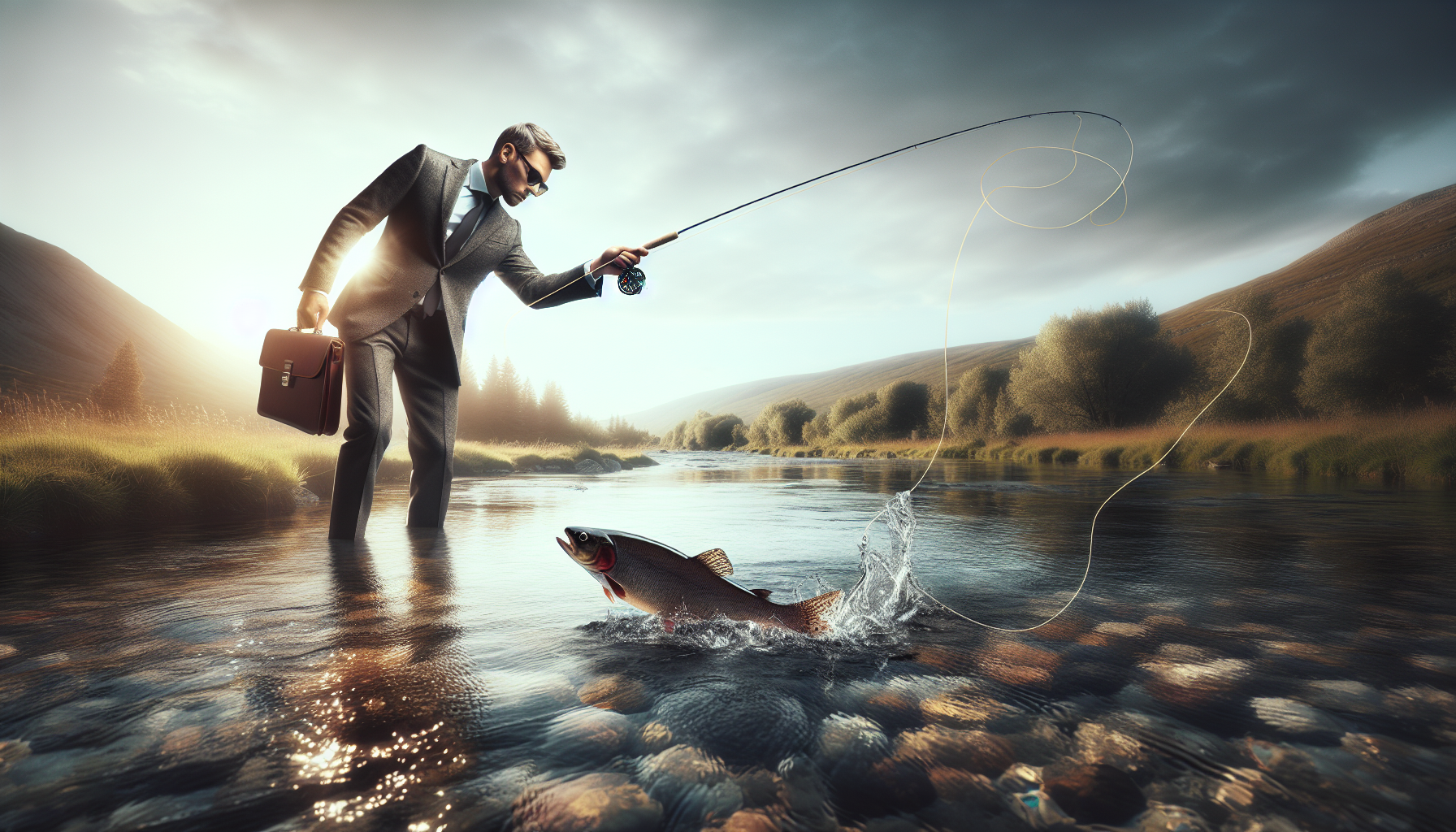
Fly fishing occupies a distinctive place in freshwater wildlife conservation because it sits at the intersection of recreation, habitat stewardship, species protection, and public funding. In practical terms, fly fishing is the method of presenting an artificial fly with a weighted line, usually to trout, salmon, bass, pike, panfish, and many native river species. Freshwater wildlife conservation is broader: it includes protecting fish populations, aquatic insects, amphibians, riparian birds, mammals, streamside plants, and the ecological processes that keep rivers, lakes, wetlands, and headwaters functioning. When these two worlds meet, the results can be remarkably positive, but only when anglers understand that catching fish is inseparable from protecting water, habitat, and biodiversity.
I have seen that connection repeatedly on rivers where strong angling communities helped restore spawning gravel, remove barriers, monitor water temperature, and defend instream flow during drought. I have also seen the reverse: popular fisheries degraded by bank erosion, warm-water stress, invasive species, and poor handling practices. That tension explains why this subject matters. Fly fishing can generate license revenue, support conservation groups, and build a constituency for clean water. At the same time, if anglers ignore wildlife protection, pressure can harm the very ecosystems they claim to value. The role of fly fishing in freshwater wildlife conservation is therefore neither symbolic nor automatic. It is practical, measurable, and dependent on ethical choices.
As a hub within the broader conservation and ethics topic, this article covers wildlife protection comprehensively. It explains how fly anglers contribute to habitat restoration, why catch-and-release must be done correctly, how fishery regulations protect non-target species, and where tradeoffs appear. It also connects related subtopics that deserve deeper exploration, including native fish recovery, invasive species management, riparian habitat restoration, water quality advocacy, seasonal closures, gear ethics, and responsible access. Understanding these links helps readers move beyond a narrow focus on sport and toward a complete view of freshwater stewardship, where healthy insect hatches, stable streambanks, cold clean water, and resilient fish populations all matter equally.
How Fly Fishing Supports Habitat and Watershed Protection
The most important conservation contribution from fly fishing is political and financial support for habitat protection. In many regions, anglers pay directly into management through fishing licenses, stamps, access permits, and excise-tax-supported equipment purchases. In the United States, the Sport Fish Restoration program, funded through federal excise taxes under the Dingell-Johnson framework, has directed billions of dollars toward fishery management, boating access, and habitat work. Those funds help agencies conduct electrofishing surveys, improve culverts, restore floodplains, and manage public waters. Similar user-funded models exist in other countries through license structures and conservation levies tied to fishing access.
Money alone is not the whole story. Organized fly fishing communities often become effective advocates for rivers and wetlands because they notice changes quickly. Anglers track insect hatches, stream temperatures, sediment loads, and fish distribution over time. On trout streams, for example, local clubs frequently report silted spawning beds after logging-road failures or identify dewatered side channels during irrigation season. Those observations can prompt agency action faster than distant monitoring alone. Conservation groups such as Trout Unlimited, Bonefish & Tarpon Trust, and local watershed alliances have built restoration campaigns around exactly this kind of field knowledge, pairing volunteer labor with scientific planning.
Habitat protection also extends beyond target fish. A restored riparian corridor shades water, reducing temperature stress for trout while benefiting salamanders, beavers, otters, kingfishers, and aquatic invertebrates. Reconnected floodplains increase juvenile fish survival, but they also improve nutrient exchange, recharge groundwater, and create breeding habitat for frogs and waterfowl. When fly anglers support bank stabilization with native vegetation instead of hard armoring, they help preserve undercut banks, root structure, and terrestrial insect inputs. Those details matter because freshwater wildlife depends on food webs, not isolated species. Healthy mayfly populations, for instance, support fish growth, bird nesting success, and the overall ecological integrity that makes a river resilient.
Catch-and-Release, Fish Handling, and Real Wildlife Outcomes
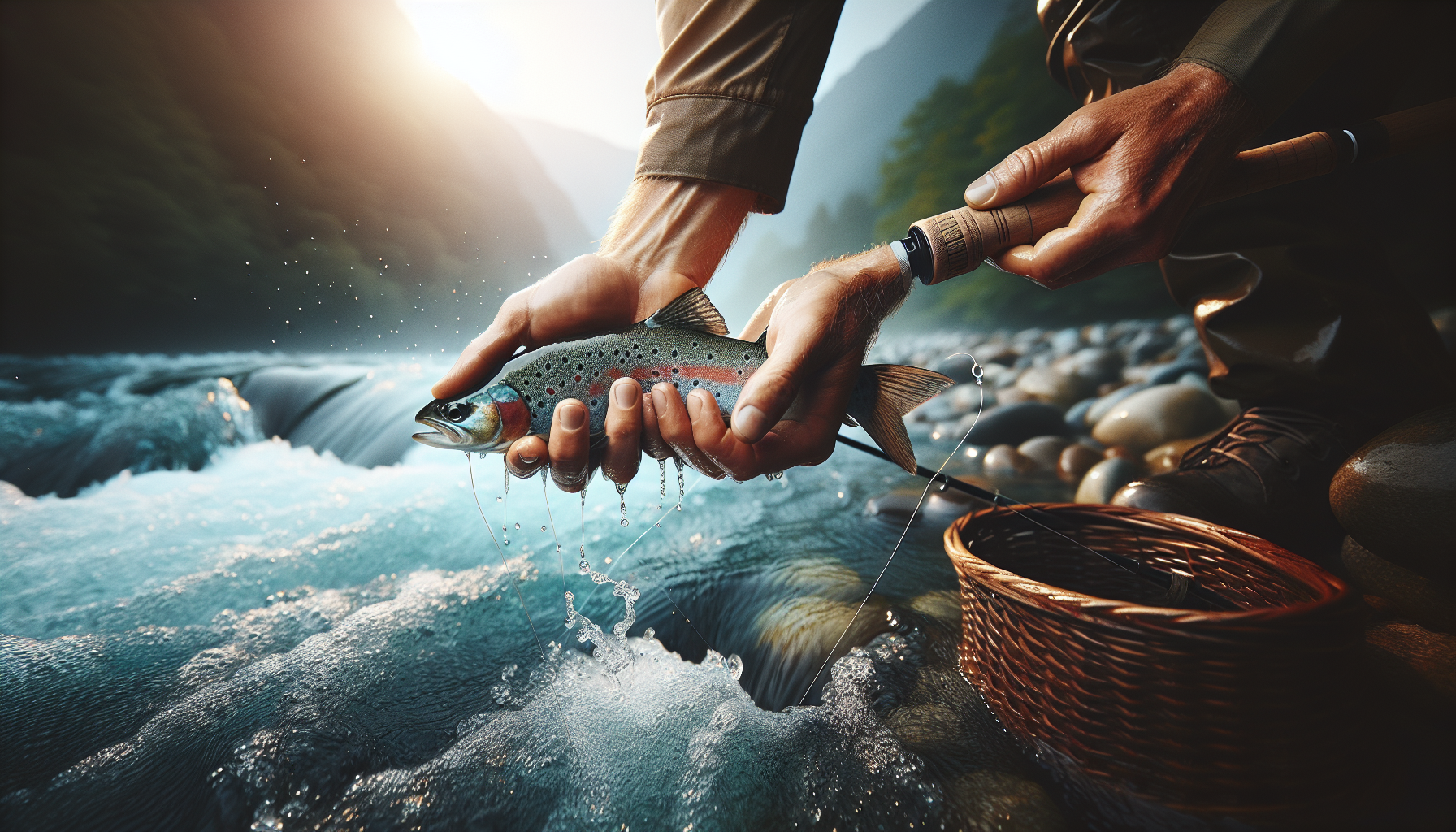
Catch-and-release is often presented as the central conservation ethic in fly fishing, but its value depends on execution. Done correctly, it reduces harvest pressure and can protect wild fisheries, especially where native trout, grayling, char, or salmonids are vulnerable to overexploitation. Done poorly, it can produce delayed mortality, reproductive impairment, and unnecessary stress. The scientific literature is clear on several points. Mortality generally rises with water temperature, prolonged fight time, deep hooking, rough handling, and air exposure. Barbless hooks, heavier tippets that shorten fights, keeping fish in the water, and avoiding angling during thermal stress all improve survival rates.
On technical tailwaters and spring creeks, I have watched anglers obsess over delicate presentations while ignoring basic fish handling. A long photo session with a large trout held high above rocks can undo the supposed benefits of release. By contrast, anglers who use rubberized nets, unhook fish without squeezing, and release them quickly usually preserve much higher post-release survival. Research on salmonids has shown that even brief air exposure can significantly increase physiological stress. That is why many fisheries managers now emphasize not just release, but low-impact release, particularly during summer when dissolved oxygen falls and fish approach thermal limits.
Wildlife protection requires looking beyond game fish as well. Improperly discarded tippet can entangle ducks, herons, turtles, and small mammals. Lead split shot, still legal in some places, can poison loons and swans when ingested. Wading through spawning redds can crush eggs of trout and salmon. These are not fringe issues; they are common avoidable mistakes. Ethical fly fishing means understanding life cycles and adjusting behavior accordingly. If fish are staging to spawn, if amphibians are breeding in backwaters, or if a reach is under voluntary hoot-owl restrictions due to heat, restraint is part of conservation. Sometimes the most protective action is not to fish at all.
Regulations, Science, and Why Wildlife Protection Needs Rules
Strong freshwater conservation depends on regulations rooted in biology, not convenience. Seasons, slot limits, gear restrictions, bait bans, and area closures are tools for protecting species at vulnerable times and places. Fly-only regulations are sometimes misunderstood as elitist, but in specific contexts they serve clear management purposes. Artificial-only rules can reduce bait-related hooking mortality, help maintain quality fisheries, and align effort with conservation goals where wild fish populations are sensitive. They are not universally superior, and they should never substitute for habitat restoration, but they can be effective when paired with monitoring and enforcement.
Managers use several data sources to shape these rules: creel surveys, redd counts, PIT tag studies, electrofishing, macroinvertebrate sampling, thermal data loggers, and population modeling. If a river shows declining age-class diversity or weak juvenile recruitment, agencies may reduce harvest, close spawning tributaries, or limit access during critical periods. Where native fish coexist with stocked fish, regulations may also shift to protect genetic integrity. For example, restrictions on moving live fish, cleaning gear between waters, and avoiding unauthorized stocking can prevent disease spread and hybridization. Good regulation recognizes that wildlife protection includes native mussels, amphibians, and aquatic insects, not just catch rates for anglers.
| Conservation tool | Primary wildlife benefit | Common example in fly fisheries |
|---|---|---|
| Seasonal closure | Protects spawning fish and nesting wildlife from disturbance | Closing tributaries during trout or salmon spawning runs |
| Artificial-only rule | Reduces deep hooking and release mortality | No bait allowed on a wild trout reach |
| Thermal restriction | Limits stress during high water temperatures and low oxygen | Afternoon closure when water exceeds a set threshold |
| Barbless requirement | Speeds release and lowers handling damage | Mandatory barbless hooks on catch-and-release sections |
| Access management | Reduces erosion, trampling, and disturbance to riparian habitat | Designated trails and restricted bank entry near wetlands |
Enforcement is equally important. Rules that exist only on paper do little for wildlife. Effective conservation requires signage, angler education, visible warden presence, and public legitimacy. In my experience, compliance improves when agencies explain the biological reason behind a rule. Anglers are much more likely to respect a closure if they know a reach contains vulnerable bull trout redds or a remnant population of native cutthroat using cold tributary refuges. Clear science, transparent communication, and consistent enforcement make regulations feel protective rather than arbitrary, which strengthens long-term stewardship.
Native Species Recovery, Invasive Threats, and the Broader Food Web
One of the most significant contributions fly fishing can make to wildlife protection is supporting native species recovery. Native trout, char, dace, suckers, and minnows are often overshadowed by famous sport fish, yet they are essential components of freshwater biodiversity. In western North America, for example, native cutthroat trout and bull trout have lost habitat to dams, warming water, dewatering, and competition from introduced species. In Appalachia, brook trout depend on cold, connected headwaters. In Europe, Atlantic salmon, grayling, and brown trout face barriers, pollution, and altered flow regimes. Anglers who advocate for native fish restoration help entire ecosystems, not just a single angling opportunity.
Introduced species complicate this picture. Some non-native fish create popular fisheries while simultaneously displacing native wildlife through predation, competition, or hybridization. Stocked trout can affect amphibian communities in mountain lakes. Smallmouth bass introduced into rivers can alter native minnow and juvenile salmon populations. New Zealand mudsnails, didymo, whirling disease, and invasive plants can travel on boots, nets, and boats. Responsible fly anglers reduce these risks by cleaning and drying gear, using decontamination protocols, respecting transport regulations, and supporting management that prioritizes ecological integrity over short-term catch numbers. Biosecurity is now a routine part of ethical fishing, not a niche concern.
The broader food web deserves equal attention. Freshwater insects such as caddisflies, stoneflies, and mayflies are not simply trout food or hatch-chart references. They are indicators of water quality and vital prey for fish, birds, bats, and spiders. Mussels filter water and stabilize substrate. Beavers create wetlands that store water, trap sediment, and increase habitat complexity for fish and amphibians. Riparian vegetation contributes leaf litter, woody debris, and insect fall, all of which support aquatic productivity. Fly fishing at its best teaches anglers to notice these relationships. That awareness can be transformative because people who understand a river as a living network are far more likely to defend it from channelization, pollution, and careless development.
Practical Stewardship: What Responsible Fly Anglers Should Do
Wildlife protection becomes real through daily habits. First, know the fishery before you go. Check water temperatures, seasonal closures, low-flow advisories, and local handling guidance. If temperatures are approaching stressful levels for coldwater fish, fish early, target more resilient species, or skip the outing. Second, use appropriate gear. Match rod strength and tippet to the fish so fights stay short. Crimp barbs, carry a rubber net, and keep forceps ready. Third, practice clean access. Stay on established paths, avoid trampling bankside vegetation, and give nesting birds, amphibian breeding areas, and beaver ponds space.
Fourth, leave no debris. Pack out monofilament, food wrappers, and lead alternatives if required or advisable. Fifth, clean gear between waters using current decontamination guidance from state, provincial, or national agencies. Felt-soled waders have been restricted in some places for this reason. Sixth, support conservation organizations and public processes. Comment on water withdrawal permits, dam relicensing, mining proposals, and wetland impacts. Attend local watershed meetings. Volunteer on riparian planting days. Many of the best habitat projects I have joined were powered by anglers willing to move beyond the riverbank and engage in policy, fundraising, and restoration work.
This hub page points naturally to deeper wildlife protection subjects across the site: responsible catch-and-release techniques, native fish conservation, invasive species prevention, stream restoration methods, water quality monitoring, ethical wading during spawning periods, low-impact gear choices, and public-land access etiquette. Together, these topics form the practical backbone of conservation and ethics in fly fishing. The central lesson is simple. Fly fishing helps freshwater wildlife only when anglers treat fish as one part of a larger ecological community and accept that stewardship includes restraint, science, advocacy, and care.
Fly fishing can be a powerful force for freshwater wildlife conservation because it creates funding, public attention, and hands-on stewardship for rivers, lakes, wetlands, and the species that depend on them. Its conservation value is strongest when anglers protect habitat, follow biologically sound regulations, handle fish carefully, prevent invasive spread, and advocate for native species and clean water. It is weakest when the sport is reduced to numbers, photos, or access without responsibility. Wildlife protection demands a wider lens: fish, insects, amphibians, birds, riparian plants, streamflows, water temperature, and habitat connectivity all belong in the same conversation.
For readers using this page as a hub under conservation and ethics, the main benefit is clarity. Wildlife protection in fly fishing is not a separate side issue; it is the framework that makes ethical angling possible. Every related topic on this sub-pillar flows from that idea, whether the subject is restoration, handling, invasive species, native fish, or water policy. Use this article as your starting point, then explore those connected areas in depth and apply at least one protective habit on your next trip. Better decisions on the water lead directly to healthier freshwater ecosystems.
Frequently Asked Questions
How does fly fishing contribute to freshwater wildlife conservation?
Fly fishing contributes to freshwater wildlife conservation in several direct and indirect ways. At its core, the sport depends on clean water, healthy fish populations, intact streambanks, and thriving aquatic insect life. Because of that, fly anglers often become strong advocates for protecting rivers, lakes, wetlands, and riparian corridors. Their interest in successful fisheries naturally aligns with broader conservation goals such as reducing pollution, restoring spawning habitat, preserving stream flows, and protecting native species.
In practical terms, fly fishing supports conservation through license fees, excise taxes on fishing equipment in some regions, access fees, and donations to conservation organizations. Those funds often help pay for habitat restoration, fish population monitoring, invasive species management, public access maintenance, and scientific research. Just as importantly, anglers frequently volunteer for stream cleanups, tree planting projects, culvert replacements, river monitoring, and citizen science programs that track water quality and aquatic biodiversity.
Fly fishing also helps build public awareness. Anglers who spend time observing insect hatches, water temperature, fish behavior, and seasonal river conditions tend to notice environmental decline quickly. That firsthand knowledge can translate into advocacy for better land use practices, stronger watershed protections, and science-based fishery regulations. In that sense, fly fishing is more than a pastime; it can be a gateway to long-term stewardship of entire freshwater ecosystems, including fish, amphibians, birds, and invertebrates that depend on healthy aquatic habitat.
Why are healthy aquatic insects and riparian habitats so important to fly fishing and conservation?
Aquatic insects and riparian habitats are foundational to both productive fly fishing and effective freshwater conservation. Many fly fishing methods are built around imitating aquatic insects such as mayflies, caddisflies, stoneflies, midges, and damselflies. These insects are not only important because fish eat them, but also because they are key indicators of water quality and ecosystem health. Streams with diverse and abundant insect communities are often better oxygenated, less polluted, and more ecologically stable than degraded waterways.
Riparian habitats, the vegetated areas along rivers, streams, and lakes, are equally essential. Native grasses, shrubs, and trees help stabilize banks, reduce erosion, filter sediment and runoff, provide shade that regulates water temperature, and contribute woody debris that creates cover for fish and habitat complexity for many species. These zones also support amphibians, nesting birds, mammals, and terrestrial insects that eventually become food for fish. When riparian corridors are damaged by overgrazing, development, deforestation, or poorly managed recreation, the effects ripple across the entire freshwater food web.
For fly anglers, this ecological connection is easy to see. Fewer insects often mean less feeding activity and poorer fish growth. Warmer, sediment-laden water can reduce trout survival, affect spawning success, and shift the balance toward more tolerant species. Strong conservation efforts therefore focus not only on fish themselves, but also on protecting the surrounding habitat that sustains them. Fly fishing, by requiring close attention to insect life and streamside conditions, can foster a deeper appreciation of how interconnected freshwater ecosystems really are.
Is catch-and-release fly fishing always better for fish populations?
Catch-and-release fly fishing is often an important conservation tool, but it is not automatically harmless in every situation. When practiced correctly, it can reduce harvest pressure on wild fish populations and help sustain fisheries, especially for species that are vulnerable, slow growing, native, or under environmental stress. This is one reason many conservation-minded fisheries use catch-and-release rules on sensitive rivers, seasonal spawning areas, or waters with limited natural reproduction.
However, the conservation value of catch-and-release depends heavily on technique, water conditions, and species sensitivity. Fish can experience stress, exhaustion, injury, or delayed mortality after being hooked and handled, particularly in warm water or low-flow conditions when oxygen levels are lower. Playing fish too long, removing them from the water for photos, using inappropriate tackle, or handling them with dry hands can all increase harm. Deep hooking is generally less common in fly fishing than in some bait fishing situations, but it can still occur, especially with small flies or poor hook sets.
Best practices make a major difference. Using barbless hooks, landing fish quickly, keeping them in the water as much as possible, avoiding fishing during high-temperature periods, and respecting seasonal closures all help reduce mortality. In some cases, the most conservation-minded choice is not to fish at all during heat stress, drought, or spawning migrations. So while catch-and-release is often beneficial, it works best as part of a broader ethical and science-based approach that puts fish welfare and ecosystem conditions first.
What role do fly anglers play in funding and advocating for freshwater conservation?
Fly anglers often play a significant role in both funding and advancing freshwater conservation policy. Financially, they contribute through fishing licenses, stamps, permits, memberships, guide fees, gear purchases, and donations to nonprofit groups focused on rivers, native fish, wetlands, and watershed restoration. In many places, these revenue streams support fish hatchery operations where appropriate, habitat improvement projects, public land management, fisheries enforcement, stream access programs, and biological surveys that inform long-term management decisions.
Beyond funding, fly anglers can be influential advocates because they represent a community with a visible stake in healthy waters. They often support efforts to improve water quality standards, remove outdated dams, protect coldwater refuges, restore floodplains, modernize culverts for fish passage, and limit harmful extraction or development in sensitive watersheds. Anglers also frequently engage with local planning processes, state wildlife agencies, conservation boards, and river alliances to push for regulations grounded in ecological science rather than short-term exploitation.
Their advocacy can be especially effective when it expands beyond sport fish alone. Many of the best freshwater conservation outcomes come from protecting entire ecosystems, including aquatic insects, mussels, amphibians, riparian birds, and native plants. Fly anglers who understand these broader relationships can help shift public conversations from simply “saving fish” to restoring functional watersheds. That broader perspective is increasingly important in the face of climate change, water scarcity, habitat fragmentation, and invasive species pressure.
Can fly fishing support conservation of species beyond trout and salmon?
Yes, absolutely. Although fly fishing is often associated most strongly with trout and salmon, its conservation relevance extends far beyond those species. Fly anglers pursue bass, pike, panfish, carp, grayling, and many native river fish, and the habitats supporting those fisheries also sustain a much wider web of freshwater life. Protecting a warmwater river for bass, for example, can benefit mussels, turtles, amphibians, wading birds, dragonflies, and floodplain vegetation. Likewise, restoring a wetland or backwater slough for pike and panfish can improve breeding habitat for waterfowl and nursery habitat for countless aquatic organisms.
Because freshwater conservation is ecosystem-based, measures that help one target species often create broader biodiversity gains. Reestablishing natural flows, reconnecting side channels, stabilizing streambanks with native vegetation, reducing nutrient pollution, and controlling invasive species can improve habitat quality for fish and non-fish species alike. In many watersheds, fly anglers have become supporters of projects aimed at recovering native minnows, suckers, char, and other overlooked species that are ecologically important even if they are not traditional trophy fish.
This broader conservation value is one of the reasons fly fishing occupies such a distinctive place in freshwater stewardship. The practice encourages close observation of insects, fish behavior, seasonal water conditions, and habitat structure, which naturally leads many anglers to appreciate the full complexity of aquatic ecosystems. When that appreciation is paired with responsible fishing ethics and support for habitat protection, fly fishing can become a meaningful force for conserving not just popular game fish, but the entire community of freshwater wildlife that depends on healthy rivers, streams, lakes, and wetlands.