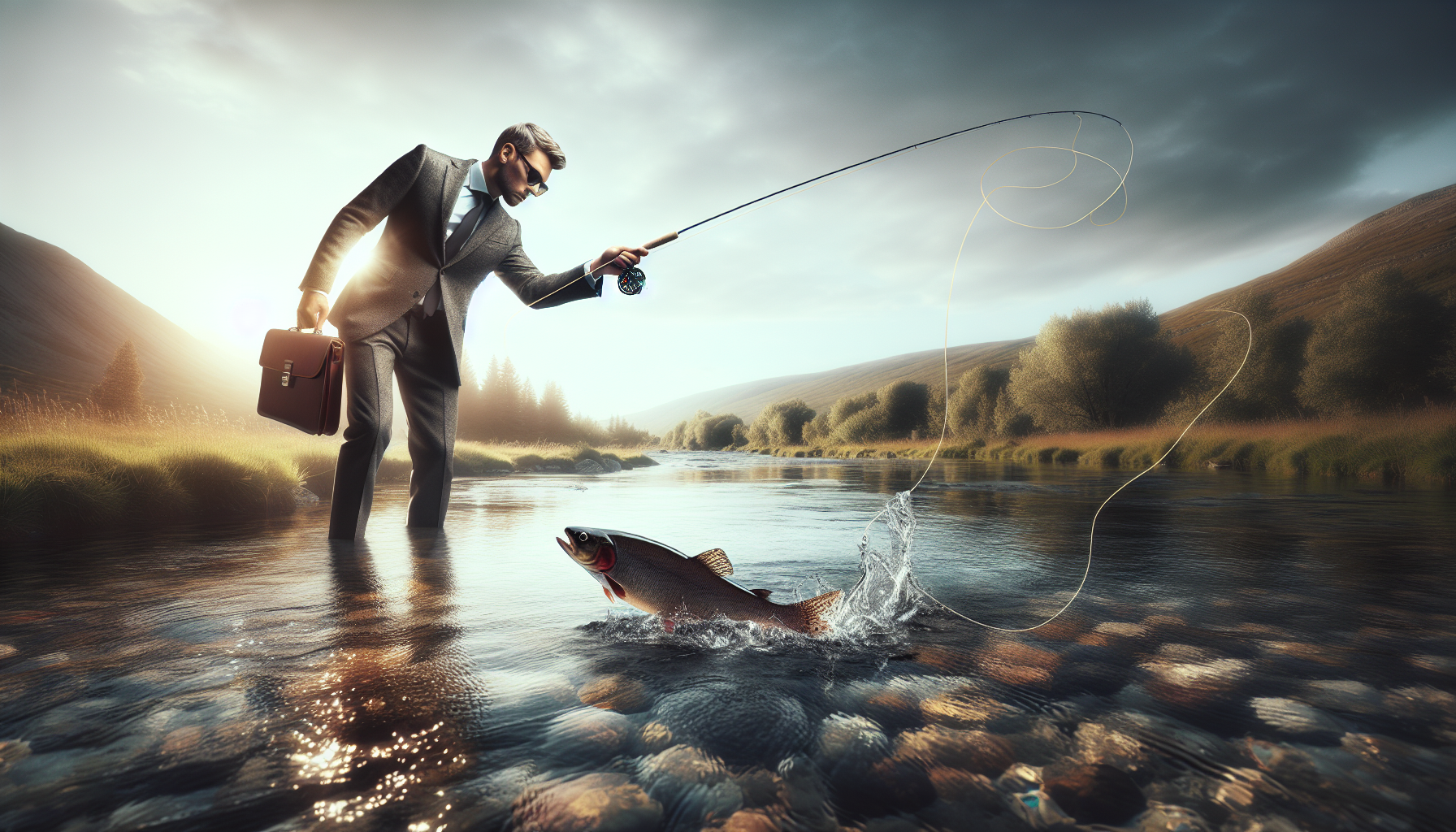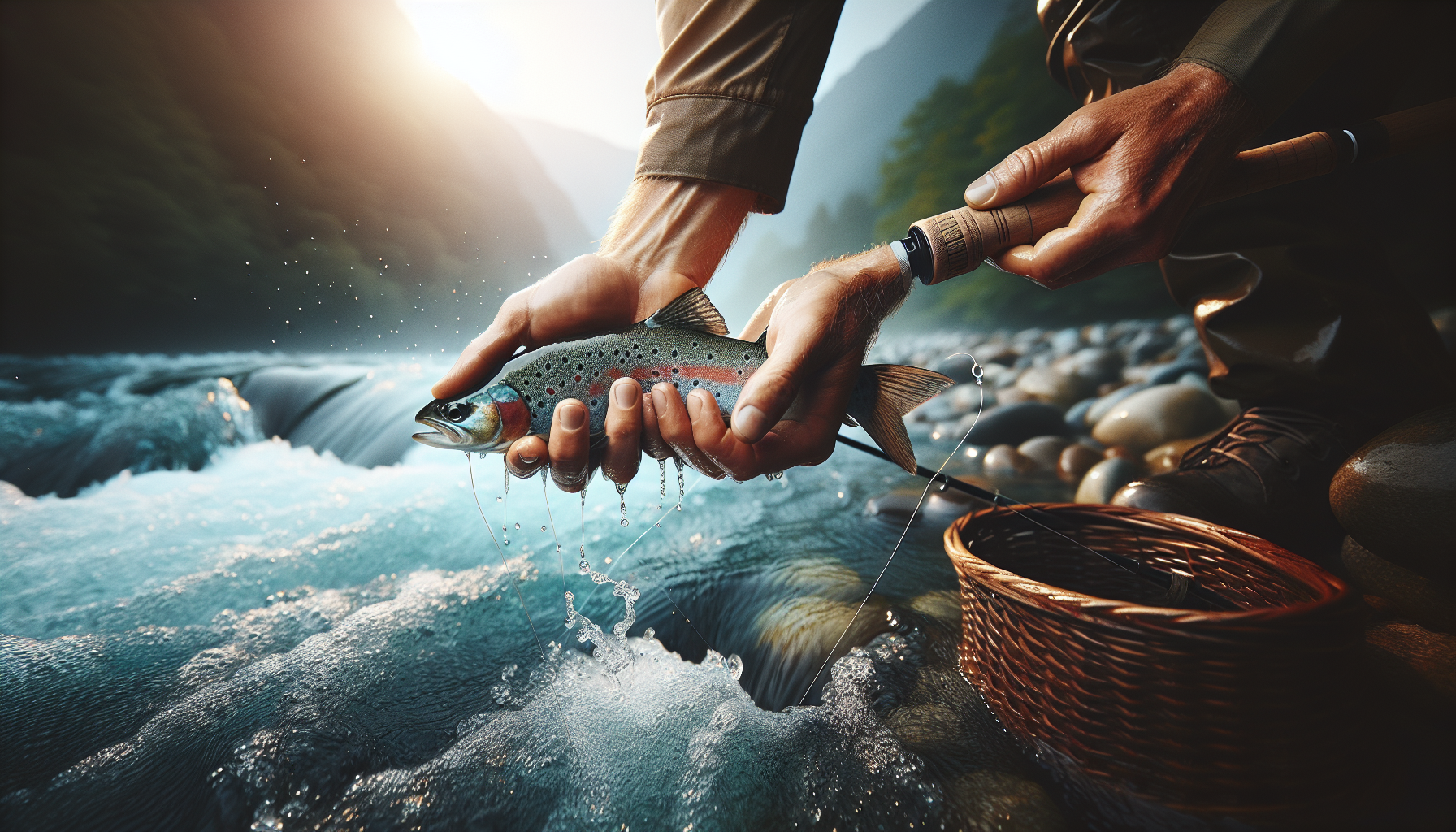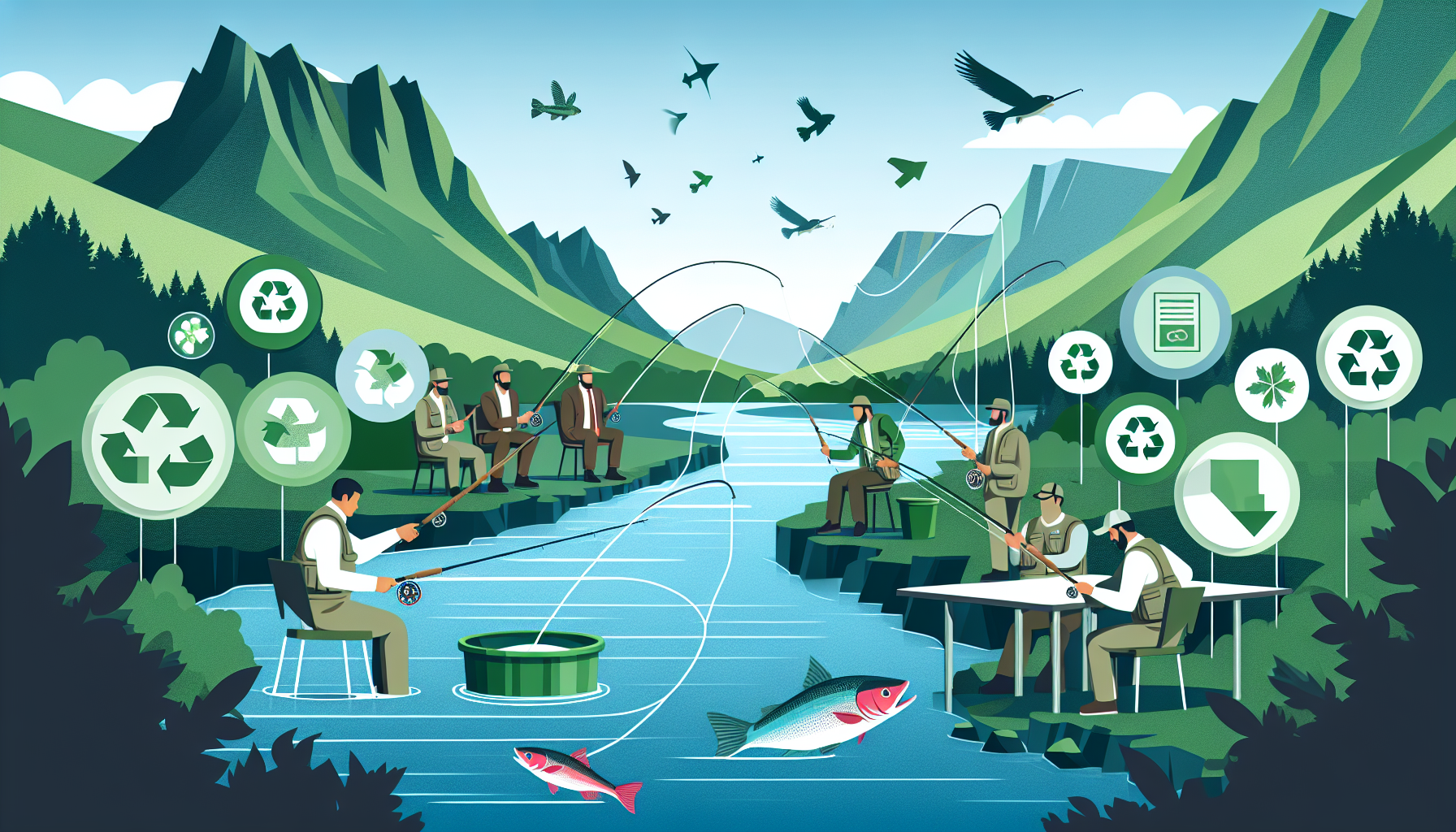
Fly fishing events play a crucial role in conservation advocacy because they turn individual enthusiasm for rivers, trout, salmon, and public access into organized action that funds habitat work, shapes policy, and builds durable local communities. In practical terms, these gatherings include casting clinics, club fundraisers, river cleanups, film tours, tying nights, destination festivals, youth camps, and policy-focused banquets where anglers meet biologists, guides, nonprofit staff, and land managers. I have worked around these events for years, and the pattern is consistent: when people gather around fish and water, they become more willing to volunteer, donate, testify, and change their own practices. That matters because coldwater fisheries face pressure from warming streams, fragmented habitat, invasive species, declining aquatic insect abundance, and overcrowded access points. A well-run event does more than entertain. It creates shared language, trusted relationships, and a visible pathway from recreation to stewardship, making community and advocacy the operational center of modern fly fishing conservation.
Why fly fishing events move people from interest to action
Fly fishing events are effective advocacy tools because they solve a basic conservation problem: most anglers care deeply, but many do not know where to start. A river festival, chapter meeting, or conservation banquet gives them a first action that feels accessible. Someone can buy a ticket, join a clean-up, attend a talk on stream temperature, or enter a fundraising raffle without needing policy expertise. Once they are present, organizers can connect the emotional appeal of wild fish to specific actions such as commenting on a watershed plan, supporting barrier removal, or volunteering for riparian planting. In my experience, this stepwise approach outperforms abstract appeals to “save our rivers.” People respond when the ask is concrete, local, and attached to a memorable day on the water.
These events also create social proof. Anglers often adopt conservation behaviors when they see respected peers doing the same. A guide explaining why they pinch barbs, avoid fishing during thermal stress, or support hoot owl restrictions carries more weight in person than a generic online post. The same is true for advocacy. When club members hear that a neighboring chapter raised money for culvert replacement or mobilized turnout at a state hearing, advocacy stops feeling political in the abstract and starts feeling like normal community responsibility. Events make conservation visible, repeatable, and socially reinforced.
Another reason events work is that they can blend education with urgency. A single evening program can explain macroinvertebrate decline, show local stream temperature data from data loggers, and outline the timeline for a pending public comment period. That sequence matters. Good advocacy is rarely built on outrage alone. It requires understanding the issue, the decision maker, and the realistic point of intervention. Fly fishing events are one of the few places where technical science, local knowledge, and civic action meet in plain language.
The main types of events and the advocacy role each one plays
Not all fly fishing events contribute in the same way, and effective community strategy depends on understanding their strengths. Conservation banquets and auctions are powerful for fundraising. They can generate unrestricted revenue for legal work, watershed restoration, youth education, and chapter operations. Film tours and storytelling nights are especially good at widening the circle, bringing in people who may not attend a formal policy event but who care about rivers and public lands. River cleanups and volunteer days create immediate visible impact while also serving as entry points for first-time participants. Clinics, tying expos, and guide nights are ideal for embedding ethics into skills education, such as fish handling, invasive species prevention, and low-impact wading.
Policy forums and chapter meetings do the most direct advocacy work. These events can brief anglers on proposed dam relicensing terms, state wildlife commission agendas, instream flow negotiations, or access disputes. The best ones include a clear explanation of jurisdiction: who makes the decision, what law or regulation applies, and what specific action attendees should take. Youth camps and school partnerships matter for long-term capacity. They do not usually produce immediate policy wins, but they build future advocates who understand watersheds before they become voters, donors, guides, or scientists.
Destination festivals and regional conclaves often have the widest economic footprint. That can help conservation messaging because local businesses, lodges, outfitters, and tourism boards have a direct stake in healthy rivers. When event organizers frame fish populations as part of a working local economy, they can broaden support beyond the angling community. In towns shaped by seasonal tourism, that coalition can be decisive when debating water withdrawals, access maintenance, or development pressure along riparian corridors.
How events generate money, labor, and policy influence
Conservation advocacy runs on three resources: funding, volunteer capacity, and political leverage. Fly fishing events can produce all three when designed intentionally. Fundraising is the most obvious mechanism. Ticket sales, sponsorships, auctions, gear raffles, and direct appeals can support streambank stabilization, water quality monitoring, legal review, or staffing for advocacy campaigns. Many local groups use event revenue to match grants, which is important because public and foundation funding often requires local contribution. A banquet that raises twenty thousand dollars may unlock a larger restoration award by demonstrating community commitment.
Volunteer labor is equally valuable. A cleanup day can remove trash, but its larger significance is often the volunteer roster it creates. Organizers learn who shows up, who leads safely, who can photograph the day, who has a truck, and who might later write a commissioner or host a chapter event. That organizational memory matters. Advocacy campaigns rarely succeed on passion alone; they need lists, follow-up, and repeat participation. Events are where those lists begin.
Political influence grows when attendance signals that anglers are organized, informed, and local. Decision makers pay attention when a room contains guides, business owners, aquatic biologists, veterans groups, families, and youth participants rather than a narrow activist core. Numbers are not everything, but visible breadth changes how river issues are perceived. A recurring event calendar also keeps advocacy from becoming purely reactive. Instead of mobilizing only during crisis, communities can maintain momentum through seasonal touchpoints that combine fishing culture with civic engagement.
| Event type | Primary conservation value | Best use case |
|---|---|---|
| Banquet or auction | Raises flexible funding | Supporting restoration, legal work, chapter operations |
| River cleanup | Builds volunteer base and public visibility | Recruiting new advocates through direct service |
| Film tour or storytelling night | Expands audience and emotional connection | Introducing complex issues to nonexperts |
| Policy forum | Converts concern into targeted civic action | Public comments, hearings, access disputes, water planning |
| Youth clinic or camp | Develops long-term stewardship habits | Creating future donors, volunteers, and informed anglers |
Community building as the foundation of durable advocacy
Community is not a soft side benefit of fly fishing events; it is the infrastructure that makes advocacy durable. Rivers are managed across years or decades, while many public controversies flare and fade quickly. A community with regular gatherings can sustain effort between headline moments. I have seen clubs remain effective not because they had the largest budget, but because members knew one another well enough to share work, resolve disagreements, and keep showing up after an initial loss. Trust reduces friction. It helps a chapter absorb new volunteers, collaborate with neighboring groups, and maintain focus when campaigns become technical or slow.
Inclusive event design is critical here. The historical image of fly fishing has often been too narrow, which weakens conservation advocacy by limiting the coalition. Events that welcome beginners, women, younger anglers, Indigenous voices, warmwater anglers, adaptive anglers, and families strengthen both legitimacy and problem solving. Different users notice different threats. A parent may prioritize safe access and education. A guide may identify crowding and fish stress patterns. A tribal representative may center treaty rights, passage barriers, or long-term watershed health. When organizers make room for those perspectives, advocacy becomes more credible and more effective.
Strong communities also create ethical norms that influence behavior beyond the event itself. Conversations about keeping fish wet, avoiding redds, respecting private property, decontaminating gear to prevent the spread of whirling disease or didymo, and honoring seasonal closures travel through social networks. That matters because regulation alone cannot protect fisheries. Conservation succeeds when responsible conduct becomes culturally expected. Events are where those expectations are taught, modeled, and repeated.
Partnerships with nonprofits, agencies, brands, and local businesses
The most effective fly fishing events rarely operate in isolation. They work because organizers build partnerships that align resources without blurring purpose. Conservation nonprofits bring policy expertise, restoration planning, grant management, and volunteer systems. State agencies and federal land managers contribute biological data, permitting knowledge, and access to official planning processes. Brands and fly shops offer sponsorship, promotional reach, instructors, and donated gear. Local businesses provide venues, food, lodging discounts, and a wider community audience. Each partner should have a defined role and a clear understanding that conservation outcomes, not simple brand exposure, are the central objective.
Examples are easy to find across the fly fishing world. Trout Unlimited chapters often pair local fundraising events with on-the-ground habitat projects such as culvert replacement, acid mine drainage treatment support, or brook trout restoration. Backcountry Hunters & Anglers gatherings frequently connect public lands access to fisheries advocacy, broadening the conversation beyond a single river. Native Fish Society events in the Pacific Northwest have elevated wild steelhead recovery through community education and fundraising. Bonefish & Tarpon Trust has used presentations and donor events to connect flats anglers with science on spawning behavior, habitat mapping, and handling stress. In each case, the event is not the endpoint. It is a delivery system for conservation strategy.
Good partnerships also require discipline. Organizers should avoid letting sponsor priorities dilute hard conversations about water use, development, or fish handling. A room full of logos does not equal impact. The standard should be simple: after the event, is there more money for conservation, more informed participants, stronger local relationships, and a clearer advocacy pathway than before?
What makes a conservation-focused fly fishing event successful
Successful events begin with a sharply defined outcome. “Raise awareness” is too vague to guide decisions. Better goals are measurable: recruit fifty first-time volunteers, fund three stream temperature loggers, generate two hundred public comments, or train twenty mentors for youth programs. Once the outcome is clear, event design becomes easier. Messaging can stay focused, speakers can be briefed properly, and follow-up can be planned before the doors open.
Content quality matters. Anglers can tell when a program is built on recycled slogans rather than current information. The strongest events use local data, named streams, identifiable management processes, and practical explanations. If the issue is low summer flows, show hydrograph trends, explain withdrawal timing, and describe how thermal refugia function. If the concern is fish handling, define water temperature thresholds, cumulative stress, and why extended air exposure elevates mortality risk. Specificity builds trust and improves retention.
Logistics also shape advocacy outcomes more than many organizers expect. Accessible venues, fair ticket pricing, beginner-friendly language, childcare options, and good moderation can determine who participates. So can timing. A policy briefing held after the public comment deadline is useless. A cleanup scheduled during spawning closure may send the wrong message. The best organizers think like both hosts and campaign managers. They plan transportation, safety, permits, volunteer roles, media capture, and post-event contact workflows. Then they evaluate results honestly. Attendance alone is not enough. The real measures are dollars directed to conservation, people retained, actions completed, and relationships strengthened.
Challenges, tradeoffs, and how to avoid performative advocacy
Fly fishing events can fail when they confuse visibility with progress. A crowded festival may look impressive while doing little for the fishery if there is no funding pathway, no policy objective, and no follow-up. Some events unintentionally increase pressure on fragile waters by promoting location-specific hype, especially on social media. Others rely too heavily on elite pricing or insider culture, which narrows participation and undermines the broader public support conservation needs. There is also a real risk of advocacy fatigue. If every event asks for money, signatures, volunteer hours, and travel, even committed anglers can disengage.
Avoiding these problems requires clear ethics and restraint. Organizers should be careful about geotagging sensitive waters, should align event timing with fish welfare, and should prioritize education that reduces harm rather than merely celebrating access. They should separate entertainment from claims of impact. If an event is mainly social, say so. If it supports a specific campaign, explain the mechanism plainly. Transparency builds long-term credibility.
There are tradeoffs in advocacy framing too. Broad coalition messages can attract more supporters, but they may blur the technical specifics needed for a regulatory decision. Conversely, highly technical events may educate deeply while excluding newcomers. The answer is usually a layered program: simple entry points, followed by concrete next steps and optional deeper learning. That structure respects both the beginner and the expert, which is exactly what a hub topic on community and advocacy should do.
Fly fishing events matter in conservation advocacy because they convert affection for fish and rivers into organized community capacity. They educate anglers, raise money, recruit volunteers, build coalitions, and create the public legitimacy needed to influence management decisions. At their best, these events link ethics, science, and civic action in one place: a cleanup becomes a volunteer pipeline, a banquet funds restoration, a film night expands the audience, and a policy forum turns concern into measurable participation. They also shape culture, teaching that responsible angling includes habitat stewardship, respectful access, and informed advocacy. For anyone building a stronger conservation and ethics program, community and advocacy should sit at the center, not the edge. Start with one well-designed event, define the outcome clearly, invite broadly, and give people a real next step. Healthy fisheries depend on organized communities, and organized communities are built one gathering at a time.
Frequently Asked Questions
How do fly fishing events actually support conservation advocacy?
Fly fishing events support conservation advocacy by transforming a shared recreational interest into coordinated public action. On the surface, an event may look like a clinic, banquet, film screening, fundraiser, cleanup day, or festival, but underneath that social experience is an infrastructure for conservation work. These gatherings bring anglers into direct contact with river advocates, fisheries biologists, guides, nonprofit leaders, and public lands supporters who can explain what is happening on specific watersheds and what needs to be done next. That connection matters because people are more likely to donate, volunteer, testify, or stay engaged when they understand how habitat, water quality, fish passage, streamflow, and access issues affect the fisheries they care about.
Events also generate practical resources. Entry fees, raffles, auctions, sponsorships, merchandise sales, and direct donations often fund habitat restoration, youth education, legal advocacy, scientific monitoring, and on-the-ground stewardship. Just as important, events build mailing lists, recruit volunteers, and create repeated opportunities for communication, which gives conservation groups the ability to mobilize supporters quickly when a river faces a policy threat or a restoration opportunity. In that sense, fly fishing events do not just raise money; they create informed communities that can sustain advocacy over time.
What types of fly fishing events make the biggest conservation impact?
The biggest impact usually comes from a mix of event types rather than a single format. Fundraising banquets, auctions, and destination festivals can be especially powerful because they raise significant revenue and attract sponsors, media attention, and community leaders. River cleanups and habitat workdays provide immediate, visible benefits while helping participants develop a personal stake in watershed health. Film tours and speaker nights are effective because they educate broad audiences and make complex issues such as dam removal, native fish recovery, drought management, or public access conflicts easier to understand. Casting clinics, tying nights, and youth camps may seem less overtly political, but they are often where long-term advocacy begins, because they welcome newcomers into a culture that links fishing with stewardship.
Policy-focused events can be especially influential when they connect anglers with decision-makers and subject-matter experts. When participants hear directly from biologists, water managers, or nonprofit staff, conservation stops being abstract and becomes tied to specific actions, such as supporting a restoration project, commenting on a management plan, or backing stream access protections. The strongest event calendars usually blend education, fundraising, volunteerism, and community-building. That combination creates both short-term outcomes, like money raised or trash removed, and long-term results, like stronger local networks and a more engaged base of advocates.
Why are local fly fishing communities so important to lasting conservation results?
Local communities are essential because durable conservation rarely happens through one-time enthusiasm alone. Rivers, trout streams, salmon runs, and public access issues are shaped by ongoing decisions about land use, water allocation, restoration priorities, and regulation. Fly fishing events help turn occasional participants into reliable community members who show up repeatedly, share information, mentor new anglers, and respond when local waters need support. That continuity is what allows conservation groups and clubs to maintain pressure, build partnerships, and follow projects through from early planning to measurable outcomes.
There is also a strong credibility advantage in local involvement. When advocacy comes from people who fish the river, volunteer on the river, support nearby businesses, and understand seasonal conditions, it carries weight with agencies, elected officials, and landowners. Fly fishing events create the relationships that make this possible. A person who attends a cleanup, then a film night, then a fundraiser, and later joins a public meeting becomes part of a civic network rather than just a spectator. Over time, those networks support restoration funding, protect access points, improve community awareness, and create a culture where conservation is seen as part of the fishing experience, not separate from it.
Do fly fishing events influence policy, or are they mainly about fundraising and awareness?
They absolutely influence policy, especially when organizers intentionally connect recreation with public advocacy. Fundraising and awareness are important, but many of the most meaningful conservation outcomes depend on policy decisions involving streamflows, dam operations, hatchery strategy, native fish management, riparian protections, water quality standards, and public access. Fly fishing events create a setting where people can learn about these issues in clear, practical terms and then be invited to act. That action may include signing up for alerts, submitting comments on proposals, attending hearings, supporting conservation legislation, or joining campaigns led by watershed groups and angling organizations.
Events also help build the social and institutional relationships that make advocacy more effective. A banquet panel with biologists and nonprofit staff can clarify what a river needs. A festival can bring together local businesses, guides, clubs, and elected representatives. A film tour can shift public sentiment by putting faces and stories to conservation conflicts. When enough anglers are organized and informed, they become a constituency that policymakers notice. In that way, fly fishing events are often the bridge between private appreciation for fisheries and public support for the rules, funding, and long-term management needed to protect them.
How can anglers participate in fly fishing events in a way that creates real conservation value?
The most effective approach is to participate beyond attendance alone. Going to an event is a good first step, but real conservation value grows when anglers treat events as entry points into deeper involvement. That can mean volunteering at a river cleanup, donating to habitat projects, bringing friends or family to educational programs, joining a local club, supporting youth initiatives, or following up after an event by subscribing to action alerts and responding when advocacy opportunities arise. Even small actions matter when they are repeated and connected to a larger community effort.
Anglers can also maximize impact by choosing events that are transparent about outcomes. Strong conservation-oriented events usually explain where funds go, which watershed issues are being addressed, who the partner organizations are, and what participants can do next. Asking those questions is worthwhile. It is also helpful to support events that welcome a broad audience, including beginners, young anglers, and people who may not yet see themselves as conservation advocates. The broader and more inclusive the community, the stronger the long-term movement becomes. Ultimately, the greatest value of fly fishing events is not just that they celebrate the sport, but that they give anglers practical ways to protect the rivers and fish that make the sport possible.