Ethical fly fishing shapes local communities far beyond the riverbank because every choice an angler makes affects fish populations, guiding livelihoods, tourism revenue, habitat protection, and public trust in outdoor recreation. In practical terms, ethical fishing practices are the standards anglers follow to reduce harm, respect regulations, protect ecosystems, and support the people whose economies and identities are tied to healthy waters. In my work around trout streams, guiding operations, and conservation partnerships, I have seen that the difference between careless pressure and ethical participation is visible within a single season: stressed fish, litter, and user conflict on one side; stronger local businesses, cleaner access points, and more community support for conservation on the other. Fly fishing is often presented as low impact by default, yet that assumption is incomplete. Barbless hooks, careful fish handling, temperature awareness, invasive species prevention, adherence to closures, respect for private property, and honest spending with local outfitters are what make the practice genuinely ethical. This matters because many rural communities depend on fisheries as renewable assets. When anglers protect the resource, they help preserve jobs, tax revenue, cultural traditions, and future access. When they do not, communities absorb the costs through declining fisheries, enforcement burdens, crowded emergency closures, and lost visitor confidence.
As a hub within conservation and ethics, this article explains how ethical fishing practices influence local economies, social relationships, and environmental outcomes, while also clarifying the decisions anglers must make before, during, and after a day on the water. It covers fish welfare, local business impacts, access stewardship, indigenous and rural community considerations, regulation compliance, and the role of guides, clubs, and destination marketing. The goal is straightforward: if someone asks what ethical fly fishing is, why it matters, and how it benefits local communities, this page should provide a complete answer. Ethical fly fishing is not a niche code for purists. It is a practical framework for protecting fisheries and strengthening the places that depend on them.
What ethical fly fishing means in practice
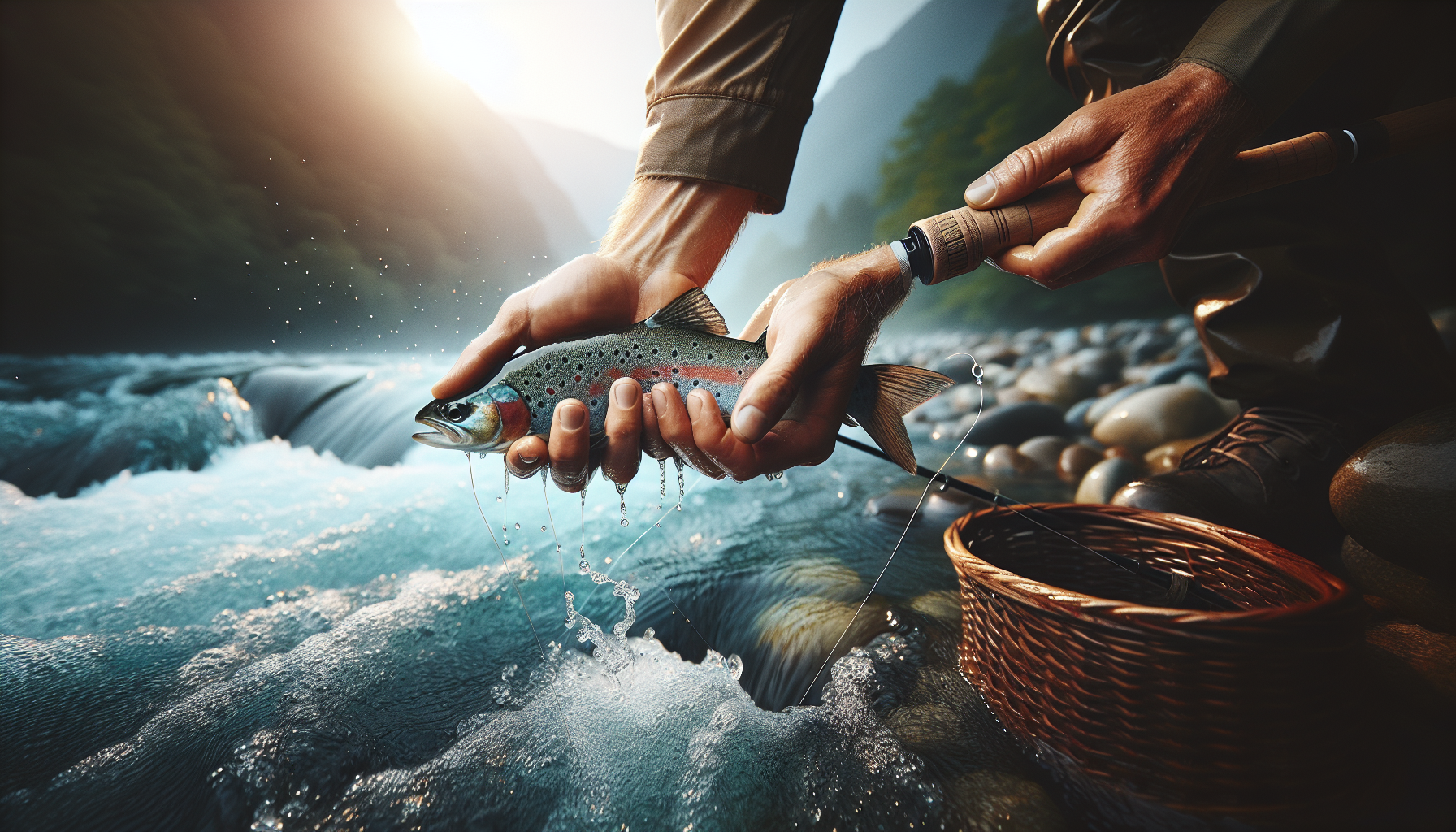
Ethical fly fishing means catching fish in ways that minimize avoidable stress, injury, and ecological disruption while honoring the rules and social norms of the waters being fished. The core practices are well established. Use tackle heavy enough to land fish quickly. Crimp barbs or fish barbless to reduce handling time. Keep fish in the water whenever possible. Wet hands before touching them. Avoid squeezing the abdomen or gills. Revive fish facing into moderate current only as long as necessary. Stop targeting coldwater species when water temperatures rise into dangerous ranges, commonly around 68 degrees Fahrenheit for trout, with many responsible anglers setting lower personal limits. Clean, drain, and dry gear to prevent transporting organisms such as didymo, whirling disease spores, or invasive snails between watersheds. Follow seasonal closures and spawning-area restrictions exactly, even when fish are visibly present and temptation is highest.
These practices are not symbolic. They directly influence post-release survival, spawning success, and angler crowding patterns. Research published by fisheries agencies and universities consistently shows that air exposure, prolonged fight times, and warm water significantly increase mortality in catch-and-release fisheries. In heavily visited trout destinations, mortality that looks negligible on an individual level becomes meaningful when multiplied across thousands of fish. Ethical choices therefore function as community protection measures. They preserve the quality of the local fishery that businesses advertise, guides depend on, and residents use for recreation and food.
How ethical fishing practices support local economies
Healthy fisheries create repeat visitation, and repeat visitation is what turns fly fishing from a hobby into an economic engine for local communities. Anglers buy licenses, hire guides, reserve lodging, eat in restaurants, fill gas tanks, and purchase flies, leaders, waders, boots, and shuttles. In many river towns, the shoulder seasons that matter most to small businesses are stabilized by fishing traffic. I have seen shops in western trout towns survive weak retail winters because spring runoff forecasts and fall hatches kept bookings steady. The economic value does not come from extraction alone; it comes from confidence that the resource will remain worth visiting next year.
Ethical angling strengthens that confidence by reducing degradation. A river known for mishandled fish, social media pile-ons at vulnerable spawning runs, or rampant trespass develops a reputation problem quickly. By contrast, communities that normalize fish-friendly practices and visible stewardship often build premium destination status. Towns near catch-and-release stretches, wild trout management areas, and well-enforced access zones frequently attract anglers willing to spend more for quality experiences. That spending is distributed across guides, shuttle drivers, campgrounds, breweries, cafes, fly tiers, and conservation groups hosting events. Ethical fishing practices also reduce public costs. Less litter, fewer rescue incidents from reckless access behavior, and fewer enforcement conflicts mean local agencies can direct limited budgets toward habitat work and visitor services instead of damage control.
Fish welfare and long-term fishery quality
Fish welfare is the biological heart of ethical fly fishing, and local communities benefit when anglers understand that released fish are not automatically unharmed. Catch-and-release works best under specific conditions: appropriate water temperature, short fight times, low air exposure, and proper hook placement. Trout and salmonids are especially vulnerable during summer heat, low flows, and spawning stress. Warm water reduces dissolved oxygen while increasing metabolic demand, making recovery harder after exertion. Ethical anglers adapt by fishing early, targeting more resilient species, using stronger tippet, or voluntarily ending the day. Those decisions preserve more than individual fish. They protect age structure, wild recruitment, and the quality of the fishery residents and visitors value.
Communities notice the difference. Rivers with widespread low-impact behavior tend to produce more consistent fishing, which supports guiding calendars and local confidence. On famous waters such as the Henry’s Fork, the Delaware system, and many spring creeks in the Rockies and Appalachians, experienced anglers already understand that fishery quality depends on restraint as much as access. A single large breeding trout released properly can contribute far more future value than a rushed photograph ever will. Local shops that teach knot efficiency, fish handling, and thermometer use are not just selling gear; they are helping maintain the product the entire town depends on.
Community relationships, access, and social license
Ethical fly fishing also determines whether local residents view anglers as assets or intrusions. Access is not only a legal issue; it is a relationship issue shaped by parking habits, noise, fence crossing, streambank trampling, and respect for private property. In agricultural valleys and mixed-use rural landscapes, one bad season of trespass can lead landowners to close historically tolerated access points. Once trust erodes, communities lose options. Ethical anglers close gates, ask permission when needed, park without blocking equipment routes, pack out monofilament, avoid crowding homes, and give other users space. Those basic actions preserve social license, the informal public acceptance that often decides whether fishing remains welcome.
The same principle applies at boat ramps, urban tailwaters, and popular public easements. Crowding and conflict rise when anglers low-hole one another, monopolize runs, or publicize fragile spots without context. Responsible communication matters. Sharing techniques is helpful; broadcasting exact locations of spawning congregations or tiny community waters can overwhelm them overnight. Many local tensions in fly fishing are not caused by the sport itself but by inconsiderate behavior amplified through digital exposure. Ethical fishing practices therefore include discretion, courtesy, and place-based awareness. Communities support anglers when anglers demonstrate they understand they are guests in a shared landscape.
The local benefits of spending ethically
Where anglers spend money matters almost as much as how they fish. Ethical fly fishing supports communities by directing spending toward businesses that educate customers, comply with regulations, hire locally, and contribute to river stewardship. Independent fly shops often function as informal visitor centers. They provide hatch reports, water-temperature warnings, access updates, and fly recommendations grounded in current conditions rather than generic marketing. Good shops also tell customers when not to fish a stressed reach, which can cost them same-day sales but protects long-term trust. Guides who cap trip numbers during hot weather, avoid over-pressuring small beats, and teach clients fish handling create lasting value for the community because they preserve the resource their reputation relies on.
| Ethical spending choice | Direct local benefit | Long-term community effect |
|---|---|---|
| Hiring licensed local guides | Supports wages, permits, and local tax revenue | Builds skilled outdoor employment and safer visitor experiences |
| Buying from independent fly shops | Keeps margins in town and funds local knowledge sharing | Strengthens conservation messaging and repeat tourism |
| Staying in locally owned lodging | Increases household income within the community | Improves resilience in seasonal economies |
| Donating to watershed groups | Funds restoration, access maintenance, and education | Improves habitat quality and public support for fishing |
This is one reason destination communities with strong local outfitters often outperform places dominated by extractive, low-touch tourism. Ethical spending circulates value through the town instead of treating the river as a free backdrop. It also creates accountability. A guide or shop owner who lives beside the water has a strong incentive to protect it. That local stake is one of the most reliable safeguards against short-term exploitation.
Conservation outcomes that communities can measure
The impact of ethical fly fishing on local communities becomes clearest when linked to measurable conservation outcomes. Watershed groups and fisheries agencies track indicators such as trout biomass, redd success, water temperature, macroinvertebrate diversity, bank stability, and angler compliance. Ethical fishing practices influence all of them indirectly and sometimes directly. For example, voluntary hoot owl restrictions, where anglers stop fishing after a set afternoon hour during hot periods, reduce cumulative stress during low-flow summers. Gear-cleaning stations at access points help limit invasive spread. Barbless-only regulations can shorten release times. Seasonal closures protect spawners and eggs during vulnerable periods. None of these measures matter if anglers ignore them, but where community norms support compliance, fisheries are more resilient.
Examples are everywhere. In Montana and Colorado, community acceptance of temporary heat-related restrictions has become a key part of protecting trout during drought years. In the Great Lakes, ethical handling of migratory fish and respect for tributary closures help sustain both ecological and tourism value. In small Appalachian brook trout streams, restraint around fragile native populations can mean the difference between persistence and decline. These are local stories with the same lesson: when anglers act ethically, communities gain a stronger bargaining position for habitat grants, restoration partnerships, and long-term destination planning.
Culture, indigenous perspectives, and rural identity
Not every community defines ethical fishing in exactly the same way, and that nuance matters. In some places, harvest within legal limits is part of local food culture and entirely compatible with ethical practice. In others, strict catch-and-release norms dominate because wild fish numbers or destination branding demand it. Ethical fly fishing is therefore not about imposing one social class’s preferences on everyone else. It is about aligning methods with ecological limits, local regulations, and community values. That includes respecting indigenous rights, treaty frameworks, and long-standing relationships to water that predate recreational angling economies by generations.
Communities benefit when anglers approach these differences with humility. I have watched visiting anglers misread rural working landscapes as recreational playgrounds, overlooking irrigation needs, ranch access, subsistence traditions, or tribal stewardship priorities. Ethical practice requires listening before assuming. If a local watershed council, tribe, or fisheries department says a run is stressed, a road is sensitive, or a bank restoration area is off limits, that guidance should be treated as authoritative. The broader benefit is social durability. Communities are more likely to support access, tourism development, and conservation funding when visiting anglers show respect for the people whose home waters they enjoy.
Building an ethical fishing future
The future of ethical fly fishing will be shaped by climate pressure, digital exposure, and how effectively communities teach new anglers. Warmer summers, lower snowpack, extreme runoff swings, and population growth are already stressing many fisheries. That means ethical fishing practices can no longer be optional extras added after someone learns casting and fly selection. They need to be taught as part of basic competence. Guides, clubs, brands, lodges, and tourism boards all have a role. Shops should post current water temperatures and closure notices. Guide schools should treat fish handling, access law, and conflict management as essential curriculum. Event organizers should include stream cleanups, invasive-species protocols, and local donation pathways. Media creators should normalize restraint instead of hero shots that require excessive fish handling or hotspot exposure.
For local communities, the benefit of this approach is stability. Ethical fly fishing protects the resource, reduces conflict, and keeps visitor dollars aligned with conservation rather than extraction. It preserves what makes a fishing town worth visiting in the first place: healthy water, reliable fisheries, working local businesses, and a culture that welcomes anglers because anglers give back. If you fish, start with the basics today: know the regulations, monitor water temperature, handle fish minimally, respect access, spend money locally, and support the groups restoring the waters you love. Those actions are small on their own, but together they are how ethical fishing practices strengthen local communities for the long term.
Frequently Asked Questions
How does ethical fly fishing directly benefit local communities?
Ethical fly fishing benefits local communities by helping protect the natural resources that their livelihoods depend on. When anglers handle fish carefully, follow seasonal closures, respect catch limits, and avoid damaging streambanks or spawning areas, they reduce stress on fish populations and help maintain healthier fisheries over time. That matters because many rural towns and river communities rely on consistent fishing opportunities to support guides, fly shops, lodges, shuttle services, restaurants, and other small businesses. A fishery that is well cared for tends to attract repeat visitors, stronger word-of-mouth recommendations, and more stable tourism revenue.
There is also a social benefit. Ethical behavior builds trust between anglers and residents, especially in places where public access crosses private land or where local people have deep cultural ties to the water. Respectful anglers are more likely to be welcomed back, more likely to support conservation groups and community events, and less likely to create conflicts over trespassing, crowding, or litter. In that sense, ethical fly fishing is not just about fish survival; it is about sustaining an entire local economy and reinforcing the idea that outdoor recreation can coexist with community values, working landscapes, and long-term stewardship.
Why do fish handling practices matter so much for the local economy?
Fish handling practices matter because the condition of the fishery is closely tied to the condition of the local economy. In many fly fishing destinations, healthy trout, salmon, or other game fish are the main reason people travel to the area in the first place. If fish are repeatedly stressed by poor handling, overplayed on light tackle, removed from the water too long for photos, or targeted during periods of dangerous water temperatures, mortality can increase even when fish are technically released. Over time, that can reduce population quality, alter age structure, and weaken the overall reputation of the fishery.
When a fishery declines, local communities often feel the impact quickly. Guides may lose bookings, outfitters may see reduced gear sales, and hospitality businesses may experience shorter stays and lower spending. By contrast, anglers who use appropriate tackle, land fish efficiently, keep them in the water as much as possible, wet their hands before handling, and avoid fishing during high-stress conditions contribute to the resilience of the resource. Those seemingly small decisions support a stronger fishing experience for future visitors and help preserve the economic engine that healthy waters create for nearby towns.
What role do guides and fly shops play in promoting ethical fly fishing in a community?
Guides and fly shops are often the frontline educators in any fishing community, and their influence is enormous. For many visitors, the first local advice they receive comes from a guide, a shop employee, or a lodge host. That means these businesses do much more than sell trips and gear; they shape angler behavior on the water. They can teach clients how to fight and release fish properly, explain current regulations, recommend barbless hooks, discourage fishing during heat stress or spawning periods, and direct people toward appropriate access points to reduce pressure on fragile areas.
Just as importantly, guides and shops help connect ethical fishing with local identity. A good guide explains why a certain side channel is closed, why redds must be avoided, or why crowding a run harms both the experience and the resource. A responsible fly shop can encourage anglers to spend money in ways that support the local economy, such as hiring local guides, buying region-specific flies, donating to watershed groups, or participating in stream cleanups. When these businesses lead by example, they create a culture of stewardship that benefits residents, visitors, and the fishery alike. In many communities, they are the bridge between recreation and conservation.
Can ethical fly fishing help protect habitat and improve conservation outcomes?
Yes, ethical fly fishing can play a major role in habitat protection and broader conservation success. Ethical anglers tend to see themselves as participants in the health of a watershed, not just consumers of a recreation opportunity. That mindset influences behavior in meaningful ways: staying on established trails, avoiding trampling bankside vegetation, packing out trash, respecting restoration areas, reporting pollution or poaching, and supporting stream access rules designed to limit erosion and habitat damage. These actions reduce cumulative pressure on rivers and help preserve the conditions fish need to survive and reproduce.
Beyond individual conduct, ethical fly fishing often supports conservation financially and politically. Anglers who understand the connection between healthy habitat and quality fishing are more likely to buy licenses, support habitat projects, donate to local nonprofits, and advocate for clean water protections. In local communities, that support can translate into restoration jobs, stronger partnerships between landowners and conservation groups, and public backing for policies that protect flows, wetlands, and riparian zones. The result is not only better fishing, but stronger environmental resilience for the entire community, including agriculture, wildlife viewing, and other recreation-based businesses that depend on healthy watersheds.
How does ethical fly fishing affect public trust and the future of outdoor recreation in local areas?
Ethical fly fishing affects public trust because it shapes how communities perceive anglers and the broader recreation industry. When anglers follow rules, respect private property, minimize crowding, and treat fish and habitat with care, they demonstrate that access to public and shared waters can be managed responsibly. That helps maintain goodwill among landowners, local residents, tribal communities, and public agencies. In areas where access is sensitive or contested, public trust can determine whether opportunities expand, remain stable, or become more restricted over time.
The long-term future of outdoor recreation depends on that trust. Communities are more likely to support guiding businesses, access agreements, conservation funding, and tourism development when they believe anglers are contributing positively rather than extracting value without accountability. Ethical fly fishing shows that recreation can support local jobs, protect natural assets, and reinforce community pride instead of undermining it. For that reason, ethics are not a side issue or a personal preference; they are part of the social license that allows fly fishing destinations to thrive. When anglers act responsibly, they help secure the future of the sport and the well-being of the places that host it.