Welcome to the fascinating world of fly fishing! As an angler, there are countless skills to master, but knowing how to tie the right knots can dramatically improve your success rate on the water. Today, we’re diving into one of the most versatile and reliable knots in fly fishing – the Bimini Twist.
The Bimini Twist, also known as the Bimini, is an essential knot for any serious fly fisherman. It is especially popular in saltwater fly fishing due to its incredible strength and reliability. The knot is essentially a double line knot that creates a loop with a high degree of breaking strength, making it ideal for connecting the main line to the leader or backing. This increases your chances of landing that prized fish without worrying about your knots failing under pressure.
This guide will walk you through the process of tying the Bimini Twist, while also highlighting when and why you should use this particular knot. Whether you’re a seasoned angler looking to refine your skills or a beginner eager to learn, understanding the ins and outs of the Bimini Twist will undoubtedly enhance your fly fishing repertoire.
So, grab your fishing line, and let’s get started on mastering the Bimini Twist!
Step-by-Step Guide to Tying the Bimini Twist
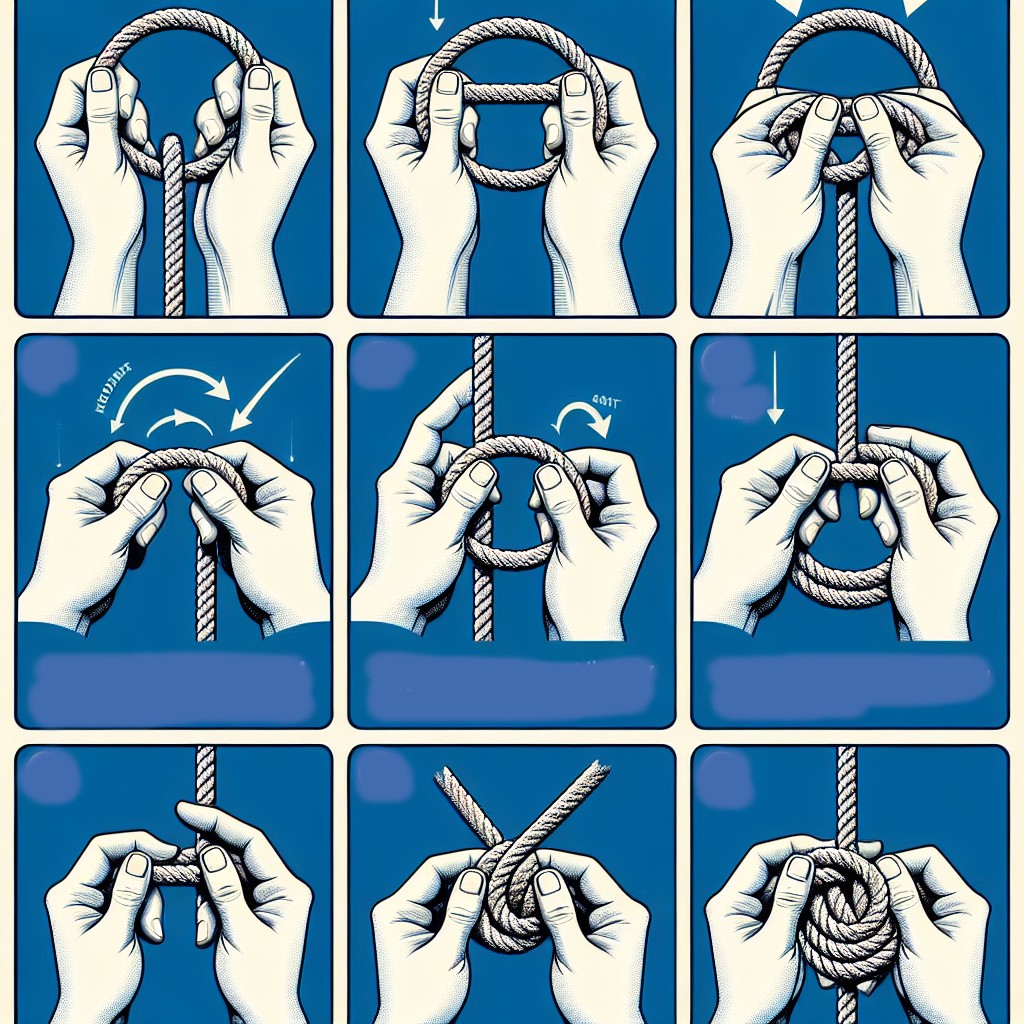
Before we delve into the practical use cases of the Bimini Twist, it’s crucial to learn how to tie it properly. Follow these step-by-step instructions, and with a bit of practice, you’ll soon be tying this knot with ease.
- Start with a long tag end: Give yourself plenty of line to work with – around 5-6 feet. This will make it easier to create the necessary twists.
- Make a loop: Form a loop with the tag end and the main line. Ensure that the tag end is on top of the main line.
- Twist the loop: Begin twisting the loop by rotating the tag end around the main line. You should aim for about 20-30 twists. The more twists, the stronger the loop.
- Hold the twists: Pinch the twists together tightly using your thumb and forefinger. This will prevent them from unraveling as you move to the next step.
- Separate and spread the loop: Using your other hand, spread the loop open wide enough to insert your foot or knee. This will help maintain tension in the twists.
- Wrap the tag end around the twists: Start wrapping the tag end back over the twisted lines, working toward the loop. Continue wrapping until you reach the end of the twists.
- Cinch the knot: To tighten the knot, pull the main line while holding the tag end and the loop. This will cause the twists to bunch up and lock in place.
- Test and trim: Give the knot a good tug to ensure it is secure. Trim any excess tag end, and your Bimini Twist is ready for action!
When to Use the Bimini Twist
While the Bimini Twist can be applied in various fishing scenarios, it excels in specific situations where strength and reliability are paramount. Here are some key scenarios where the Bimini Twist stands out:
- Heavy Line Fishing: The Bimini Twist is particularly advantageous when using heavy fishing lines. Its double-line structure provides added strength, making it less likely to fail under strain.
- Connecting to Leaders or Backing: When attaching your main line to a leader or backing, the Bimini Twist offers a secure and durable connection. This is essential when dealing with large, powerful fish that can test the limits of your tackle.
- Saltwater Fly Fishing: Due to its robustness, the Bimini Twist is a favorite among saltwater anglers. The corrosive environment and the larger species targeted in saltwater fishing demand a knot that won’t easily give way.
- Fishing for Fast-Swimming Species: Fish that make rapid, powerful runs, such as tarpon or tuna, require knots that can handle sudden bursts of pressure. The Bimini Twist’s ability to absorb shock and maintain integrity under strain makes it an ideal choice.
Ultimately, the Bimini Twist proves its worth whenever you need a knot that balances strength, reliability, and ease of tying. Recognizing when to employ it will contribute to more successful fishing outings and reduce the chances of losing your catch due to knot failure.

Advantages of the Bimini Twist
Understanding the benefits of the Bimini Twist will help you appreciate why it remains a staple among anglers. Here are some notable advantages:
- Enhanced Breaking Strength: One of the primary reasons the Bimini Twist is favored is its remarkable breaking strength. The knot’s double-line construction distributes the load, significantly reducing the risk of breakage.
- Shock Absorption: The Bimini Twist can absorb sudden shocks and jerks due to its elasticity. This characteristic is particularly valuable when battling hard-fighting fish that put up a vigorous struggle.
- Versatility: The Bimini Twist serves a wide range of fishing applications, from connecting to monofilament and fluorocarbon leaders to backing and braided lines. Its adaptability ensures it can be integrated into various fishing setups.
- Simple to Tie (with Practice): While it may seem intricate at first, the Bimini Twist becomes straightforward with some practice. The steps are easy to remember, and with a bit of repetition, tying this knot will become second nature.
- Smooth and Neat Finish: The finished Bimini Twist knot presents a clean and polished appearance. Its smoothness ensures it won’t snag or catch on guides or other components while casting or retrieving.
The combination of these advantages makes the Bimini Twist a go-to knot for fly fishers aiming for reliability and performance in their knot-tying arsenal.
Common Mistakes and How to Avoid Them
Even though the Bimini Twist is a strong and reliable knot, beginners often encounter some common pitfalls. Being aware of these mistakes and knowing how to avoid them can help you tie a perfect Bimini Twist every time.
- Inadequate Twists: Not creating enough twists in the loop is a frequent error. Insufficient twists can result in a weaker knot. Aim for 20-30 twists to ensure optimal strength.
- Poor Tension Maintenance: Maintaining consistent tension while wrapping the tag end around the twists is crucial. Uneven tension can lead to an uneven and unreliable knot.
- Incorrect Cinching: Failing to properly cinch the knot can cause it to slip under pressure. Make sure you pull the main line evenly to secure the twists before trimming the tag end.
- Using Damaged Line: Tying a Bimini Twist with a frayed or damaged line compromises its strength. Always inspect your line and ensure it is in good condition before tying the knot.
- Not Practicing: Like any skill, knot tying improves with practice. Avoid waiting until you’re on the water to try tying the Bimini Twist. Practice at home to get comfortable with the process.
By sidestepping these mistakes, you can consistently tie a strong and reliable Bimini Twist, ensuring that your knot holds up even during intense fishing conditions.
Practical Applications Beyond Fly Fishing
While the Bimini Twist is a favorite in fly fishing, its applications extend beyond this niche. Understanding how this knot can be utilized in other fishing contexts can further broaden your angling skills.
- Big Game Fishing: The Bimini Twist is renowned among offshore and big game anglers due to its exceptional strength. When targeting species like marlin, sailfish, or large tuna, a reliable knot is critical.
- Deep Sea Fishing: When fishing at great depths, the Bimini Twist’s ability to maintain line strength is invaluable. Deep sea anglers often use braided lines, and the Bimini Twist offers a secure connection to heavy monofilament leaders.
- Freshwater Fishing: Although it’s more commonly associated with saltwater, the Bimini Twist is also beneficial in freshwater fishing. When going after large freshwater species like muskie or pike, the knot’s reliability ensures you can handle their powerful strikes.
- Surf Fishing: For surf anglers, the Bimini Twist aids in casting distance and strength. The knot’s streamlined profile minimizes resistance, allowing for longer casts with heavier baits.
The versatility of the Bimini Twist makes it a valuable knot for a variety of fishing techniques. By mastering it, you can confidently expand your angling pursuits beyond just fly fishing.
Conclusion
The Bimini Twist stands as a testament to the art and science of knot tying in the realm of fly fishing. Its combination of strength, shock absorption, and versatility make it an indispensable tool for anglers who demand reliability and performance.
Whether you’re connecting your main line to a leader, tackling heavy lines in saltwater, or striving to land that trophy fish, the Bimini Twist provides the security and confidence needed to succeed. Understanding the step-by-step process of tying the knot, recognizing when to deploy it, and appreciating its advantages are crucial components of your fly fishing education.
Additionally, being aware of common mistakes and knowing how to avoid them ensures that your Bimini Twist will not fail you when it matters most. And as its applications stretch beyond fly fishing, mastering this knot opens doors to various angling experiences, from deep-sea fishing to freshwater pursuits.
In essence, tying the Bimini Twist becomes more than just a skill; it represents a strategic asset that enhances your overall fishing proficiency. So, practice diligently, apply it wisely, and watch as this mighty knot elevates your angling adventures to new heights. Now go forth and fish with confidence, knowing that the Bimini Twist has your back – or in this case, your line!