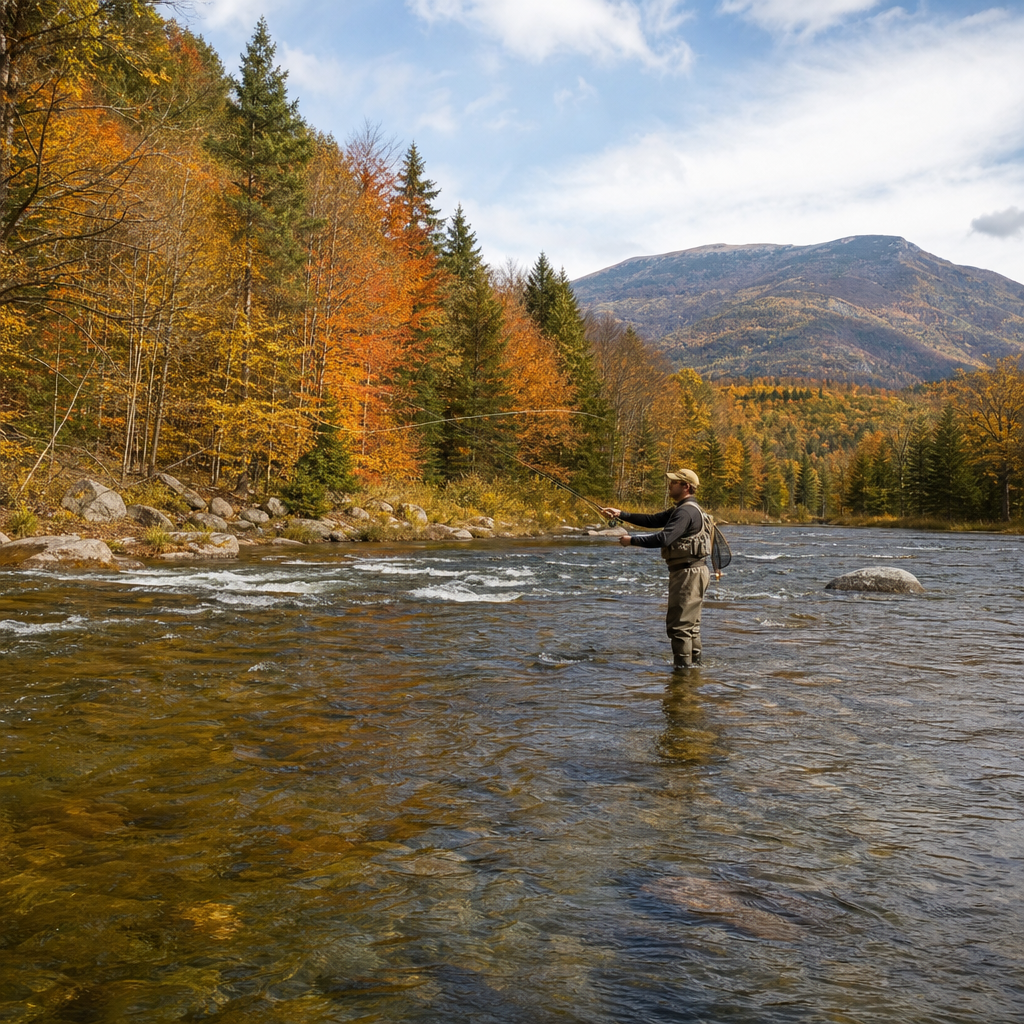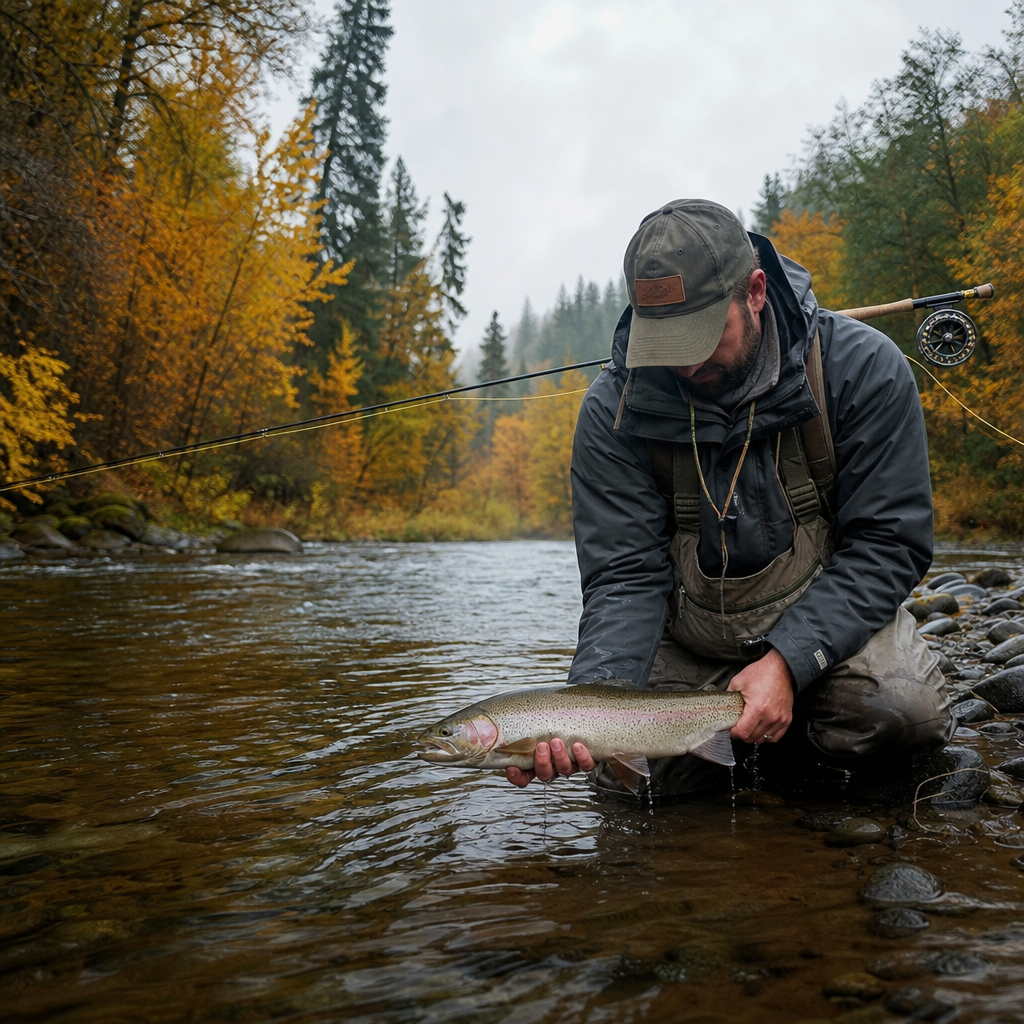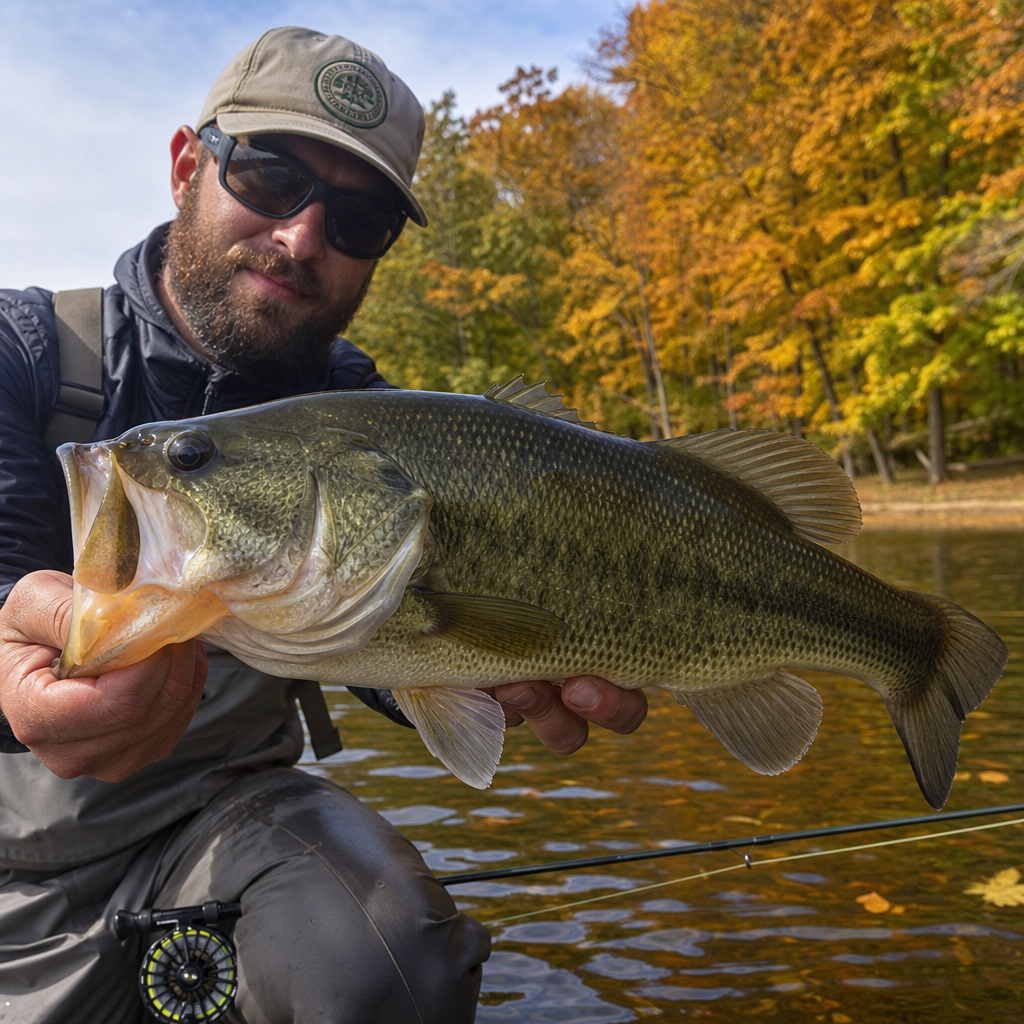
Summer hatches shape the most consistent dry-fly fishing of the year, and understanding them is the fastest way to turn random casting into deliberate, repeatable success. In trout water, a hatch is the emergence of aquatic insects from one life stage to another, usually when nymphs, pupae, or larvae become vulnerable at the surface or in the film. Summer hatches matter because warm water accelerates insect activity, concentrates feeding windows, and creates distinct patterns trout recognize immediately. When anglers talk about matching the hatch, they mean observing size, silhouette, color, behavior, and timing, then choosing flies and presentations that imitate what fish are actually eating. I have planned entire guiding days around these windows, because a river that seems quiet at noon can become electric at 7 p.m. once sulfurs, caddis, or tricos appear. As a hub topic, seasonal hatches in summer connect entomology, stream conditions, fly selection, trout positioning, and presentation. Get those pieces aligned, and summer fishing becomes far less mysterious.
The core summer hatches vary by region, but the same categories show up across trout fisheries: mayflies, caddisflies, midges, stoneflies, and terrestrials that become important alongside true aquatic hatches. Water temperature, daylight length, flow level, dissolved oxygen, and weather stability all influence when insects emerge and how trout feed. On a classic freestone river, you may see golden stone adults near banks in early summer, pale morning duns in moderate midday light, then caddis swarms at dusk. On a spring creek, the rhythm is often subtler but more exact, with tricos, blue-winged olives, and selective trout feeding in narrow lanes. Tailwaters add another layer because dam releases stabilize temperatures and prolong insect availability. This article is the hub for summer seasonal hatches, so it explains what to expect, when to look, how to identify the main events, and how to fish each one with practical tactics you can apply on your next trip.
What summer hatches are and why trout key on them
Summer hatches are concentrated periods when aquatic insects become exposed and easy for trout to intercept. That vulnerability can happen before emergence, during emergence in the water column, in the surface film, or after adults return to lay eggs. Trout key on hatches because they reduce feeding effort. A fish holding in a seam can eat dozens of naturals with minimal movement if current delivers them consistently. This is basic energy economics, and it explains why trout that ignore streamers for hours may suddenly rise with confidence once a hatch starts. During summer, fish often feed most predictably in low light, cooler water, and oxygen-rich riffles, but a strong hatch can pull them into softer edges, tailouts, and slicks.
For anglers, the important lesson is that hatch fishing is not only about dry flies. Emergers, soft hackles, cripples, pupae, and spinners regularly outfish high-floating adults because many insects are trapped or vulnerable before they fully escape. I learned this the hard way on technical rivers where trout refused a perfect dun pattern but ate a barely submerged emerger every third drift. If you understand the insect stage trout are targeting, your fly choice and presentation become much more precise. That is why serious summer hatch fishing begins with observation, not casting.
Timing, water conditions, and the seasonal progression
Summer hatch timing follows water temperature more reliably than calendar dates. In many trout systems, early summer still carries runoff influence, colder nights, and stronger daytime hatches of mayflies such as PMDs. By midsummer, lower flows, warmer afternoons, and stable weather push activity toward mornings and evenings, especially for caddis and tricos. Late summer often brings lower, clearer water and greater trout selectivity, with terrestrials and spinner falls becoming major opportunities. A stream thermometer is one of the most useful tools you can carry. When temperatures climb into the upper 60s Fahrenheit, especially on smaller streams, hatch timing can compress and trout may feed only during cooler windows.
Cloud cover, wind, and flow changes also matter. Overcast conditions often prolong mayfly activity because insects are less exposed to heat and bright light. Wind can knock terrestrials onto the water and intensify feeding along grassy banks, even when aquatic hatches are sparse. Sudden flow increases on tailwaters may interrupt surface feeding but improve subsurface drift by dislodging nymphs. Conversely, ultra-low clear water usually means longer leaders, finer tippet, and more exact drag-free drifts. The best summer anglers treat hatch expectations as a moving forecast rather than a fixed schedule.
The main summer hatches anglers should expect
The most important summer hatch families have distinct behaviors that make them fish differently. Mayflies usually produce the classic riseforms anglers imagine: duns drifting on the surface, trout feeding rhythmically, and spinner falls gathering fish in slicks. PMDs, sulfurs, tricos, and blue-winged olives are frequent summer players depending on region. Caddisflies are often even more important, especially on freestones and tailwaters. Their pupae rise quickly, adults skitter, and egg-layers return aggressively near dark, so trout may slash rather than sip. Stoneflies dominate some Western rivers in early to midsummer. Salmonflies and golden stones can create explosive bank-side action, while smaller yellow sallies continue the theme on modest streams.
Midges never truly leave the picture, particularly on tailwaters and spring creeks, but in summer they are often overshadowed by larger insects. Terrestrials are not hatches in the aquatic sense, yet they belong in every summer strategy because ants, beetles, hoppers, and inchworms become a steady food source during the same months. On many rivers, trout feed opportunistically between aquatic events, and a well-placed terrestrial can outproduce hatch-specific flies when no obvious emergence is happening. The hub approach is simple: know the likely insect menu, confirm what is present, then fish the stage trout are eating.
| Hatch or Food Source | Typical Summer Timing | Where Trout Feed | Best Starting Patterns |
|---|---|---|---|
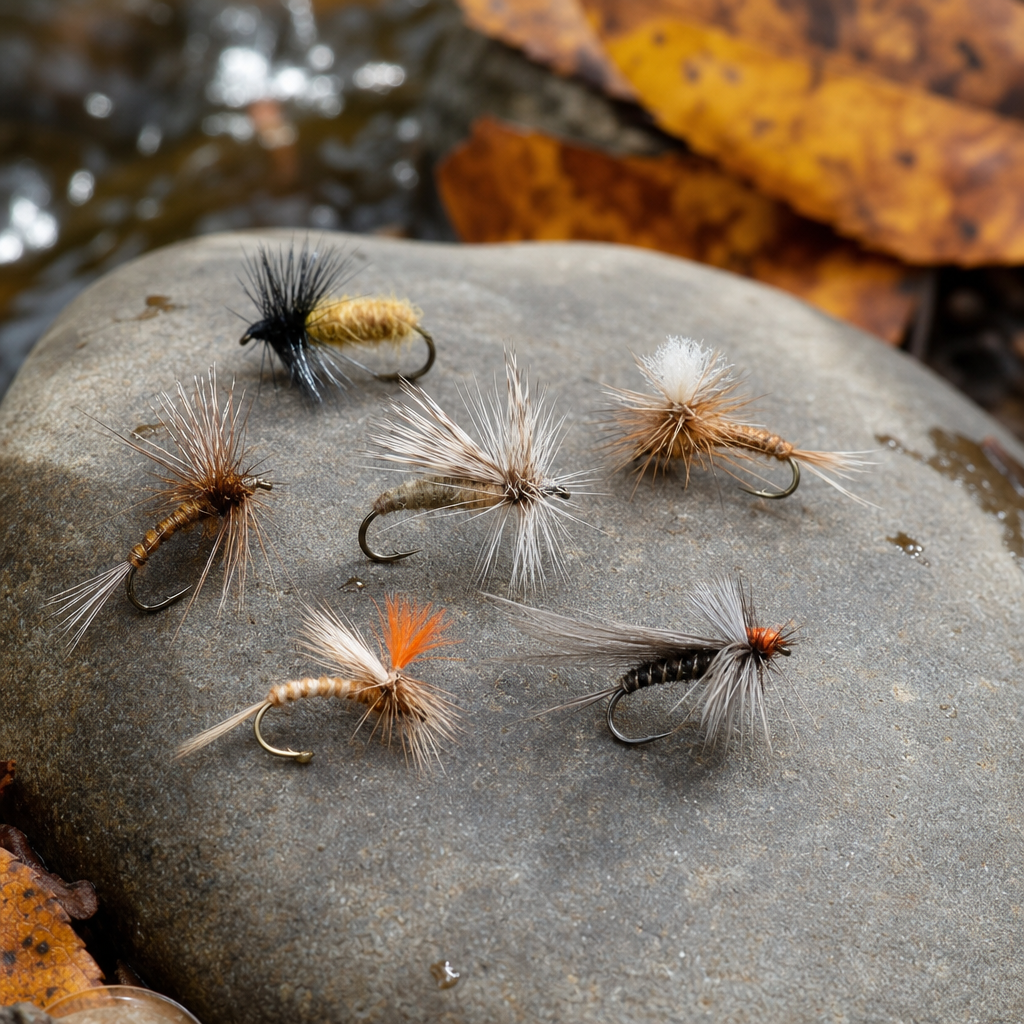
| PMDs or Sulfurs | Late morning to evening | Riffle seams, tailouts, slicks | Comparadun, emerger, spinner |
| Caddis | Dusk, warm evenings, after riffles | Broken water, banks, foam lines | Elk Hair Caddis, pupa, soft hackle |
| Tricos | Early morning spinner fall | Flat glides and slick pools | Trico spinner, low-riding cripple |
| Stoneflies | Early to midsummer | Banks, pocket water, edges | Chubby Chernobyl, stone nymph |
| Terrestrials | Mid to late summer afternoons | Undercut banks, grass edges, seams | Foam hopper, ant, beetle |
How to identify a hatch on the water
Hatch identification starts with three questions: what insects are present, what stage are they in, and where are trout feeding on them? Do not begin by tying on your favorite fly. Look at the air above riffles, the surface film in eddies, spider webs along banks, and rocks in shallow water. Seine nets, small sample jars, and even a wet fingertip touched to the film can reveal size and color. A caddis hatch is often obvious from fluttering adults and splashy takes. A mayfly emergence may show as subtle dimples and floating duns. Spinner falls usually happen in calmer water and produce heads-and-tails rises that look slower and more deliberate.
Riseforms provide direct clues. Splashy, erratic feeds often suggest caddis adults or bait chasing, while soft sips may indicate emergers or spinners. If fish are bulging just beneath the surface without breaking it cleanly, they are likely taking pupae or emergers in the film. I often watch one target fish for several minutes before making a cast, because one accurate read saves ten bad presentations. Carrying a small hatch guide helps, but practical observation matters more than Latin names. Size first, behavior second, color third is a reliable order for making decisions on the river.
How to fish summer hatches effectively
The best method for fishing summer hatches is to match both the insect and the trout’s feeding lane. Position yourself downstream and across when possible so the first drift reaches the fish before the leader does. During mayfly hatches, start with an emerger or cripple if trout are refusing adults. During caddis activity, swing a pupa through the riffle, then switch to a skittering adult near dark. For spinner falls, use long leaders, fine tippet, and reach casts that preserve a dead drift over flat water. For stoneflies, fish tight to banks where naturals fall or crawl, and do not ignore the nymphal migration before adults appear.
Presentation usually matters more than pattern detail. Drag kills more summer dry-fly drifts than wrong color or exact shade. Use stack mends, slack-line casts, and aerial adjustments to keep the fly moving naturally at current speed. If trout are feeding selectively, reduce false casts, approach lower, and lengthen the leader before downsizing the fly. On technical water, a two-fly arrangement such as a visible dry with a trailing emerger can reveal whether fish want the adult or the vulnerable stage beneath it. When surface action fades, continue fishing the hatch subsurface for another hour. Trout often keep eating ascending insects after anglers assume the window has closed.
Regional differences, common mistakes, and the hub strategy
Summer hatch expectations vary widely by river type and geography. Western freestones often feature stoneflies, PMDs, caddis, and hoppers in a clear seasonal progression. Eastern limestone streams may center more on sulfurs, tricos, caddis, and ants, with trout feeding in narrower, more technical lanes. Tailwaters such as the Missouri, Delaware system, or South Platte can sustain dense midge and mayfly populations through stable summer temperatures, making hatch fishing both reliable and demanding. High-elevation streams may hatch later than nearby valley rivers because snowmelt delays warming. The lesson is to build a local calendar, then refine it each season with stream notes, water temperatures, and actual observations.
Common mistakes are predictable. Anglers arrive with one hatch in mind and ignore what trout are actually eating. They fish adults when fish are taking emergers, cast too soon without watching riseforms, or stay in one run after the light and water temperature have shifted the feeding window elsewhere. Another frequent error is overlooking terrestrials during hatch gaps. As the hub page for seasonal hatches, this topic should lead you into more specific planning: separate river guides for PMDs, caddis, tricos, stoneflies, hopper-dropper tactics, and late-summer low-water strategies. Build your fly box around the dominant regional summer insects, carry patterns across life stages, and fish with a thermometer, a notebook, and patience. Summer hatches reward observation more than speed. Learn the timing, read the water, match the vulnerable stage, and your catch rate will rise with your understanding. On your next trip, spend the first ten minutes watching before you cast, then let the hatch tell you exactly how to fish it.
Frequently Asked Questions
What exactly is a summer hatch, and why is it so important for dry-fly fishing?
A summer hatch is the period when aquatic insects become active and transition into stages that make them available to trout near the surface. In practical fishing terms, it is the moment when nymphs, larvae, or pupae rise through the water column, get trapped in the surface film, emerge into adults, or return to the water to lay eggs. That concentration of vulnerable insects is what creates some of the most reliable surface feeding of the entire year. Instead of trout roaming randomly for scattered food, they often settle into repeatable feeding lanes and begin keying on a specific bug size, shape, and behavior.
This matters enormously for dry-fly anglers because summer conditions tend to sharpen these windows. Warmer water speeds up insect metabolism and emergence cycles, longer daylight extends activity, and stable weather often makes hatches more predictable than they are in colder seasons. When a hatch is underway, trout can become highly selective, but that selectivity is actually useful if you understand it. It tells you what they are eating, where they are eating it, and how your fly needs to look and behave. In other words, a hatch turns guesswork into a system. Once you identify the insect and present an appropriate pattern with a natural drift, your odds improve dramatically.
Summer hatches are also important because they teach anglers to read the whole river, not just the fish. Instead of casting blindly, you start watching seams, current transitions, foam lines, back eddies, and shaded banks where insects collect. You pay attention to rises, spent adults, duns floating downstream, and swallows or trout dimpling in one lane. That awareness is the foundation of deliberate fly fishing. Good anglers do not simply react to fish rising; they interpret why fish are rising, what stage of the insect they are taking, and how to match the hatch in a way that produces repeatable success.
What insects should anglers expect during summer, and how do trout usually feed on them?
Summer brings a mix of major and minor hatches depending on region, water temperature, elevation, and river type, but a few categories show up again and again. Mayflies remain central on many trout streams, especially smaller species that emerge in the morning or evening. Caddisflies are often a defining summer event, with their fluttering adults, skittering behavior, and egg-laying flights creating excellent dry-fly opportunities. Midges can continue to matter year-round, especially on tailwaters and spring creeks, while terrestrials like ants, beetles, and hoppers become increasingly important as summer advances. Stoneflies may also play a role on some rivers, particularly in faster, rockier systems, though their timing varies widely.
How trout feed depends on which stage is most vulnerable. During a mayfly hatch, trout may take emergers suspended just below the surface, newly emerged duns drifting helplessly in the film, or spent adults lying flat after mating. With caddis, fish often feed aggressively on pupae rising to the surface, then switch to adults bouncing, fluttering, or egg-laying. Midges usually call for smaller, subtler presentations, and trout may barely break the water when eating them. Terrestrials are different because they are not hatching from the stream at all; they fall or get blown into the water, and trout often treat them as opportunistic, high-value meals, especially along grassy banks, under overhanging brush, and during breezy afternoons.
The key is to look beyond the broad label of the insect and identify the exact feeding behavior in front of you. If trout are making splashy rises, they may be chasing caddis adults or taking skittering flies. If the rises are slow, deliberate, and barely leave rings, they may be sipping emergers or spent mayflies. If fish are positioned tightly against seams and rising rhythmically, they are probably feeding in a narrow lane where drifting insects are concentrated. Knowing the bug category helps, but knowing the life stage and the trout’s feeding posture is what turns observation into catches.
How can I tell what trout are eating during a hatch if I am not sure which insect is on the water?
Start by slowing down and watching before you ever make a cast. Many anglers lose fish simply because they rush to present a fly before understanding the feeding situation. Look at the surface for drifting insects, but also look in the air, on streamside rocks, in spider webs, and along the edges of slack water. A mayfly dun drifting naturally has a very different silhouette from a caddis adult skating or fluttering. Spent mayflies lie flush to the water with outstretched wings, while caddis often appear tent-winged and more animated. If insects are too small to identify clearly at a glance, use a fine mesh net, wet your finger to pick one off the surface, or inspect your shirt sleeve after bugs land on it.
Next, study the rise forms. Rise form is one of the best clues in hatch fishing. A gentle sip with only a nose and ring usually suggests trout taking insects trapped in or just under the film. A more assertive porpoising rise may indicate emergers or drifting duns. Splashy, slashing takes often point to caddis or other active insects that are moving at the surface. Also watch where the fish are feeding. Trout rising in soft seams, tailouts, and foam lines are often taking helpless drifters, while trout shifting and chasing in riffles may be targeting more mobile prey. The fish are constantly telling you what stage matters if you learn to read their body language.
If you still are not sure, work through the problem methodically. Match the approximate size first, then the profile, then the behavior. Size is often more important than exact species, especially on many freestone rivers. A correctly sized mayfly emerger or caddis adult in the right lane will usually outperform an exact color match presented poorly. If fish refuse your fly, ask whether the problem is really the pattern or instead the drift, height in the film, or visibility of leader and tippet. In summer hatches, trout often reject flies because they drag unnaturally or sit too high rather than because the shade of olive is slightly off. Observation first, then smart adjustments, is the most reliable way to identify what trout are truly eating.
What is the best way to fish summer hatches successfully without getting overwhelmed by fly choices?
The best approach is to simplify your decisions into a sequence: identify the insect family, determine the life stage, match the size, and then focus heavily on presentation. Most anglers carry too many patterns but still miss the hatch because they skip the strategic part. You do not need every fly in the catalog. For summer hatches, a compact but thoughtful selection of mayfly emergers, parachute duns, spent patterns, caddis pupae, caddis adults, and a few terrestrial imitations will cover the majority of real situations. Add small midge patterns if you fish technical water, and you have a highly functional summer box without unnecessary clutter.
Presentation is what separates fish seen from fish caught. During summer hatches, trout often station themselves in precise feeding lanes and inspect each bug closely. That means drag-free drifts are critical. Approach from downstream or across-and-down when possible, use longer leaders and fine tippet when conditions demand it, and position yourself so your fly reaches the fish before the leader does. Reach casts, slack-line casts, and gentle mends can all buy you precious inches of natural drift. If the fish are feeding on emergers, consider patterns that sit low in the film rather than riding high and bushy. If fish are taking caddis adults, a slightly animated presentation may actually be appropriate, especially late in the hatch.
It also helps to think in phases. Before the visible hatch, trout may feed subsurface on nymphs or pupae rising toward the surface. As the hatch builds, they often lock onto emergers and duns in the film. After the main emergence, they may switch to adults returning to lay eggs or to spent insects collecting in slower water. Instead of changing flies at random, ask yourself which phase you are in. That simple framework reduces confusion and leads to better decisions. Summer hatch fishing becomes far less overwhelming when you stop trying to be perfect and start trying to be observant, organized, and adaptive.
When are the best times of day to fish summer hatches, and how do weather and water conditions affect them?
The best time of day depends on the insect, the river, and current conditions, but summer often offers dependable windows in the morning and especially in the evening. Many mayflies favor lower light and cooler temperatures, so early and late can be excellent. Caddis activity frequently intensifies toward dusk, when adults gather, flutter over riffles, and return to lay eggs. Midday can still be productive, particularly on cooler days, at higher elevations, during overcast weather, or when terrestrials are active. On very hot, bright summer afternoons, surface activity may slow on some waters, but shaded runs, spring influences, and oxygen-rich riffles can still hold fish willing to rise.
Weather has a major influence on both insect behavior and trout response. Stable summer patterns often make hatches more predictable