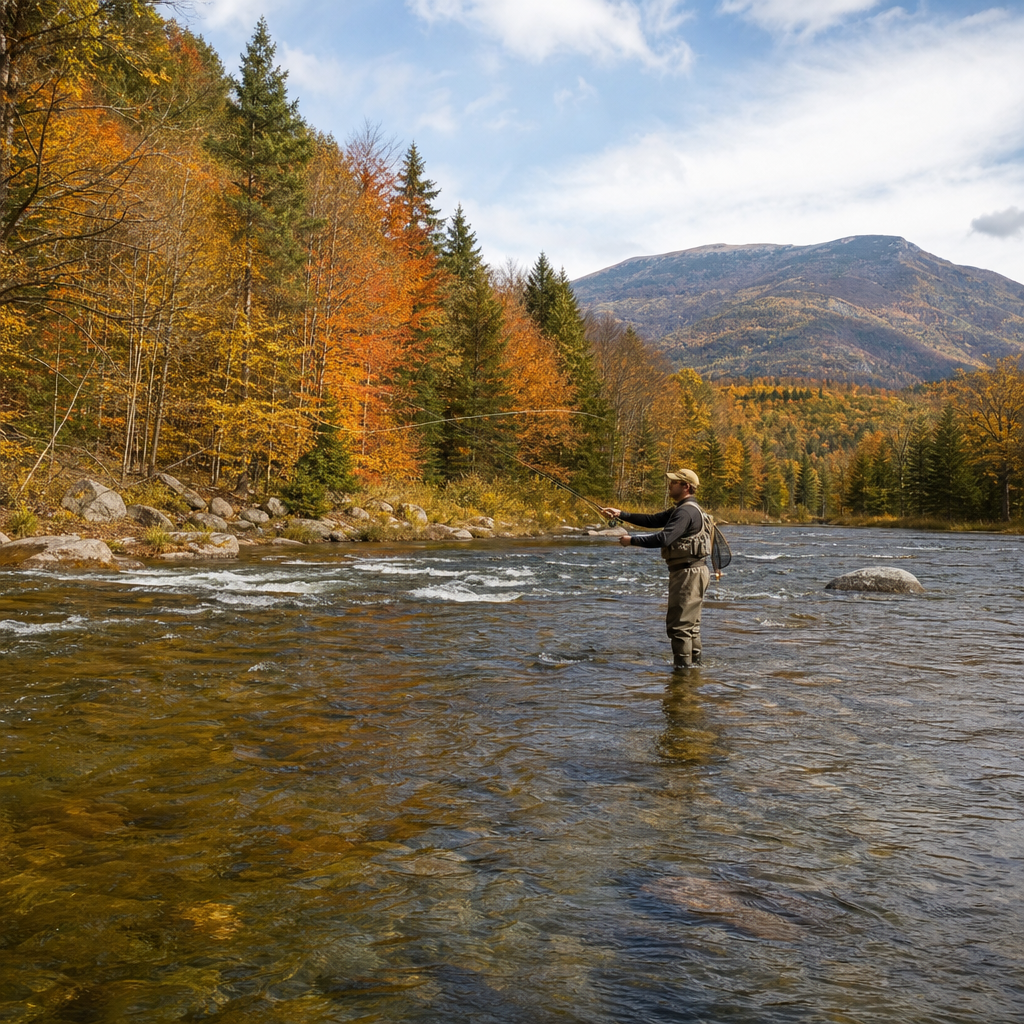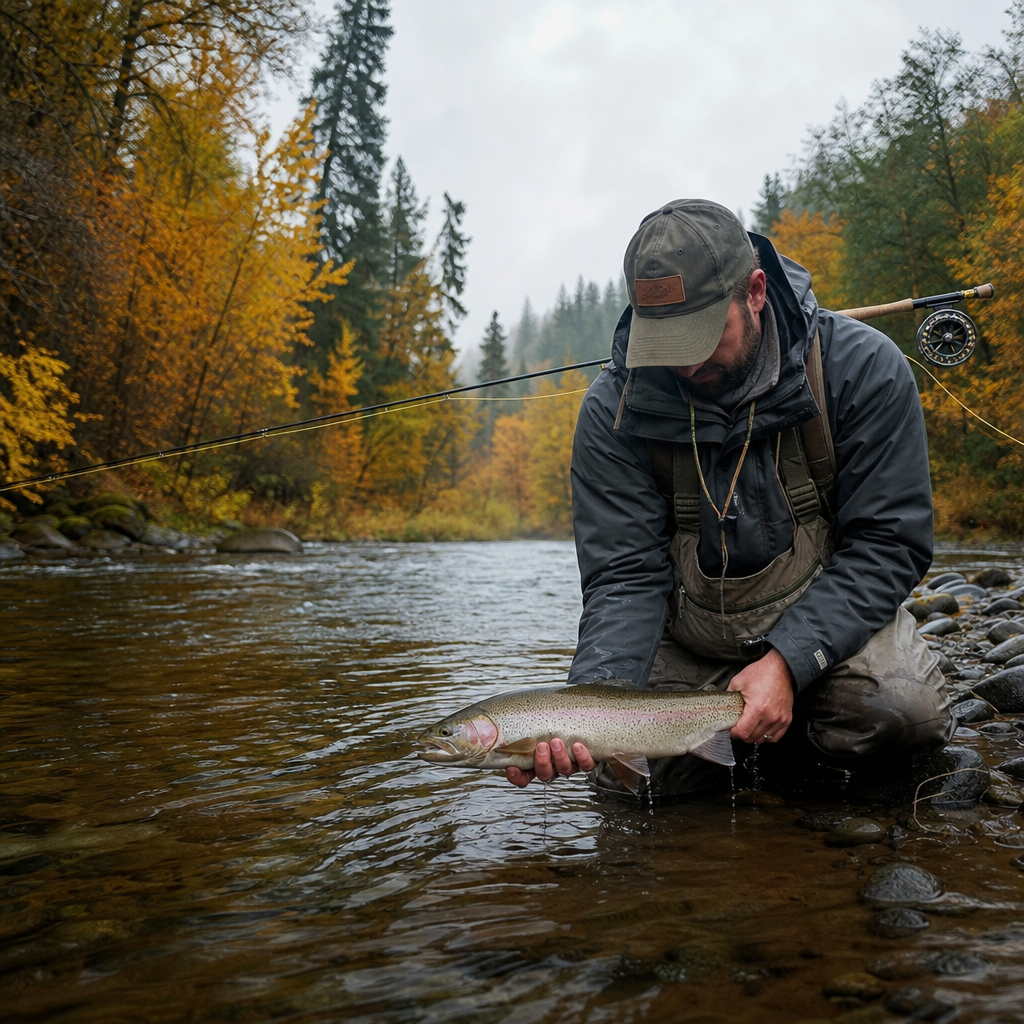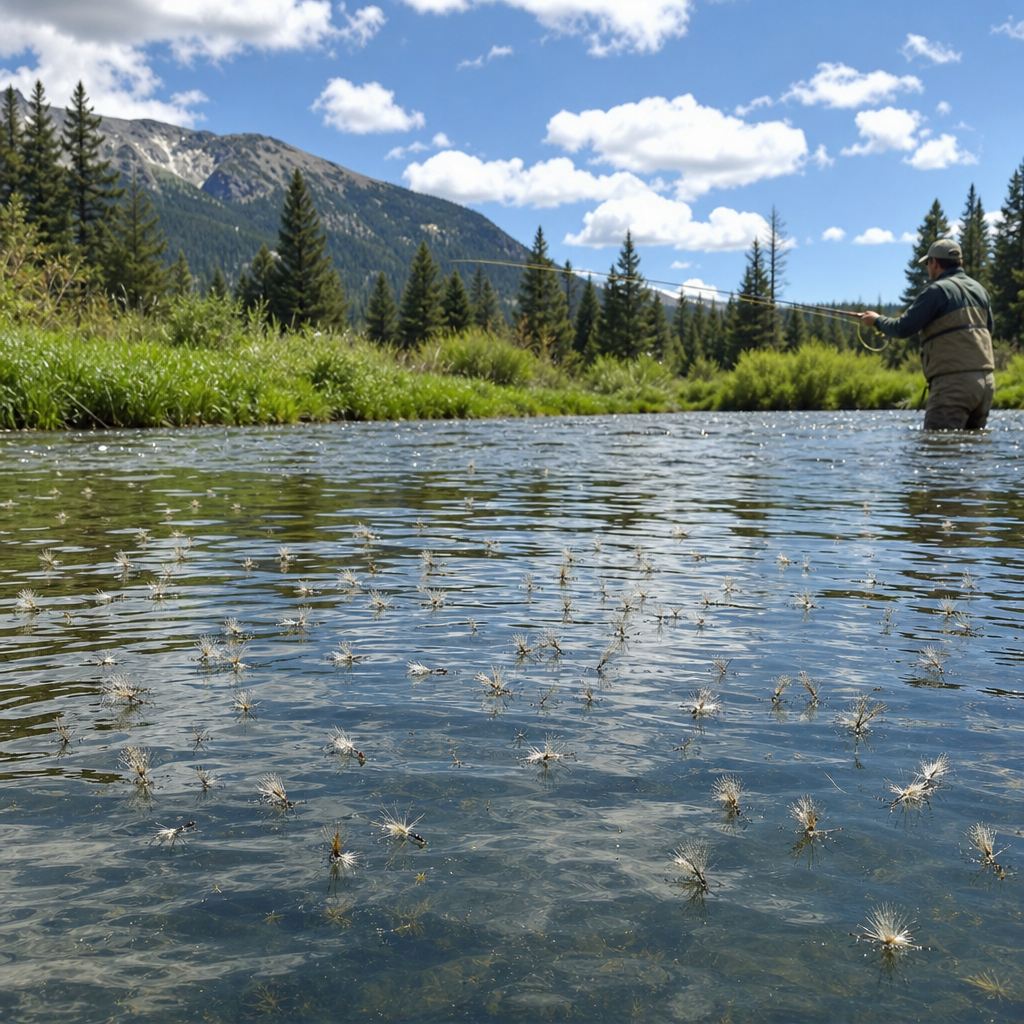
Spring hatches mark the most dynamic period in the trout calendar, when warming water triggers waves of aquatic insect activity and forces anglers to match changing food forms with precision. In fly fishing, a hatch is the synchronized emergence of insects such as mayflies, caddisflies, midges, and stoneflies from nymph or pupa stages into winged adults. Understanding spring hatches means knowing more than insect names. It means reading water temperature, light, river flow, species timing, and trout feeding position, then choosing fly patterns and presentations that imitate the exact life stage fish are taking.
I treat seasonal hatches as the backbone of spring strategy because they explain where trout sit, how selectively they feed, and why one pattern is ignored while another is eaten instantly. On freestone rivers, a few degrees of warming after snowmelt can start Blue-Winged Olive activity. On fertile tailwaters, midge and mayfly sequences may overlap for hours. On limestone creeks, steady temperatures can create reliable emergence windows that reward anglers who arrive with a plan. This makes spring hatches important not only for catching more trout, but also for deciding when to fish nymphs, emergers, duns, cripples, or streamers between hatch periods.
As a hub within seasonal hatches, this guide covers the core insects, the timing signals that matter, fly patterns that consistently produce, and techniques that convert observed bug activity into trout on the line. It also connects the bigger idea of seasonal hatches to practical decisions on leader length, tippet diameter, drift control, and where fish hold during changing spring conditions. If you understand these foundations, every deeper article on Hendricksons, March Browns, caddis, sulfurs, or runoff tactics becomes easier to apply on your home water.
How Spring Hatches Work and Why Timing Matters
Spring hatches begin when water temperatures, daylight length, and river stability line up with each insect species’ life cycle. Most trout-stream insects spend the majority of their lives underwater as nymphs, larvae, or pupae. The short winged stage draws attention because trout often feed recklessly during emergence, but the subsurface movement before and during a hatch is just as important. In practice, I usually see fish begin taking ascending insects before the first obvious adults appear, especially on cool overcast afternoons when mayflies drift in the film and trout slide into softer lanes to intercept them.
Water temperature is the most useful starting metric. Blue-Winged Olives commonly appear when water reaches the upper 40s to low 50s Fahrenheit, while Hendricksons often become consistent around the low-to-mid 50s, depending on watershed and elevation. Caddis can erupt in pulses once flows moderate and temperatures rise further. These are not rigid numbers, but they give structure to scouting. A thermometer, stream log, and weather notes often reveal more than guesswork. I have had many spring days saved by realizing the river was still two degrees too cold for surface activity, which meant fishing pheasant tails or midge pupae deep until the afternoon lift.
Timing also changes with river type. Tailwaters with dam-regulated releases are more stable and may produce longer, more predictable hatch windows. Freestones react quickly to cold rain, snowmelt, and muddy inflows, compressing or delaying activity. Spring creeks and limestone streams often provide the most consistent schedule because water temperatures fluctuate less. For anglers planning a seasonal hatch approach, this matters: the same fly box should be organized differently for a cold mountain stream than for a rich tailwater where emergers and tiny dries dominate.
Key Spring Insects Every Angler Should Recognize
The most important spring hatch categories are mayflies, caddisflies, midges, and stoneflies, with local exceptions such as craneflies, annelids, or terrestrials on warmer days. Mayflies are central because trout key on them through several vulnerable transitions: nymph, emerger, dun, spinner. Blue-Winged Olives are usually small, ranging around sizes 16 to 22, and thrive in cool, cloudy conditions. Hendricksons are larger and easier to see, commonly sizes 12 to 14, making them a major confidence hatch across Eastern rivers. March Browns, Quill Gordons, Pale Evening Duns, and early sulfurs may enter the picture by region and altitude.
Caddis are equally significant but demand different thinking. Their pupae rise actively, and trout often chase them, unlike the quieter feeding associated with some mayfly duns. In spring, tan, olive, and black caddis can be critical. Adults may skitter or flutter, so dead-drift is not always the only answer. Midges hatch year-round but remain especially important in early spring before larger insects dominate. On technical fisheries, tiny midge emergers and clusters can outfish everything else when trout sip subtly in slow seams. Stoneflies, including little black stoneflies and early sallies in some regions, often bring fish tight to banks and broken water.
The simplest way to identify what matters is to observe three things: size, silhouette, and behavior. Anglers get lost trying to name every species, but trout mostly respond to form and vulnerability. A size 18 olive mayfly drifting flush in the film suggests a BWO emerger. A size 14 tan insect fluttering from the surface points toward caddis. Shucks on rocks, adults in streamside bushes, and insects in your seine or net confirm the pattern. This practical identification method works across most trout waters and supports smarter fly selection than relying on memory alone.
Best Spring Fly Patterns for Matching Seasonal Hatches
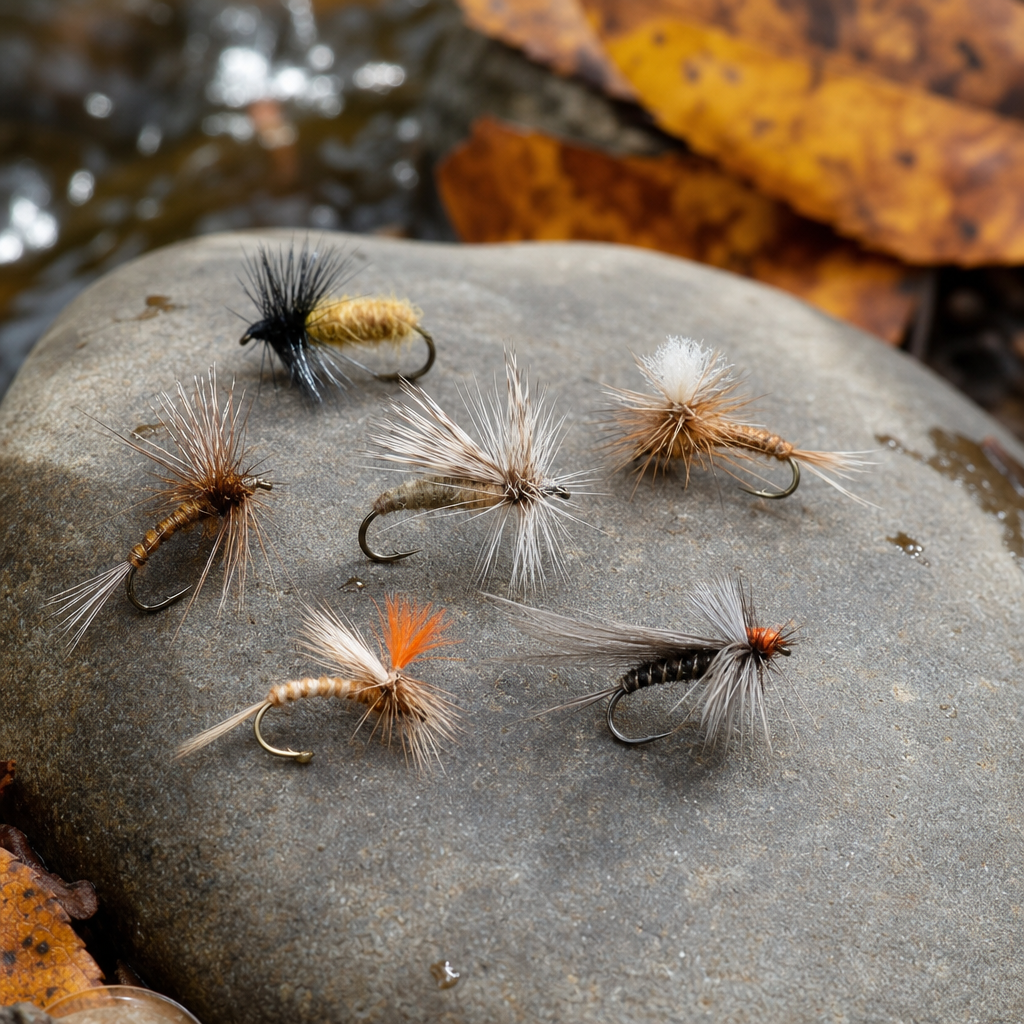
A strong spring box should be built around life stages rather than only adult imitations. If I had to narrow it down for most trout rivers, I would carry pheasant tails, hare’s ears, perdigons, soft hackles, RS2s, Zebra Midges, caddis pupae, Parachute Adams, Sparkle Duns, Comparaduns, Elk Hair Caddis, Griffith’s Gnats, and a few cripples or spinner patterns. These are not random classics. They work because they imitate broad insect categories while preserving the cues trout notice: profile, movement, and how low the fly sits in the water.
Emergers deserve special emphasis because spring trout often feed in or just under the film. A BWO emerger with trailing shuck, a CDC Comparadun, or an RS2 can solve refusals when fish ignore high-floating dries. For larger mayflies such as Hendricksons, a Sparkle Dun or parachute style gives visibility without too much hackle, helping the imitation sit naturally. During caddis activity, a soft hackle swung below the surface can be devastating because it mimics the ascending pupa stage more accurately than a dry fly. I have watched selective trout reject adult caddis repeatedly, then eat the first tan soft hackle fished on a short downstream swing.
Subsurface anchor patterns matter before and between hatches. Pheasant tails imitate many mayfly nymphs, hare’s ears suggest general mayfly or caddis forms, and Zebra Midges remain essential on pressured water. Split-shot depth, tungsten bead size, and tag-dropper arrangement all influence whether these flies are seen. During runoff or stained spring flows, adding a jig nymph, worm, or small black streamer can complement hatch imitations by matching dislodged food alongside emerging insects.
How to Match Hatch Conditions to Flies and Presentation
The most effective spring hatch strategy is to connect observable conditions with a specific imitation and drift style. Use this framework on the water.
| Condition | Likely Food Source | Best Fly Types | Presentation |
|---|---|---|---|
| Cold morning, little surface activity | Midges, immature mayfly nymphs | Zebra Midge, pheasant tail, small perdigon | Dead-drift deep near slower seams |
| Cloudy afternoon, subtle rises | BWO emergers and duns | RS2, BWO emerger, Sparkle Dun | Long leader, drag-free drift in film |
| Warm stable day, splashy rises | Caddis pupae and adults | Soft hackle, caddis pupa, Elk Hair Caddis | Dead-drift, then swing and twitch |
| Larger mayflies visible, steady heads | Hendrickson or March Brown duns | Comparadun, parachute, cripple pattern | Target feeding lanes with reach cast |
| Post-hatch evening calm | Spinners, spent adults | Spinner pattern, low-riding mayfly | Fine tippet, slack presentations |
Presentation is what turns a correct fly into a convincing meal. During spring hatches, trout often hold in transitional water: soft edges beside stronger currents, inside seams, tailouts, and shallow shelves near deeper security. A drag-free drift is essential for mayflies because natural insects drift helplessly. Reach casts, stack mends, and longer leaders help isolate the fly from line tension. In contrast, caddis pupae often swim upward, so a gentle lift at the end of the drift or a controlled swing can trigger aggressive takes. Matching behavior is as important as matching color.
Leader construction affects success more than many anglers admit. For small olives on clear spring creeks, a 12-foot leader tapered to 5X or 6X may be required. For Hendricksons on riffled freestones, 9 feet and 4X or 5X is usually enough. Wind, fly size, and current complexity all matter. The rule is simple: use the strongest tippet that still allows a natural drift. That balance reduces break-offs during strong spring runs while keeping the presentation believable.
Reading Trout Behavior During a Hatch
Rises tell you what trout are eating if you interpret them correctly. A head-and-tail rise often indicates mayflies on the surface. A bulging swirl just under the film usually points to emergers. Splashy slashes can suggest caddis, though stocked fish and opportunistic feeders can blur the rule. One of the most useful habits I developed was watching three or four rises before casting. If fish feed rhythmically in one lane, they are usually locked on a repeatable food source. If rises are random across a broad pool, opportunistic nymphing or a searching dry may be better than obsessive matching.
Position matters too. During spring hatches, trout shift from winter lies into feeding lanes where they can intercept insects with minimal effort. In moderate flows they often sit just off the main current, especially where depth and broken surface cover meet. During runoff, they slide to edges, back eddies, and softer shelves where drifting nymphs collect. During dense hatches, larger trout may move surprisingly shallow because food concentration outweighs exposure risk. I have seen twenty-inch fish feed in knee-deep tailouts during spinner falls, while the same fish stayed hidden all afternoon.
Refusals usually come from one of four problems: wrong size, wrong stage, drag, or poor positioning. Color matters, but less than anglers think. If fish inspect and refuse a fly repeatedly, first downsize, then switch from dry to emerger or cripple, then improve drift angle. Often the answer is not a new pattern but a better cast from farther downstream. Spring trout can be selective, but they are not mysterious when feeding cues are read carefully.
Building a Seasonal Hatch Plan for the Entire Spring
A complete spring hatch approach starts before the trip. Check streamflow graphs from USGS gauges, monitor water temperatures, review local hatch charts from trusted fly shops, and note weather trends for three to five days rather than one forecast snapshot. Sudden cold fronts suppress surface activity, while stable cloud cover can make olives hatch all afternoon. Bright sun may shorten some mayfly windows yet improve caddis toward evening. By keeping simple notes on dates, flows, and insects observed, you build a personalized hatch calendar far more useful than generic lists.
This hub page should guide your progression through the broader seasonal hatches topic. Start with the dominant insects in your region, then drill into species-specific articles on timing, fly recipes, and river examples. Next, connect those hatch profiles to condition-based tactics such as fishing during runoff, approaching clear spring creeks, or choosing between nymphing and dry-dropper rigs. The point of studying seasonal hatches is not memorization. It is prediction. When you can predict what trout are likely to eat at noon, three o’clock, and dusk under changing spring conditions, your fly choice and presentation become deliberate instead of hopeful.
Understanding spring hatches gives anglers a framework for every decision on the water: when to arrive, where trout will hold, which insects matter, what fly stage to imitate, and how to present it naturally. The key lessons are consistent across rivers. Watch water temperature and flow, identify insects by size and behavior, fish emergers seriously, and let trout rises tell you whether they are feeding on top or just below. A focused spring box built around mayflies, caddis, midges, and stoneflies will cover most situations if paired with sound leader choices and disciplined drift control.
The main benefit of learning seasonal hatches is efficiency. Instead of changing flies at random, you make evidence-based adjustments grounded in entomology and trout behavior. That leads to more hookups, fewer refusals, and a deeper understanding of why fish respond. Use this page as your starting point for the full seasonal hatches series, then apply the same observation-first approach on your home river. Bring a thermometer, carry a small seine, take notes after every trip, and let each spring hatch teach you something specific.
Frequently Asked Questions
What exactly is a spring hatch, and why is it so important in trout fishing?
A spring hatch is the period when aquatic insects begin emerging in large numbers as water temperatures rise and daylight increases. This includes mayflies, caddisflies, midges, and stoneflies transitioning from nymph or pupa stages into adults. For trout, these events create concentrated feeding opportunities. Instead of searching broadly for food, fish can key in on one insect type and one life stage at a time, often feeding with remarkable selectivity. That is why spring is considered one of the most dynamic and technical periods in the trout calendar.
What makes spring hatches especially important is the way they compress trout behavior around predictable food sources. A river that seems quiet in the morning can come alive in the afternoon once conditions align. Water temperature, light levels, current speed, and recent flows all affect when insects become active. As a result, success during spring often depends less on blind casting and more on observation. Anglers who can identify whether trout are feeding on nymphs below the surface, emergers trapped in the film, or fully winged adults drifting on top usually outperform those who focus only on fly size or color.
In practical terms, understanding a spring hatch helps you choose the right fly pattern, depth, drift, and presentation style. It also helps you know when to switch. Trout may feed on subsurface stages for hours before any visible rises begin, then suddenly shift to emergers or duns once the hatch intensifies. The hatch is not just an insect event; it is a feeding sequence. Recognizing that sequence is what turns spring fly fishing from guesswork into a deliberate, effective approach.
How do I identify which insects are hatching and choose the right fly pattern?
The best way to identify a hatch is to observe what is happening on and around the water before tying on a fly. Look for adults drifting on the surface, shucks stuck to rocks, insects fluttering in bankside vegetation, and trout rise forms that suggest where in the water column fish are feeding. If trout are bulging just under the surface, they may be taking emergers. If rises are splashy and aggressive, caddis adults may be involved. If rises are gentle sips with visible noses, trout may be taking mayfly duns. A small streamside seine, a quick look at your net, or even examining insects on your sleeve can give you useful clues about size, color, and profile.
Once you identify the likely insect family, match the life stage before obsessing over exact species. In spring, mayfly hatches often call for nymphs before the hatch, emergers during the transition, and duns or spinners during surface feeding windows. Caddis activity may favor pupa patterns first, then adults skittered or dead-drifted depending on trout behavior. Midges often require very small, sparse patterns and fine tippet, especially on pressured water. Stoneflies can bring larger, more obvious food forms into play, but trout may still feed more consistently on nymphs than adults.
Fly selection should balance realism with confidence. Start with a pattern that matches size, silhouette, and behavior. Size is often more important than exact shade, and presentation is often more important than both. For example, a size 16 mayfly emerger drifting naturally in the film will usually outfish a perfectly colored dry that sits too high if trout are focused on vulnerable emergers. Carry a progression of patterns for each major hatch: nymph, emerger, adult, and sometimes spent spinner. That gives you the flexibility to adjust as the hatch develops and trout preferences become clearer.
What techniques work best during spring hatches when trout are feeding in different stages?
The most effective technique depends on where trout are feeding in the water column. Before a hatch becomes visible, trout often feed heavily on nymphs or pupae drifting near the bottom or rising toward the surface. In that phase, dead-drift nymphing with an indicator, tight-line methods, or a lightly weighted two-fly rig can be extremely productive. Focus on seams, tailouts, inside edges, and moderate runs where insects collect and trout can feed efficiently. Depth control matters a great deal. If your flies are not reaching the trout’s feeding lane, even the right pattern will be ignored.
As the hatch intensifies, emergers often become the most important food form because they are vulnerable and concentrated in the film. This is where many anglers miss opportunities by switching too quickly to fully dressed dry flies. Soft hackles, unweighted emergers, and cripple patterns can be deadly during this transition. Fish them on a greased leader, in a dry-dropper setup, or just below the surface with minimal drag. If you see trout rising but refusing your dry, there is a good chance they are taking emergers rather than adults.
When trout are clearly feeding on top, dry-fly fishing becomes the primary game, but presentation remains critical. Long leaders, accurate casts, and drag-free drifts are essential, especially in clear spring water. Position yourself to reduce conflicting currents, and avoid false casting over feeding fish. During caddis hatches, you may also need motion, such as a slight skate or twitch, because adults can be active and mobile. During mayfly hatches, a natural dead drift is usually the standard. The key is to let trout behavior dictate the technique rather than forcing one method throughout the hatch.
How do water temperature, weather, and river conditions affect spring hatches?
Water temperature is one of the biggest triggers for spring insect activity. Many hatches begin when rivers reach a species-specific temperature range, and even a small increase can turn a slow day into an active one. As a general rule, stable warming trends are better than sudden spikes. Midday and afternoon often produce the best spring hatch activity because that is when water temperatures climb enough to stimulate emergence. Cold nights, snowmelt, or abrupt weather changes can delay timing, reduce intensity, or shift activity to a narrower window.
Light and cloud cover also influence how and when insects emerge. Overcast conditions often extend hatches and can improve surface feeding because insects remain available longer and trout feel more secure. Bright sun may shorten a hatch or push fish into more selective feeding windows, though some species still emerge strongly under sunny conditions. Wind can complicate dry-fly fishing, but it can also knock adults onto the water and create feeding chances. Rain, especially light rain, may enhance certain hatches, while heavy runoff can muddy water, raise flows, and temporarily disrupt insect and trout behavior.
River flow is equally important. Moderate, stable flows usually produce the most predictable hatches and presentations. High, cold runoff can suppress activity or relocate trout to softer edges, side channels, and slower seams. Lower, clearer water often improves visibility for both angler and fish, but it also makes trout more cautious. Understanding these variables helps you anticipate not only whether a hatch will happen, but where trout will feed when it does. A strong spring angler reads conditions holistically: temperature trends, flow levels, water clarity, time of day, and how those factors shape both insect emergence and trout positioning.
What are the most common mistakes anglers make during spring hatches, and how can they avoid them?
One of the most common mistakes is focusing too much on the fly pattern and not enough on observation. Anglers often begin casting immediately instead of watching the water for a few minutes. That short pause can reveal whether trout are feeding subsurface, in the film, or on adults. It can also show the size and behavior of the insects involved. Without that information, fly changes become random. A second major mistake is matching the adult insect while trout are actually feeding on emergers or nymphs. This happens constantly during spring hatches, especially with mayflies and caddis.
Another frequent error is poor presentation. Drag, incorrect depth, and bad positioning ruin more opportunities than imperfect fly choice. During a hatch, trout can become highly selective because food is abundant. If your drift looks unnatural, fish have little reason to eat. Using overly heavy tippet, casting directly over feeding fish, or failing to mend line properly can all reduce success. On subsurface rigs, many anglers also fish too shallow. During pre-hatch feeding, getting flies down into the trout’s lane is often the difference between occasional interest and consistent takes.
Finally, many anglers fail to adapt as the hatch evolves. Spring hatches are not static. Trout may begin the day feeding on nymphs, shift to emergers during the main event, then target spinners or drowned adults later. The anglers who do best are the ones who keep reassessing conditions and fish behavior. Avoid locking into one confidence fly or one tactic for too long. Instead, think in terms of progression: what is hatching, what stage is most vulnerable, where are trout feeding, and how should your rig reflect that? That mindset leads to better decisions, more efficient adjustments, and far more productive days on the water.