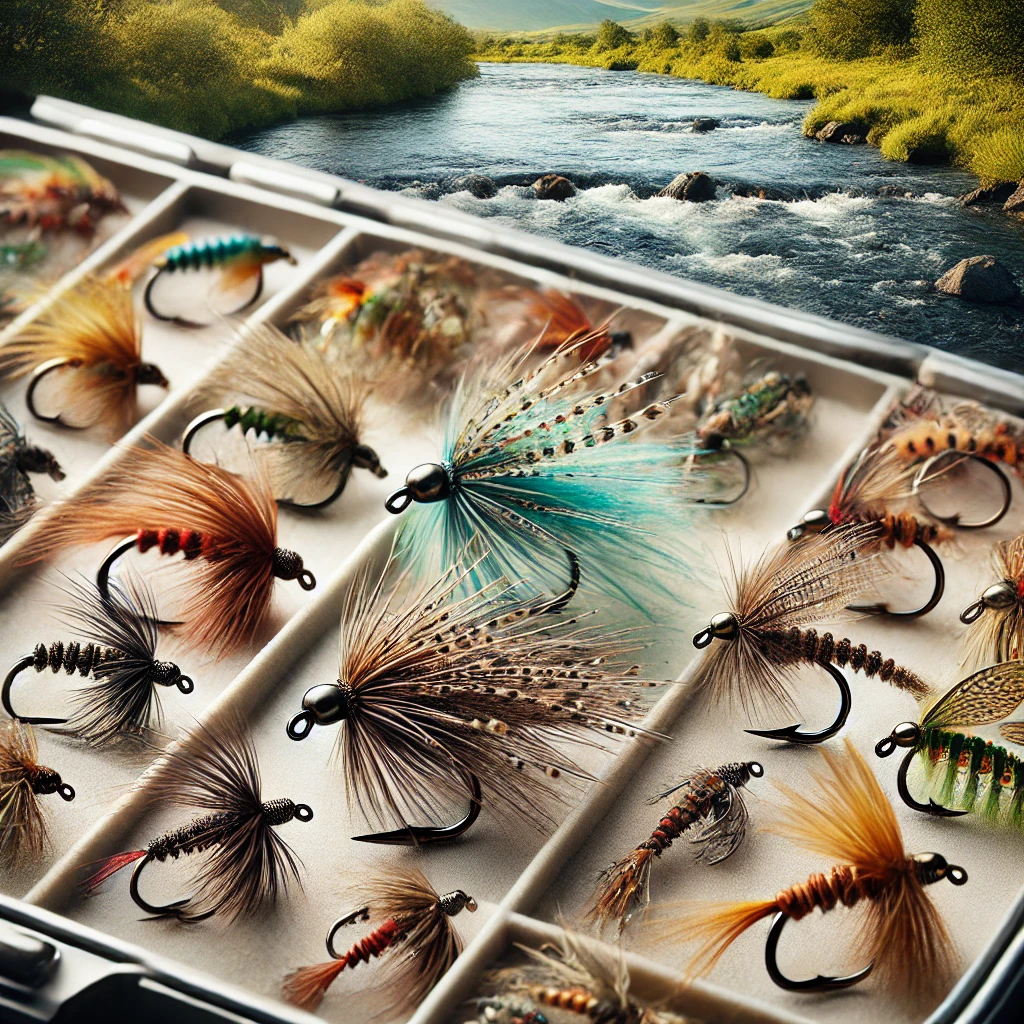
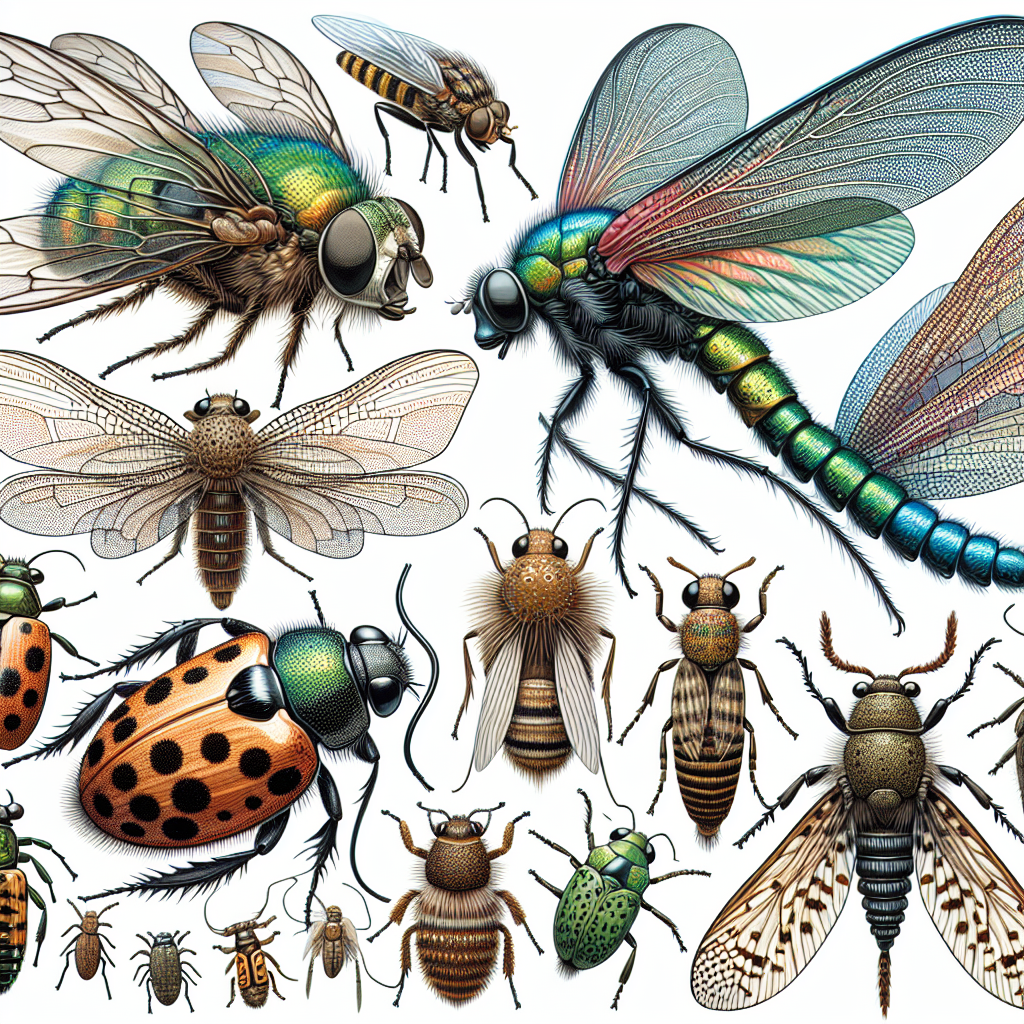
Welcome to our comprehensive guide on stoneflies, their patterns, and practical uses. Whether you are a novice fly fisherman or a seasoned angler, understanding stonefly patterns is essential to improve your skills and enrich your fishing experience. Stoneflies are one of the most significant aquatic insects for fly fishing. They are favored by both fish and anglers worldwide. In this article, we will dissect various stonefly patterns, offer insights into tying your own stoneflies, and discuss their optimal uses in different fishing conditions.
Introduction: Understanding the Importance of Stoneflies
Stoneflies, belonging to the order Plecoptera, are invaluable in the world of fly fishing. These insects are prevalent in clean, fast-moving streams and rivers, thriving in well-oxygenated water. Typically found across the northern hemisphere, stoneflies are a major food source for a variety of fish species, especially trout.
Stoneflies undergo an incomplete metamorphosis, transitioning from egg to nymph to adult without a pupal stage. The nymph stage, in particular, is significant for fly fishermen, as these are what fly patterns often imitate. During their nymph stage, stoneflies are bottom-dwellers, clinging to rocks and becoming easy prey for fish.
For fly fishermen, stoneflies’ size, hearty build, and abundance make them ideal for attracting fish. Imitating stoneflies through fly patterns can significantly increase catch rates. Stonefly patterns come in various sizes, colors, and forms, each designed to mimic different stages and types of the stonefly life cycle. This diversity necessitates a deeper understanding of both the insect and the methods used to tie effective patterns.
Different Types of Stonefly Patterns
Stonefly patterns can be broadly classified into nymphs, emergers, and adults. Each type plays a unique role in fly fishing and is used under different circumstances.
Stonefly Nymph Patterns
Nymph patterns are perhaps the most vital for fly fishermen. These patterns imitate the larval stage of the insect, which remains underwater for up to three years. Some popular nymph patterns include:
- Pat’s Rubber Legs: This pattern is a staple for many anglers. It mimics the natural look and movement of a stonefly nymph and is effective in fast-flowing waters.
- Kaufmann’s Stonefly Nymph: Another essential nymph pattern known for its lifelike appearance and versatility in different fishing environments.
- Bitch Creek Nymph: This pattern stands out for its contrasting colors and rubber legs, grabbing the attention of fish.
Stonefly Emerger Patterns
Emergers represent the phase when nymphs transition to adults during their rise to the water’s surface. Though less commonly used than nymph or adult patterns, emergers can be incredibly effective when fish are feeding near the surface.
- Silvey’s Stone Emerger: A go-to pattern for many anglers during a hatch, mimicking the emerging stage accurately.
- Clark’s Stonefly Emerger: Known for its realistic presentation and high fish-attracting performance.
Adult Stonefly Patterns
Adult stoneflies are essential during the stonefly hatching season. They are typically used in dry fly fishing, mimicking stoneflies that float on the water’s surface.
- Stimulator: An excellent dry fly pattern that serves as an all-purpose attractor fly, mimicking stoneflies effectively.
- Chubby Chernobyl: Recognized for its buoyancy and visibility, making it an ideal choice for fast-moving streams.
- Yellow Sally: A smaller pattern effective during the early summer when small stoneflies are abundant.
Tying Your Own Stoneflies – Materials and Techniques
Creating your own stonefly patterns can be a rewarding and cost-effective hobby. The materials and techniques used can vary, but some staples are essential across most patterns.
Essential Materials
While the specific materials can differ based on the pattern, these are commonly used when tying stoneflies:
- Hooks: Curved or straight shank hooks in various sizes depending on the stonefly stage being imitated.
- Thread:
- Beads/weights: For added weight to help the nymph sink.
- Body materials: Featured materials like dubbing, chenille, and biots for a realistic body.
- Legs: Rubber or natural materials for lifelike leg movement.
- Hackle/wing materials: Feathers or synthetic materials for wings in adult patterns.
Basic Techniques
The following are some foundational techniques used when tying stoneflies:
- Wrapping: Applying thread and materials tightly around the hook to build the fly body.
- Tying off: Securing materials in place with knots as you progress through the fly construction.
- Whip finish: A specific finishing knot technique to ensure the fly remains intact.
- UV resin coating: Adding durability and a realistic finish to the completed fly.
For novice fly-tiers, start with simpler patterns and gradually progress to more intricate designs as your skills develop. Online tutorials and local fly-tying classes can also provide valuable hands-on instruction.
When and How to Use Stonefly Patterns
Knowing when and how to use stonefly patterns can significantly enhance your effectiveness on the water. Understanding the seasonal behaviors and hatching periods of stoneflies is crucial for optimizing your fly selection.
Seasonal Considerations
Stonefly hatches typically occur in late spring to early summer, although the exact timing can vary based on geographical location and specific species. Pay attention to local hatch charts and reports to time your fishing trips with peak stonefly activity.
Water Conditions
Stoneflies thrive in cool, oxygen-rich fast-moving waters. Tailoring your patterns to the water conditions can make a substantial difference:
- Fast-moving water: Use heavier nymphs and more buoyant adult patterns to handle the current.
- Calm pools: Opt for more subtle and natural-looking patterns, as fish in these areas may be more discerning.
Presentation Techniques
Effective presentation is key to mimicking natural stonefly behavior and enticing fish to bite:
- Nymphs: Use a dead-drift technique, allowing the nymph to drift naturally with the current. Adding a small amount of weight or using a weighted fly can help achieve the desired depth.
- Emergers: Swinging the fly across the current and allowing it to rise toward the surface can mimic the natural emergence process. This technique is effective during or just after a hatch.
- Adults: Dry flies are best presented by casting upstream and allowing them to drift down naturally. Ensure a drag-free drift to avoid spooking fish.
Expert Tips for Maximizing Success with Stonefly Patterns
With these expert tips, you can elevate your fly fishing game and increase your strike rates when using stonefly patterns:
- Observe Your Environment: Pay attention to the stoneflies present in your fishing area. Matching the size, color, and type of the local stoneflies will make your patterns more effective.
- Vary Your Retrieve: Sometimes changing the speed or adding small twitches to your retrieve can entice fish to strike, especially in faster currents.
- Adjust Your Depth: Use different patterns and weights to cover various depths of the water column. This can help you find where the fish are feeding.
- Stay Patient: Fly fishing, especially with stonefly patterns, requires patience. Experiment with different techniques and patterns until you find what works best for the conditions.
Remember, practice makes perfect. The more time you spend on the water experimenting with stonefly patterns, the better you will become at reading the conditions and adapting your approach for optimal success.
Conclusion: Embracing the Art of Stonefly Patterns
Stoneflies hold an essential place in the fly fishing world, from their role in the aquatic ecosystem to their impact on attracting fish. Understanding the different types of stonefly patterns, learning to tie your own, and knowing when and how to use them can immensely enhance your fly fishing experience.
Stoneflies are versatile and effective, capable of fooling even the savviest of fish. Whether using nymphs, emergers, or adult patterns, the key to success lies in close observation of your environment, careful selection of patterns, and meticulous presentation techniques.
By immersing yourself in the art of stonefly patterns, you open up a world of possibilities on the water. The satisfaction derived from crafting your flies and the thrill of fooling a fish with a well-presented pattern are unmatched in the fishing world.
We hope this guide has provided you with valuable insights and inspiration to delve deeper into the world of stoneflies. Happy fishing!