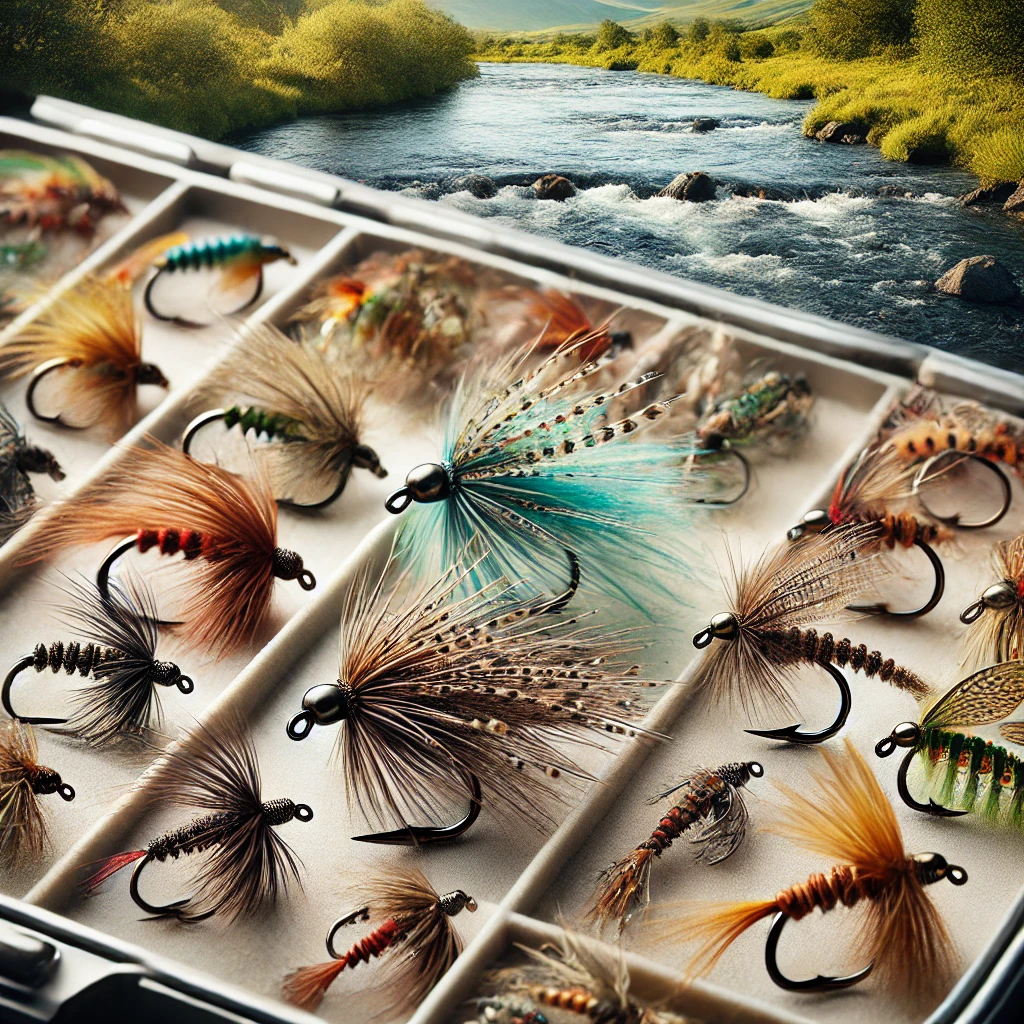
Welcome to our comprehensive guide on steelhead flies, where we delve into the intricate art of fly tying and explore the various patterns that promise success for anglers. As a seasoned fly fisherman, you know that the right fly can mean the difference between a fruitful day on the river and going home empty-handed. Steelhead, known for their elusive and challenging nature, require specialized flies that cater to their unique behaviors and habitats. This article aims to provide you with in-depth knowledge about different steelhead fly patterns, how to tie them, and the strategic use of each type.
Introduction
Steelhead fishing is more than just a hobby; it’s a passion that demands skill, patience, and the right tools. Among these tools, the fly is paramount. Developing an understanding of steelhead flies involves not only recognizing the variety of patterns available but also understanding the fish themselves. Steelhead are anadromous fish, meaning they migrate from the ocean to freshwater rivers to spawn. This journey requires them to adapt to different environments, and as such, they exhibit varied feeding habits and responses to flies.
Understanding these behaviors is critical for selecting the right fly pattern. The journey of a steelhead fly fisherman often begins with an appreciation of traditional patterns and techniques, evolving into a more nuanced application of modern innovations. Whether you are a novice or a seasoned angler, this guide will help you deepen your expertise in tying and selecting steelhead flies, ultimately enhancing your fishing success.
Classic Steelhead Fly Patterns
Classic steelhead fly patterns have been trusted for generations, each design carrying a piece of fishing history. Some of the most renowned patterns include the Green Butt Skunk, Skykomish Sunrise, and Purple Peril. These flies are notable for their vibrant colors and unique construction, often featuring a combination of feathers, tinsel, and fur to create an enticing lure that attracts steelhead.
The Green Butt Skunk, for instance, is characterized by its black body, green butt, and white wing, designed to mimic baitfish and provoke an aggressive strike from steelhead. The Skykomish Sunrise appeals with its bright orange and red hues, ideal for murky waters where visibility is low. The Purple Peril, on the other hand, leverages the striking contrast of purple and black to attract steelhead, particularly effective during dusk or dawn.
These classic patterns remain popular due to their proven effectiveness and ease of tying. They serve as a foundational element of any steelhead angler’s fly box, offering reliable performance across various fishing conditions.
Modern Innovations in Steelhead Flies
While classic patterns are essential, modern advancements in materials and techniques have led to innovative fly designs that can greatly enhance fishing success. Synthetic materials such as flashabou and krystal flash add an iridescent quality to flies, making them more visible and attractive to steelhead. Additionally, the development of articulated flies, which feature multiple connected segments, has revolutionized the dynamic movement of flies in the water.
Patterns like the Intruder and the Egg-sucking Leech have gained popularity among contemporary anglers due to their lifelike motion and vibrant colors. The Intruder fly, for example, emulates the natural movement of crustaceans and small fish, making it highly effective in fooling wary steelhead. The Egg-sucking Leech combines the predator and prey appeal by featuring a leech body with an egg-like head, capitalizing on the steelhead’s predatory instincts during spawning runs.
These modern patterns require more advanced tying techniques and materials but offer heightened performance. Fly tiers and anglers alike continually experiment with new combinations, pushing the boundaries of what’s possible and keeping steelhead intrigued.

Tying Techniques and Essential Materials
Fly tying is an art unto itself, requiring precision, creativity, and an understanding of aquatic entomology. Essential materials for tying steelhead flies include hooks, thread, feathers, tinsel, and various synthetic fibers. Start with a solid hook, typically sizes 2 to 10 for steelhead, ensuring it is strong enough to handle the fight of a robust fish.
Threads come in various colors and strengths, with 6/0 and 8/0 being commonly used for their balance of durability and finesse. Feathers from birds such as marabou and hackle provide movement and mimic the appendages of aquatic insects or small fish. Tinsel and flash materials add the necessary sparkle to capture a steelhead’s attention in different light conditions. Effective fly tying also involves understanding proportions and the use of different tying techniques such as dubbing, palmering, and whip finishing to create a durable and convincing fly.
Having a well-organized tying station and the right tools—such as bobbins, bodkins, and scissors—can greatly enhance the efficiency and enjoyment of the fly tying process. Regular practice and experimentation will help refine your techniques and enable you to develop your own successful patterns.
Seasonal Considerations for Steelhead Flies
Steelhead behavior and preferences change with the seasons, making it vital to adjust your fly patterns accordingly. During early spring and late autumn, steelhead are often more aggressive, responding well to larger, brighter patterns that stand out in cold, clear water. Flies like the Winter’s Hope and the Hoh Bo Spey are especially effective during these times, designed to provoke strikes through their bold profiles and vibrant colors.
In contrast, summer steelhead, which face warmer and clearer water conditions, require a more subtle approach. Smaller flies in natural hues such as the Soft Hackle or the Grease Liner are highly effective, mimicking the local aquatic life without spooking the fish. Using lighter and sleeker materials helps these patterns move enticingly through the water column, increasing your chances of a successful catch.
Understanding the seasonal behaviors and environmental factors affecting steelhead allows you to strategically select and tie flies that cater to their shifting preferences, ensuring year-round success on the water.
Reading Water and Presentation Techniques
Even the most expertly tied fly is ineffective without proper presentation. Reading the water involves analyzing current flow, depth, and structure to determine the most likely holding spots for steelhead. Look for areas such as riffles, tailouts, and pools, which provide the ideal combination of oxygen, food, and shelter for the fish.
Once you’ve identified the prime locations, focus on your presentation technique. Steelhead can be highly selective, so varying your casting angles, drift speeds, and fly depths can significantly impact your success. Techniques such as swinging, nymphing, and dead-drifting cater to different feeding behaviors and can help you adapt your strategy to match the fish’s mood and environmental conditions.
The key to effective fly presentation is subtlety and precision. Steelhead are known for their cautious nature, so avoiding harsh movements and ensuring a natural drift can make all the difference. Regularly adjusting your tactics based on the water conditions and steelhead responses will enhance your chances of landing these challenging yet rewarding fish.
Conclusion
Mastering the art of tying and using steelhead flies is a journey that blends tradition, innovation, and skill. By understanding the various patterns, seasonal considerations, and presentation techniques, you can significantly enhance your success on the water. Classic patterns like the Green Butt Skunk and Skykomish Sunrise offer reliable performance, while modern designs such as the Intruder and Egg-sucking Leech push the boundaries of effectiveness.
Investing time in learning and practicing your tying techniques will pay dividends, creating flies that not only lure in steelhead but also withstand the rigors of an aggressive fight. Pay attention to the unique behaviors and habitats of steelhead throughout the seasons, and adjust your strategies accordingly. And lastly, remember that patience, observation, and adaptability are key elements of a successful steelhead fishing experience.