Fly fishing is an engaging and rewarding activity, deeply rooted in tradition and brimming with nuances that can make a notable difference in your fishing success. One of the core components of this tradition involves fly patterns and tying, a subject that often captivates both novice and seasoned anglers alike. Within this realm, one pattern stands out for its versatility and effectiveness—the soft hackle fly. Soft hackle flies boast a rich history, versatility, and an inherently effective design that appeals to a variety of fish species. Understanding these flies, their characteristics, and how to tie them is crucial for any angler looking to expand their fly fishing skill set and ultimately increase their catch rate.
Soft hackle flies are prized for their simplicity and lifelike action underwater. Unlike many modern flies, which may incorporate a wide array of synthetic materials and intricate tying techniques, soft hackle flies maintain a more minimalist approach. This characteristic makes them particularly accessible for beginners while still holding significant appeal for veteran anglers. The beauty of soft hackle flies lies not only in their appearance and movement but also in their ease of customization. With just a slight variation in materials or tying methods, an angler can create a fly that mimics an array of aquatic insects, from emergers to nymphs and even small baitfish.
In this comprehensive guide, we’ll delve into the fascinating world of soft hackle flies. We’ll explore their origins, examine the different types of soft hackle patterns, and provide step-by-step instructions for tying your own. Additionally, we’ll discuss the unique advantages these flies offer and how to employ them effectively on your fishing excursions.
The Origins of Soft Hackle Flies
The history of soft hackle flies can be traced back several centuries ago to the rivers of Northern England and Scotland. These regions are known for their abundant trout streams and the development of early fly-fishing techniques. Anglers of yore quickly realized that soft hackle flies, with their sparse and rudimentary design, could remarkably imitate the movement of various aquatic insects. This observation led to the creation of flies such as the Partridge and Orange, which became stalwarts in early European fly-fishing circles.
Although the materials used for these early flies were incredibly basic, the effectiveness of soft hackle flies stood the test of time. Utilizing natural materials like partridge feathers and silk, anglers created patterns that still remain popular today. With the advent of modern materials and advances in fly-tying technology, the fundamental principles behind soft hackle flies remain intact, preserving their rich heritage.
Over time, the principles of soft hackle fly-tying spread beyond Europe, gaining popularity among fly-fishers in North America and other parts of the world. The emphasis on simplicity and movement is as relevant today as it was back then, and the soft hackle fly endures as a cornerstone of any well-rounded fly box.
Types of Soft Hackle Flies
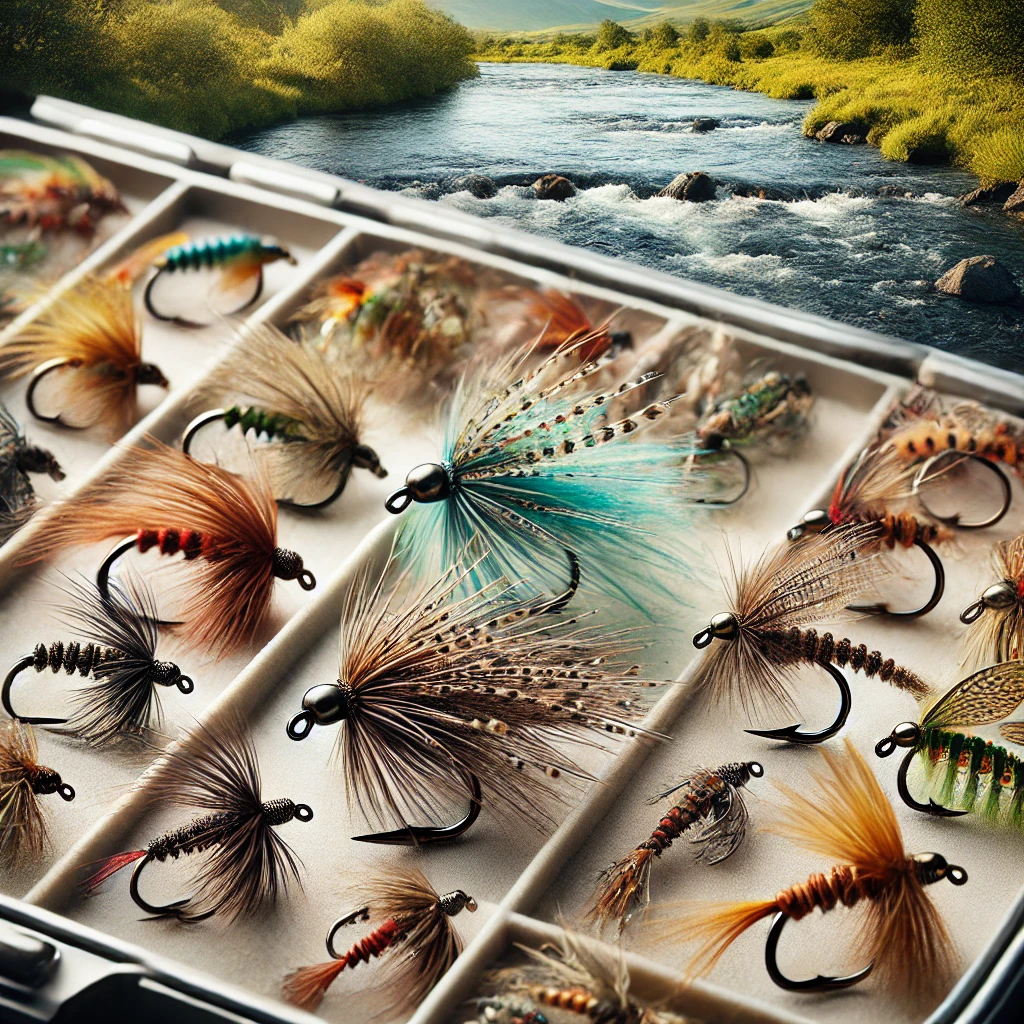
The simplicity of soft hackle flies does not mean a lack of variety; quite the contrary, soft hackle flies come in numerous patterns, each designed to mimic different insects and fit various fishing conditions. Here are some of the most effective and commonly used types:
- Partridge and Orange: A classic pattern that employs partridge feathers and orange silk thread, known for its versatility in imitating numerous emergers and nymphs.
- Starling and Herl: Combining starling feathers and peacock herl, this pattern is exceptional at mimicking darker aquatic insects.
- March Brown: This fly is designed with brown tones to simulate the March Brown mayfly and is especially effective during the mayfly hatch.
- Pheasant Tail Soft Hackle: A variant of the classic Pheasant Tail Nymph, this pattern adds soft hackle for extra movement, increasing its attractiveness.
Each of these patterns can be adapted with slight modifications, allowing anglers to experiment and find what works best for their specific fishing conditions. The common thread among all these flies is the use of soft, supple hackle that provides lifelike movement in the water.

Tying Your Own Soft Hackle Flies
One of the joys of fly fishing is the ability to tie your own flies. Crafting your own soft hackle flies is a straightforward and enjoyable process, even for beginners. Here’s a step-by-step guide for tying the classic Partridge and Orange pattern:
Materials:
- Hook: Standard wet fly hook size 12-16
- Thread: Orange silk or thread
- Hackle: Partridge feather
- Body: Orange silk or thread
Steps:
1. Start by securing the hook in your vise. Attach the orange silk or thread at the hook’s eye and wrap backward to the bend.
2. Tie in the partridge feather at the hook’s bend, with the stem facing towards the hook eye.
3. Create the body by wrapping the orange silk or thread smoothly around the hook shank up to the hook eye.
4. Wrap the partridge feather around the hook shank, forming a hackle. Make sure the fibers are evenly distributed around the fly.
5. Secure the feather with a few wraps of silk or thread and trim any excess.
6. Whip finish the fly and apply a small drop of head cement to ensure durability.
Your Partridge and Orange soft hackle fly is now ready to fish. Experiment with different colors and materials to create your own unique variations!
The Advantages of Soft Hackle Flies
Soft hackle flies offer a range of benefits that make them indispensable in any angler’s arsenal. One of the primary advantages is their simplicity. These flies require minimal materials and straightforward tying techniques, making them accessible to both beginners and experts. This simplicity also makes it easy to tie these flies quickly, ensuring you can replenish your fly box with minimal effort.
Another significant advantage is their versatility. Soft hackle flies can imitate a wide variety of aquatic insects, from nymphs to emerging insects, and even small fish. This versatility makes them suitable for various fishing conditions, whether you’re fishing in fast-flowing rivers or stillwaters. The movement of the soft hackle is key to their effectiveness, as it provides a lifelike action that few other patterns can replicate.
The adaptability of soft hackle flies further enhances their appeal. Small changes in the type of feather or thread can dramatically alter the appearance and effectiveness of the fly. This adaptability allows anglers to customize their flies to match local hatches and specific fish preferences, increasing their chances of a successful outing.
Fishing Techniques for Soft Hackle Flies
Soft hackle flies can be fished using various techniques, each designed to exploit the fly’s unique movement to attract fish. One of the most effective techniques is the “swing.” To fish this method, cast the fly downstream and across the current. Allow the fly to swing through the water, imitating an emerging insect. Keep minimal slack in your line to detect strikes and set the hook quickly.
Another effective technique is the “dead drift.” This method involves casting the fly upstream and allowing it to drift naturally with the current. The soft hackle will pulse and move in the water, mimicking a drifting nymph or emerger. This technique requires careful line management to ensure the fly drifts naturally without drag.
You can also use the “lift and drop” technique. With this approach, cast your fly upstream and allow it to drift down toward you. Occasionally lift the rod tip to make the fly rise in the water, then let it drop back down. This mimics the natural movement of an emerging insect and can trigger aggressive strikes from fish.
Regardless of the technique, always be observant and adapt your approach based on the behavior of the fish and current conditions. Experimenting with different techniques and retrieving speeds can help you determine what the fish are responding to on any given day.
Conclusion
The world of fly fishing is vast and filled with countless fly patterns and techniques, but few are as timeless and effective as the soft hackle fly. This versatile and simple pattern has stood the test of time, continuing to prove its worth to anglers around the world. Whether you’re a novice fly-tyer or a seasoned angler, incorporating soft hackle flies into your collection can significantly enhance your fishing experience.
Understanding the history, types, and tying techniques of soft hackle flies not only enriches your knowledge but also improves your effectiveness on the water. The beauty of these flies lies in their simplicity and the lifelike movement they impart in the water, making them an irresistible option for fish. By mastering the various fishing techniques tailored for soft hackle flies, you can confidently approach different fishing conditions and maximize your catch potential.
In sum, soft hackle flies are a testament to the idea that sometimes, less is more. Their straightforward design and ease of customization make them a perfect addition to any angler’s repertoire. So, the next time you head out to your favorite fishing spot, don’t forget to bring along a selection of soft hackle flies. With their proven effectiveness and versatility, these tried-and-true patterns are sure to help you land more fish.