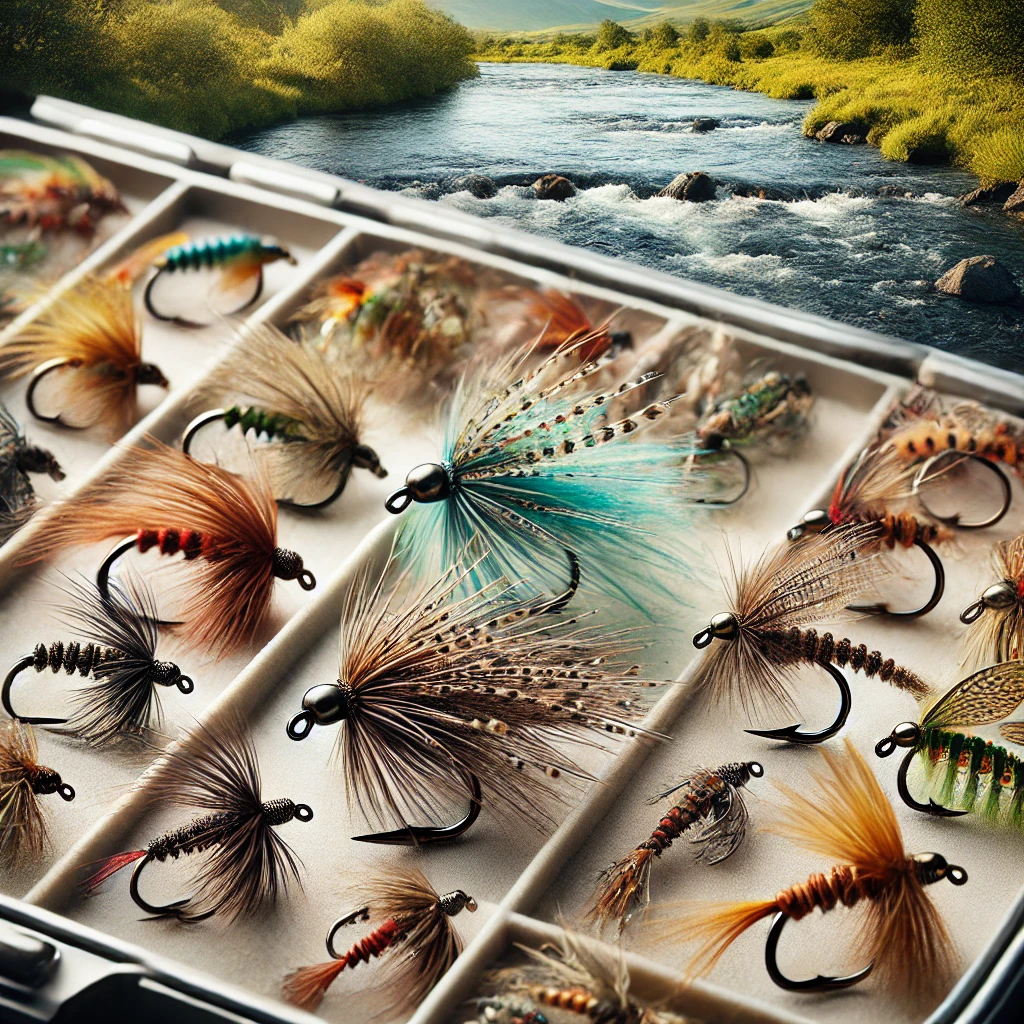
Fly fishing is more than just a sport; it’s an art form, a tradition, and for many, a way to connect with nature. One of the most satisfying aspects of fly fishing is tying your own flies. There’s something immensely gratifying about catching a fish on a fly you tied yourself. However, sourcing fly tying materials can sometimes feel like a challenge. You might think you need to rely on specialty stores or online retailers to get quality materials, but you’d be surprised at how many resources are available locally. This article will guide you on how to source fly tying materials in your area, so you can keep your fly box stocked without breaking the bank.
Understanding Basic Fly Tying Materials
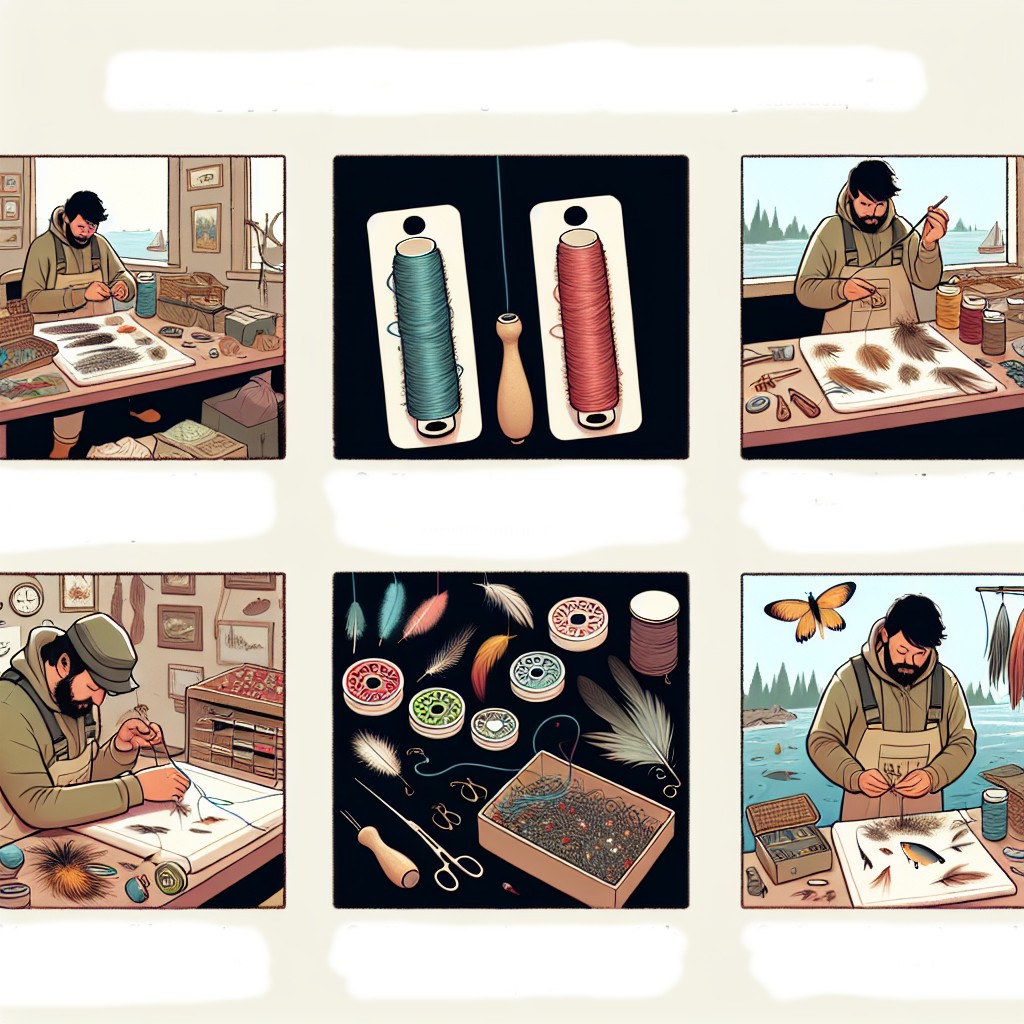
Before you embark on your local hunt for fly tying materials, it’s important to understand what you need. Basic fly tying materials include hooks, thread, feathers, fur, tinsel, and synthetic materials. Each component plays a specific role in the final product. Hooks come in various sizes and shapes to match different bugs and fish. Thread is used to bind the materials to the hook. Feathers and fur add lifelike movement and texture to the fly. Tinsel and synthetic materials can provide flash and buoyancy.
Knowing what you need helps to broaden your search. For instance, pheasant tail feathers are key in many fly patterns, and you could find these at a local farm or even a friend who hunts. Elk and deer hair, perfect for creating buoyant flies like the Elk Hair Caddis, can be sourced from hunters or local taxidermists. Understanding the materials you need will also help you recognize viable substitutes if you can’t find the exact item you’re looking for.
Finding Materials at Craft Stores
One surprising but excellent source of fly tying materials is local craft stores. Stores like Michael’s, Hobby Lobby, or smaller, independent craft shops often carry a range of materials that can be adapted for fly tying. Yarns, threads, beads, and even faux fur can be repurposed into excellent fly tying materials. Look for sales, as you can often pick up useful items at discounted prices.
In the fabric section, you might find synthetic materials that work well for wings or bodies of flies. Craft stores are also a great place to find tools like scissors and tweezers at a lower cost than specialty fly shops. Additionally, don’t overlook the scrapbooking and jewelry-making sections; here, you’ll find wires, tinsel, and beads that can add some flash and weight to your flies. Building a relationship with store employees can also pay off, as they might notify you when new items that could be useful come in stock.
Exploring Local Outdoor and Hunting Shops
Outdoor and hunting shops are a goldmine for fly tyers. These stores often stock high-quality materials specifically for fly tying. Look for feathers, furs, and even hooks designed for the hunting and fishing market. These shops cater to outdoor enthusiasts, so they understand the needs of fly fishermen and typically carry a reliable selection of natural materials like deer hair, elk hair, and various pelts.
Establishing a good rapport with the staff at these stores can be incredibly beneficial. They can offer advice, provide insights on local fishing conditions, and sometimes even special-order items you might need. Attend local fishing or hunting club meetings held at these stores to network with others who can share tips on where to find the best materials locally.
Networking with Local Hunters and Farmers
A solid network can be one of the best resources for fly tying materials. Reach out to local hunters and farmers who may have access to the feathers and fur you need. Hunters who process their own game often dispose of parts that could be of great value to a fly tyer. Establishing relationships with these individuals can lead to a steady, cost-effective supply of materials like pheasant tail feathers, deer hair, and other game pelts.
Farmers who raise chickens, turkeys, and other birds can also be valuable contacts. These birds provide feathers that can be used to tie flies. Farmers’ markets can be excellent spots to meet and connect with potential sources of materials. Be respectful and considerate when making requests, as building trust and rapport can lead to long-term sources of high-quality materials.
Visiting Thrift Stores and Flea Markets
Another unconventional but fruitful place to source fly tying materials is thrift stores and flea markets. You can often find old fur coats, feather boas, and other items at a fraction of the cost of new materials. Upcycling these items can provide you with a wealth of material for fly tying. Look for garments that have feathers, furs, and other fabrics that could be repurposed.
When visiting thrift stores, think creatively. A faux fur jacket could provide you with enough material for dozens of flies, and old jewelry can yield beads and wires that add flash to your creations. Flea markets can also be treasure troves, offering unique and often vintage materials that aren’t available commercially anymore. Developing a keen eye for identifying useful materials will turn these shopping trips into successful hunts for fly tying gems.
The Benefits of Buying Local
Not only does sourcing materials locally often save you money, but it also supports your community. Buying from local craft stores, outdoor shops, hunters, and farmers keeps money in your local economy and promotes sustainable practices. By building relationships with local suppliers, you gain access to fresher, higher-quality materials.
Buying locally reduces your carbon footprint since materials do not need to be shipped from distant locations. This commitment to local sourcing can also lead to a more engaged and collaborative local fishing community. Sharing tips, resources, and materials with fellow fly tyers fosters a stronger network of anglers dedicated to preserving and enhancing the local fishing environment.
Conclusion
In conclusion, sourcing fly tying materials locally is not only feasible but also highly rewarding. It offers you the chance to connect deeply with your community, support sustainable practices, and perhaps most importantly, add a personal touch to your fly fishing experience. By reaching out to craft stores, outdoor shops, local hunters, farmers, and thrift stores, you can gather a diverse and high-quality array of materials right in your backyard.
The journey to find these materials locally can be as enjoyable and fulfilling as fly fishing itself. Each material comes with its own story and connection to the local landscape, enhancing the authenticity of your fly fishing adventures. So next time you sit down at your tying bench, take pride in knowing that the materials in your hand were sourced with care, ingenuity, and a deep respect for your local environment and community.