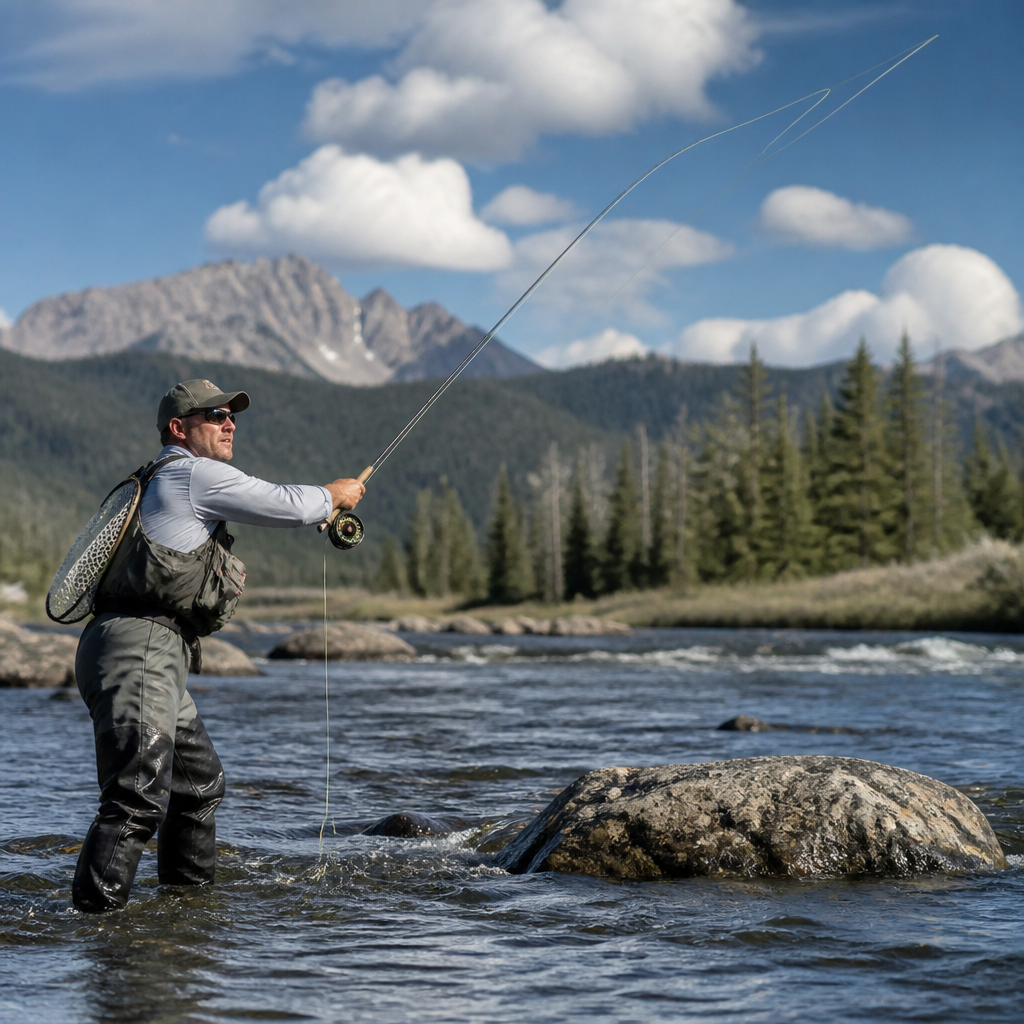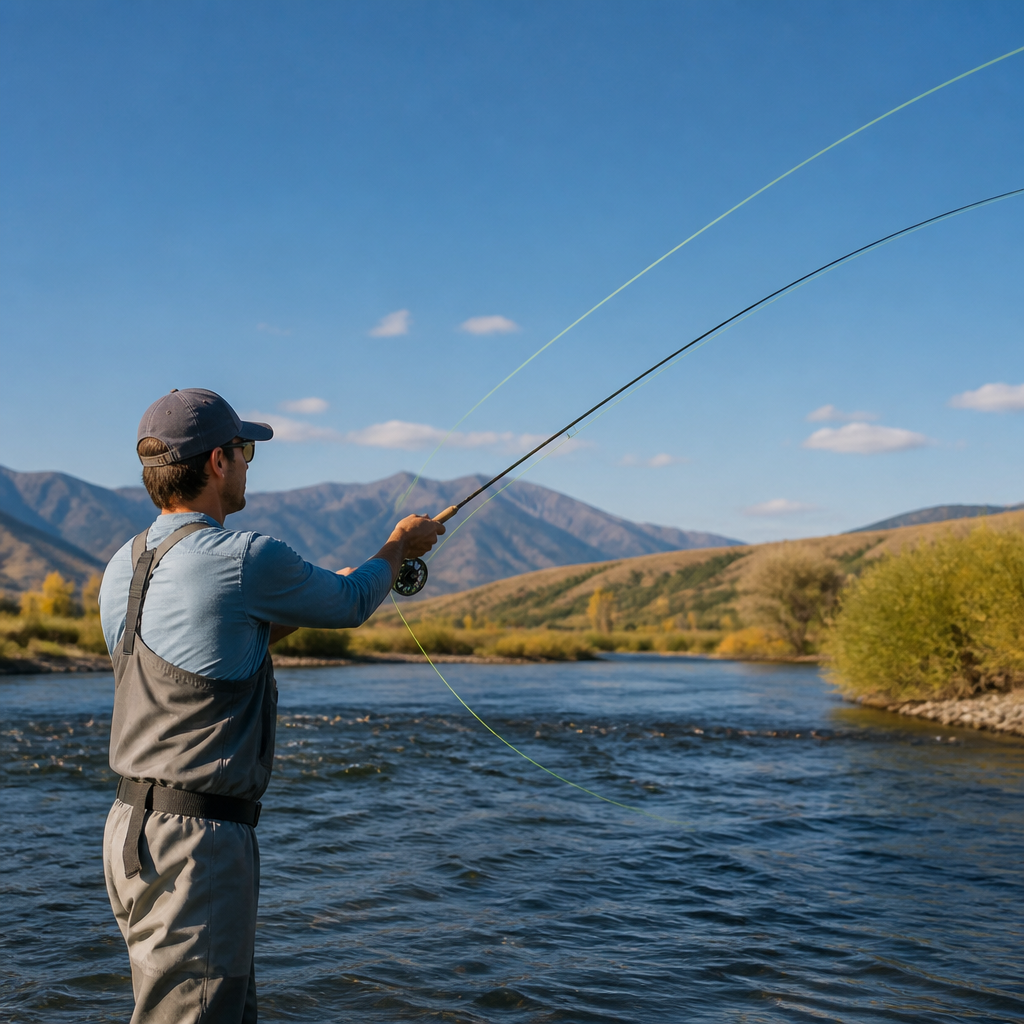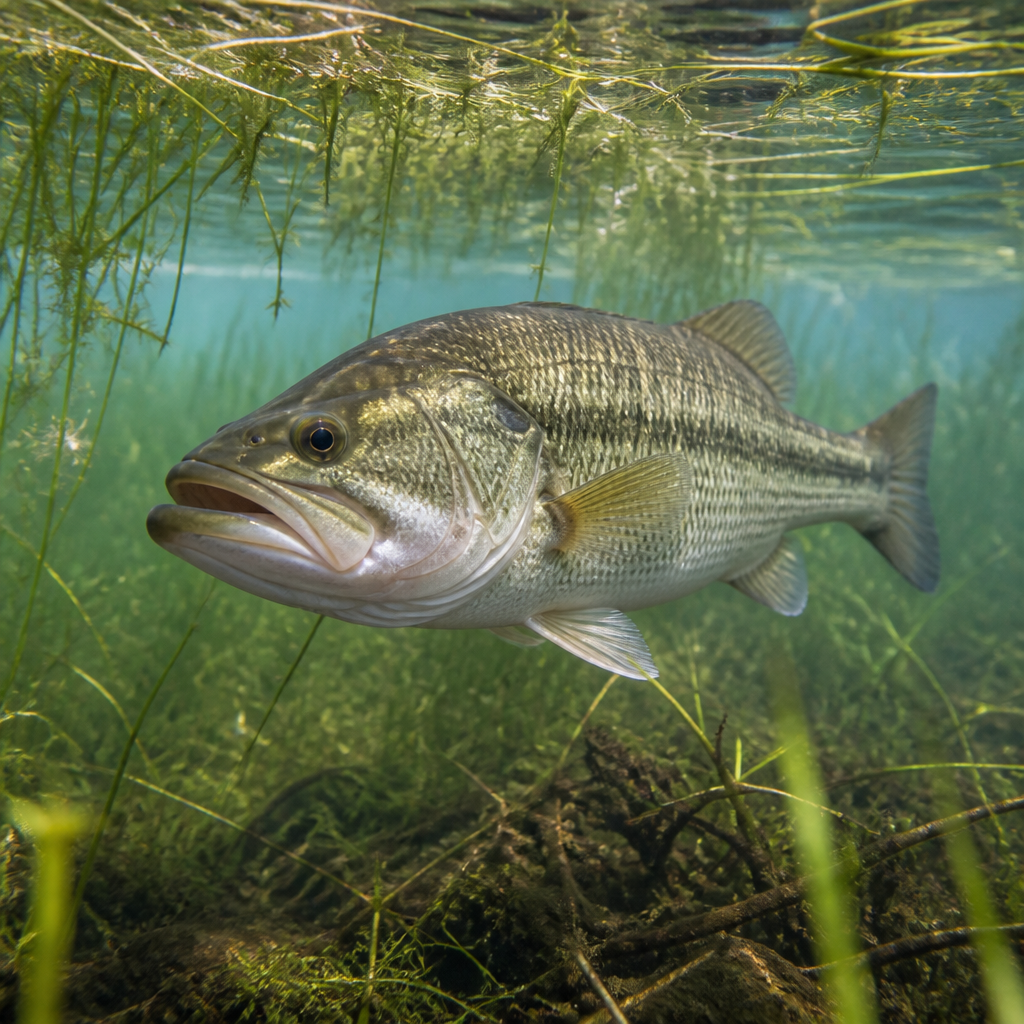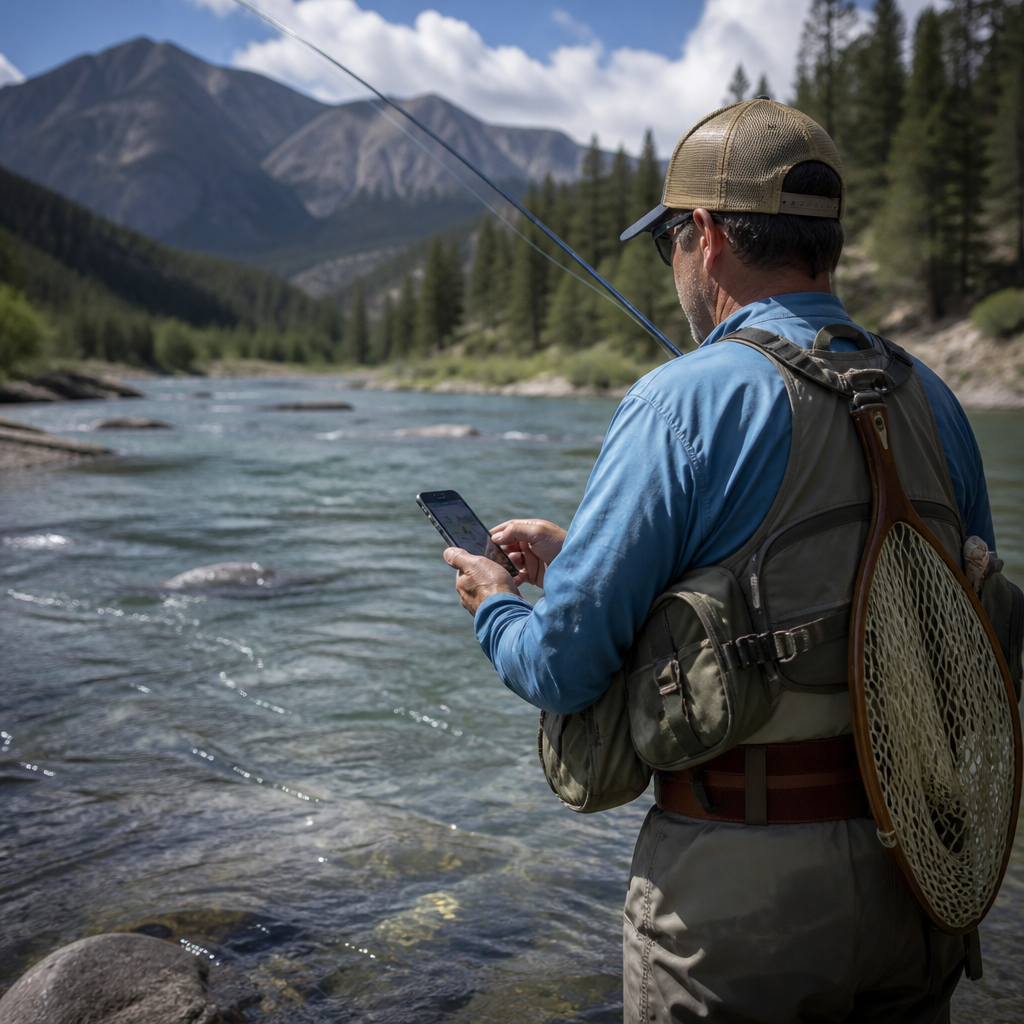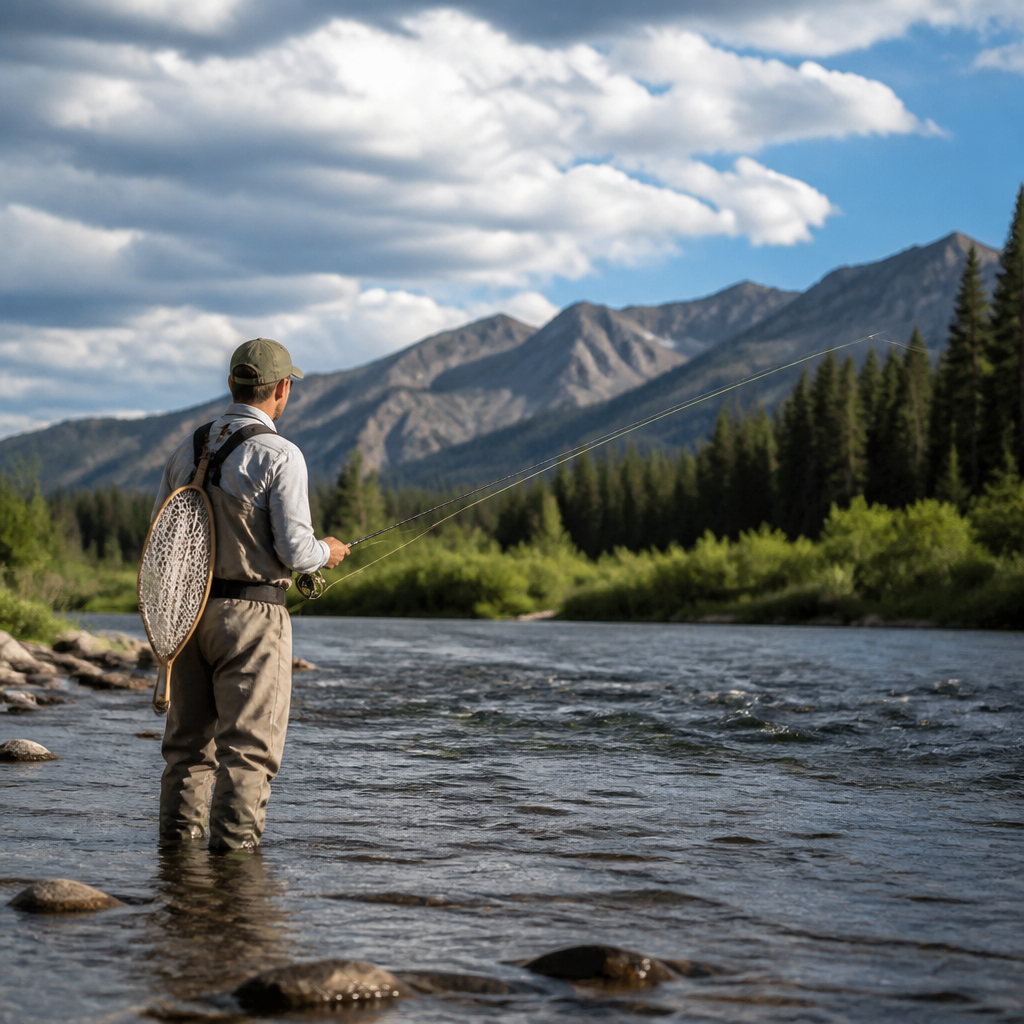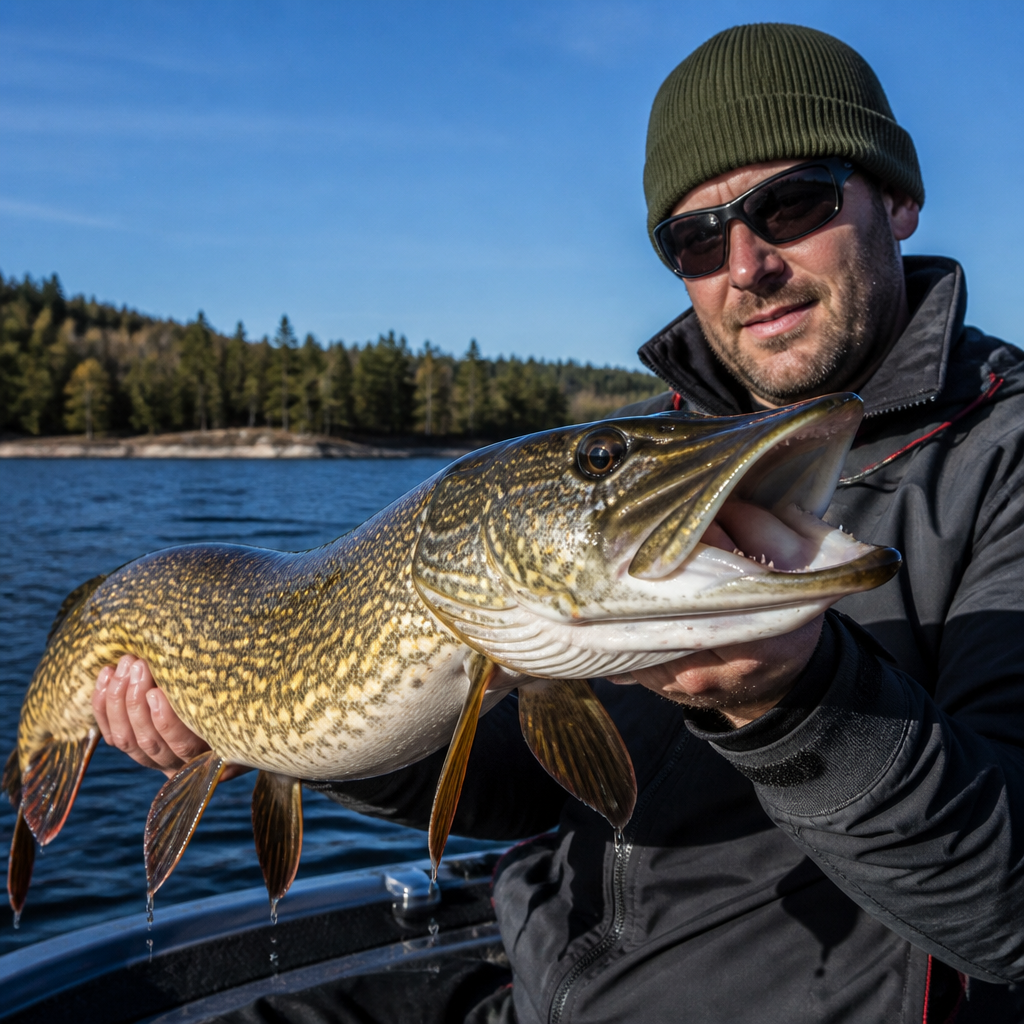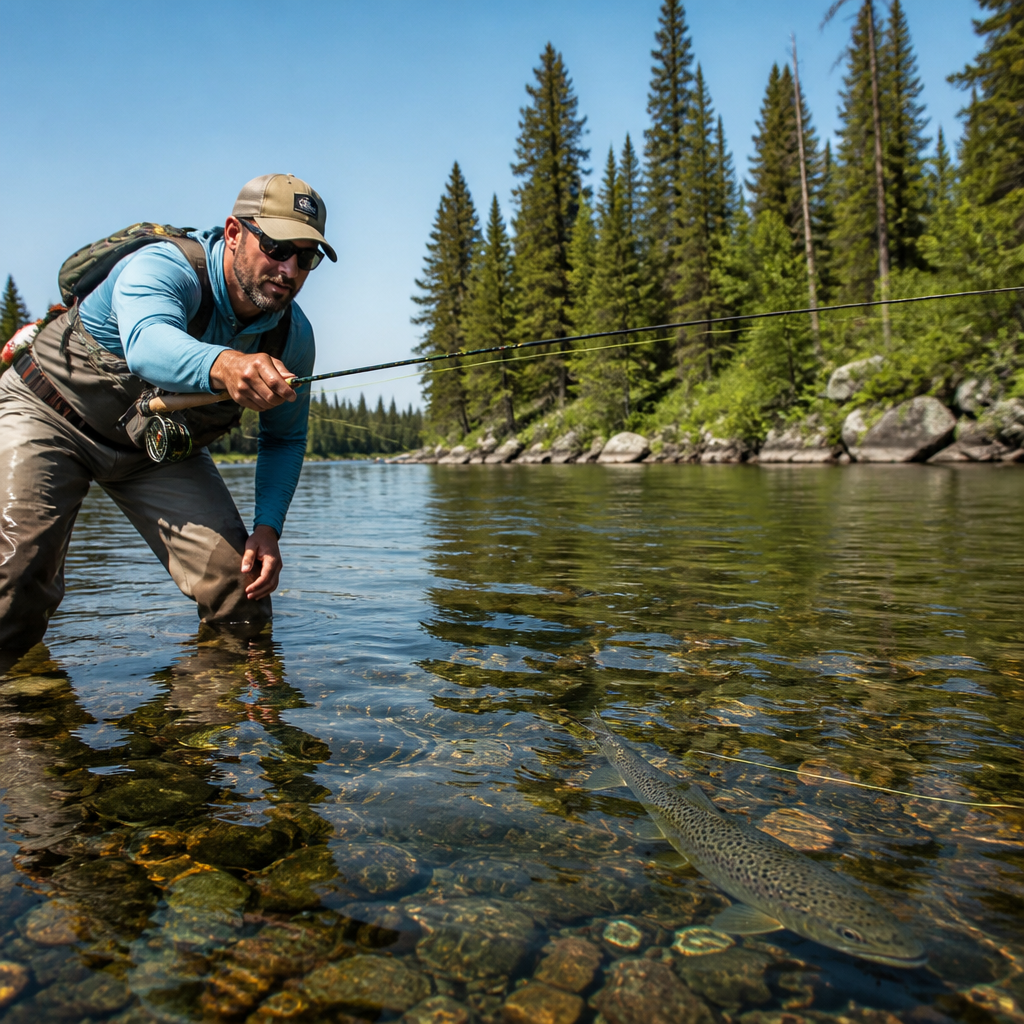
Sight fishing with streamers is one of the most visual, demanding, and rewarding ways to catch predatory trout, bass, pike, and other freshwater game fish because it combines observation, stalking, presentation, and immediate feedback in a single method. In simple terms, sight fishing means you see the fish before you cast, and streamers are flies designed to imitate larger prey such as baitfish, leeches, sculpins, crayfish, or juvenile trout. Put together, the approach becomes a deliberate hunt rather than blind casting. I have used it on clear tailwaters, freestone rivers, spring creeks, reservoirs, and flats-style lake edges, and the pattern is consistent: when you can read the fish, control the angle, and move a streamer convincingly through its window, your odds improve sharply.
This style matters because visible fish often behave differently from fish you cannot see. You are not guessing where structure, current seams, or shade lines might hold predators; you are interpreting body position, posture, speed, and intent in real time. A fish tucked behind a rock with its pectoral fins barely moving demands a different cast and retrieve than a fish actively cruising a weed line. Sight fishing with streamers also forces better discipline. It exposes poor line control, bad angles, noisy wading, and generic retrieves. At the same time, it teaches transferable skills: spotting underwater movement, estimating depth and refraction, understanding how light changes visibility, and making one precise cast instead of ten hopeful ones.
For anglers building out their techniques and strategies, this is the hub method for sight fishing because it connects many specialized topics: reading water, fish behavior, leader design, streamer retrieves, polarized lens selection, stealth, and landing fish efficiently. The central idea is straightforward. See the fish, identify what it is doing, choose a presentation path that enters its feeding lane without alarming it, then animate the fly in a way that triggers either feeding or aggression. Everything else supports that sequence. Once you understand those moving parts, sight fishing with streamers stops feeling random and starts becoming repeatable across seasons and species.
What sight fishing with streamers actually requires
The biggest misconception is that sight fishing simply means casting at visible fish. In practice, it requires three separate skills working together: detection, interpretation, and execution. Detection is the ability to locate fish despite glare, broken current, depth distortion, and bottom clutter. Interpretation is reading whether the fish is resting, patrolling, holding territorial space, chasing forage, or sliding away from pressure. Execution is delivering a cast with enough accuracy, line control, and fly speed to intersect the fish’s awareness before the fish detects you. If any one of those breaks down, the shot usually fails.
Gear should support precision and control rather than maximum distance. On most trout rivers, I prefer a 9-foot 6-weight with a floating line and an aggressive front taper because it picks up line quickly and turns over weighted streamers or air-resistant deer-hair patterns. A 7-weight gives more authority for sink tips, heavy flies, and larger fish, especially in wind. For bass and pike, stepping up to a 7- or 8-weight is standard. Leaders are usually shorter than dry-fly leaders. A 7.5-foot or 9-foot leader tapered to 0X, 1X, or 2X is practical because turnover matters more than delicacy, though in ultra-clear spring creeks I lengthen slightly and reduce fly size before thinning tippet too far.
Polarized glasses are not optional. Copper, amber, and bronze lenses generally improve contrast in variable freshwater light, while gray lenses are useful in bright open conditions. A dark under-brim hat, elevated bank position, and a side-light angle often reveal fish that disappear when viewed straight into glare. If you fish from a drift boat, raft, or stillwater craft, standing height changes everything; even six extra inches can expose shape, shadow, and motion on a flat. Good anglers do not merely look for fish. They look for signs: a white mouth opening, a lateral slide, a brief flash when a fish tilts, or the way current parts around a hidden body.
How to find visible fish in different water types
Water type controls almost every part of sight fishing. On tailwaters and spring creeks, visibility is often best, and fish may hold in predictable feeding stations for long periods. These fisheries reward patience. I spend time scanning before stepping in because one rushed entry can push every fish in a run off the shelf. On freestone rivers, sight windows are shorter because current turbulence, changing depth, and broken surface texture reduce clarity. Here, fish are often found in softer edges beside faster current, behind boulders, under cutbanks, or at the transition where riffles empty into knee- to thigh-deep buckets. In lakes and reservoirs, the game shifts toward edges: weed lines, drop-offs, flooded timber lanes, and cruising shoreline routes during low-light periods.
Light direction matters as much as water type. Morning and evening can be excellent feeding periods, but low sun can also create harsh glare if you are on the wrong bank. When possible, keep the sun at your back quarter rather than directly ahead. Wind can either destroy visibility or help it by breaking your silhouette and masking minor mistakes. In very clear, shallow water, cloud cover sometimes improves fish spotting because it softens reflections. Bottom composition is another clue. Dark fish over light gravel show better than fish over basalt, mud, or heavy weed growth. Trout in particular are often easier to identify by movement or contrast around the gill plate than by full body outline.
Before making any cast, ask three direct questions. Where is the fish facing? What path does it use repeatedly? What feature is it using for security? Those answers determine your approach. A brown trout pinned behind a midstream boulder may slide six inches left to intercept prey and then return to the same slot. A smallmouth cruising a rock flat may travel a wider oval and react more to speed than exact placement. A pike on a weed edge often needs the fly to pass across its front quarter, not directly overhead. Sight fishing becomes simpler when you stop treating all visible fish as identical targets and instead match your plan to the water and the species.
Approach, angle, and stealth before the cast
Most failed shots are lost before the fly lands. Wading noise, skyline exposure, line flash, and a bad casting angle alert fish well in advance. The best approach is usually from downstream or quartering downstream on rivers, especially for trout facing into current. That position keeps you farther from the fish’s primary field of view and lets the streamer enter naturally. Approaching from directly above a fish can work in deep, broken water, but it is risky in clear shallows because the fish can detect pressure waves, boot vibration, or moving shadows. On stillwater banks, staying low and using shoreline cover matters more than perfect casting comfort.
Your casting angle determines how the fish sees the fly and how effectively you can animate it. A quartering-across presentation is often ideal because it lets the streamer swing or track through the fish’s window while maintaining tension for a controlled strip. Straight upstream presentations may drag too quickly toward the fish, while direct downstream presentations can line the fish or remove the lateral movement that makes a streamer look alive. For cruising fish, lead the target rather than dropping the fly on its head. The exact lead distance depends on depth, fish speed, and sink rate, but a useful starting point is several feet ahead and slightly beyond the fish’s path so the retrieve brings the fly into view naturally.
Stealth is not only about silence. It is also about visual economy. False casting over a fish, waving bright fly line, or making repeated corrections is often worse than one imperfect delivery. If the first shot is poor but the fish remains relaxed, recast quickly and cleanly. If the fish flinches, tips, or drifts off its line, stop and reset. Chasing a nervous fish with more casts rarely works. I have found that disciplined anglers leave more fish uncasted to than impatient anglers, and that restraint increases actual catch rates because it preserves the next high-quality opportunity.
Presentation, retrieves, and fly selection that trigger eats
Streamer presentation is about speed, depth, and direction. The fly must appear reachable and worth chasing. In cold water, many trout prefer a slower track with subtle strips or even a controlled swing-and-pause because their metabolism and burst willingness are lower. In warmer conditions, especially with aggressive browns, smallmouth, and pike, a faster strip can provoke territorial or predatory reactions. The key is to watch the fish, not just fish the fly. If the fish turns but stalls, change speed. If it tracks behind without opening its mouth, add a pause or directional change. If it bolts at the first strip, the entry was too close, too heavy, or too abrupt.
Fly choice should match profile first, then depth, then color. Predators usually react to shape and movement before exact hue. Sculpin-style streamers with broad heads excel around rocky bottoms. Slim baitfish patterns work well in tailouts, lake margins, and systems with dace, shiners, or smelt. Leech patterns are reliable in slower water and lakes because they breathe on pauses. Weighted jig streamers ride hook point up and reduce snagging near structure. Unweighted or lightly weighted patterns land softer, which is critical around shallow visible fish. Color is situational: olive, white, black, and natural tan cover most conditions, while yellow, chartreuse, or articulated contrast patterns can trigger aggression in off-color water.
| Situation | Best streamer style | Presentation note |
|---|---|---|
| Shallow clear trout water | Unweighted sculpin or baitfish | Lead the fish and use short controlled strips |
| Deep slot behind structure | Weighted jig streamer | Drop below eye level, then lift on retrieve |
| Cruising smallmouth on flats | Slim baitfish pattern | Use longer strips with speed changes |
| Weed-edge pike | Large articulated baitfish | Cross the front quarter and pause near cover |
| Slow lake margins | Leech pattern | Use strip-pause cadence to let materials breathe |
Hooking visible fish often depends on resisting the urge to strike too early. Many fish flare, inspect, and then eat on the pause or turn away at the last second. With trout and bass, a firm strip-set keeps direct pressure and avoids lifting the fly out of the mouth. Once the fish is pinned, then raise the rod as needed. This is especially important with streamers because fish frequently eat from the side or follow from behind, and a trout-set can reduce solid hookups.
Reading fish behavior and adjusting in real time
The fish tells you what to do if you know the signals. A fish holding still with occasional fin adjustments is usually conserving energy and feeding selectively. Present close to its lane, keep the fly near eye level, and avoid oversized patterns unless you want a reaction strike. A cruising fish is actively searching, so intersecting its path matters more than dropping the fly deep. A fish that shifts toward the streamer but stops is interested yet unconvinced; this often calls for a smaller profile, softer landing, or a retrieve that includes a pause. A fish that immediately slides away has likely seen you, your line, or an unnatural splash.
One of the most useful adjustments is changing only one variable at a time. If a brown trout follows three feet and fades, do not simultaneously swap flies, add weight, move position, and speed up. First, repeat the angle with a longer pause. If that fails, keep the fly and alter speed. Then change profile or color. This disciplined process reveals the actual trigger. On pressured rivers, I often see trout respond better to smaller streamers than oversized articulated flies, especially in bright conditions. Conversely, low light, stained water, and territorial pre-spawn periods can make larger silhouettes far more effective.
Species differences matter. Trout commonly inspect and decide. Smallmouth often commit harder once activated by speed. Pike may track lazily and then surge boatside, making a figure-eight style finish worthwhile even in freshwater fly fishing. Carp and many panfish can be sight fished with streamers too, but their responses are more mood dependent and usually tied to exact forage behavior. The lesson across species is constant: watch body language. A tilted head, widened pectorals, flared gills, or accelerated tail beat means the fish is engaging. Train yourself to notice those micro-signals and your timing improves dramatically.
Common mistakes, conditions, and the path to consistency
The most common mistake is casting too soon. Anglers spot a fish, get excited, and fire without checking current, glare, depth, or the fish’s route. The second mistake is poor fly depth. A streamer passing two feet above a river-bottom brown trout may never enter its decision zone, while a heavily weighted fly crashing beside a shallow fish can end the opportunity instantly. The third mistake is retrieving on autopilot. Streamers are not one-speed tools. Cadence should reflect water temperature, fish posture, and prey type. Another frequent problem is using tippet that is too light for the fly and cover. Better to land fish quickly than prolong the fight and stress them unnecessarily.
Conditions change the game. High sun can improve spotting in some rivers yet make fish more wary. Rising flows push trout tighter to edges and slower cushions, where ambush-style streamer presentations shine. Cold fronts often suppress chasing behavior, which is when slower, deeper, more deliberate swings become valuable. During warm summer water, especially when trout temperatures approach stressful levels, ethical judgment matters more than technique. If water is too warm for safe release, stop targeting trout and shift to species better suited to those conditions. Good sight anglers measure success not only by eats but by fish handled responsibly.
Consistency comes from building a repeatable sequence: stop well back, scan water in lanes, identify one fish, observe its behavior for at least several seconds, plan the angle, choose depth, make one high-percentage cast, and evaluate the response. Keep notes after each outing. Record water clarity, sun angle, fly type, retrieve, and fish reaction. Over time, patterns emerge. That is how sight fishing with streamers becomes dependable rather than lucky.
Sight fishing with streamers rewards anglers who combine patience with precision. The method is simple to describe but rich in nuance: locate the fish, understand its posture, approach without detection, present the right profile at the right depth, and adjust based on the response you actually see. When those pieces come together, you stop blind casting and start making informed decisions. That is the real advantage of this technique and why it belongs at the center of any serious sight fishing strategy.
The key takeaways are practical. Use polarized glasses and light angle to improve detection. Match your approach to water type and species. Prioritize angle and stealth before the cast. Select streamers by profile, depth, and movement, not color alone. Watch the fish’s body language and change one variable at a time. Finally, protect the resource by choosing tackle that lands fish efficiently and by avoiding trout when water temperatures are unsafe. These habits produce more eats, better hookups, and fewer wasted shots.
If you want better results, dedicate your next few outings to visible fish only. Slow down, observe longer, and treat each cast like a planned presentation rather than a guess. That discipline will sharpen every other part of your fly fishing, and it will make sight fishing with streamers one of the most effective tools in your techniques and strategies playbook.
Frequently Asked Questions
What is sight fishing with streamers, and why is it so effective?
Sight fishing with streamers is the practice of spotting an individual fish first and then making a deliberate cast with a larger fly that imitates prey such as baitfish, leeches, sculpins, crayfish, or juvenile trout. That is what makes it different from blind casting. Instead of covering water and hoping an aggressive fish finds the fly, you are making decisions based on what the fish is doing in real time. You can evaluate its position, direction of travel, speed, mood, nearby structure, and feeding posture before you ever put the fly in front of it. That information lets you present the streamer in a much more calculated way.
It is especially effective because many predatory freshwater fish are visual hunters. Trout, bass, pike, and similar species often respond strongly to movement, shape, and vulnerability. A well-placed streamer can trigger a territorial, opportunistic, or pure predatory reaction, even when a fish is not actively sipping insects from the surface. In clear water, this creates one of the most direct and exciting forms of fly fishing: you see the fish, make the cast, move the fly, and often watch the eat happen. That immediate feedback helps anglers learn faster because every refusal, follow, or strike reveals something about angle, speed, depth, and presentation.
The method is demanding because it combines hunting skills with technical fly presentation. You need stealth, fish-spotting ability, accurate casting, line control, and the discipline to avoid rushing a shot. But that challenge is exactly why so many anglers love it. When it comes together, sight fishing with streamers feels less like random casting and more like a deliberate stalk followed by a targeted ambush.
What conditions are best for sight fishing with streamers?
The best conditions usually start with visibility. Clear to moderately clear water gives you the best chance to locate fish before casting and to monitor how they react to the fly. Good light matters too, although “good” does not always mean bright overhead sun. Low-angle light in the morning or evening can be excellent, and lightly overcast conditions often reduce glare while still allowing you to see into the water. Polarized sunglasses are essential because they cut surface reflection and dramatically improve your ability to pick out fish, shadows, movement, and bottom contours.
Water type also plays a major role. Sight fishing with streamers tends to shine in rivers with defined seams, cut banks, undercut structure, logjams, grassy edges, drop-offs, and shallow shelves where predators stage and ambush prey. In lakes and ponds, weed lines, points, cruising lanes, and transitions between light and dark bottom are prime areas. Fish are easier to target when they are holding in predictable places or moving through visible travel routes. Slight current can help because it gives the streamer a natural angle and helps define where fish are likely to face or intercept food.
Seasonal timing matters as well. Predatory fish often become more willing to chase larger prey during periods when they are feeding heavily, defending territory, or keying in on baitfish movement. Cooler months can be excellent for big trout streamers, while warmer periods may favor bass and pike along vegetated or structured edges. Wind should be manageable; too much chop makes fish difficult to see and compromises casting accuracy. Overall, the ideal setup is simple: enough clarity to spot fish, enough structure to predict their behavior, and enough control over light, drift, and retrieve to place the fly where it can trigger a reaction.
How should I approach fish without spooking them when sight fishing with streamers?
Stealth is one of the most important parts of this game. The biggest mistake anglers make is focusing only on the cast and ignoring the approach. Predatory fish can be surprisingly wary, especially in clear, shallow, or heavily pressured water. Move slowly, keep a low profile, and avoid sudden silhouettes against the sky. If you are wading, shuffle carefully and minimize wake, noise, and abrupt changes in direction. If you are fishing from a boat, control your drift, reduce unnecessary movement, and avoid slamming hatches or dropping gear. Often, the shot is won or lost before the fly ever lands.
Approach from an angle that keeps you out of the fish’s primary field of vision. Most fish face into current in rivers, so coming from behind or from a quartering downstream angle can be advantageous, depending on the lie and casting lane. In lakes or stillwater situations, watch the fish’s cruising direction and intercept its path rather than charging directly toward it. This is where patience matters. Wait for a fish to turn, commit to a lane, or settle into a holding position so you can make a cleaner presentation with less risk of lining it.
Distance control is equally important. You want to be close enough for an accurate cast and effective strip set, but not so close that your presence alters the fish’s behavior. Many skilled streamer anglers would rather take a slightly longer cast from a safer position than crowd a fish and force a rushed presentation. Use cover whenever possible, such as bankside vegetation, rocks, shadows, or current noise. The goal is to stay unnoticed long enough to place the streamer where the fish can detect the fly naturally, not your approach unnaturally.
What streamer presentation techniques work best once I’ve spotted a fish?
The best presentation depends on the species, the fish’s mood, and where it is positioned, but the central rule is this: do not cast directly on top of the fish. Instead, lead the fish so the streamer enters its awareness naturally and moves like prey, not like an object falling from the sky. In current, that often means casting upstream, across, or slightly beyond the fish’s lie and then bringing the streamer through the strike zone at the right depth and speed. In still water, you usually want to cast ahead of the fish’s path and begin the retrieve only when the fly is in the best intercept angle.
Retrieve style matters tremendously. A fish that ignores a fast, fleeing presentation may eat a streamer that pauses and hovers. Another fish may need speed and aggression to trigger a chase response. Effective retrieves often mix short strips, long pulls, pauses, twitches, and occasional acceleration. Watch the fish closely. If it tracks but does not commit, the answer may be a speed change, a directional change, or a brief stall that suggests vulnerability. If the fish flares, turns off, or sinks away, the presentation may have been too close, too splashy, too fast, or too unnatural in depth.
Depth control is often the difference between interest and refusal. Predators usually prefer to move a short distance to intercept prey, not race far out of position unless they are highly aggressive. Choose line density, leader length, fly weight, and retrieve angle so the streamer moves at the fish’s level or just above it. In many cases, bringing the fly slightly above the fish encourages it to rise and eat with confidence. If the fly is too far below, too far away, or moving outside the fish’s visual lane, you may never trigger a meaningful response. When a fish commits, resist the urge to trout set. With streamers, a firm strip set is usually the more reliable way to drive the hook home while maintaining tension.
What gear, fly patterns, and common mistakes should beginners pay attention to?
A practical sight-fishing streamer setup starts with a rod powerful enough to cast larger flies accurately and control fish around structure. For trout, many anglers favor a 6- or 7-weight; for bass, similar tackle works well; for pike and larger warmwater predators, an 8-weight or heavier may be more appropriate. Match that with a quality reel and a line suited to the depth you need to fish, whether floating, intermediate, sink-tip, or full-sinking. Leader length should support turnover and presentation rather than follow a rigid formula. In many streamer situations, a shorter, stronger leader offers better control, more accurate placement, and more reliable hook-setting power.
For patterns, start with proven baitfish and forage imitations rather than trying to carry everything. Streamers that resemble sculpins, minnows, leeches, crayfish, or small trout are staples because they match what predators commonly hunt. Color choice should reflect water clarity, light, and forage base. Natural olives, browns, blacks, whites, and tans cover a lot of situations, while brighter options can shine in stained water or when fish need extra visual contrast. Equally important is profile and movement. A fly with good shape in the water and lifelike action often outperforms one that simply looks attractive in the box.
As for common mistakes, beginners often move too fast, cast too quickly after spotting a fish, or fail to study the fish before presenting. They may also line fish, strip at only one speed, fish the wrong depth, or set the hook with an upward trout-set motion that pulls the fly away. Another major issue is becoming so focused on the fish that they ignore current, casting angle, and the path the fly must travel to look believable. The best correction is to think like a hunter: identify the fish, read the lie, predict the lane, plan the cast, and then make the streamer behave like prey. When you slow down and become intentional, your success rate rises dramatically