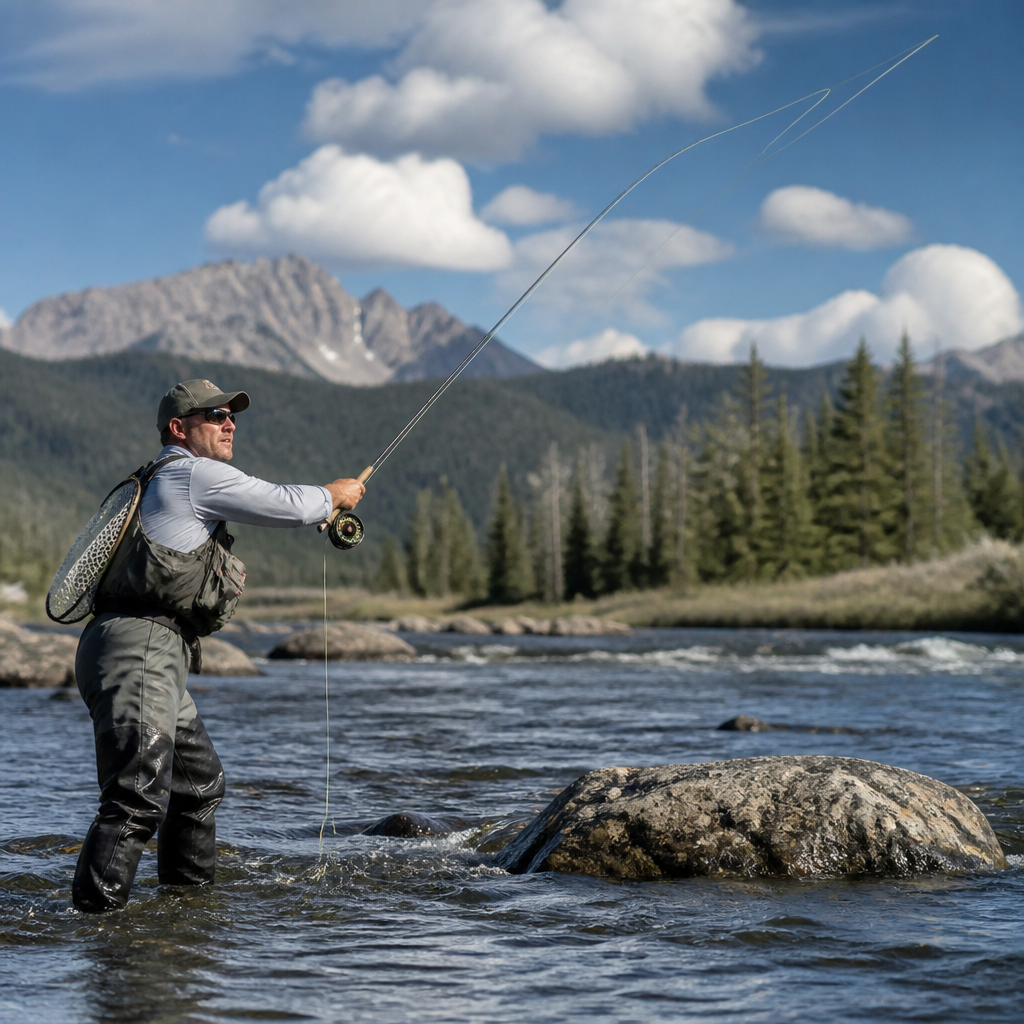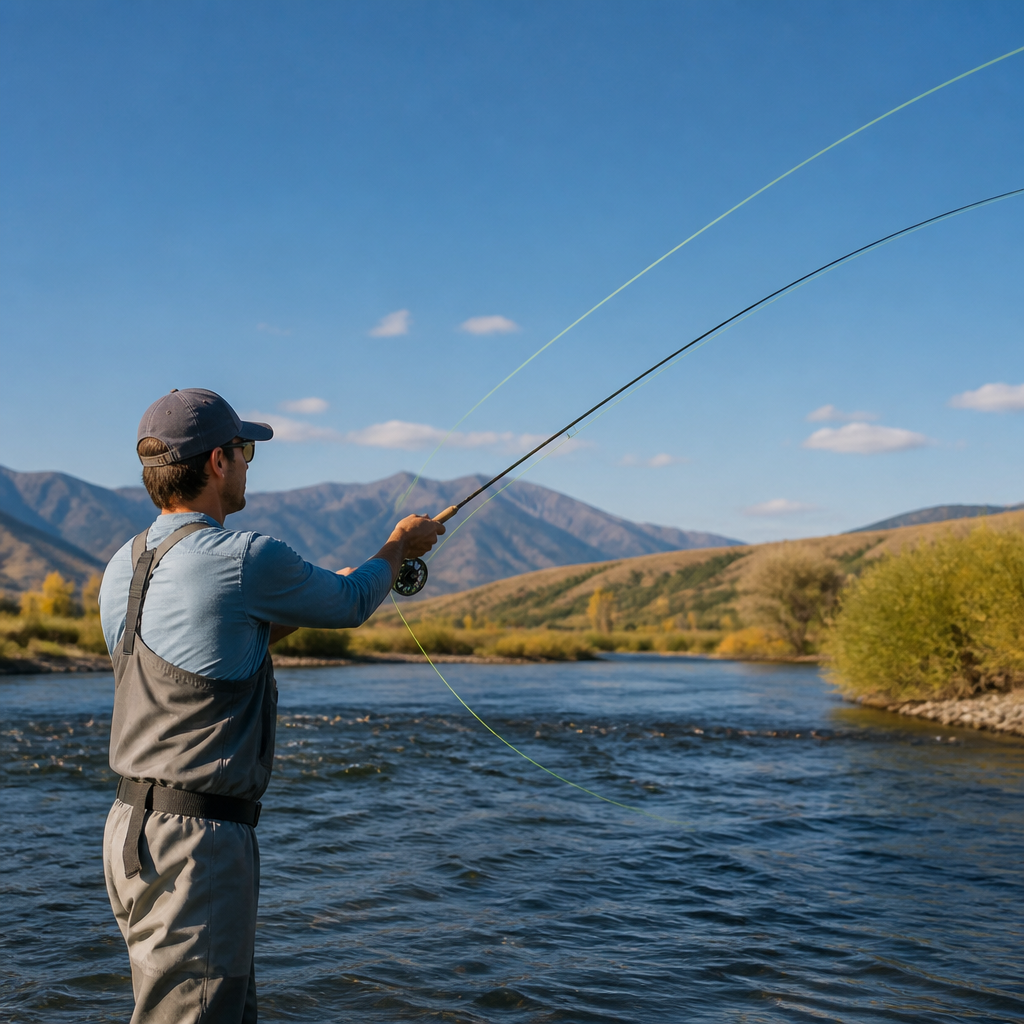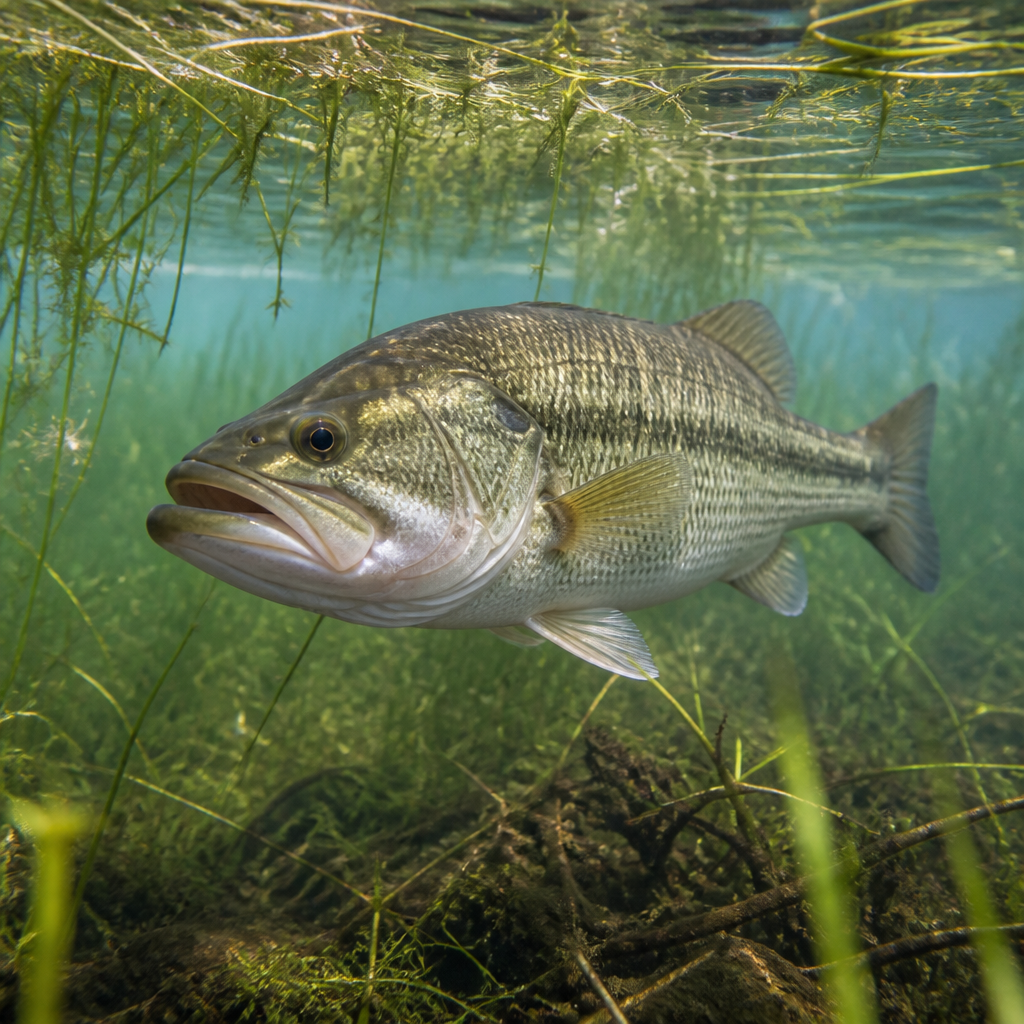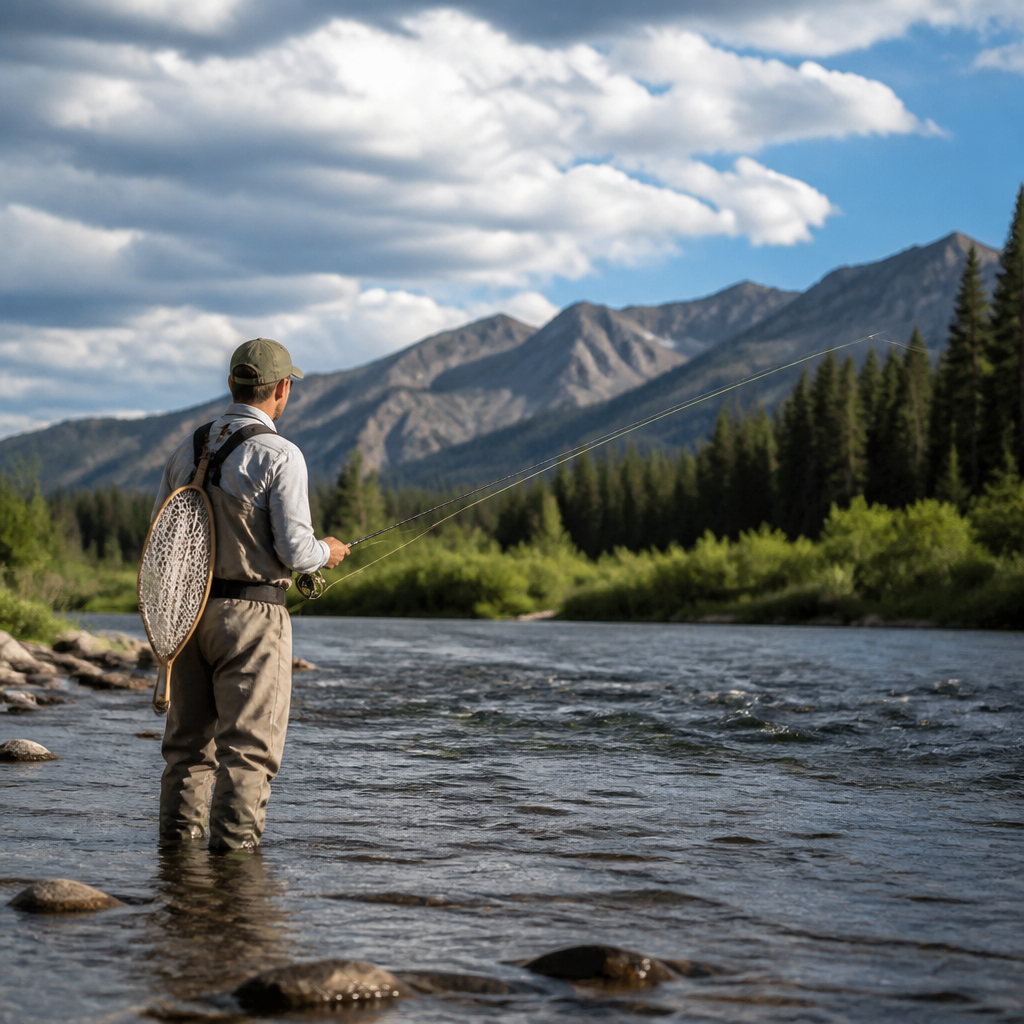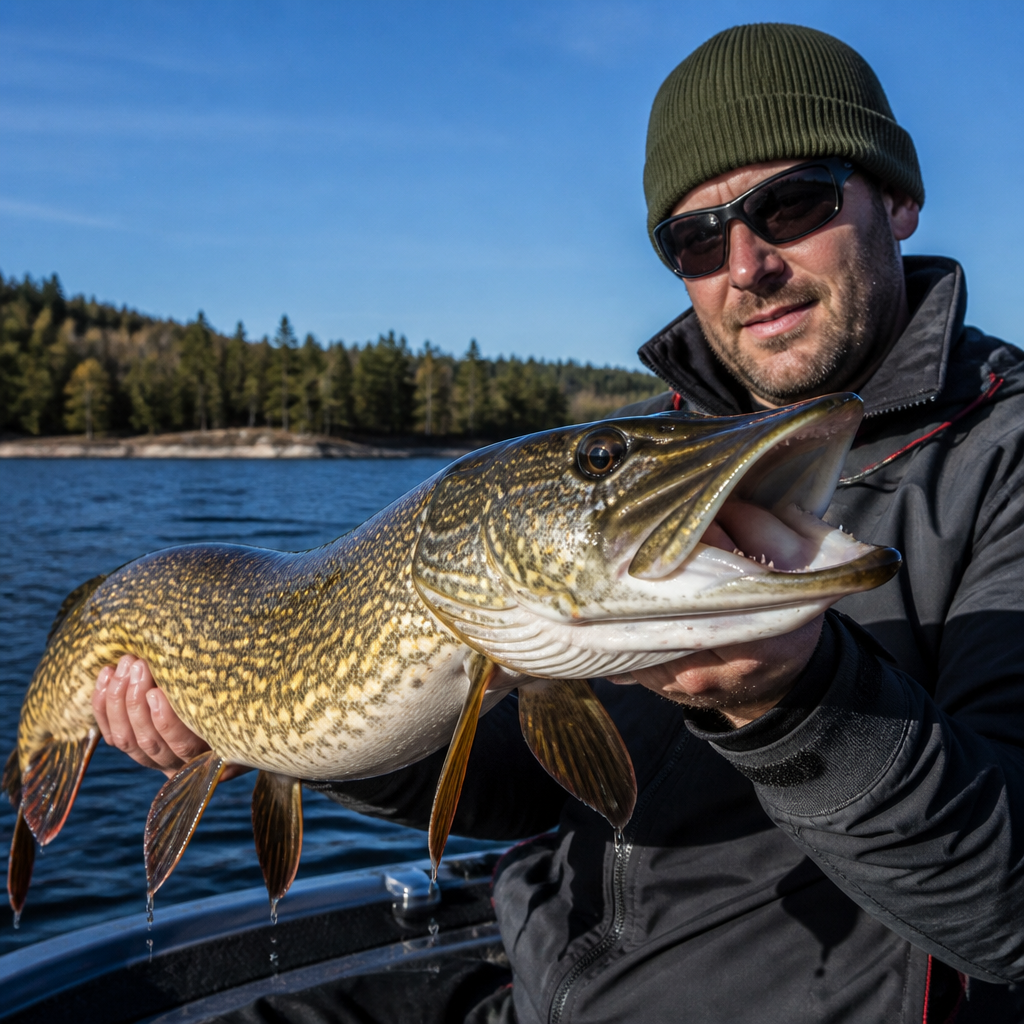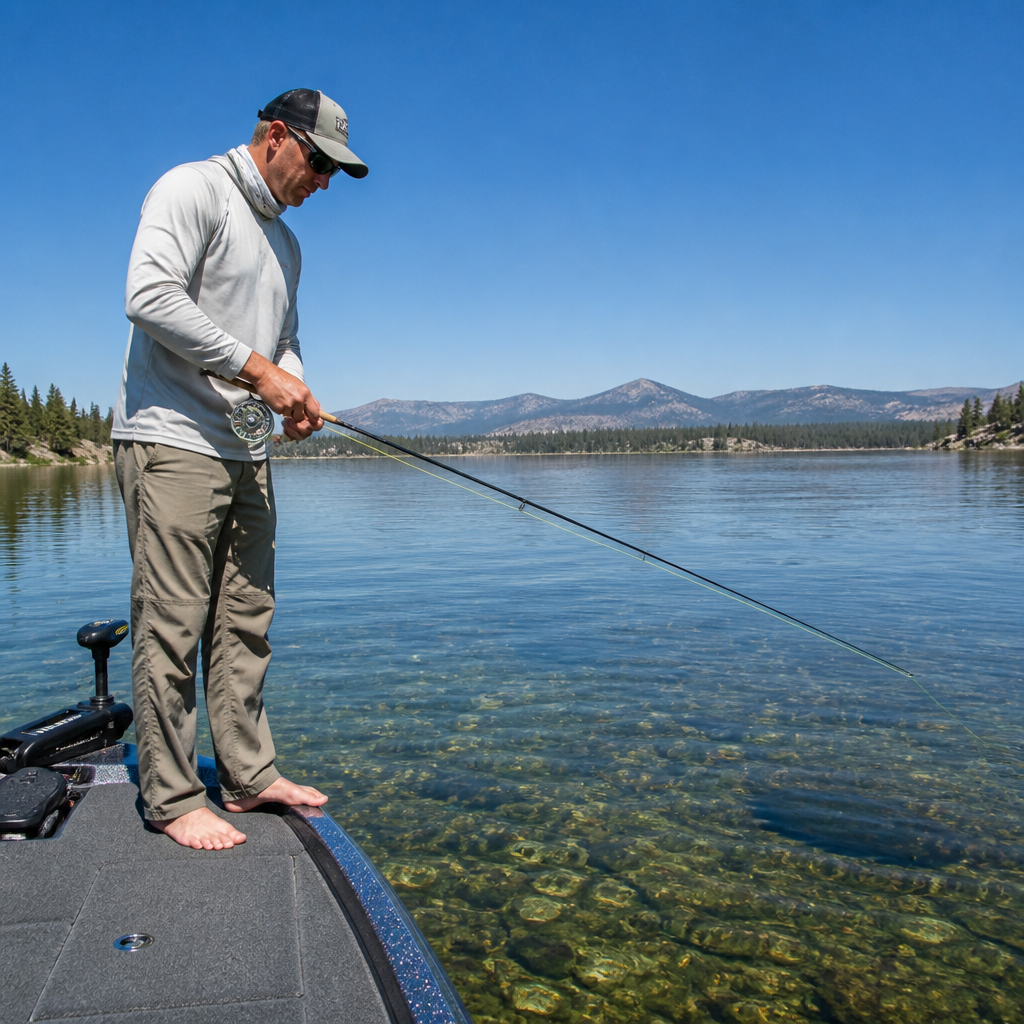
Sight fishing in lakes is one of the most visual, demanding, and rewarding ways to catch fish because it asks you to find individual fish, read their behavior, and present a lure or fly precisely enough to trigger a bite. In practical terms, sight fishing means spotting fish before you cast rather than covering water blindly. On lakes, that usually happens in clear water, shallow flats, weed edges, spawning pockets, marinas, rocky shorelines, and calm coves where sunlight reveals fish movement. Anglers use the term to describe everything from stalking bedding bass with a soft plastic to watching a cruising carp tip down over a fly, but the core idea is the same: you are targeting a fish you can see, or at minimum a fish whose exact position you can identify from shadows, wakes, tails, flashes, or bottom disturbance.
I have always treated sight fishing as equal parts hunting and casting drill. It rewards patience more than speed. A day of blind casting can produce numbers, yet a single visual eat from a fish you tracked, approached quietly, and fooled on purpose often teaches more about fish behavior than a dozen random bites. That learning value is why sight fishing matters. It sharpens observation, lure control, boat positioning, line management, and decision making. It also creates a direct feedback loop. When a fish follows and refuses, you know the angle, speed, profile, or timing was wrong, and you can adjust immediately.
Lake sight fishing also matters because it can unlock consistent success during periods when fish use shallow water predictably. Spring is the classic example, especially for largemouth bass, smallmouth bass, panfish, carp, and even trout in some natural lakes. But the method is not limited to spring. In summer, bluegill and bass often set up around shade lines, docks, eelgrass, and isolated cover where they can still be seen. In fall, calm clear conditions can expose cruising fish on flats feeding on baitfish. Understanding sight fishing gives anglers a repeatable system rather than a lucky pattern.
Success starts with a few key terms. Water clarity describes how deeply you can see into the water and is influenced by algae, sediment, tannins, and wind. Light angle matters because high sun usually improves visibility, while glare reduces it. Polarized sunglasses cut surface reflection and are not optional for serious sight fishing. Fish posture tells you mood: a relaxed cruiser is different from a locked-on feeder, a guarding bed fish, or a nervous fish sliding away. Finally, stealth includes noise control, shadow management, casting distance, and approach direction. Master those basics, and sight fishing in lakes becomes a disciplined technique rather than just casting at fish you happen to notice.
Where sight fishing works best on lakes
The best lake sight fishing areas combine visibility, fish presence, and manageable depth. In most lakes, that means water from one to eight feet deep, though species and clarity can push the range shallower or deeper. Hard-bottom flats are prime because fish are easier to distinguish against sand, gravel, or light marl. Sparse grass can be excellent too, especially where bluegill beds, bass fry guarders, or cruising carp use edges for feeding. By contrast, thick weeds may hide fish until they move, making them harder to target despite holding plenty of life.
Specific lake features repeatedly produce visual opportunities. Protected coves warm early and often attract pre-spawn and spawning fish. Docks and marinas create shade lanes where bass suspend visibly. Rocky banks and boulder transitions let smallmouth pin bait and reveal themselves in flashes. Windblown banks can hold feeding fish, but only if the surface remains clear enough to see into; often the better compromise is the cleaner side of the same basin where bait is present without heavy chop. On reservoirs, the backs of pockets, flooded bushes on stable water, and tapering points with clean water are all classic locations.
Seasonality changes where you should look first. In late winter and early spring, target north-facing coves and dark-bottom areas that warm fastest. During spawn, search protected flats, pockets, and shoreline cover. Post-spawn bass often cruise near bluegill colonies, fry balls, and shade. Summer sight fishing improves early, late, or under bright overhead sun in clear lakes, especially around deep weed edges and isolated shade. Fall can be underrated; shallow baitfish schools often pull predators into clear water where they can be tracked visually.
The easiest way to think about location is to ask three questions: Can I see the fish, do fish regularly use this zone, and can I present a lure without spooking them? If any answer is no, move. Sight fishing rewards high-percentage water much more than stubbornness over random shoreline.
Essential gear for lake sight fishing
Polarized sunglasses are the single most important piece of sight fishing equipment. Lens color should match light conditions and background. Copper, amber, and rose lenses usually improve contrast in freshwater and help fish stand out against sand, rock, or weeds. Gray lenses are better in intense brightness but can reduce contrast. A hat with a dark underbill cuts stray light from below, and many experienced anglers use a neck gaiter or hood to block side glare. These are small upgrades that make large differences over a full day.
Rod, reel, line, and lure choices should support accurate, quiet presentations. For bass, I typically use a medium spinning rod for weightless plastics, wacky rigs, neko rigs, tubes, and small swimbaits because spinning tackle skips and pitches light baits cleanly. A medium-heavy baitcaster is useful when fish are around reeds, docks, or wood and must be controlled quickly. Fluorocarbon is popular because it sinks, transmits well, and is less visible underwater, while braided main line with a fluorocarbon leader improves handling on spinning gear. For carp or trout, longer rods and finer leaders often improve both distance and finesse.
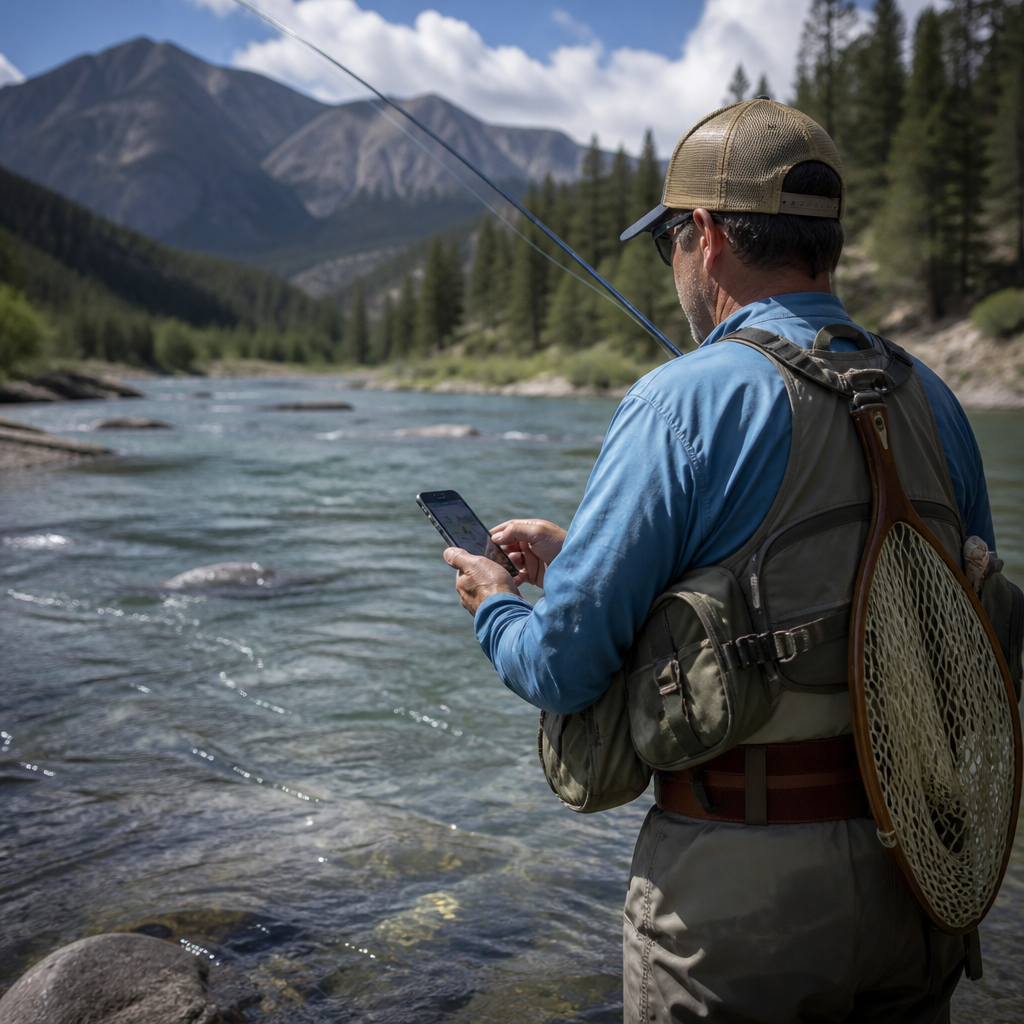
Electronics help before your eyes ever do. Side imaging and forward-facing sonar are not substitutes for sight fishing, but they identify likely flats, isolated cover, and fish-holding edges worth approaching quietly. A push pole, trolling motor on low power, or simple drift control is often more important than top-end electronics once you are in the zone. On calm days, boat noise carries farther than many anglers realize, especially over shallow hard bottom.
| Gear item | Best use | Why it matters |
|---|---|---|
| Polarized sunglasses | All sight fishing situations | Reduce glare and reveal fish, cover, and bottom changes |
| Medium spinning rod | Weightless plastics, finesse lures | Delivers quiet, accurate casts with light baits |
| Medium-heavy casting rod | Docks, reeds, wood, bigger fish | Provides control when fish must be moved quickly |
| Fluorocarbon line | Clear water presentations | Low visibility and good sensitivity improve natural action |
| Trolling motor or push pole | Shallow approach | Maintains stealth and precise boat positioning |
Keep terminal tackle organized and simple. On most lake sight fishing days, I rely on a small rotation: soft stickbaits, craws, tubes, drop-shot minnows, marabou jigs, compact swimbaits, and topwater bugs when fish are feeding upward. Carry natural colors for clear water and a brighter option like white when you need to see the bait and track how the fish reacts. White also helps when fishing beds because it disappears inside the fish’s mouth.
How to spot fish and read their behavior
Beginners often think sight fishing starts when you literally see a fish. In reality, it begins with seeing clues. Look for shadows moving against the bottom, nervous bait flicking, silt puffs, tails breaking the surface, bluegill bed colonies, cruising lanes beside docks, or a dark shape holding off a stump. Train your eyes to scan slowly from shallow to deep water rather than staring at one point. Quick glances miss more than they find. I usually kneel or stand high, remove distractions, and search in a grid pattern so I do not repeatedly inspect the same patch while ignoring adjacent water.
Once you locate a fish, behavior determines the presentation. Cruising fish are moving with purpose and may eat if you intersect their path naturally. Resting fish often need a subtle bait placed close without landing on their head. Feeding fish tip down, flare, or track small movements aggressively; they are the highest-percentage targets. Territorial fish, especially on beds, may not be hungry at all. They strike because the lure invades their space. That distinction matters because feeding fish usually respond to realism, while territorial fish often respond to persistence and precise placement.
Pay attention to body language. A fish that tilts downward, pectoral fins working, is engaged. A fish that drifts off slowly may still be catchable if you lead it correctly on the next cast. A fish that jumps, bolts, or pins tight to cover has been pressured or spooked. In clear lakes with heavy angling pressure, fish learn fast. Repeated poor casts can educate them within minutes. That is why the first presentation is usually the best one.
Light and wind alter what you can interpret. Midday sun gives the sharpest image, but a slight ripple sometimes helps by breaking your outline and making fish less wary. Too much chop destroys visibility. Cloud cover can flatten contrast, making fish almost vanish over dark grass. When conditions worsen, shorten your search to high-contrast areas such as sand holes, dock edges, or rock transitions where fish stand out more clearly.
Approach, casting angles, and lure presentation
Stealth is the difference between seeing fish and catching them. Approach from downwind or with the sun helping visibility, but avoid letting your shadow cross the target area. In a boat, stop well outside the strike zone and use the trolling motor minimally. On foot, step softly and stay low on clean banks where vibration transfers easily. If a fish can see, hear, or feel your approach before the cast, your odds drop sharply.
Casting angle matters as much as lure choice. The most common mistake is throwing directly at the fish. A better method is to lead the fish by several feet if it is cruising, or land beyond it and bring the bait into view if it is stationary. Fish rarely like a lure splashing on their head. They do respond when something enters their window naturally, especially from the side or slightly ahead. With bedding bass, place the lure on the edge first, then work it toward the sweet spot where the fish repeatedly returns.
Lure control must match mood. For bass, a weightless stickbait can hover into a bed or glide past a cruiser without much noise. A tube or craw imitates nest raiders and often draws territorial bites. For carp, small nymphs, craw patterns, or bread imitations presented ahead of the fish work better than stripping aggressively. For trout in lakes, tiny jigs, nymphs under indicators, or subtle minnow patterns often excel when fish cruise shorelines. In every case, the rule is simple: make the fish notice the bait without making the bait look unnatural.
Hook timing is another overlooked detail. When you can see the bite, it is tempting to react instantly. That causes many missed fish, especially when they flare on a bait without fully taking it. Watch for the bait to disappear, the line to jump, or the fish to turn away with purpose. Then set with controlled pressure, not a violent snap that can pull light hooks free in clear-water fights.
Species-specific tactics and common mistakes
Largemouth bass are the classic lake sight fishing target because they use shallow cover and often hold long enough for repeated casts. During spawn, white creature baits, tubes, and compact jigs help you track the lure. Smallmouth are usually more mobile and visual by nature, often cruising rock or sand where long casts and finesse presentations shine. Bluegill and other panfish are ideal for learning because beds are visible and fish behavior is easy to interpret. Carp are perhaps the purest sight fishing challenge in lakes; they are powerful, wary, and highly responsive to poor lead distance or drag setting.
The biggest mistakes are rushing, standing too high in the wrong light, and changing lures before changing angles. I have watched anglers burn ten casts at a visible fish from the same line and conclude the lure was wrong, when the fish simply saw the boat or disliked the entry point. Another common error is obsessing over every visible fish. Some fish are not catchable in that moment. If a fish repeatedly leaves, clamps down, or refuses after quality presentations, mark the area mentally and return later with better light or less pressure.
Landing fish also requires planning. Clear-water fish often surge boatside, and shallow fish wrap easily in reeds or dock cables. Set your drag before the cast, clear the deck, and know where you will guide the fish. Sight fishing rewards preparation from search to net.
Sight fishing in lakes turns visible information into deliberate action. You choose better water, see more fish, make smarter casts, and learn faster because every reaction teaches something. Start with polarized glasses, quiet approaches, and high-clarity areas with simple cover. Focus on first-cast accuracy, body language, and angle before lure tinkering. As your eyes improve, your catch rate usually follows.
The main benefit is control. Instead of hoping a fish is there, you confirm it, assess it, and respond with intent. That makes you more efficient across all other fishing styles too. On your next lake trip, dedicate one hour to moving slowly, scanning carefully, and targeting only fish you can identify. That single practice session can change how you fish every clear-water lake from then on.
Frequently Asked Questions
What is sight fishing in lakes, and how is it different from regular lake fishing?
Sight fishing in lakes means locating and visually identifying an individual fish before you make your cast, then presenting a lure or fly in a way that matches its position, mood, and movement. That is very different from traditional “blind casting,” where anglers work an area based on structure, depth, electronics, or seasonal patterns without actually seeing the fish. In lake environments, sight fishing usually happens in clear or lightly stained water where sunlight penetrates enough to reveal fish on shallow flats, around weed lines, near docks and marinas, along rocky banks, and inside protected coves.
What makes sight fishing so effective is the amount of information you gain before the cast. You can see whether a fish is cruising, holding still, feeding, guarding a bed, or actively avoiding your presence. That lets you adjust casting angle, lure size, retrieve speed, and presentation depth in real time. Instead of making repeated casts to likely water, you are solving a visible puzzle: first spotting the fish, then reading its behavior, and finally delivering a precise presentation that triggers a response.
It is also more demanding than many other lake tactics because success depends on stealth, observation, timing, and accuracy. A fish that sees your boat, hears your footsteps, or notices your line flash can spook instantly. For that reason, sight fishing rewards anglers who move slowly, manage glare, keep their profile low, and pay close attention to subtle signs such as a tail flick, a white flash, a shadow shift, or a fish turning toward the lure. When conditions line up, few methods in freshwater are as visual, technical, or exciting.
What conditions are best for sight fishing in lakes?
The best sight fishing conditions usually combine water clarity, stable light, manageable wind, and fish positioned shallow enough to be seen. Clear water is the biggest factor because even perfect casting skill will not help much if you cannot reliably spot fish. Bright but controlled sunlight is generally ideal, especially when the sun is high enough to illuminate shallow areas without extreme glare. Calm to light wind also helps because surface chop can distort your view and make fish outlines much harder to detect.
Time of day matters as well. Mid-morning through early afternoon is often productive because the sun angle improves visibility into the water, especially compared with very early morning when low-angle light can create glare and long shadows. That said, local conditions can change the equation. In some lakes, a lightly overcast sky can reduce harsh reflection and make it easier to see into the water evenly. The key is not simply “sunny versus cloudy,” but whether you can clearly distinguish bottom features, weed edges, and fish movement.
Fish location is another important part of the equation. Look for shallow flats, transition zones between sand and weeds, pockets in vegetation, rocky shorelines, spawning bays, and calm coves where fish feel secure and sunlight reveals them. Seasonal timing can also be excellent during pre-spawn, spawn, and post-spawn periods, when fish often move shallow and become easier to see. If conditions are less than ideal, you can still improve your odds with quality polarized sunglasses, a good sun angle, elevated viewing position when appropriate, and a deliberate approach that prioritizes quiet movement and careful scanning.
What gear helps most when sight fishing in lakes?
The most important piece of sight fishing gear is a high-quality pair of polarized sunglasses. More than any rod or lure, polarized lenses cut surface glare and help you see fish, bottom changes, and subtle movements that would otherwise disappear in reflected light. Lens color matters too. Copper, amber, and bronze lenses are popular for freshwater because they enhance contrast and make fish stand out better in many lake conditions. A brimmed hat also helps by blocking overhead light and reducing glare entering from above.
Beyond eyewear, your rod, reel, and line should match the species, lure style, and water clarity, but finesse and control are usually more valuable than brute strength. Many anglers prefer medium-light to medium spinning tackle for small plastics, weightless baits, and subtle presentations, while fly anglers choose rods that can deliver accurate casts with minimal false casting. In clear, shallow water, lighter line or fluorocarbon leaders are often helpful because they are less visible and allow more natural lure movement. Braid can still be useful for sensitivity and hook-setting power, especially when paired with a leader.
Lure selection should focus on natural profile, manageable sink rate, and precise control. Soft plastics, small jigs, wacky-rigged worms, creature baits, swimbaits, and flies that can be dropped or guided into a fish’s field of view are especially effective. The best sight fishing lures are not always the flashiest; they are the ones you can place accurately and work convincingly without overdoing the retrieve. A push pole, trolling motor on low power, shallow-water anchor, or even careful wading can also make a big difference by helping you maintain position quietly. In short, sight fishing gear is about seeing better, moving quieter, and presenting more precisely.
How do you approach and cast to visible fish without spooking them?
Stealth is everything. The biggest mistake anglers make in sight fishing is focusing so much on the cast that they forget the approach. Before you ever present a lure, you need to control noise, profile, and distance. Move slowly, avoid sudden shifts in the boat, keep conversations down, minimize trolling motor bursts, and stay far enough away that the fish behaves naturally. If the fish changes direction sharply, sinks, flares away, or stops feeding, it has likely detected something suspicious.
Once you spot the fish, do not cast directly on top of it unless the situation absolutely demands it. In most cases, the better move is to cast ahead of the fish’s path or slightly beyond its holding spot, then bring the lure into its window naturally. This keeps the entry quieter and avoids the splash shock that often sends fish running. Casting angle matters a lot. A fish moving left to right should generally receive a lead cast that allows the lure to settle where it can see it without feeling ambushed. If the fish is stationary, place the lure where it can notice subtle movement without being hit by the bait or line.
Reading behavior after the cast is just as important as the cast itself. Watch for a fish that tips downward, follows, flares its fins, opens its mouth, or accelerates slightly. Those are often signs of interest. On the other hand, a fish that drifts away or ignores multiple perfect presentations may not be catchable in that moment. In that case, changing lure size, color, fall rate, or retrieve cadence can help. The best sight anglers are disciplined: they stay calm, lead the fish properly, avoid overworking the bait, and treat every cast like a controlled presentation rather than a random attempt.
What are the most common mistakes beginners make when sight fishing in lakes?
The most common beginner mistake is moving too fast. Sight fishing rewards patience and observation, but many anglers rush from bank to bank, make excessive casts, or scan too quickly to notice subtle shapes and movement. Fish often appear first as shadows, color changes, or tiny flashes rather than clear outlines. If you do not slow down and let your eyes adjust, you will miss fish that are actually in very catchable positions.
Another major mistake is poor casting discipline. Beginners often throw directly at the fish, land the lure too hard, or make repeated casts after the fish has already been alerted. In clear, shallow water, one bad cast can end the opportunity immediately. Likewise, using presentations that are too loud, too heavy, or too unnatural for the fish’s mood can hurt success. Sight fishing is usually a precision game, so subtle lure placement and natural action matter more than covering water aggressively.
Many anglers also misread fish behavior. Just because you can see a fish does not mean it is ready to bite. Some fish are cruising with purpose, some are simply sunning, some are guarding territory, and others are actively feeding. Learning to tell the difference is a big part of becoming effective. A final mistake is neglecting conditions and optics. Fishing into heavy glare, skipping polarized sunglasses, or approaching from a bad sun angle makes the process far harder than it needs to be. Beginners improve fastest when they focus on seeing clearly, approaching quietly, leading fish properly, and paying attention to how each fish reacts rather than assuming every visible target should bite right away.