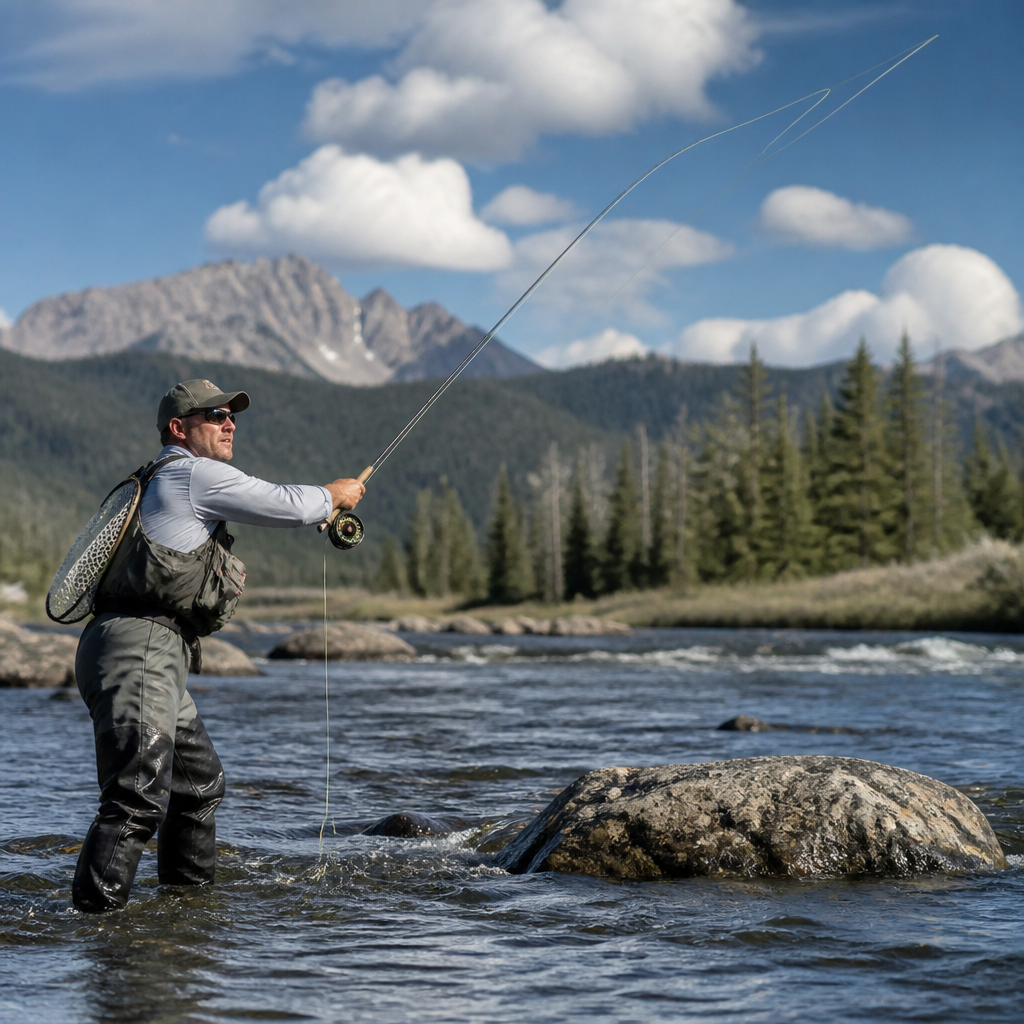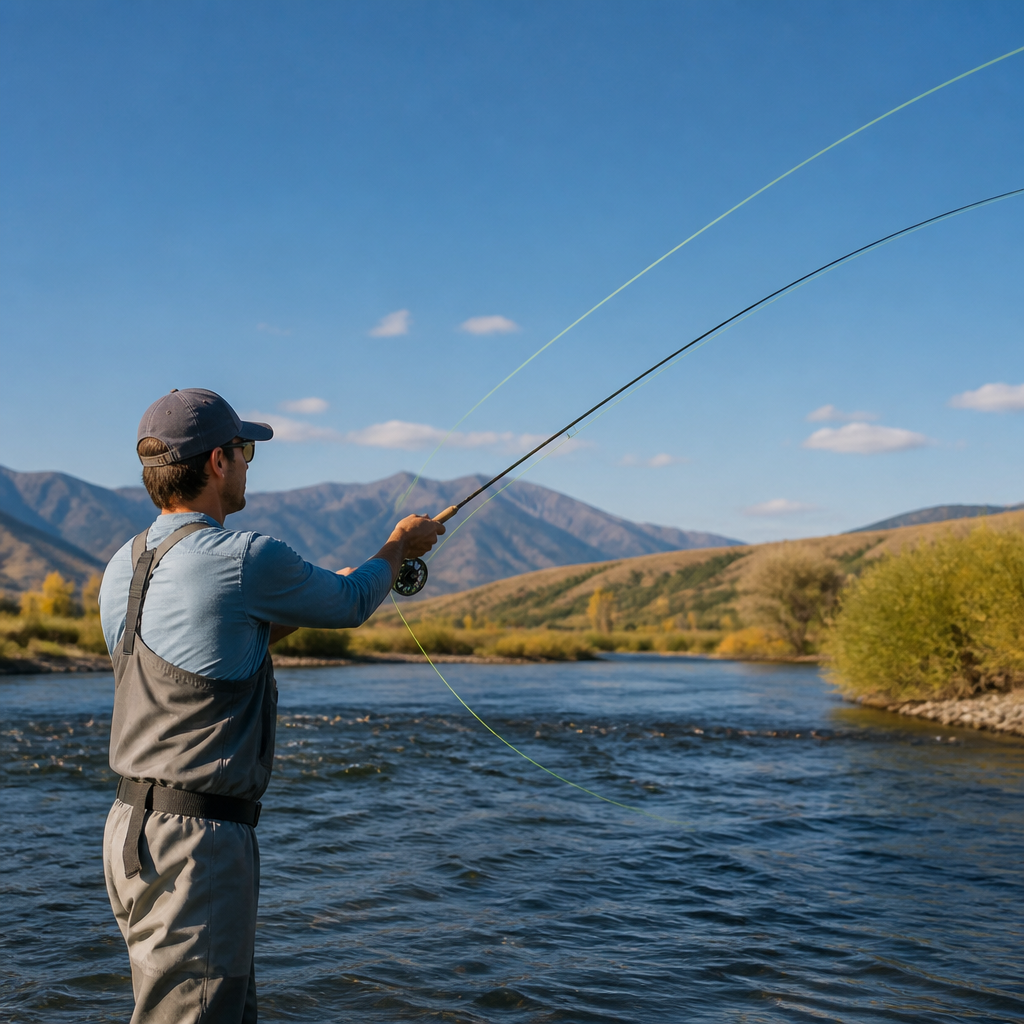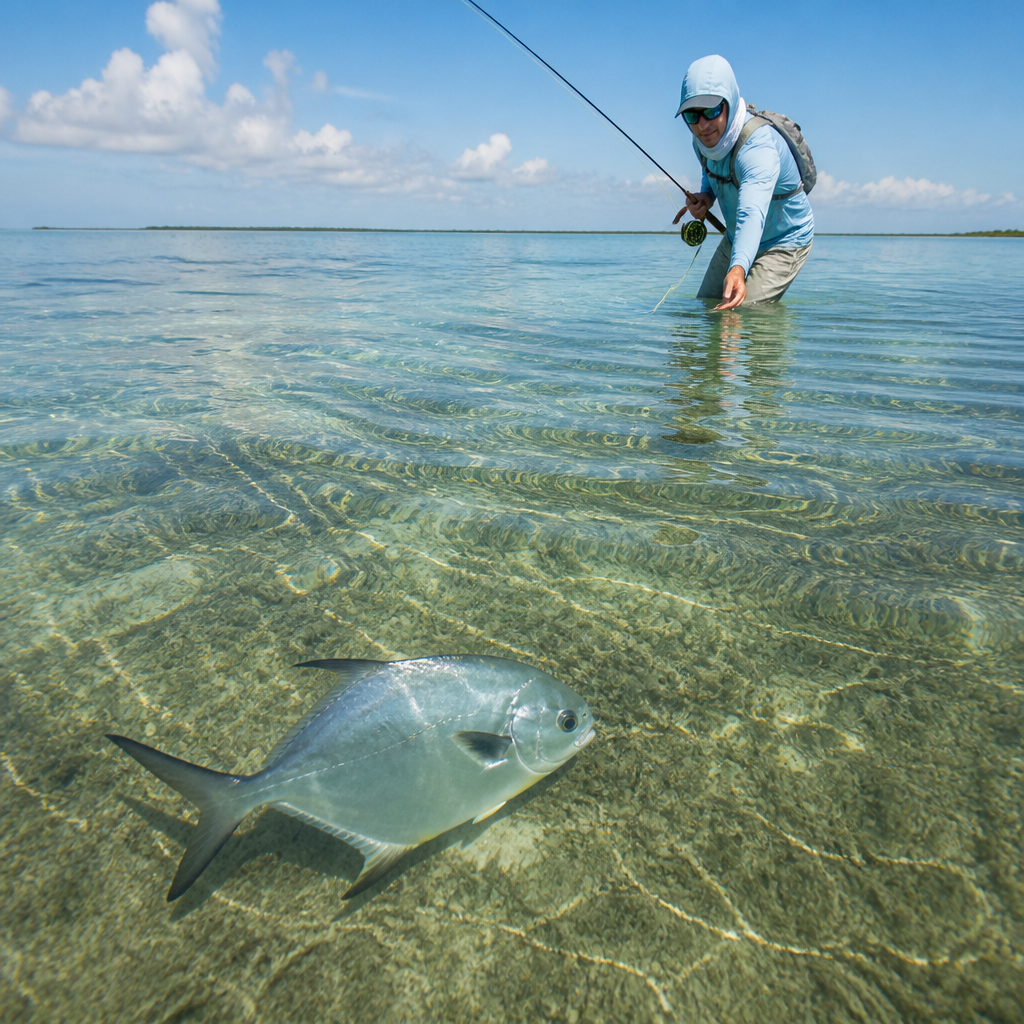
Sight fishing for permit is one of the most demanding and rewarding games in saltwater angling because it combines stalking, observation, precise casting, and fast decision-making in shallow water. Permit are famously selective, visually acute, and quick to reject a fly or lure that lands a foot off line or moves unnaturally. In practical terms, sight fishing means you locate the fish first, read its angle, speed, and behavior, then present to a visible target rather than blind casting likely water. For permit, that usually happens on clear flats, edges, channels, and turtle-grass basins where light, tide, and bottom color all affect what you can see and how the fish will feed. That difference matters. Anglers who understand permit sight fishing spend less time guessing, make fewer low-percentage casts, and convert more genuine opportunities.
I learned quickly that success does not come from simply spotting a fish and throwing at it. Permit punish rushed movement and poor geometry. A cast that is perfect for a cruising bonefish is often wrong for a permit because permit may tip down, slide with the current, or change lanes when they detect a crab. They also feed in ways that are easy to misread. Tailing fish are obvious, but many eat while barely showing a shadow, a sickle tail, or a subtle push of water. Good sight fishing for permit starts with a few key terms. A lead is the distance ahead of the fish where you place the fly or lure. A feeding lane is the path the fish is likely to continue along while searching for prey. A window is the short period when the fish can see the presentation without being alarmed by the line, leader, skiff, or angler movement. Once you understand those concepts, the rest of the game becomes more systematic and less luck-driven.
This topic matters because permit are highly migratory in some regions, tightly linked to tide and weather, and often available only in brief high-quality shots. Missed chances are expensive. A week on premium flats in Belize, Mexico, the Florida Keys, or the Seychelles can offer only a handful of truly clean opportunities each day. The anglers who capitalize are usually the ones who can detect fish earlier, communicate clearly, control line, and choose the right presentation for bottom depth and fish behavior. This hub article covers the full sight fishing process: spotting conditions, reading fish, positioning, presentation, tackle, common mistakes, and how to practice between trips. It is designed to give you a complete framework for permit sight fishing so that every related technique, from crab fly selection to skiff etiquette, fits into a larger system you can actually use on the water.
Finding Visible Permit: Light, Tide, Bottom, and Position
The first rule of sight fishing for permit is simple: if conditions do not allow you to see well, your odds collapse. Sun angle is critical. With the sun high and at your back quarter, fish show as dark discs, flashing sides, moving shadows, or tails. Early morning and late afternoon can still produce, but glare increases and long shadows make fish harder to separate from rays, mullet, and dark potholes. Polarized glasses with copper, amber, or rose-based lenses usually outperform gray on shallow flats because they increase contrast. I carry multiple lens colors because bright white sand and dark turtle grass demand different contrast. A good hat with a dark underbill helps more than most anglers realize because it reduces reflected light under the brim.
Tide controls where permit feed and how you should look for them. On flooding water, fish often push onto light sand or mixed grass-and-sand flats to intercept crabs. On falling water, they may slide off edges, drains, and channels where prey is concentrated. In many destinations, the best visual windows occur not simply at high tide but during moving water when fish are searching actively and showing directional intent. Slack tide can make permit look casual, suspended, or indecisive. Wind can help by pushing food, but too much ripple masks fish unless the bottom is clean and bright. In very calm conditions, visibility improves, yet fish may become more skittish because hull slap, line splash, and false casts stand out.
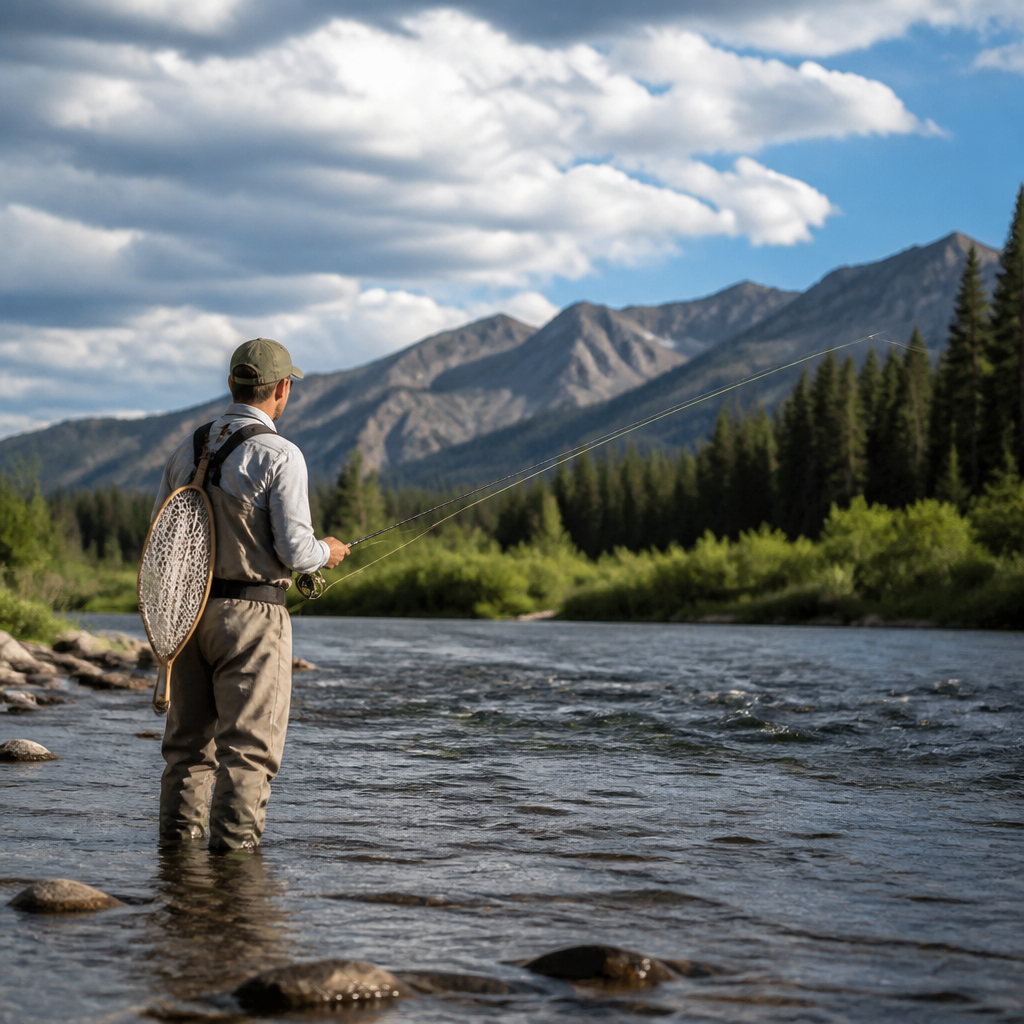
Your position is part of the spotting system. On a skiff, the elevated platform widens the field of view and lets you see fish earlier, which is why guide communication matters so much. Wading lowers your angle but can improve stealth and casting control. On broad ocean-side flats, I prefer a skiff until fish are located, then a quiet drop-off if the bottom allows it. On small interior lagoons or hard white flats, wading can be superior. Learn to scan in lanes rather than staring randomly. Start close, then move to mid-range, then far, sweeping left to right. Look for changes that move with purpose: a V-wake, a flashing side when a fish tips, a hard-edged shadow crossing a pale patch, or a tail that pulses rather than waves like grass.
Reading Permit Behavior Before You Cast
Seeing a permit is only half the job. The bigger skill is interpreting what that fish is doing before you present. A fish that is cruising fast with its back high and fins set may be traveling, not feeding. A fish that rocks slightly, tips down, and slows over broken bottom is huntable. Pairs and small groups add complexity because one fish may eat while another spooks at the fly line. Singles are often the cleanest shots. Large schools can be easier to spot but harder to fish effectively; fish compete, change direction abruptly, and create visual confusion that leads to poor leads and strip timing.
Body language tells you when to cast. A permit angled slightly down-current and quartering toward you often gives a broad viewing window and enough time to sink a crab pattern. A fish moving directly away is usually low percentage unless you can place far ahead without lining it. A fish coming straight at you can be deceptive because it closes distance quickly and forces a rushed retrieve. Feeding behavior also changes by habitat. On white sand, permit may move faster and show subtle puffs when they pin crabs. In turtle grass, they often appear darker and slower, and your fly needs enough weight to reach them without burying in vegetation. Around rays, permit often station behind the ray to intercept prey it disturbs. That creates excellent opportunities, but only if you present to the permit rather than the ray.
The best anglers make an immediate decision tree: Is the fish feeding or traveling? What is the direction relative to current and wind? What is the bottom type and depth? Can I make one cast with no false cast over the fish? If the answer to the last question is no, wait or reposition. Many permit are not lost because of the wrong fly; they are lost because anglers cast before they understand the fish’s lane and the water column the fly must enter.
Presentation Strategy: Lead, Angle, Sink Rate, and Retrieve
Presentation is where sight fishing for permit is won. Your goal is to place the fly or lure where the fish will encounter it naturally, not where it happens to be now. For most permit on shallow flats, that means leading the fish far enough to avoid splash alarm but close enough that the fish can see the offering before it passes out of the window. A common starting point is three to six feet ahead for a fly, adjusted for depth, speed, and bottom brightness. Faster fish, deeper water, and heavier flies require more lead. On ultra-shallow fish over hard sand, less lead and softer entry are usually better. The ideal angle is often slightly across the fish’s path rather than directly in front. That lets the crab settle and then move sideways or hop as the permit approaches.
Strip timing matters as much as distance. If you move the fly before the fish sees it, you pull it out of the lane. If you wait too long, the fish may pass or spook at the leader. Permit usually respond best to short, controlled strips that suggest a crab trying to flee, then stopping. Long continuous strips often look wrong. Once a fish tips, slows, or pectoral fins flare, you are in the critical moment. Do less, not more. I have watched many refusals caused by one unnecessary strip after the fish had already committed. With spinning tackle, the same principle applies. Small crab imitations, shrimp profiles, and compact jigs should land softly, sink quickly enough to enter the zone, and move in short hops rather than long sweeps.
| Scenario | Best Lead | Presentation Angle | Retrieve Style |
|---|---|---|---|
| Single fish on white sand, shallow | 2 to 4 feet | Across the path, soft entry | One short strip, then pause |
| Pair over turtle grass, moderate depth | 4 to 6 feet | Quartering ahead with faster sink | Short hops with longer pauses |
| Fish following a ray | 3 to 5 feet beyond permit, not ray | Drop beside feeding lane | Minimal movement after settle |
| Traveling fish, brisk pace | 6 feet or more if depth allows | Intercept lane, avoid crossing line | Trigger strip only if fish notices |
Hooking and fighting complete the sequence. Strip-set on the fly; do not trout-set. With conventional tackle, keep pressure low and steady until the fish turns. Permit have hard mouths and blistering first runs, so drag should be smooth and tested before the shot appears. Clear loose fly line from the deck, keep rod angles sensible, and prepare for the fish to circle under the skiff near the end. Many well-presented fish are lost after the eat because anglers celebrate too early and forget line management.
Tackle, Flies, and Practical Preparation
Permit tackle must match wind, fly size, and average shot distance. For fly anglers, an 8-weight can work in perfect conditions, but a 9-weight is the standard because it handles wind and larger crab patterns better. In stronger wind or around deeper edges, a 10-weight is sensible. A reliable large-arbor reel with sealed drag is non-negotiable because permit runs are fast and salt is relentless. Floating lines cover most shallow flats situations; clear intermediate tips can help on deeper edges, but they complicate quick pick-up and recast. Leaders are commonly 10 to 12 feet, often tapering to 16- or 20-pound fluorocarbon, though local structure and fish size may justify heavier material.
For flies, carry proven crab families in multiple weights and colors. Patterns such as the Avalon, Raghead, Merkin variants, Flexo-style crabs, and spawning shrimp all have places depending on region. Weight selection is more important than exact pattern name. Too light and the fly never reaches the feeding zone; too heavy and it splashes or fouls grass. Color should match bottom and local prey generally rather than obsessively. Tan, olive, cream, and mottled blends cover most situations. Conventional anglers should think similarly: compact profiles, weed resistance, subtle action, and enough weight to control sink rate. Small bucktail jigs, crab-style soft plastics, and natural-toned shrimp imitations can all produce if they enter quietly.
Preparation before the shot is where experienced anglers separate themselves. Stretch fly lines, check knots, organize the deck, and know exactly where your second fly box is. Practice quick shots at 30, 40, 50, and 60 feet with one or two false casts maximum. In skiff fishing, establish clear language with your guide: distance in feet, clock direction, moving left or right, and whether the fish is coming, crossing, or sliding away. “Eleven o’clock, forty feet, coming right to left” is useful. “There he is” is not. Those details sound basic, but on real permit water they save opportunities every day.
Common Mistakes, Practice Methods, and the Hub Approach
The biggest permit sight fishing mistakes are consistent across destinations. Anglers false cast too much, cast at the fish instead of ahead of it, retrieve too early, move too much on the bow, and fail to track the fish after the cast. Another common error is ignoring environmental cues. If every fish on a falling tide is sliding an edge with current, random shots onto the flat waste time. If fish are refusing on splashy landings, changing fly weight may matter more than changing fly color. I have also seen anglers lock onto the first visible tail and miss the better angle from a second fish in the same lane. Patience is a tactical asset, not a personality trait.
You can practice sight fishing for permit without being on a permit flat. Use grass targets or cones at varying distances and rehearse one-shot delivery with wind from different directions. On a pond or beach, practice leading moving targets conceptually by casting ahead of drifting leaves or current seams. Film your casting. Most people think they are efficient until video shows three unnecessary false casts and a wide loop in the wind. For spinning tackle, rehearse soft entries and controlled hops. Build a routine for spotting too. Bird-watch, scan structure edges, and train your eyes to detect movement patterns instead of isolated shapes; that skill transfers directly to flats fishing.
As the hub page for sight fishing within techniques and strategies, this subject connects every specialized article that follows. Fly selection only makes sense in relation to depth, bottom, and fish behavior. Skiff positioning, wading tactics, leader design, and retrieve style all exist to improve what happens in a visible shot window. That is the main takeaway: permit sight fishing is not one trick but a chain of linked decisions. Improve the chain and your conversion rate rises. Start with visibility, read behavior honestly, present with the correct lead and sink, and prepare for the eat before it happens. If you want more permit landed this season, use this framework on your next trip and build each supporting skill around it.
Frequently Asked Questions
What makes sight fishing for permit so challenging compared to other saltwater species?
Sight fishing for permit is difficult because it demands accuracy, timing, and fish-reading skill all at once. Unlike species that feed more aggressively or tolerate a wider range of presentations, permit are famously cautious and highly visual. They often travel in shallow, clear water where they can inspect a fly or lure from several angles, and they are quick to refuse anything that looks unnatural. A cast that lands too close can spook them instantly, while a cast that lands too far away may never enter their feeding lane. That narrow margin for error is what makes them such a respected target.
Another major factor is behavior. Permit do not always move in a predictable straight line, and their body language matters. A fish that is tailing, tipping down, or actively searching bottom has a very different mood from a permit that is cruising fast, suspended, or visibly wary. Successful anglers are constantly evaluating angle, speed, posture, light, wind, and bottom texture before they ever make a cast. In many cases, the hardest part is not spotting the fish, but deciding whether it is actually catchable at that moment.
On top of that, permit often live in conditions that make execution harder. Wind, glare, wave chop, and long casts over shallow flats all increase the chance of error. Even after a perfect presentation, the retrieve must match the fish’s mood. Too much movement can look wrong; too little can fail to trigger interest. That combination of visual hunting, technical casting, and instant decision-making is exactly why sight fishing for permit is so rewarding when it comes together.
How do you properly approach and present to a visible permit without spooking it?
A good approach begins well before the cast. The first priority is to see the fish clearly and understand its direction of travel. Once you know where the permit is headed, you want to position yourself or your skiff so the presentation can be made across or slightly ahead of its line rather than directly on top of it. Quiet movement is critical. On foot, that means slow steps, minimal surface disturbance, and avoiding sudden shifts. From a boat, it means controlled poling, limited deck noise, and clear communication between angler and guide.
The actual presentation should place the fly or lure where the permit can encounter it naturally. In most situations, that means leading the fish far enough that the offering settles to the proper depth before the permit arrives. If you cast too close to the head, the splash or sudden movement may alarm the fish. If you lead too far, the permit may never notice the offering, especially if it changes direction. The ideal lead varies with water depth, the fish’s speed, and how quickly the fly or lure sinks, but the guiding principle is the same: put it in the path, not on the fish.
After the cast, the retrieve should be deliberate and responsive to the permit’s behavior. If the fish tips down or tracks toward the offering, small controlled strips or subtle lure movement usually work better than aggressive action. If the fish follows but seems hesitant, a slight change in pace can trigger commitment. If the permit flares, fades, or angles off, continuing to strip aggressively often makes things worse. The best anglers stay calm, watch the fish closely, and let the permit tell them what kind of movement it wants. In permit fishing, presentation is not just about where the cast lands; it is about how convincingly the offering behaves once the fish sees it.
What conditions are best for spotting permit on the flats?
The best sight fishing conditions usually combine good light, manageable wind, and enough water clarity to distinguish shape, movement, and body language. Bright sun is often an advantage because it improves visibility into the water, especially when the sun is at your back or over one shoulder. However, harsh glare can still make fish difficult to see, so polarized glasses and careful positioning matter. Light-colored bottoms such as sand or marl can make dark permit shapes stand out, while turtle grass, broken bottom, or heavy chop can make even large fish surprisingly hard to detect.
Wind is a double-edged factor. A light breeze can help by creating subtle movement that makes fish behavior easier to interpret, but stronger wind creates surface chop, disrupts accurate casting, and makes fish harder to track. Tides also influence visibility and fish position. Rising and falling water can push permit onto flats, edges, or channels, and understanding those shifts helps narrow where to look. In some locations, lower water concentrates fish and makes them more visible; in others, slightly deeper water encourages feeding and gives anglers better opportunities to lead them properly.
Beyond weather and water, the best condition is informed attention. Permit may appear as flashes, shadows, pushes, tails, or the faint outline of a sickle tail and broad side as they turn. Experienced anglers do not only scan for full fish profiles; they look for clues. A subtle mud puff, a nervous patch of water, or a dark shape sliding across a bright bottom can reveal fish before a beginner ever notices them. The more time you spend learning how permit show themselves under different light and bottom conditions, the faster your eyes improve and the more realistic your shots become.
What are the most common mistakes anglers make when sight fishing for permit?
One of the biggest mistakes is casting too quickly. Anglers often get excited as soon as a permit is spotted and fire before they have judged the fish’s line, speed, and mood. That usually leads to poor placement, a rushed retrieve, or multiple correction casts, all of which reduce the chance of success. A better approach is to take one extra second to identify whether the fish is feeding, cruising, or nervous, and then make a single intentional presentation. Permit reward discipline far more than urgency.
Another common error is poor distance control. Many refusals happen because the offering lands in the wrong zone. Too close to the fish and it feels threatened; too far and it never engages. Closely related is the mistake of retrieving without watching the fish. Permit are visual fish, and their reactions are often subtle at first. A slight turn, a drop of the pectoral fins, or a tip downward can indicate interest. If the angler is focused only on stripping rhythm instead of the fish’s body language, the retrieve may continue at the wrong speed and the opportunity is lost.
Noise and movement also cost anglers many shots. Deck clatter, sloppy wading, false casts over the fish, and unnecessary repositioning can all alert permit before the offering ever lands. Finally, many anglers underestimate how important adaptation is. What worked on one fish may fail on the next. Different permit respond differently depending on depth, forage, pressure, and attitude. The best way to reduce mistakes is to slow down, stay observant, and treat each fish as a separate problem to solve rather than trying to force the same presentation every time.
What tackle and casting skills are most important for successful permit sight fishing?
The most important tackle is the setup that allows accurate presentations under real flats conditions. For fly anglers, that usually means a rod with enough power to handle wind and deliver weighted patterns cleanly, matched with a line designed for warm saltwater and a reel with a dependable drag. For conventional anglers, it means a rod and reel combination that can cast light lures accurately while still protecting light leaders and handling a strong first run. In both cases, leader construction matters because permit can be leader-shy in clear shallow water, yet the system still needs enough strength to survive abrasion and pressure during the fight.
More important than brand or model is practical performance. You need to cast accurately at varying distances, often with limited time and from awkward positions. Permit shots are rarely perfect practice-casting scenarios. You may have one chance in crosswind, with the fish quartering away, and the cast has to land softly but still reach the target lane. That means line control, loop control, and quick pickup-and-laydown ability are vital. For lure anglers, it means being able to skip, feather, or land a presentation softly and then start the retrieve without delay.
Hooking and fighting skills matter too. Permit often eat subtly, and many anglers either strike too hard too soon or hesitate too long. Once hooked, they are powerful, fast, and unforgiving of slack line or poor drag management. Good anglers prepare for the entire sequence, not just the cast. They practice spotting, turning quickly, making one or two false casts at most if fly fishing, and delivering with intent. In the end, the best tackle for sight fishing for permit is tackle you can use confidently and precisely, because precision is what this game is built on.