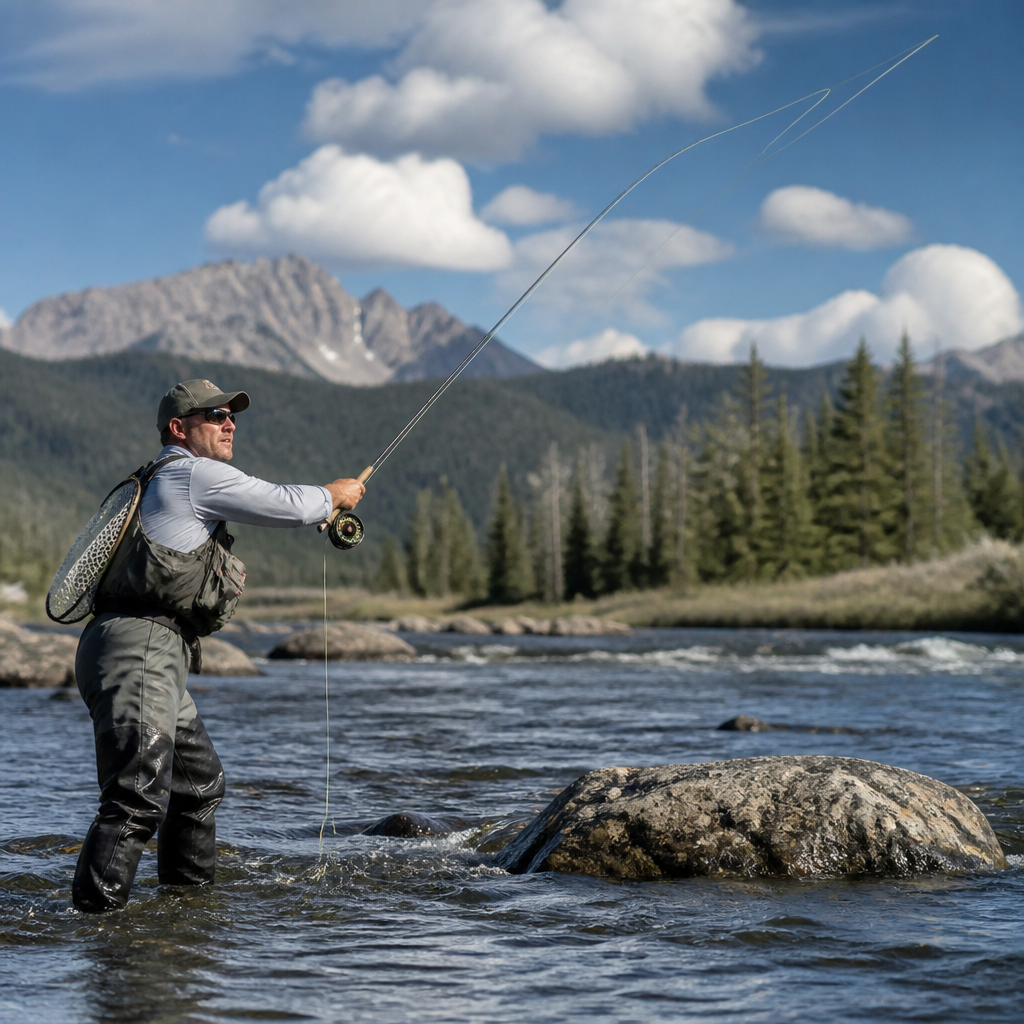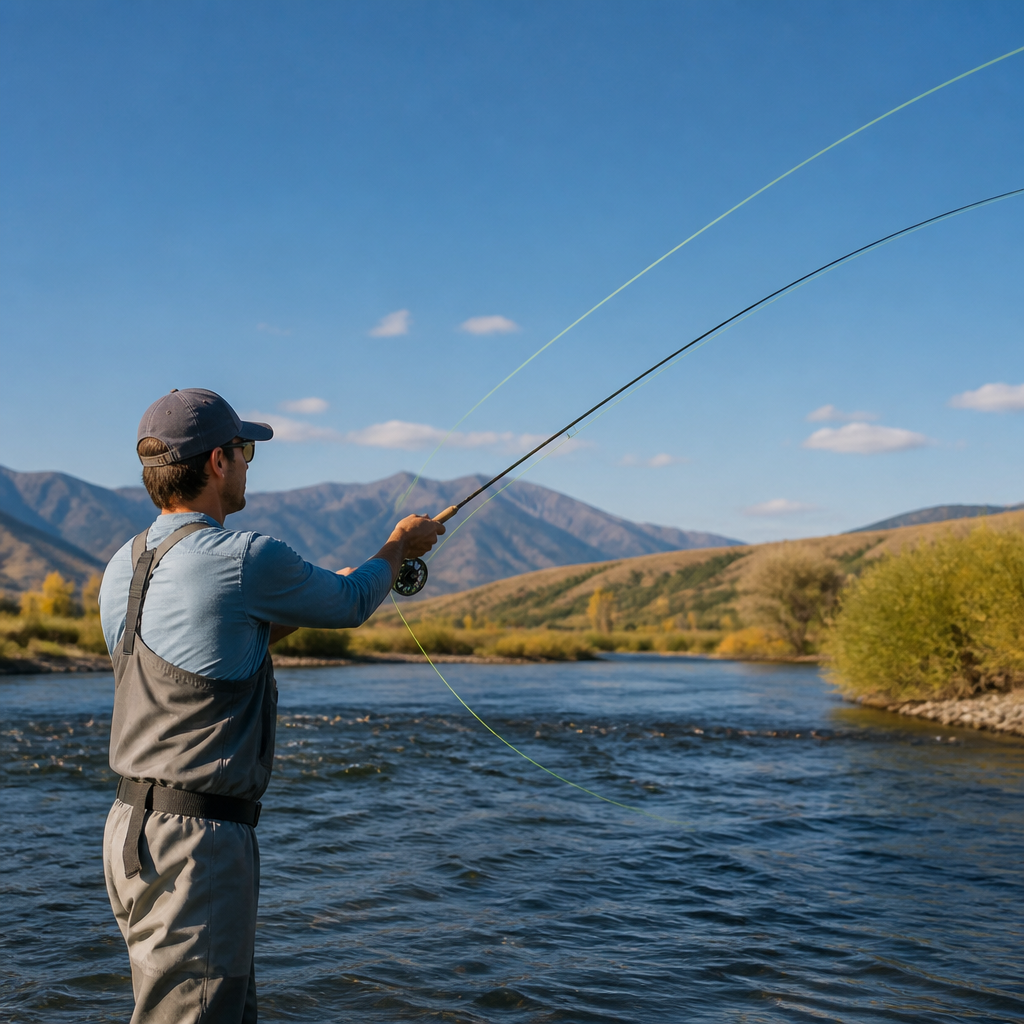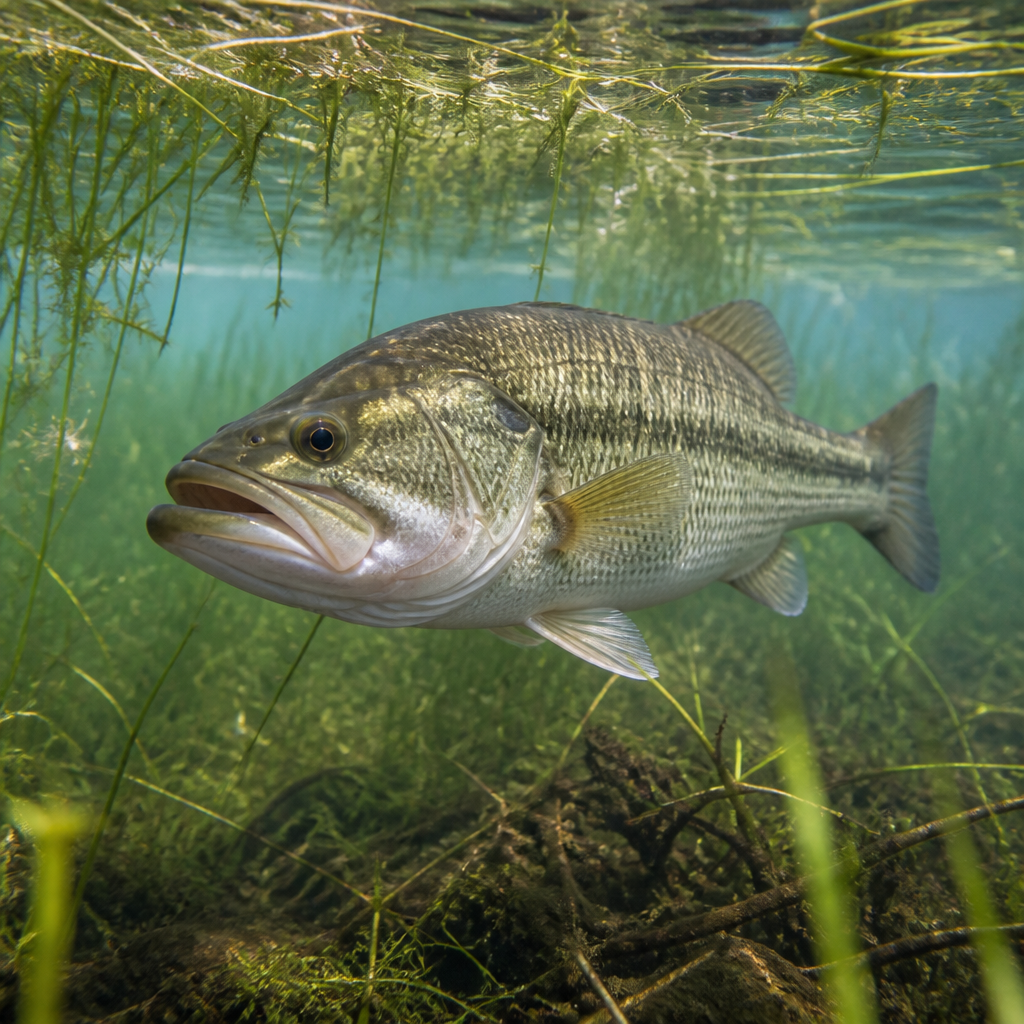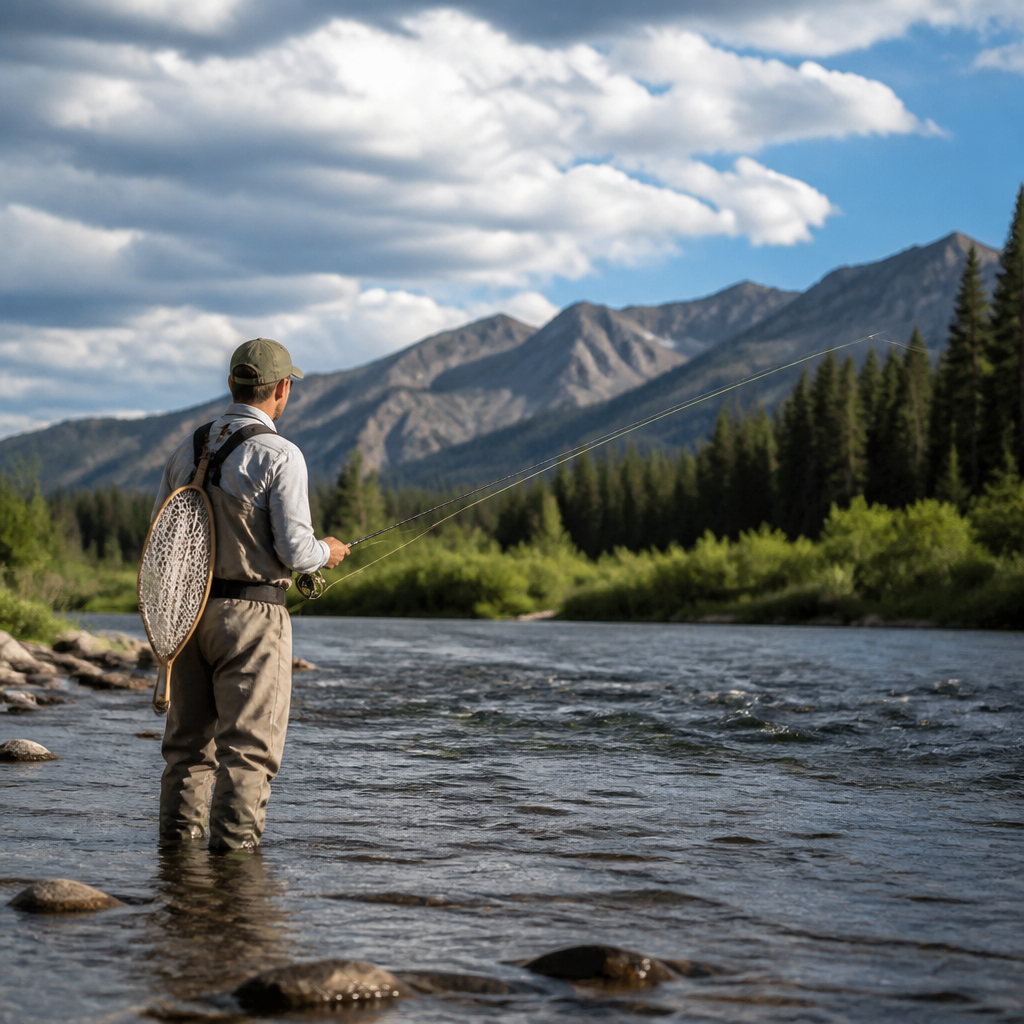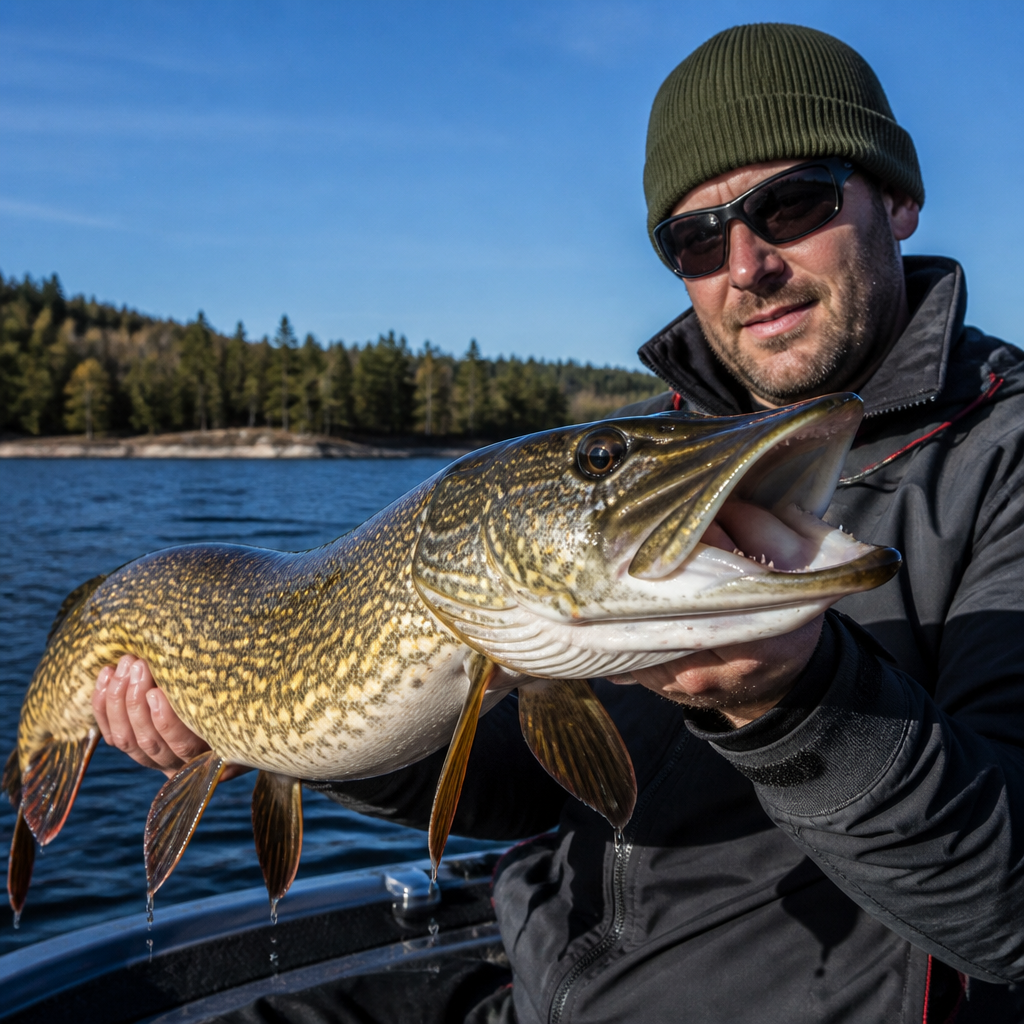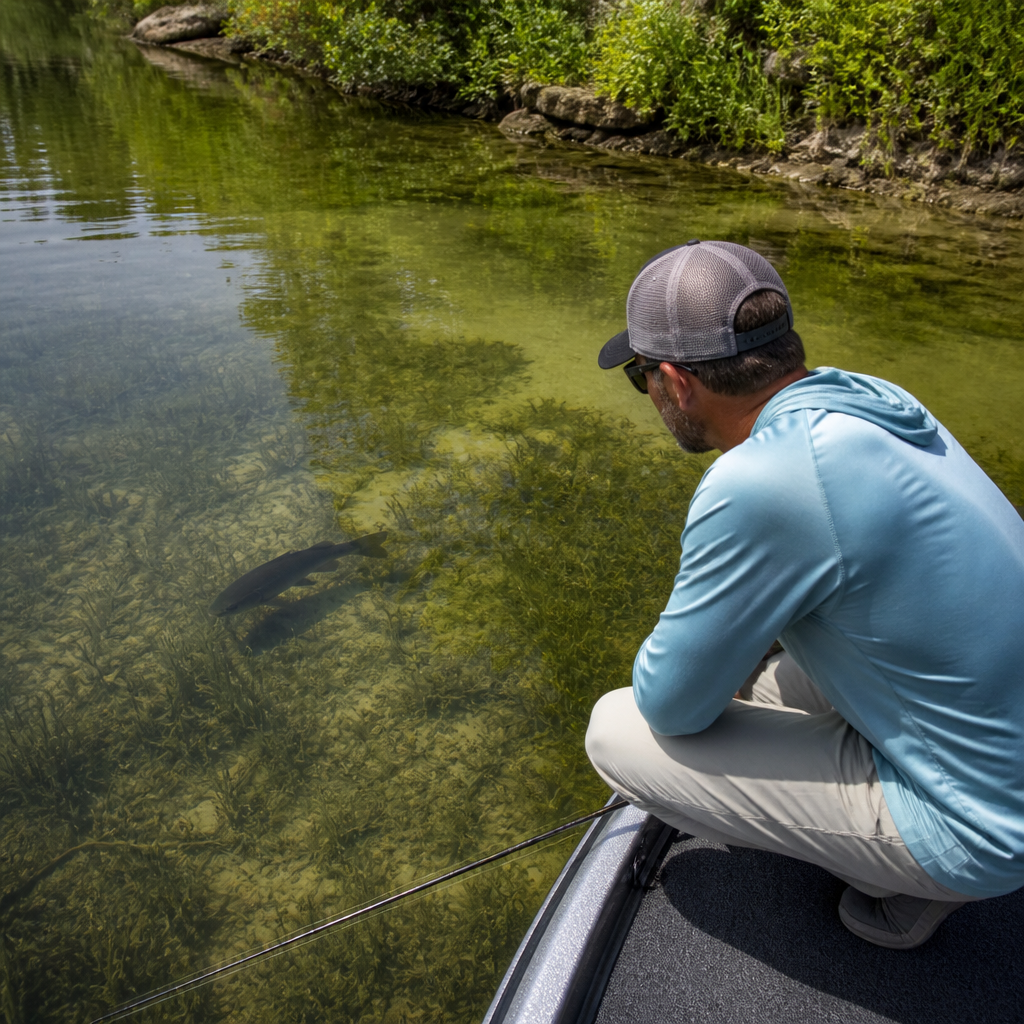
Sight fishing for bass is the most visual, precise, and mentally demanding form of bass angling, because you are not casting at a vague target on sonar or a likely piece of cover; you are casting to a fish you can actually see, read, and influence in real time. In practical terms, sight fishing means locating bass with your eyes in clear enough water, then using boat position, lure choice, and presentation to trigger a bite from an individual fish. Most anglers associate it with spring bedding fish, but the method also applies to cruising prespawn bass, postspawn fry guarders, fish suspended around shallow cover, and even smallmouth on flats in clear northern lakes.
I have spent enough days on bright spring water to know that success rarely comes from luck. It comes from noticing details: the angle of a fish on a bed, how often it circles, whether its fins flare, how it reacts to a lure entering the nest, and how your own shadow falls across the target. That is why sight fishing for bass matters. It compresses the learning curve of fish behavior. When you can watch a bass reject, inspect, nose down on, or finally inhale a bait, you learn more in one hour than in several blind-casting trips.
This technique matters strategically as well. In tournaments, sight fishing can produce high-value catches when conditions line up. For recreational anglers, it teaches stealth, casting accuracy, pattern recognition, and fish care. It also demands judgment. Water clarity, sunlight, wind, and spawning stage all affect what you can see and how fish react. In some fisheries, local regulations or seasonal ethics influence whether targeting bedding bass is appropriate. A serious angler should understand both the tactical upside and the biological context before committing to this approach.
As the hub for the broader sight fishing subtopic, this article covers the full system: when bass are visible, where to look, how to approach without spooking fish, which tackle makes the job easier, how to read body language, and what presentations consistently convert follows into hookups. If you want a direct answer, here it is: the best sight fishing for bass strategy is to locate fish under stable light and clear-water conditions, stay far enough away to remain unnoticed, identify whether the bass is cruising, guarding, or feeding, and then present a compact lure precisely in its strike zone until the fish either commits or proves it will not bite. Everything else is refinement.
When Sight Fishing Works Best
The ideal window for sight fishing for bass is clear water, manageable wind, and enough sunlight to penetrate the shallows without excessive surface glare. In most reservoirs and natural lakes, that combination peaks from late prespawn through postspawn, when largemouth move shallow and smallmouth occupy visible flats, pockets, and gravel areas. Water temperatures are a useful guide, though not a rigid rule. Largemouth commonly become sight-fishing targets in the upper 50s to upper 60s Fahrenheit, while smallmouth may stage and spawn slightly cooler depending on latitude.
Stable weather helps more than anglers admit. After a hard front, bass often become less aggressive and harder to trigger, even if they remain visible. A warming trend with light wind is usually best because fish settle into predictable positions and the water surface stays readable. Midday often outperforms early morning because the sun angle improves bottom visibility. Polarized glasses are essential, but glasses alone cannot overcome poor light. Amber, copper, and green-mirror lenses each have value; I generally prefer copper-based lenses for contrast on pale bottoms and green-mirror lenses under intense brightness.
Visibility is not just a matter of clarity. Bottom composition changes what you can detect. A dark fish over clean sand pops immediately, while a bass over patchy grass, wood, or rock becomes harder to separate from the background. Wind direction matters because a bank with the sun at your back may still be impossible to read if chop reflects glare directly into your eyes. Many experienced anglers rotate through protected pockets, canals, marinas, and spawning bays to keep favorable angles throughout the day.
Where to Look and How Bass Position
Most visible bass are not randomly scattered. They position where spawning, feeding, or protection makes sense. In spring reservoirs, start in protected pockets near spawning flats, the backs of coves, cuts behind secondary points, and hard-bottom stretches beside reeds, docks, laydowns, or isolated stumps. In natural lakes, look for sand patches in emerging vegetation, reed edges, dark-bottom depressions, and transitions where gravel meets sparse grass. Smallmouth often favor cleaner, firmer bottom than largemouth, especially around gravel and rock.
Bed fish usually select places with a defined edge: the inside turn of a dock slip, the shaded side of a stump, a gap in grass, or the protected side of a bush. The bed itself may look like a pale circle, a clean saucer, or simply a spot where bottom texture changes. Cruising fish are different. They move with purpose, often along reed lines, seawalls, or the first hard break entering a spawning pocket. A bass that repeatedly returns to one spot is often catchable because it is tied to territory, not just passing through.
One mistake I see often is anglers staring only at the bank. Many bass set up farther off than expected, especially on clear lakes. Scan from the shoreline out toward the first break, and look ahead of the boat instead of directly beside it. Elevated decks help, but so does kneeling to reduce silhouette when fish are shallow. Good electronics can support the search even in visual fishing. Side imaging and forward-facing sonar will not replace your eyes here, yet they help identify hard spots, isolated cover, and depth changes that concentrate fish before you ever spot them.
Stealth, Boat Position, and Reading Fish Mood
Sight fishing is often won before the first cast. A bass that knows you are there may stay visible but stop biting completely. Stealth starts with distance. In clear, calm water, thirty to fifty feet is often a safer starting range than most anglers think. Use the trolling motor at low constant power rather than abrupt bursts, and avoid banging hatches, dropping pliers, or shifting heavily on the deck. Hull slap on aluminum boats can ruin a shallow pocket in seconds.
Boat angle matters because your presentation should enter the fish’s personal space naturally. If the bass is on a bed, set up so your lure can stay in the sweet spot without dragging through limbs or crossing the fish from an unnatural direction each time. If the fish is cruising, position ahead of its route and let the bait arrive before the fish does. Casting past the fish and bringing the lure into view is usually less threatening than dropping it directly on its head.
Body language tells you whether to stay or leave. A fish that flares gills, tips down, fins harder, or repeatedly circles back is engaged. A fish that slides off and returns quickly may still be workable. A fish that leaves high, suspends loosely, or changes color darker and drifts away is usually stressed or aware of danger. Pay attention to the male and female roles around a bed. The smaller male is often easier to provoke, but the larger female may be the target. If she fades off into deeper water and never reappears, the angle, distance, or bait profile likely pressured her too much.
Tackle, Lures, and Core Presentations
The best sight fishing tackle balances precision, sensitivity, and fish control. For most largemouth applications, a 7-foot to 7-foot-3 medium-heavy fast-action casting rod with 15- to 20-pound fluorocarbon is the standard. Fluorocarbon sinks, resists abrasion around wood and dock posts, and stays less visible than braid in clear water. Around vegetation, many anglers prefer braid with a fluorocarbon leader, but pure braid can sometimes reduce bites on highly pressured fish. For finesse situations, especially with smallmouth, spinning gear with 8- to 12-pound leader material offers cleaner lure action and better line management.
Compact baits dominate because they stay in the strike zone and communicate clearly to the fish. A tube, creature bait, soft stickbait, Ned-style profile, compact jig, drop-shot, or small Texas-rigged craw all have a place. White is popular because it is easy for anglers to see, making line movement and bait disappearance obvious. Natural green pumpkin, goby, or bluegill tones can outperform white when fish are pressured or feeding rather than defending. Hooks should match the cover and fish size; stout enough for control, but not oversized enough to kill lure action.
| Situation | Best Lure Types | Why It Works |
|---|---|---|
| Bedding largemouth in cover | Texas-rigged creature bait, compact jig | Enters tight spots, stays put, triggers defensive bites |
| Open-bed smallmouth | Tube, drop-shot minnow, Ned rig | Subtle movement matches clear-water fish behavior |
| Cruising prespawn bass | Weightless stickbait, fluke, swimbait | Intercepts moving fish without overpowering them |
| Fry guarders after spawn | Wacky worm, minnow bait, small jig | Threatens fry zone and draws quick reaction strikes |
Presentation is everything. On beds, the highest-percentage approach is to place the bait inside the nest, then keep it there with subtle shakes, short drags, or dead pauses until the fish can no longer tolerate it. On cruisers, think interception rather than aggravation. Cast beyond the route, let the lure settle or glide naturally, and move it only enough to stay believable. For fry guarders, bringing the bait through the cloud of fry often causes the adult to charge immediately. If a fish only nudges or mouths the bait, wait until it actually moves off or line pressure confirms the take before setting the hook.
Common Mistakes, Ethics, and Building a System
The biggest mistake in sight fishing for bass is staying too long on the wrong fish. Some bass are catchable, some need a different angle or bait, and some are simply not worth the time. I usually give a fish a structured sequence: first presentation with a nonthreatening bait, second with a tighter target hold, third with a different profile or color, then a rest period if the fish remains interested but noncommittal. If the fish becomes less comfortable with each cast, leaving and returning later often works better than forcing the issue.
Another mistake is focusing only on visible fish while ignoring the broader pattern. The strongest sight fishermen use each visual encounter to refine a repeatable system. Are bass choosing north-bank pockets warmed by afternoon sun? Are they on sand beside wood, or gravel beside emergent grass? Is the better class of fish suspended near the bed before committing? Those answers become internal links in your on-the-water decision tree, guiding where to search next rather than trapping you on one stubborn target.
Ethics matter, especially during the spawn. Research from state agencies and university fisheries programs shows that repeatedly removing bedding bass can expose eggs or fry to predation from bluegill, perch, and other nest raiders. The effect varies by fishery, bass species, water temperature, and how quickly fish are landed and released. The practical standard is simple: fight fish efficiently, keep them in the water as much as possible, release them immediately near the capture site, and avoid excessive targeting when conditions or local pressure make recruitment vulnerable. Always check seasonal regulations, because some waters close spawning areas or restrict harvest to protect year classes.
To build a repeatable sight fishing system, track conditions after every trip. Note water temperature, clarity, cloud cover, wind speed, bank type, bottom composition, depth of first sightings, and the lure that produced. Over time, patterns become obvious. You will know which pockets warm first, which sun angles ruin visibility, and which fish moods are worth your time. That is the real advantage of sight fishing for bass: it turns fish behavior from guesswork into observed evidence.
Sight fishing for bass rewards anglers who combine patience with disciplined decision-making. The technique is not merely seeing a fish and casting at it. It is understanding how seasonal timing, water clarity, sunlight, bottom type, stealth, lure choice, and bass body language work together. When those pieces align, you can target individual fish with remarkable efficiency and learn more about bass behavior than almost any other method reveals.
The core takeaways are straightforward. Look during stable, bright conditions when bass are shallow and visible. Search high-percentage habitat such as protected pockets, hard-bottom spawning areas, grass openings, docks, and isolated cover. Keep your distance, manage boat angle carefully, and read the fish before changing baits. Use compact lures that stay in the strike zone, and match your presentation to whether the fish is bedding, cruising, or guarding fry. Just as important, know when to leave an unproductive fish and apply what you learned to the next area.
Used responsibly, sight fishing is both an effective bass-catching method and a powerful teaching tool. It sharpens casting accuracy, improves pattern recognition, and gives immediate feedback on every decision you make. If you want to build mastery within the broader Techniques and Strategies category, start treating each visible bass as a lesson. On your next trip, pick one clear-water area, slow down, watch closely, and practice the system outlined here until seeing fish turns into catching them.
Frequently Asked Questions
What is sight fishing for bass, and why is it considered so challenging?
Sight fishing for bass is the practice of locating individual bass visually and then making targeted presentations based on what that specific fish is doing in real time. Instead of casting blindly to offshore structure, submerged cover, or a sonar waypoint, you are watching the fish itself, reading its body language, and trying to provoke a response with precise lure placement and controlled movement. That is what makes sight fishing so unique. It combines observation, stealth, casting accuracy, lure selection, and patience in a way few other bass techniques do.
The challenge comes from the fact that seeing a bass does not mean catching it. In many cases, especially during the spawn, the fish is fully aware of your presence, your boat, your line, and the way your lure behaves in the water. A bass might slide off a bed, nose down on a bait without eating it, flare its fins, or circle an area repeatedly, all of which provide clues but not guarantees. Sight fishing becomes a mental game because every small adjustment matters. Boat angle, sun position, distance from the fish, lure color, bait size, and retrieve cadence can all determine whether the fish commits or refuses.
It is also challenging because conditions must cooperate. Clear water, manageable glare, good sunlight, and calm enough surface conditions all improve visibility. Wind, cloud cover, mud lines, and boat traffic can make even experienced anglers struggle to keep track of a fish. For that reason, successful sight fishing is not just about having sharp eyes. It is about managing conditions, interpreting fish behavior correctly, and staying disciplined enough to make high-percentage presentations instead of rushing the moment.
When is the best time of year to sight fish for bass?
Most anglers immediately think of spring, and for good reason. The prespawn and spawning periods are the most classic windows for sight fishing because bass move shallow, become easier to locate in clear water, and often hold in specific places for longer periods. Bedding fish are especially visible around hard-bottom pockets, protected flats, sandy stretches, and areas near spawning cover such as stumps, dock posts, grass clumps, or isolated wood. During this time, anglers can often identify individual fish and work them carefully with soft plastics, jigs, tubes, craws, and other bed-fishing baits.
That said, spring is not the only season for sight fishing. In clear lakes and reservoirs, summer can offer excellent opportunities to visually target cruising bass, fish positioned under shade lines, and bass relating to bluegill beds, shallow grass edges, docks, or isolated cover. Early morning and low-angle light can make fish stand out surprisingly well in shallow water, while midday sun can help reveal deeper fish when the water is calm and clear. In fall, bass may also be sight-fished around bait-rich shallows, especially in lakes where visibility remains high.
The best time of day is typically when the sun is high enough to improve underwater visibility but not so harsh that glare becomes overwhelming. Bright skies often help more than cloudy conditions, although too much wind can cancel that advantage by disturbing the surface. Ultimately, the best sight-fishing window is any period when bass are shallow enough to see, the water is clear enough to read them, and the light allows you to distinguish fish from bottom composition, vegetation, and cover.
What gear, lures, and boat positioning strategies work best for sight fishing bass?
Sight fishing demands equipment that supports precision. A quality pair of polarized sunglasses is non-negotiable because they reduce glare and help you separate fish from the surrounding environment. Many anglers prefer amber, copper, or bronze lenses in variable light, while gray lenses can excel in brighter conditions. On the water, a trolling motor with quiet, fine-speed control is extremely important because stealth and micro-adjustments are often more valuable than speed. A stable casting deck and elevated vantage point can also help you spot fish sooner and track their movements more effectively.
Rod and reel choices usually center around accuracy and control rather than long-distance bombing. Medium-heavy baitcasting setups are common for pitching soft plastics, jigs, and creature baits to bedding fish or shallow targets. Spinning gear also plays a major role, especially when lighter line, finesse presentations, or subtler lure action is needed. Line selection depends on cover and water clarity, but fluorocarbon is a favorite because of its lower visibility and sensitivity. In thicker cover, braid with a fluorocarbon leader or straight braid may be necessary, though stealth still matters greatly in clear water.
As for lures, soft plastics dominate because they can stay in the strike zone for a long time and can be manipulated with minimal forward movement. Tube baits, compact creature baits, stick worms, finesse worms, craw imitations, and small jigs are all proven sight-fishing choices. White or bright-colored baits are often used not because bass prefer them, but because the angler can see them clearly and detect when the bait disappears or is moved by the fish. Natural colors can also be effective, especially for spooky fish or non-bedding scenarios where a less intrusive look is better.
Boat positioning is one of the most overlooked factors. The goal is to stay far enough away that you do not alert the fish, but close enough to make accurate presentations and maintain visual contact. Approach slowly, use the sun to your advantage when possible, and avoid throwing shadows over the fish or target zone. If the fish is on a bed, casting past it and bringing the bait into the center often looks more natural and keeps your line from crossing directly over the fish too early. Small adjustments in angle can transform a fish’s reaction, so disciplined positioning is often what separates a quick catch from a prolonged standoff.
How do you read a bass’s behavior when sight fishing?
Reading fish behavior is at the heart of sight fishing. A visible bass is constantly communicating, but it does so through movement, posture, and proximity rather than obvious strikes. A relaxed fish may cruise slowly, hold its position calmly, or return repeatedly to a specific spot. A defensive fish, especially around a bed, may tilt downward, flare its fins, turn sharply toward the bait, or make quick movements to remove the lure from the area. A negative or pressured fish may slide away, suspend just outside the strike zone, or inspect the bait repeatedly without committing.
One of the most important distinctions is whether the fish is feeding, guarding, or merely present. A feeding fish often reacts more naturally to a moving bait and may eat on the first few presentations if your lure enters its line of travel correctly. A guarding fish may not be interested in eating at all, but it may still bite out of irritation or territorial instinct if the bait remains in the right place long enough. A fish that is simply passing through may not be worth investing much time in unless it shows clear signs of interest. Good sight anglers learn not to waste twenty minutes on a fish that never changes mood.
You also need to observe how the fish responds to specific changes. If it follows but never opens its mouth, you may need a different size, color, or fall rate. If it noses down but stops short, the bait may be too intrusive or your line may be spooking it. If it picks the bait up and immediately drops it, hook timing could be the issue. In many situations, the fish’s first reaction tells you more than the tenth cast. The key is to treat each response as information and make deliberate adjustments rather than repeating the same unproductive presentation over and over.
What are the most effective tips for actually getting a sighted bass to bite?
The most effective approach starts with stealth and patience. If you rush into position, make a noisy cast, or pressure the fish before you understand what it is doing, you often make the catch much harder than it needs to be. Stop at a distance where you can still see clearly, watch the bass for a minute or two, and identify whether it is locked onto a bed, cruising a lane, guarding fry, or using a piece of cover. That short observation period can save a lot of wasted casts because it tells you where the bait needs to enter and what kind of reaction you are trying to create.
Accuracy is critical. You are not simply trying to land near a fish. You are trying to place the bait in the exact part of the fish’s world that matters most, whether that is the center of a bed, the front edge of a cruising path, the dark spot under a dock float, or the protected side of a grass clump. Often, repeated precise presentations are far more effective than random lure changes. The best sight anglers keep the bait in the strike zone and move it just enough to annoy, tempt, or trigger the fish without pulling it away too quickly.
Lure adjustments should be purposeful. If the fish sees the bait but does not engage, try altering one variable at a time: color, profile, fall speed, or action. A smaller bait can look less threatening, while a brighter bait can help you monitor subtle takes. Sometimes a fish responds better to a bait that stays put; other times a slight shake, drag, or hop triggers an aggressive move. If a fish has seen several standard presentations, a compact jig, floating worm, or finesse plastic may generate a different reaction simply because it behaves differently in place.