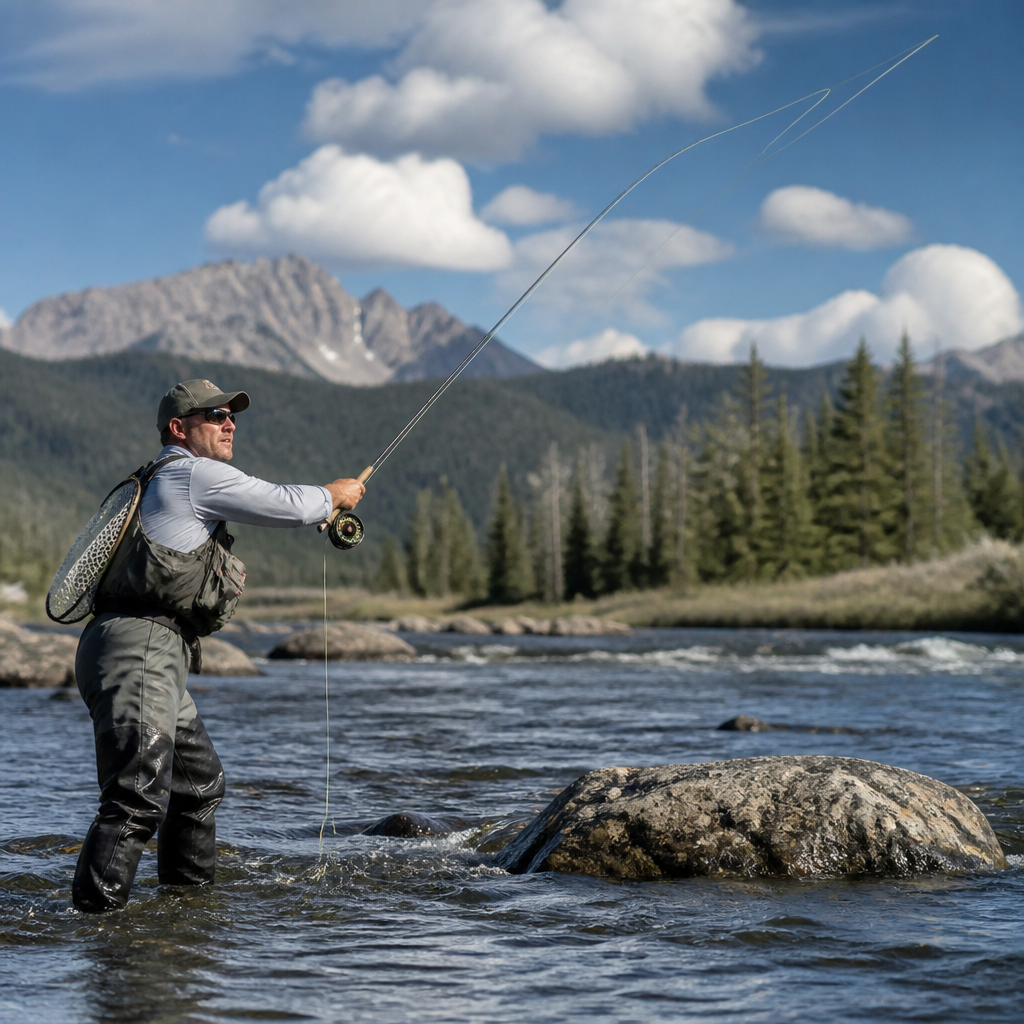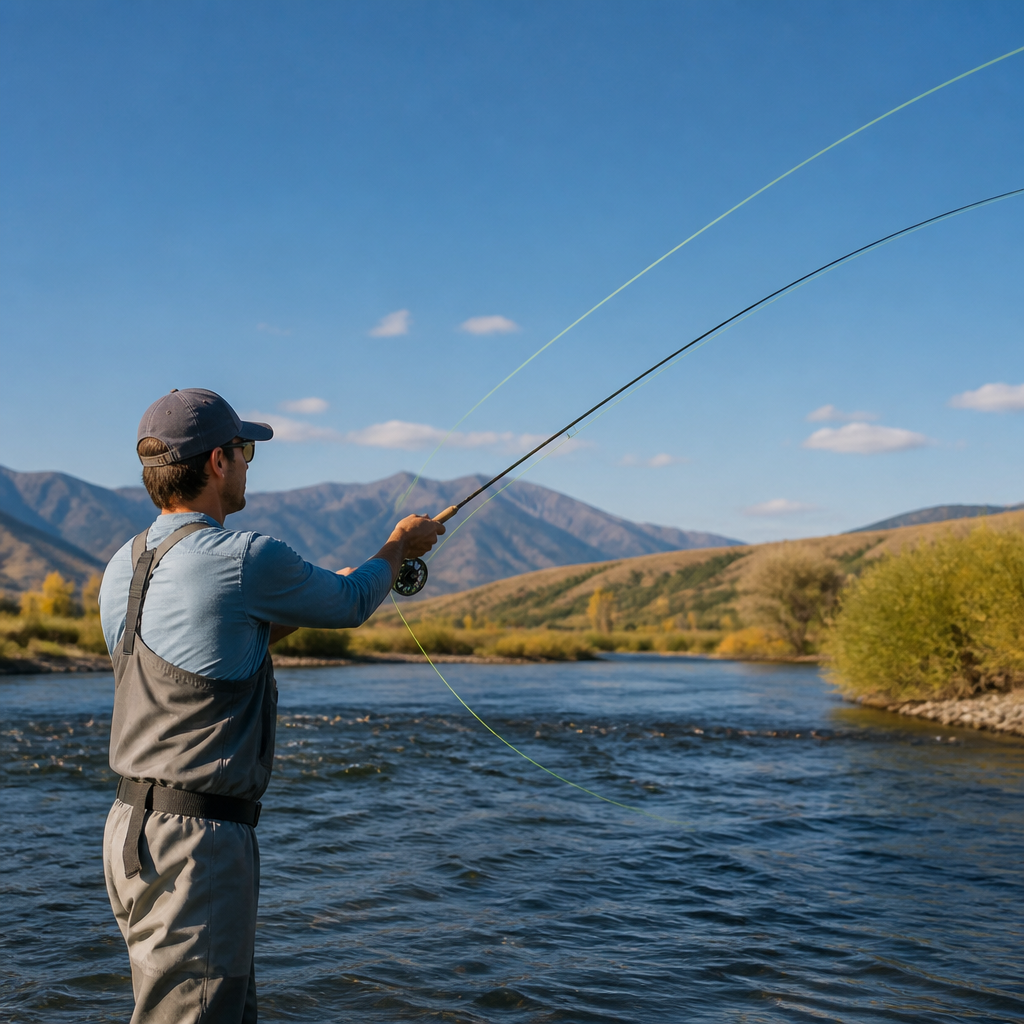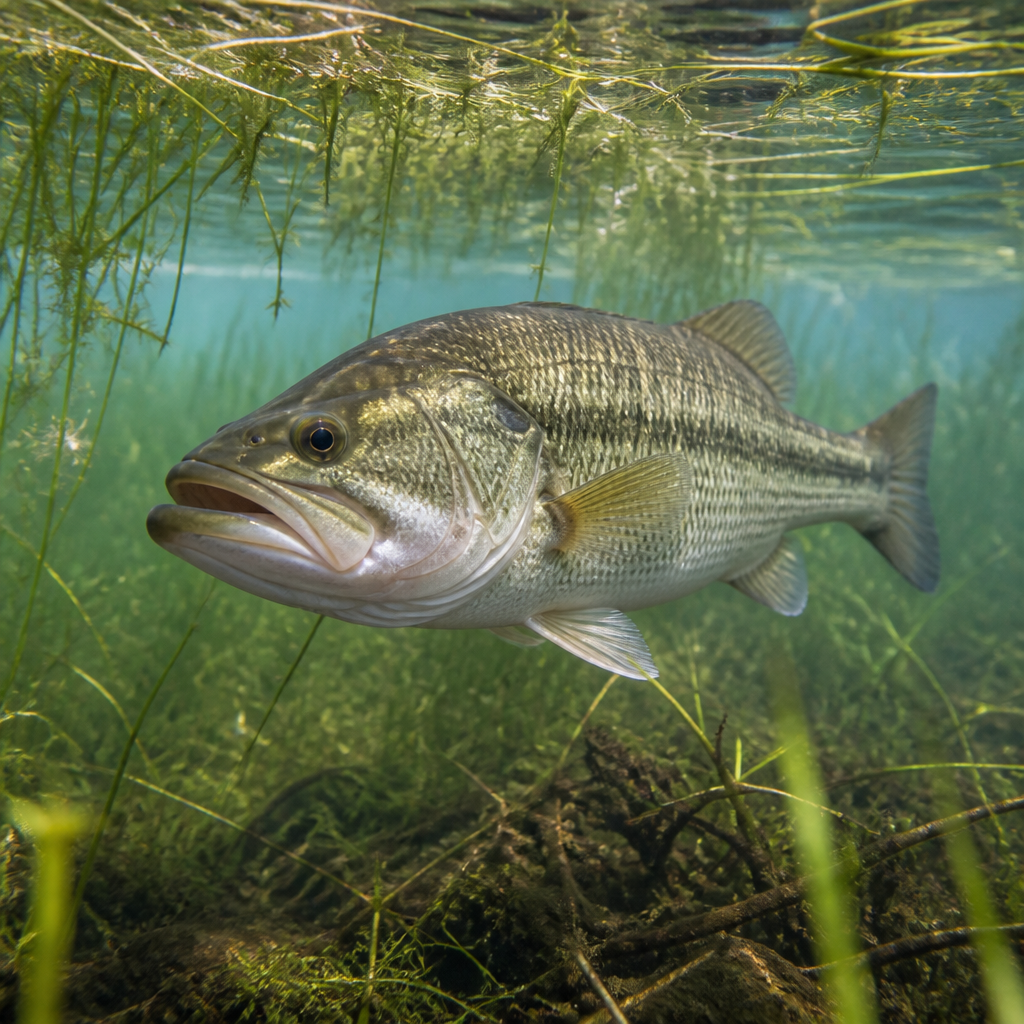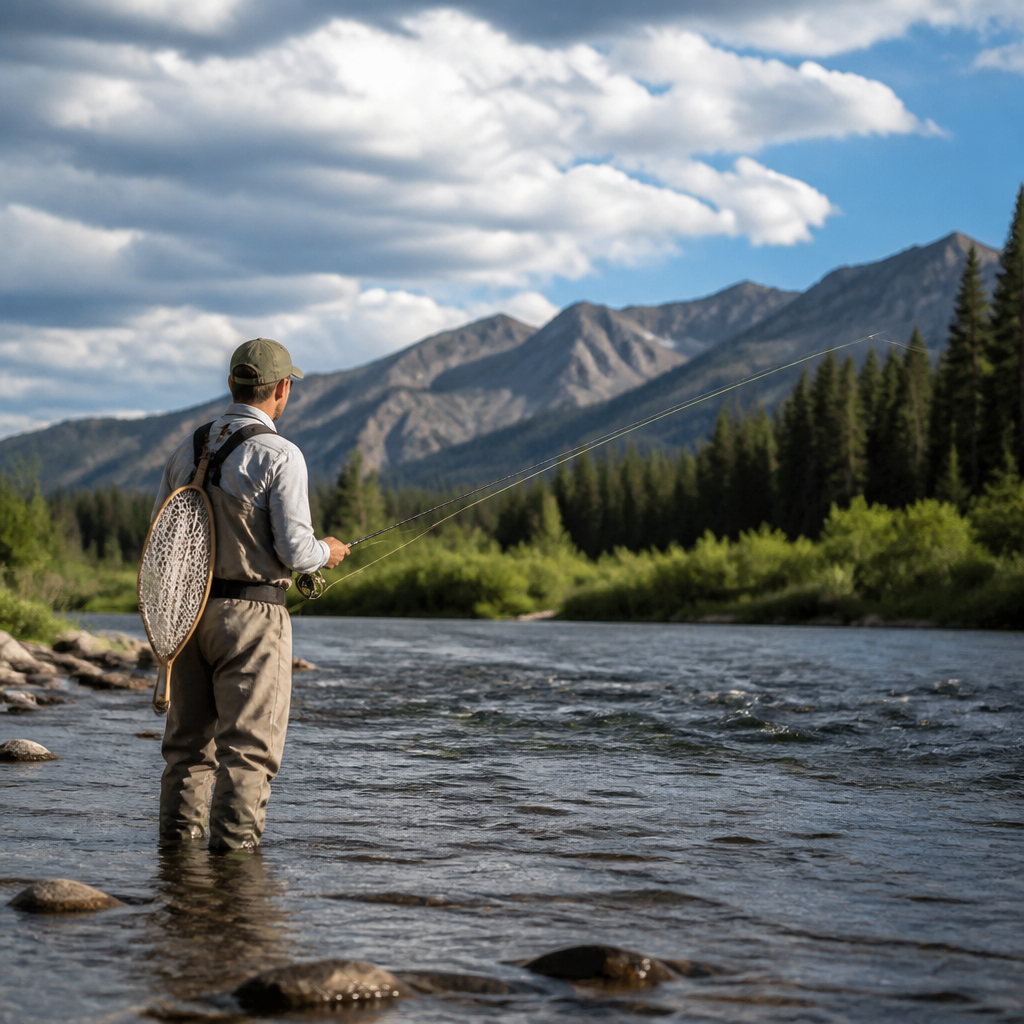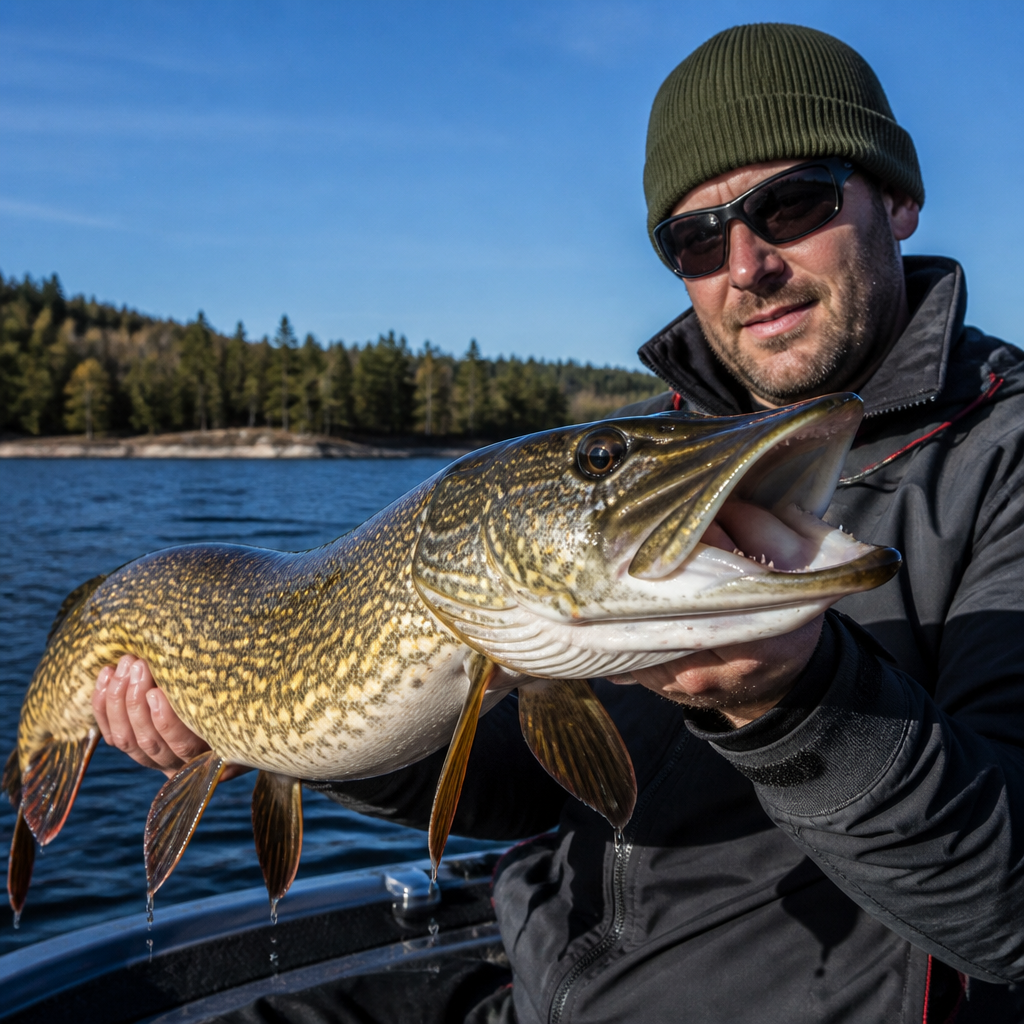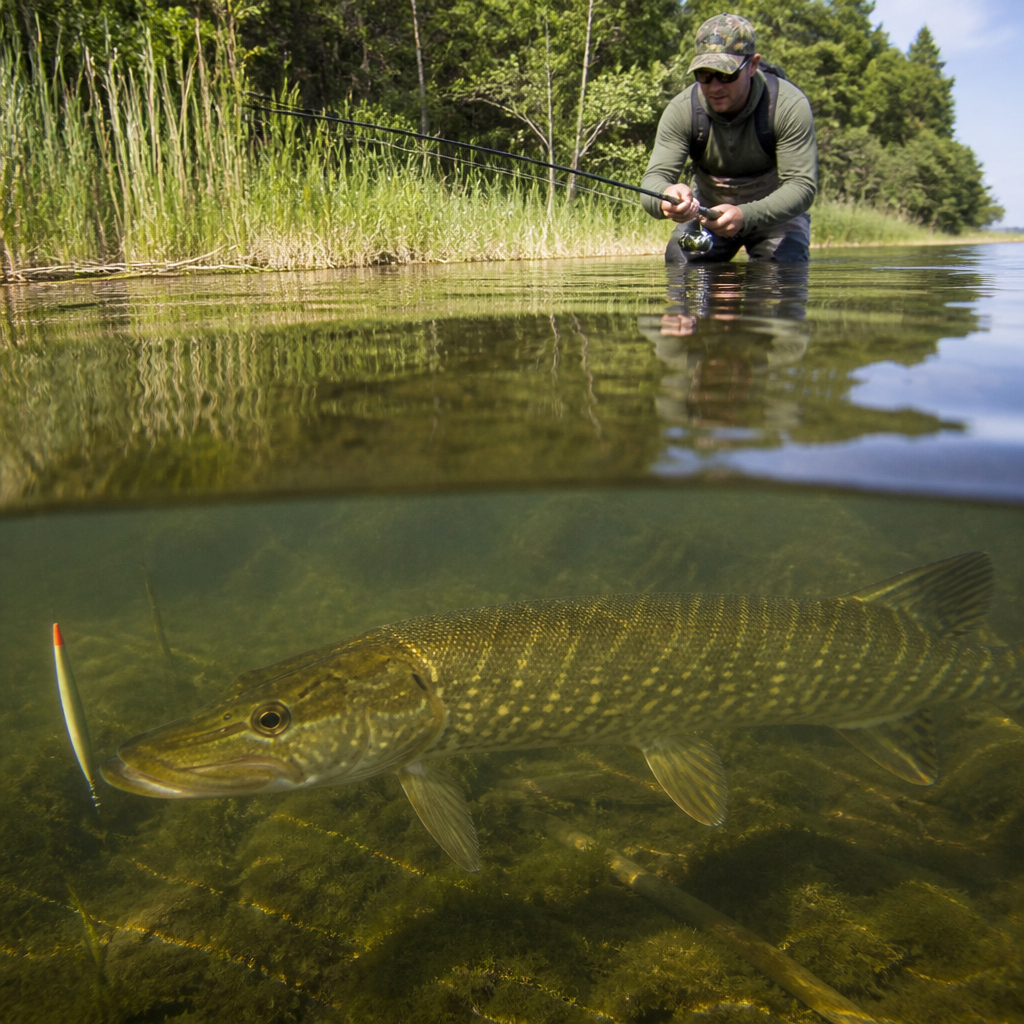
Sight fishing for pike is one of the most visual, tactical, and rewarding ways to target a top freshwater predator. Instead of blind casting structure and waiting for a strike, you actively locate a fish, read its posture, position the boat or your feet, and present a lure in a way that triggers an immediate response. In simple terms, sight fishing means you see the fish before, during, or just before the cast. For northern pike, that usually happens in shallow water, over emerging weeds, along reed edges, on warming flats, or around isolated cover where their long shape is easier to spot. The method matters because pike are both opportunistic and expressive. You can often tell whether a fish is neutral, curious, territorial, or ready to eat by how it tracks, flares, turns, or sinks away.
I have spent many spring and early summer days poling clear bays, scanning dark-bottom flats through polarized lenses, and adjusting lure angle by only a few feet to convert follows into committed strikes. Those experiences taught me that success in sight fishing for pike is less about random lure changes and more about visibility, timing, and control. Water clarity, sun angle, wind direction, and fish positioning dictate everything. A bright afternoon with a light crosswind can be perfect because the surface stays readable without becoming mirror-flat, while a cloudless midday over ultra-clear water may push larger fish tighter to cabbage edges or under shade. Understanding those variables turns a frustrating hunt into a repeatable system.
This guide serves as a hub for sight fishing within pike techniques and strategies. It covers where sight fishing works best, how to approach fish without spooking them, which rods, reels, leaders, and lures give the most control, and what to do once a pike has seen your bait. It also explains key terms anglers use constantly: a follow is when a pike tracks a lure without striking; a window is the short period when the fish is receptive; and a trigger is any speed, direction, pause, flash, or depth change that converts interest into commitment. Learn those ideas well and every clear-water encounter becomes easier to interpret.
Sight fishing matters beyond excitement because it sharpens every other pike skill. You learn how fish use cover, how they react to noise, how weather changes their mood, and how lure profile affects decision making. Those lessons improve casting efficiency even when you cannot see fish. Just as important, the visual nature of the method helps with responsible handling. When you spot a pike early, you can choose tackle that matches its size, plan the landing path, and avoid prolonged fights in warm water. For anglers building a complete pike playbook, sight fishing is not a niche tactic. It is a foundational strategy that teaches observation, precision, and fish behavior better than almost any other approach.
Where sight fishing for pike works best
The best sight fishing for pike happens where fish are shallow enough to see and stable enough to hold in predictable places. In most natural lakes, that means clear to moderately clear water with at least three to eight feet of visibility. Prime areas include spawning bays after ice-out, sand-and-weed transitions, reed lines, scattered cabbage, flooded grass, and dark-bottom pockets that warm faster than the main basin. Rivers and backwaters can also be excellent if current is mild and sediment is low. In many systems, pike move shallow first in spring, remain catchable around new vegetation through early summer, then become more situational as weed growth thickens and water temperatures climb.
Light conditions matter as much as location. Low sun in the morning or late afternoon often reveals fish shape and movement without punching glare straight back into your eyes. Polarized glasses are mandatory, but lens color should match the conditions. Copper and amber help define weeds and bottom changes in mixed light, while gray works well in bright sun. Wind is not automatically bad. A slight ripple breaks up your outline and makes fish less wary, but heavy chop reduces visibility and shortens the distance at which you can detect a pike. I prefer a manageable breeze that drifts the boat parallel to a weed edge, letting me cover water while still seeing gaps, points, and pale sand cuts where fish often stage.
Seasonal positioning is predictable enough to guide a full-day plan. In spring, start in the warmest north-facing bays, protected marsh mouths, and shallow flats near spawning habitat. As water warms, check outside reed edges, fresh cabbage growth, and the first break adjacent to the flat. On stable summer days, sight opportunities often come around isolated clumps, boat docks with clean water, and shade lines created by overhanging cover. In fall, clear shallow windows can still produce, especially on sunny afternoons when baitfish slide onto hard-bottom edges. The central principle is simple: if the area offers warmth, oxygen, ambush cover, and a travel lane, pike will use it.
Stealth, positioning, and reading fish behavior
Stealth is the difference between seeing pike and actually catching them. Northern pike tolerate more disturbance than some flats species, but shallow fish still react to shadow, hull slap, trolling motor cavitation, and badly timed casts. Keep the sun at an angle that helps you see ahead, not directly into the water beneath you. Use the wind to drift whenever possible, and rely on short bursts from a quiet trolling motor rather than constant correction. In skinny water, a push pole or careful wading can be better than electric propulsion. The goal is to approach with enough distance to make an accurate cast without crossing the fish’s field of awareness.
Once you locate a pike, study it before casting. A stationary fish angled slightly upward near weeds is often hunt-ready. A fish pinned to bottom with fins still may be neutral but catchable with a slow, precise presentation. A fish cruising steadily along an edge usually prefers an intercept cast that lands ahead and past its line of travel. If a pike flares its gills, tips toward the lure, or accelerates, maintain cadence and prepare for a boatside figure eight or directional change. If it follows lazily and drifts off, the presentation likely lacked either speed contrast or a clean escape angle. I have watched many follows convert only after the lure turned away from the fish instead of toward it.
Boat angle influences fish response. Casting parallel to reed lines keeps the lure in the strike zone longer. Casting across a pocket can pull the bait naturally from open water into cover, imitating prey seeking refuge. Long casts matter, but accurate placement matters more. Dropping a lure a foot beyond the pike and bringing it through its lateral line is usually better than landing too close and spooking it. Keep your body movement quiet, communicate with partners before the shot, and decide who has the first cast. Chaos at the moment of discovery wastes the best chance.
| Situation | Best cast angle | Recommended lure style | Trigger move |
|---|---|---|---|
| Pike holding in sparse cabbage | Past the fish, retrieved across its nose | Suspending jerkbait or soft swimbait | Pause, then sharp twitch away |
| Cruising reed edge | Intercept cast ahead of path | Spinnerbait or glide bait | Speed up as fish closes |
| Fish over dark-bottom flat | Long cast beyond fish with subtle entry | Weightless soft bait | Slow pull, brief stall |
| Follower near boat | Continue into wide turn beside boat | Bucktail, swimbait, or jerkbait | Large figure eight with depth change |
Essential sight fishing gear for pike
The ideal gear balances casting precision, lure control, hook-setting power, and safe landing. For most sight fishing applications, I use a 7-foot-6 to 8-foot medium-heavy or heavy fast-action rod. That length improves line control on long casts and gives room for boatside maneuvers, especially with bucktails, spinnerbaits, and glide baits. A low-profile or round baitcasting reel with a strong drag and high line pickup rate is preferable because pike often charge the lure after seeing it. Gear ratios in the 7:1 range are versatile, though slower reels can help with larger blades. Spool with 40- to 65-pound braid for zero-stretch response and cutting power through sparse vegetation.
Leaders are not optional. Pike teeth shear light fluorocarbon and quickly rough up thin wire. For most clear-water sight scenarios, use a 30- to 50-pound fluorocarbon leader when lure action is critical and fish are not excessively large, or a knotable titanium or single-strand wire leader when absolute bite protection matters more than stealth. Titanium has a major advantage over standard wire because it resists kinking after repeated fish. Leader length of 12 to 18 inches is a practical minimum. Pair that terminal setup with premium snaps, not bargain hardware. Weak snaps fail on hard surges and repeated casting with heavy baits.
Polarized eyewear is as important as your rod. Costa, Smith, Oakley, and Wiley X all offer fishing-specific lenses with strong glare reduction, but the key is fit and lens color, not logo. A dark under-brim hat cuts reflected light from above, and a buff or face covering can reduce flash from your skin. For landing gear, carry a large coated net, long-nose pliers, hook cutters, jaw spreaders only if you know how to use them carefully, and a bump board for fast measurement. Sight fishing often targets shallow fish in warmer water, so efficient unhooking is part of the system, not an afterthought.
Lure selection and presentation techniques
The best sight fishing lures for pike are those you can place accurately, keep in view, and manipulate with clear changes in speed or direction. Suspending jerkbaits are elite tools because they stay in the fish’s face and let you pause precisely. Soft swimbaits rigged weedless or on lightly weighted hooks excel over grass and in potholes where subtle movement looks natural. Spinnerbaits remain underrated for shallow pike because they come through cover cleanly, flash without excessive speed, and can be bulged high in the water column. On calm days in very skinny water, weightless soft jerkbaits and flukes can produce when louder baits push fish away.
Color selection should match visibility before fashion. In clear water, natural baitfish tones, perch patterns, white, olive, and translucent finishes are reliable. In stained but still sightable water, chartreuse accents, firetiger, and black can improve contrast. More important than color is silhouette. A pike tracking from below often commits based on profile and escape behavior. That is why glide baits and minnow-style soft plastics are so effective: they show a broad side, then break direction like a wounded prey fish. If a pike follows but stalls, change cadence first. A brief acceleration, a sharp quarter turn, or a controlled pause will outproduce random color swapping most days.
Hooks should match your intended release quality. Oversized trebles can pin fish effectively but are slower to remove, especially in shallow warm conditions. Single-hook spinnerbaits, swimbaits, and certain soft-plastic rigs reduce tangles and speed handling. Whatever lure you choose, commit to boatside technique. Many pike follow to inspect, then strike on a figure eight or wide oval beside the boat. Keep the lure moving, bury the rod tip, and make large smooth turns. Tight, panicked circles kill action. The wider and deeper the path, the better the fish can stay engaged. This single adjustment has converted more failed follows for me than any other lure change.
Common mistakes, conditions, and a practical system
The most common sight fishing mistakes for pike are approaching too closely, casting directly on top of the fish, retrieving too fast too soon, and failing to plan the next move after a follow. Another mistake is forcing the pattern after conditions deteriorate. If glare becomes unmanageable, wind muddies the flat, or boat traffic pushes fish off the edge, transition to blind casting nearby travel lanes rather than insisting on visual shots. Water temperature also matters. Pike tolerate cool shallows well, but during hot periods, prolonged fights and repeated harassment of shallow fish are counterproductive. Early mornings, fresh wind, and nearby deeper water improve both catch odds and fish care.
A practical system keeps decisions simple. First, identify the clearest, warmest, fishable water with visible cover. Second, position for maximum visibility and minimum disturbance. Third, scan before casting, and only shoot at fish when you can place the lure with purpose. Fourth, let the fish’s body language dictate retrieve speed. Fifth, always prepare a secondary trigger, usually a pause, acceleration, or boatside direction change. Finally, after a refusal, mark the fish mentally and return later with a different angle or quieter lure. Pike often reset, especially if they were interested but not alarmed. That repeatability is what makes sight fishing such a strong hub tactic within broader pike strategies.
Sight fishing for pike rewards anglers who think like hunters and handle fish like professionals. It combines water reading, stealth, gear selection, accurate casting, and real-time interpretation of fish behavior into one highly teachable method. When you understand where pike position, how light and wind affect visibility, and which lures allow precise triggers, your success rate climbs quickly. Just as valuable, the lessons transfer to every other pike presentation, from weedline casting to cold-front adjustments. Start with clear shallow water, good polarized glasses, a precise rod-and-leader setup, and a small set of controllable lures. Then practice spotting, observing, and reacting. The more fish you watch, the more strikes you will create. Use this guide as your starting point, then build your own sight fishing system on the water.
Frequently Asked Questions
What is sight fishing for pike, and how is it different from regular pike fishing?
Sight fishing for pike means you are targeting fish that you can actually see, rather than casting blindly to likely habitat and hoping one is there. In practice, that usually means scanning shallow flats, weed edges, pockets in emerging vegetation, reed lines, sandy openings, and warm back bays until you spot a fish or detect a clear visual cue such as a shadow, wake, or movement in the weeds. Once you locate the pike, the entire approach becomes more tactical. You are no longer simply covering water; you are reading the fish’s position, body language, angle, and willingness to move.
That is the biggest difference from standard pike fishing. With conventional fishing, success often comes from finding productive structure and making repeated casts with reaction baits, swimbaits, spoons, or jerkbaits until a fish commits. With sight fishing, every cast has a purpose. You are choosing the exact angle, speed, lure profile, and landing spot based on one visible fish. If the pike is holding still and facing into the wind, you may want a subtle presentation that enters quietly and travels across its field of view. If it is cruising and alert, you may need to lead it with a moving bait that looks like escaping prey.
Sight fishing is also more visual and immediate than most other forms of pike angling. You get to watch the fish react in real time, which teaches you a great deal about how pike behave. A fish that flares its fins, tracks behind the lure, slides sideways, or suddenly accelerates is giving you information that you can use on the next cast. That feedback loop is why many anglers consider sight fishing one of the most rewarding ways to chase northern pike. It combines hunting, casting precision, stealth, and fish behavior in a way that few other freshwater techniques can match.
When and where are the best conditions for sight fishing for northern pike?
The best sight-fishing conditions usually happen when pike move shallow and visibility is good enough for you to pick them out before they detect you. In many regions, that means spring through early summer, especially after the spawn, when fish often use warming bays, flooded vegetation, emerging cabbage, reeds, and shoreline flats. Early fall can also be excellent in clear systems where pike continue to use shallow cover during low-light windows. Water clarity is critical. Clean, lightly stained, or clear water makes the technique much more effective, while heavy stain, algae bloom, or surface chop can limit how well you can see.
Light conditions matter just as much as season. Bright but not overly harsh light is often ideal because it helps reveal fish shape, movement, and contrast against weeds or bottom composition. Polarized sunglasses are essential because they cut glare and let you look into the water column rather than at the reflection on the surface. Wind is a mixed factor. A light breeze can position fish and add surface texture that makes your presence less obvious, but too much wind creates ripple, reduces visibility, and makes accurate presentations harder. Calm mornings and controlled drifts on protected flats are often excellent opportunities.
As for location, focus on places where pike can ambush prey in shallow water without fully exposing themselves. Emerging weed beds, holes in vegetation, isolated clumps of grass, inside weed lines, reed edges, sandy lanes through cabbage, and dark-bottom warming areas are all high-percentage zones. In rivers or flowages, look for slow backwaters, current breaks, and flooded shoreline cover. In lakes, broad flats adjacent to deeper water are especially valuable because pike can slide up to feed and then retreat quickly. The best sight-fishing water is shallow enough for you to spot fish, structured enough to hold them, and calm enough that you can approach without blowing the opportunity.
What gear works best for sight fishing for pike?
The ideal sight-fishing setup for pike needs to balance casting precision, lure control, fish-fighting power, and protection against sharp teeth. A medium-heavy to heavy rod is the standard starting point, usually in the 7-foot to 7-foot-6 range. That gives you enough backbone to drive hooks home and steer a strong fish away from weeds, but still enough tip to cast accurately at short to medium range. Fast-action rods are especially useful because they allow quick, controlled presentations and solid hooksets when a fish eats beside the boat or close to shore.
For line, braided main line is the most practical choice in most situations because it offers sensitivity, strength, and clean hook penetration. Something in the 30- to 50-pound class is common for pike, depending on lure size and cover density. Because pike have abrasive mouths and razor-sharp teeth, you should always use a leader. Wire leaders remain the most bite-proof option, especially with aggressive fish and hard baits, while modern heavy fluorocarbon leaders are popular when anglers want a slightly subtler presentation with swimbaits, soft plastics, or jerkbaits. The key is using a leader strong enough to prevent bite-offs without making the lure behave unnaturally.
Lure selection should be built around visibility, control, and the mood of the fish. Suspending jerkbaits are excellent because you can twitch them into the strike zone and pause them in front of a fish. Soft swimbaits and paddletails are effective when pike are cruising and willing to track. Spinnerbaits and chatter-style baits can be outstanding over weeds because they come through cover well and trigger reaction strikes. Spoons still have a place, especially in sparse vegetation or when you need flash to get noticed. For ultra-shallow fish, weightless soft plastics, glide baits, and even topwaters can be deadly. Just as important as the lure itself are polarized sunglasses, quiet footwear, a quality landing net, long pliers, hook cutters, and fish-safe handling tools. Sight fishing often creates boatside chaos, and being prepared helps protect both the fish and the angler.
How should you approach and present a lure to a visible pike without spooking it?
Stealth is everything when sight fishing for pike. These fish are predators, but in shallow water they are also highly aware of pressure, vibration, shadows, and abrupt movement. Whether you are wading, fishing from shore, or working from a boat, the first priority is to spot the fish before it spots you. Move slowly, keep your profile low, avoid banging around in the boat, and use the wind and sun to your advantage. In a boat, a push pole, trolling motor on low power, or controlled drift is far better than charging directly into a flat. From shore, use available cover and avoid standing right on the edge if the water is clear and shallow.
Once you see a pike, resist the urge to fire a cast immediately on top of it. The best presentations usually land beyond the fish or off to one side, then travel naturally through its strike window. The exact angle depends on the fish’s orientation. If it is facing left, for example, you generally want the lure to cross in front of its face or move away from it like vulnerable prey. Dropping a lure directly on its head often spooks it, especially under bright, calm conditions. The goal is to make the fish notice the lure without making it feel threatened.
Retrieve speed should match the fish’s mood. An active pike may respond instantly to a brisk moving bait, especially if it looks like prey trying to escape. A neutral fish often needs a pause, stall, twitch, or directional change to commit. Jerkbaits excel here because they let you pulse the lure in place and force the fish to make a decision. Watch the pike’s body language closely. If it starts following but hangs back, a sudden pause or speed-up can trigger the strike. If it turns away, the presentation may have been too aggressive, too close, or from the wrong angle. One of the great lessons in sight fishing is that you can adjust based on direct visual feedback. Often, a small change in landing distance, retrieve cadence, or lure size is all it takes to convert a look into an eat.
What are the biggest mistakes anglers make when sight fishing for pike?
The most common mistake is moving too fast. Many anglers enter good-looking shallow water and begin casting before they have truly looked it over. Sight fishing rewards patience. Pike can blend into weeds, dark bottom, and shoreline shade incredibly well, so taking time to scan carefully often reveals fish that would otherwise go unnoticed. Rushing also leads to poor boat positioning, sloppy casts, and unnecessary noise, all of which reduce your odds before the lure ever hits the water.
Another major mistake is making the first cast the wrong cast. Because sight fishing is so visual and exciting, anglers often react emotionally and throw directly at the fish. That can work with highly aggressive pike, but more often it results in a blown opportunity. A loud splash, a lure landing too close, or a retrieve that comes from the wrong direction can send the fish sliding off into cover. It is usually smarter to pause, study the fish, and plan a presentation that enters the zone naturally. Precision matters more than speed.
Using the wrong tackle is also a recurring problem. Gear that is too light can make it