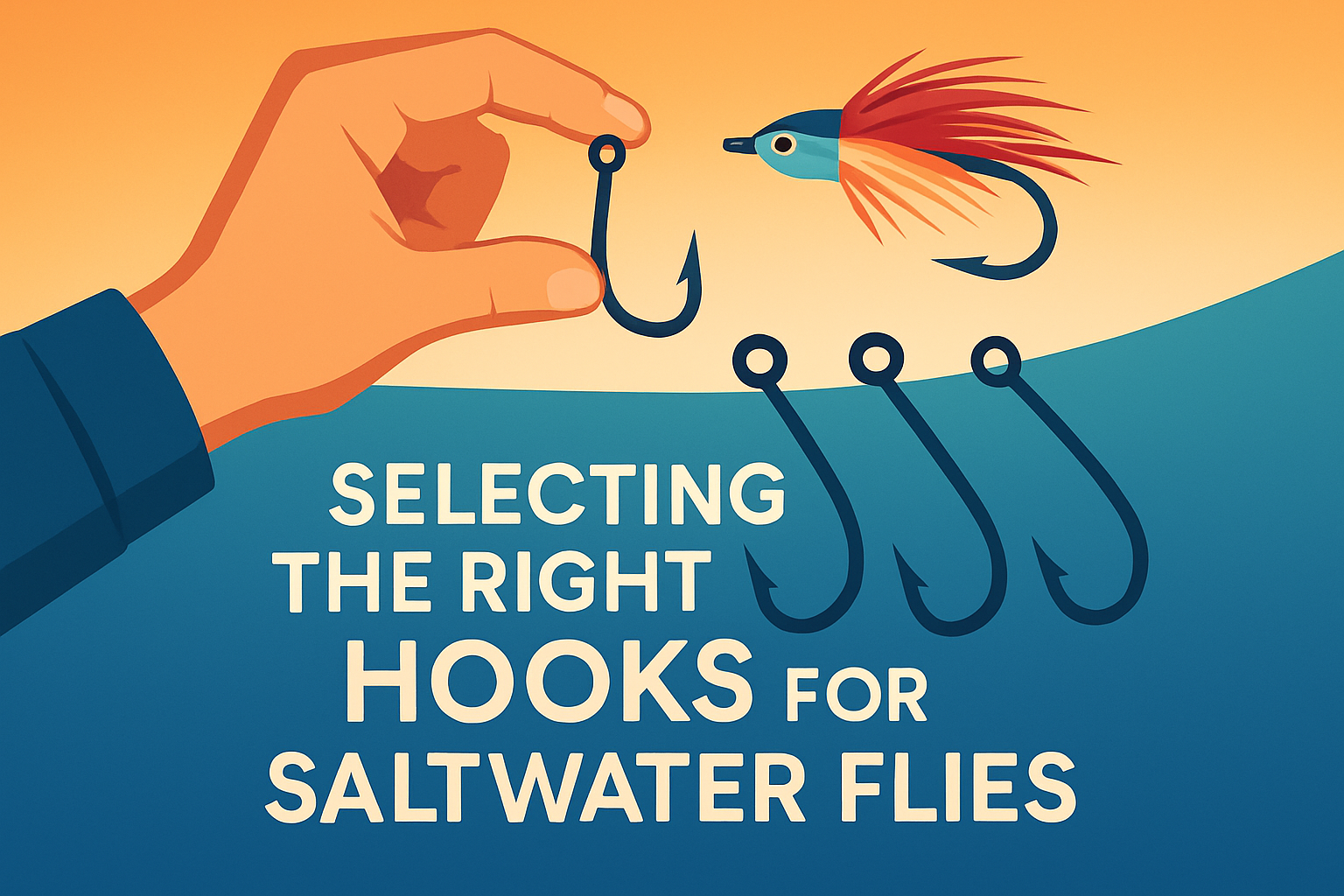
Fly fishing is an age-old pastime that has captured the hearts and minds of anglers around the world. This form of fishing relies on a combination of skill, patience, and precision to lure fish using artificial flies. While freshwater fly fishing is popular, an increasing number of anglers are drawn to the challenge and excitement of saltwater fly fishing. Selecting the right hooks for saltwater flies is an essential aspect of this sport, as it can drastically influence your success. In this article, we delve into the intricacies of hook selection, define key terminology, and explain why choosing the correct hooks matters profoundly.
Hooks are the fundamental interface between the fly and the fish, making it imperative to choose the appropriate hook for the intended target species and fishing conditions. Proper hook selection ensures that your fly presents naturally, increases the chance of hooking the fish effectively, and reduces the likelihood of losing your catch. Understanding terms like hook size, gauge, and gape is crucial for making informed choices. Hook size refers to the overall dimensions of the hook, while gauge indicates the thickness of the wire. Gape is the distance between the hook’s point and shank, playing a critical role in hook penetration and holding power.
Some anglers may wonder why painstakingly selecting hooks is important. Saltwater environments are diverse, harboring a wide range of fish species with different mouth sizes, fighting behavior, and habitat types. Saltwater fish tend to be larger and exhibit stronger fighting abilities than their freshwater counterparts, requiring robust and well-suited hooks. By understanding the intricacies of hook selection, anglers can enhance their chances of successful captures, enriching their overall saltwater fly-fishing experience.
Understanding Hook Composition and Material
When selecting hooks for saltwater flies, one of the first considerations should be the material from which the hook is constructed. Hooks are generally made from two primary materials: high-carbon steel and stainless steel. Each has its advantages and disadvantages that can affect an angler’s performance and outcomes.
High-carbon steel hooks are known for being exceptionally strong and lightweight, making them ideal for situations where stealth and finesse are required. However, their susceptibility to rust in saltwater conditions demands they be coated or tinned when used in such environments. An example of high-carbon steel hooks would be those used for tying bonefish flies where stealth is imperative in shallow flats.
On the other hand, stainless steel hooks offer superior corrosion resistance, making them a popular choice for saltwater applications. They are particularly useful in harsh marine environments and do not require extra coating. However, stainless steel hooks are often heavier, which might not be suitable for every fly pattern or presentation style. Consider using such hooks when targeting powerful saltwater species like tarpon, where strength and durability are prioritized over finesse.
The Significance of Hook Size and Shape
Choosing the right hook size is paramount to your success in saltwater fly fishing. Hook size is represented by a numerical system, with sizes decreasing as the numbers increase. In other words, a size 2 hook is larger than a size 10 hook. The correct hook size is determined by the target species and the type of fly being used.
For example, if targeting smaller inshore species such as snook or redfish, smaller hook sizes ranging from 1/0 to 3 are usually adequate. Conversely, larger species like tarpon or permit often require hook sizes from 3/0 upwards. The ideal size enables proper fly action and increases the probability of a successful hook set based on the fish’s mouth structure.
Beyond size, the shape of the hook also plays a crucial role. The shape includes the height of the bend, the gap width, and the shank length. J-shaped hooks and circle hooks are popular among saltwater fly fishermen, each serving different purposes. Circle hooks, known for their self-setting feature, are particularly common where reducing bycatch and ensuring sustainable fishing practices are priorities. A real-world scenario of this would be catching and releasing sea bass without injuring them, using circle hooks to minimize hook trauma.
Hook Styles and Configuration
In saltwater fly fishing, understanding different hook styles and their configurations is necessary for customizing your flies according to specific fishing scenarios or individual preferences. Dry fly hooks, wet fly hooks, and streamer hooks are common styles used in fly fishing, each suggesting different uses and advantages.
Dry fly hooks typically have a narrow gape and light wire. They’re mainly used for flies that imitate insects on the surface film of the water. Wet fly hooks, built from heavier wire with wider gapes, are utilized for subsurface patterns that mimic swimming or drifting insects.
In contrast, streamer hooks are versatile and designed for larger, more durable patterns. They’re ideal for imitating larger baitfish that might be preyed upon by saltwater fish like striped bass or bluefish. When an angler is looking to target such aggressive feeders, streamer hooks featuring long shanks and wide gapes often present the most effective solution.
| Hook Style | Characteristics | Common Use |
|---|---|---|
| Dry Fly Hook | Narrow Gape, Light Wire | Surface Patterns |
| Wet Fly Hook | Heavier Wire, Wider Gape | Subsurface Patterns |
| Streamer Hook | Long Shank, Wide Gape | Baitfish Imitations |
The Importance of Hook Finish and Color
The finish and color of hooks may not be the first consideration for new anglers, but seasoned fishermen understand their importance. Hook finish impacts the hook’s resistance to corrosion, as well as influencing its subtlety in water. Traditional finishes like bronze or black nickel are often used for their anti-corrosion properties and non-reflective appearance in the water.
Building on this, the color of a hook should be chosen based on local water conditions and fish species. For instance, areas with clear water often necessitate the use of dark or neutral-colored hooks to avoid spooking the fish. An example of this would be fishing for bonefish on clear flats, where a bronze or dark hook would be less noticeable. In murky water environments, brighter finishes like silver or gold might be used to increase the fly’s visibility and attractiveness, attracting species such as sea trout.
Making Informed Choices through Field Testing
There is no substitute for experience when it comes to making informed hook selections for saltwater fly fishing. Prolonged experimentation and exposure to various conditions enable anglers to refine their choices. Engaging in field tests—trying different hooks under different conditions and on different species—sharpens instincts.
A real-world example is using different hook types while targeting bonefish at Andros Island’s renowned flats. Experimenting with hook shapes and sizes can reveal which hooks provide the best balance of stealth, strength, and hooking efficiency. These learnings cannot be replaced by reading alone but should complement on-the-ground experiences, offering a holistic approach to enriching one’s angling skills.
Conclusion: Mastering the Art of Hook Selection
In conclusion, choosing the right hooks for saltwater flies is not just an exercise in preference but a strategic component that profoundly impacts your fly-fishing success. The right hook offers better fly presentation, optimal hooking, and improved landing rates while respecting the target species and environment. By understanding the nuances of hook composition, size, shape, style, and finish, you equip yourself with the knowledge required to make informed choices.
Remember to consider your target species, local conditions, and fishing methods when selecting hooks, continually experimenting and refining your approach through field testing. Embrace the learning journey and recognize that mastering hook selection takes time and practice, but leads to rewarding fishing experiences. As you head out for your next saltwater fly fishing adventure, revisit your hook options and make adjustments to achieve enhanced results. Now, it’s time to put what you’ve learned into practice. Select wisely, fish responsibly, and enjoy the pursuit of your saltwater quarry.
Frequently Asked Questions
1. What makes saltwater fly fishing different from freshwater fly fishing when selecting hooks?
Saltwater fly fishing differs significantly from its freshwater counterpart, primarily because of the environment and the types of fish targets. In saltwater fly fishing, the fish are often larger, stronger, and more aggressive compared to freshwater species. As a result, hooks used must cater to these demands. Saltwater hooks are generally made from materials that can withstand not only the strength of powerful fish but also resist corrosion from saltwater. This means they are often more robust, thicker, and made of higher quality metals compared to freshwater hooks.
They also often come with more chemically sharpened points to ensure they can properly penetrate the tougher skin and bones of larger saltwater species. In freshwater fly fishing, anglers might prioritize stealth and delicacy, whereas saltwater fly fishing demands durability and strength from your hook, accommodating the different conditions and types of fish you’ll encounter in the ocean.
2. How do I determine the right hook size for saltwater flies?
The appropriate hook size for saltwater flies depends largely on the type of fish you aim to catch and the fly pattern you’re using. For instance, larger fish such as tarpon or permit would require bigger hooks, often sizes between 1/0 to 4/0. Smaller species like bonefish might be effectively caught with hooks in sizes ranging from 4 to 6.
Moreover, different fly patterns might necessitate alterations in hook size. Larger baitfish patterns, like streamers, often demand larger hooks, whereas smaller, more delicate flies, such as crab or shrimp imitators, may call for smaller hooks. Size is important, but matching the hook’s strength to the tenacity of the targeted fish should also be a primary consideration.
3. Why is material selection important for saltwater fly hooks?
Material selection is crucial when it comes to ensuring that your hooks can withstand the harsh conditions of saltwater environments. Rust resistance is a top priority since saltwater is highly corrosive. Thus, choosing hooks made of stainless steel or hooks that feature special anti-rust coatings is essential. These materials help prolong the life of the hook, keeping them sharp and effective throughout repeated usage.
Additionally, the strength and durability of your hook go hand in hand with the material it is made from. Stainless steel and other specially treated materials offer the necessary toughness for battling with large and powerful saltwater fish, ensuring you have a secure hook set and reducing the likelihood of hook bending or breaking under pressure.
4. What are some of the most recommended hook brands for saltwater fly fishing?
There are several hook brands that have gained a solid reputation among saltwater fly fishing enthusiasts for their quality and performance. Mustad is a well-respected brand that has been a staple in the fishing community for years, known for their durable and reliable hooks. Their Saltwater Fly Hook series is highly regarded for resisting corrosion and offering strength during tough battles.
Another brand to consider is Gamakatsu, renowned for its high-quality, chemically sharpened hooks that provide excellent hook-setting power. Their SC15 and SL11-3H series, for example, are favorites for a variety of saltwater fly patterns. Additionally, Tiemco’s TMC811S model often comes highly recommended by anglers thanks to its sharpness and robust construction, making it ideal for larger species. Each brand offers a range of options catering to different conditions and fishing styles, so it’s beneficial to experiment with a few to find what suits your needs best.
5. How does hook style affect my saltwater fly fishing success?
The style of hook you choose can greatly impact your success by influencing how your fly behaves in the water and how effective it is in setting into the fish’s mouth. Different hook styles are designed to complement various fly patterns and fish species. For instance, hooks with a wide gape are particularly effective for flies that need to present a larger profile, like poppers or foam patterns, providing more surface area for a secure hook-up.
Similarly, the bend in the hook can affect how the fly moves. Standard round bend hooks are versatile and offer nice leverage for hooking fish, while jig hooks give flies a unique swimming motion when stripped, which can be enticing to certain fish, particularly when fly fishing in deeper waters. Understanding the behaviors and preferences of your target fish will guide you in selecting the correct style, enabling you to present flies more naturally or aggressively as needed, ultimately improving your catch rate.