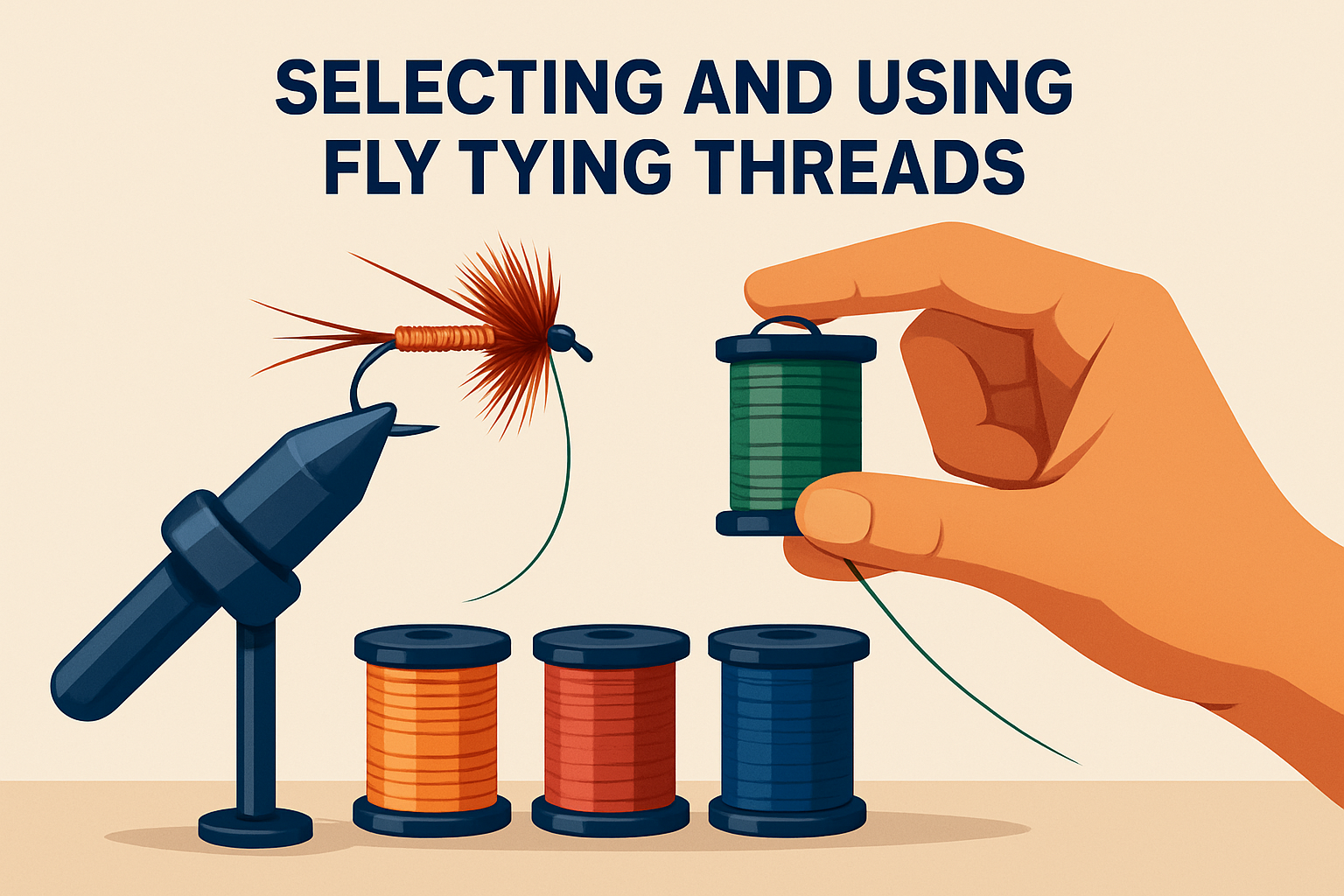
Fly tying, a meticulous art at the crossroads of creativity and angling, is deeply entrenched in the rich culture of fly fishing. At its core, fly tying threads act as the binding agent in creating killers of the fish world: artificial flies. Not only do they hold different materials together, but they also define the durability, appearance, and efficiency of the fly. Therefore, selecting the right fly tying thread is crucial for any fly tier seeking to create effective flies that mimic nature’s bait. In this introduction, we’ll unravel the essentials of fly tying threads, outline vital terminologies, and explain the importance of selecting the appropriate thread in your fly-crafting endeavors.
Every fly tier must comprehend certain terminologies associated with fly tying threads. Denier, for instance, refers to the thickness of the thread – a higher denier number means a thicker thread. Another crucial term is the ‘aught’ system, which indicates the fineness of the thread; the higher the aught number, the finer the thread. Understanding these terms is essential to choosing threads that fit specific flies and their intended movement in water. The choice of threading affects not only the aesthetic presentation but also the fly’s ability to withstand the brutality of biting fish and natural elements. Selecting the right fly tying threads and utilizing them correctly can have a transformative effect on your fly fishing success rates, making this topic profoundly significant in bringing home that prized catch.
Types of Fly Tying Threads
Fly tying threads come in various types, and each one serves a distinct purpose. Some of the most prevalent types include nylon, polyester, gel-spun polyethylene, and silk threads. Nylon threads are popular for their elasticity and stretch, making them perfect for creating tight wraps and hiding imperfections. On the other hand, polyester threads are known for their strength and durability. Gel-spun polyethylene threads, despite being a more recent introduction, have gained popularity due to their unsurpassed tensile strength and slim diameter.
Consider a real-world example: creating a classic dry fly like the Adams. Many would opt for 6/0 or 8/0 nylon thread because of its fine diameter, allowing for tight, neat wraps without adding bulk. Conversely, if you’re tying hefty saltwater flies, gel-spun threads would be apt due to their robustness. The type of thread should match the type of fly you are creating, which eventually determines the usability and effectiveness of your creation.
Understanding Thread Sizes
Choosing the correct size of fly tying thread is pivotal. Fly tying threads are described by either the denier or the ‘aught’ number. For those relatively new to the craft, it may seem daunting; however, understanding thread sizing is key to successful fly tying. Denier, an industry standard, measures the weight of a particular length of thread. In contrast, the traditional ‘aught’ sizing system inversely relates finer threads to higher numbers.
For example, a thread labeled 70-denier is thin and often used for delicate flies, whereas a 210-denier is thicker and intended for larger flies. In terms of the aught system, a 8/0 thread size is finer than 6/0, suitable for delicate dry flies. This sizing knowledge is employed by fly tiers to choose the optimal thread for a particular fly. A thread needs to be fine enough to create precise wraps, yet sturdy enough to endure tedious fishing trips.
The Importance of Thread Material
The material of fly tying thread is a fundamental element that affects its performance. As previously outlined, materials such as nylon and polyester each offer certain advantages. A key consideration when selecting thread materials includes the transparency and appearance once in water. Another factor is the thread’s adaptability to different tying techniques such as dubbing or whip finishing.
Let’s delve into a real-world application: when you need a versatile thread for small to medium fly patterns, polyester threads stand out due to their extraordinary durability and color fastness. Conversely, for advanced tying techniques requiring multiple wraps without breaking or fraying, the elasticity of nylon is incredibly beneficial. Fly tiers must weigh the functionality of the material against the techniques and types of flies they are creating to make informed selections.
Tying Techniques Affected by Thread Selection
The type of fly tying thread can significantly affect your tying techniques. For example, if you are set to tie a parachute hackle, the thread’s ability to compress or expand can dictate the ease with which you work around the post without compromising on tightness. Different materials lend themselves better to particular tying techniques.
Moreover, for a real-world practical view, imagine tying a nymph fly where the thread’s color visibility and stretchability affect the ribbing process, creating the segmented body look. Gel-spun threads, owing to their thinness yet tensile strength, allow for delicately spaced segments, while ensuring that the segment pattern endures the stress of casting. Fly tiers must be cognizant that the wrong thread could complicate or even ruin a carefully planned fly pattern and be ready to swap threads where necessary.
Choosing Thread Color
Choosing the right color of fly tying thread can make a significant difference to the attractiveness and efficiency of the finished fly. Often matching the color of the thread to the body of the intended species is pivotal in catching wary fish as it contributes to the fly’s overall life-like appearance. Fly tiers have a wide palette of colors to choose from, and understanding when and how to use them can set your flies apart.
For a practical perspective, consider a brown trout fisherman aiming to tie a pheasant tail nymph; they might choose an olive or brown thread to create a realistic insect look. In this case, the use of a subtle color matching threads tightly woven into the fly would result in success in clear waters. Too vibrant or mismatched colors can make fish wary, pushing them further away rather than attracting them.
Assessing Thread Quality
Thread quality is an often-overlooked factor. As you develop in your fly-tying endeavors, assessing thread quality becomes crucial. Higher quality threads tend to be uniform in diameter, have consistent coloration, and minimize fraying. Inspecting thread quality closely saves time and materials, drastically contributing to successful fly ties.
Imagine assembling a high-stakes fly for a competition or a showcase. Utilizing a premium thread, such as those from reputable brands like Veevus or Danville, free from imperfections guarantees that your fly holds together aesthetically and functionally through varied fishing conditions. Recognizing quality threads arms you with a critical edge in crafting more effective and professional-grade flies.
| Thread Type | Best Use Case | Typical Sizes |
|---|---|---|
| Nylon | General Use, Small Dry Flies | 6/0, 8/0 |
| Polyester | Larger Flies, Saltwater Patterns | 3/0, 6/0 |
| Gel-spun Polyethylene | Sturdy Saltwater Flies | 50-denier, 100-denier |
| Silk | Classic Wet Flies | 3/0, 6/0 |
The Role of Thread in Fly Durability
The right thread selection is instrumental in maximizing the fly’s lifetime and resilience. Given that flies are repeatedly subjected to harsh environmental factors and aggressive fish, the durability of the thread should be a priority for any serious fly tier. Strong threads facilitate sustainable designs that keep fish biting time after time.
For instance, haphazard threading on a streamers pattern with low-quality thread risks fraying or even unraveling under minimal strain. By opting for robust, high-quality threads, you can ensure each fly provides sustained performance, casts efficiently, and convinces fish in various aquatic settings.
Summary and Steps Forward
In summary, selecting the correct fly tying threads is not just an arbitrary element in fly tying; it is vital to creating effective, durable flies that can rise to the challenge of real-world fishing conditions. We’ve delved into different thread types, understanding thread sizes, using proper materials, and effortlessly choosing colors – all tailored to suit the needs of aspiring and experienced fly tiers.
The takeaways are straightforward: prioritize knowing your threads, leverage their strengths regarding your specific applications, and constantly assess quality to step up your fly tying game. As a next step, I invite you to experiment with different threads on your next tying session. Harness this knowledge to refine your skill set and meet success on the water, capturing the interest of fish with your masterfully crafted flies.
Frequently Asked Questions
1. What are the main materials used for fly tying threads, and how do they affect the fly-making process?
Fly tying threads are available in various materials, each offering unique qualities that affect the outcome of your fly. The most common materials are polyester, nylon, and silk. Polyester is favored for its strength, durability, and stretchiness, making it ideal for securing materials tightly without breaking. Nylon adds a sheen and is very smooth, often preferred for its fine finish and ease of use. Silk, on the other hand, is less common but offers a classic touch with its rich quality and ability to bind materials securely without slipping. Each material influences the texture and durability of the finished fly, and choosing one depends on the desired characteristics of the fly you aim to create. Considering these properties will help you select the cotton best suited for your project, ensuring the fly is both effective and long-lasting.
2. How do I determine the right thread size for different fly patterns?
The size of your fly tying thread, often measured in denier or aught, significantly impacts the finished fly’s appearance and performance. A lower denier (range: 20-90) indicates a finer thread, while higher numbers suggest thicker options (usually: 100-300). Finer threads are optimal for tying small insects, allowing for intricate details without bulk, essential for fooling discerning fish like trout. Coarser threads work best for larger or saltwater flies, where the priority is robustness and durability against strong currents or aggressive fish. A thread also should match your tying technique and the pressure you can apply without breaking it. In essence, align the thread size with your practical requirements for knot strength and presentation balance.
3. What’s the significance of thread color, and how can I choose the best one for my flies?
Color choice in fly tying threads is far from cosmetic; it can define the fly’s effectiveness in natural mimicry and fishing conditions. Lighter colors can mimic underbellies or provide a natural appearance during dappled, sunlit conditions, while darker colors offer contrast, mimicking shadows or night-time flies, ideal for murky waters or evening fishing. Intermediate colors serve multi-purpose roles, blending into the environment or mimicking tiny features like antennae. It is important to also consider the translucency of the water you’re fishing in and the color contrast that typically exists in the fly’s natural counterpart. By carefully selecting the appropriate color, you enhance the fly’s ability to attract fish by better blending or contrasting with its surroundings, making your fishing endeavor successful.
4. How can I prevent my fly tying thread from breaking when I’m tying a fly?
Dealing with a breaking thread can be frustrating, but understanding the reasons can help mitigate it. Firstly, ensure you’re using a thread mated for your fly size and tying skill—a sturdier thread for beginners works wonders. Tension control is next, striking the right balance ensures durability but avoids undue stress that leads to snapping. Practice makes perfect here, so recurring practice can help improve your dexterity. Additionally, keep your tools, especially bobbins, well-maintained and free from sharp edges. Checking your techniques also helps—using half-hitches or whip finishes locks threads securely without excessive pressure. Finally, investing in high-quality thread brands can substantially impact your tying experience by minimizing impurity-related breakages. With these precautions, you can tie without distraction.
5. How can I make my flies more durable using fly tying threads?
To enhance the durability of your flies, start by choosing a thread that matches the intended fly purpose and required strength. Stronger, tightly piled threads will be more resistant to water and fish abrasion. Apply the threads with consistent tension to ensure each material is held securely. Using a thread with a slight twist(e.g., GSP) can increase the fly’s tensile strength. A few coats of head cement over the thread wraps, especially at the head or any potentially fraying points, can create a protective layer against wear and tear. It’s also beneficial to understand the typical stress points on specific fly types and reinforce those areas with additional thread wraps. Employing back and forth techniques occasionally throughout your fly can fortify weak spots, adding another layer of defense for a longer-lasting fly.