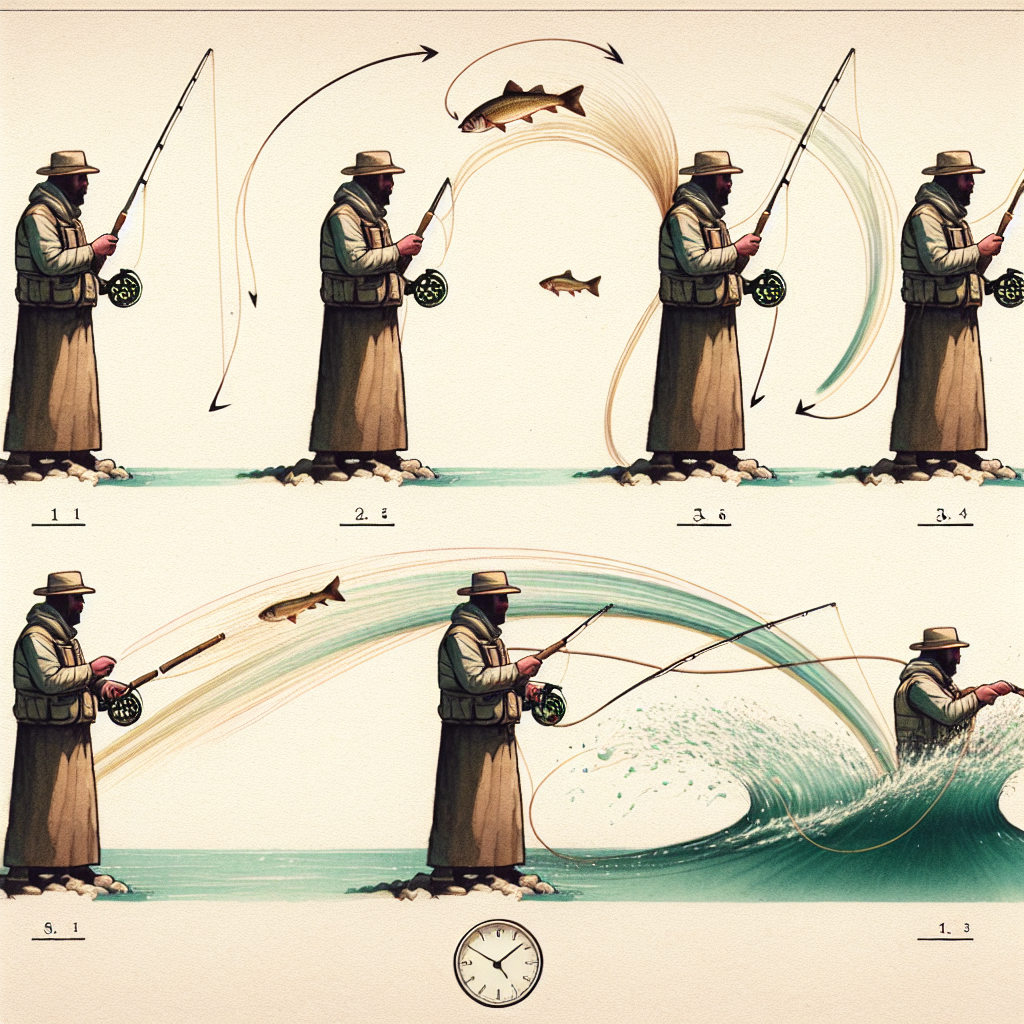
Fly fishing is not just a pastime; it’s a discipline that combines the allure of nature with the finesse of precision angling techniques. Whether you’re a beginner or an experienced angler, one aspect that stands out in fly fishing is the importance of timing in fly casting. Proper timing can mean the difference between a perfect cast and a frustrating tangle. The art of perfect timing isn’t just about technicality but also understanding the subtle cues around you.
It’s easy to be overwhelmed by the myriad of techniques and strategies in fly fishing. However, breaking down these complexities, especially focusing on timing, can significantly enhance your overall experience. In the following sections, we will delve into the importance of timing, covering the basic principles, practical techniques, tips for improving your cast, common mistakes, and the rewards of mastering this essential skill.
The Essence of Timing in Fly Casting
Timing is the heartbeat of fly casting, much like rhythm in music or pacing in running. This crucial element ensures that the energy transferred from your casting hand to the fly line is applied most efficiently. In fly fishing, the goal is to present the fly in a manner that closely mimics the movements of natural prey, therefore enticing the fish to strike. Without proper timing, your fly might land unnaturally on the water, startling the fish instead of luring them.
Good timing in fly casting involves understanding the loops of the fly line – both the forward and backward cast – and ensuring they unfurl correctly. When you cast, you’re storing energy in the rod, which is then transferred to the fly line. If you move too quickly or too slowly, you disrupt this transfer, leading to a poor cast. Knowing the right moment to pause during these movements is pivotal in allowing the loops to straighten, thus ensuring a smooth, accurate presentation of your fly.
Basic Casting Techniques and Timing
Before honing your timing, it’s essential to grasp the basic casting techniques. The fundamental cast in fly fishing is the overhead cast, consisting of a backward and a forward motion. Here’s a quick rundown to help set the stage for perfect timing:
- Start Position: Hold your rod with a relaxed grip at a ten o’clock position with your thumb on top, ensuring the rod tip is lowered near the water’s surface.
- Back Cast: Lift the rod smoothly to a one o’clock position. As you do, the fly line will follow the rod’s motion. The aim is to stop the rod sharply, causing the line to form a loop. The crucial pause here allows the line to straighten out behind you.
- Forward Cast: Once the line has straightened behind you, drive the rod forward to a ten o’clock position with a solid stop. This transfers the rod’s stored energy back to the line, allowing it to shoot forward towards your target.
Practicing this basic movement while focusing on the timing of your pause between the back and forward cast is paramount. This pause is the cornerstone of good timing in fly casting, allowing the line to fully extend and establish the foundation for an accurate and effective forward cast.

Practical Techniques for Enhancing Timing
Improving your timing involves a mix of patience, practice, and keen observation. Here are some practical ways to hone your timing:
- Watch the Line: One of the simplest methods is to visually follow your line during the cast, ensuring it straightens out fully before executing the next part of your cast.
- Use the Clockwork Method: Imagine the rod’s movement akin to the hands of a clock. This mental imagery helps maintain a consistent casting angle and timing.
- Feel the Load: As you progress, learn to sense the rod’s loading and unloading phases. Feeling the rod’s flex helps you intuitively know the optimal pause timing.
- Practice False Casting: This technique involves keeping the fly in the air by repeatedly casting back and forth without letting it touch the water. It significantly aids in refining timing.
Remember, practice is imperative. Spend time casting on open grounds or in clear water where you can focus solely on timing and technique without distractions.
Common Timing Errors and How to Fix Them
Even seasoned anglers can fall prey to timing errors. Identifying and addressing these issues can drastically improve your fly casting:
- Rushing the Cast: Many beginners rush, not allowing time for the line to straighten. To counteract this, try casting in slow motion till you get the hang of the optimal pauses.
- Stopping Too Early: If you halt the rod too soon during the backward or forward cast, it results in a weak, ineffective cast. Ensure the rod stops at the appropriate clock positions.
- Inconsistent Pauses: Varying your pause time disrupts rhythm. Practice maintaining a consistent count in your head to develop muscle memory.
- Poor Line Control: Uneven line handling can affect timing. Practice line management techniques such as double hauling to maintain line tension and control.
By pinpointing and correcting these common faults, you will significantly enhance the quality and consistency of your casts.
The Rewards of Mastering Timing
Perfecting your timing in fly casting opens up a world of rewards and improvements in your fly fishing experience:
- Increased Accuracy: With better timing, your casts will land more precisely where you intend, increasing the chances of successful strikes.
- Longer Casts: Proper timing helps maximize the energy transfer to the line, allowing you to cast over longer distances with less effort.
- Natural Presentation: Well-timed casts result in more natural fly presentations, making them more enticing to fish.
- Improved Control: Mastering timing gives you greater control over the fly line, making it easier to navigate challenging fishing conditions.
The satisfaction of consistently well-timed casts is immeasurable, turning each fishing trip into a triumphant experience.
Conclusion
Timing in fly casting is much more than a mechanical aspect; it’s an art form that adds to the overall serenity and success of fly fishing. Proper timing can dramatically enhance your effectiveness, turning what could be a frustrating outing into an enjoyable and rewarding adventure.
From understanding the basics, honing practical techniques, correcting common errors, to reaping the myriad rewards, mastering timing in fly casting is a journey worth undertaking. Devote time to practice, observe the subtleties of your cast, and strive for continuous improvement. Your dedication will undoubtedly pay off in the form of more enjoyable, effective fly fishing outings.