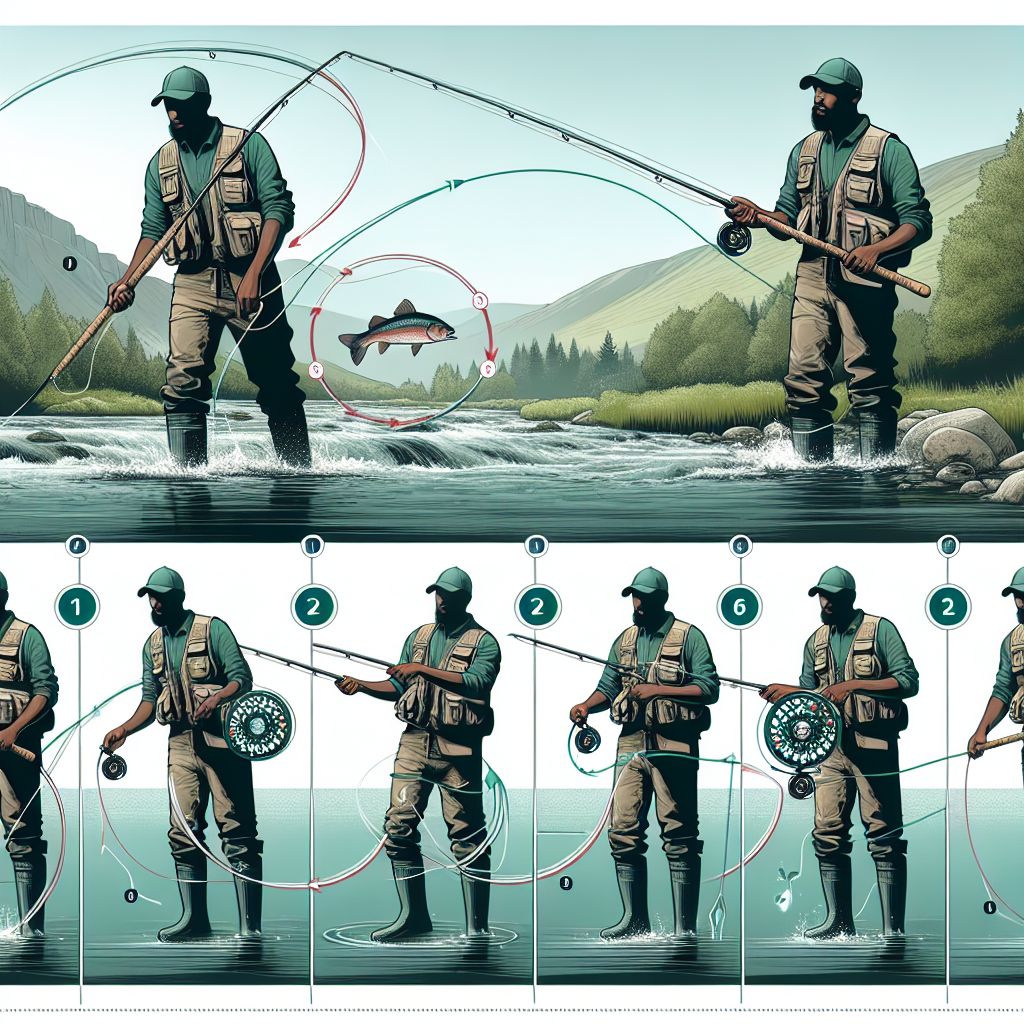
Fly fishing is an art form that bears a distinct blend of patience, precision, and technique. Among the myriad of casting techniques that a fly angler can master, double haul casting stands out. Often revered for its ability to extend casting distances and combat wind resistance, the double haul cast is a pivotal skill for any serious fly fisher.
The double haul cast, despite its significant advantages, can be a daunting technique for beginners. It demands synchronization of hand movements and a keen sense of timing. However, once mastered, it opens up new possibilities and enhances the angler’s fishing experience exponentially. Whether you’re trying to fish in windy conditions or simply want to achieve greater distance and accuracy, the double haul cast is an indispensable technique you need to have in your fly fishing repertoire.
This article aims to unravel the nuances of double haul casting. From foundational principles to detailed step-by-step guidance, we are here to help you gain confidence and mastery over this effective yet demanding technique. By the end of this guide, you’ll have a robust understanding of how to execute a double haul cast with proficiency and style.
Understanding the Mechanics of Double Haul Casting
Before diving into the practical steps of double haul casting, it’s crucial to understand the fundamentals of how it works. A double haul cast involves pulling or “hauling” the fly line in rapid and short bursts using your non-casting hand. This maneuver is executed twice during a single cast—once during the back cast and once during the forward cast. These pulls effectively accelerate the line, allowing you to achieve longer casts and greater control over the line.
The physics behind the double haul cast are straightforward. The key is to create additional line speed. By hauling on the back and forward cast, you’re increasing the line’s velocity, which in turn helps in laying the line out straight and with greater distance. Another significant benefit of this technique is increased accuracy, as the line speed ensures a more direct and controlled delivery.
The smoothness and efficacy of a double haul cast hinge on the synchronization between your hands during the cast. While your casting hand performs the usual back and forward casting motions, your non-casting hand must pull the line in a synchronized manner. This partnership between the hands is what makes the double haul cast potent yet tricky to master.
Getting Started with Double Haul Casting
Like any fly fishing technique, starting with the basics is crucial. Begin by ensuring you have the right gear. A flexible yet sturdy rod, preferably with a weight that matches your fly line, is essential. Practice with plenty of space around you, free from obstacles that could snag your line or hinder your movements.
To initiate the double haul, start with the standard overhead cast. Hold the rod in your dominant hand and the fly line in your non-dominant hand. Make slow and deliberate practice motions, focusing on the back cast first. As you move your rod back, simultaneously pull on the line with your non-dominant hand, creating a “haul.”
Try to make this haul smooth and controlled; avoid jerking motions. The aim is to accelerate the line uniformly. Once you have practiced the back cast haul, you can move on to the forward cast. As you bring the rod forward, repeat the hauling motion with your non-dominant hand. Practice these steps independently before combining them into one fluid motion.
Remember, the goal here is to get comfortable with the concept of hauling. Once you feel confident, you can progress towards executing a full-fledged double haul cast. Patience is key, so take your time to get the basics right.

Perfecting the Back Cast
The back cast is an essential component of the double haul technique. Start with a basic overhead cast to bring your line behind you. At the apex of the back cast, your rod should be nearly vertical, with your wrist straight and the line extending behind you.
As you initiate the back cast, use your non-dominant hand to pull the line in a swift and controlled manner. This action creates the first “haul.” Ensure that your movements are in harmony; if your hands are out of sync, it can lead to tangles or an ineffective cast.
Timing is critical — the haul should coincide with the rod’s peak acceleration. Any discrepancy in timing can lead to loss of energy and distance in casting. The key takeaway for the back cast is a smooth, synchronized pull on the line in tandem with the rod movement. Practice this step extensively until it becomes second nature.
Mastering the Forward Cast
Once you’ve perfected the back cast haul, it’s time to focus on the forward cast. The principles are essentially the same; you’ll coordinate a smooth and synchronized pull on the line while moving your rod forward. This motion generates the second “haul.”
Initiate your forward cast as your rod reaches the back cast’s climax. As you thrust the rod forward, use your non-dominant hand to pull on the fly line. Just like in the back cast, the timing of this haul is crucial. It should coincide with the forward acceleration of the rod.
Keep in mind, excessive force can lead to loss of control and accuracy. Subtle, deliberate movements are far more effective. Once again, practice until you achieve a seamless blend of timing and motion. A well-executed forward cast will propel your line further and with greater control.
As you become proficient, you can experiment with the intensity of your hauls to see how they affect the overall cast. This practice will give you a better understanding of the dynamics at play.
Advanced Tips for Successful Double Haul Casting
Now that you have the fundamentals in place, here are some advanced tips to help you elevate your double haul casting to expert level:
- Keep Your Wrist Straight: A straight wrist allows for more precise rod control and effective power transfer.
- Avoid Over-Hauling: While it might be tempting to pull harder, over-hauling can diminish the effectiveness of your cast. Strive for controlled and measured hauls.
- Smooth Acceleration: Sudden or jerky movements can disrupt your cast. Focus on smooth and gradual acceleration in both back and forward casts.
- Practice Short and Long Casts: Varying your casting distances can help you better understand the technique and adapt to different fishing scenarios.
Incorporating these advanced tips will not only refine your casting technique but also significantly improve your overall fishing experience. Investing time in practice, paying close attention to the mechanics, and staying patient will yield substantial rewards.
Common Mistakes and How to Avoid Them
Even seasoned anglers can make mistakes while performing double haul casts. Identifying and rectifying these errors is crucial for perfecting the technique. Here are some common mistakes and tips on how to avoid them:
- Poor Timing: This is the most common mistake. Remember, the hauls should coincide with the rod’s movements for optimal line speed.
- Excessive Force: Hauls should be firm but not forceful. Use smooth, controlled movements to maintain accuracy and distance.
- Tangles: Incorrect hand synchronization can lead to line tangles. Focus on perfecting your timing to avoid this.
- Ignoring Wind Conditions: Failing to adjust your technique for wind can lead to ineffective casts. Understand how wind impacts your casting and adjust accordingly.
Identifying these mistakes and consciously working to avoid them will make your double haul casting more effective and enjoyable. Conclusion
Mastering the double haul cast is a journey that demands patience, practice, and precision. Understanding the mechanics, practicing foundational steps, perfecting your back and forward casts, and incorporating advanced tips can elevate your double haul casting skills.
While the technique might appear daunting initially, breaking it down into these manageable steps simplifies the learning curve. Pay close attention to your hand synchronization, the smoothness of your hauls, and the timing of your casts to gain confidence. Remember, persistence is crucial. Regular practice in varied conditions will help you understand the dynamics of the double haul cast better.
Embrace the challenges, celebrate your progress, and continue refining your technique. With dedication and consistent practice, double haul casting will become a valuable asset in your fly fishing toolkit, enhancing both your distance and accuracy in casting and ultimately making your fly fishing experience more rewarding.